Loading subject page…


111,914 views

Video Summary: Action Potential Phases of Stimulation Explained
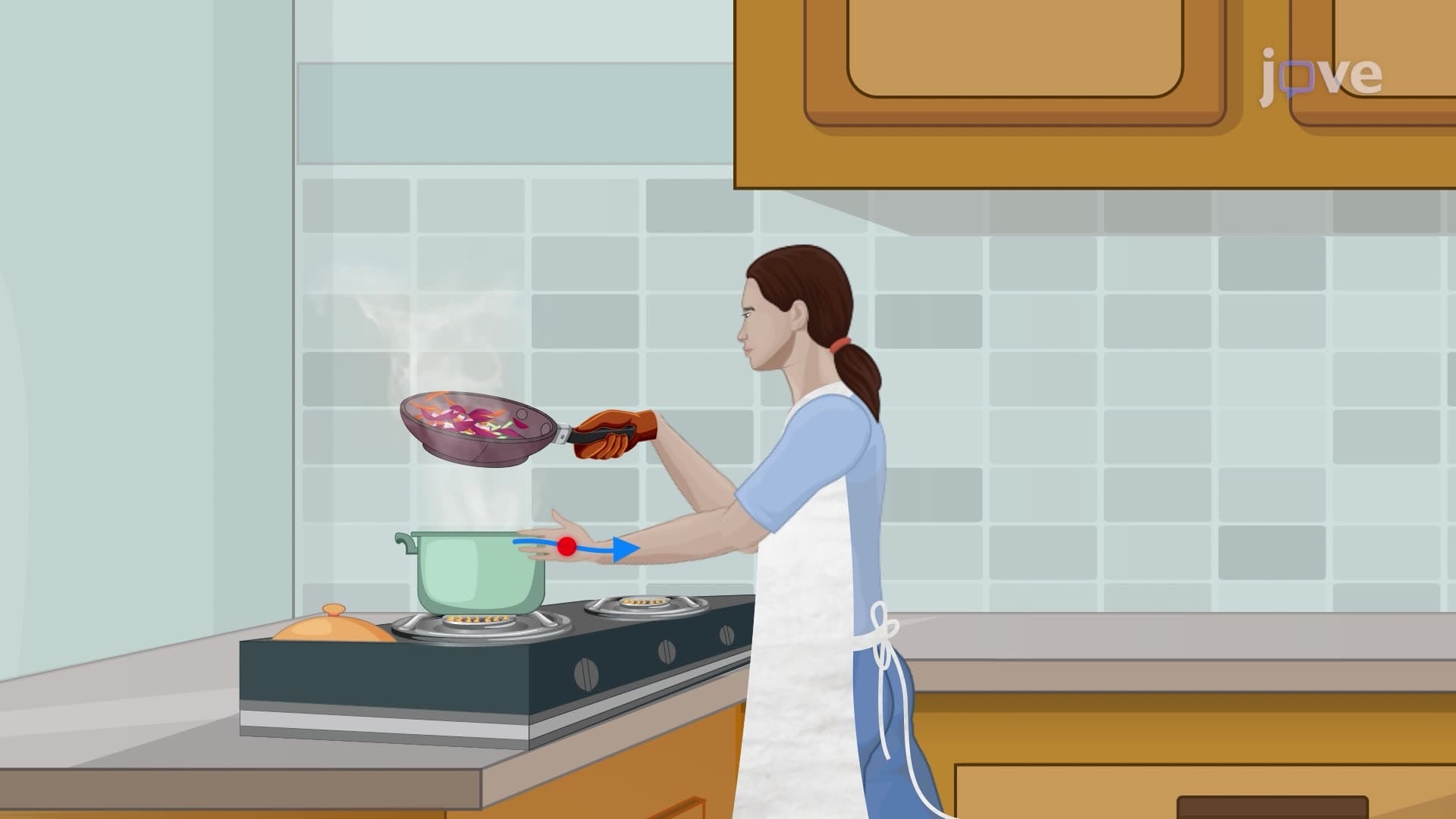
When you touch a hot stove, your hand jerks away in milliseconds-but how does this lightning-fast communication happen? Action potential stimulation phases control this precise neural signaling, involving three critical stages: depolarization, repolarization, and hyperpolarization. Consider how emergency room physicians at Johns Hopkins rely on understanding these phases when treating patients with nerve damage or cardiac arrhythmias. Watch the full video on JoVE Coach to master this concept with expert-led visuals and step-by-step explanations.
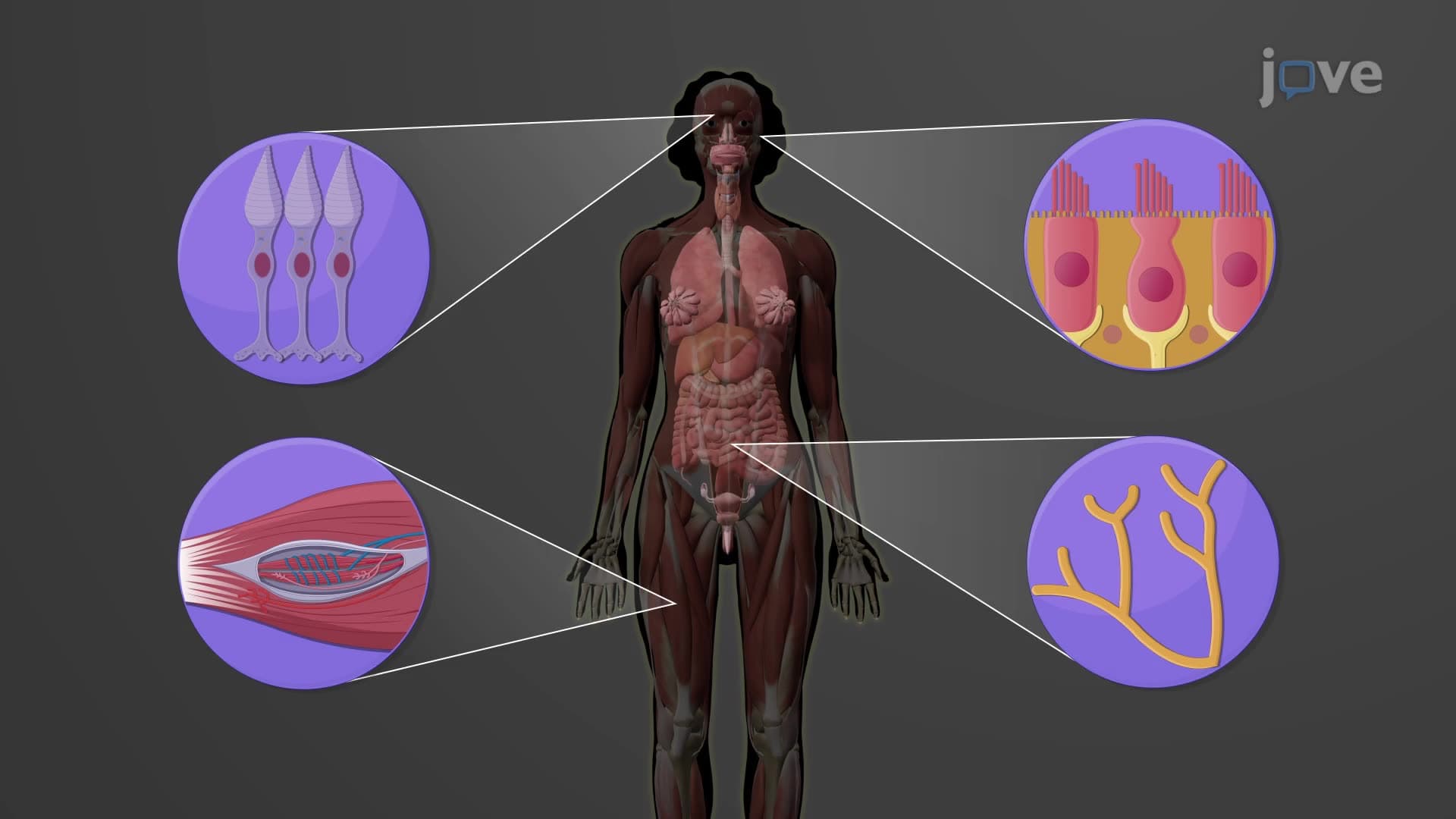
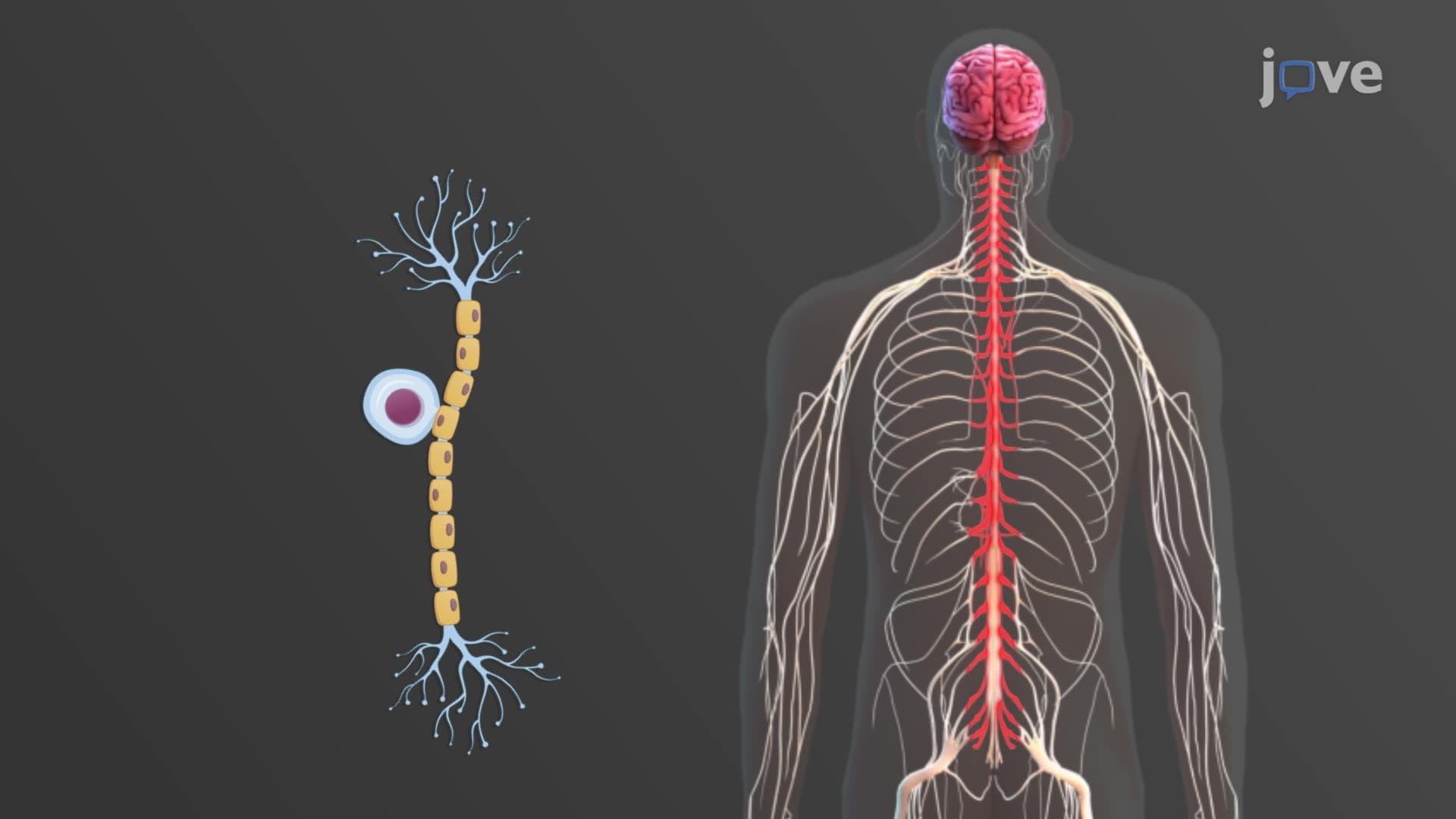
Neural communication relies on precisely coordinated electrical events that occur within microseconds. The action potential stimulation phases represent a fundamental mechanism governing how neurons transmit information throughout the nervous system, from sensory detection to motor responses.
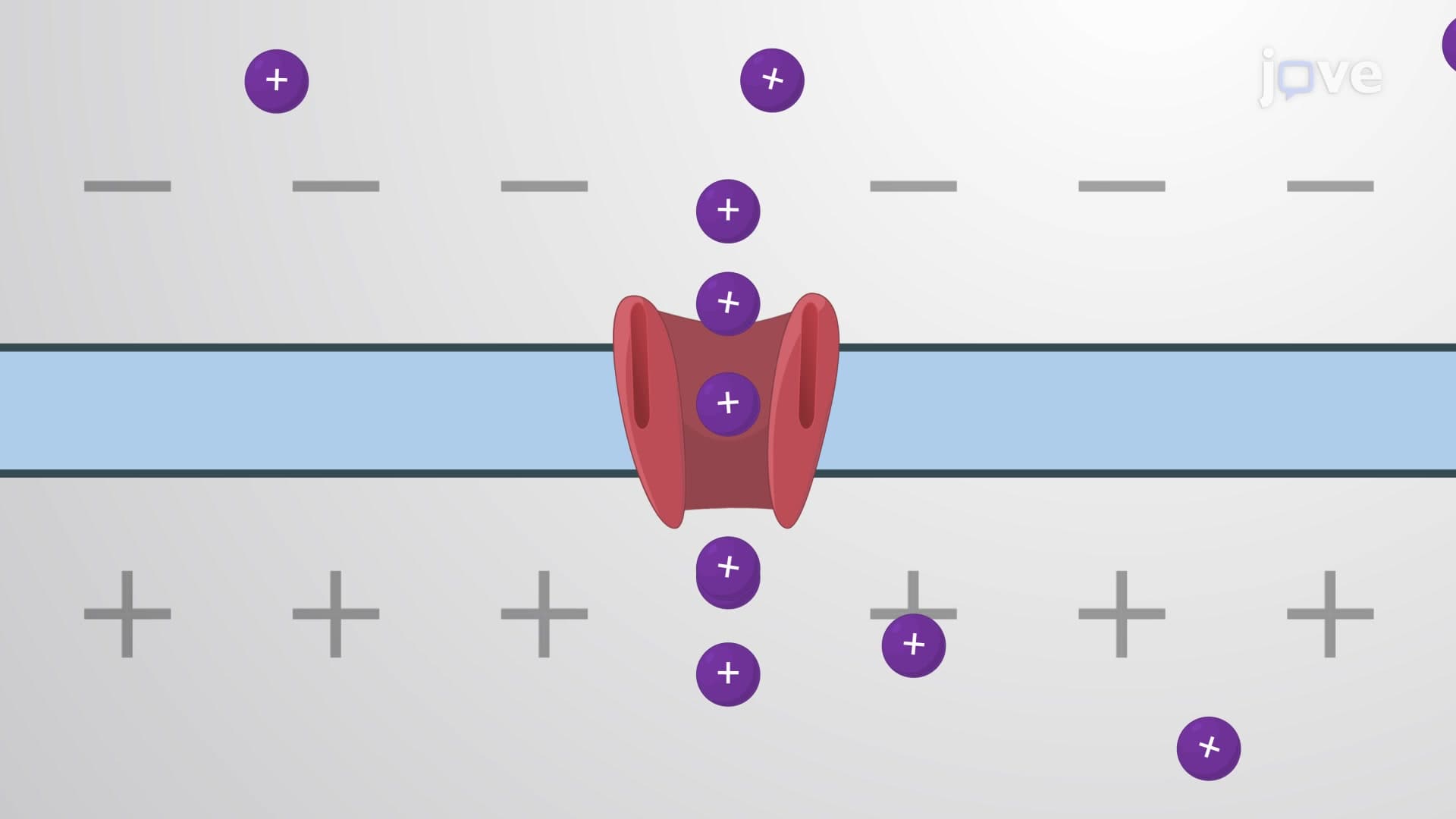
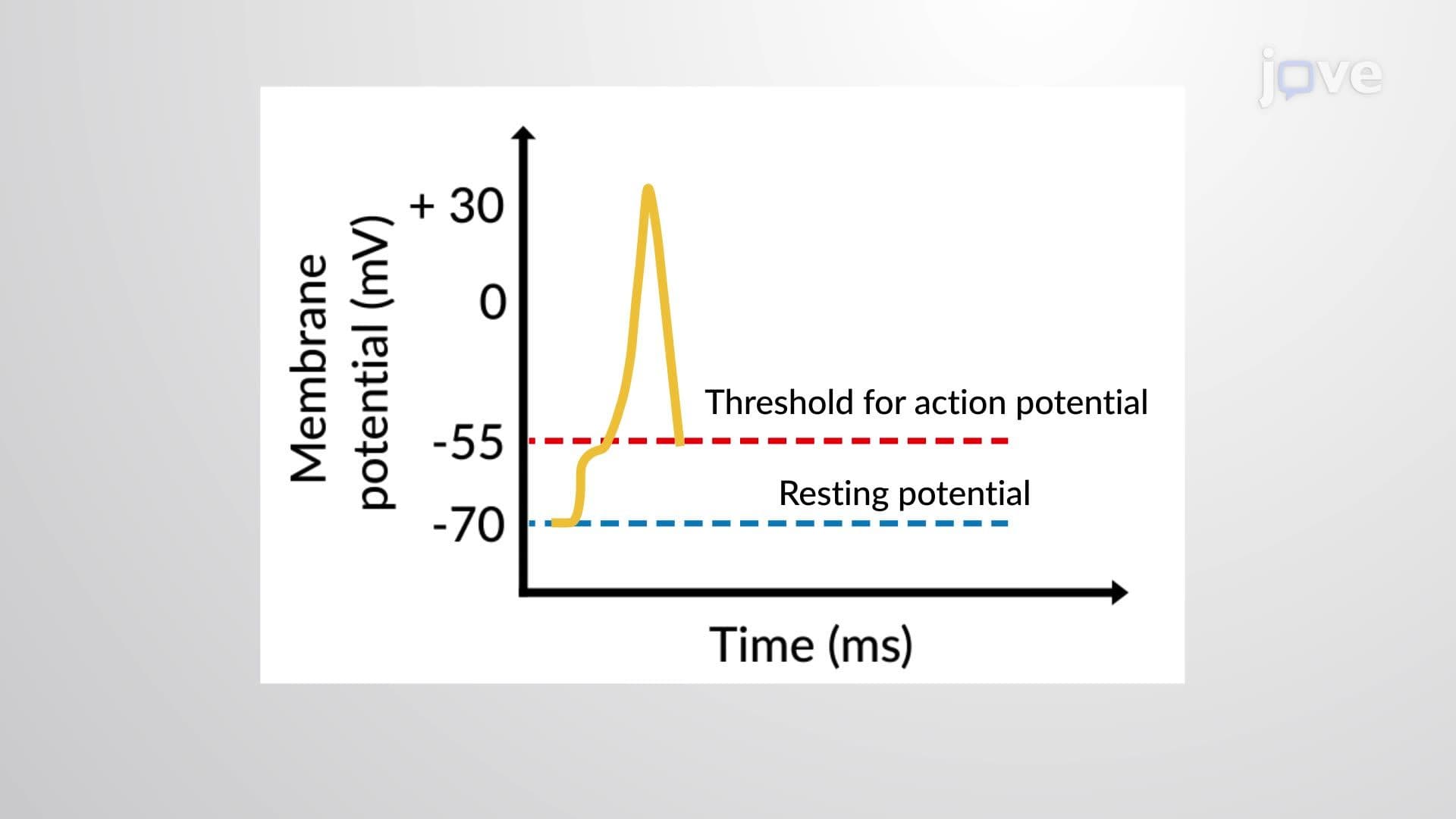
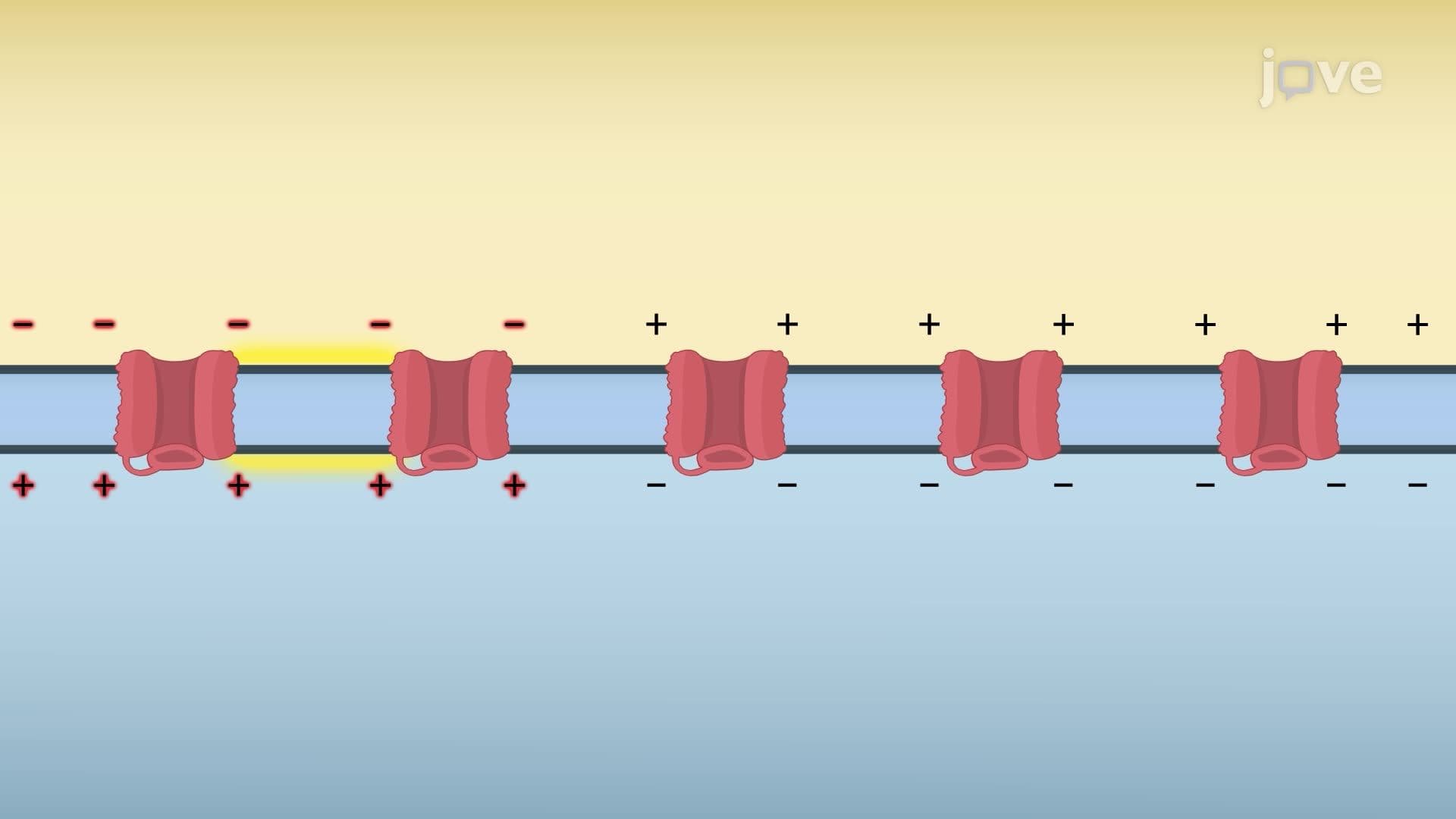
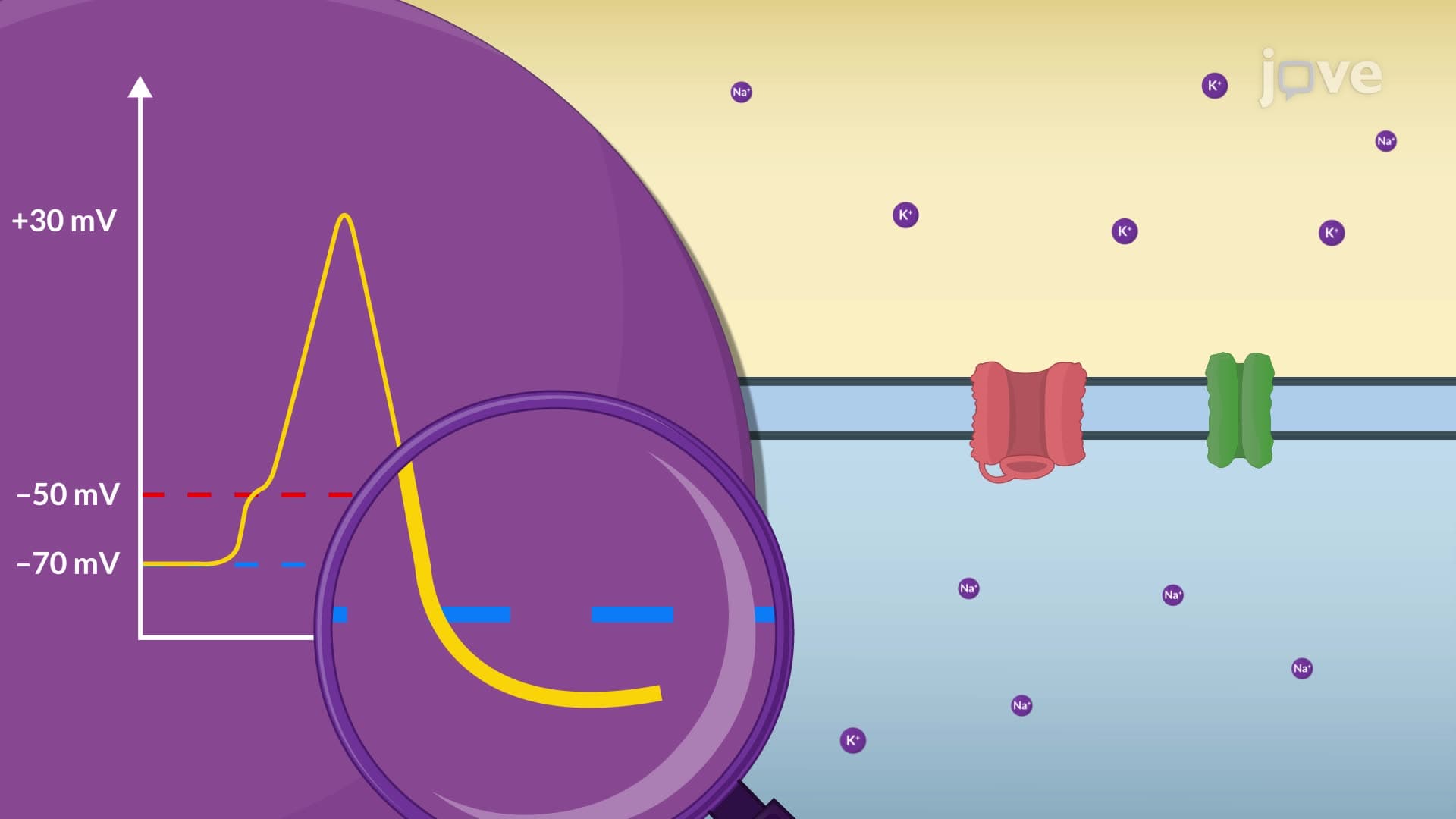
The journey begins when a stimulus reaches threshold potential (typically -55mV in human neurons). This subthreshold threshold stimulation concept is crucial-stimuli below threshold produce only graded potentials that fade with distance. However, suprathreshold AP response occurs when voltage-gated sodium channels undergo rapid activation. Unlike the gradual opening described in basic texts, these channels exhibit explosive kinetics, opening within 0.1 milliseconds and allowing massive sodium influx. The membrane potential rockets from -70mV to +30mV, creating the characteristic spike that students encounter on AP Biology exams and college physiology courses.
Medical students preparing for the MCAT should note that local anesthetics like lidocaine work by blocking these sodium channels, preventing pain signal transmission during procedures at hospitals like Mayo Clinic.
As sodium channels inactivate (a process distinct from closing), voltage-gated potassium channels activate with slight delay. This temporal separation prevents electrical short-circuiting and ensures proper stimulation phase AP response. Potassium efflux drives repolarization, but the process extends beyond simple ion movement. The channels exhibit variable kinetics influenced by temperature, pH, and metabolic state-factors relevant to understanding pathological conditions like hypothermia or acidosis that emergency physicians encounter.
The relative absolute refractory period concept becomes critical here. During absolute refractory period (1-2 milliseconds), no stimulus can trigger another action potential because sodium channels remain inactivated. The relative refractory period follows, where only stronger-than-normal stimuli can generate responses. This mechanism prevents tetanic muscle contractions and ensures orderly signal propagation-concepts frequently tested on USMLE Step 1 examinations.
Understanding refractory period stimulation helps explain cardiac arrhythmias, seizure disorders, and neuromuscular diseases. For instance, patients at Cleveland Clinic with epilepsy may receive medications that prolong refractory periods, reducing excessive neural firing. This knowledge proves essential for pre-med students and nursing students taking NCLEX or HESI A2 examinations.
Related Micro-courses