Loading subject page…


111,914 views

Video Summary: Electrochemical Gradient and Channel Proteins an Explained
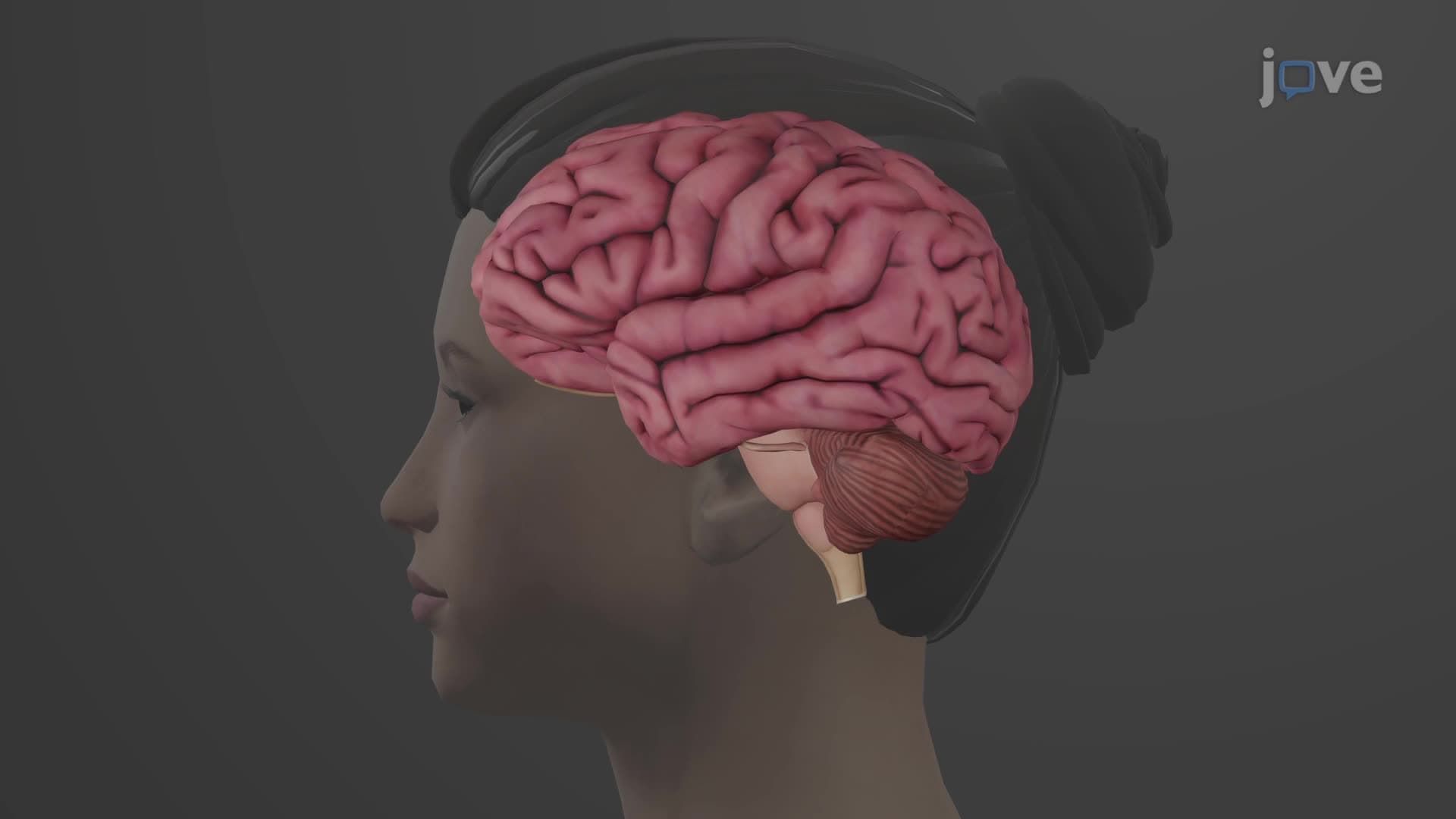
Every second, your brain fires billions of electrical impulses faster than the latest smartphone processor-all thanks to the electrochemical gradient ion channels working in perfect harmony. These molecular gatekeepers control how ions flow across neuron membranes, creating the electrical signals that let you think, move, and react. From reflexes during a football game to studying for the SAT, electrochemical gradient and channel proteins make every neural function possible. Watch the full video on JoVE Coach to master this concept with expert-led visuals and step-by-step explanations.
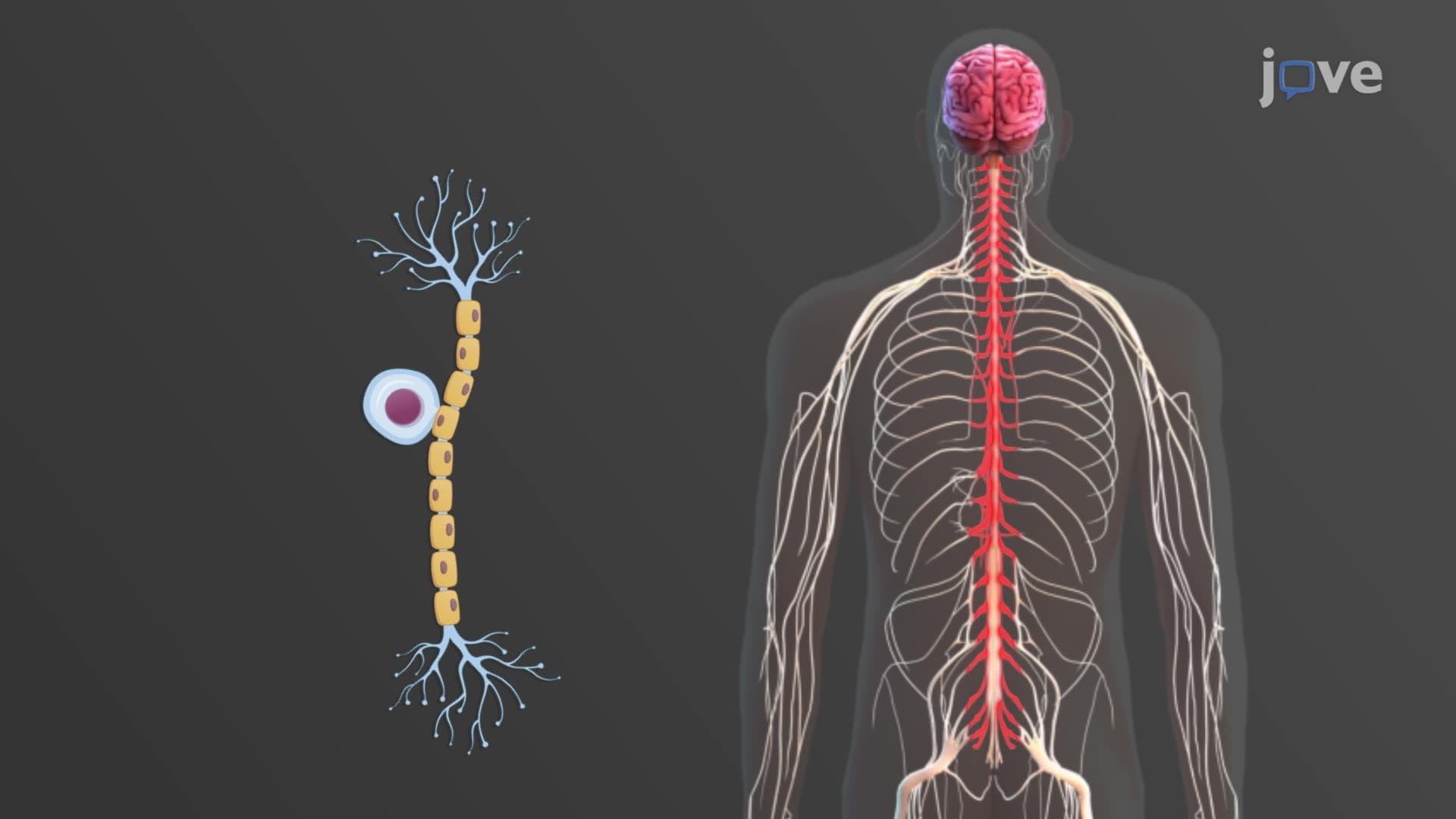
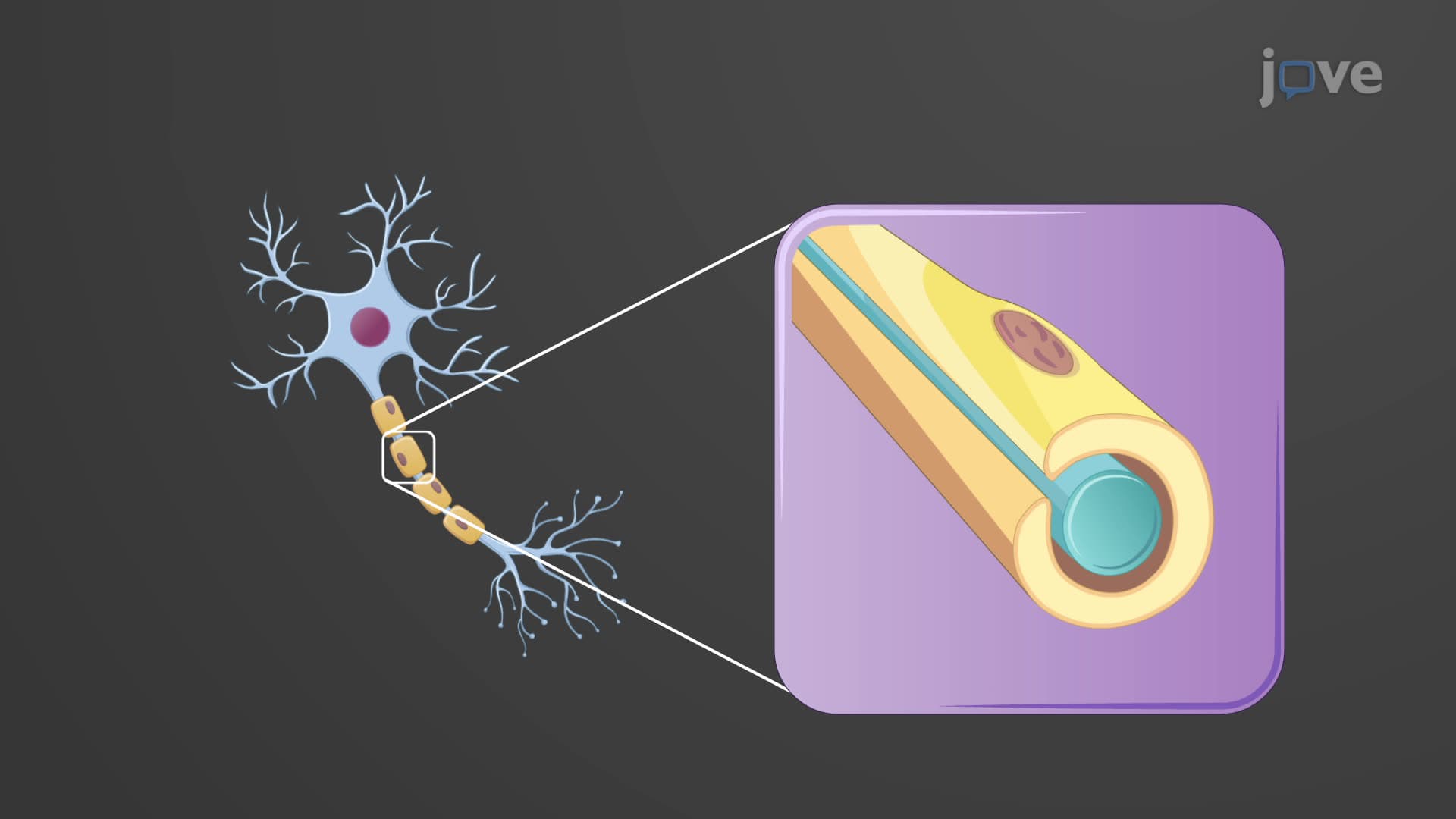
The electrochemical gradient and channel proteins form the foundation of all neural communication in your body. Think of your neurons as sophisticated electrical circuits, where the electrochemical gradient ion channels act as precisely controlled switches that determine when and where electrical current flows.
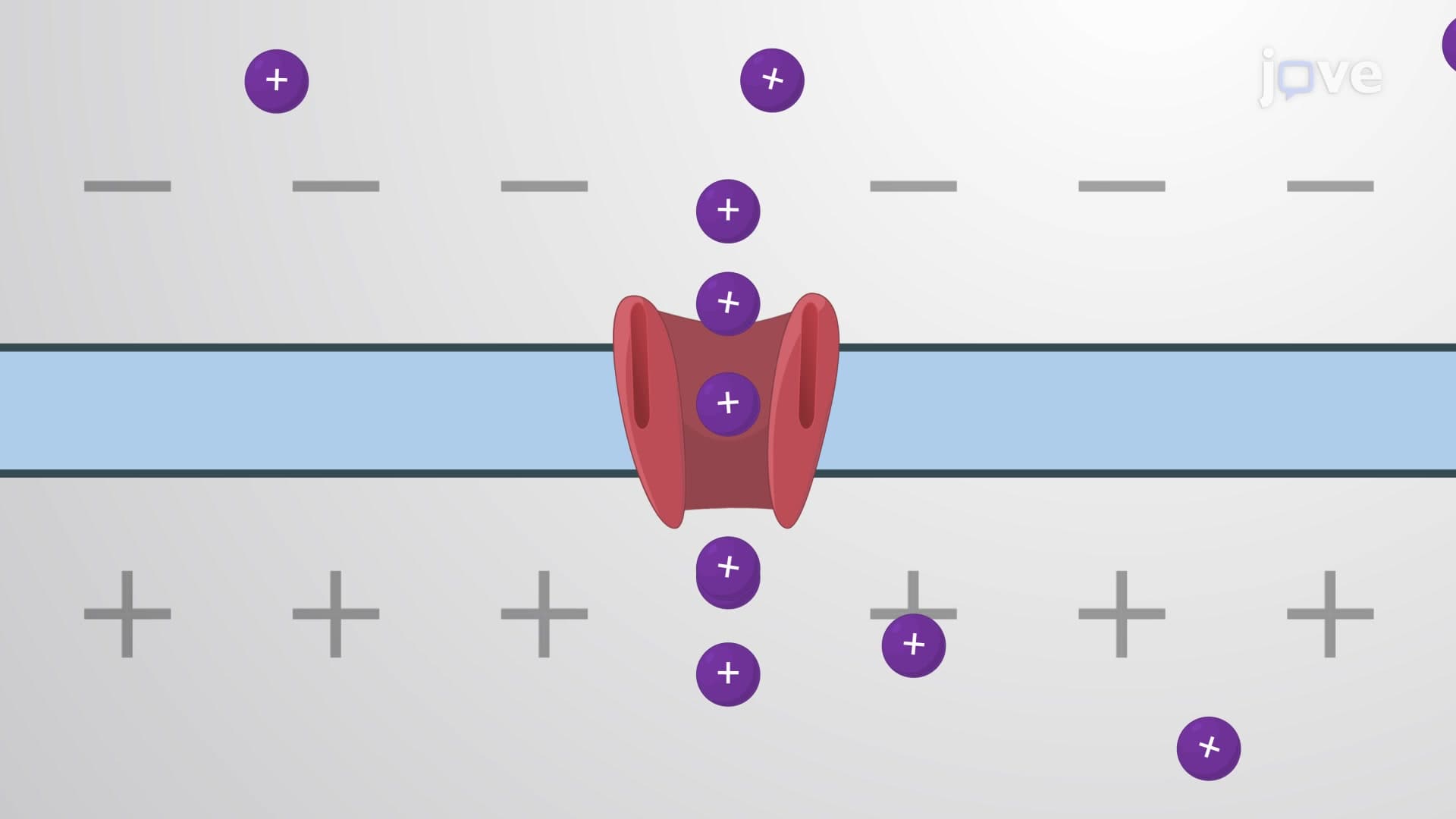
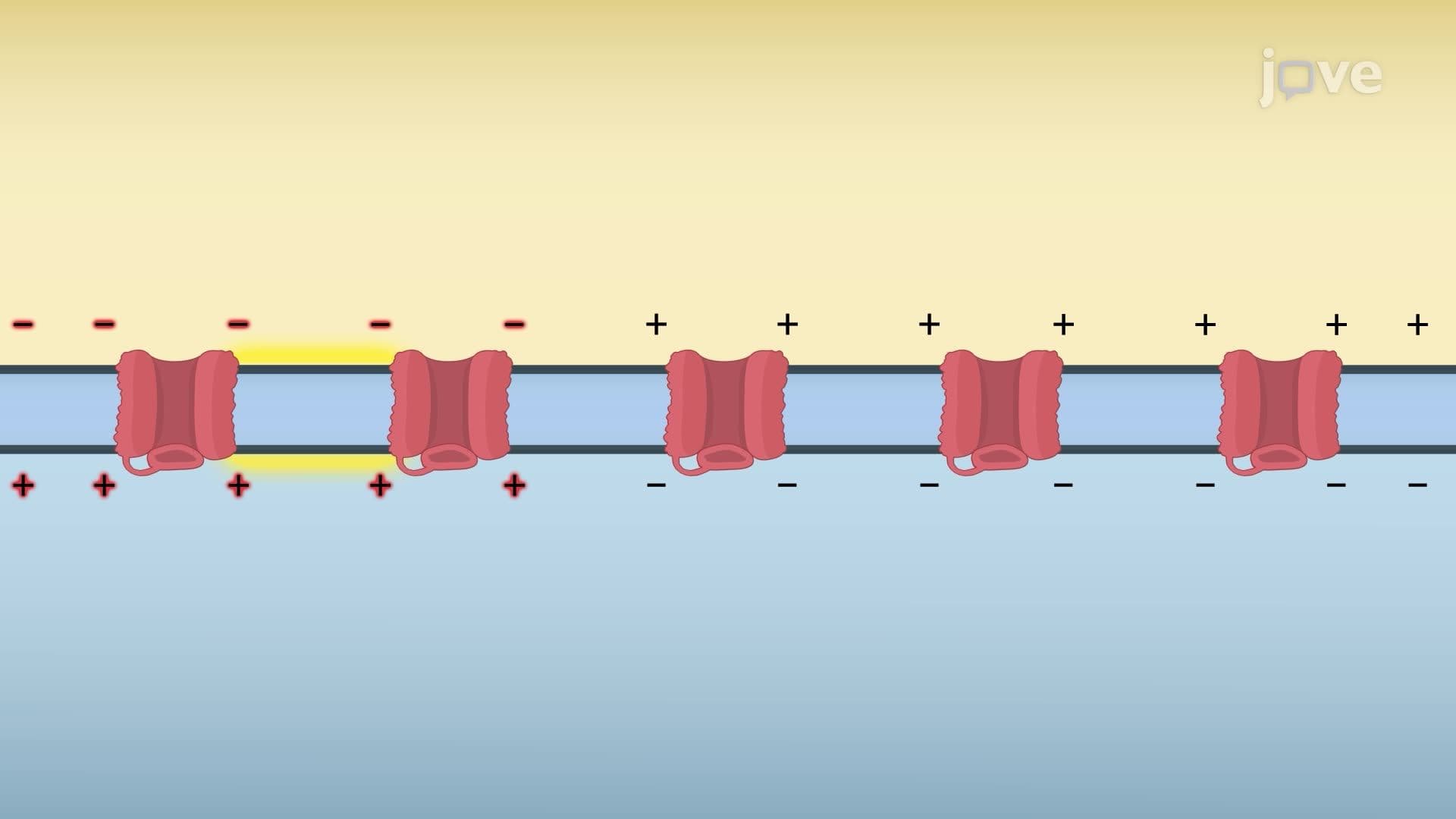
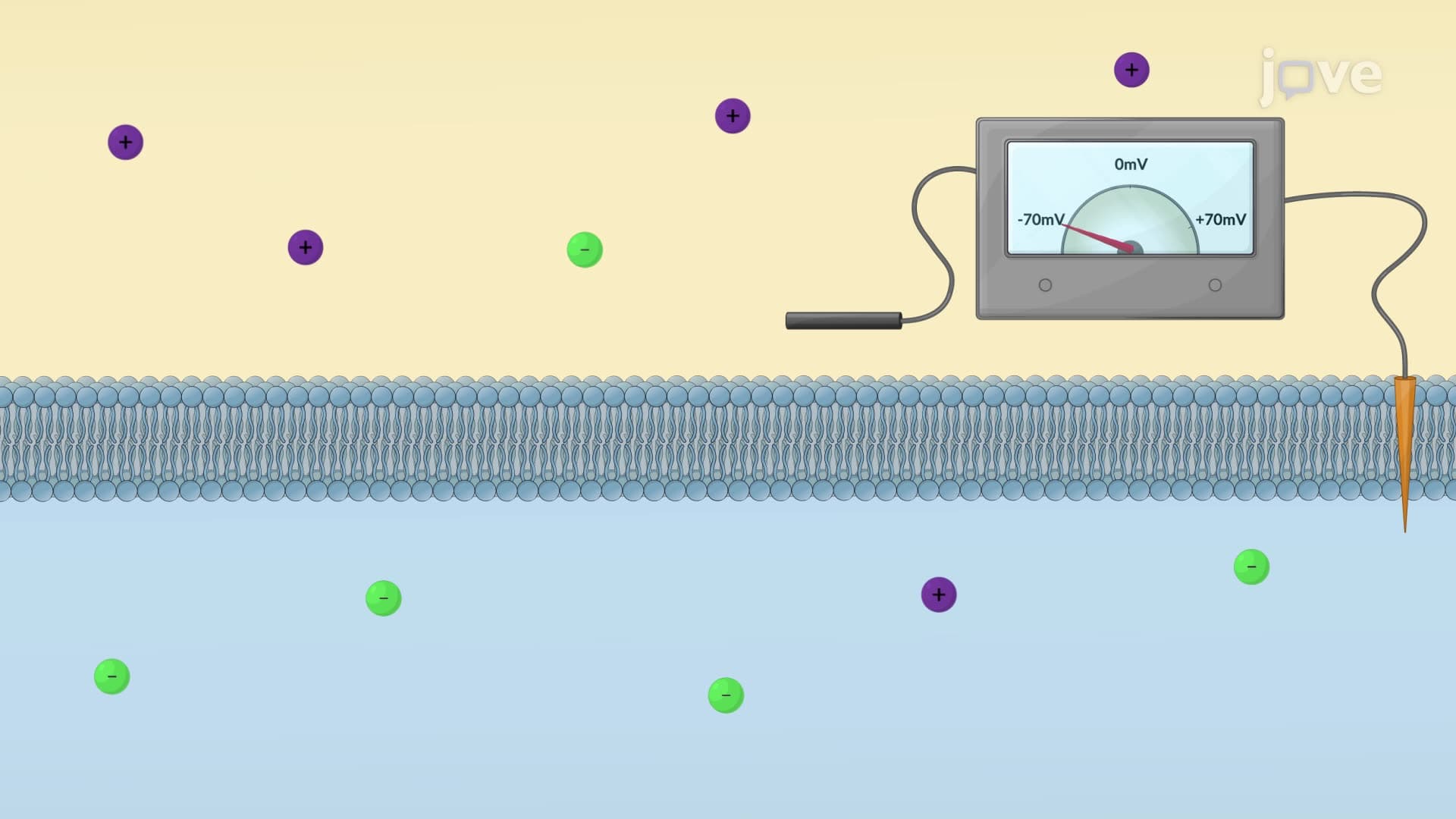
An electrochemical gradient explained biology reveals two driving forces working simultaneously. The concentration gradient pushes ions from areas of high concentration to low concentration-like students rushing from a crowded hallway into an empty classroom. Meanwhile, the electrical gradient pulls oppositely charged particles toward each other, similar to how magnets attract. The chemical concentration gradient ion movement combined with electrical charge gradient membrane effects creates a powerful driving force that neurons harness for communication.
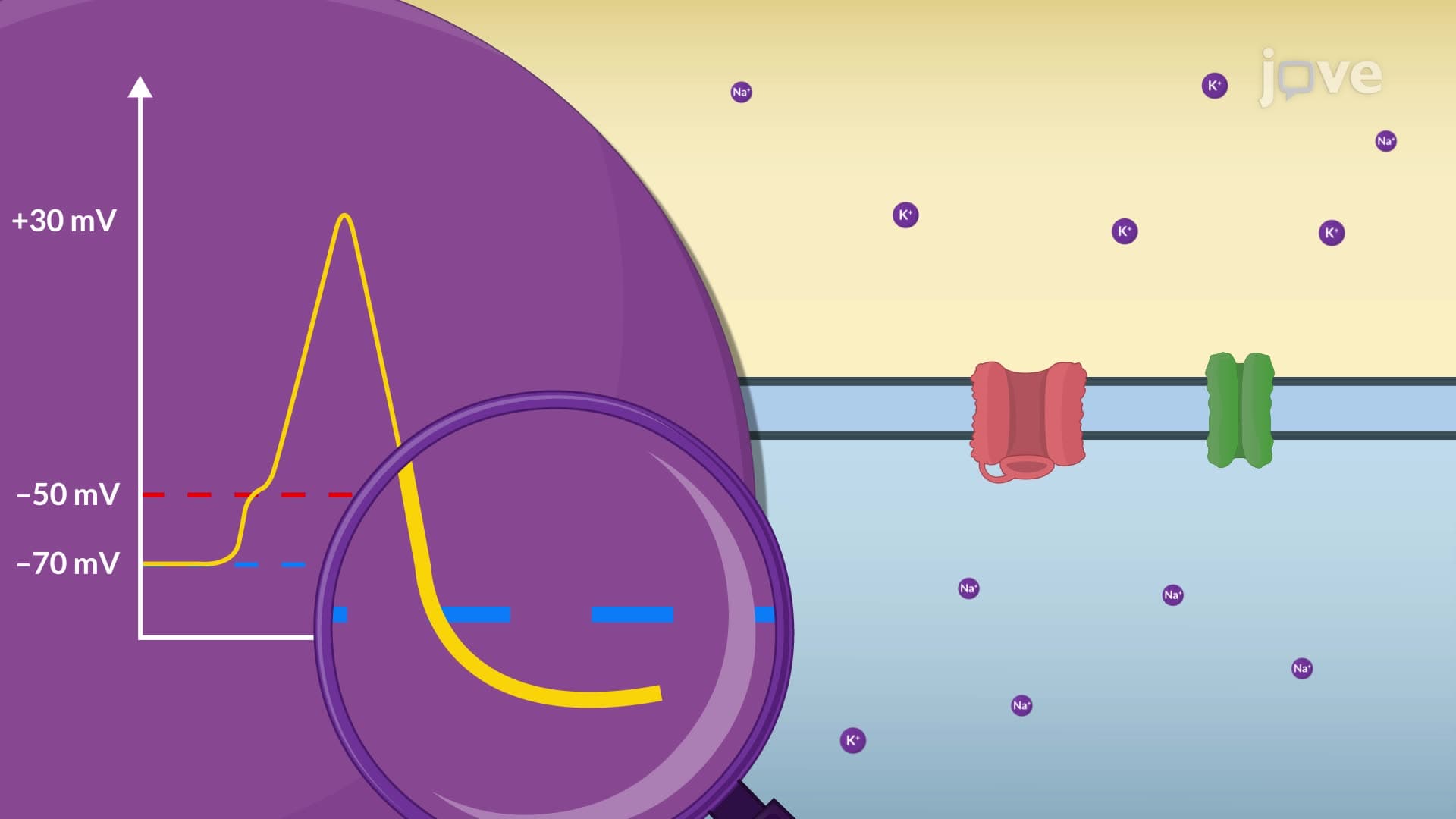
Since cell membranes block charged particles like a security checkpoint, ions need special pathways called channel proteins. These ion channel electrochemical drive mechanisms come in two main types: non-gated channels that randomly open and close like automatic doors, and gated channels that require specific triggers-imagine a door that only opens with the right keycard. This selectivity allows neurons to control exactly when electrical impulses travel.
Understanding membrane potential gradient ion relationships is crucial for AP Biology, MCAT preparation, and introductory neuroscience courses. Medical students studying for the USMLE encounter questions about how anesthetics work by blocking sodium channels, preventing pain signals from reaching the brain. The electrochemical driving force concept also explains how antidepressants modify neurotransmitter signaling by affecting ion channel function.
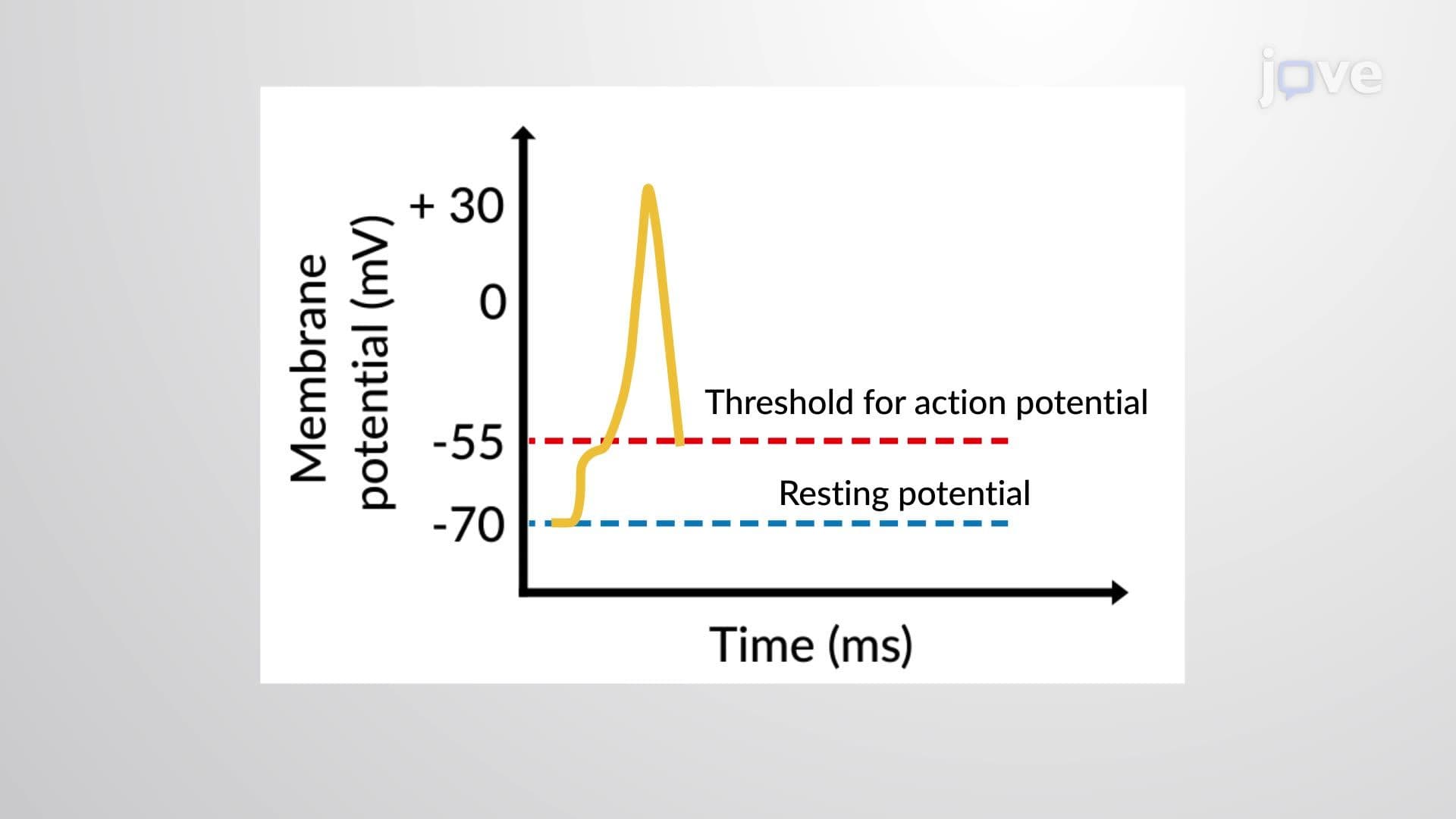
When tackling exam problems, remember that what is the electrochemical gradient and channel proteins questions often test your ability to predict ion movement direction. Calculate the net driving force by considering both concentration differences and electrical potential differences across membranes. This knowledge becomes essential for understanding more complex topics like action potentials, synaptic transmission, and neurological disorders.
Related Micro-courses