Loading subject page…


111,914 views


Video Summary: What are Chemical Synapses
Every time you blink, think, or remember your first day of high school, billions of chemical synapse biology processes fire across your nervous system in milliseconds. These microscopic communication hubs allow neurons to transmit electrical signals using chemical messengers called neurotransmitters-the same mechanism that helps patients recover from strokes at rehabilitation centers like Johns Hopkins. Understanding what are chemical synapses reveals how your brain processes everything from solving calculus problems to recognizing your best friend's voice. Watch the full video on JoVE Coach to master this concept with expert-led visuals and step-by-step explanations.
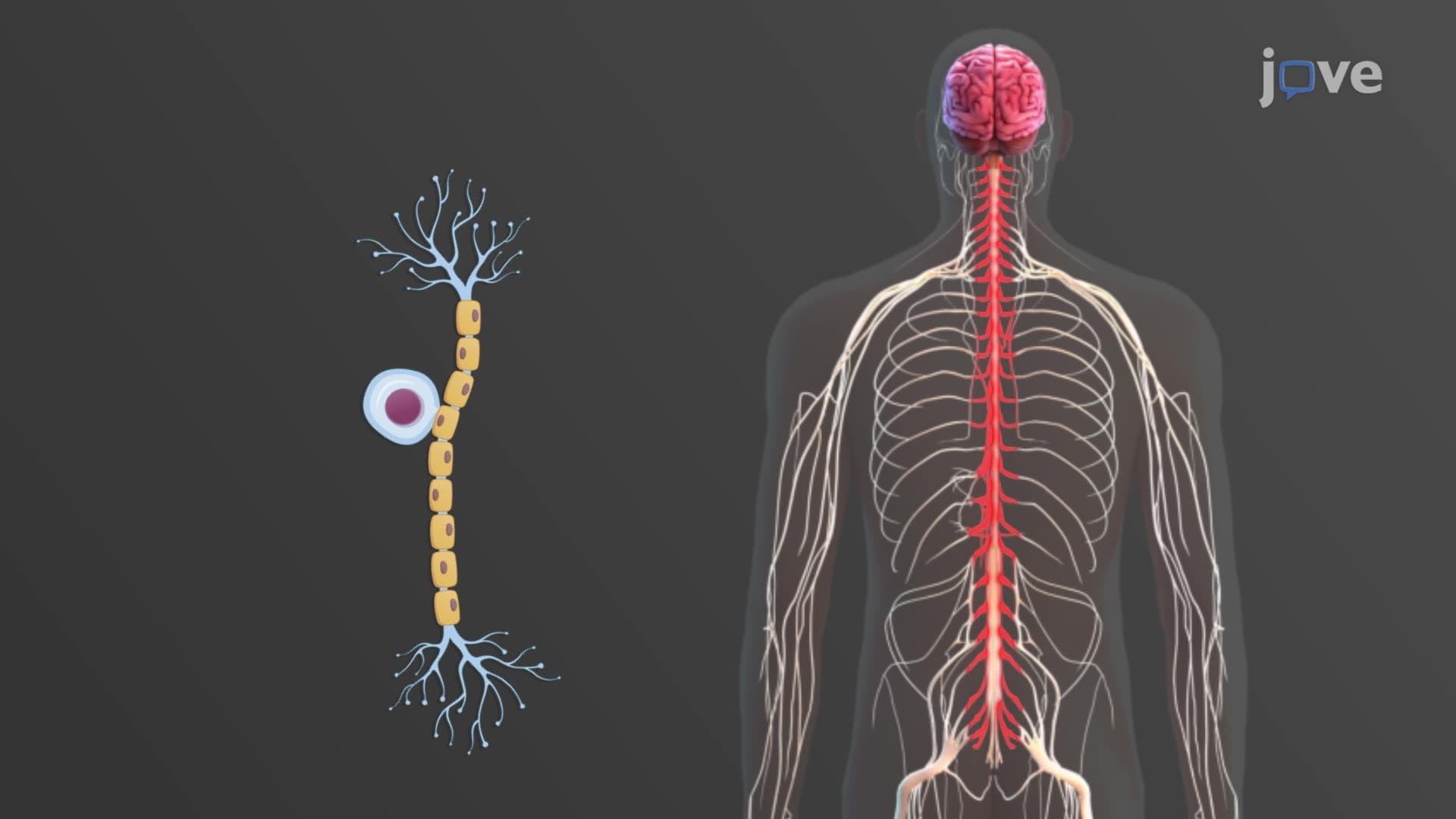
Chemical synapse biology represents one of the most elegant communication systems in the human body, enabling the 86 billion neurons in your brain to coordinate everything from breathing to solving complex mathematical equations. Unlike simple electrical circuits, these synapses use sophisticated chemical synapse structure function relationships to process, amplify, and modulate signals with remarkable precision.
The architecture of what are chemical synapses in neuroscience revolves around three critical components working in perfect harmony. The presynaptic bouton terminal houses thousands of synaptic vesicles, each containing approximately 5,000-10,000 neurotransmitter molecules. These vesicles represent the "ammunition" of neural communication, manufactured in the cell body and transported down the axon like packages on a cellular conveyor belt.
The synaptic cleft diffusion space, measuring only 20-50 nanometers wide, seems insignificantly small but plays a crucial role in signal timing and specificity. This narrow gap ensures neurotransmitters reach their targets within microseconds while preventing cross-talk between adjacent synapses. For perspective, if a synapse were scaled to the size of a football field, the synaptic cleft would be about 2 inches wide.
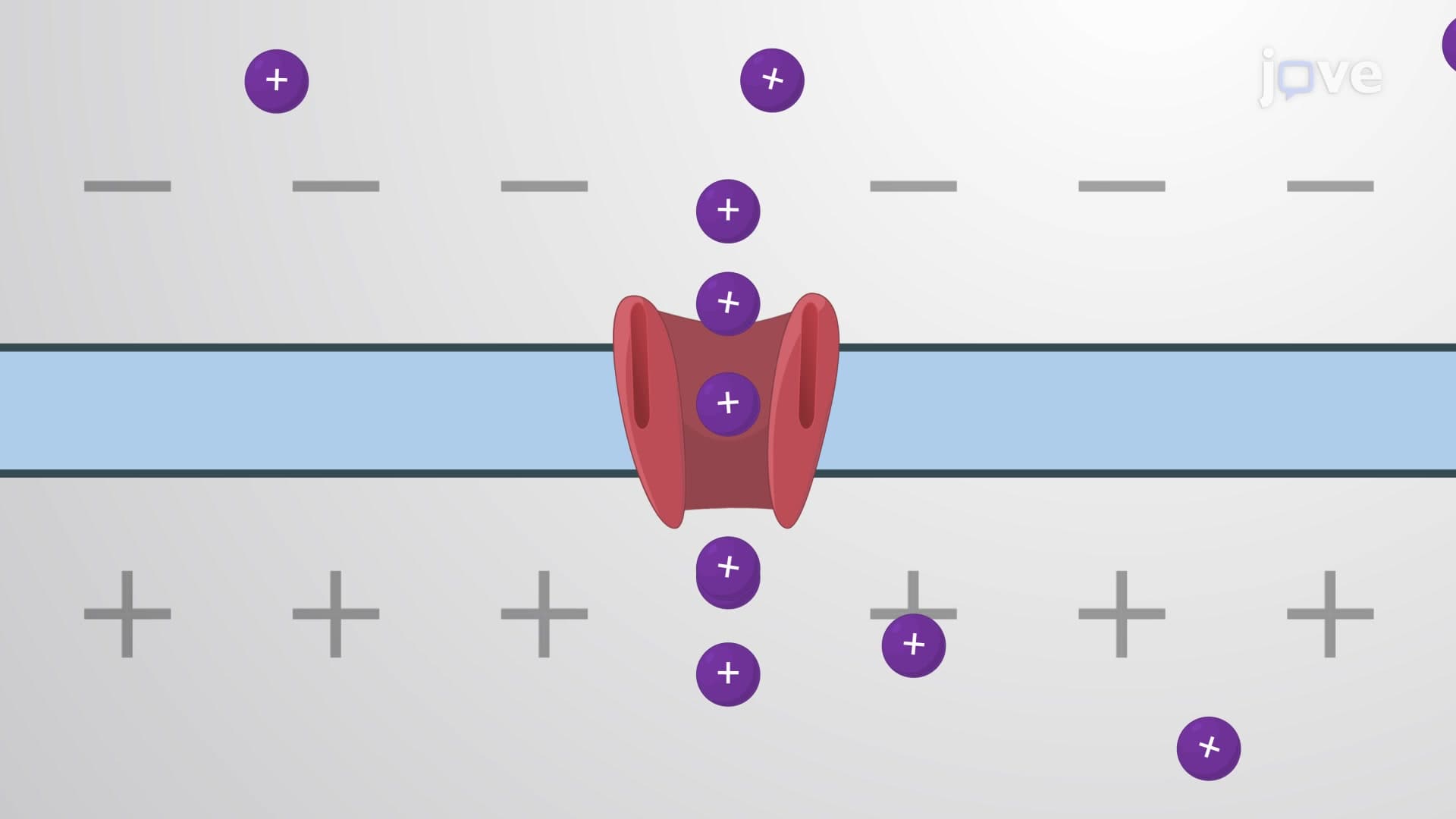
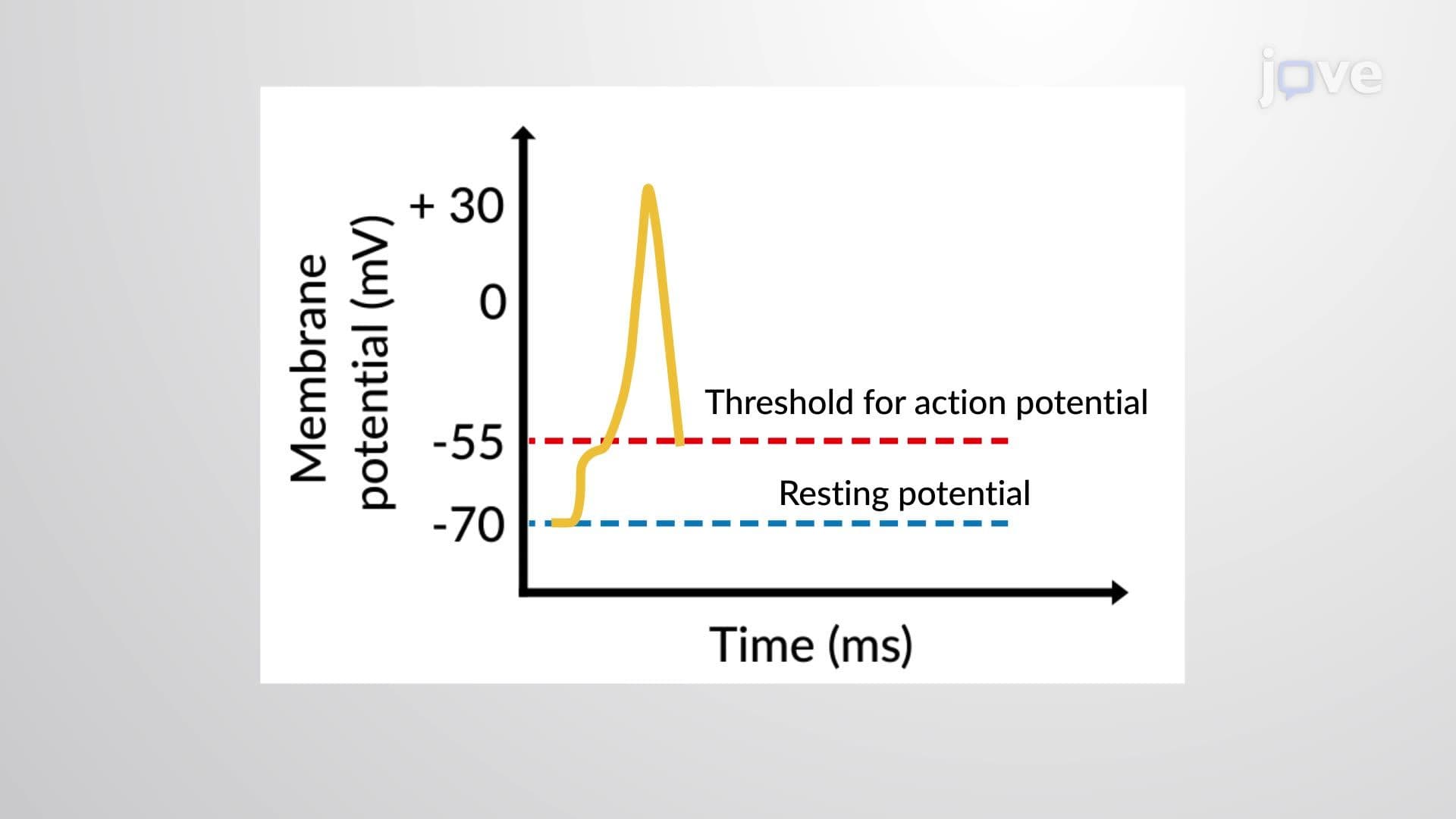
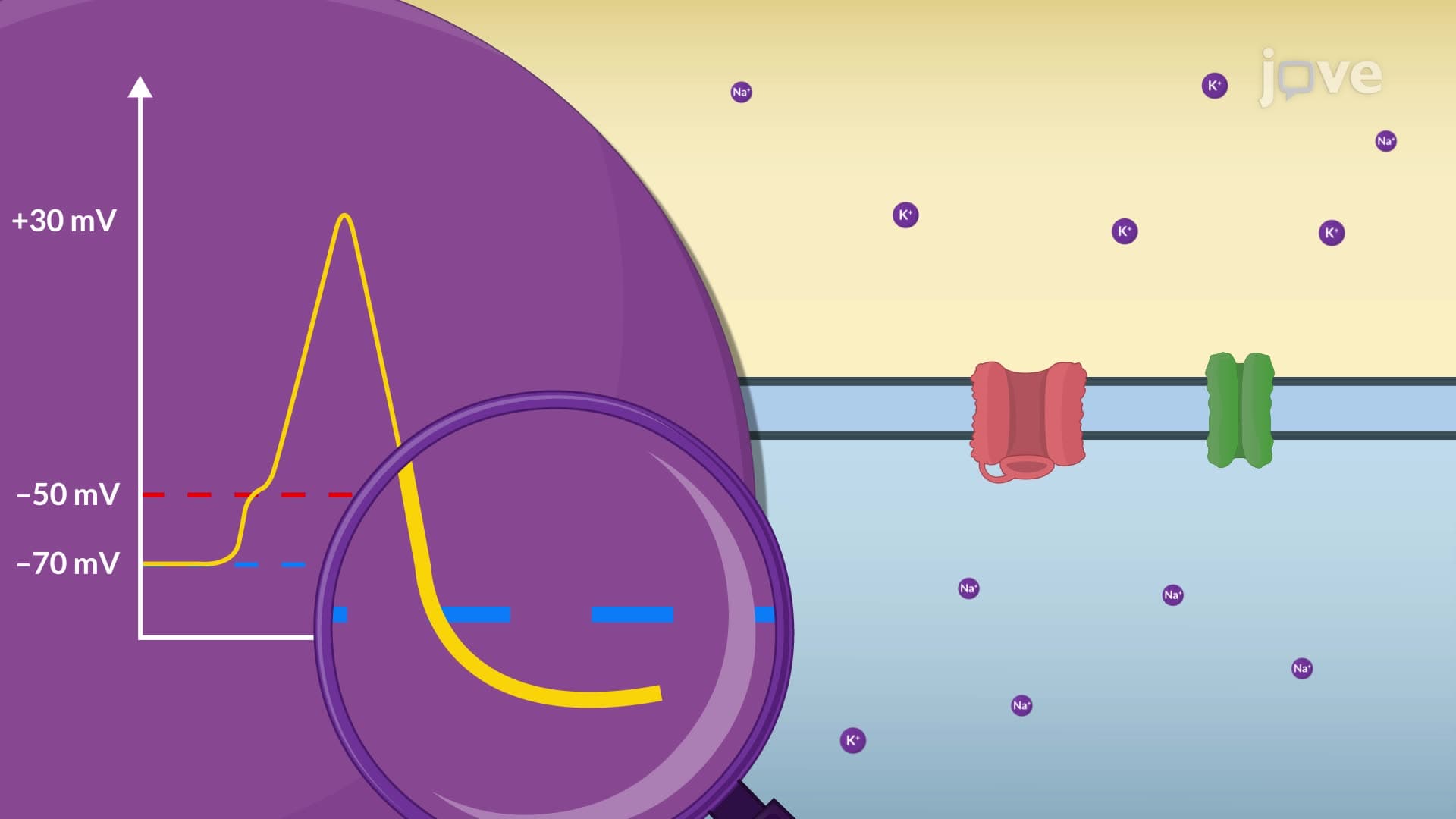
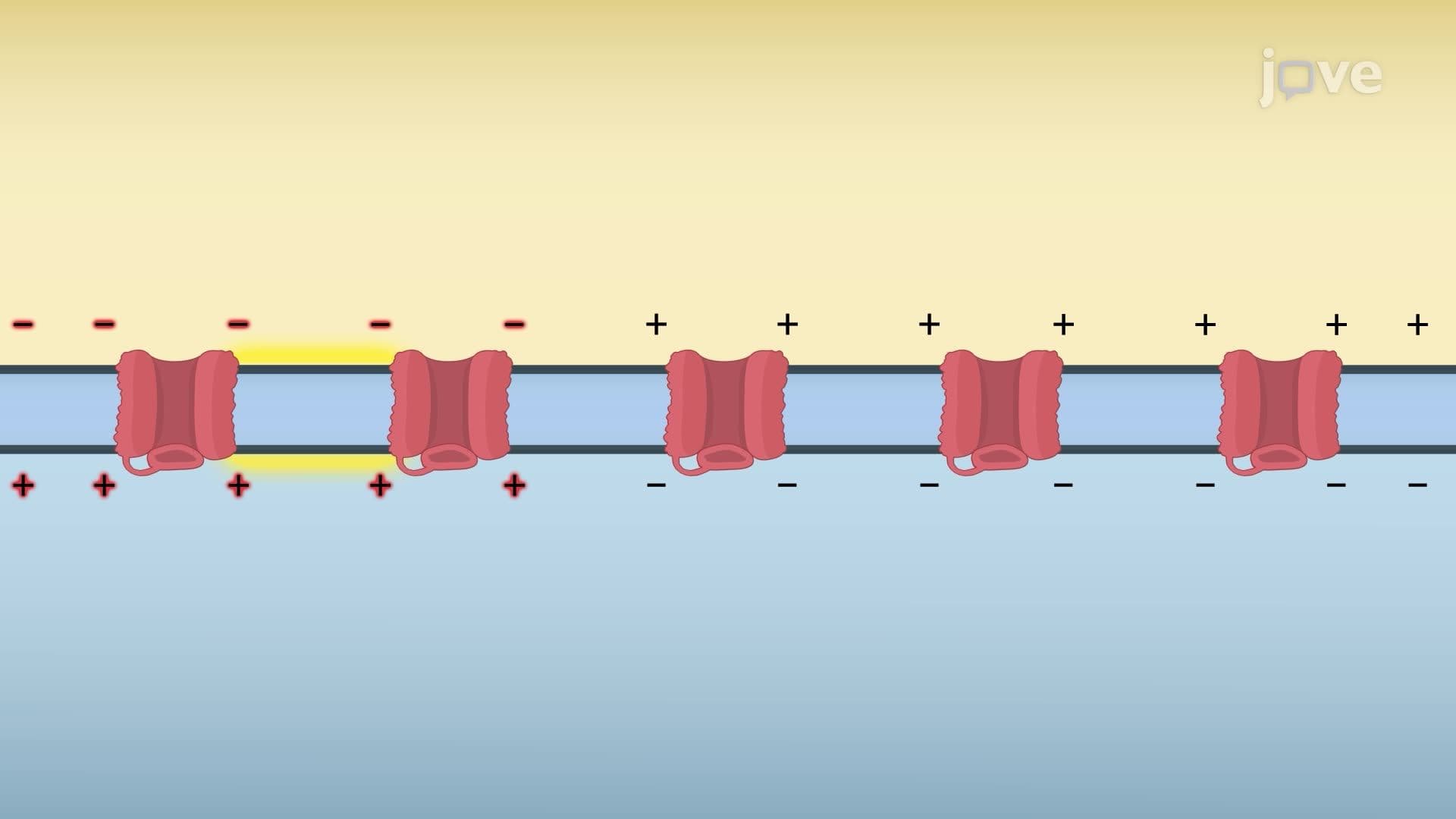
The chemical synapse mechanism begins when an action potential races down the axon at speeds up to 120 meters per second-faster than a major league fastball. Upon reaching the terminal, voltage-gated calcium channels open like floodgates, allowing calcium ions to surge inward. This calcium influx triggers a cascade of protein interactions that cause vesicle neurotransmitter release through exocytosis.
Once released, neurotransmitters diffuse across the synaptic cleft in a process governed by simple physics-random molecular motion that becomes directional due to concentration gradients. Postsynaptic receptor binding occurs with lock-and-key specificity, where each neurotransmitter type binds only to its corresponding receptor, like a master key fitting a specific lock.
Understanding chemical synapses proves essential for students preparing for the MCAT, AP Biology exams, and college-level neuroscience courses. The College Board frequently tests synaptic transmission mechanisms, while medical schools emphasize how synaptic dysfunction underlies neurological and psychiatric disorders. For instance, antidepressants like Prozac work by blocking serotonin reuptake at synapses, while Botox prevents acetylcholine release at neuromuscular junctions. Students studying at institutions like Stanford Medical School or Harvard's neuroscience programs encounter these concepts repeatedly across pharmacology, physiology, and clinical rotations.
Related Micro-courses