Loading subject page…


111,914 views

Video Summary: What are Disorders Nervous Tissue
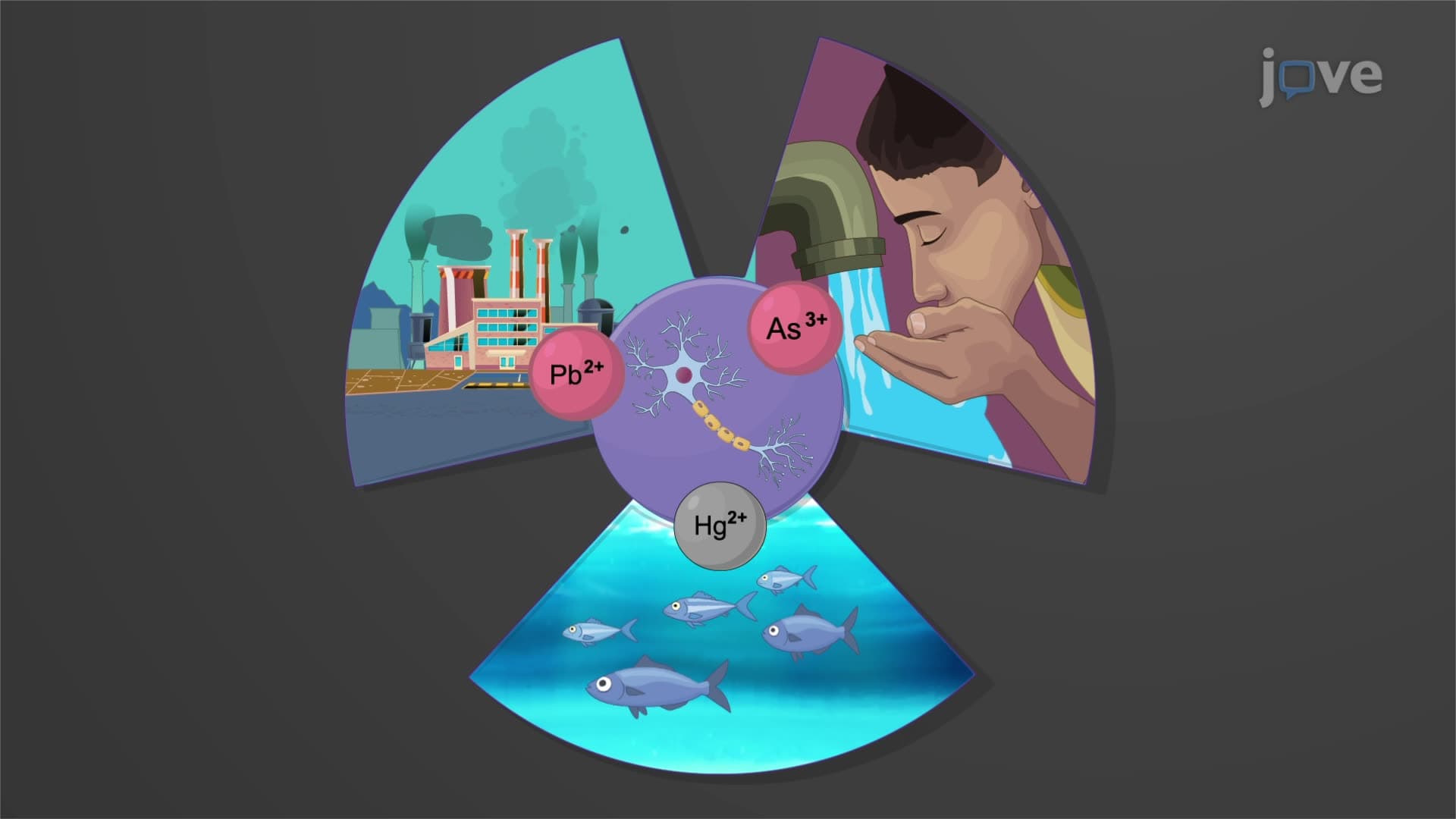
Did you know that approximately 50 million Americans suffer from nervous tissue disorders biology, ranging from epilepsy to Alzheimer's disease? These conditions occur when homeostatic imbalances, infections, toxins, injuries, or genetic mutations disrupt normal neural function. For instance, multiple sclerosis affects over 400,000 people in the United States by destroying myelin sheaths that protect nerve fibers. Understanding what are disorders nervous tissue helps explain how these debilitating conditions develop and progress. Watch the full video on JoVE Coach to master this concept with expert-led visuals and step-by-step explanations.
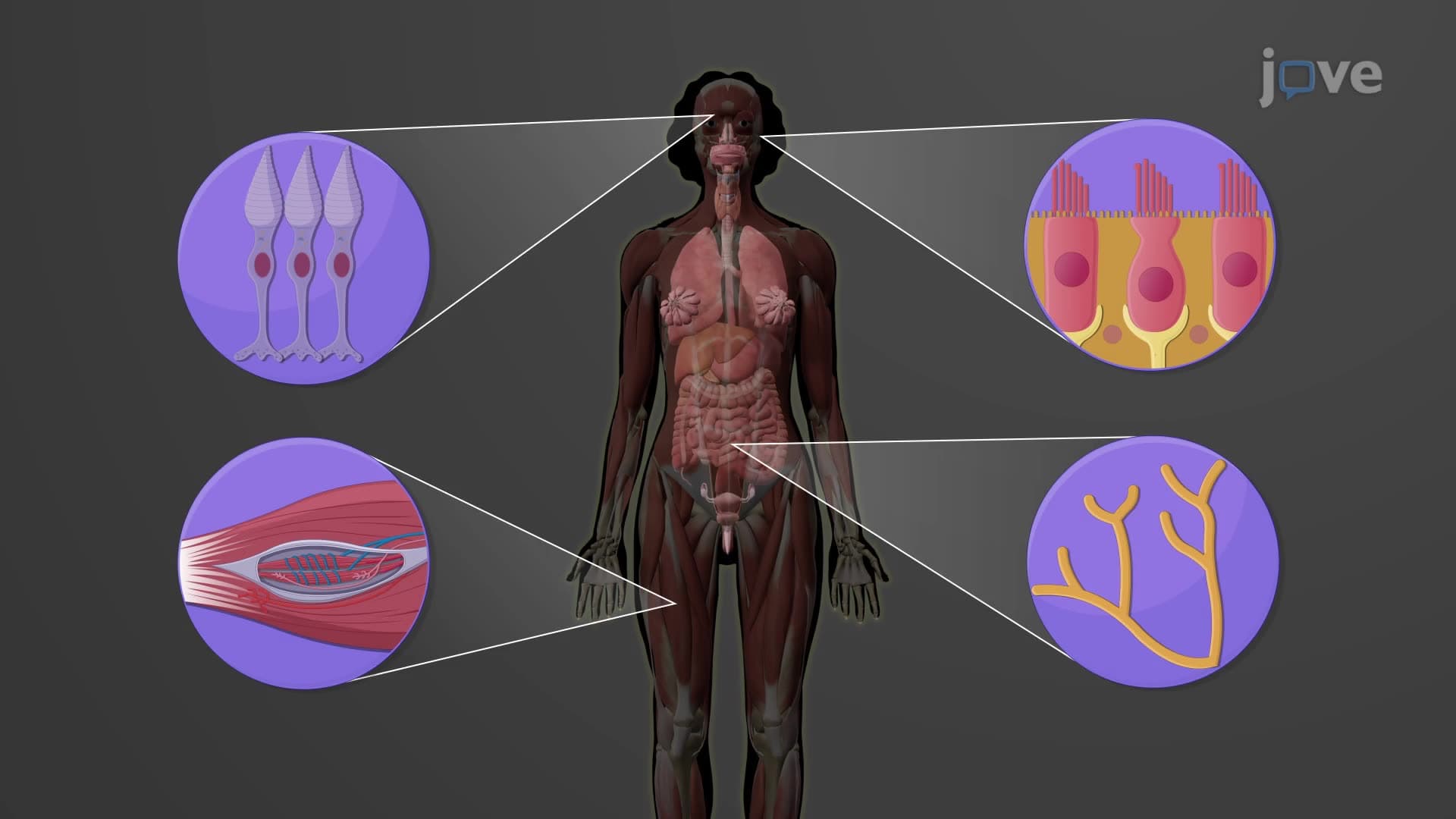
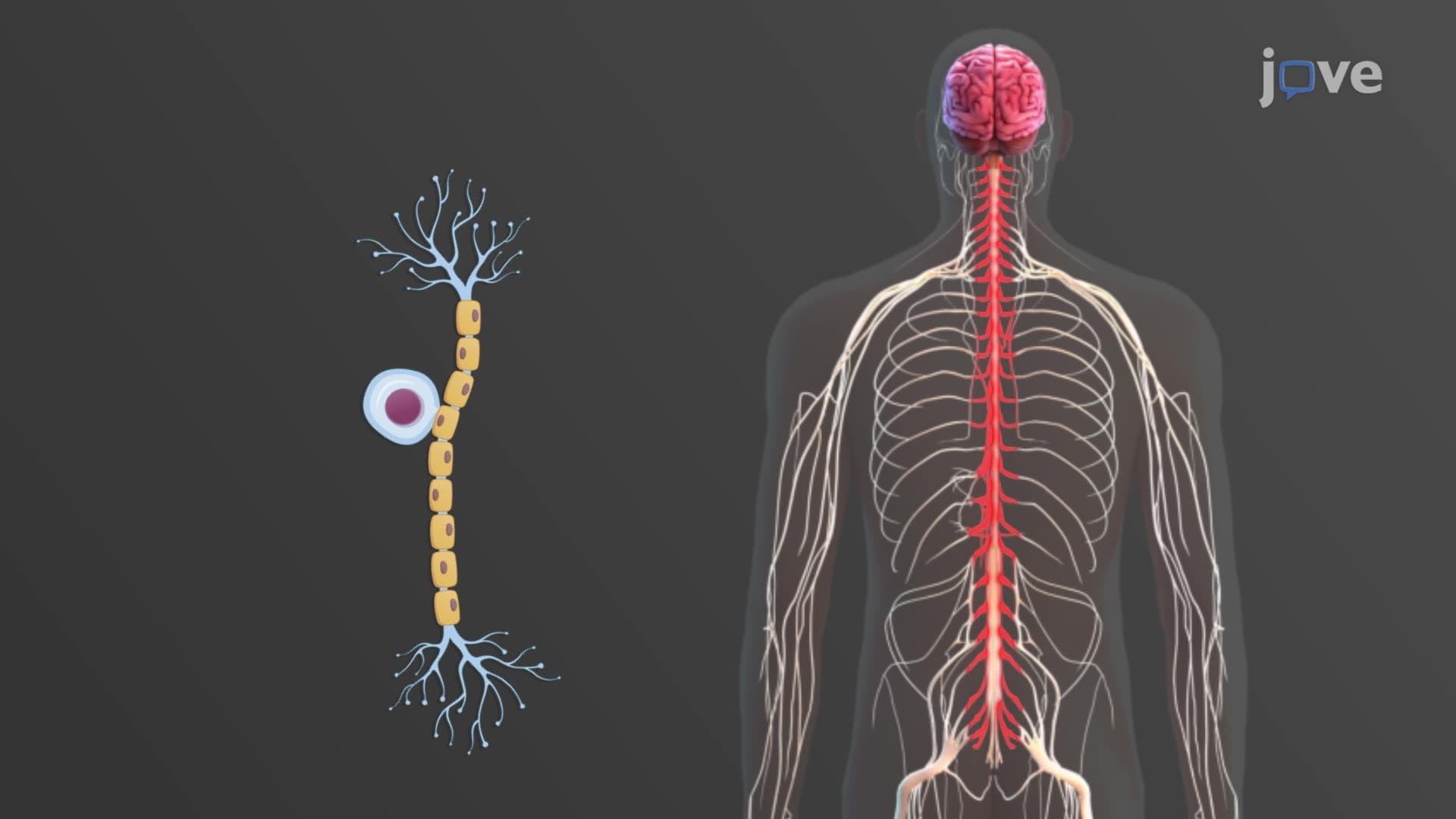
Nervous tissue disorders biology encompasses a vast range of conditions that disrupt the normal structure and function of neurons, glial cells, and their supporting tissues. These disorders affect both the central nervous system (brain and spinal cord) and peripheral nervous system (nerves extending throughout the body). The complexity of nervous tissue makes it particularly vulnerable to various damaging factors, leading to conditions that can range from temporary dysfunction to permanent disability.
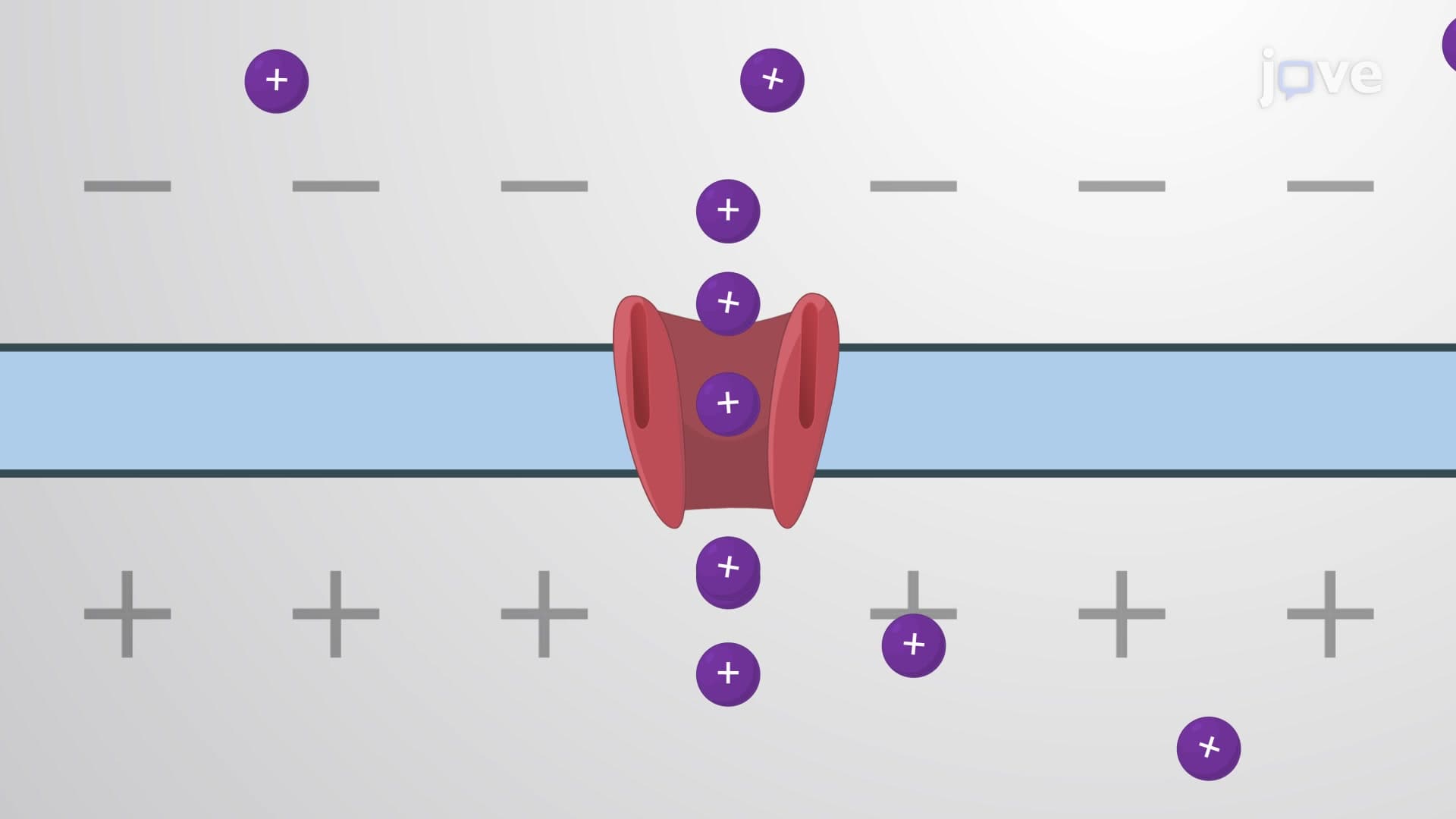
The nervous system requires precise homeostatic conditions to function optimally. Neural tissue disorders explained often begin with disruptions in oxygen supply (cerebral hypoxia), blood flow (cerebral ischemia), or electrolyte balance. Epilepsy, affecting over 3 million Americans, exemplifies how homeostatic imbalances can trigger abnormal electrical activity in the brain. During seizures, neurons fire synchronously and excessively, overwhelming normal brain function. This condition frequently appears on the MCAT and AP Biology exams, where students must understand the relationship between neuronal excitability and ion channel function.
Infections represent another major category when examining what are the common disorders of nervous tissue. The poliovirus specifically targets motor neurons in the spinal cord, leading to poliomyelitis and potential paralysis. Before widespread vaccination in the 1950s, polio epidemics affected thousands of American children annually. Bacterial infections like diphtheria produce toxins that destroy Schwann cells and myelin in the peripheral nervous system, demonstrating how peripheral neuropathy disorder can result from infectious agents. Guillain Barre neural syndrome, an autoimmune condition often triggered by infections, causes rapid demyelination and muscle weakness that can progress to respiratory failure.
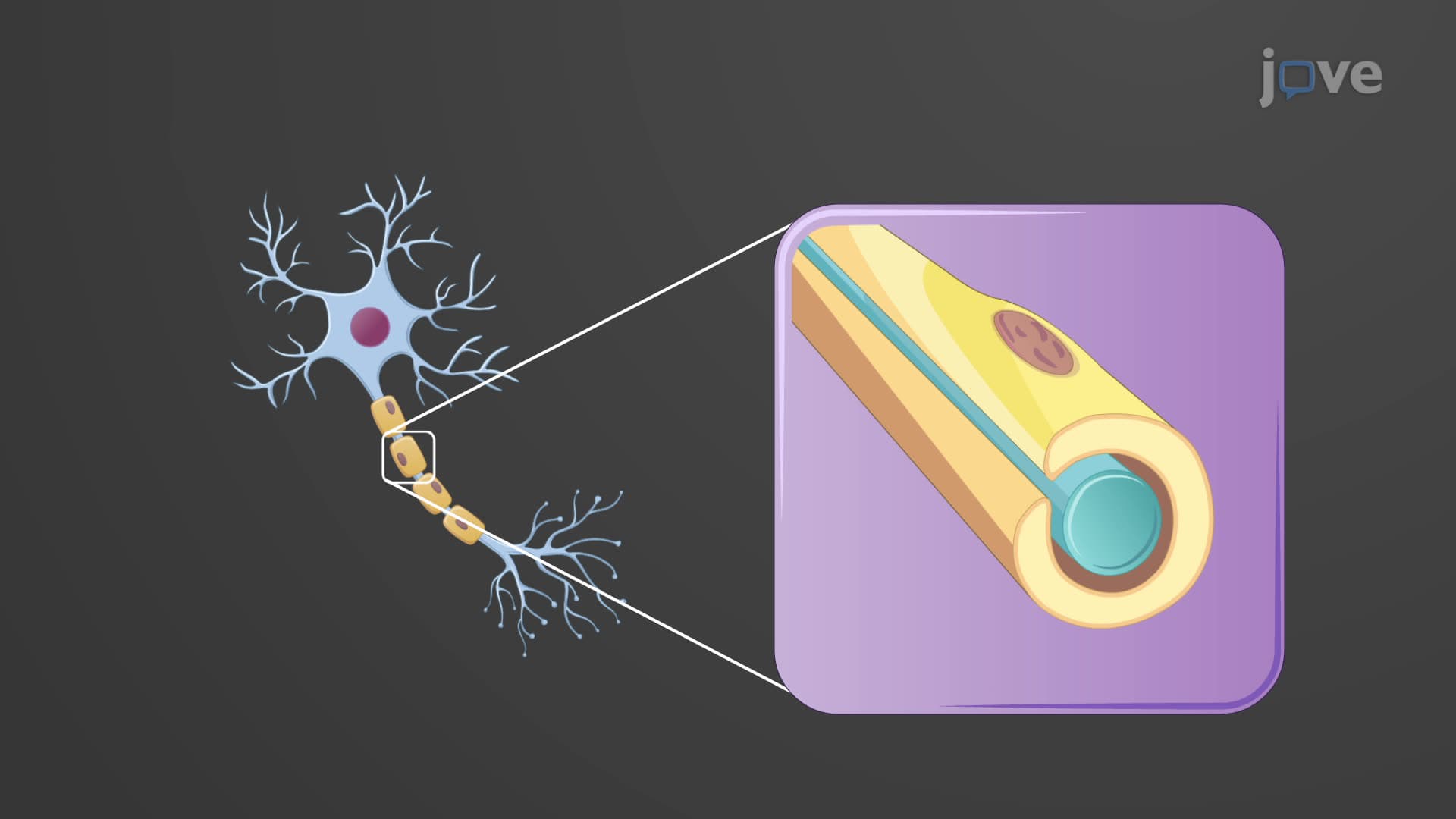
Demyelinating disease MS (multiple sclerosis) affects approximately 400,000 Americans and serves as a prime example of autoimmune nervous tissue destruction. In MS, the immune system mistakenly attacks myelin sheaths in the central nervous system, creating scar tissue (sclerosis) that disrupts nerve signal transmission. Similarly, ALS motor neuron disease (amyotrophic lateral sclerosis) specifically targets motor neurons, leading to progressive muscle weakness and eventual paralysis. Understanding nervous tissue pathology type is crucial for college anatomy and physiology courses, where students learn to differentiate between various neurodegenerative mechanisms and their clinical presentations.
Related Micro-courses