Loading subject page…


111,912 views
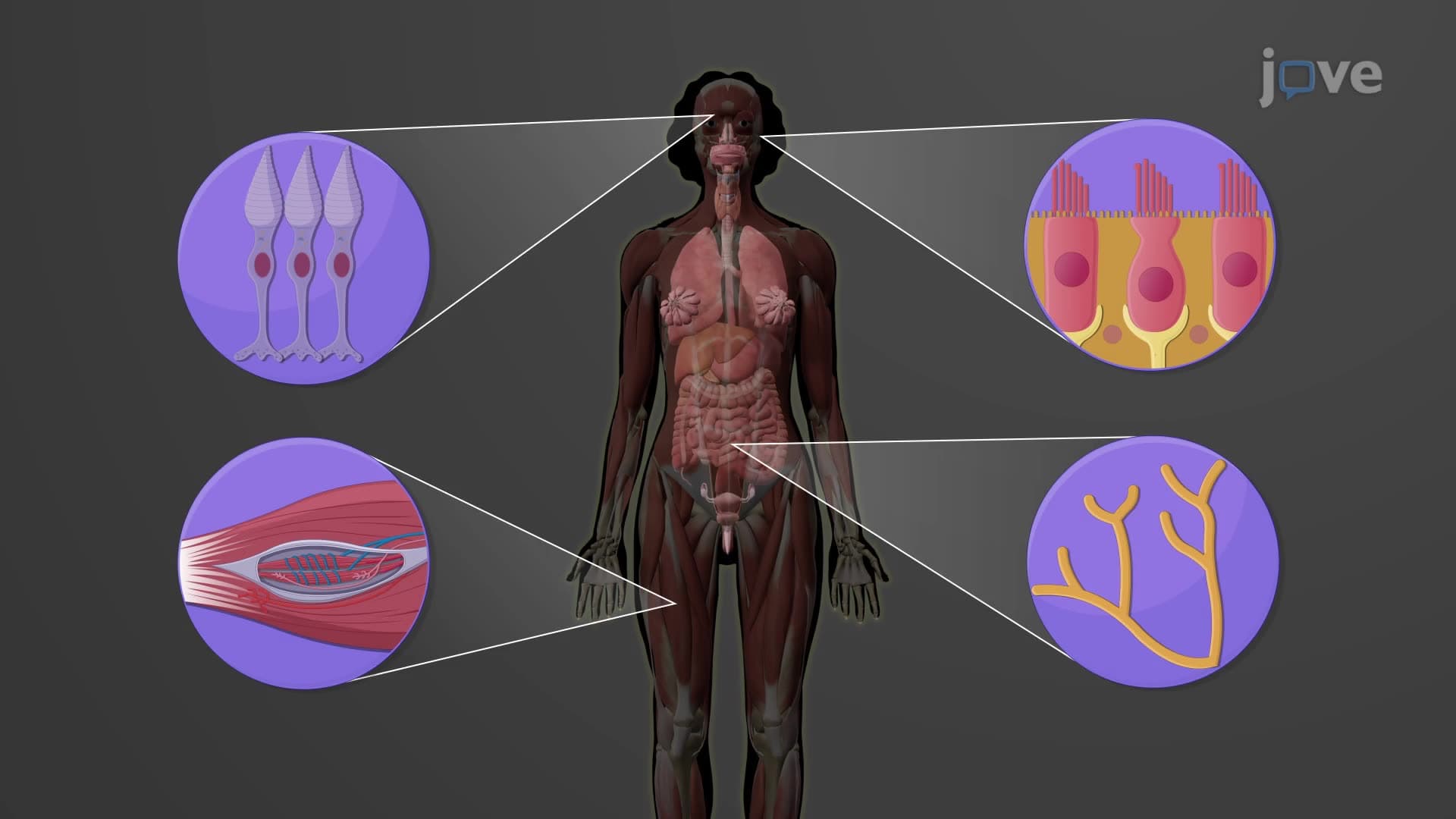

Video Summary: What are Functions Nervous System
Ever wonder how a baseball pitcher can throw a 95-mph fastball with pinpoint accuracy? The nervous system functions overview reveals three coordinated processes that make this possible: sensation, integration, and motor output. When Boston Red Sox pitchers prepare to throw, sensory receptors detect the catcher's signals, their brain integrates this visual data with body position feedback, and motor neurons fire precise commands to arm muscles. Understanding what are functions nervous system helps explain how our bodies coordinate millions of neural signals every second to produce smooth, purposeful movements. Watch the full video on JoVE Coach to master this concept with expert-led visuals and step-by-step explanations.
The nervous system functions overview centers on three interconnected processes that enable human survival and complex behavior. Unlike a simple reflex arc, these functions work simultaneously to process millions of data points, from detecting a mosquito landing on your arm to maintaining your heart rate during sleep. This triad of sensation, integration, and motor output forms the foundation for understanding neurophysiology in AP Biology, college anatomy courses, and pre-med curricula.
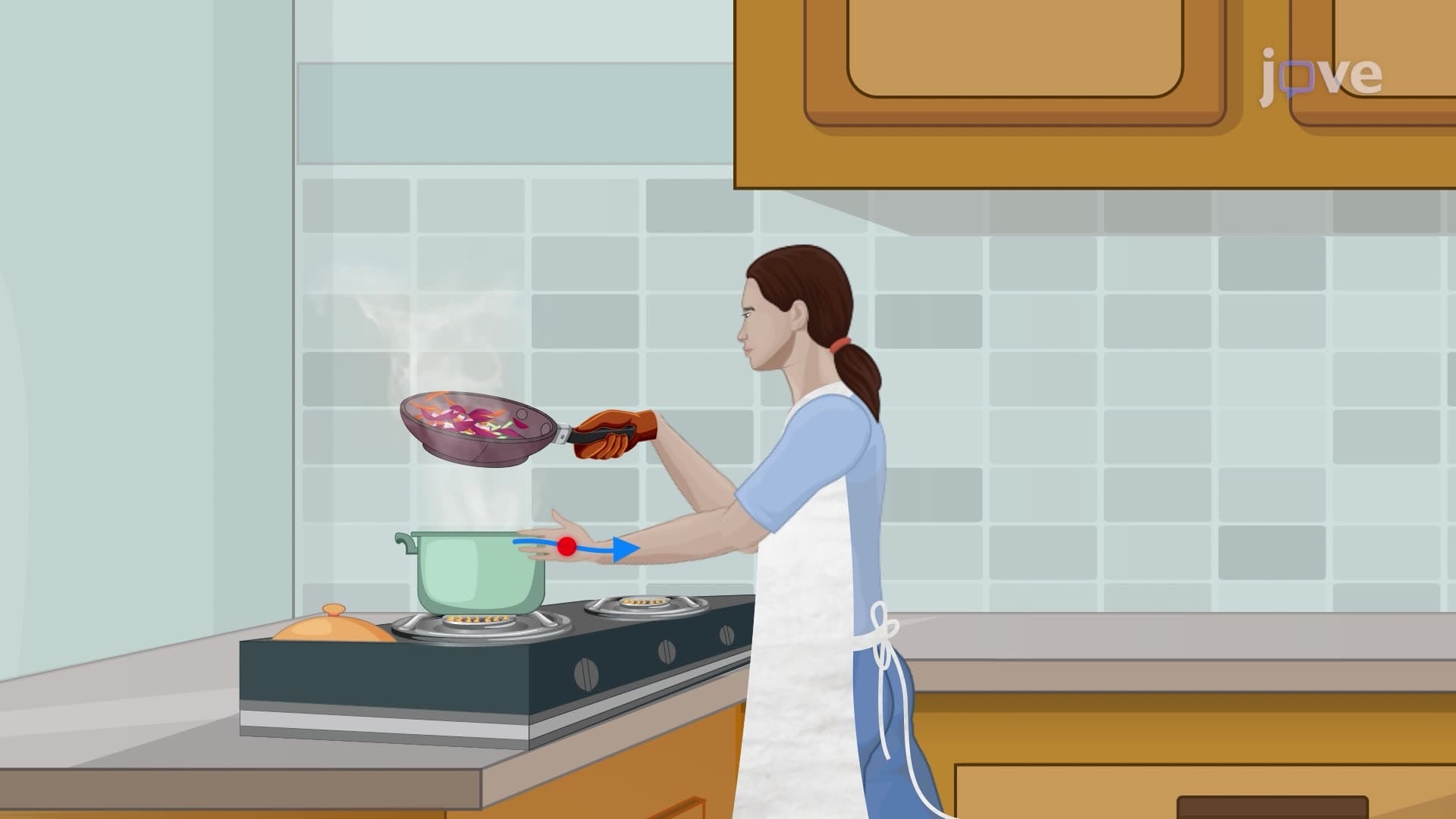
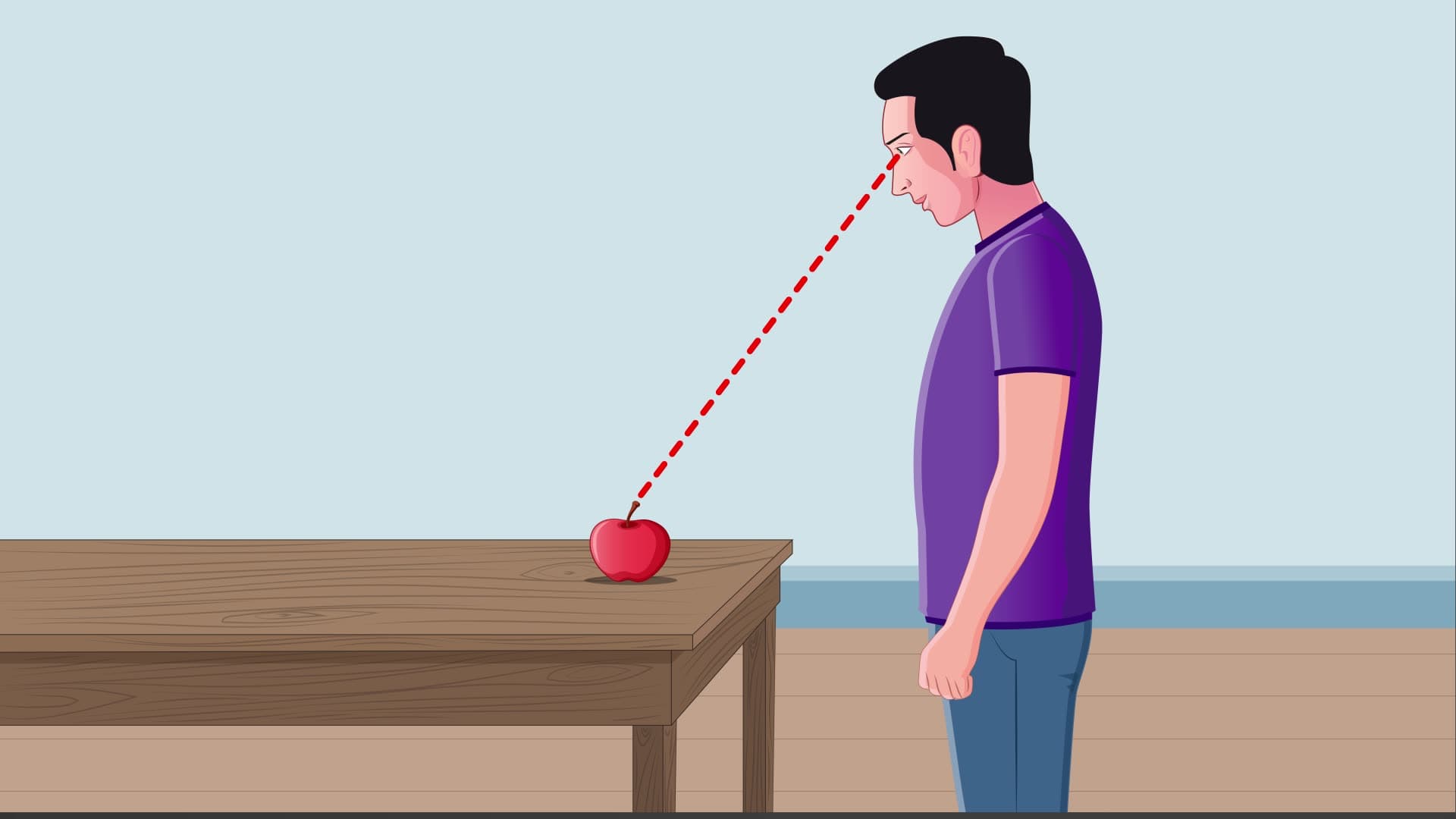
Sensory function nervous system operates through specialized receptors distributed throughout your body. Mechanoreceptors in your fingertips detect pressure when typing on a smartphone, while proprioceptors in your joints track limb position during a basketball free throw. Chemoreceptors in your carotid arteries monitor blood oxygen levels, and photoreceptors in your retina process light from Times Square billboards. This sensory network extends beyond the traditional five senses-your body contains receptors for temperature, pH, stretch, and even magnetic fields. Students preparing for the MCAT should understand that sensory dysfunction underlies conditions like diabetic neuropathy, affecting over 34 million Americans with diabetes.
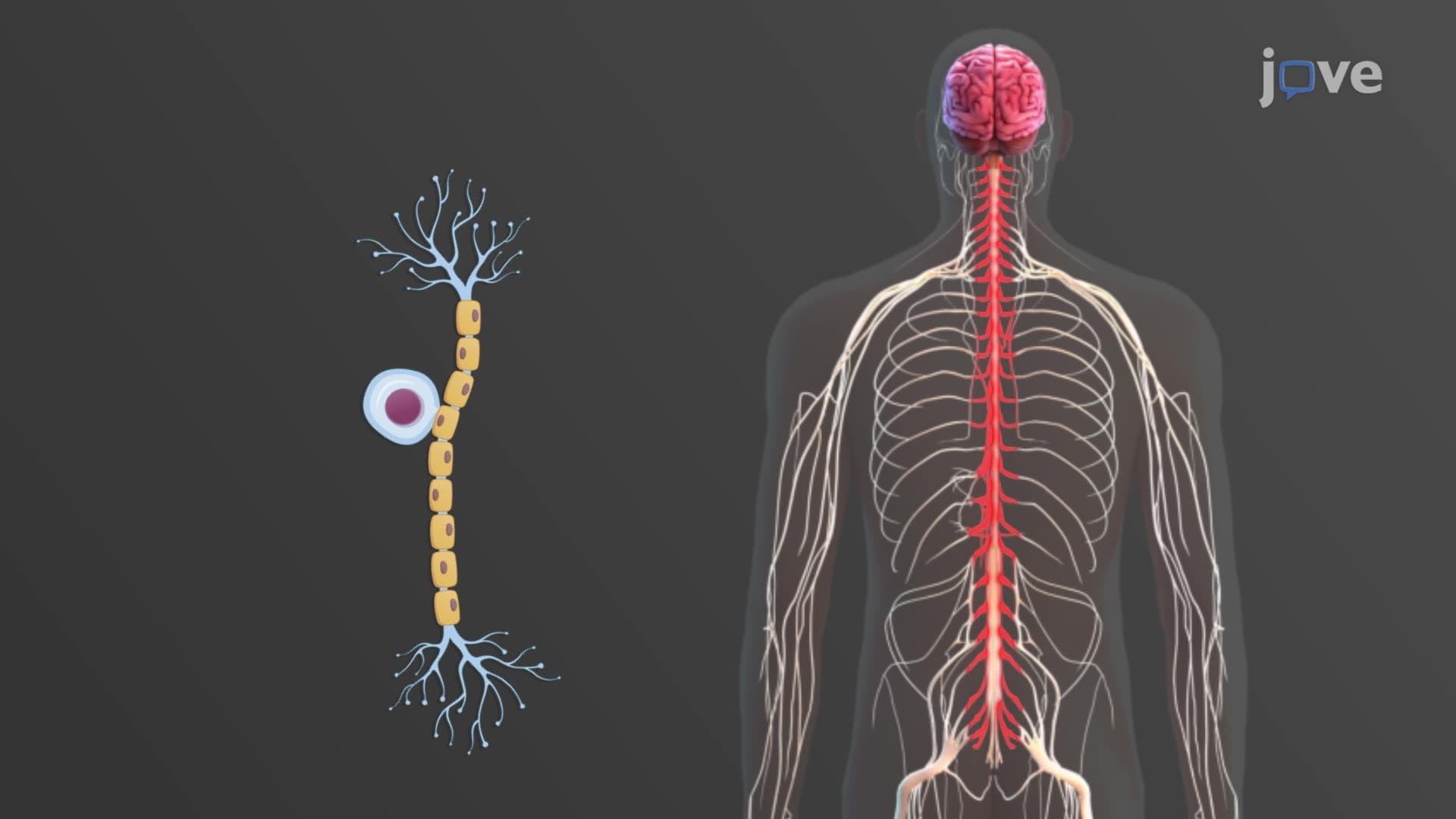
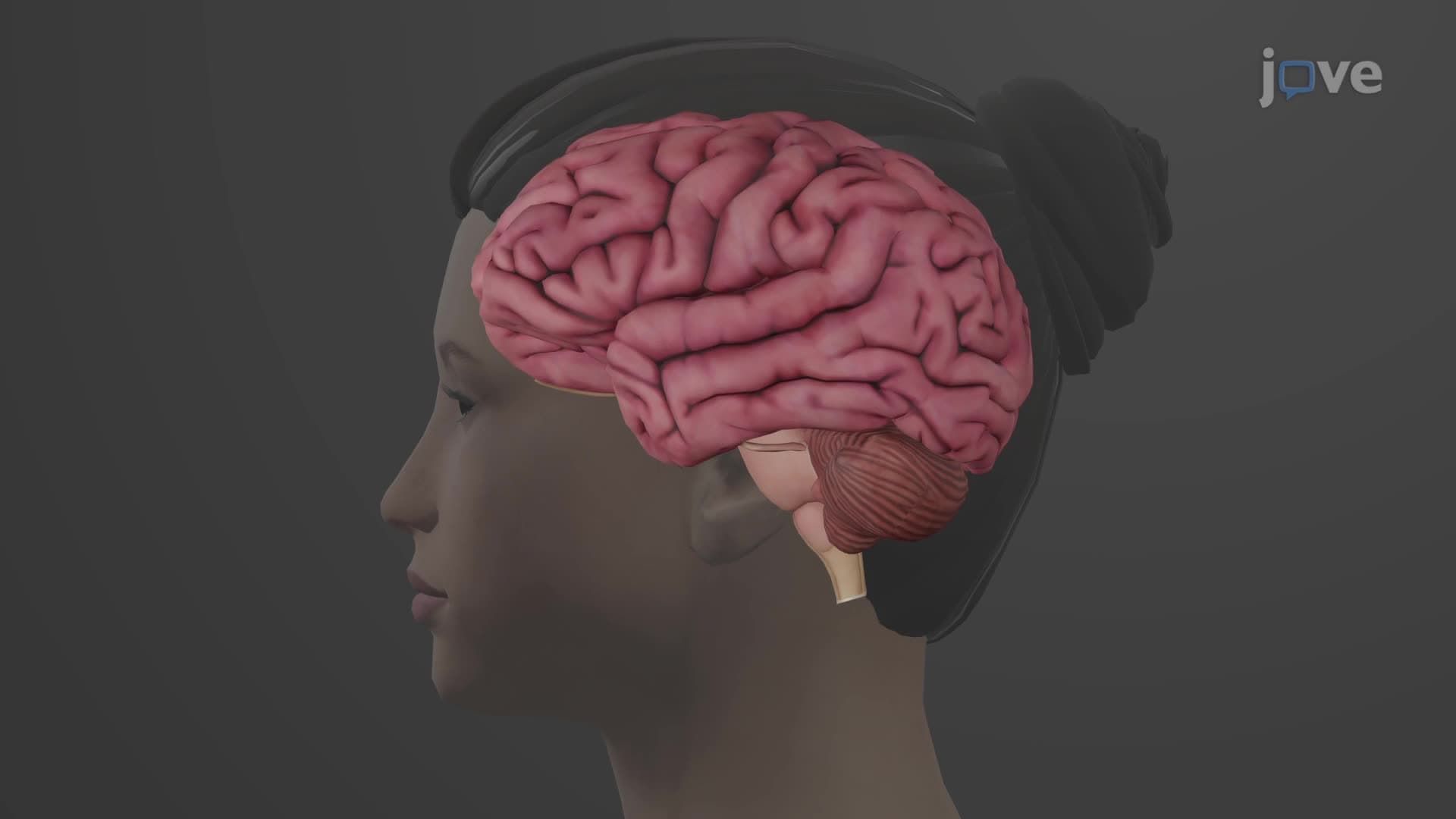
Integration nervous function occurs primarily in the central nervous system, where the brain and spinal cord process incoming sensory data. Consider a medical student performing their first physical examination: visual input about patient skin color combines with tactile feedback from palpation and auditory input from heart sounds. The brain's integrative centers-including the thalamus, cerebral cortex, and brainstem-synthesize this information to form clinical impressions. This process exemplifies homeostasis neural control, where the nervous system maintains physiological balance by constantly adjusting responses based on changing conditions.
Motor output nervous pathways translate neural decisions into physical responses through the somatic and autonomic nervous systems. When a surgeon operates at Johns Hopkins Hospital, precise motor control enables delicate tissue manipulation, while autonomic functions simultaneously regulate their heart rate and breathing. The major functions of nervous system converge here-sensory feedback about instrument position, integration of visual and tactile cues, and motor commands to hand muscles create seamless coordination. Understanding these pathways helps explain neurological conditions like Parkinson's disease, which affects movement control in over one million Americans.
Related Micro-courses