Loading video…


 26 Concepts
 111.9K views


Video Summary: What are Mechanically Gated Ion Channels
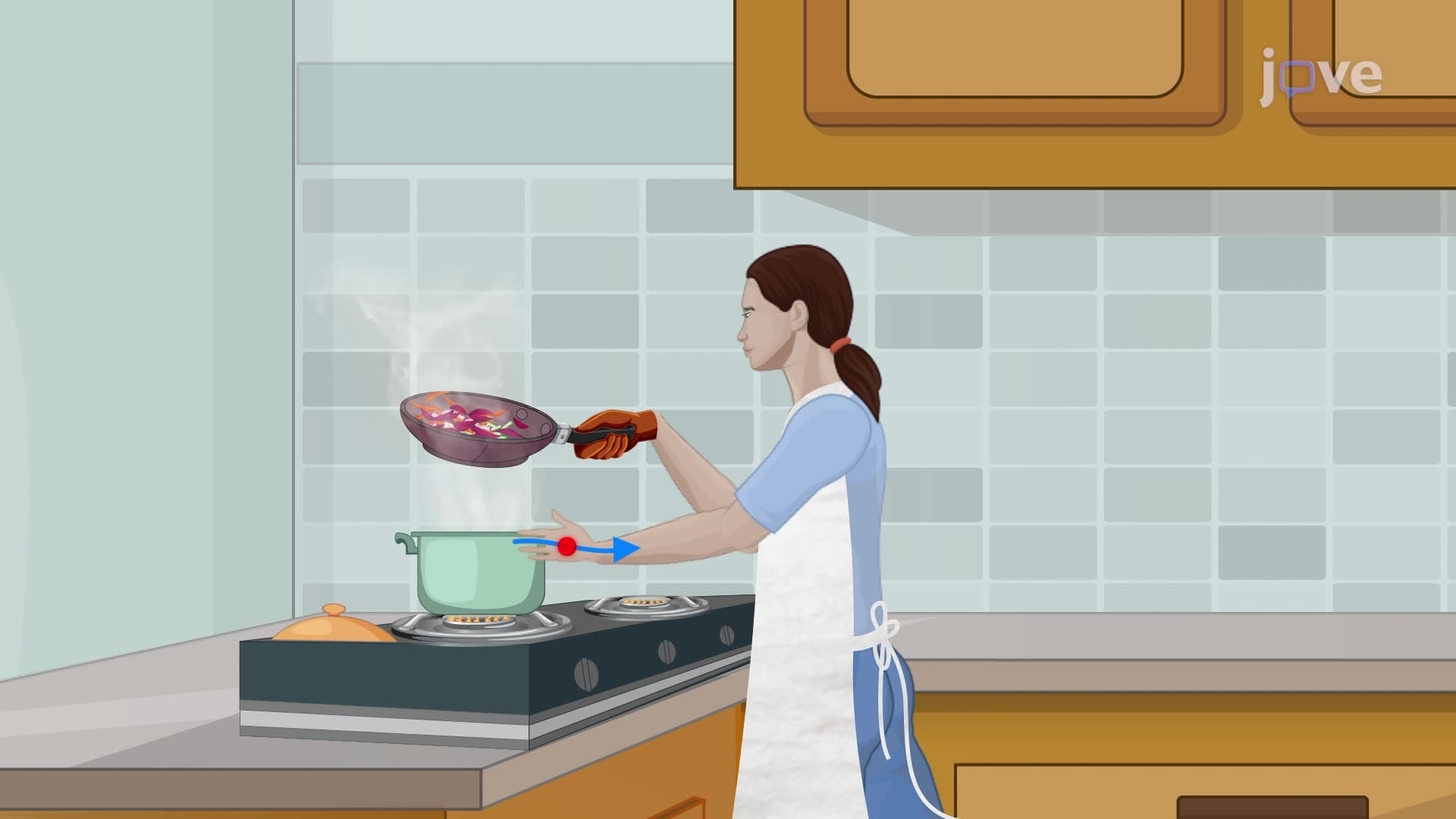
Ever wonder how you instantly feel a mosquito landing on your arm? Mechanically gated channels explained through this fascinating process: specialized proteins in your sensory neurons that open when physically deformed by touch, pressure, or vibration. These remarkable ion channels transform mechanical forces into electrical signals, enabling everything from detecting a gentle breeze to maintaining balance while walking across your high school campus. What are mechanically gated ion channels? They're the molecular gatekeepers that make sensory perception possible. Watch the full video on JoVE Coach to master this concept with expert-led visuals and step-by-step explanations.
Mechanically gated ion channels represent one of nature's most elegant solutions for sensory perception. These specialized membrane proteins function as molecular force sensors, opening their pores when subjected to mechanical stimuli such as membrane stretch, pressure changes, or physical vibration. Unlike voltage-gated channels that respond to electrical changes or ligand-gated channels activated by chemical messengers, mechanosensitive ion channels biology centers on their unique ability to detect and respond to physical forces.
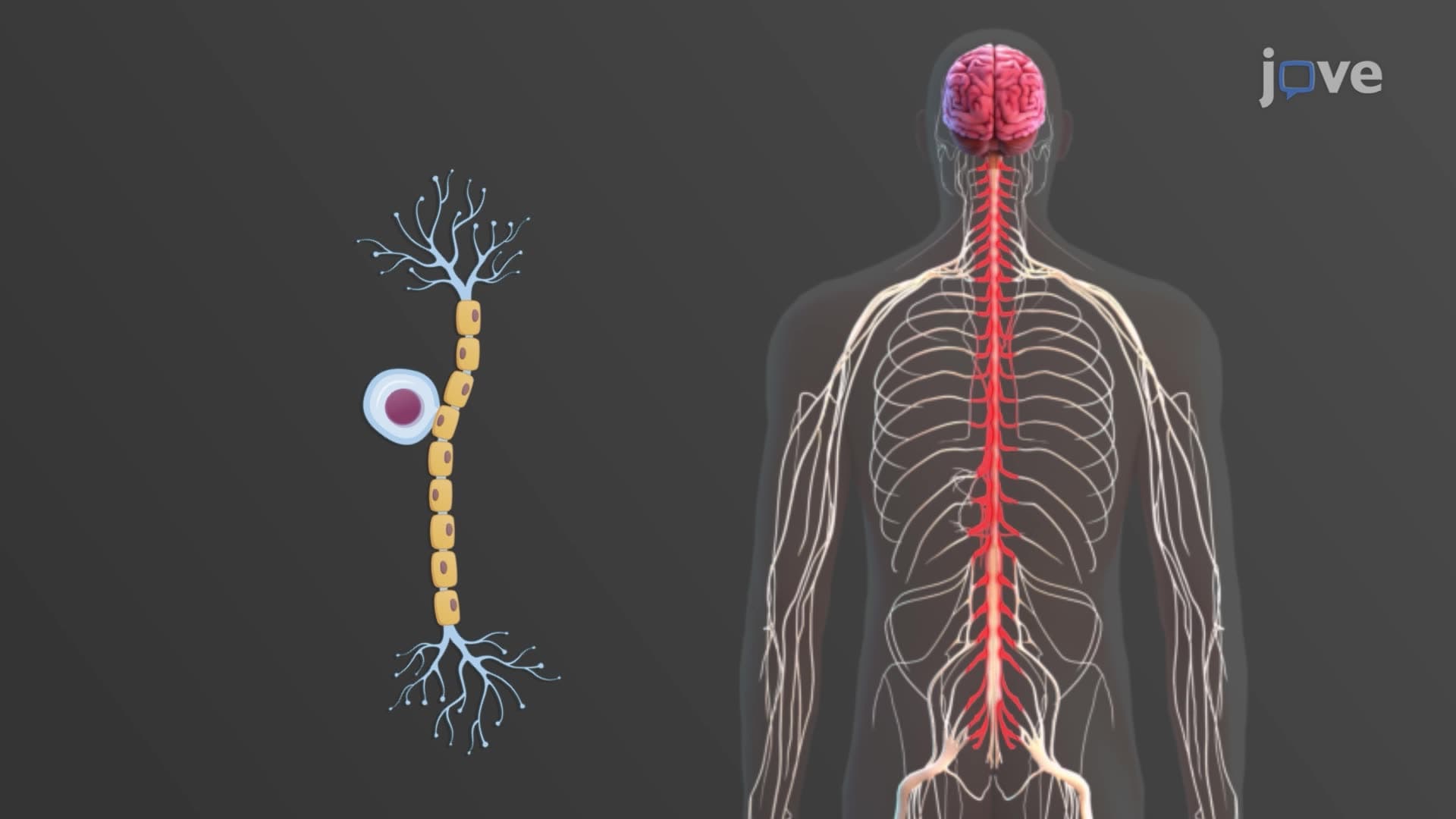
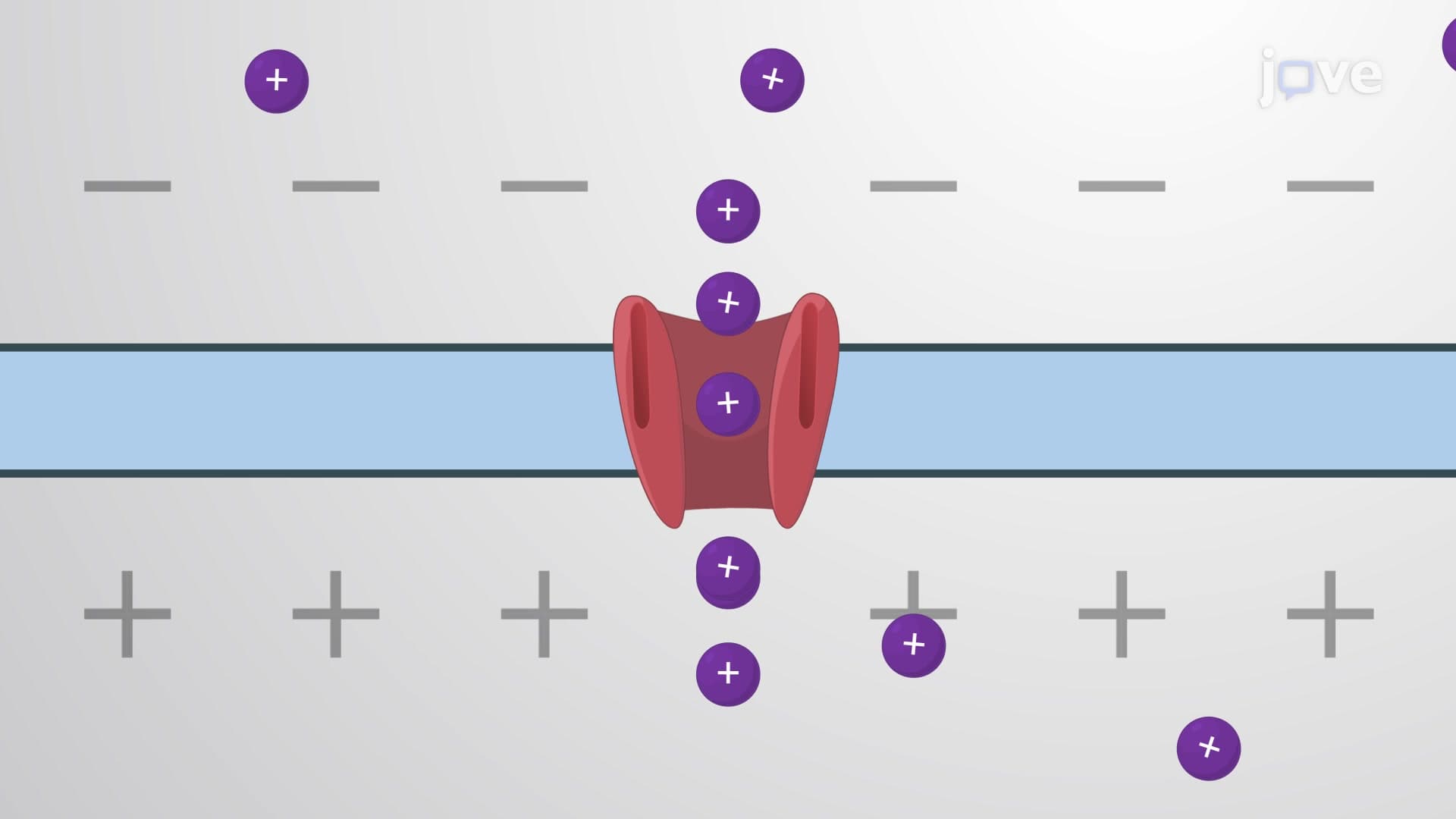
The fundamental mechanism involves conformational changes in channel structure when mechanical stress deforms the surrounding lipid membrane. This physical distortion alters the protein's shape, causing the channel pore to open and allow ions-primarily sodium, calcium, or potassium-to flow across the membrane. This ion movement generates electrical signals that propagate to the central nervous system for processing and interpretation.
Mechanosensitive channel pressure sensitivity depends on sophisticated molecular architecture. Piezo1 and Piezo2 channels, discovered through groundbreaking research at Scripps Research Institute, exemplify this design. These massive proteins form propeller-like structures with mechanosensitive domains that detect membrane tension changes. When stretched, these domains undergo conformational shifts that open the central pore.
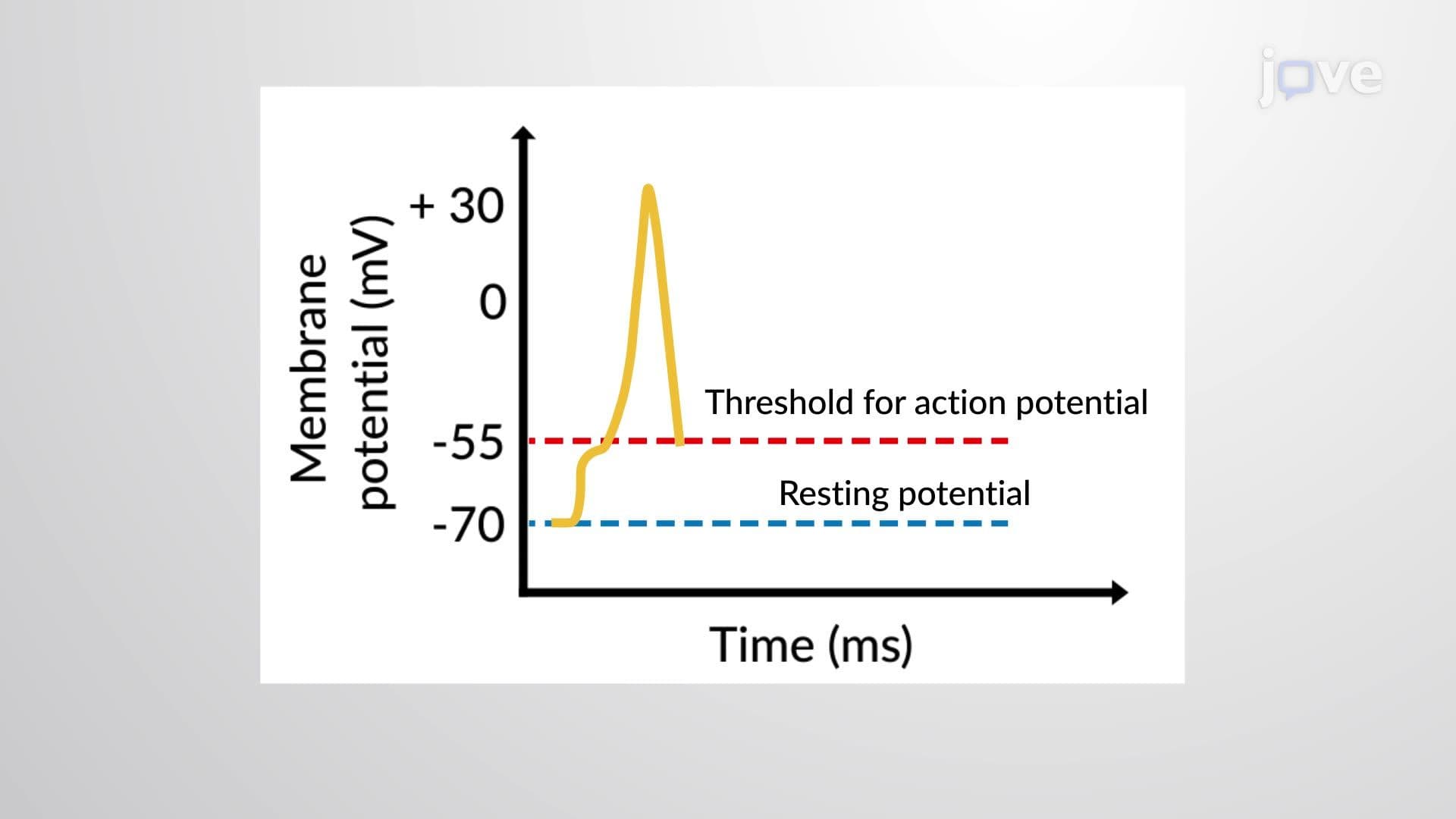
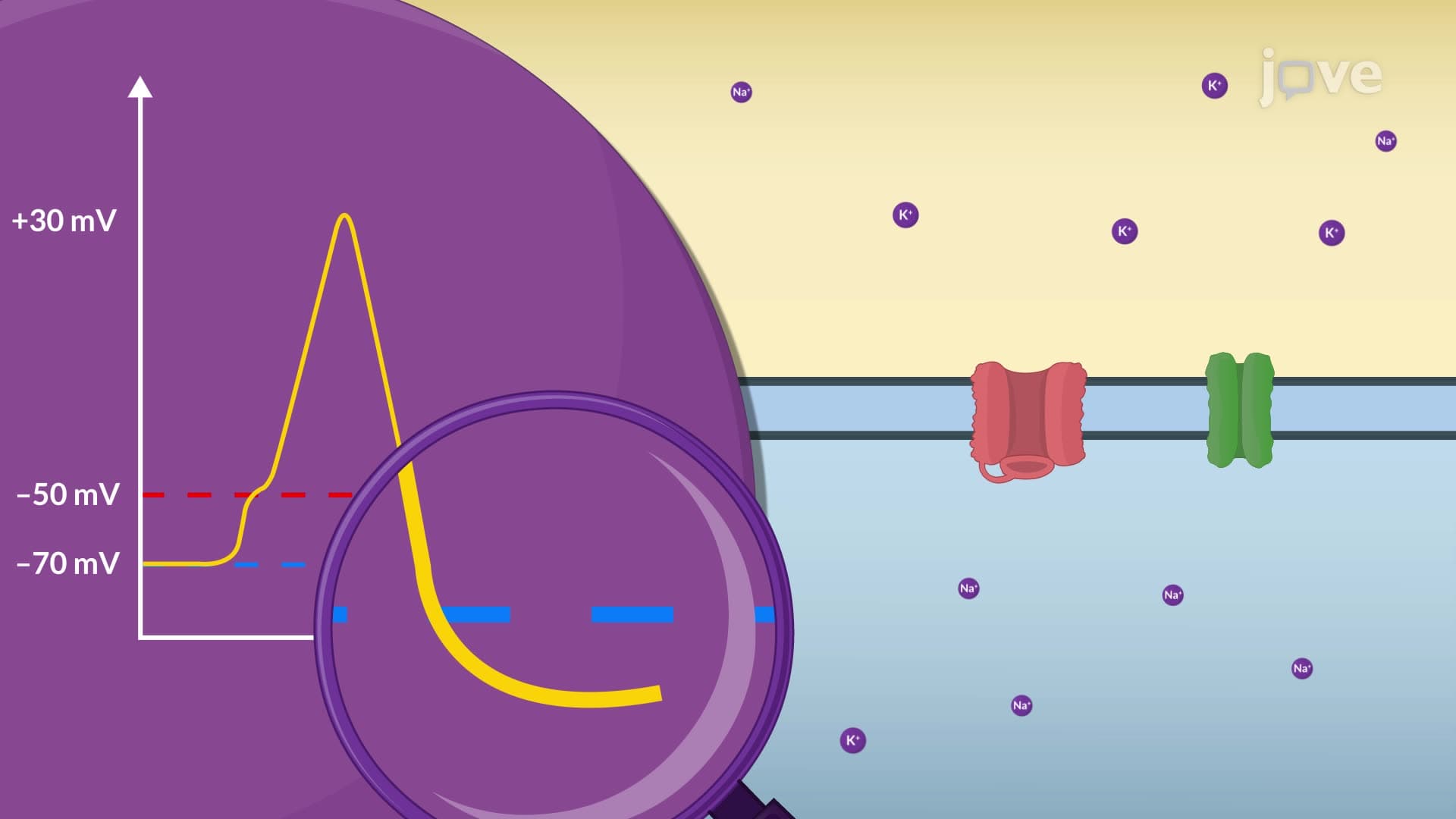
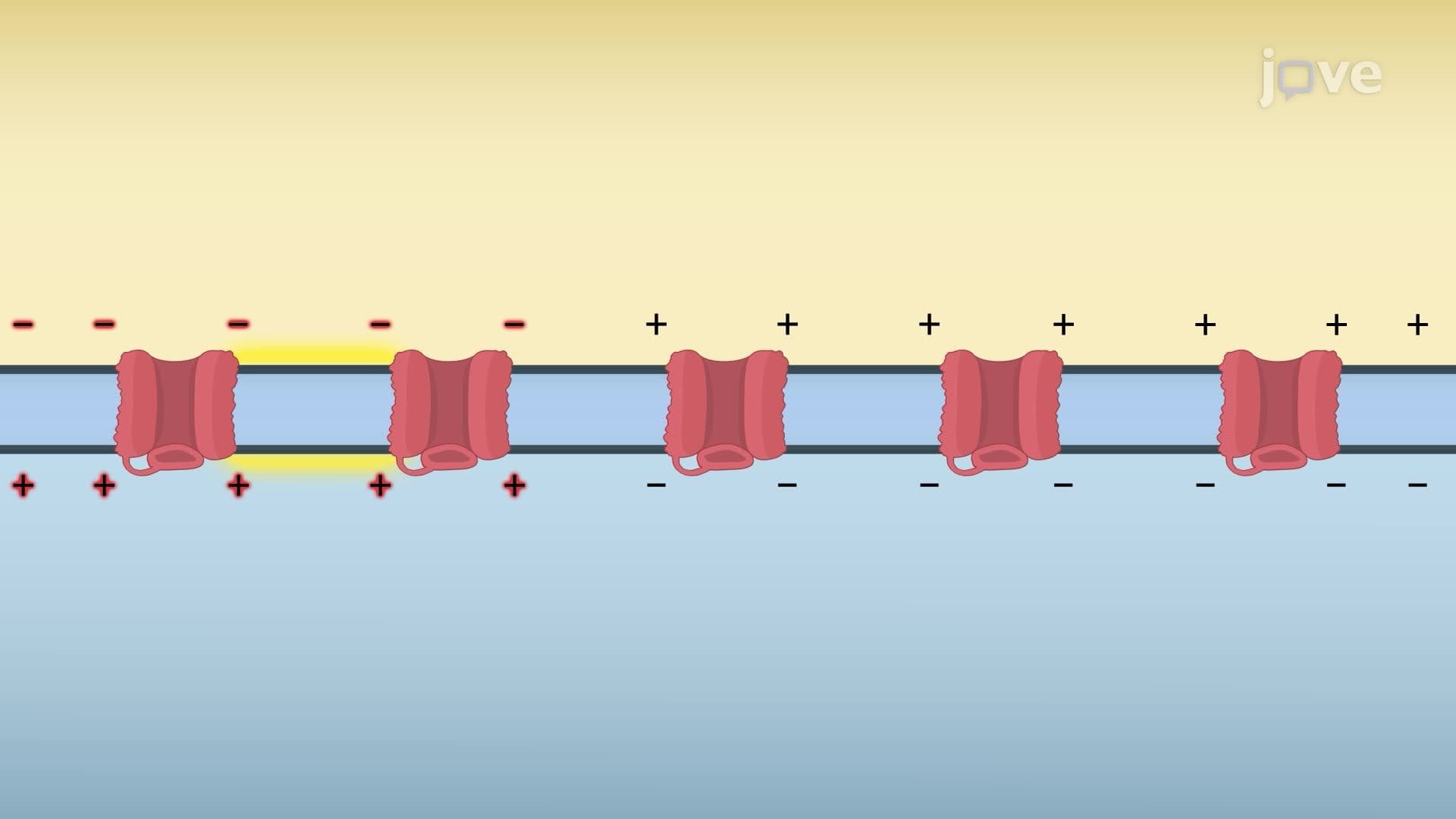
The mechanotransduction ion channel process follows a predictable sequence: mechanical stimulus → membrane deformation → protein conformational change → channel opening → ion influx → membrane depolarization → action potential generation. This cascade occurs within milliseconds, enabling rapid sensory responses crucial for survival.
Hair cell mechanoreceptor channels in the inner ear demonstrate this process beautifully. Sound waves cause stereocilia (hair-like projections) to bend, creating tension in tip links connecting adjacent stereocilia. This mechanical force opens mechanosensitive channels, allowing potassium influx that depolarizes the hair cell and triggers neurotransmitter release.
Defects in mechanically gated channels cause serious medical conditions. Mutations in TMC1 and TMC2 genes, encoding hair cell mechanotransduction channels, result in hereditary deafness affecting thousands of Americans annually. Similarly, Piezo2 mutations cause tactile insensitivity and proprioceptive deficits, impairing patients' ability to sense body position.
Current pharmaceutical research at institutions like Johns Hopkins and Stanford University focuses on developing mechanosensitive channel modulators for treating chronic pain, hearing loss, and cardiovascular disorders. These channels also serve as potential drug targets for conditions involving abnormal mechanosensation.
Stretch activated ion channel concepts frequently appear on AP Biology exams, particularly in questions about sensory systems and membrane transport. MCAT passages often test mechanotransduction understanding through experimental scenarios involving hair cells or touch receptors. College physiology courses emphasize these channels when covering sensory neurobiology, making them essential knowledge for pre-medical students.
Understanding tactile mechanically gated channel function proves crucial for comprehending broader physiological concepts including sensory adaptation, receptor potentials, and neural signal transmission-all fundamental topics in introductory neuroscience coursework.
Related Micro-courses