Loading subject page…


111,914 views


Video Summary: What are Neurotransmitters
Ever wonder how your brain signals your muscles to move when you reach for your morning coffee? Neurotransmitters types biology reveals the fascinating chemical communication system that makes this possible. These molecular messengers enable everything from voluntary movements to heart rate regulation through precise chemical signaling between nerve cells. The autonomic nervous system relies on specific neurotransmitters like acetylcholine and norepinephrine to control involuntary functions such as breathing and digestion. Watch the full video on JoVE Coach to master this concept with expert-led visuals and step-by-step explanations.
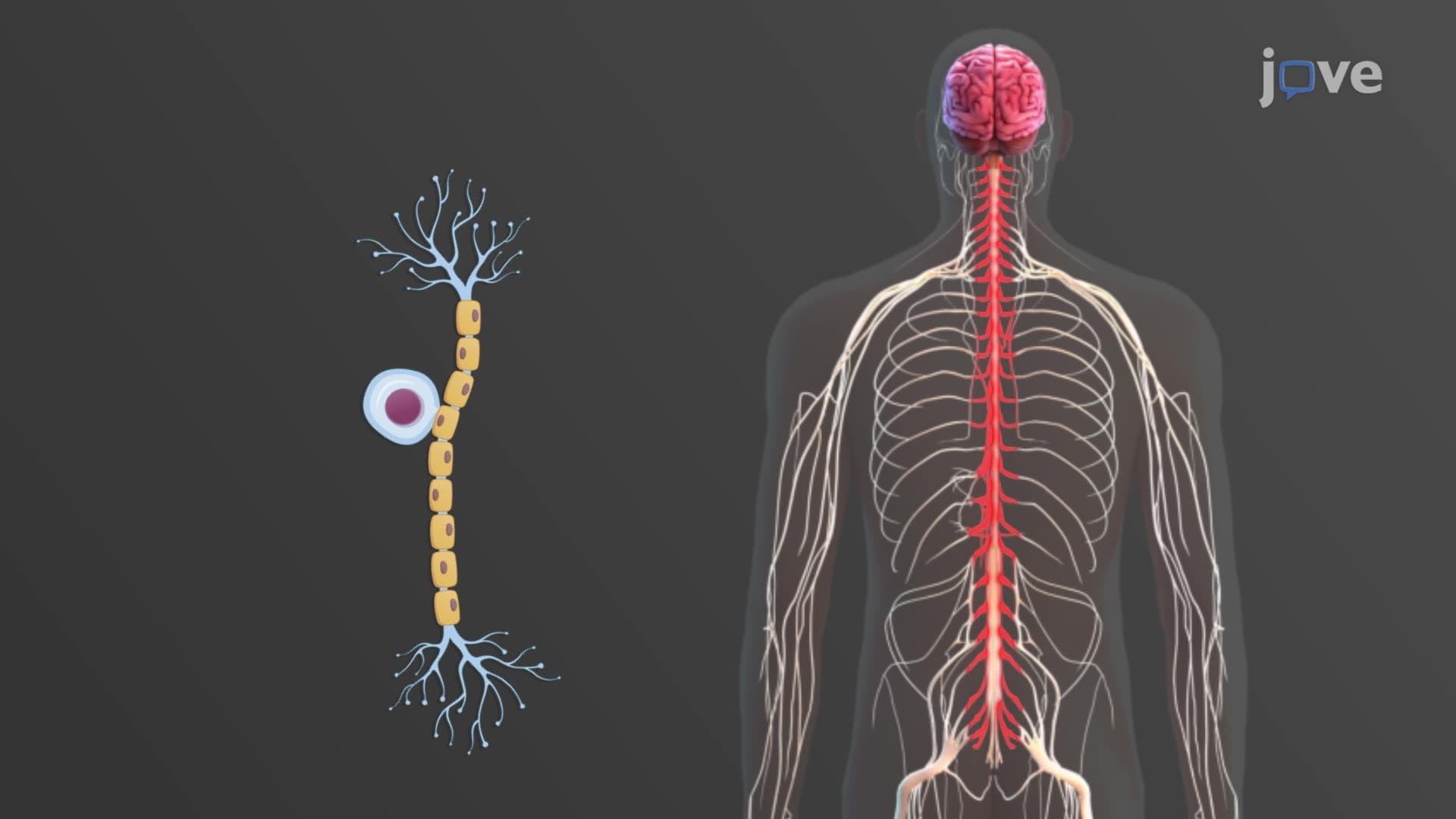
Neurotransmitters represent one of biology's most elegant communication systems, serving as chemical bridges that allow electrical signals to cross the microscopic gaps between neurons called synapses. In what are neurotransmitters in neuroscience, we discover that these molecules are far more than simple on-off switches-they're sophisticated modulators that fine-tune neural communication with remarkable precision.
The neurotransmitter classification explained reveals several major categories based on chemical structure and function. Acetylcholine norepinephrine dopamine represent key examples of different neurotransmitter families. Acetylcholine, the first neurotransmitter discovered, plays crucial roles in muscle contraction and parasympathetic nervous system function. Students preparing for the AP Biology exam should note that acetylcholine receptors are found at neuromuscular junctions, where they trigger skeletal muscle contraction.
Monoamine amino acid neurotransmitter categories include dopamine, serotonin, and norepinephrine. These molecules are critical for mood regulation, attention, and reward processing. Medical students studying for the MCAT encounter these extensively when learning about neurological disorders and psychiatric medications used in US clinical practice.
The excitatory inhibitory neurotransmitter balance maintains proper brain function. Serotonin GABA glutamate represent this balance perfectly-glutamate serves as the brain's primary excitatory neurotransmitter, while GABA acts as the main inhibitory counterpart. This balance is essential for preventing conditions like epilepsy, where excessive excitation can cause seizures.
Neuropeptide neurotransmitter molecules like vasoactive intestinal peptide (VIP) demonstrate the complexity of neural communication. These larger molecules often work alongside classical neurotransmitters in co-transmission, where single neurons release multiple chemical messengers simultaneously. This phenomenon explains why pharmaceutical treatments often have multiple effects-a concept crucial for pre-med students preparing for medical school admissions.
Understanding neurotransmitters proves essential for success in advanced courses like college-level neuroscience, psychology, and pre-medical curricula, forming the foundation for comprehending everything from basic reflexes to complex behaviors and disease states.
Related Micro-courses