Loading video…


 26 Concepts
 111.9K views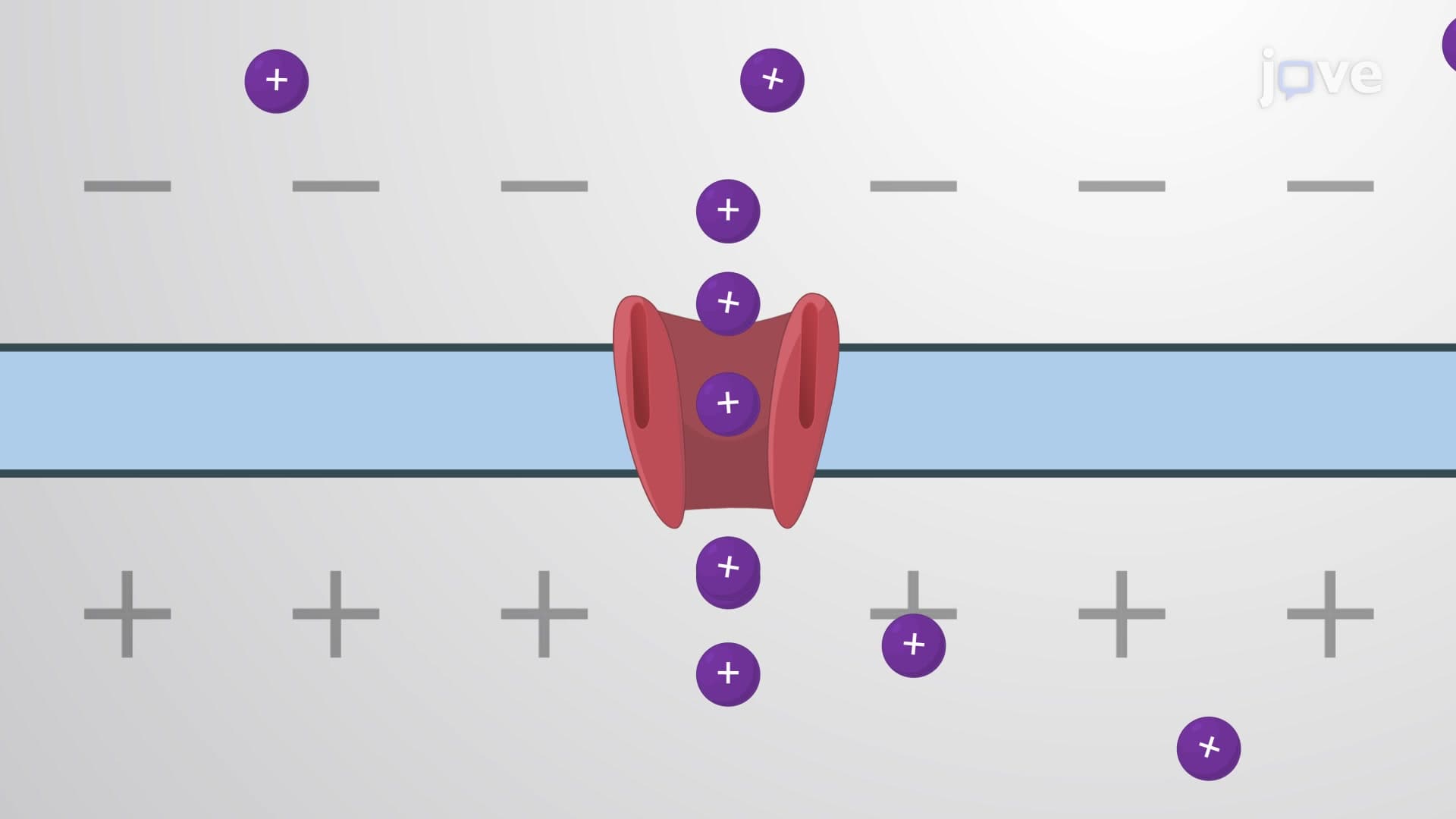

Video Summary: What are Voltage Gated Ion Channels
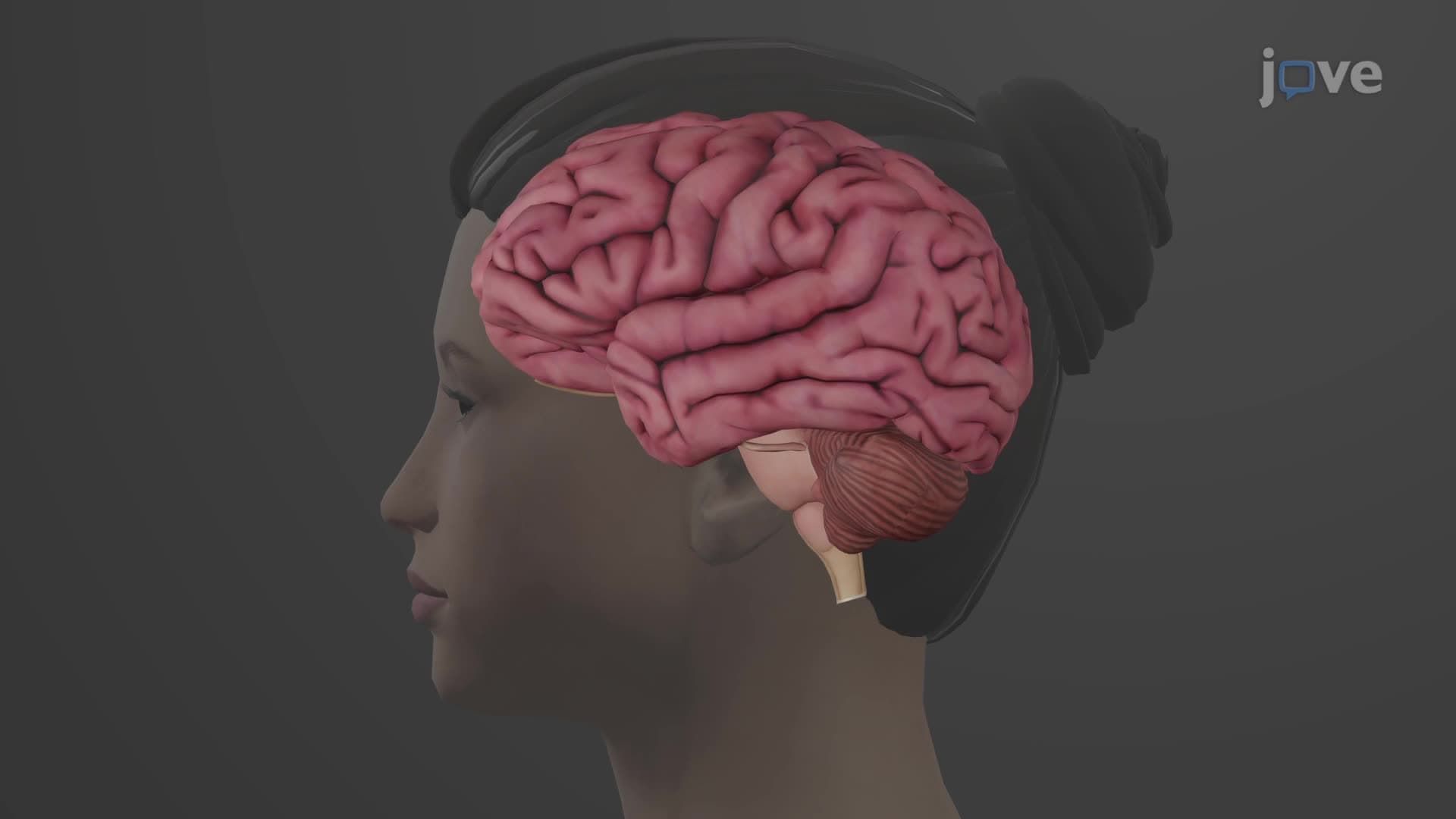
Every heartbeat and every thought relies on molecular gates that respond to electrical changes across cell membranes. Voltage gated channels explained begins with understanding how these protein structures control the flow of specific ions like sodium and potassium in response to membrane potential changes. In the US, conditions like epilepsy affect over 3 million people due to dysfunction in these critical channels. What are voltage gated ion channels? They're the foundation of all electrical signaling in neurons and muscle cells, determining whether an action potential fires. Watch the full video on JoVE Coach to master this concept with expert-led visuals and step-by-step explanations.
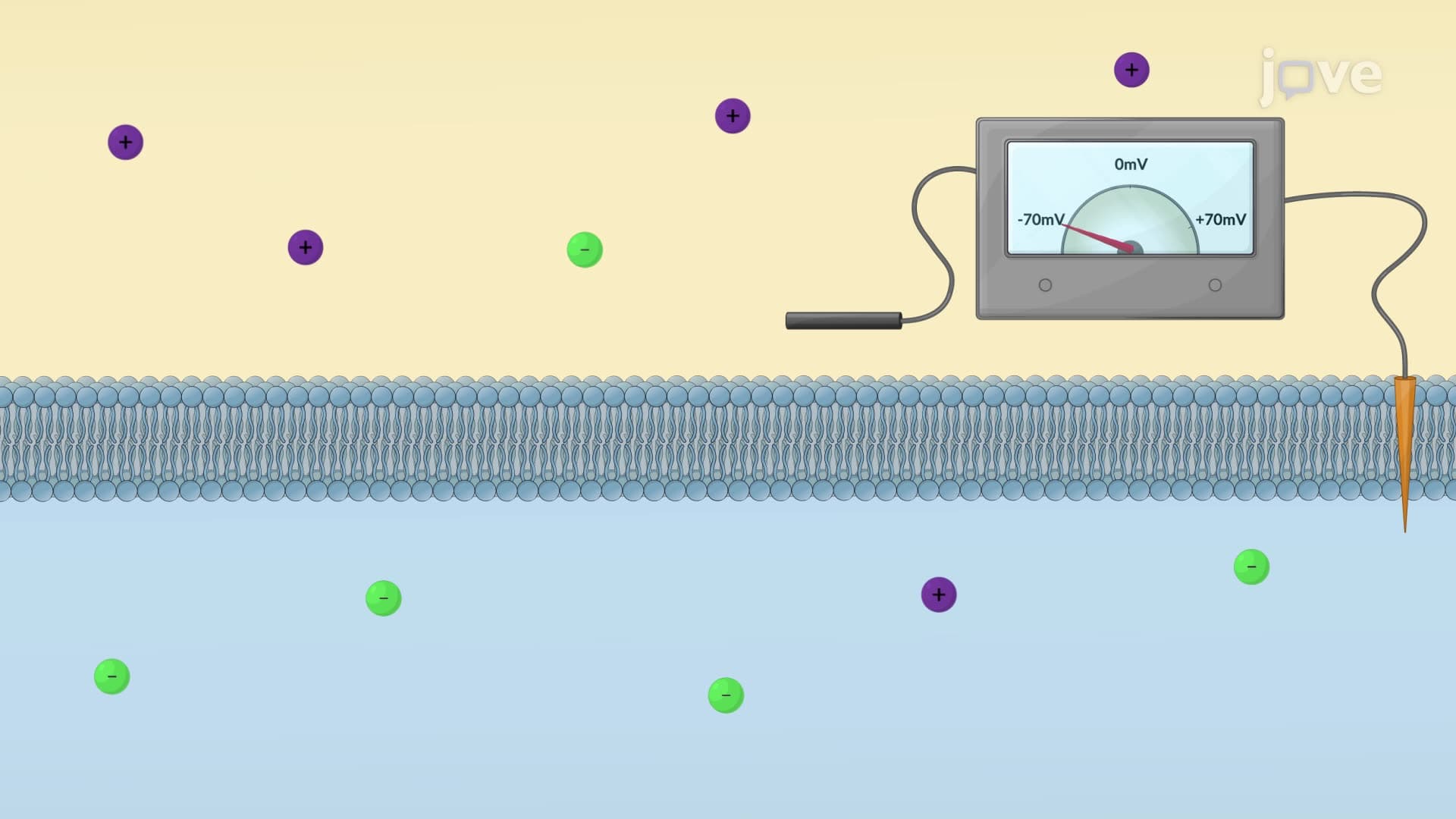
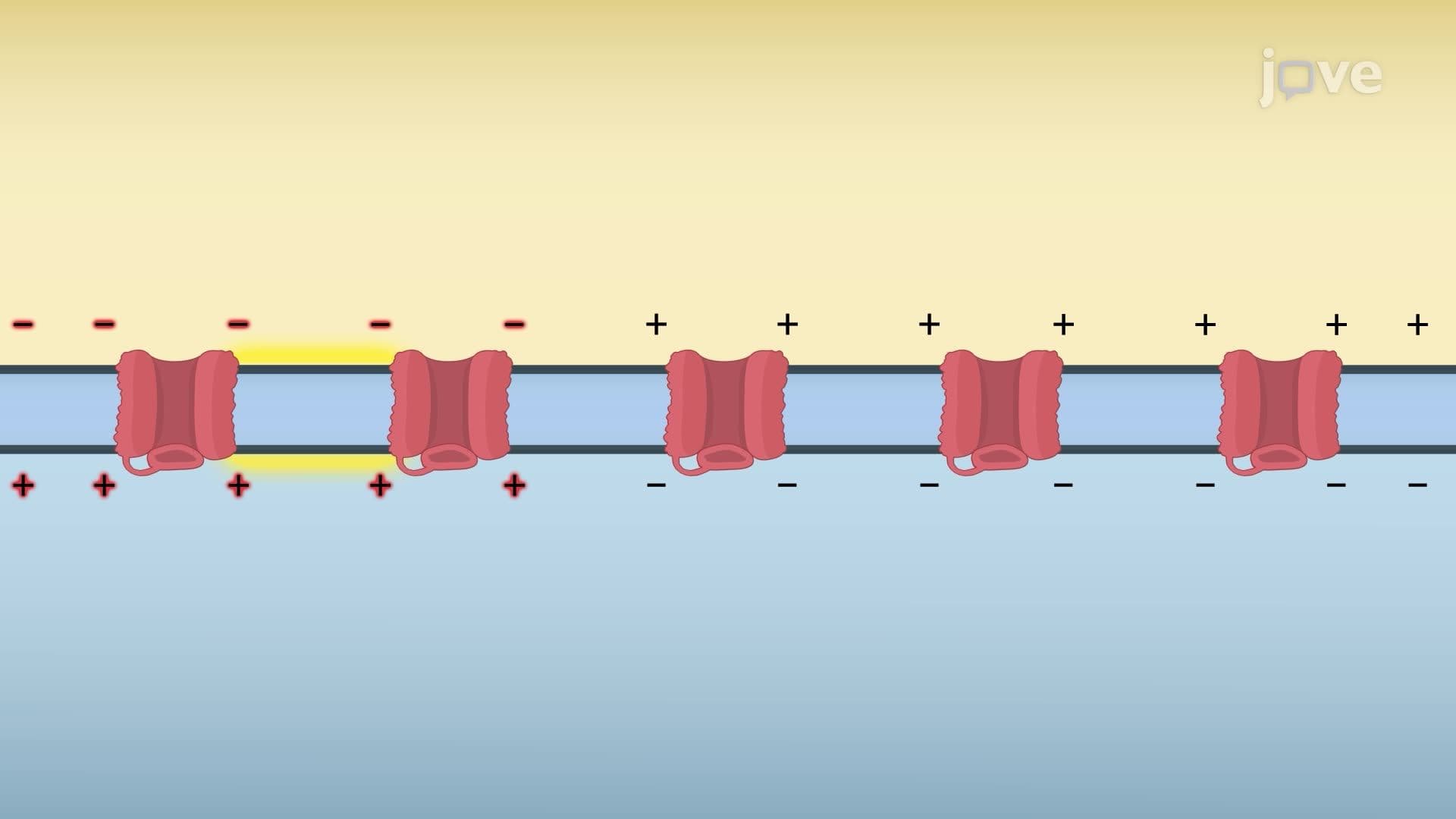
Voltage gated ion channels represent one of biology's most elegant solutions to cellular communication. These transmembrane proteins function as sophisticated molecular switches, opening and closing in response to changes in electrical potential across cell membranes. Unlike other ion channels that respond to chemical signals or mechanical forces, voltage-gated channels detect electrical changes through specialized voltage-sensing domains containing charged amino acid residues.
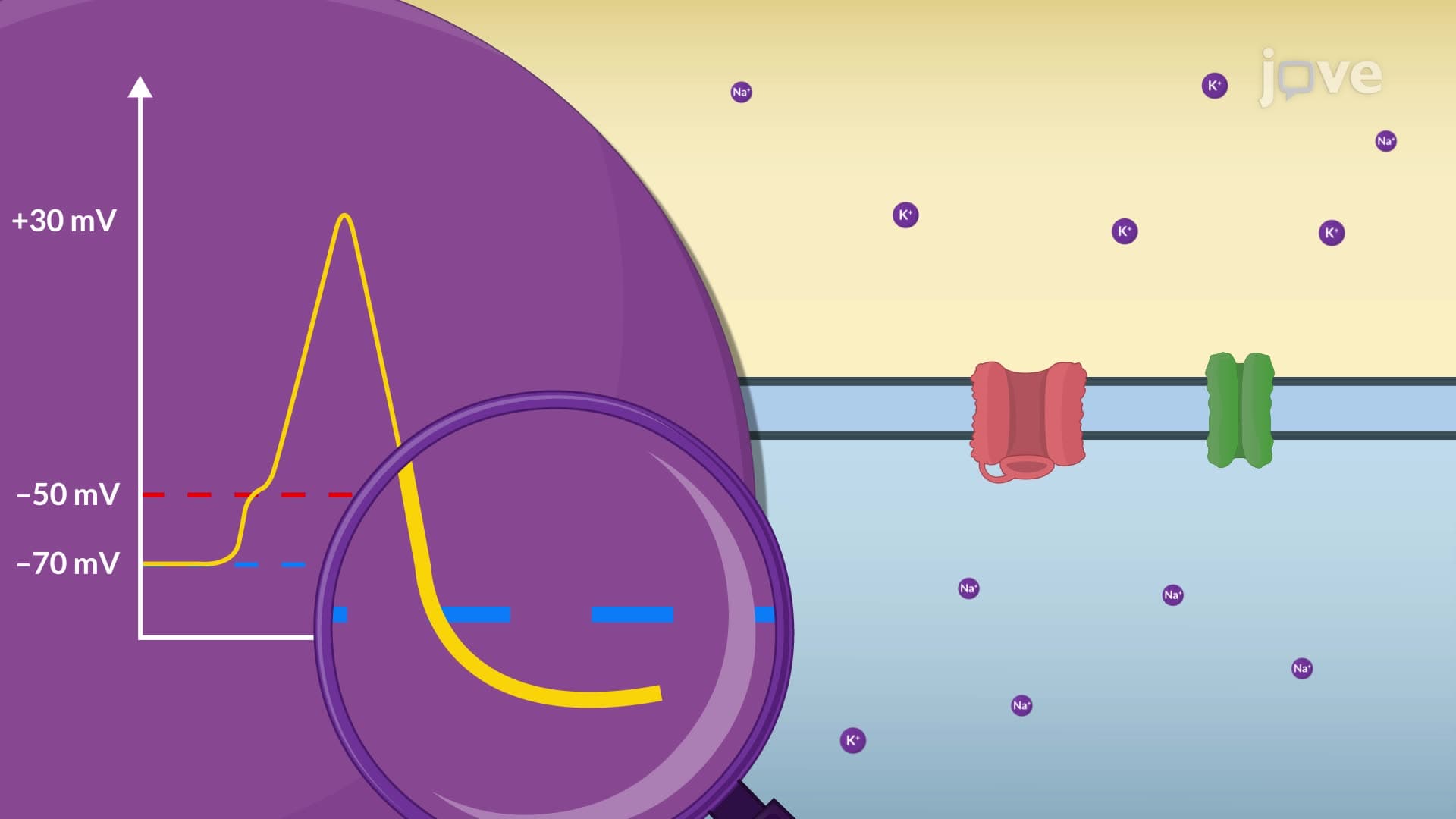
The voltage sensor gating mechanism involves four key structural elements working in harmony. The voltage-sensing domain contains positively charged arginine and lysine residues that move in response to membrane potential changes. When depolarization occurs, these charges shift outward, causing conformational changes that open the channel pore. The selectivity filter determines which ions can pass through-sodium channels allow Na+ ions while excluding others, and potassium voltage gated repolarization channels specifically permit K+ passage.
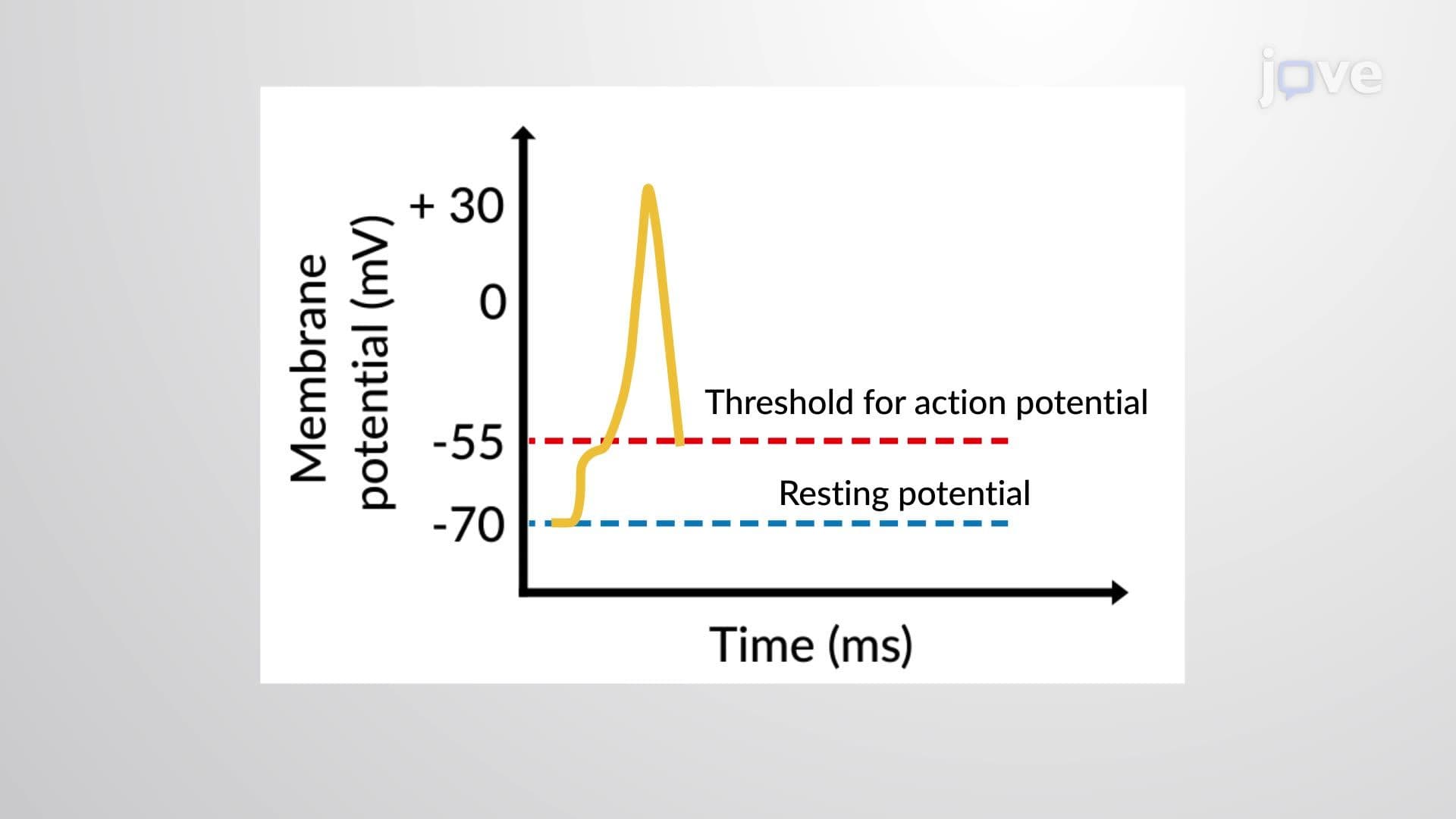
The voltage sodium channel AP relationship exemplifies precise biological timing. During the rising phase of an action potential, voltage-dependent channel opening allows rapid sodium influx, depolarizing the membrane from -70mV to +30mV in milliseconds. This triggers potassium channels to open, enabling K+ efflux that repolarizes the membrane. This coordinated dance, first described by Hodgkin and Huxley in their Nobel Prize-winning work, underlies every nerve impulse and muscle contraction.
Voltage gated ion channel biology directly impacts human health through channelopathies-diseases caused by channel mutations. At Johns Hopkins Hospital, neurologists regularly treat patients with Dravet syndrome, a severe epilepsy caused by sodium channel mutations. Similarly, cardiac electrophysiologists at Mayo Clinic encounter long QT syndrome patients with potassium channel defects that can cause sudden cardiac death. Understanding these channels proves crucial for MCAT preparation, particularly in neurobiology and cardiology sections, where students must explain action potential mechanisms and drug interactions.
Related Micro-courses