Loading subject page…

111,912 views

Video Summary: What Is Action Potential
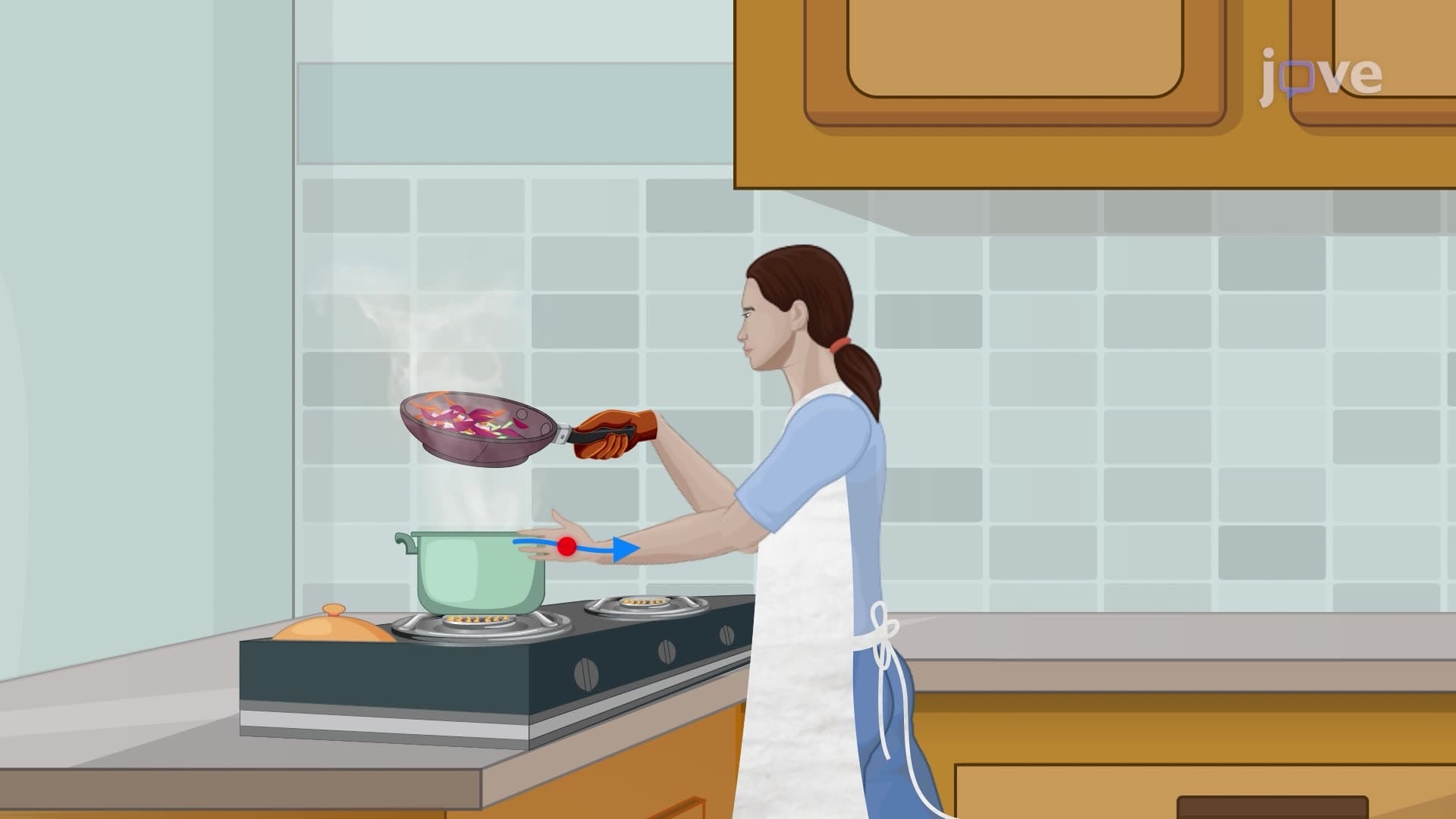
Ever wonder how your brain sends signals to your hand in milliseconds to pull away from a hot stove? Action potential neuroscience reveals this lightning-fast cellular communication system that powers every thought and movement. When a patient at Johns Hopkins Hospital receives anesthesia, doctors precisely target these electrical nerve signals to ensure complete pain blockade during surgery. What is action potential becomes clear as we explore how neurons generate and propagate these all-or-nothing electrical events through precise voltage changes. Watch the full video on JoVE Coach to master this concept with expert-led visuals and step-by-step explanations.
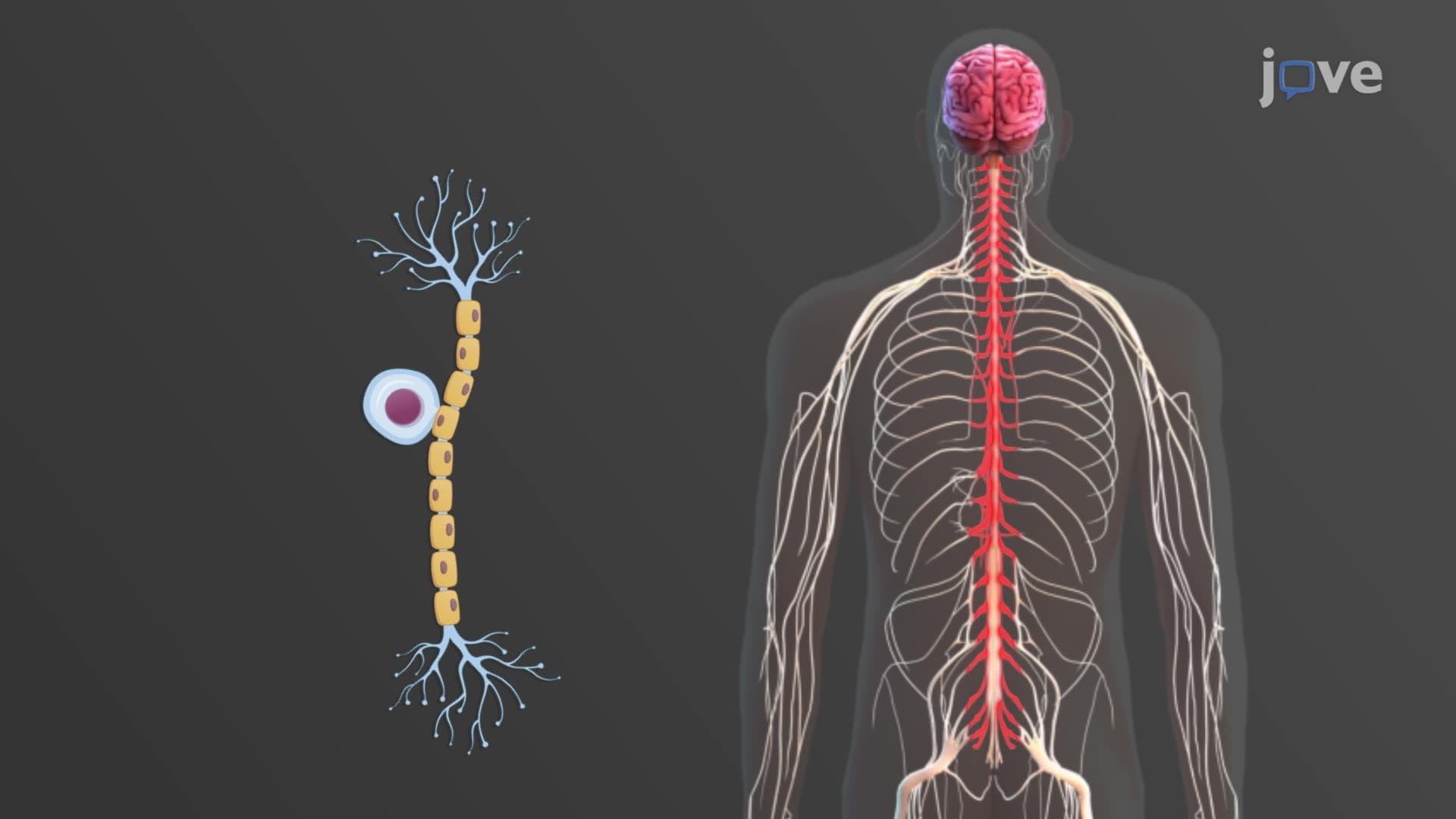
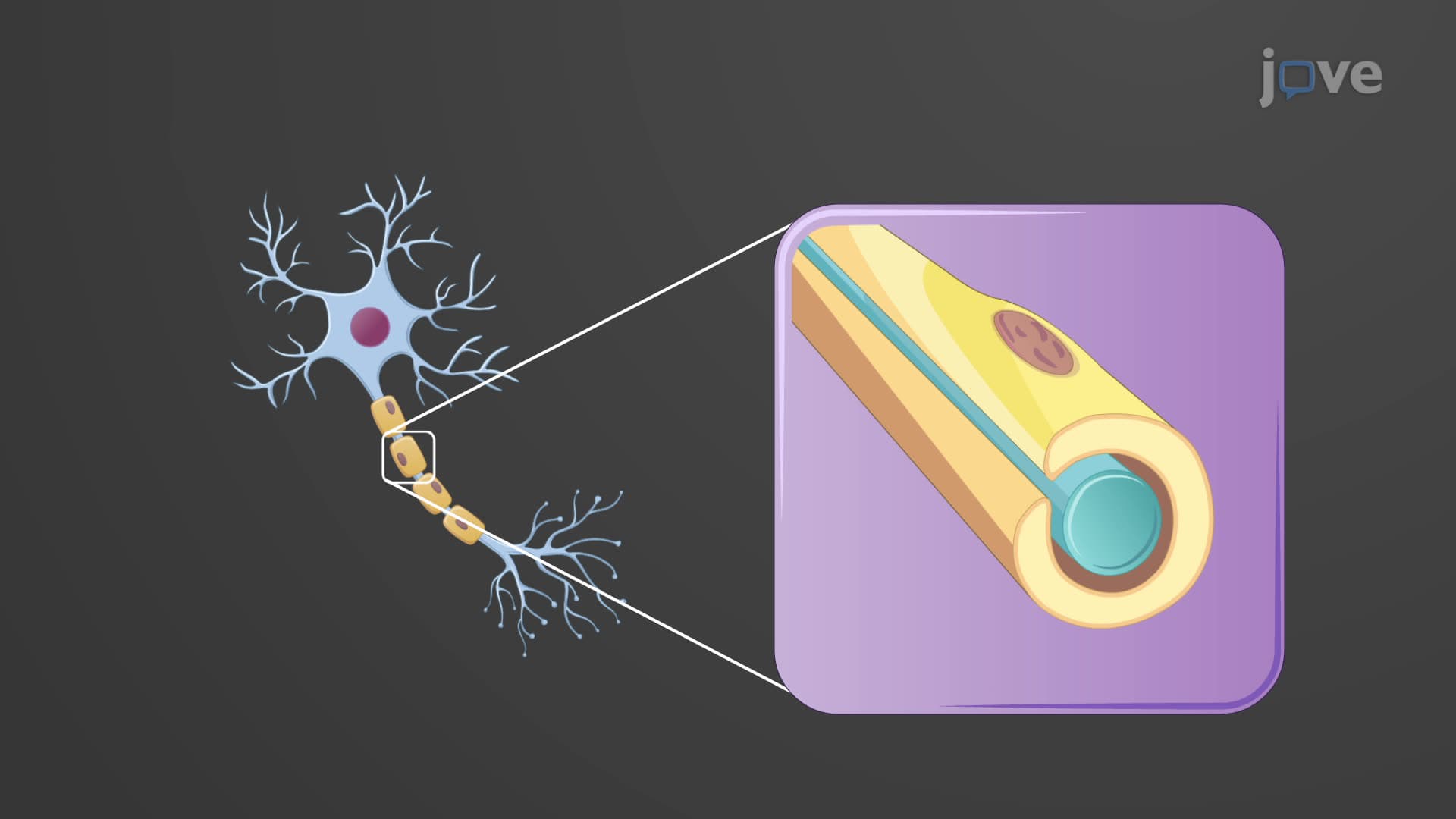
What is action potential represents one of biology's most elegant solutions to rapid, long-distance cellular communication. This precisely orchestrated electrical event allows neurons to transmit information across vast distances-from your spinal cord to your toes-without signal degradation. Unlike passive electrical conduction in copper wires, action potentials actively regenerate themselves at each point along the axon, ensuring consistent signal strength.
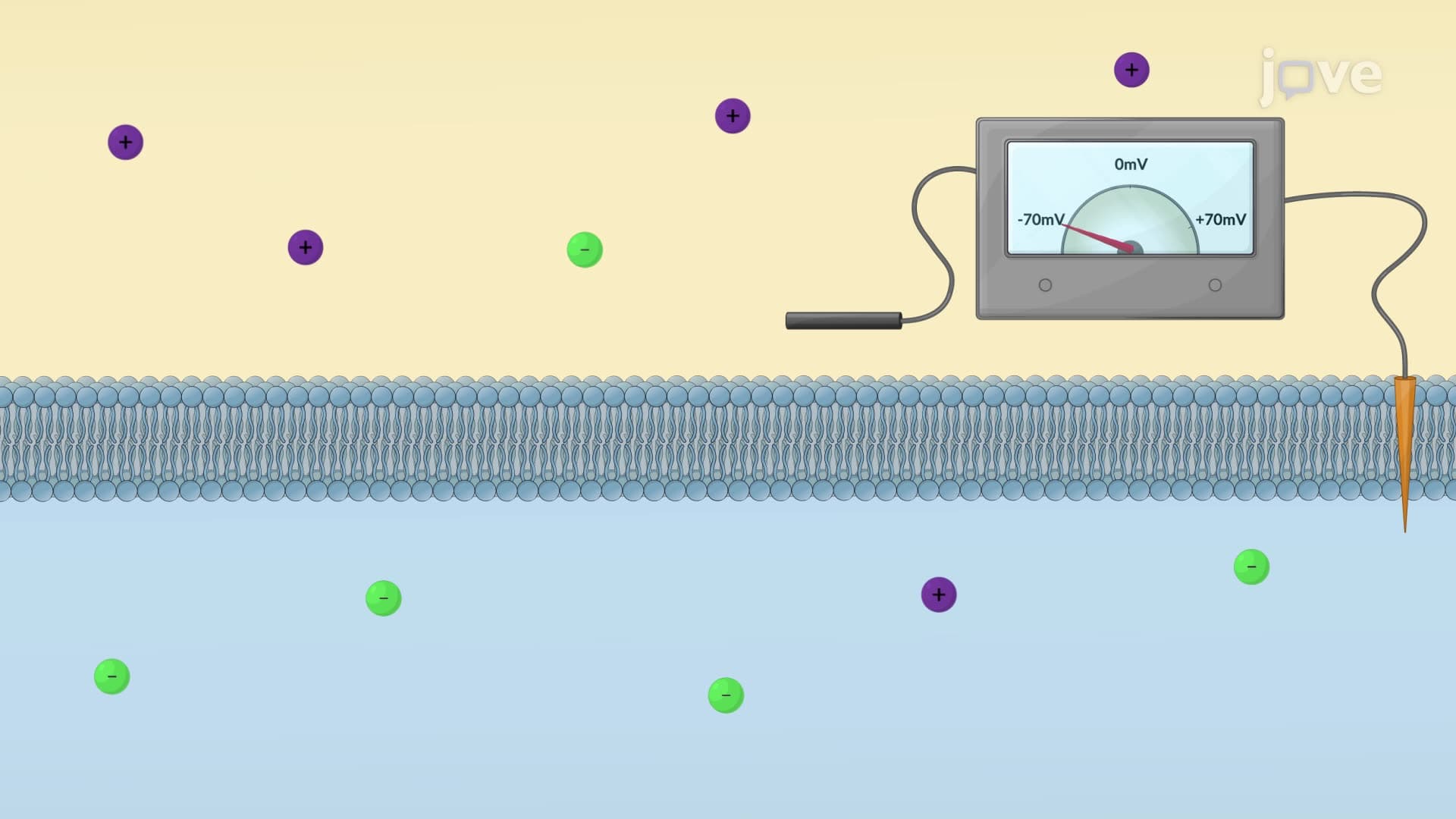
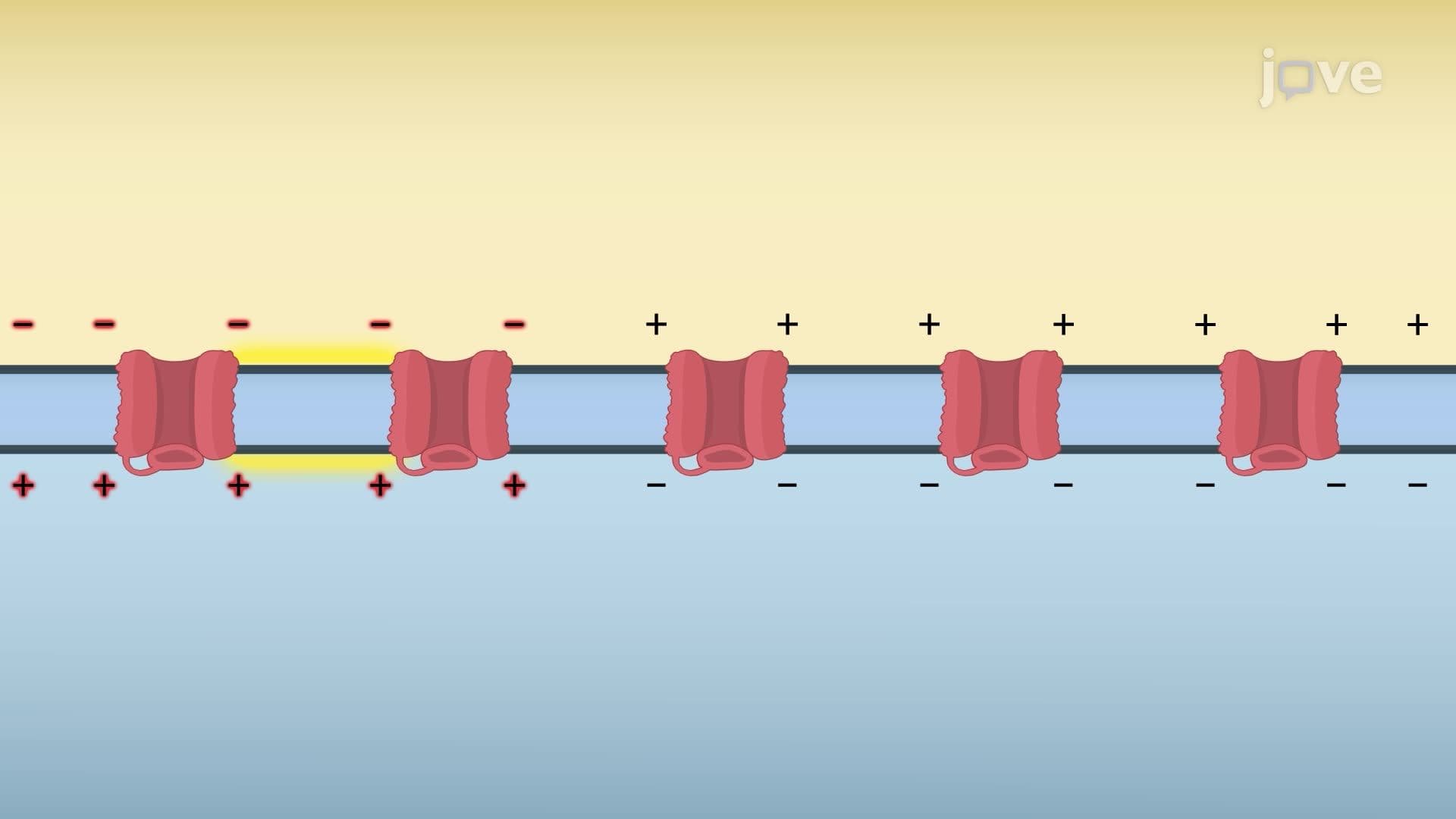
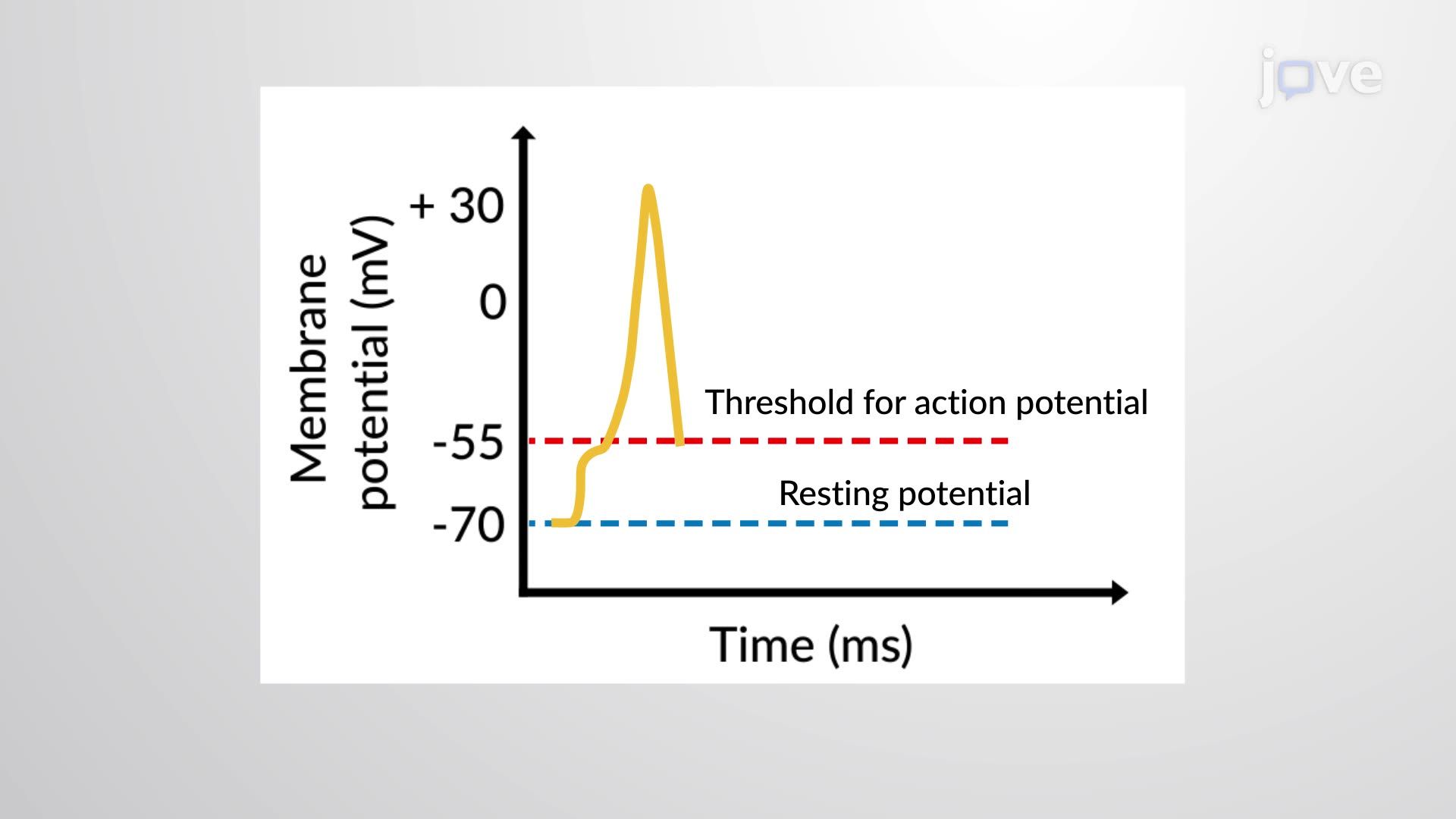
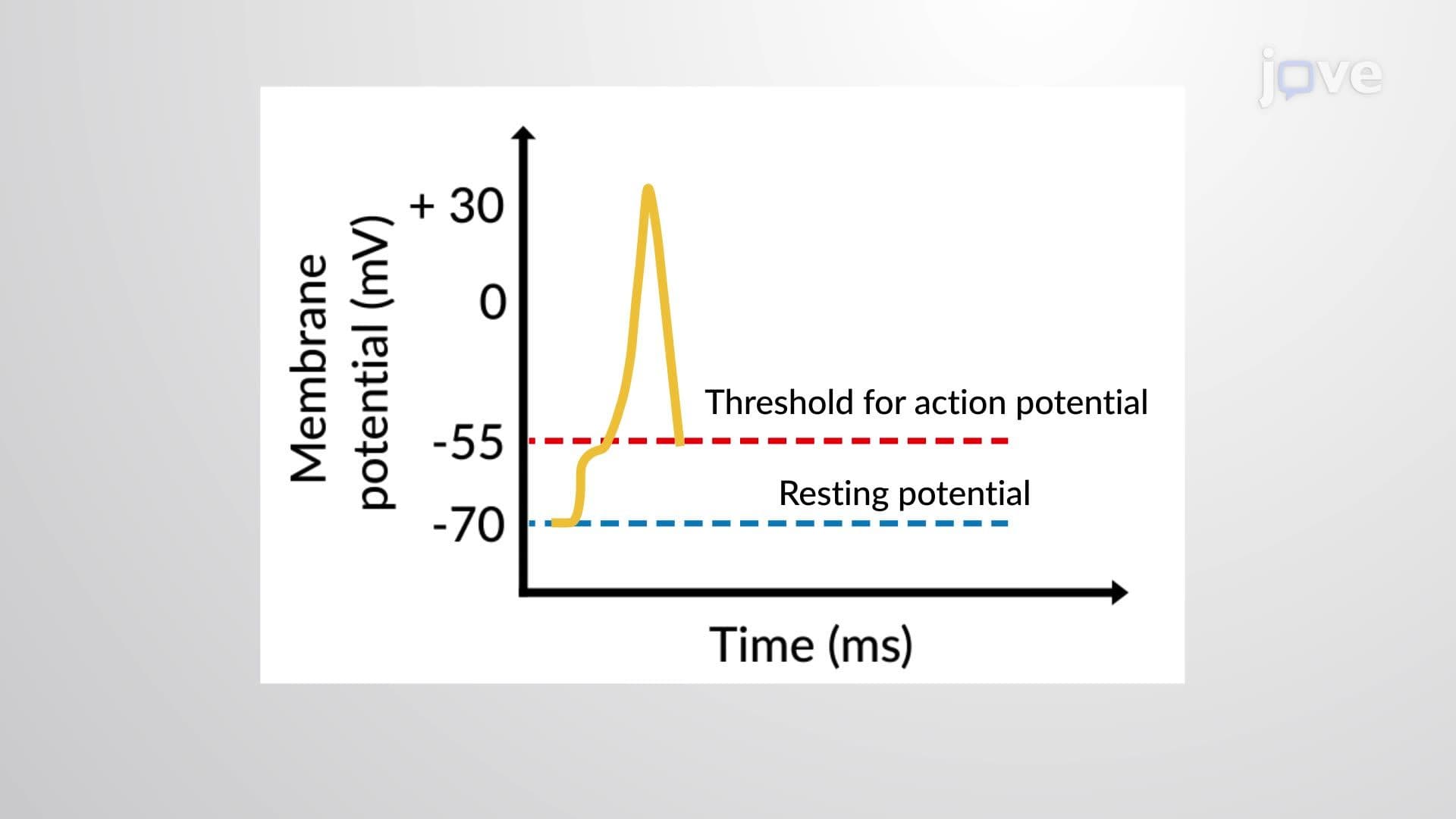
The action potential biology explained reveals a sophisticated interplay between cellular architecture and ion gradients. At rest, neurons maintain approximately -70 mV across their membrane through the tireless work of sodium-potassium pumps, which exchange three sodium ions out for every two potassium ions in. This creates the essential ionic imbalance: high sodium outside, high potassium inside, setting the stage for explosive electrical activity.
The all or none action potential principle means neurons either fire completely or not at all-there's no partial action potential. This digital-like behavior ensures reliable signal transmission crucial for survival. When medical students at Harvard Medical School study cardiac arrhythmias, they learn how this principle applies to heart muscle, where partial contractions could be fatal.
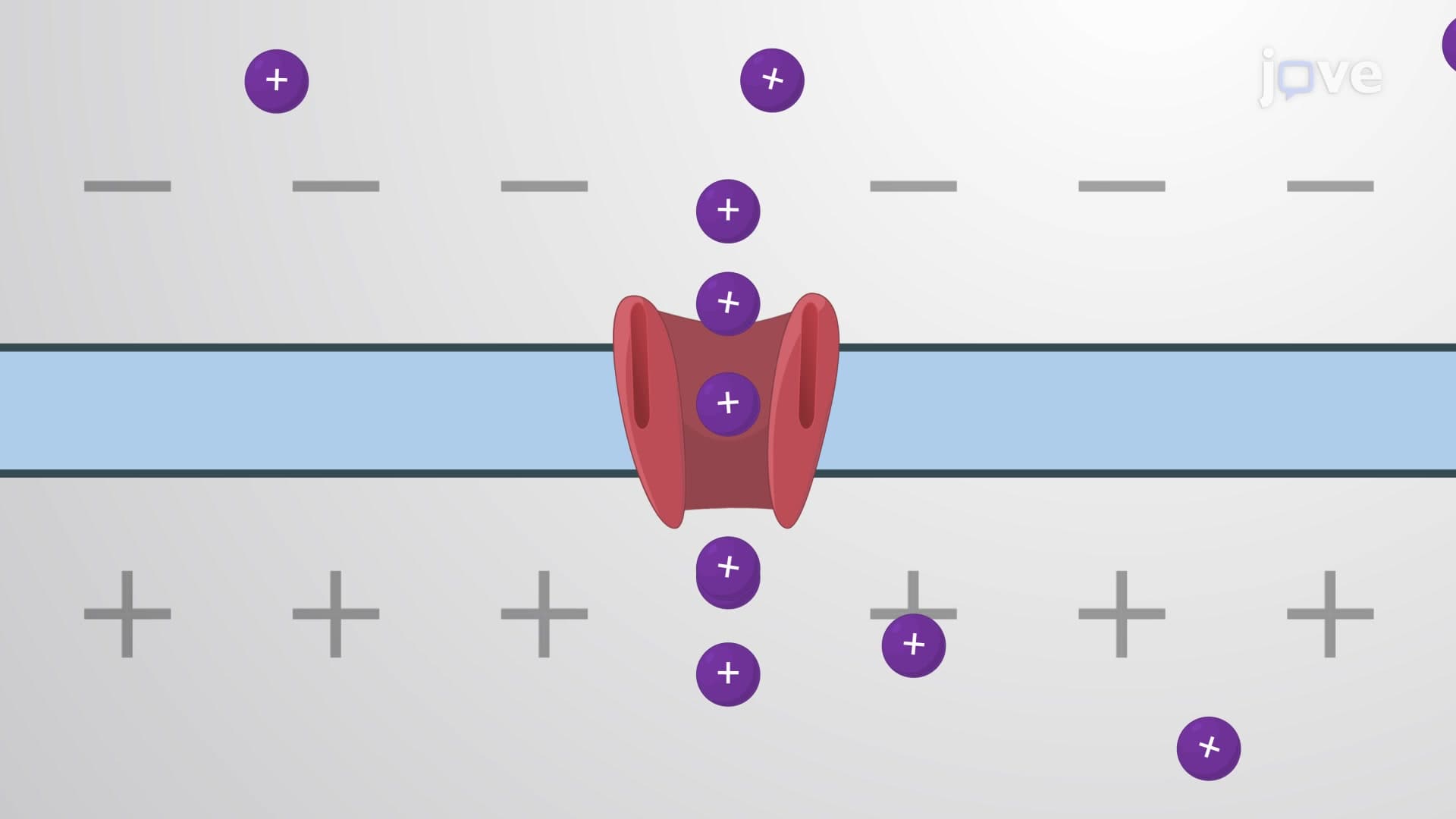
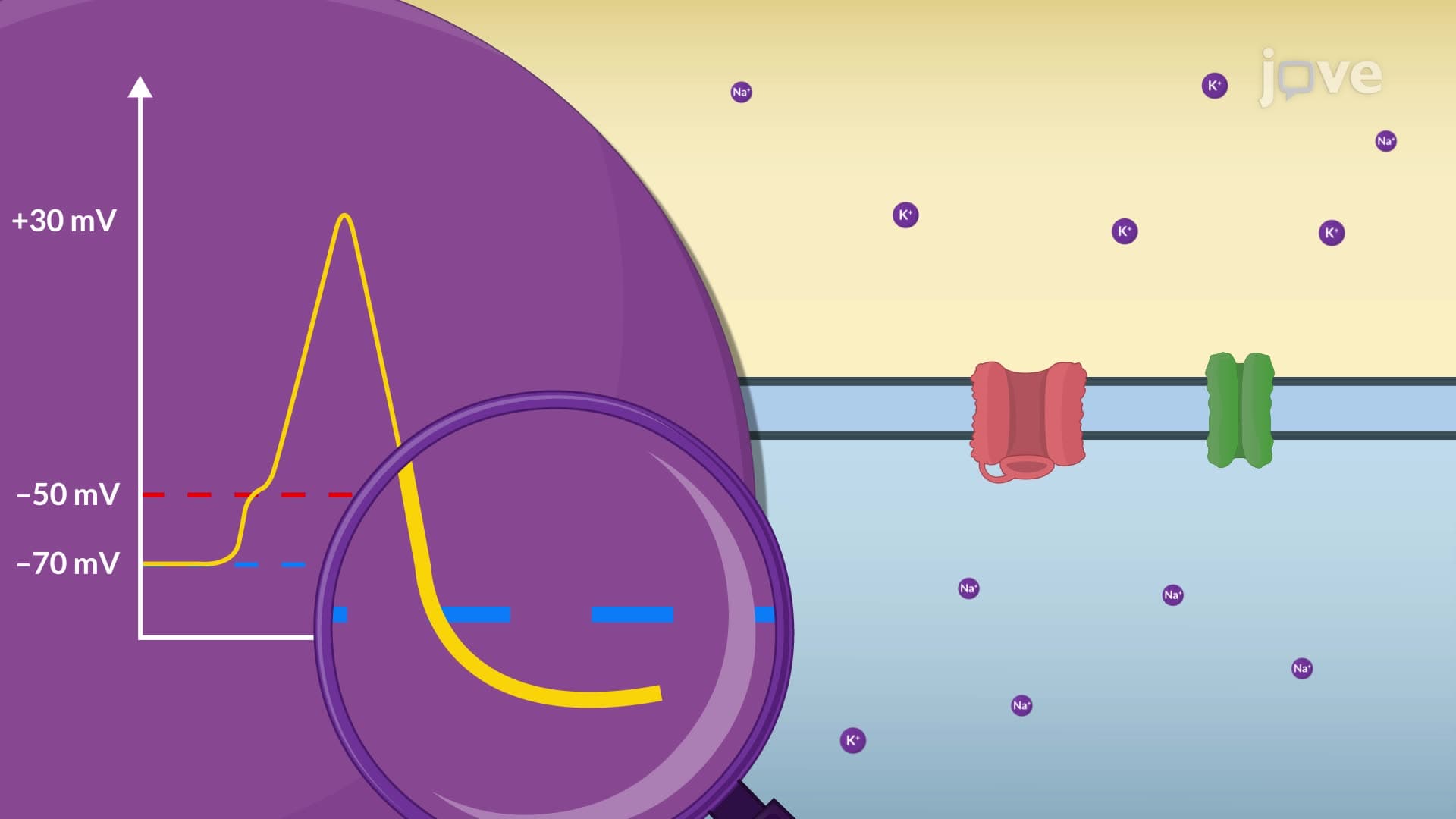
Threshold depolarization AP occurs around -55 mV, the critical voltage where sodium channels begin opening rapidly. Once threshold is reached, the process becomes self-sustaining as sodium influx further depolarizes the membrane, opening more channels in a positive feedback loop that drives the rising falling phase AP characteristic voltage profile.
The sodium potassium AP mechanism involves precisely timed channel operations. Voltage-gated sodium channels feature both activation and inactivation gates. During the rising phase, activation gates open rapidly while inactivation gates remain open, allowing massive sodium influx that drives membrane potential to +40 mV. Within milliseconds, inactivation gates close, terminating sodium entry even while activation gates remain open.
Simultaneously, voltage-gated potassium channels-slower to respond-begin opening during peak depolarization. Potassium efflux drives repolarization, often overshooting resting potential to create brief hyperpolarization. This refractory period AP prevents backward signal propagation and limits maximum firing frequency, typically allowing 100-1000 action potentials per second depending on neuron type.
MCAT students frequently encounter action potential questions requiring understanding of ion gradients and channel kinetics. The concept appears prominently in AP Biology curriculum standards and college neuroscience courses nationwide. Real-world applications include local anesthetics like lidocaine, which block sodium channels to prevent pain signal transmission during dental procedures at clinics across America.
Understanding action potential mechanisms helps explain neurological conditions: multiple sclerosis involves myelin degradation that slows conduction, while epilepsy can result from excessive neuronal firing when normal inhibitory mechanisms fail.
Related Micro-courses