Loading subject page…


111,912 views

Video Summary: What Is Functional Divisions Nervous System
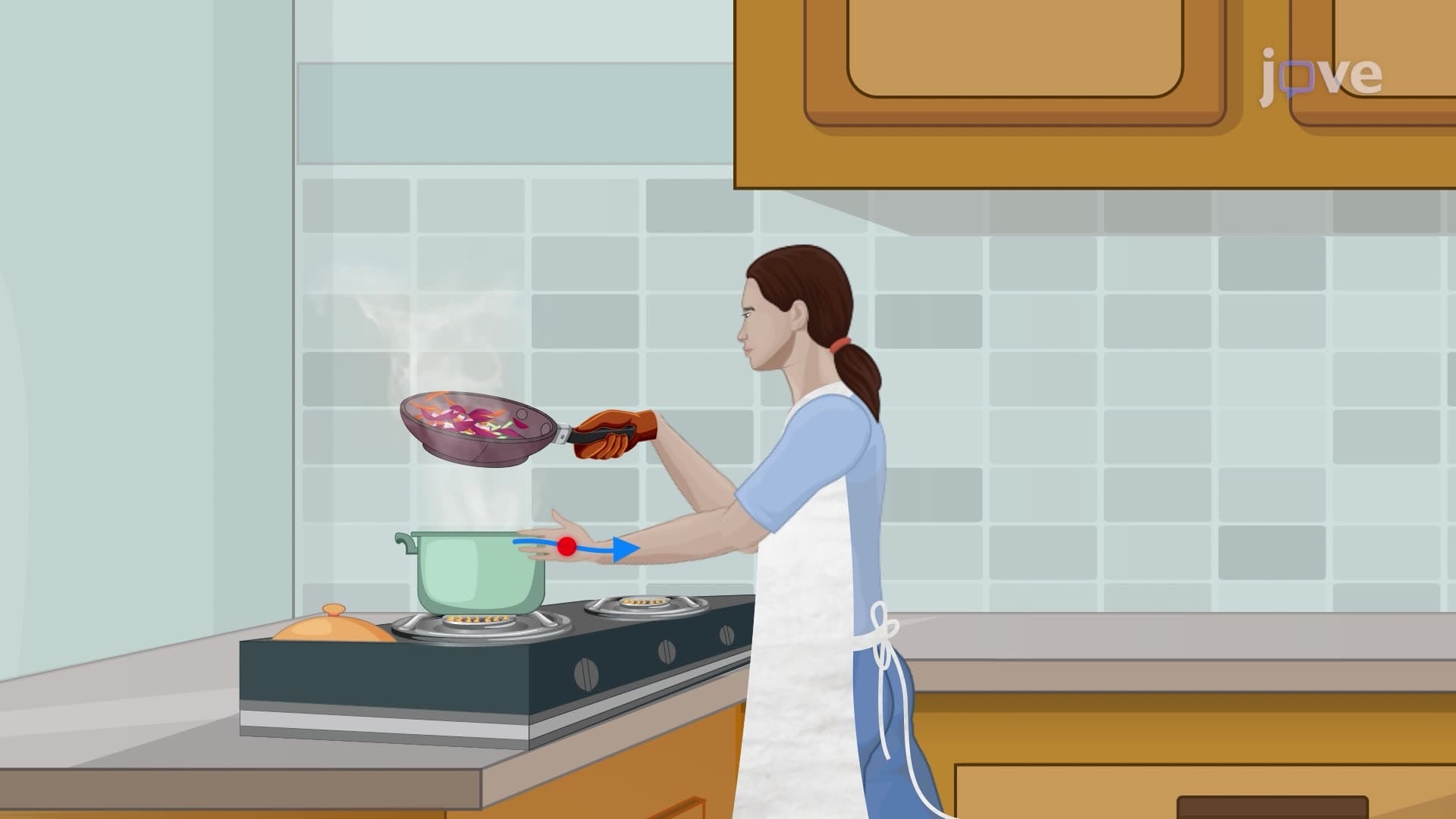
Ever wondered how your body instantly pulls your hand away from a hot stove while simultaneously making you aware of the pain? The nervous system functional divisions work together to coordinate these rapid responses through specialized pathways. The peripheral nervous system divides into sensory (afferent) and motor (efferent) divisions, with the motor branch further splitting into somatic and autonomic systems that control everything from muscle contractions to heart rate regulation. Watch the full video on JoVE Coach to master this concept with expert-led visuals and step-by-step explanations.
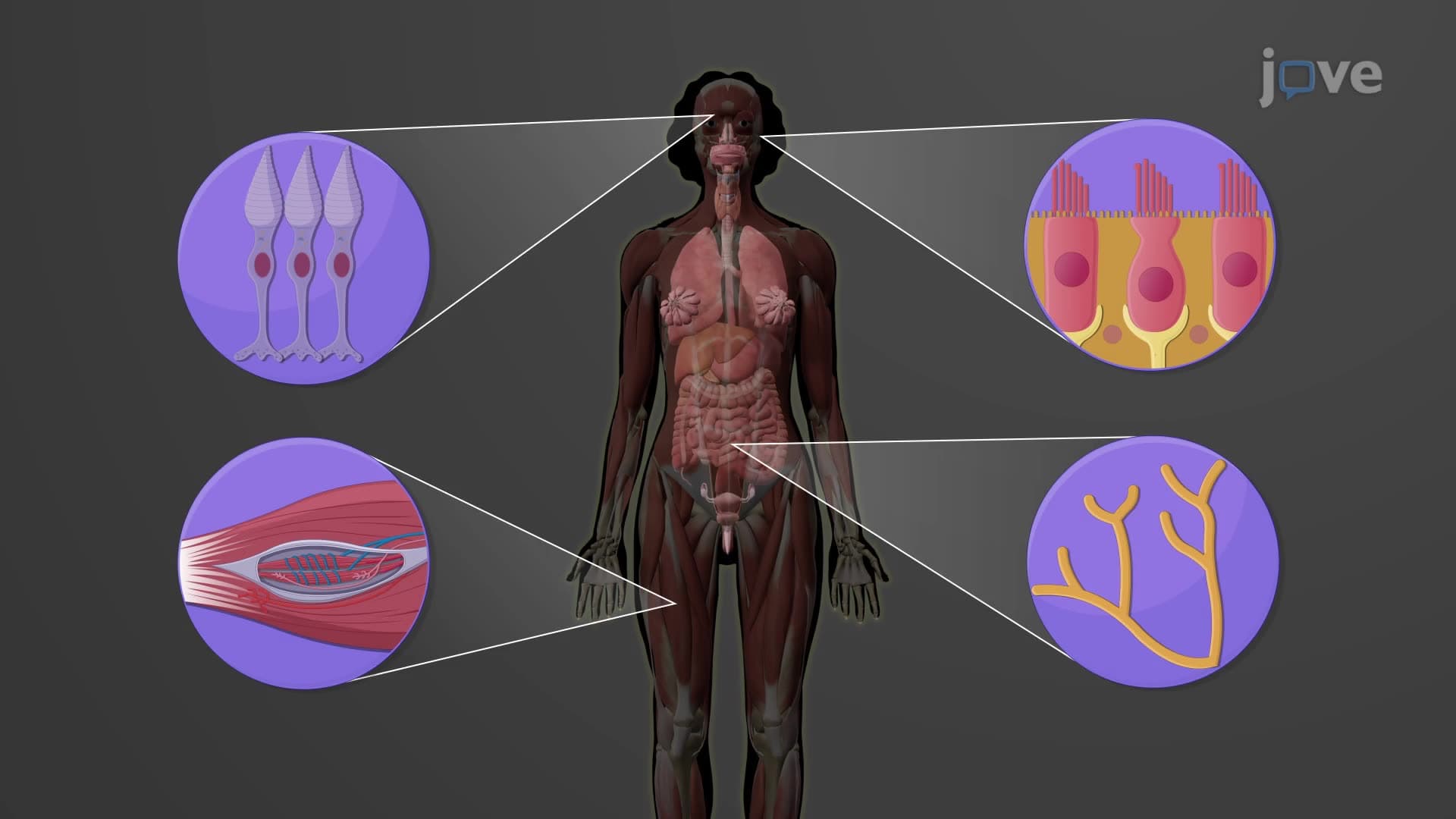
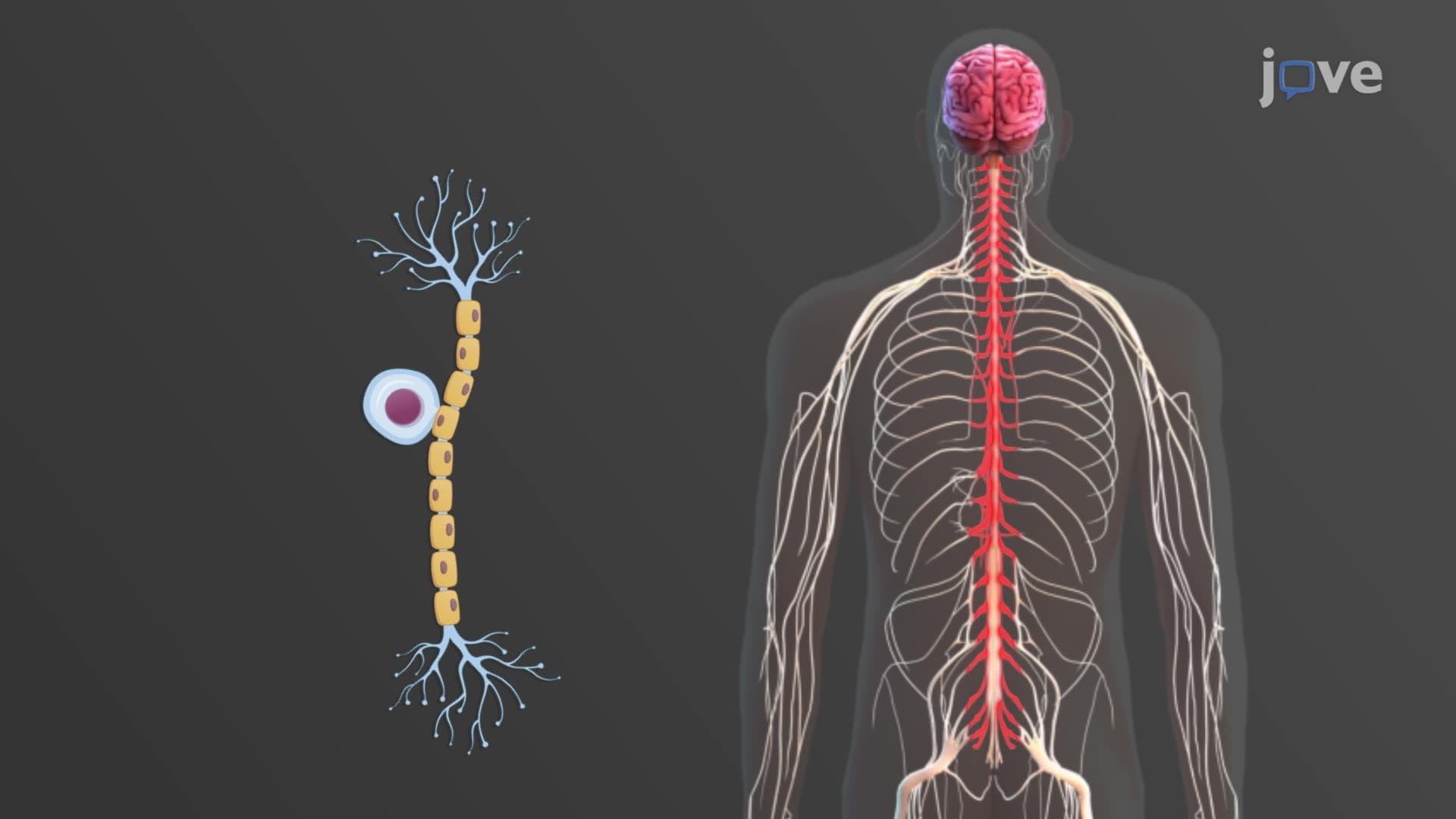
The nervous system functional divisions represent one of biology's most elegant organizational schemes. While the central nervous system (brain and spinal cord) functions as an integrated unit, the peripheral nervous system splits into specialized divisions based on the direction of information flow and target organs. This functional organization allows for precise control of everything from conscious movement to unconscious breathing.
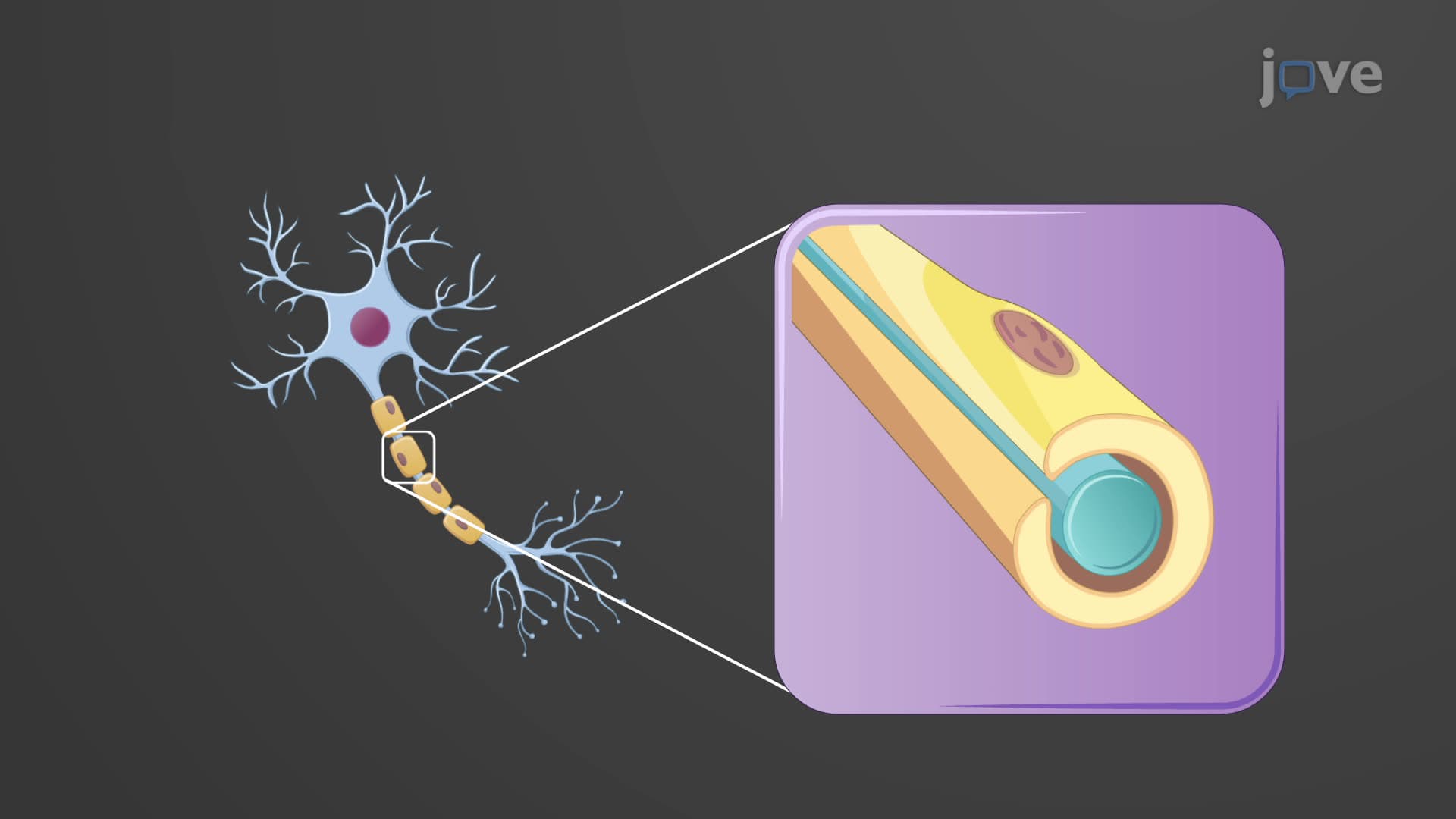
The sensory or afferent division serves as the body's reconnaissance network, constantly gathering intelligence from internal and external environments. These specialized pathways carry signals from sensory receptors-like the pain receptors in your fingertips or pressure sensors in blood vessels-directly to the central nervous system for processing. For example, when a medical student checks a patient's blood pressure at Johns Hopkins Hospital, mechanoreceptors in arterial walls detect pressure changes and transmit this data through afferent pathways to the brain's cardiovascular control centers.
The motor or efferent division executes the nervous system's decisions by transmitting commands from the CNS to target organs called effectors. This division splits into two functionally distinct branches that operate under different levels of conscious control.
The somatic nervous system manages voluntary skeletal muscle contractions, enabling everything from writing AP Biology exam answers to performing complex surgical procedures. However, it also controls certain involuntary movements called reflexes-like the knee-jerk response tested during routine physical examinations at clinics across America.
The autonomic involuntary division operates largely beneath conscious awareness, regulating vital functions that keep us alive. Its two main branches work in opposition: the sympathetic division prepares the body for "fight-or-flight" responses (increasing heart rate, dilating pupils, releasing stress hormones), while the parasympathetic division promotes "rest-and-digest" activities (slowing heart rate, stimulating digestion, constricting pupils).
The enteric nervous system, often called the "second brain," contains more neurons than the spinal cord and independently controls gastrointestinal functions. This explains why patients with spinal cord injuries can still experience normal digestion-a concept frequently tested on the MCAT and in advanced physiology courses at universities like Stanford and MIT.
Understanding these functional divisions nervous system explained becomes crucial for pre-med students tackling the MCAT's biological sciences section and nursing students preparing for the NCLEX-RN examination.
Related Micro-courses