Loading subject page…


111,912 views


Video Summary: What Is Graded Potential
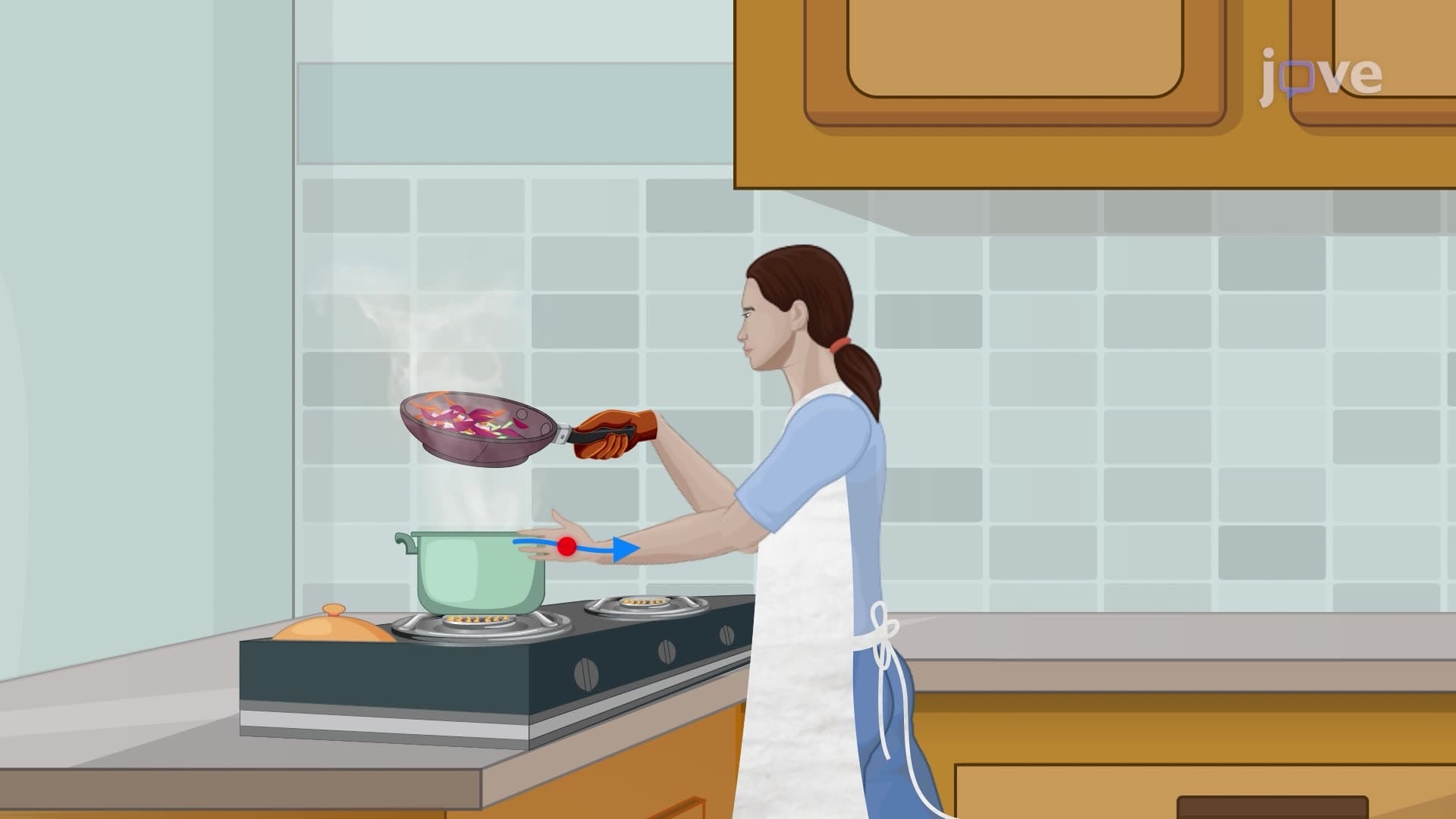
Ever wonder how your neurons decide whether to fire or not? Graded potential neuroscience reveals the fascinating process where nerve cells process incoming signals like a volume dial rather than an on-off switch. When you touch a hot stove, specialized neurons in your fingertips generate graded potentials that determine whether the pain signal reaches your brain fast enough to make you pull away. These localized membrane changes act as the neuron's decision-making system, summating multiple inputs before triggering the all-or-nothing action potential. Watch the full video on JoVE Coach to master this concept with expert-led visuals and step-by-step explanations.
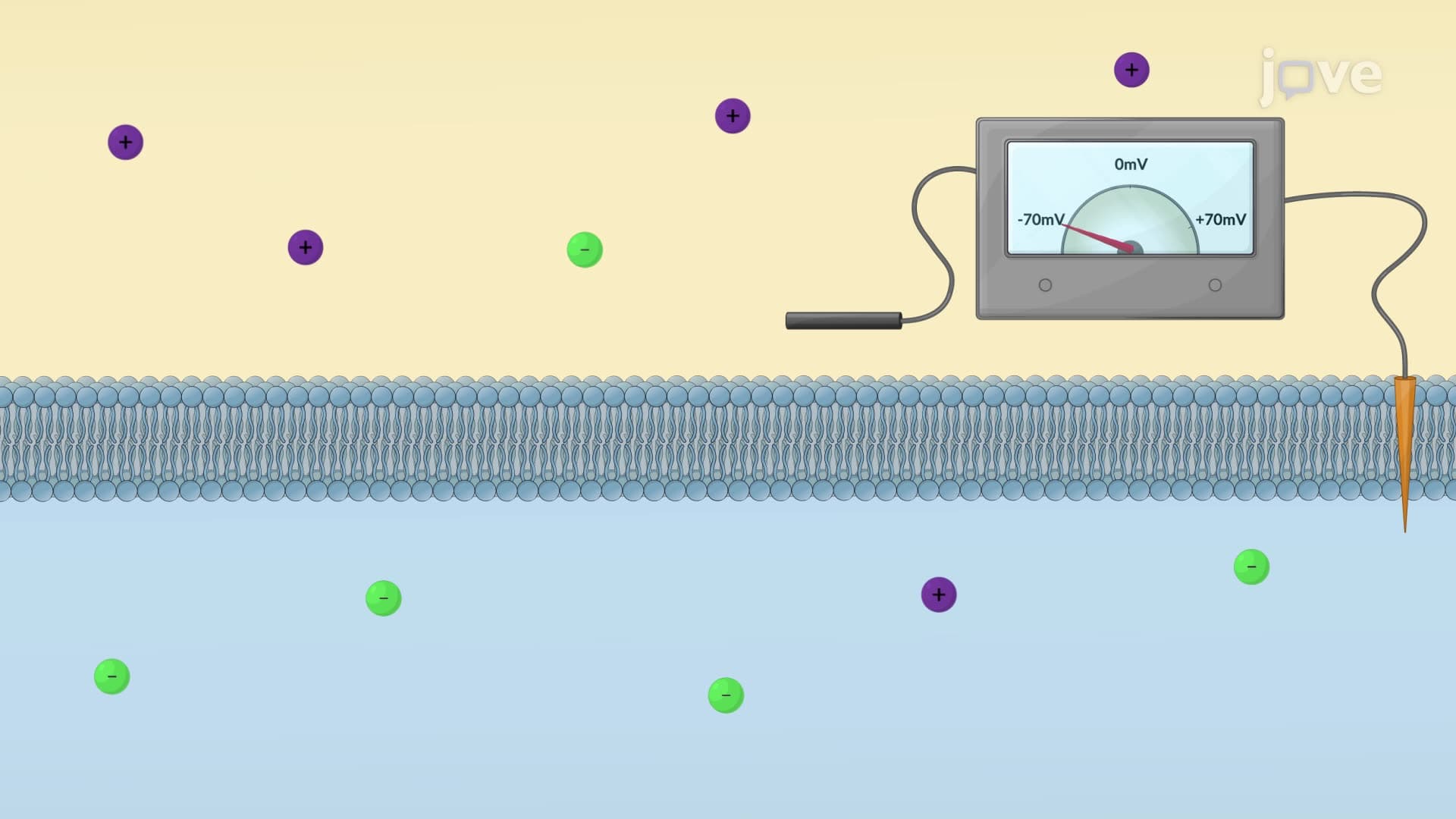
Graded potential biology explained begins with understanding that neurons don't simply turn "on" or "off" like light switches. Instead, they process information through variable electrical changes called graded potentials. These localized membrane potential changes serve as the neuron's way of weighing incoming information before deciding whether to transmit a signal.
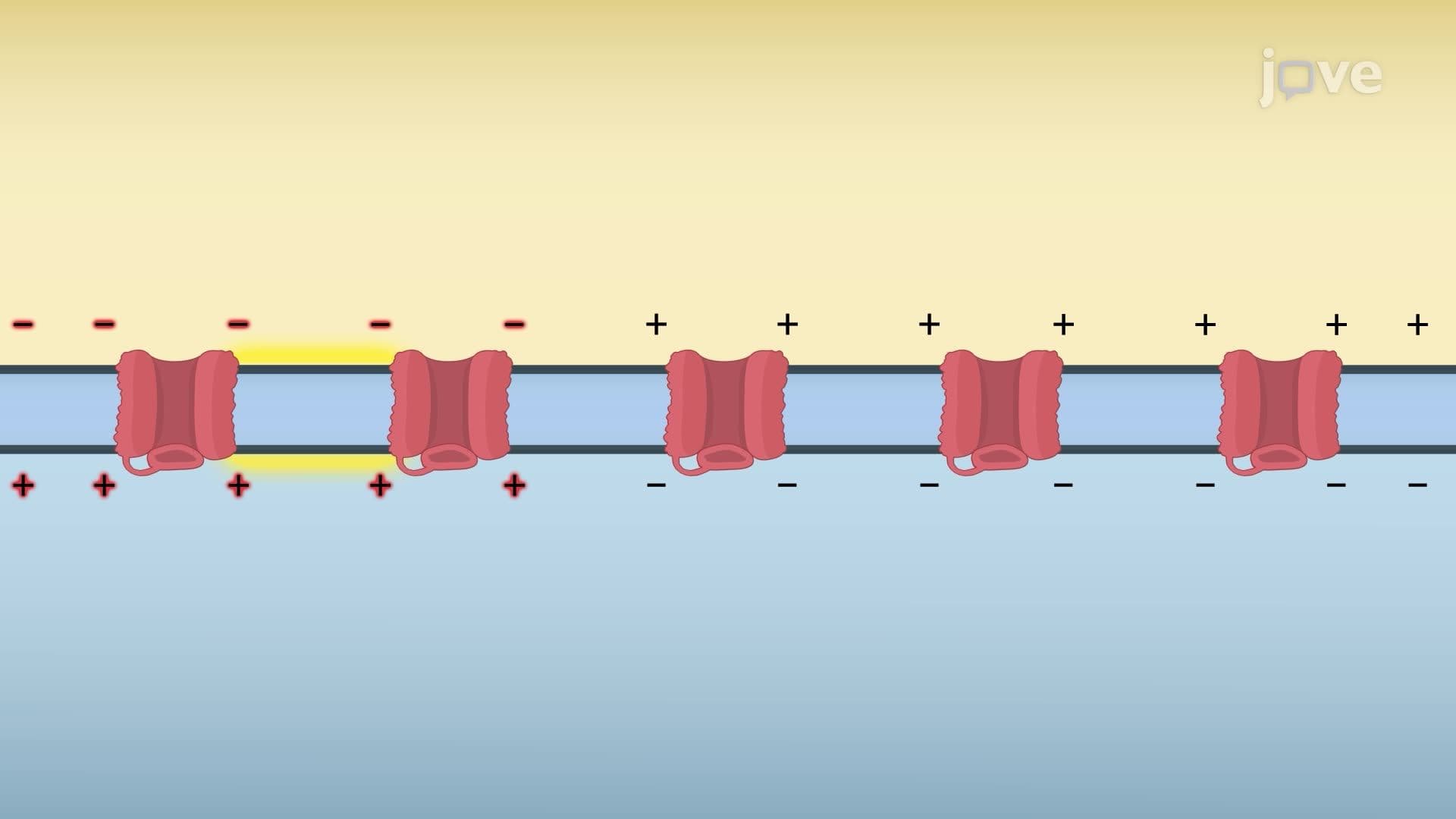
Unlike action potentials, which maintain constant amplitude regardless of stimulus strength, graded potentials vary in magnitude proportionally to the triggering stimulus. When you lightly touch sandpaper versus pressing firmly, the mechanoreceptors in your skin generate graded potentials of different amplitudes, allowing your nervous system to distinguish between gentle and intense pressure.
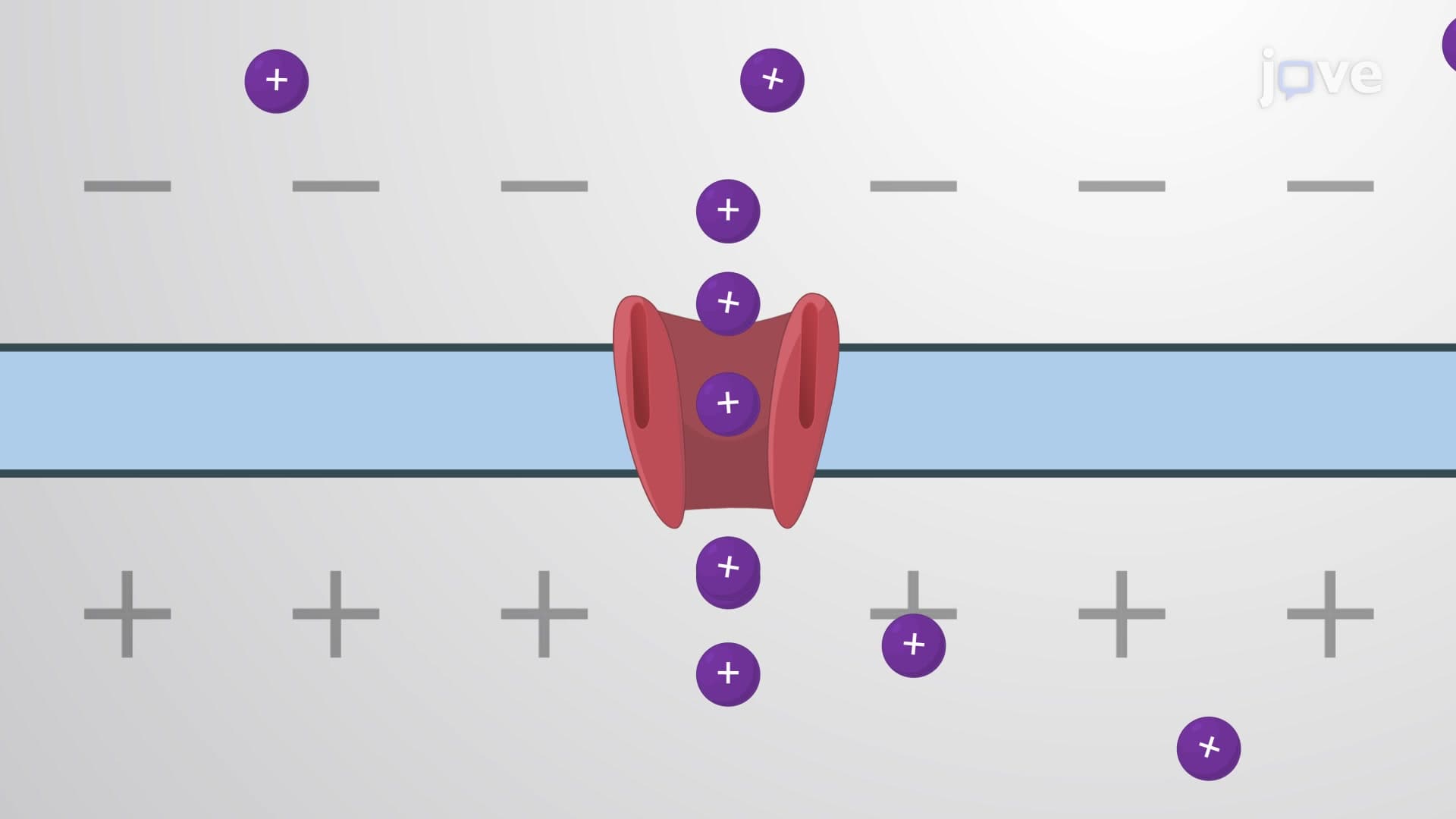
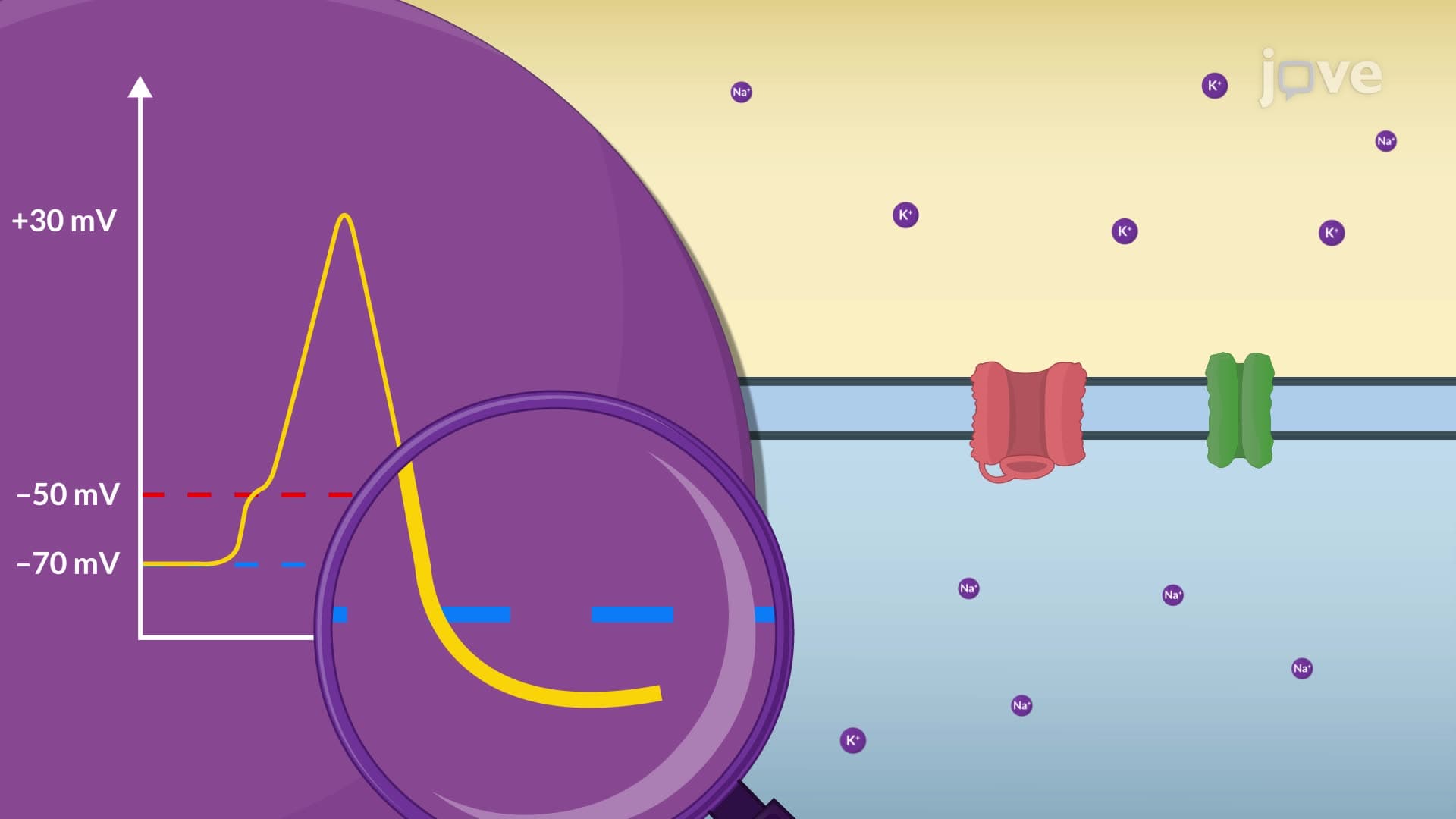
The process begins when stimuli activate ligand-gated or mechanically-gated ion channels. What is a graded potential in neuroscience becomes clearer when examining these molecular events. Sodium influx typically causes depolarization, making the membrane potential less negative, while potassium efflux or chloride influx creates hyperpolarization, making it more negative.
Consider the neuromuscular junction, where acetylcholine binding opens nicotinic receptors. The resulting sodium influx creates an excitatory postsynaptic potential (EPSP) - a type of graded potential crucial for muscle contraction. This concept frequently appears on AP Biology exams and MCAT neuroscience sections.
Hyperpolarization graded potential and depolarizing events can occur simultaneously at different synapses on the same neuron. The cell integrates these competing signals through spatial and temporal summation. Spatial summation combines potentials from multiple locations, while temporal summation adds potentials arriving in rapid succession.
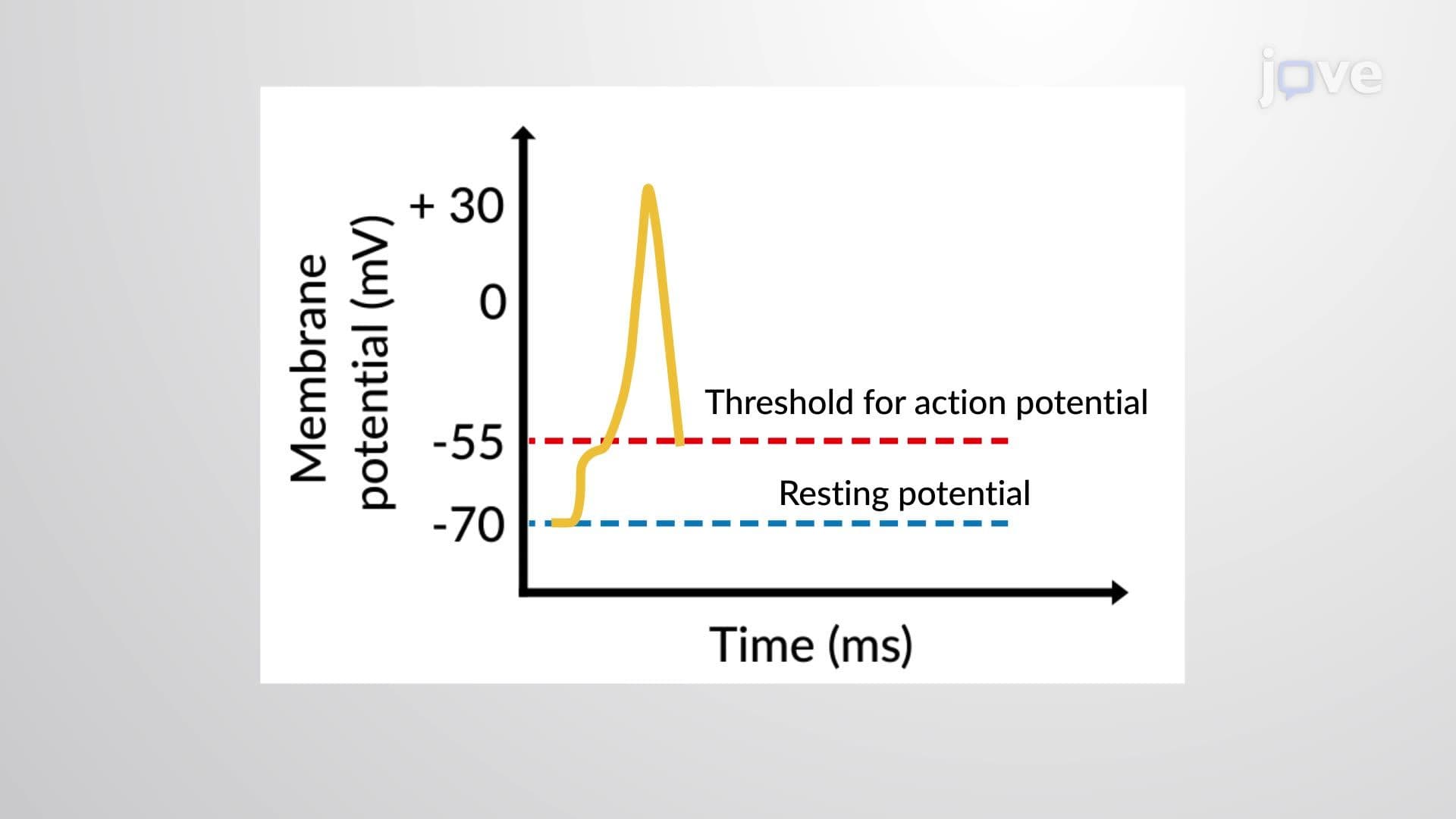
This integration occurs primarily at the axon hillock, where the neuron "decides" whether the combined graded potentials reach the threshold (-55 mV in most neurons) necessary for action potential initiation. Medical students studying for the USMLE Step 1 must understand this concept for questions about synaptic transmission and neural integration.
Receptor generator potential mechanisms underlie many medical conditions and treatments. Local anesthetics like lidocaine work by blocking voltage-gated sodium channels, preventing both graded potentials and action potentials in pain neurons. Understanding these principles helps explain why nerve blocks provide regional anesthesia during surgical procedures at institutions like Mayo Clinic and Johns Hopkins.
Related Micro-courses