Loading video…


 26 Concepts
 111.9K views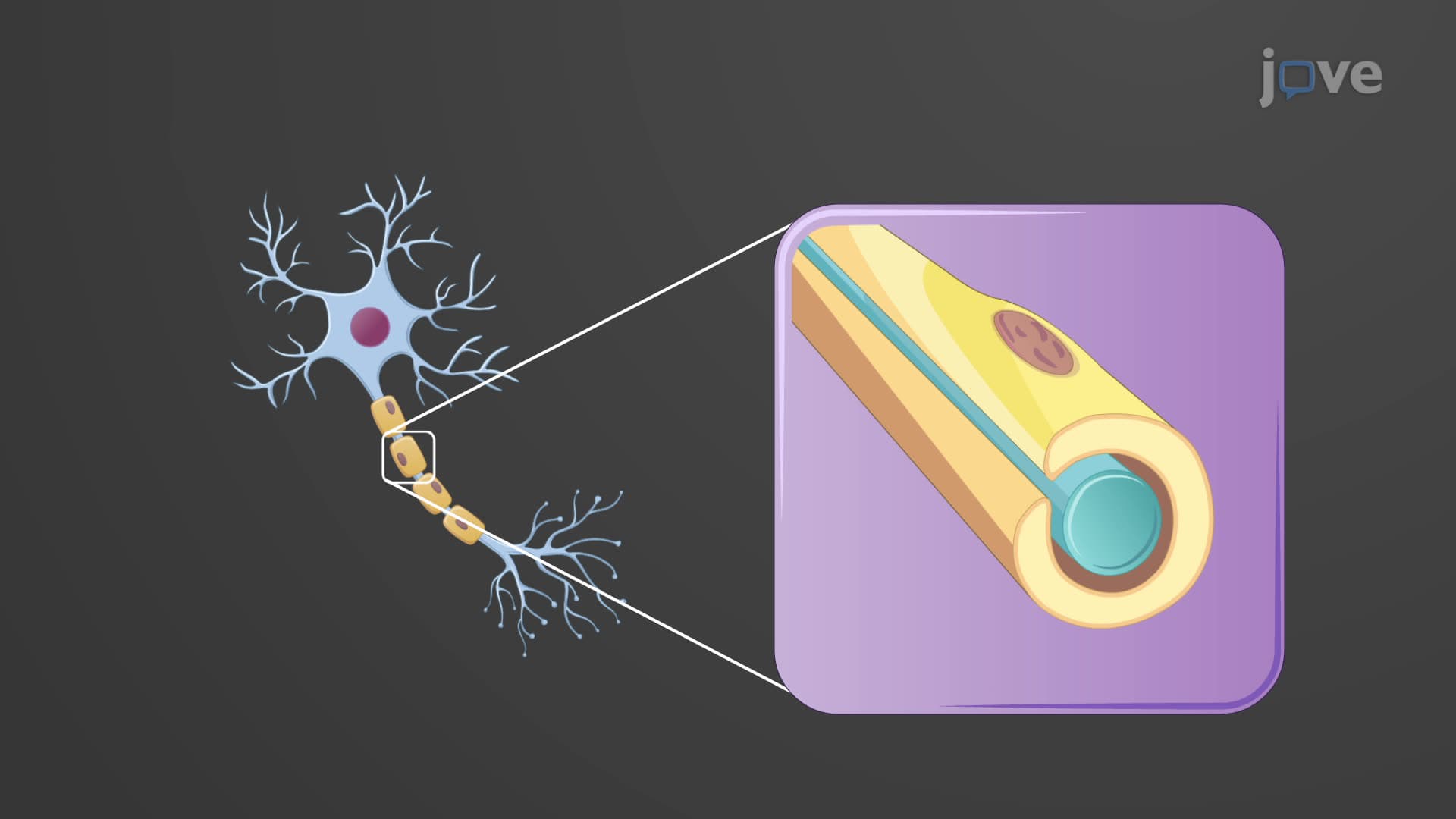

Video Summary: What Is Nervous Tissue Myelin
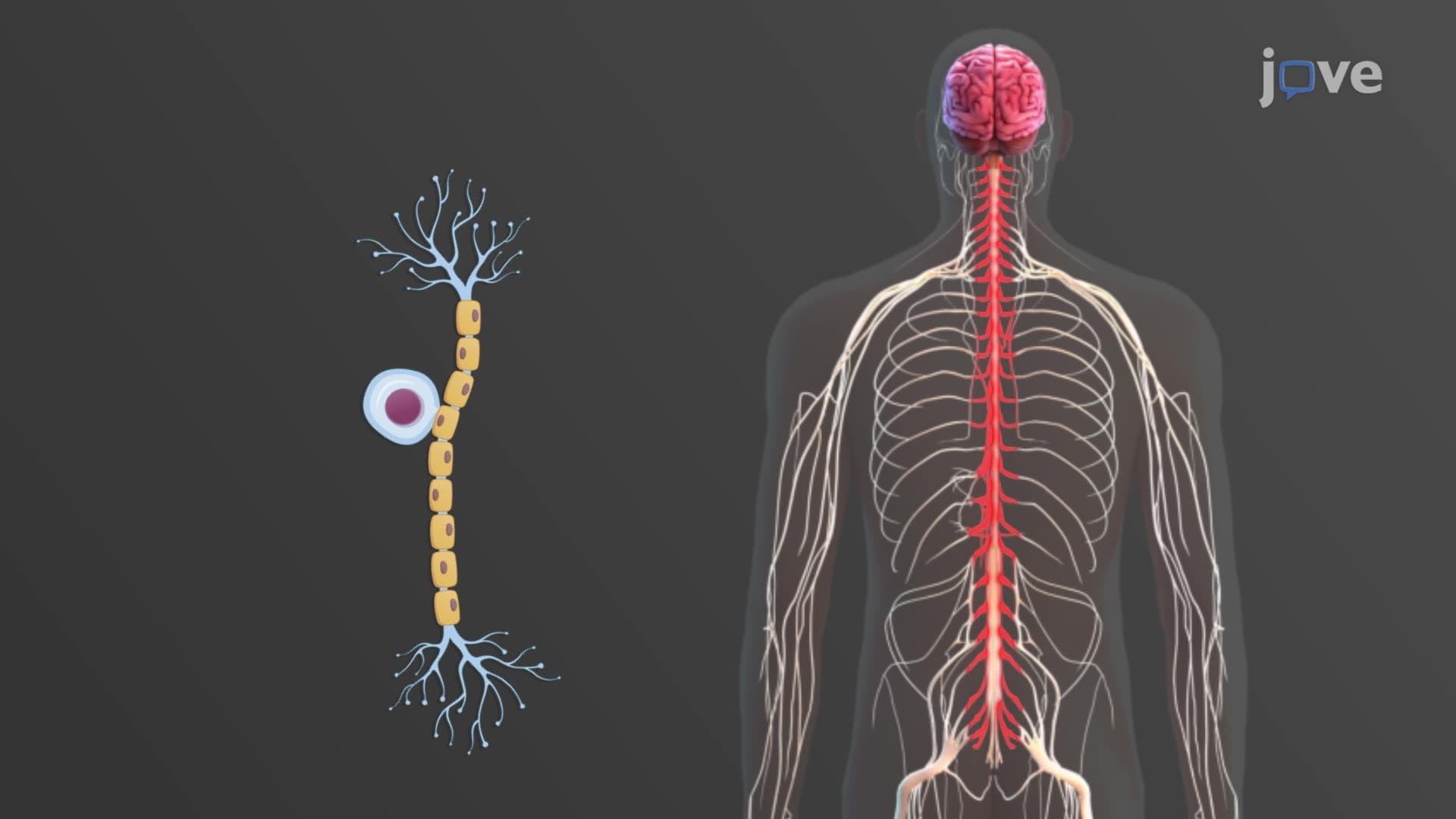
Ever wonder why nerve signals in your hand reach your brain in milliseconds after touching a hot stove? The myelin sheath nervous tissue acts like electrical insulation on wires, dramatically speeding up nerve impulses through a process called saltatory conduction. In conditions like multiple sclerosis, which affects over 400,000 Americans, myelin deterioration causes nerve signals to slow dramatically, leading to coordination and mobility issues. Watch the full video on JoVE Coach to master this concept with expert-led visuals and step-by-step explanations.
Nervous tissue myelin represents one of biology's most elegant solutions to the challenge of rapid neural communication. This specialized membrane wrapping consists of approximately 70% lipids and 30% proteins, creating an effective electrical insulator that can increase nerve conduction velocity by up to 100-fold. The high lipid content, particularly phospholipids and cholesterol, gives myelin its characteristic white appearance-explaining why brain regions rich in myelinated axons appear as "white matter" in MRI scans.
In the PNS, Schwann cell PNS myelin formation begins during fetal development and continues into early adulthood. Each Schwann cell dedicates itself to myelinating a single axon segment, wrapping around it multiple times like electrical tape around a wire. This process creates the neurolemma, which contains the Schwann cell's nucleus and cytoplasm, and proves crucial for nerve regeneration after injury. The myelin formation and function in the PNS allows for remarkable repair capabilities-when a peripheral nerve is damaged, Schwann cells can guide regenerating axons back to their targets, a process exploited in surgical nerve repair procedures performed in US hospitals.
Oligodendrocyte CNS myelin operates differently from its peripheral counterpart. Single oligodendrocytes extend multiple processes, each capable of myelinating different axon segments. This efficiency means one oligodendrocyte can contribute to myelinating portions of up to 50 different axons. However, this interconnected system creates vulnerability-damage to one oligodendrocyte affects multiple axons, explaining why central nervous system injuries often have more severe and lasting consequences than peripheral nerve damage.
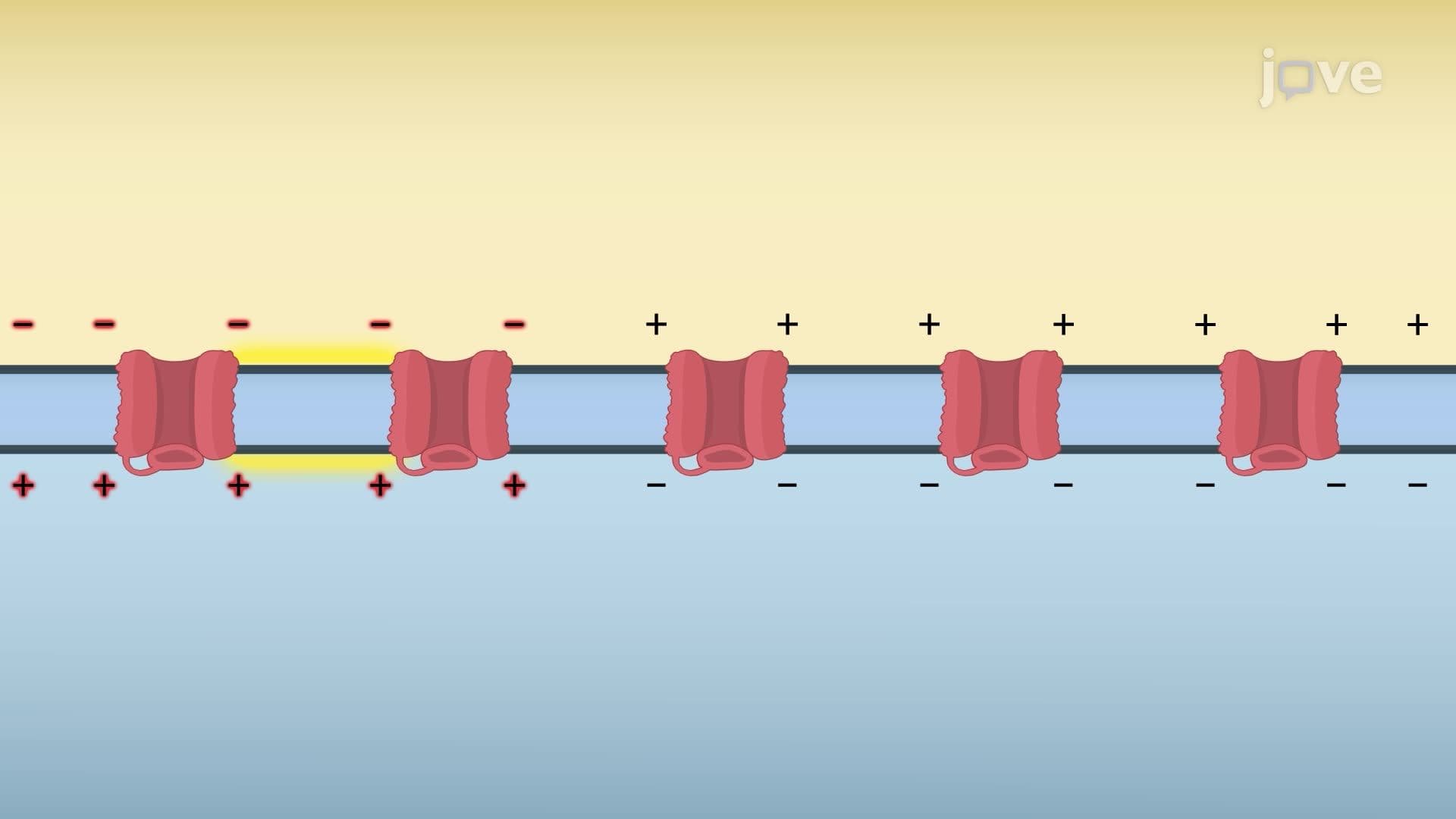
The arrangement of myelin sheaths with periodic gaps called nodes of Ranvier enables saltatory conduction myelin-mediated signal transmission. Nerve impulses literally "jump" from node to node, covering distances of 1-2 millimeters per leap. This mechanism underlies the lightning-fast reflexes tested in standard neurological exams, from the knee-jerk reflex to pupillary light responses. Students preparing for the MCAT or AP Biology exams should understand that larger diameter, heavily myelinated axons (like those controlling voluntary muscle movement) can conduct impulses at speeds exceeding 100 meters per second, while unmyelinated pain fibers transmit at only 1-2 meters per second.
Related Micro-courses