Loading video…


 26 Concepts
 111.9K views

Video Summary: What Is Neurons the Axon
Did you know a single neuron axon structure function can span over three feet in length, like the nerve connecting your spinal cord to your big toe? Understanding what is neurons the axon reveals how these remarkable cellular highways transmit electrical signals at speeds up to 268 mph. In conditions like multiple sclerosis, affecting over 1 million Americans, axon damage disrupts this crucial communication system. Watch the full video on JoVE Coach to master this concept with expert-led visuals and step-by-step explanations.
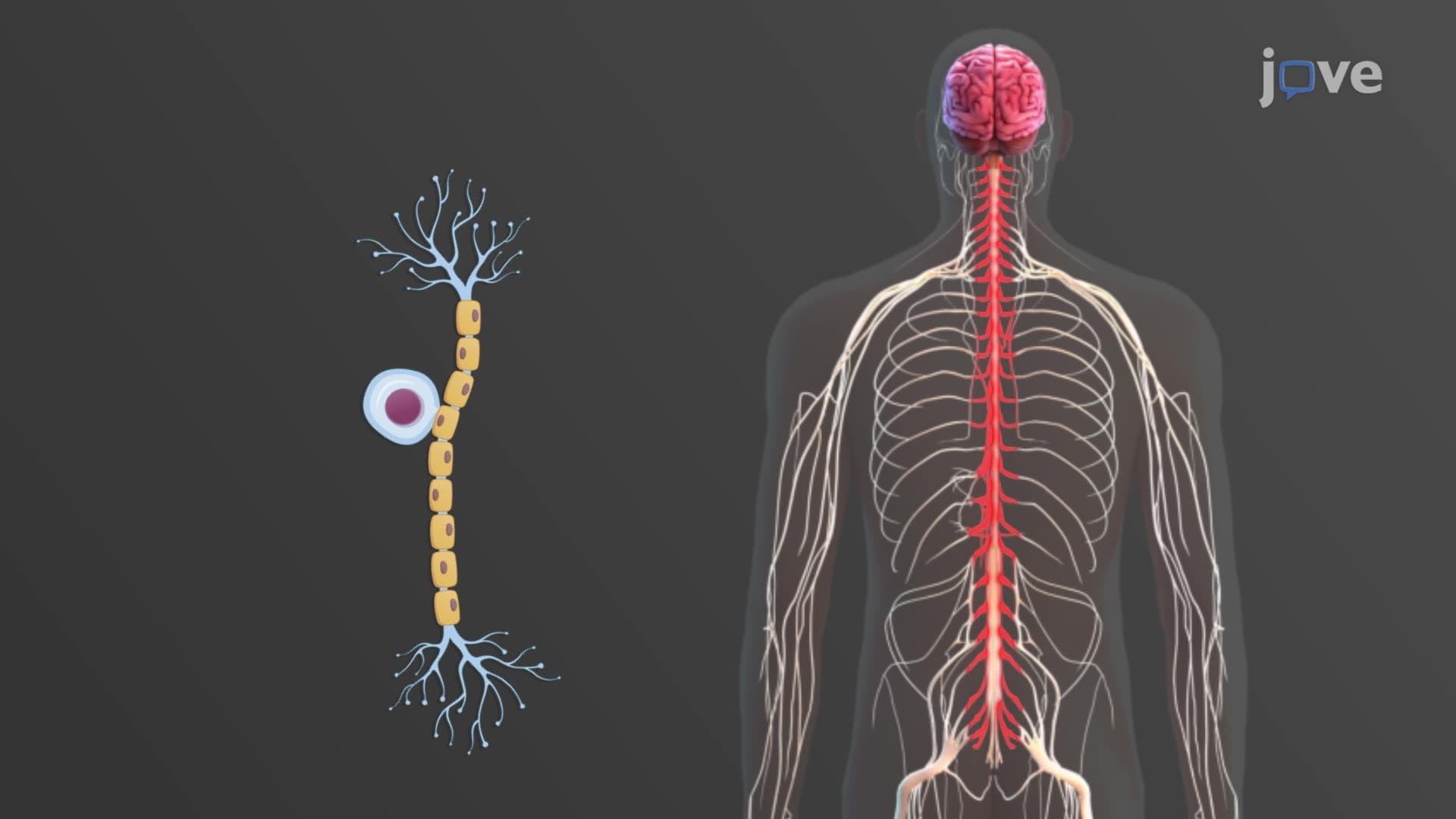
The neuron axon structure function represents one of biology's most elegant solutions for long-distance cellular communication. Think of the axon as the body's biological fiber optic cable, transmitting electrical impulses with remarkable precision and speed. This specialized projection extends from the neuron's cell body, sometimes spanning incredible distances-from your brain to your fingertips or from your spinal cord to your toes.
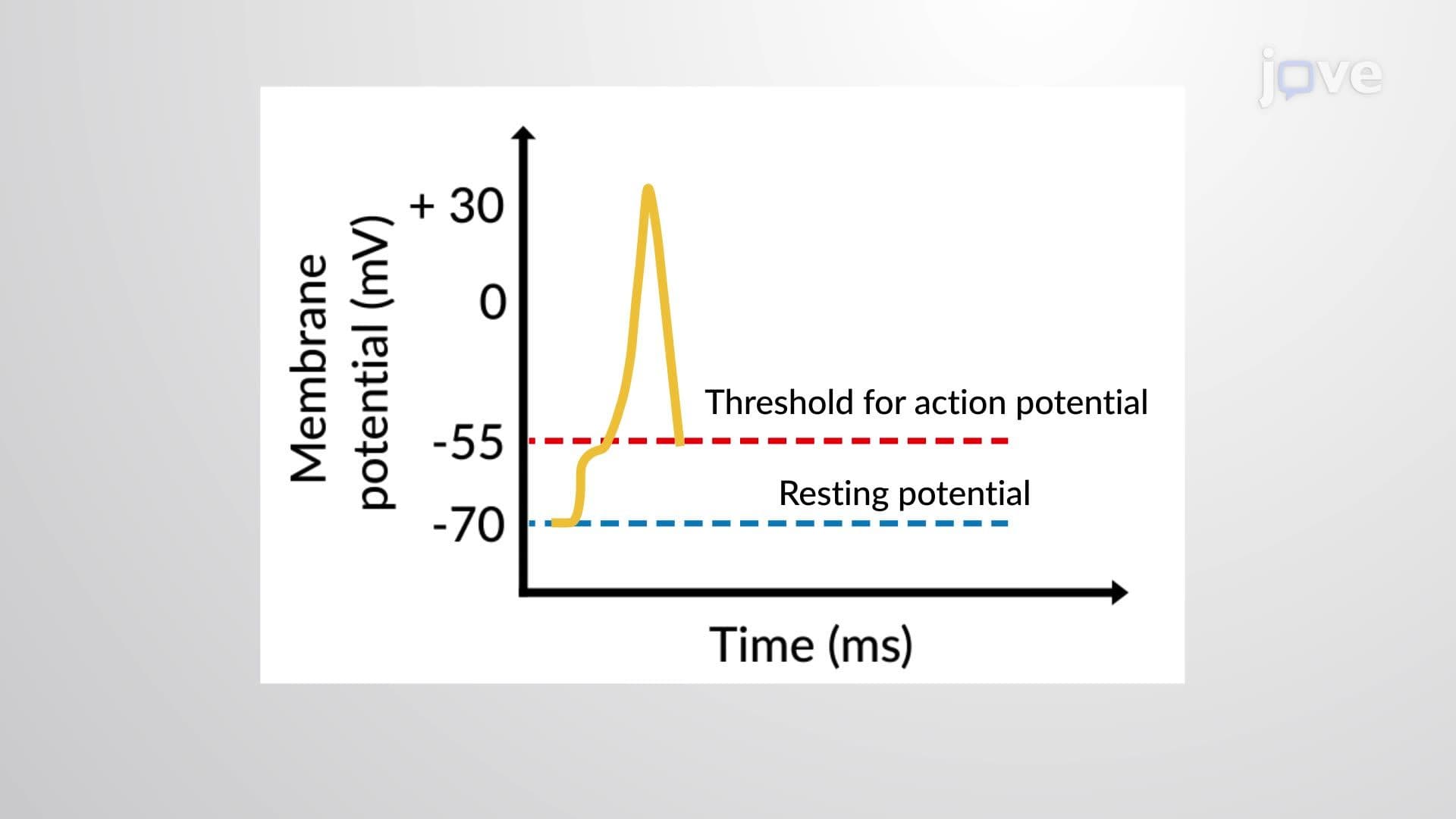
The axon of neurons explained begins at a critical junction called the axon hillock, a cone-shaped region where the axon emerges from the cell body. Adjacent to this structure lies the initial segment, together forming what neuroscientists call the trigger zone. This area functions like a biological switch, determining whether incoming signals are strong enough to generate an action potential. Students preparing for the MCAT or AP Biology exam should understand that this trigger zone operates on an all-or-nothing principle-signals either reach threshold and fire, or they don't.
At the axon's distal end, the fiber branches into multiple axon terminals, each ending in specialized structures called synaptic end bulbs or boutons. These axon terminal bouton structures house synaptic vesicles filled with neurotransmitters-chemical messengers that bridge the gap between neurons or between neurons and target cells. When an action potential reaches these terminals, it triggers neurotransmitter release, enabling communication with muscles, glands, or other neurons.
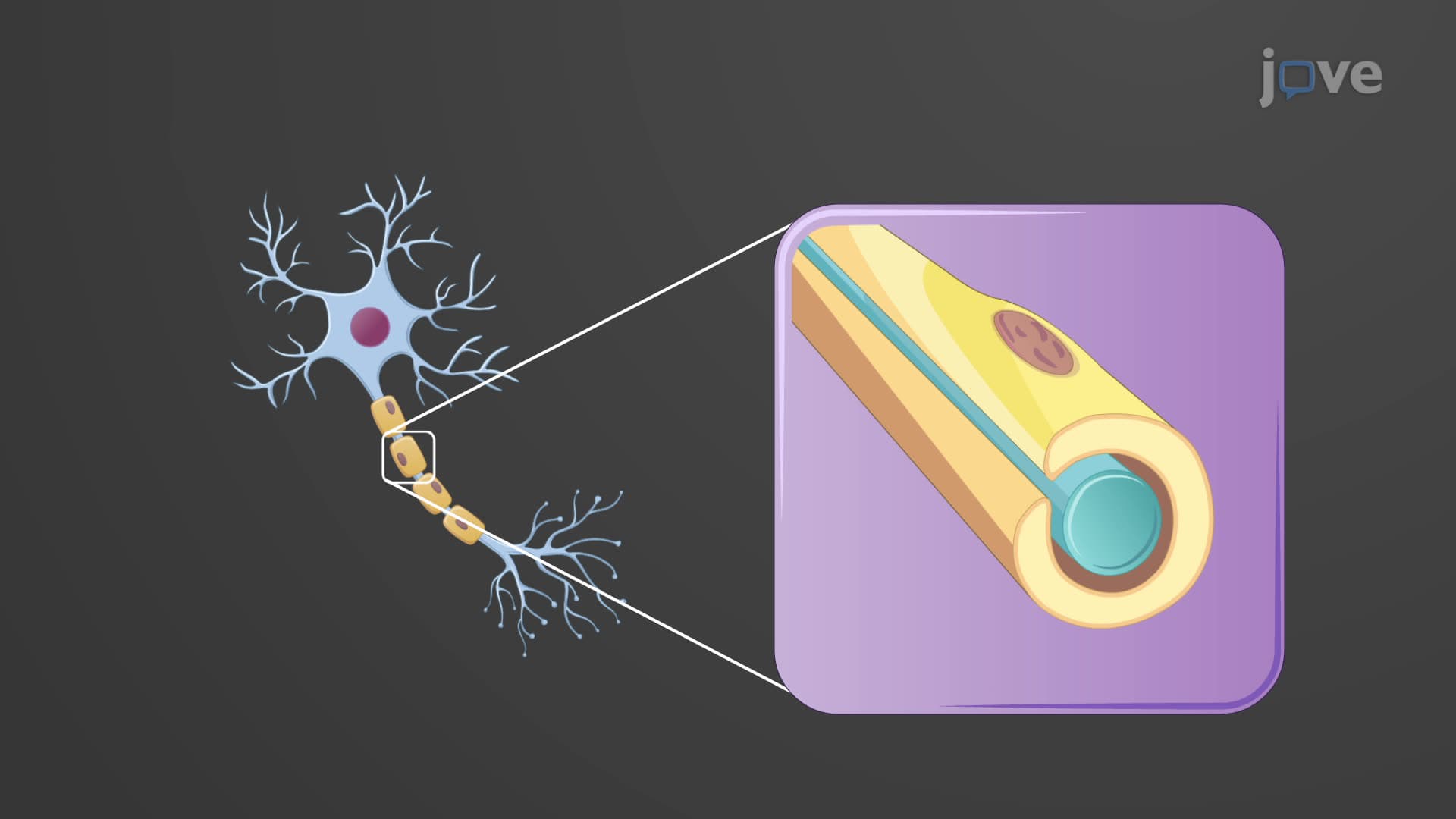
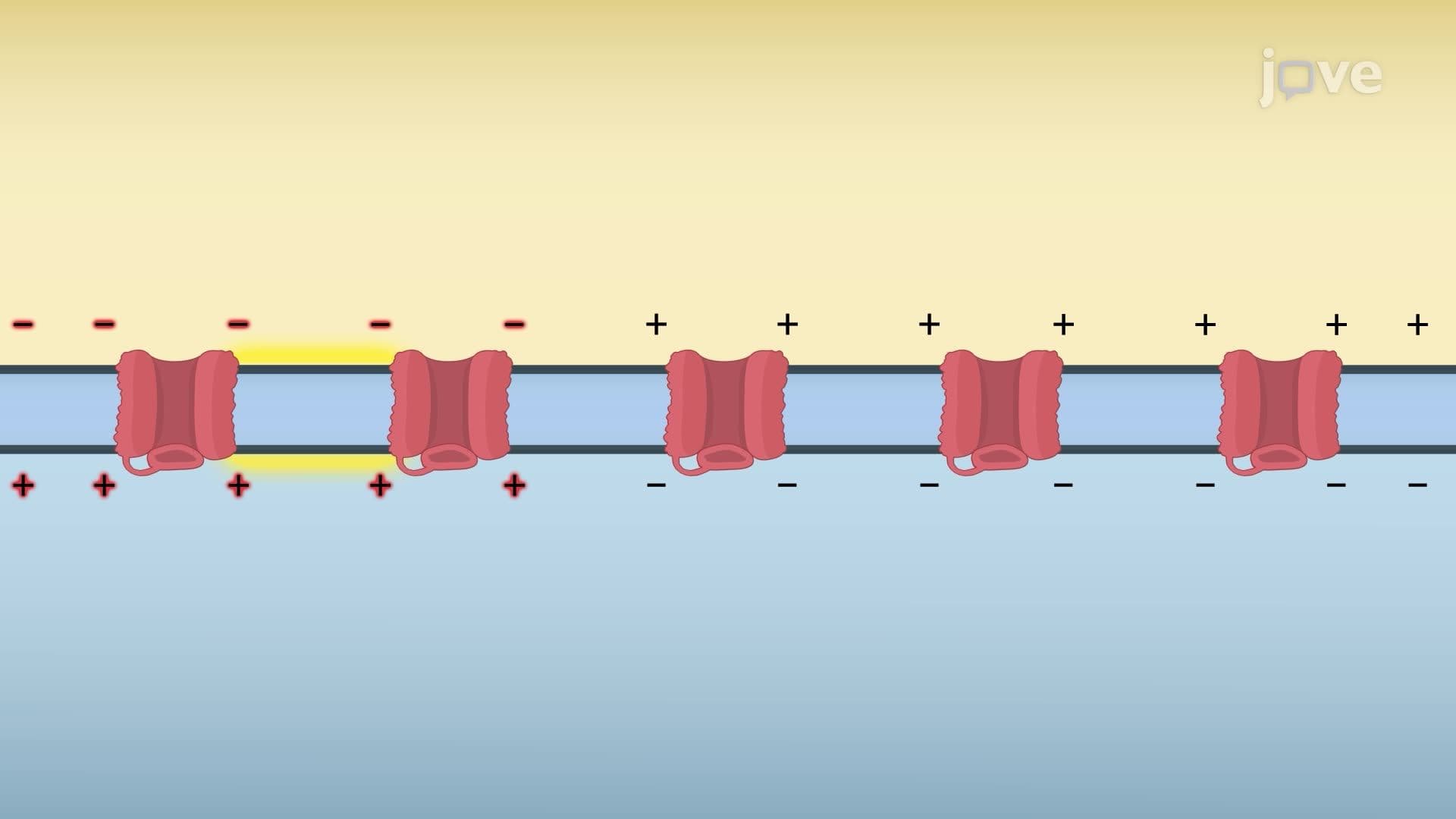
Many axons feature a myelinated axon sheath, a fatty insulation layer that dramatically increases signal transmission speed. In conditions like multiple sclerosis, this myelin deteriorates, causing the neurological symptoms affecting over one million Americans. The myelin creates gaps called nodes of Ranvier, where action potentials "jump" from node to node in a process called saltatory conduction-increasing transmission speed up to 50-fold compared to unmyelinated fibers.
Understanding what is the axon of a neuron in neuroscience proves essential for students pursuing healthcare careers. On exams like the NCLEX or HESI A2, questions often explore how axon damage affects neurological function. For instance, spinal cord injuries disrupt axonal pathways, while peripheral neuropathy in diabetes damages axon terminals, affecting sensation and motor control.
Related Micro-courses