Loading video…


 26 Concepts
 111.9K views

Video Summary: What Is Overview of Synapses
Ever wondered how your brain processes information faster than the most advanced computer? The synapse overview biology reveals the remarkable junction where neurons communicate through chemical messengers called neurotransmitters. At the Mayo Clinic, neuroscientists study these microscopic communication hubs to understand conditions like Alzheimer's disease. Understanding what is an overview of synapses unveils two distinct types: chemical synapses that use neurotransmitters, and electrical synapses that allow direct ion flow between cells. Watch the full video on JoVE Coach to master this concept with expert-led visuals and step-by-step explanations.
The synapse overview biology forms the foundation for understanding how our nervous system processes over 11 million bits of information per second. A synapse represents the critical junction where one neuron communicates with another neuron, muscle cell, or gland. This microscopic gap, measuring only 10-50 nanometers wide, serves as the primary site for information processing in the human brain's 100 trillion synaptic connections.
Chemical synapses dominate human neural architecture, comprising over 99% of brain connections. In these synapses, the presynaptic neuron releases neurotransmitters into the synaptic cleft, where they bind to specific receptors on the postsynaptic membrane. This process occurs at iconic locations like the neuromuscular junction, where motor neurons trigger muscle contractions. Students preparing for the AP Biology exam frequently encounter questions about acetylcholine release at these junctions.
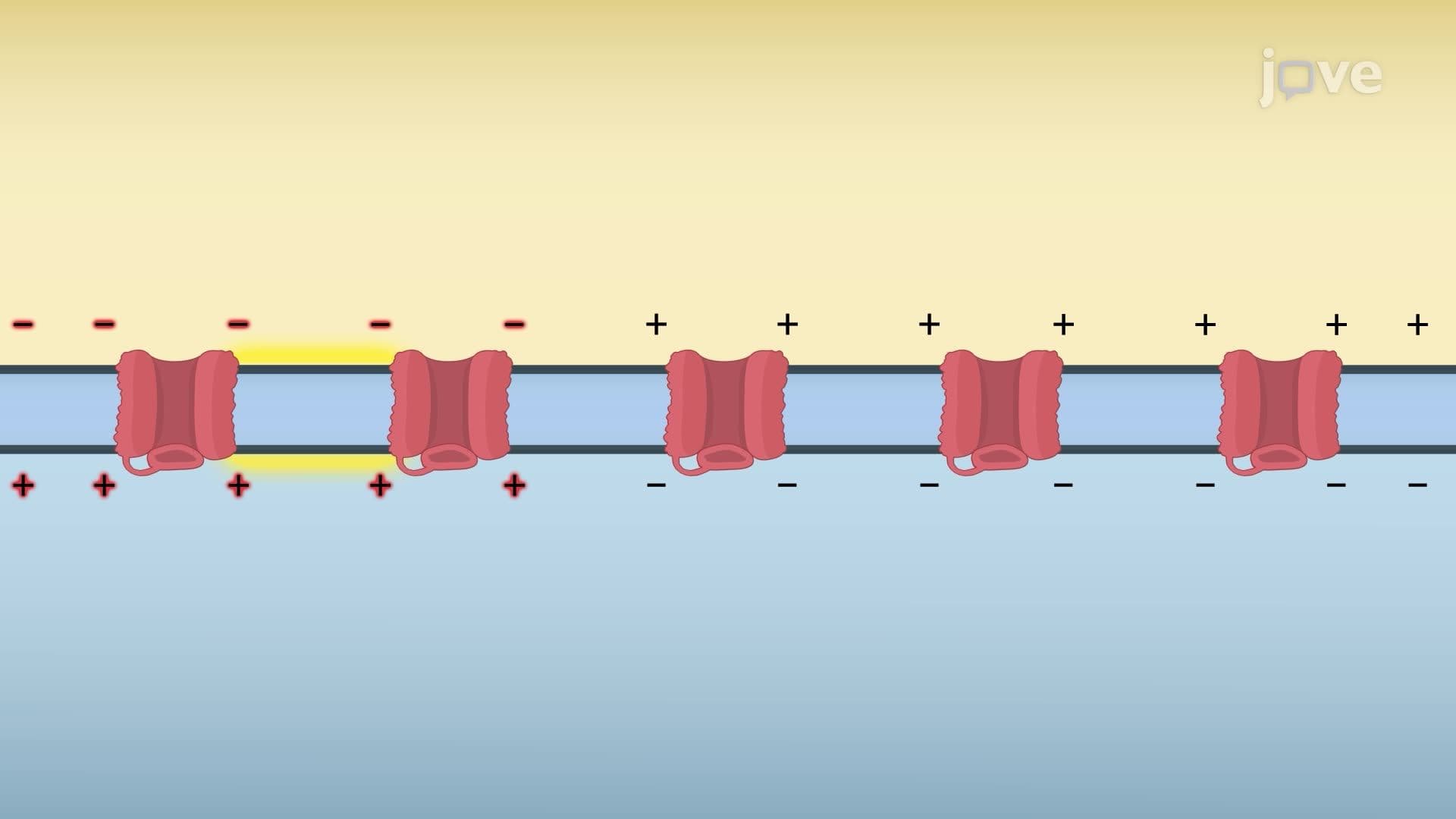
Electrical synapses, while less common in humans, provide rapid, bidirectional communication through gap junctions. These connections allow ions to flow directly between cells, creating synchronized activity essential for cardiac rhythm regulation. The Stanford University Medical Center utilizes this knowledge when treating arrhythmias, as disrupted electrical synapses can cause life-threatening heart rhythm disorders.
The synaptic cleft structure represents a highly organized microenvironment. The presynaptic terminal contains vesicles packed with neurotransmitters, while the postsynaptic membrane houses specialized receptors. This arrangement ensures unidirectional signal flow, preventing neural circuits from creating chaotic feedback loops. MCAT test-takers must understand how calcium influx triggers vesicle fusion, a process discovered through research at institutions like Johns Hopkins University.
Understanding synapse function overview proves crucial for medical students tackling USMLE questions about neurological disorders. Alzheimer's disease involves synaptic dysfunction, while Parkinson's disease affects dopaminergic synapses in the brain's motor circuits. College neuroscience courses frequently test students on synaptic plasticity, the mechanism underlying learning and memory formation that researchers at MIT continue to investigate.
Related Micro-courses