Loading subject page…


111,912 views


Video Summary: What Is Postsynaptic Potential Psp
Ever wondered how your brain processes the split-second decision to hit the brakes when a car suddenly stops ahead? This lightning-fast neural communication depends on postsynaptic potential PSP biology - the electrical changes that occur when neurons "talk" to each other at synapses. In the United States, understanding PSP mechanisms is crucial for pre-med students studying for the MCAT and neuroscience majors exploring how our nervous system processes millions of signals daily. What is Postsynaptic Potential Psp involves both excitatory and inhibitory signals that determine whether neurons will fire or remain silent. Watch the full video on JoVE Coach to master this concept with expert-led visuals and step-by-step explanations.
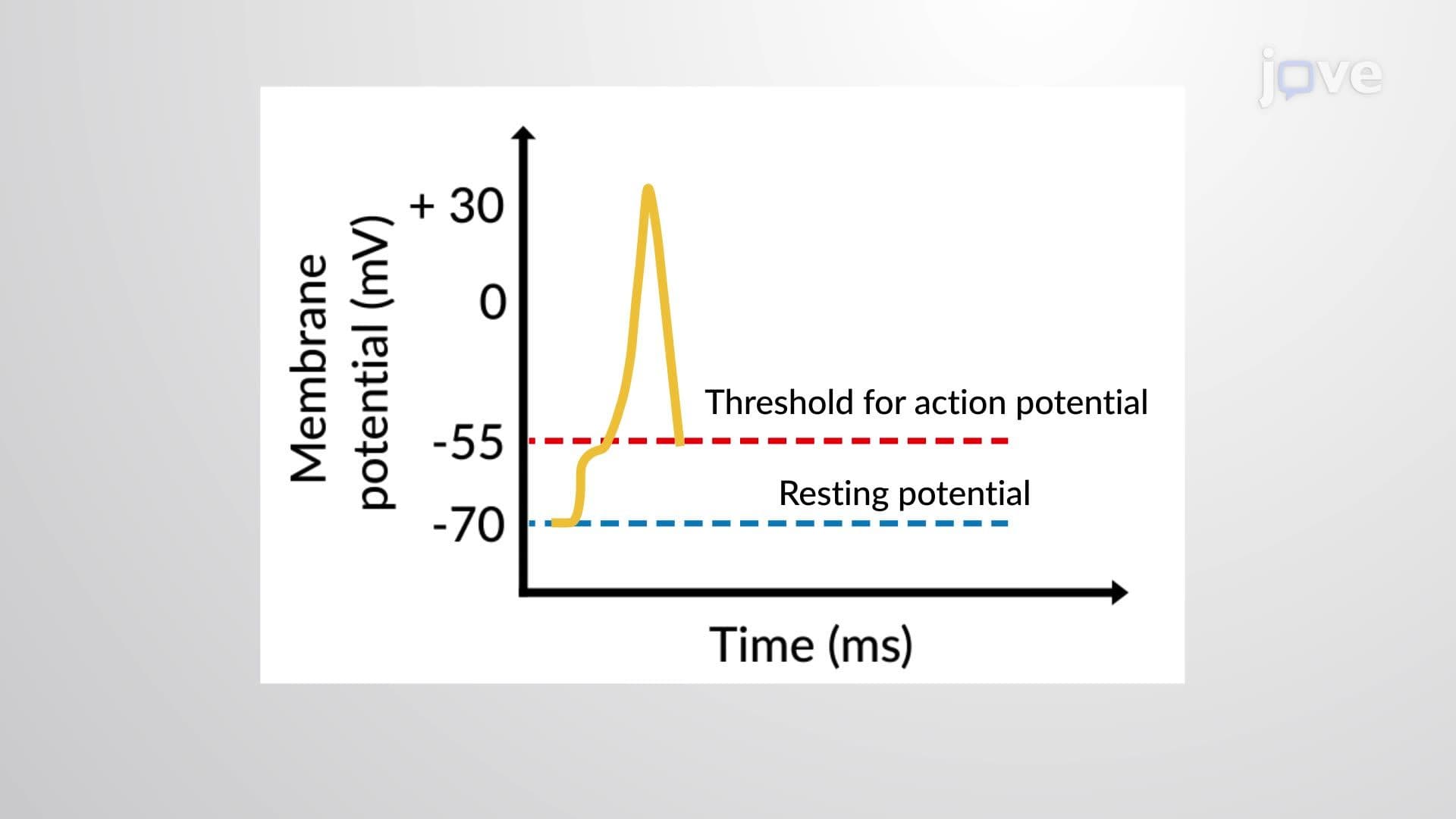
Postsynaptic potential PSP biology represents one of the most fundamental mechanisms enabling communication between neurons in the human nervous system. Unlike the dramatic all-or-nothing action potentials that travel down axons, PSPs are subtle, graded electrical changes that occur at synapses - the specialized junctions where neurons communicate. These potentials serve as the "decision-making" signals that determine whether a receiving neuron will generate its own action potential.
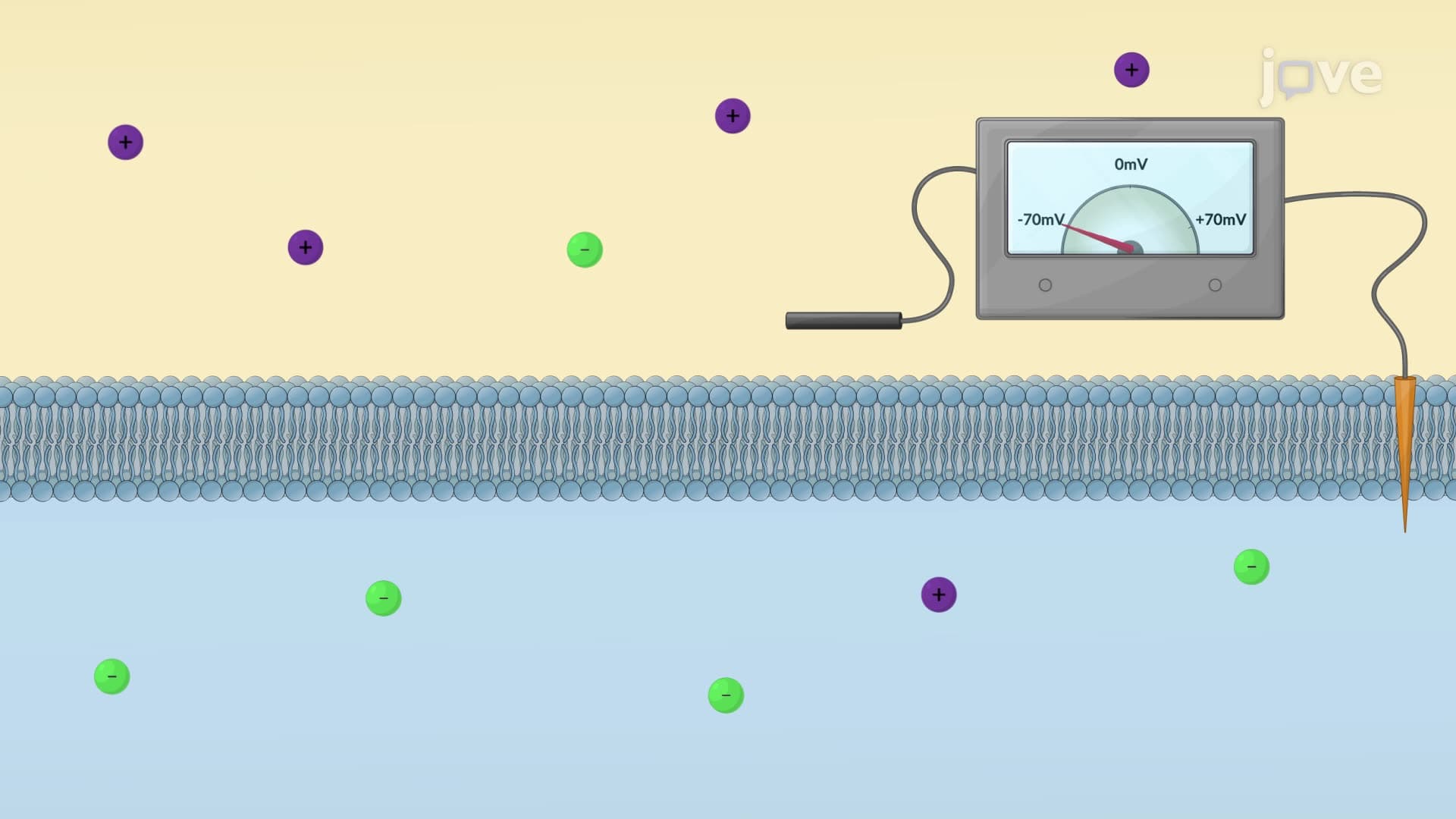
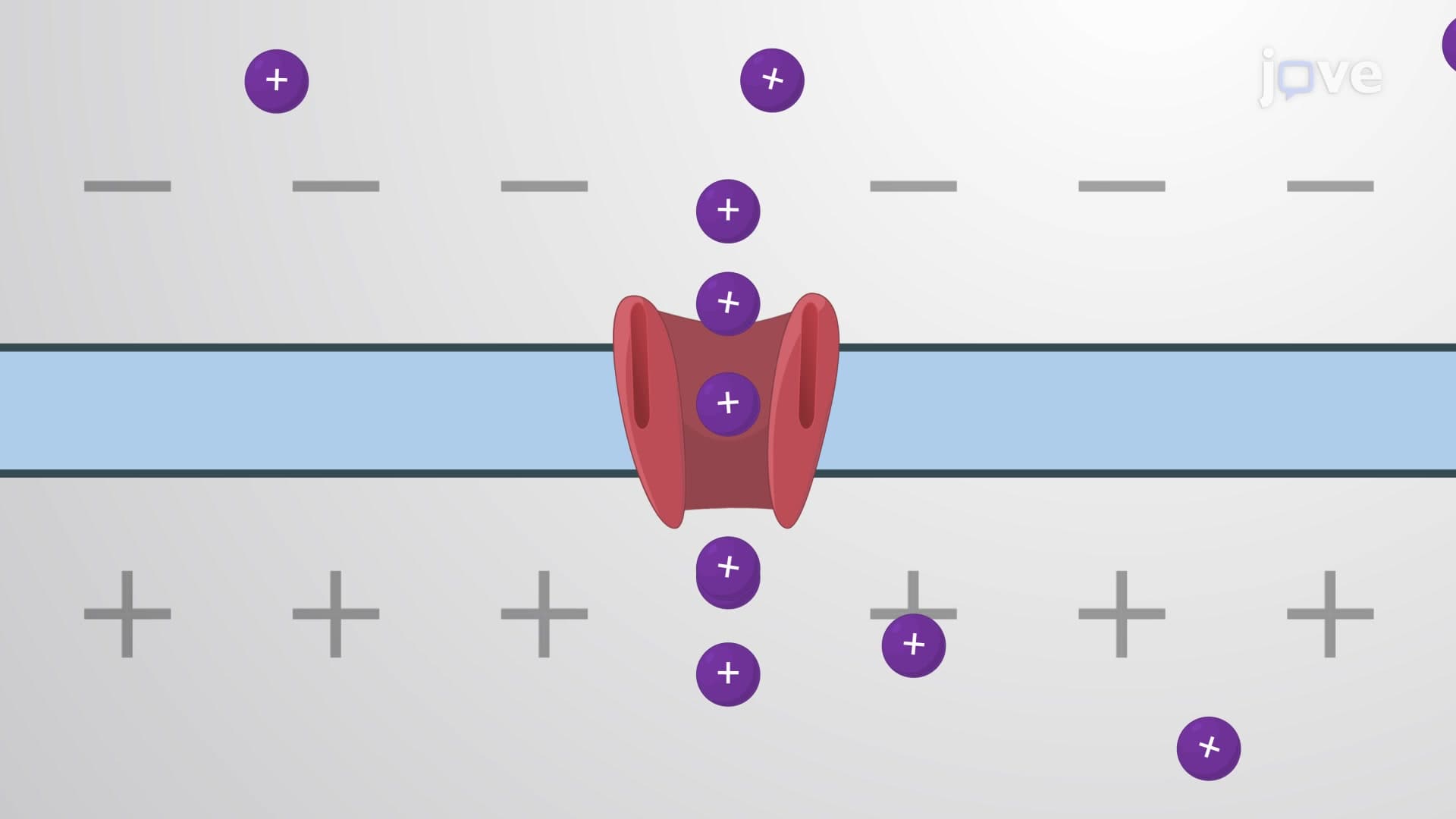
The beauty of neural communication lies in its binary yet nuanced nature. Excitatory EPSP depolarization occurs when neurotransmitters like acetylcholine bind to their receptors, opening sodium channels and making the inside of the postsynaptic cell less negative. This brings the neuron closer to its firing threshold - imagine it as pressing the accelerator in neural communication. Conversely, inhibitory IPSP hyperpolarization happens when neurotransmitters like GABA open chloride channels, making the cell interior more negative and further from threshold - essentially applying the brakes to neural firing.
For students preparing for the AP Biology exam or college neuroscience courses, understanding this excitatory-inhibitory balance is crucial. The Stanford University Medical School curriculum, for example, emphasizes how psychiatric medications like benzodiazepines work by enhancing GABA's inhibitory effects, demonstrating real-world PSP applications.
Unlike digital computers that process discrete 0s and 1s, neurons integrate analog signals through graded PSP synaptic mechanisms. A single neuron might receive hundreds of PSPs simultaneously - some excitatory, some inhibitory. The postsynaptic membrane potential represents the algebraic sum of all these inputs. This local PSP summation occurs both spatially (multiple synapses firing simultaneously) and temporally (rapid successive inputs from the same synapse).
Consider a motor neuron controlling your bicep muscle during a tennis serve. It receives excitatory inputs from motor cortex neurons commanding the serve, while simultaneously receiving inhibitory inputs from cerebellar neurons fine-tuning the movement. The final decision to fire depends on whether excitatory PSPs outweigh inhibitory ones - a process medical students studying for the USMLE must thoroughly understand when learning about movement disorders like Parkinson's disease.
Understanding what is postsynaptic potential in neuroscience extends far beyond academic exercises. Nursing students preparing for the NCLEX encounter PSP concepts when studying anesthesia mechanisms, as many anesthetic agents work by enhancing inhibitory PSPs. Similarly, MCAT test-takers frequently encounter questions about neurotransmitter disorders where PSP dysfunction leads to conditions like myasthenia gravis, where acetylcholine receptor antibodies disrupt normal EPSP generation at neuromuscular junctions.
Related Micro-courses