Loading subject page…


111,912 views


Video Summary: What Is Resting Membrane Potential
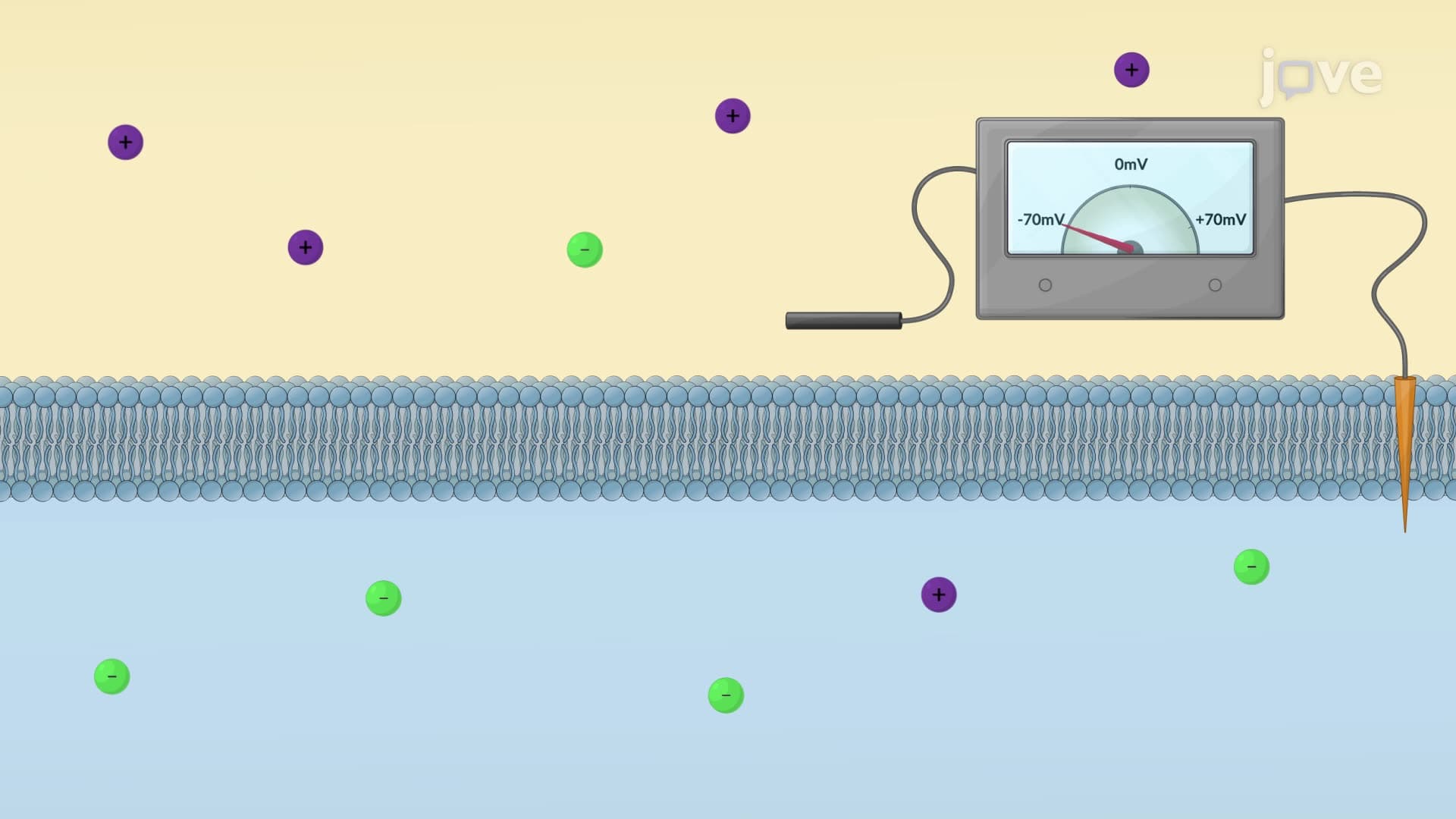
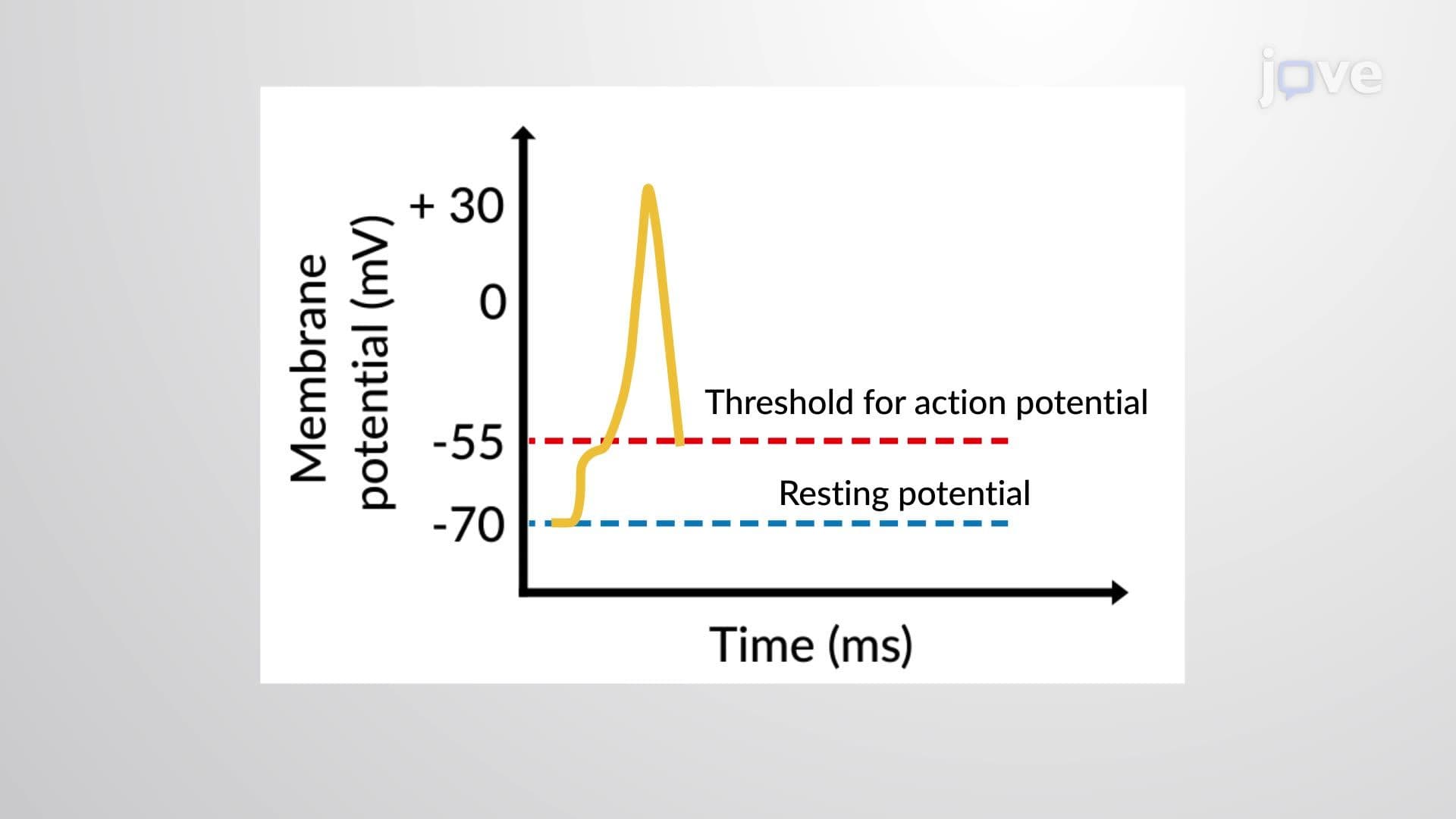
Ever wondered why touching a doorknob sometimes gives you a shock? That same electrical principle governs every neuron in your body through resting membrane potential neurons maintain constantly. Just like the pacemaker cells in your heart that keep it beating steadily, neurons maintain a voltage of about -70mV across their membranes even when "resting." Understanding what is resting membrane potential reveals how brain cells prepare to fire electrical signals that control everything from reflexes to thoughts. Watch the full video on JoVE Coach to master this concept with expert-led visuals and step-by-step explanations.
Resting membrane potential represents one of biology's most elegant electrical systems. While your smartphone battery maintains a steady 3.7 volts, every neuron in your body maintains approximately -70 millivolts across its plasma membrane-even when completely inactive. This seemingly small voltage difference powers the entire nervous system, from the simplest reflexes tested in US medical school neurophysiology labs to the complex thoughts you're having right now.
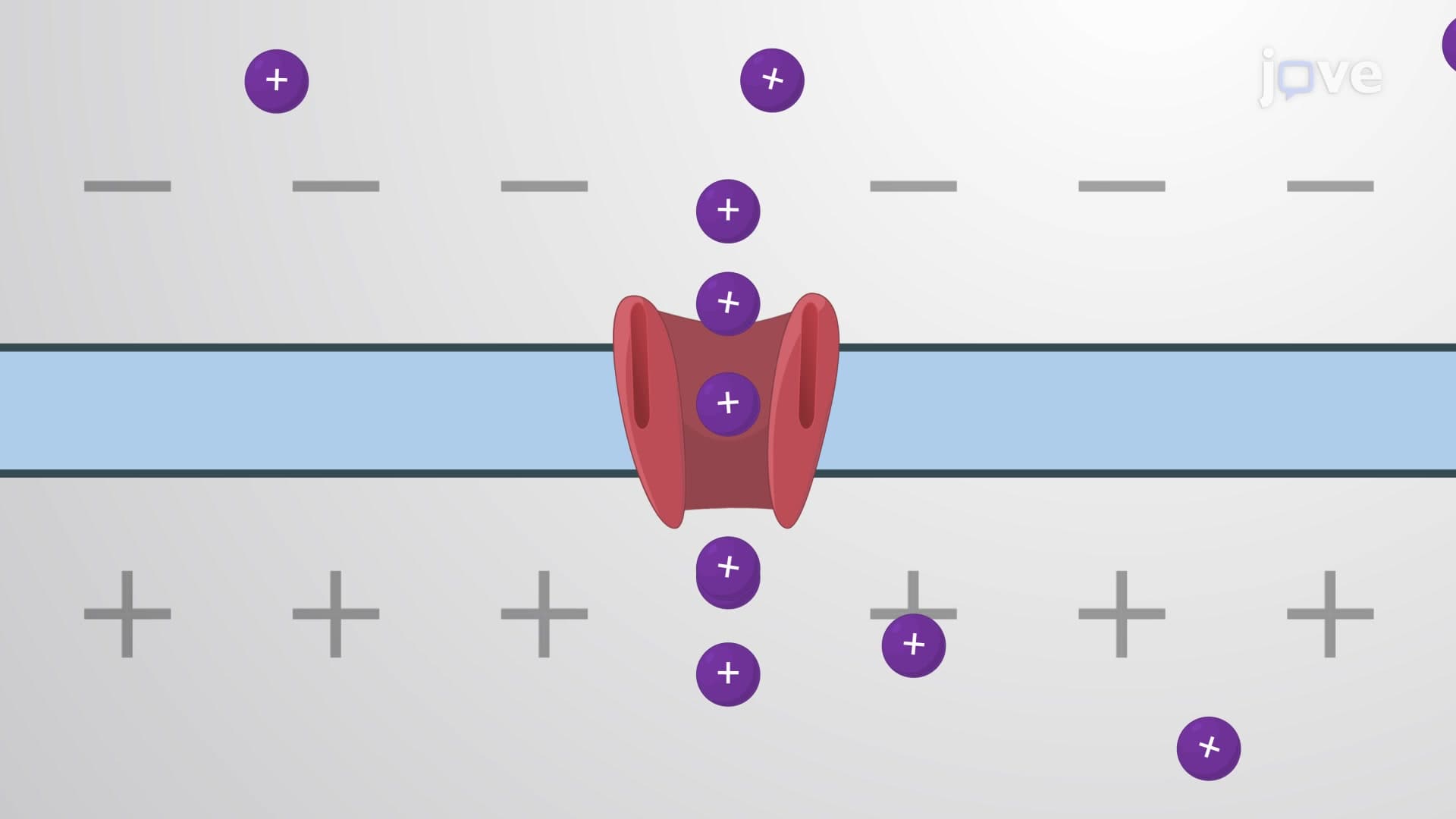
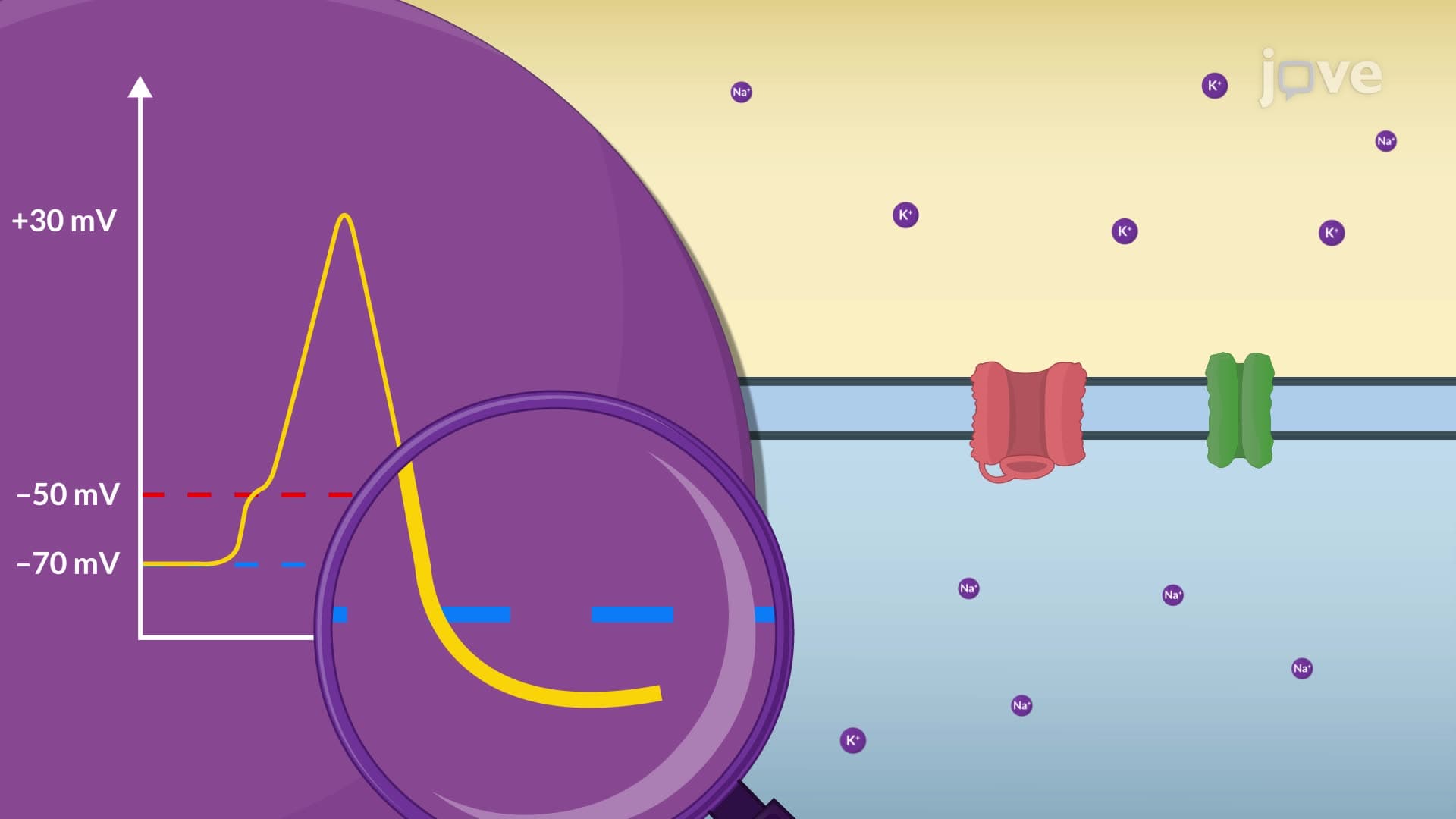
The negative 70mV resting potential emerges from an intricate dance of four key players: potassium ions (K+), sodium ions (Na+), chloride ions (Cl-), and large organic anions trapped inside the cell. Think of the neuron as a microscopic fortress with selective gates. K+ leak channels allow potassium to flow out down its concentration gradient, making the inside more negative. Meanwhile, the membrane remains relatively impermeable to sodium and the large internal anions cannot escape at all.
This ionic segregation doesn't happen by accident. The Na+ K+ ATPase pump works like a tireless bouncer, continuously ejecting three sodium ions while admitting only two potassium ions with each cycle. This 3:2 ratio creates a net loss of positive charge inside the cell, contributing directly to the negative resting potential. US medical students studying for the MCAT often struggle with this concept until they realize the pump is both maintaining ion gradients AND directly contributing to the electrical charge separation.
Membrane polarization resting states aren't just academic concepts-they're life-or-death physiological realities. In US cardiac intensive care units, doctors monitor for hyperkalemia (elevated blood potassium) because it can dangerously alter resting potentials in heart muscle cells, leading to potentially fatal arrhythmias. Similarly, neurologists treating epilepsy patients understand that seizures often begin when resting potentials become unstable, making neurons hyperexcitable.
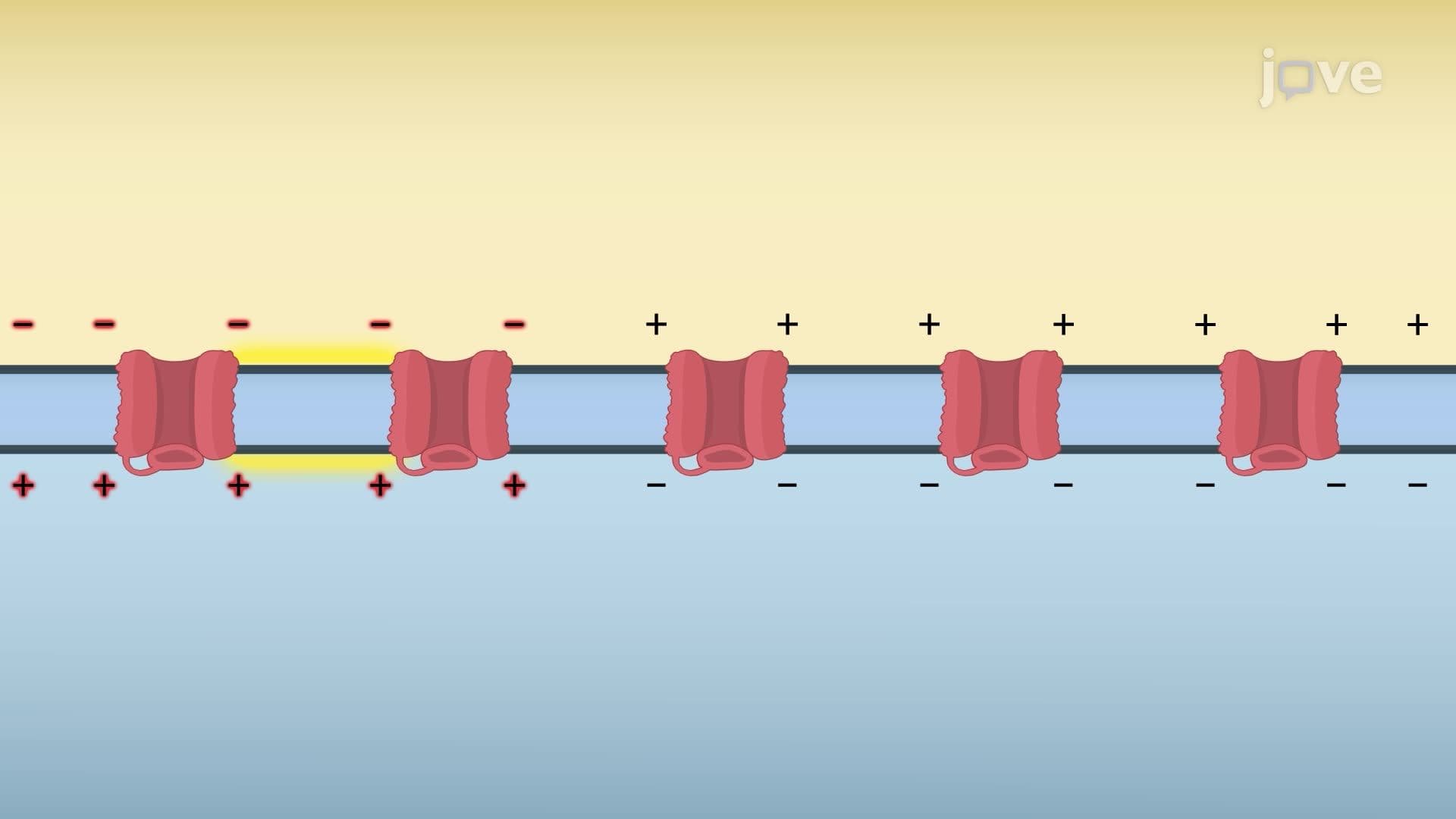
For students preparing for AP Biology or college-level physiology courses, mastering resting potential ion gradients provides the foundation for understanding action potentials, synaptic transmission, and ultimately how medications like local anesthetics (lidocaine) or anticonvulsants (phenytoin) work by modifying these electrical properties.
Related Micro-courses