Loading subject page…


111,912 views


Video Summary: What Is Resting Potential Decay
Did you know that electrical signals in your neurons lose strength as they travel, just like water pressure dropping in a long garden hose? Resting potential decay membrane processes explain why signals weaken over distance and time in nerve cells. This phenomenon affects everything from reflex responses to learning, and understanding it helps explain conditions like multiple sclerosis, where patients at Johns Hopkins and other US medical centers show impaired signal transmission. What is resting potential decay becomes crucial for students studying neuroscience and physiology. Watch the full video on JoVE Coach to master this concept with expert-led visuals and step-by-step explanations.
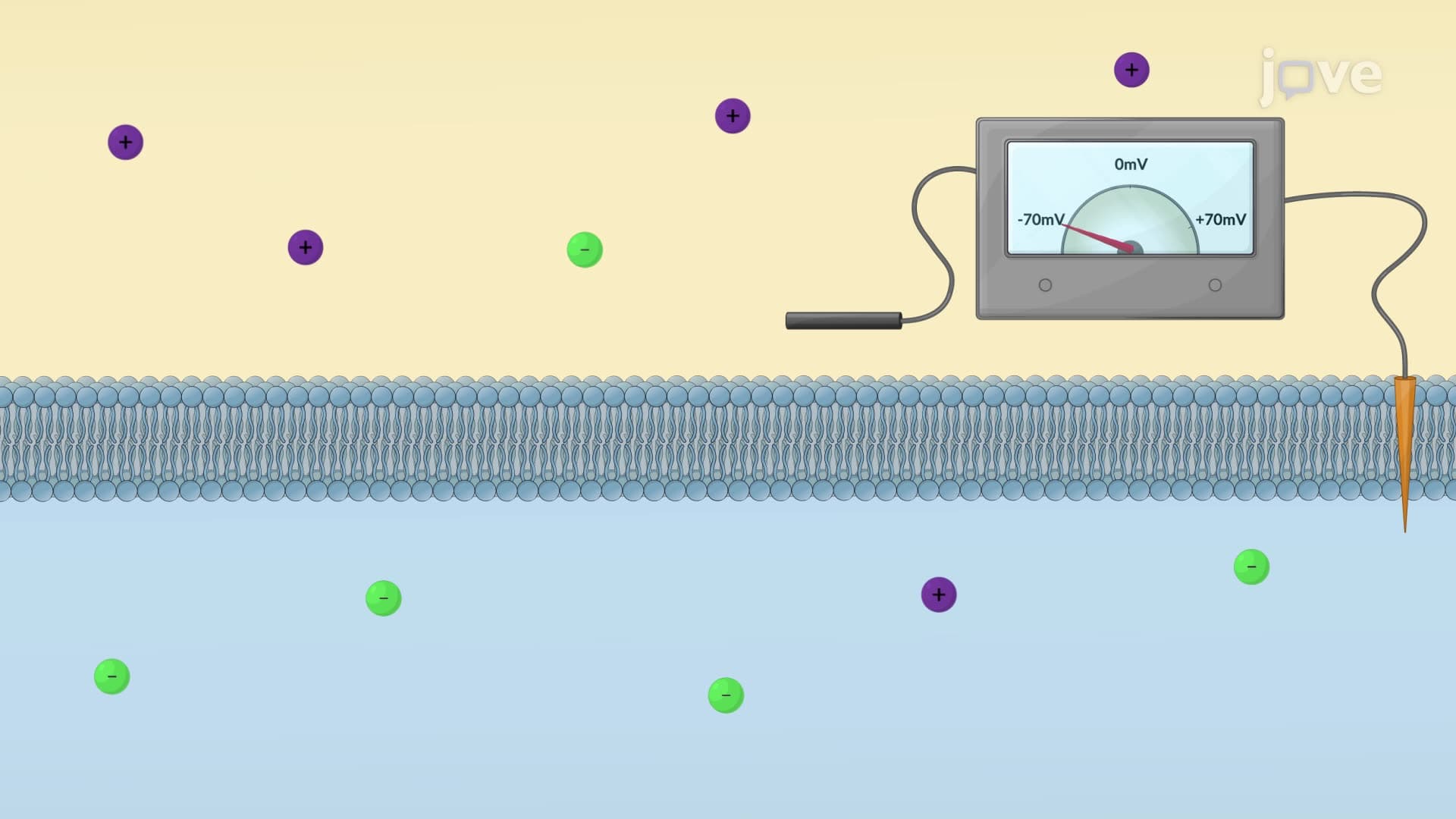
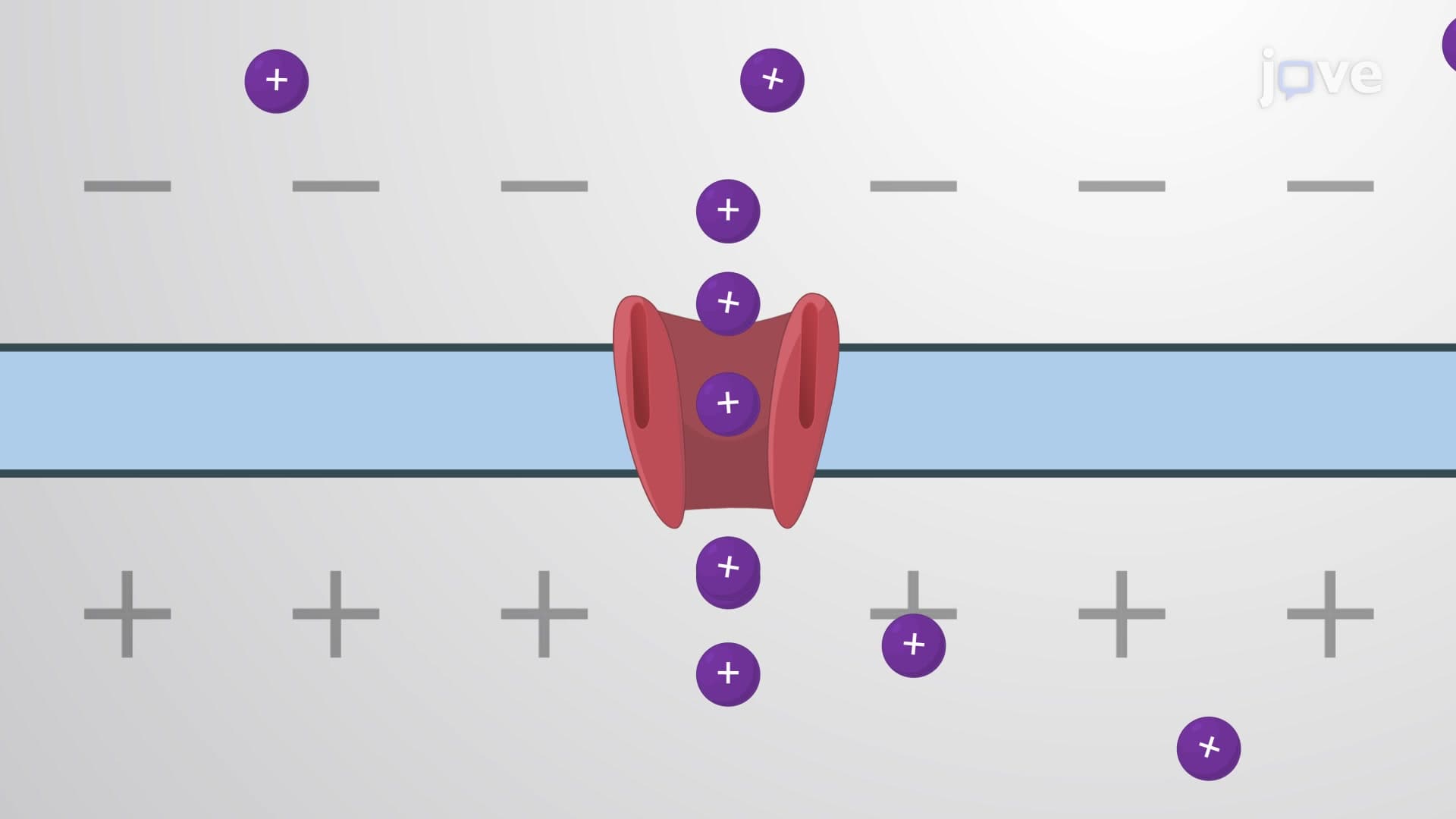
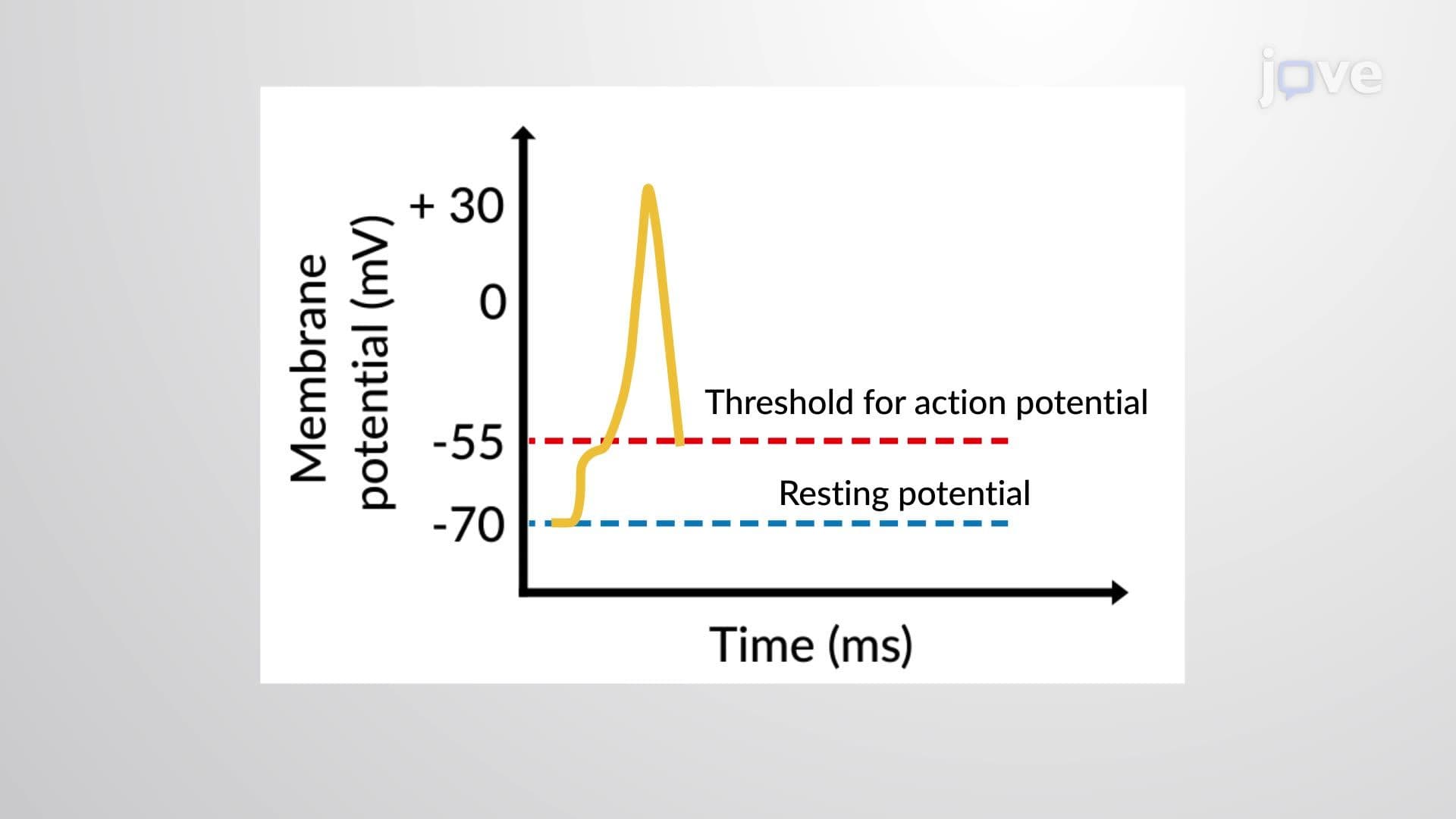
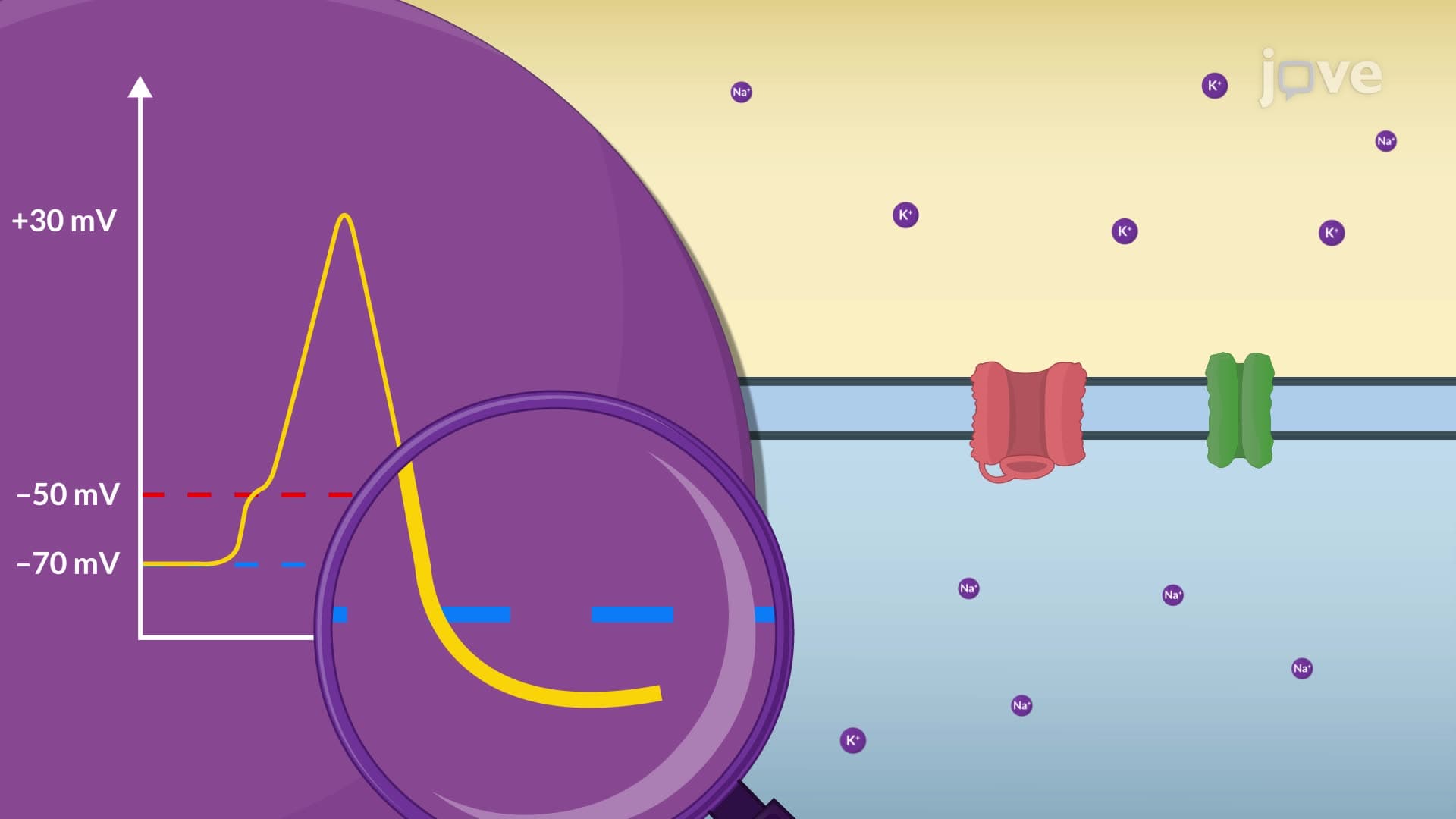
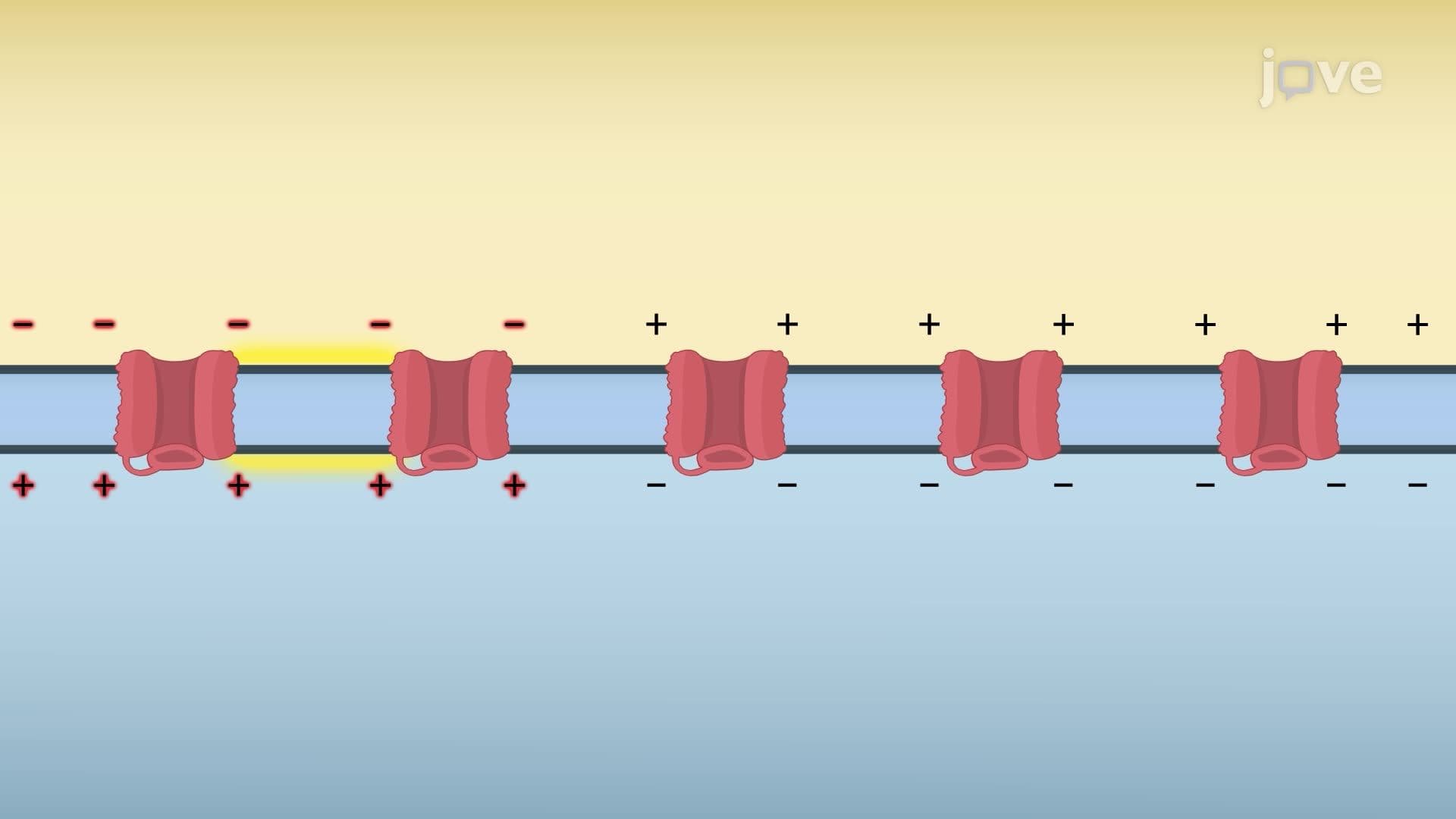
Resting potential decay membrane phenomena represent one of the most fundamental concepts in cellular neuroscience. Unlike action potentials that maintain their strength through active regeneration, passive electrical signals gradually weaken as they spread through neuronal membranes. This membrane potential decay explained process occurs because biological membranes aren't perfect insulators-they leak ions and store electrical charge like tiny capacitors.
The mathematical foundation comes from cable theory, developed by researchers like Wilfrid Rall at the National Institutes of Health in the 1960s. This framework treats neurons as electrical cables with specific resistance and capacitance properties. When students encounter this concept in AP Biology or college neuroscience courses, they're learning principles that directly apply to understanding everything from synaptic integration to disease mechanisms.
Membrane capacitance resistance decay follows predictable patterns governed by two critical constants. The length constant (λ) determines how far a signal travels before dropping to 37% of its original strength-typically 0.1-2 millimeters in dendrites. The time constant (τ) indicates how quickly the membrane responds to voltage changes, usually ranging from 1-50 milliseconds.
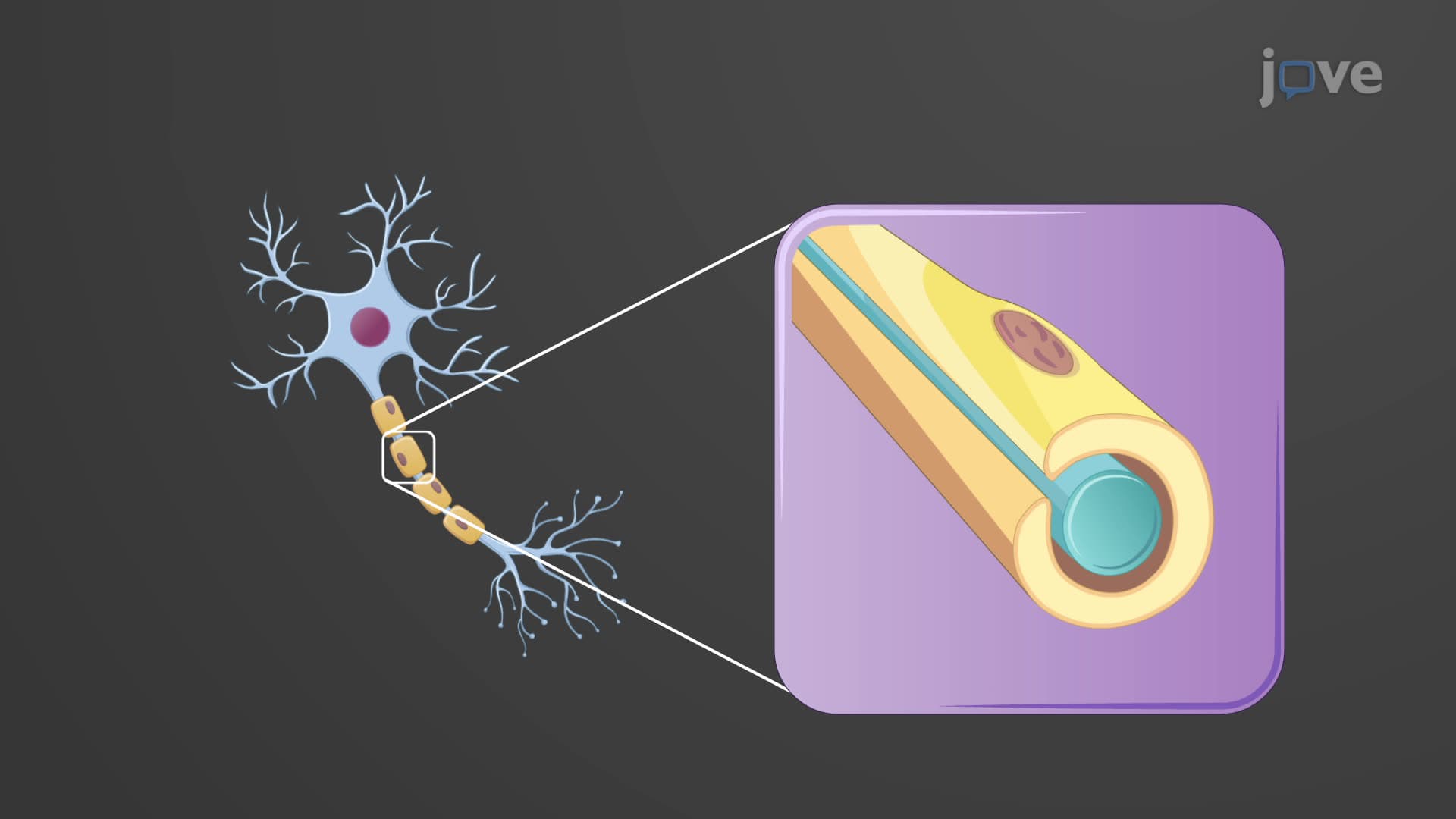
These parameters depend on membrane resistance (how easily ions leak out), internal resistance (how current flows inside the cell), and membrane capacitance (how much charge the membrane stores). Students preparing for the MCAT often encounter questions about these relationships, particularly how myelination affects signal propagation by increasing membrane resistance and reducing capacitance.
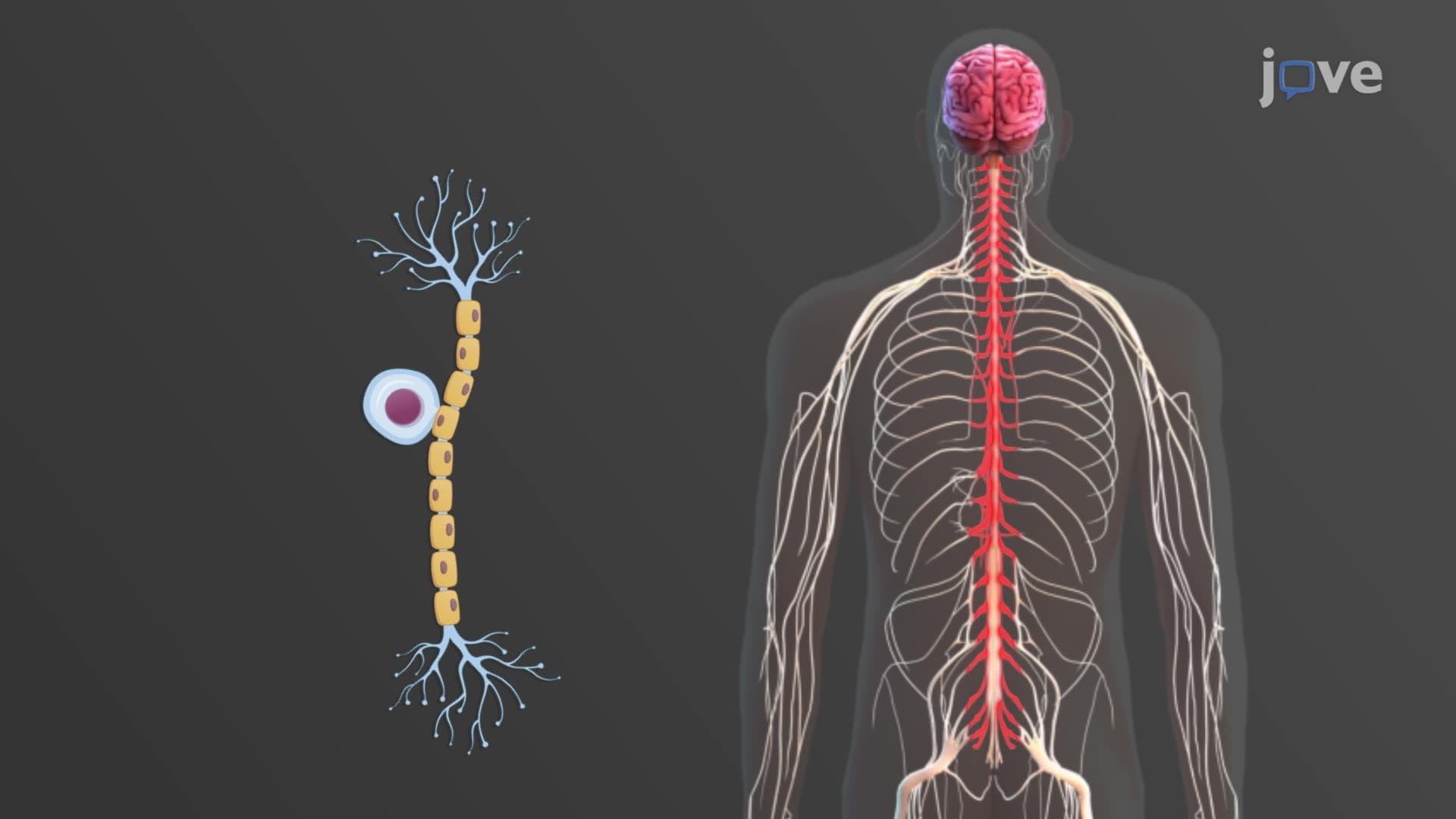
Electrotonic spread membrane processes are crucial for understanding how neurons integrate multiple inputs. Unlike digital computers that process discrete signals, neurons perform analog computations through graded potential decay local mechanisms. Synaptic potentials from different sources combine and decay as they spread toward the axon hillock, where the decision to fire an action potential occurs.
This integration process explains why synapses closer to the cell body have greater influence than distant ones-a phenomenon called "synaptic democracy." Research at institutions like Stanford and MIT has shown how local membrane potential decay shapes everything from memory formation to sensory processing.
Understanding resting potential decay has direct applications in medical practice and biotechnology. In multiple sclerosis, demyelination increases membrane capacitance and reduces resistance, causing signals to decay more rapidly. This knowledge helps clinicians at major US medical centers interpret electrophysiological tests and develop treatment strategies.
Bioengineers designing neural prosthetics must account for decay when placing electrodes and interpreting recorded signals. Similarly, computational neuroscientists modeling brain circuits incorporate these principles to create realistic simulations of neural networks.
Related Micro-courses