Loading subject page…
- Biology
- Speciation and Diversity
- What is a Species?
Micro-course: Speciation and Diversity
155,000 views
Learn key concepts and earn your certificate.


What is a Species?

00:00
01:17
Video Summary: A Species Definition
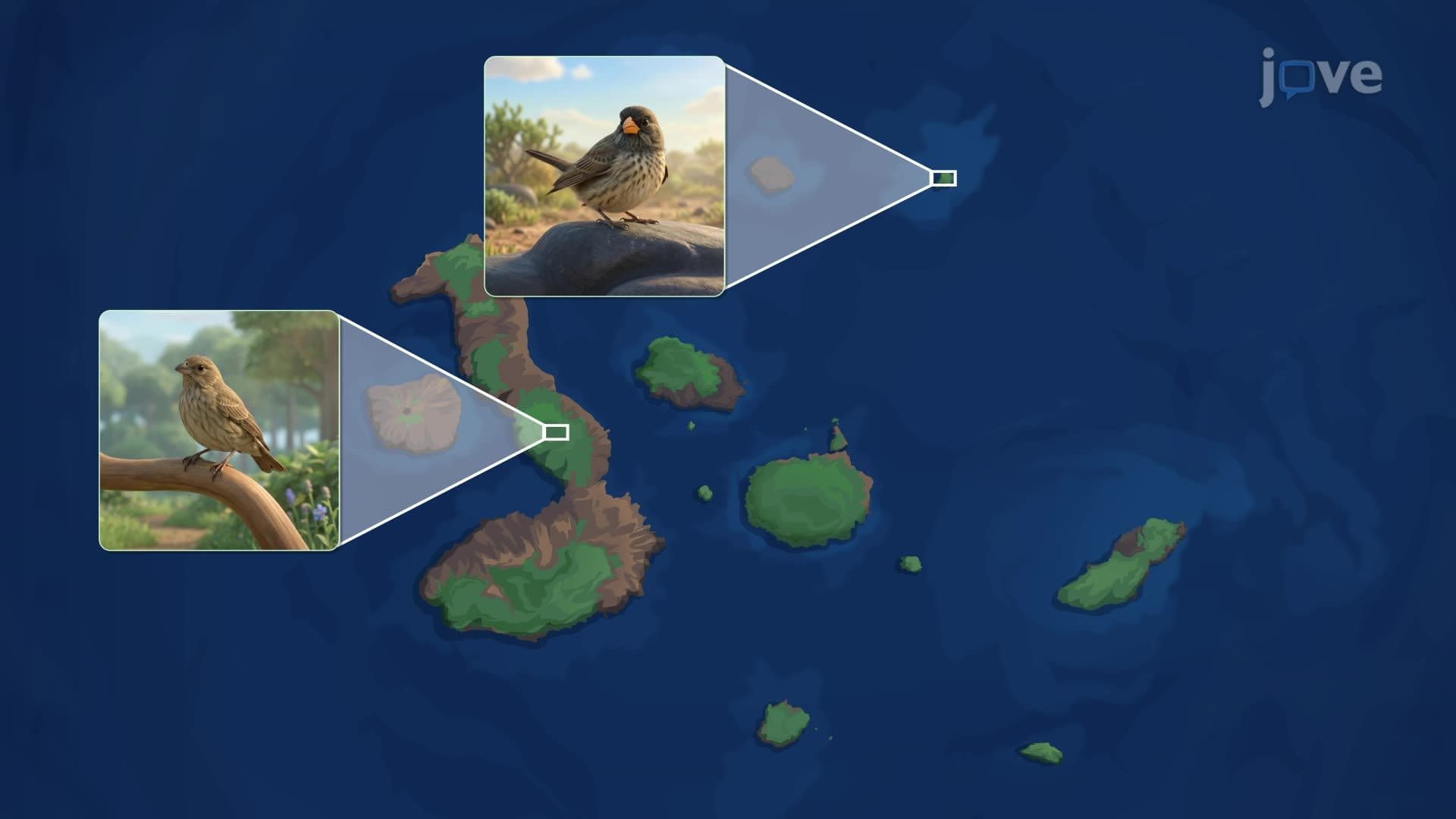
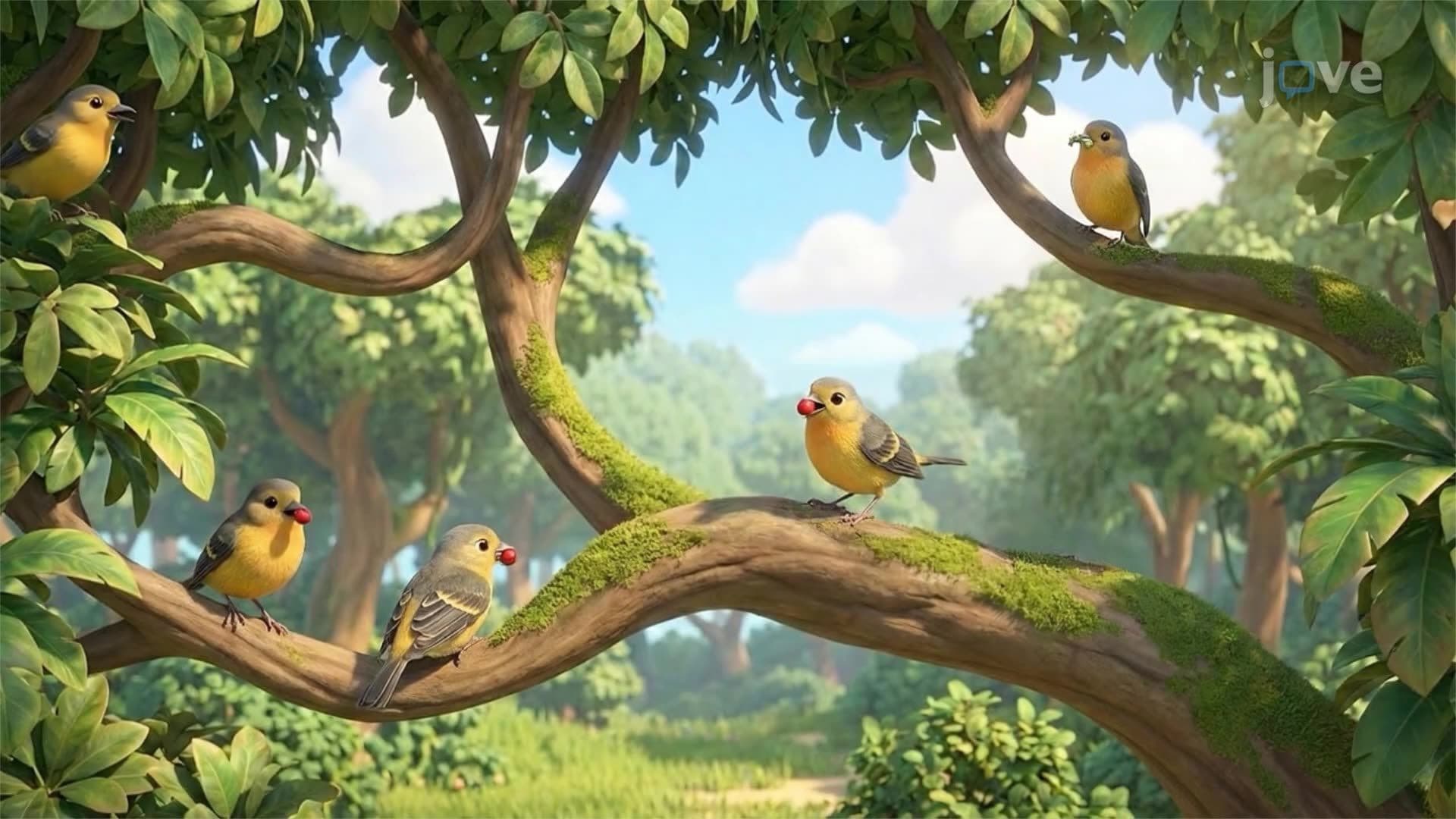
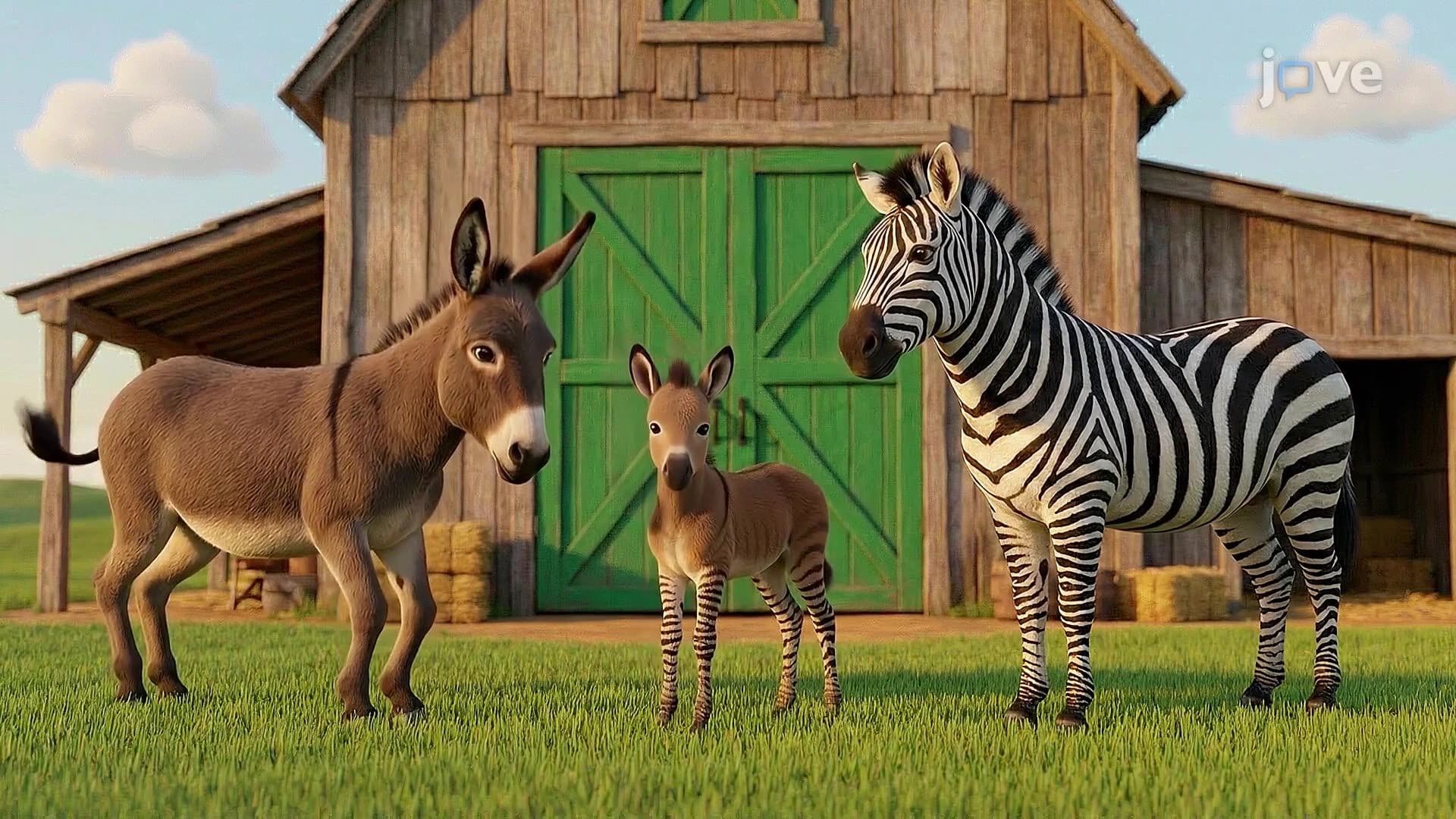
Did you know that horses and donkeys can mate but their offspring, mules, are almost always sterile? This fascinating reproductive barrier reveals the core principle behind a species definition. A species represents organisms that can interbreed and produce fertile offspring while sharing similar DNA characteristics. Real-world examples like the infertile zebroid (zebra-donkey hybrid) demonstrate how reproductive barriers maintain species boundaries in nature. Watch the full video on JoVE Coach to master this concept with expert-led visuals and step-by-step explanations.
- Understand a species definition as organisms that interbreed and produce fertile offspring while sharing similar DNA characteristics
- Identify the difference between organisms that look similar but belong to different species, such as Monarch and Viceroy butterflies
- Analyze reproductive barriers that prevent different species from producing fertile offspring in natural populations
- Compare pre-zygotic barriers (preventing mating) versus post-zygotic barriers (preventing fertile offspring development)
- Evaluate real-world examples of hybrid organisms and their fertility status in biological classification
- Apply species concepts to distinguish between morphological similarity and true genetic relatedness
- Recognize how temporal isolation and habitat preferences can maintain species boundaries in ecosystems
- Explore the role of reproductive isolation mechanisms in maintaining biodiversity and evolutionary processes
Understanding A Species Definition in Modern Biology
A species definition forms the foundation of biological classification and evolutionary theory. The biological species concept defines a species as a group of organisms capable of interbreeding and producing fertile offspring under natural conditions. This definition emphasizes reproductive compatibility rather than physical appearance, explaining why organisms can look remarkably similar yet belong to entirely different species.
Reproductive Barriers and Species Boundaries
The maintenance of distinct species relies on reproductive barriers that prevent gene flow between populations. Post-zygotic barriers, such as hybrid sterility, occur after fertilization and prevent hybrid offspring from reproducing successfully. The classic example involves horse-donkey hybrids (mules) commonly used in American agriculture, which demonstrate vigor but remain reproductively sterile.
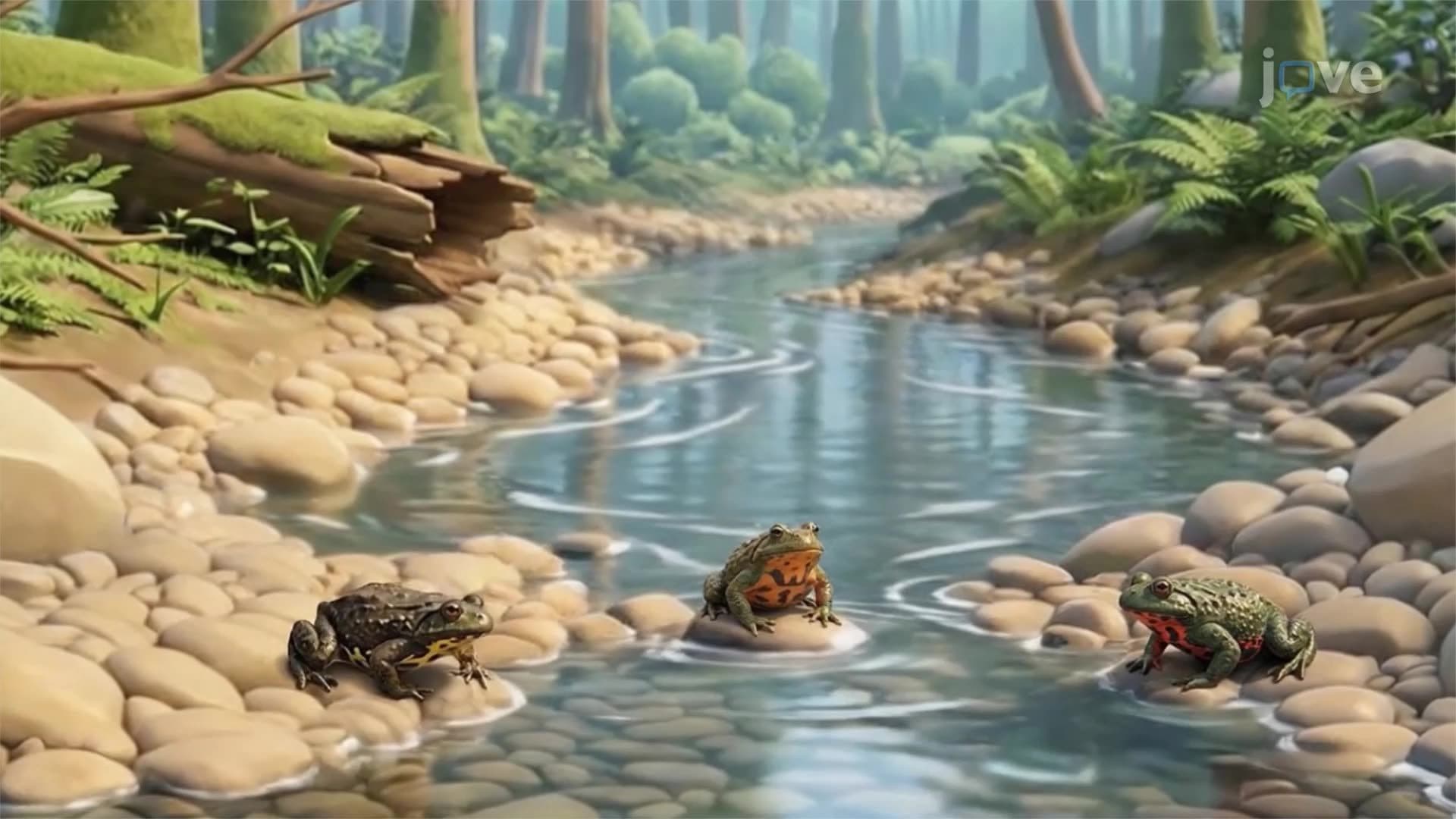
Pre-zygotic barriers prevent fertilization altogether through various mechanisms. Temporal isolation occurs when species breed at different times, like the American toad (Anaxyrus americanus) and Fowler's toad (Anaxyrus fowleri), which have overlapping ranges across the Eastern United States but breed during different seasons. Behavioral isolation involves species-specific mating rituals, while mechanical isolation results from incompatible reproductive structures.
Species Recognition in Practice
Students preparing for AP Biology, SAT Subject Tests, or college-level biology courses must distinguish between morphological similarity and true species identity. The Monarch butterfly (Danaus plexippus) and Viceroy butterfly (Limenitis archippus) exemplify Batesian mimicry, where different species evolve similar appearances for survival advantages. Despite their orange and black coloration, these butterflies belong to different families and cannot interbreed.
Applications in Conservation and Research
Understanding species boundaries proves crucial for conservation biology and medical research. The California condor (Gymnogyps californianus) recovery program relies on precise species identification to maintain genetic diversity. In biomedical research, species-specific responses to treatments inform drug development protocols used by pharmaceutical companies across the United States.
Modern genetic sequencing techniques have refined species identification beyond traditional morphological methods. DNA barcoding projects, including those conducted at the Smithsonian Institution, use molecular markers to identify cryptic species that appear identical but represent distinct evolutionary lineages.
Frequently Asked Questions
A species is a group of organisms that can interbreed and produce fertile offspring while sharing similar DNA characteristics. This biological species concept emphasizes reproductive compatibility rather than physical appearance. It's the fundamental unit of biological classification used in taxonomy and evolutionary studies.
AP Biology frequently tests species concepts through questions about reproductive isolation, speciation mechanisms, and hybrid fertility. Students analyze scenarios involving pre-zygotic and post-zygotic barriers, interpret phylogenetic trees, and explain how geographic isolation leads to species formation. Practice with FRQ examples involving Darwin's finches or Hawaiian fruit flies.
Morphological similarity doesn't guarantee genetic relatedness or reproductive compatibility. Convergent evolution creates similar appearances in unrelated species facing comparable environmental pressures. The key test is reproductive success - true species members produce fertile offspring, while different species either cannot mate or produce sterile hybrids.
MCAT biology sections examine species through evolutionary mechanisms, population genetics, and reproductive barriers. Questions often involve analyzing experimental data about hybrid fertility, interpreting speciation patterns, or explaining how environmental factors influence species divergence. Focus on connecting molecular biology concepts with population-level phenomena.
Genetic incompatibilities between species often allow initial mating and fertilization but prevent normal development or fertility in offspring. Chromosomal differences, like those between horses (64 chromosomes) and donkeys (62 chromosomes), create meiotic problems in hybrid offspring. This post-zygotic barrier maintains species boundaries despite occasional interbreeding.
Basic high school biology provides sufficient background for understanding species definitions and reproductive barriers. Focus on fundamental concepts like DNA, chromosomes, and inheritance patterns rather than complex molecular details. Most standardized tests emphasize conceptual understanding over technical memorization.
Create comparison charts distinguishing pre-zygotic from post-zygotic barriers with specific examples from different animal groups. Practice identifying species boundaries using real case studies from North American wildlife. Focus on connecting reproductive isolation mechanisms to evolutionary processes and speciation patterns.
Species definitions connect to population genetics, phylogenetics, conservation biology, and evolutionary developmental biology. Students interested in research careers might explore molecular systematics, speciation genomics, or conservation genetics programs at universities like UC Davis or Cornell. These fields apply species concepts to real-world biological problems.
Related Micro-courses