Loading subject page…

155,000 views

Video Summary: What are Hybrid Zones
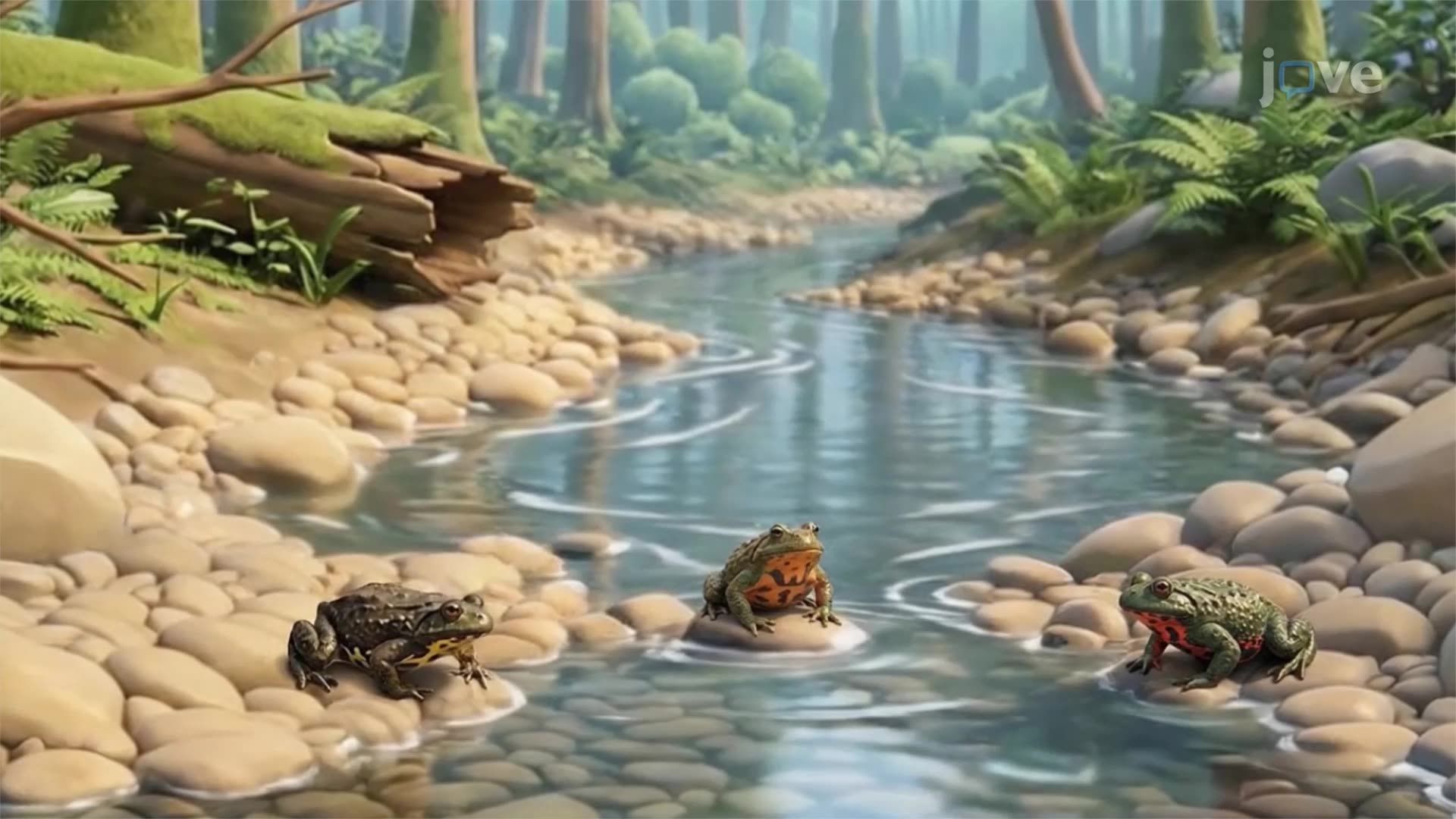
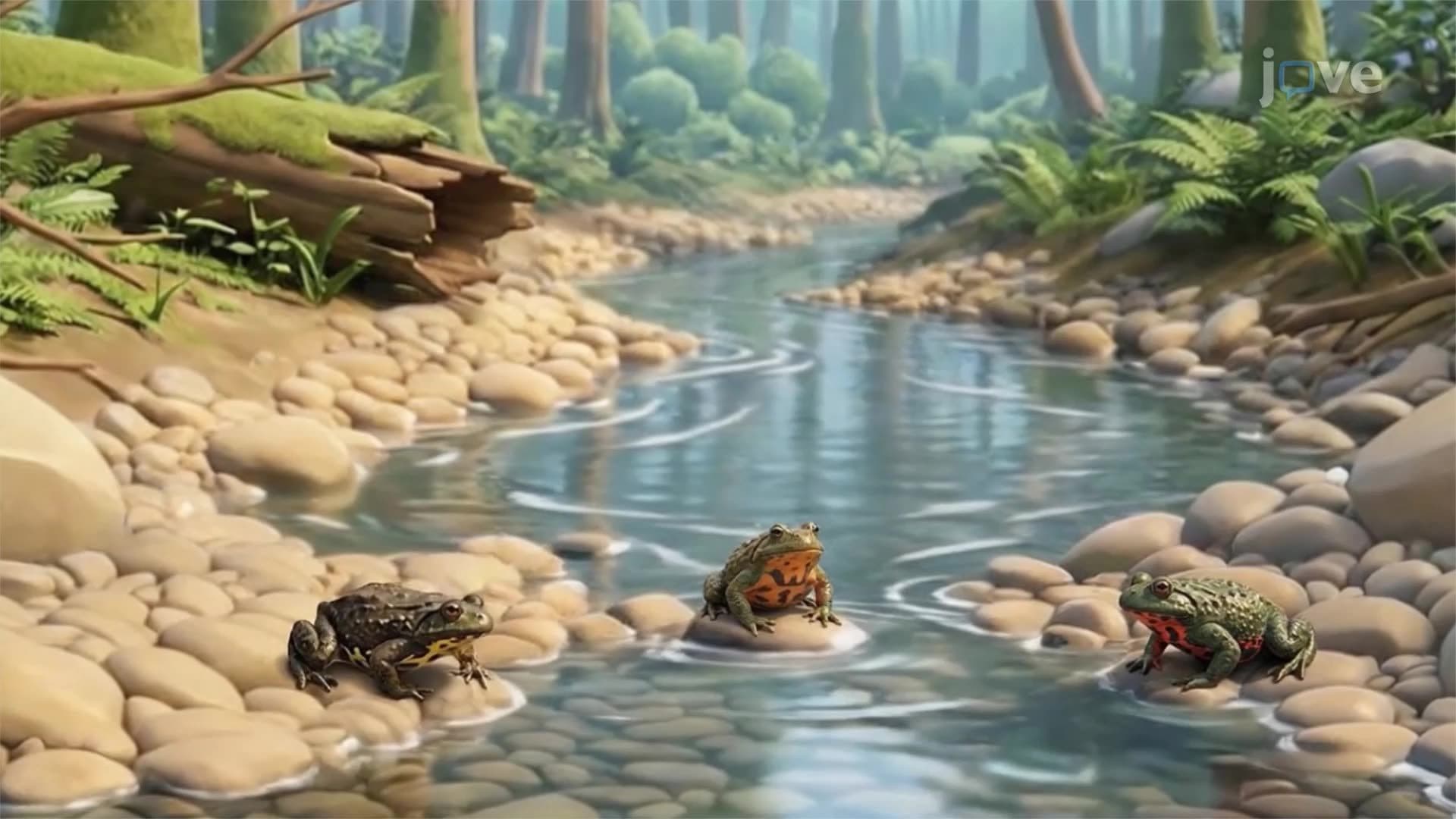
Ever wonder why some wolf-coyote mixes thrive in places like the Great Lakes region while others struggle to survive? Hybrid zones are fascinating biological laboratories where two closely related species meet, mate, and produce offspring with varying degrees of success. These areas reveal how species boundaries can strengthen, weaken, or remain stable over time, as seen with fire-bellied and yellow-bellied toads in overlapping habitats. Understanding what are hybrid zones helps explain evolutionary processes that shape biodiversity around us. Watch the full video on JoVE Coach to master this concept with expert-led visuals and step-by-step explanations.
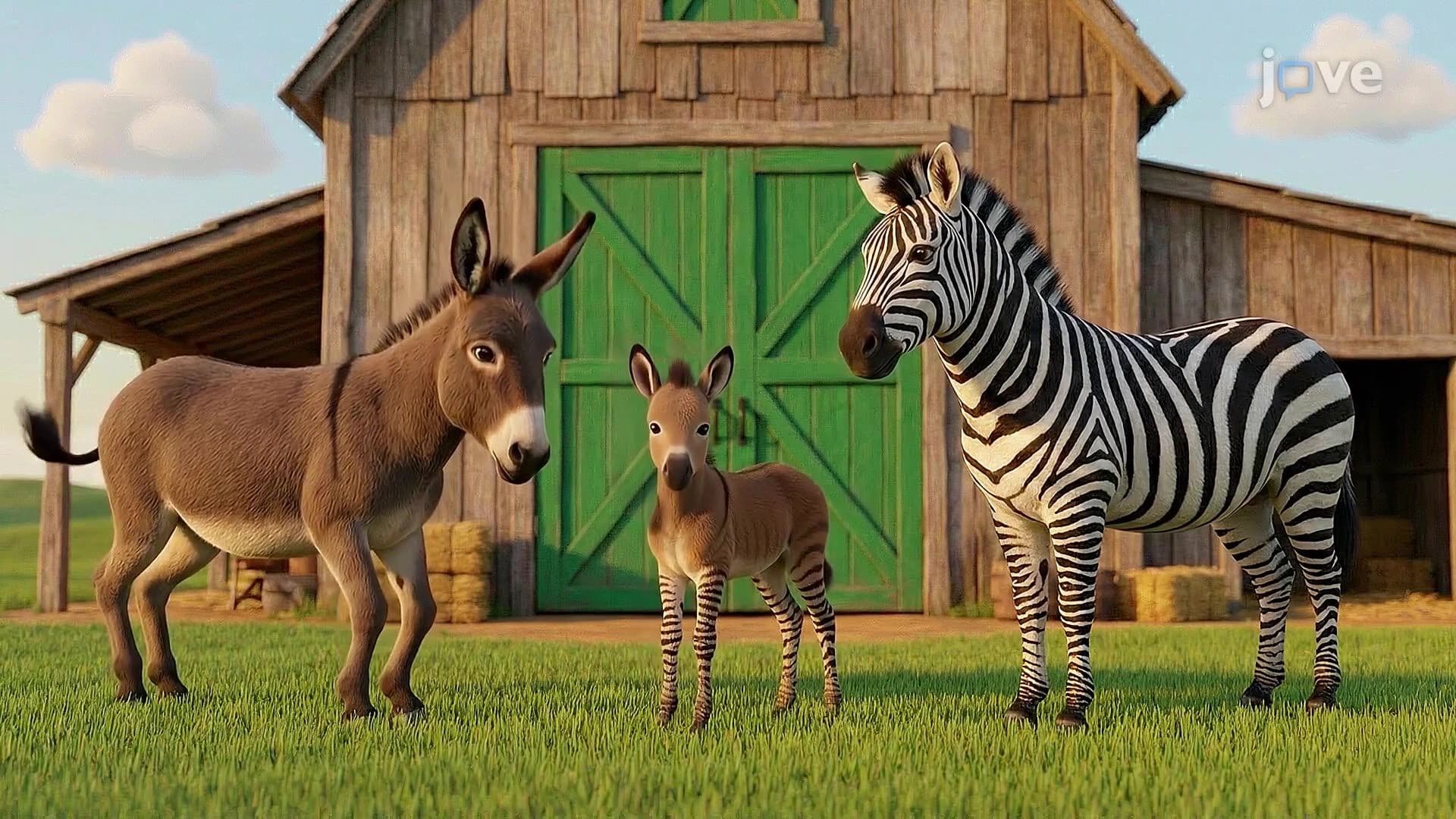
Hybrid zones represent some of nature's most dynamic evolutionary laboratories, where the boundaries between species are actively tested and reshaped. These regions occur when two closely related species maintain separate identities but produce viable offspring in areas of geographic overlap. Unlike simple contact zones where species merely coexist, hybrid zones specifically involve interbreeding and the production of mixed-ancestry individuals.
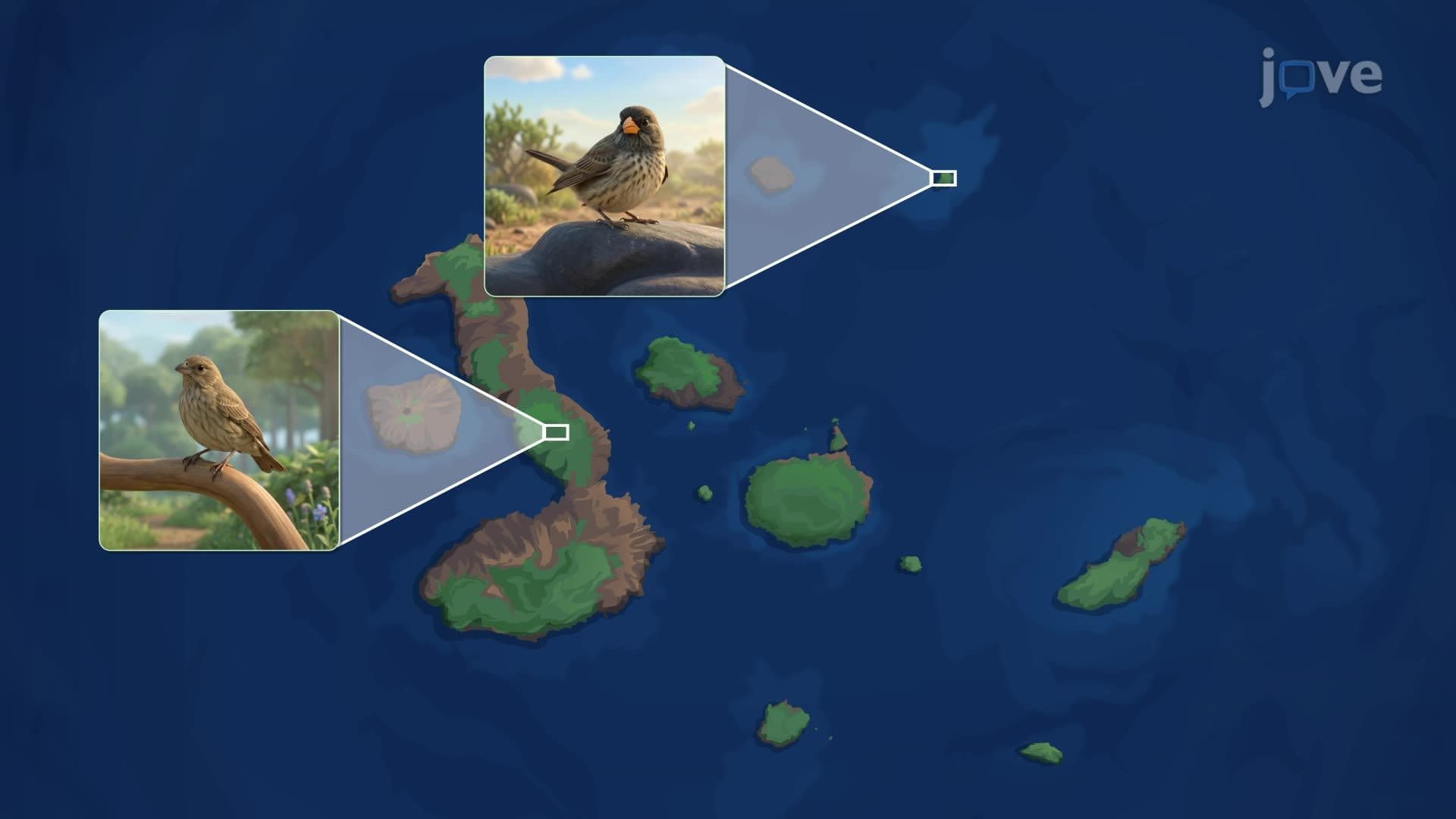
The formation of hybrid zones typically results from secondary contact-when previously separated species expand their ranges and encounter each other again. This commonly occurs in post-glacial landscapes across North America, where retreating ice sheets allowed species to recolonize territories and meet relatives they hadn't encountered for thousands of years.
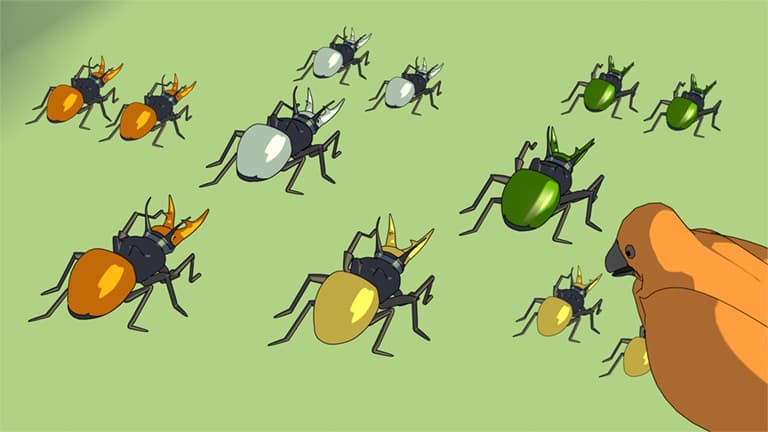
Reinforcement represents the strengthening of reproductive barriers between species. This process favors individuals that preferentially mate within their own species, ultimately reducing hybridization rates. North American examples include zones where different warbler species have evolved more distinct songs and plumage patterns specifically in areas of overlap. The key mechanism involves natural selection against poorly-fit hybrids, which creates evolutionary pressure for species to develop better recognition systems.
Fusion occurs when reproductive barriers break down completely, resulting in the merger of two species into one. This outcome requires that hybrids maintain reasonable fitness and that the original species lack strong isolation mechanisms. Environmental changes often trigger fusion events-for example, habitat modifications can disrupt the sensory cues species use for mate recognition, leading to increased hybridization and eventual species collapse.
Stability describes the long-term persistence of hybrid zones without movement toward either reinforcement or fusion. Stable hybrid zones often exist along environmental gradients where each parent species maintains advantages in different conditions, while hybrids occupy intermediate environments. The Appalachian region contains several stable hybrid zones between eastern and western species that separated during past climatic changes.
For students preparing for AP Biology exams, hybrid zone questions frequently appear in evolution and ecology sections, testing understanding of speciation mechanisms and population genetics. MCAT preparation should focus on how hybrid zones demonstrate gene flow effects and reproductive isolation concepts. College-level courses in evolution, ecology, and conservation biology extensively use hybrid zone case studies to illustrate theoretical principles in real-world contexts.
Understanding hybrid zones proves essential for wildlife management and conservation planning, as climate change increasingly forces species range shifts that create new contact zones. This knowledge directly applies to managing endangered species, predicting invasive species impacts, and maintaining biodiversity in changing landscapes.
Related Micro-courses