Loading subject page…

155,000 views

Video Summary: What Is Formation of Species
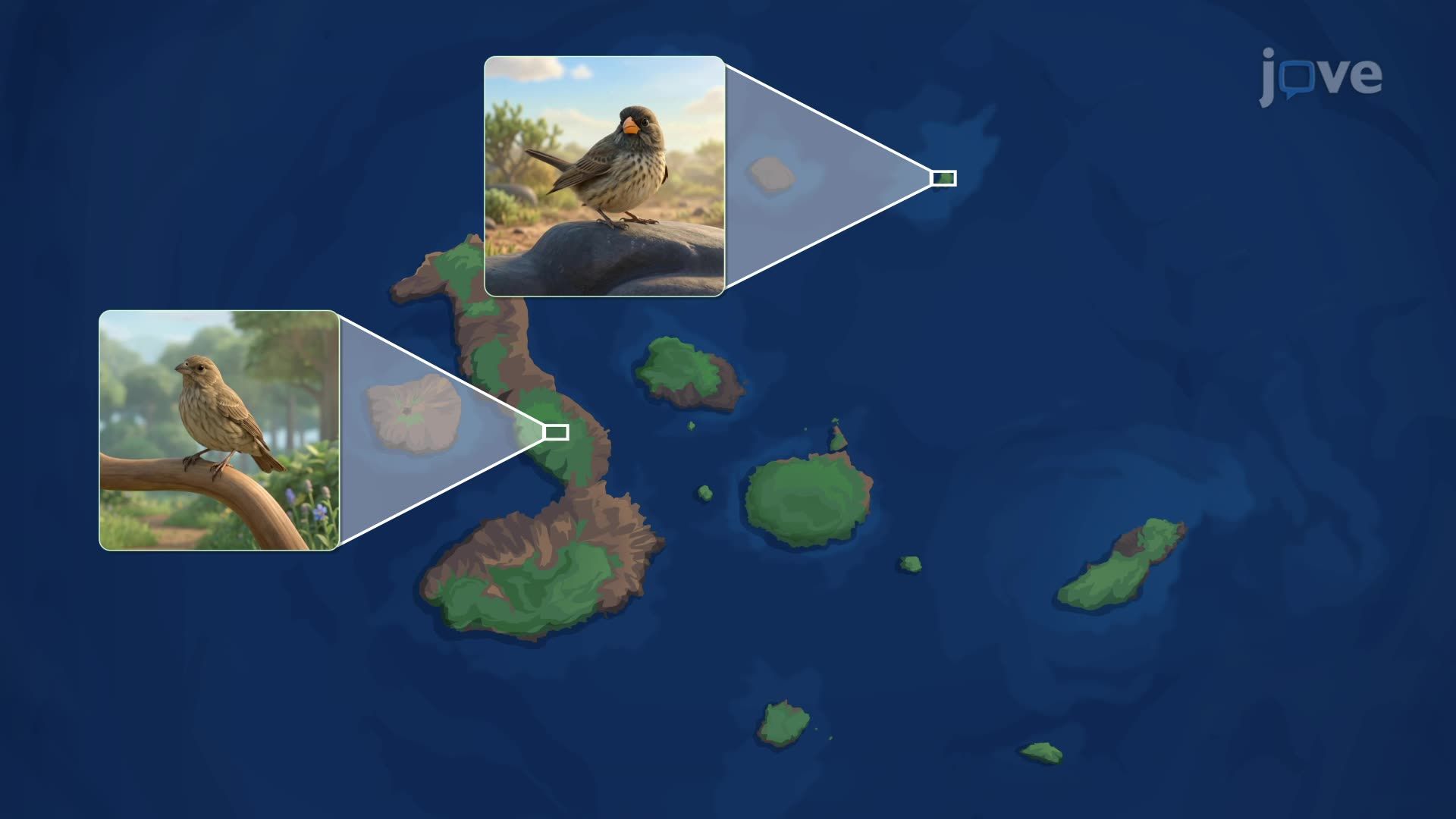
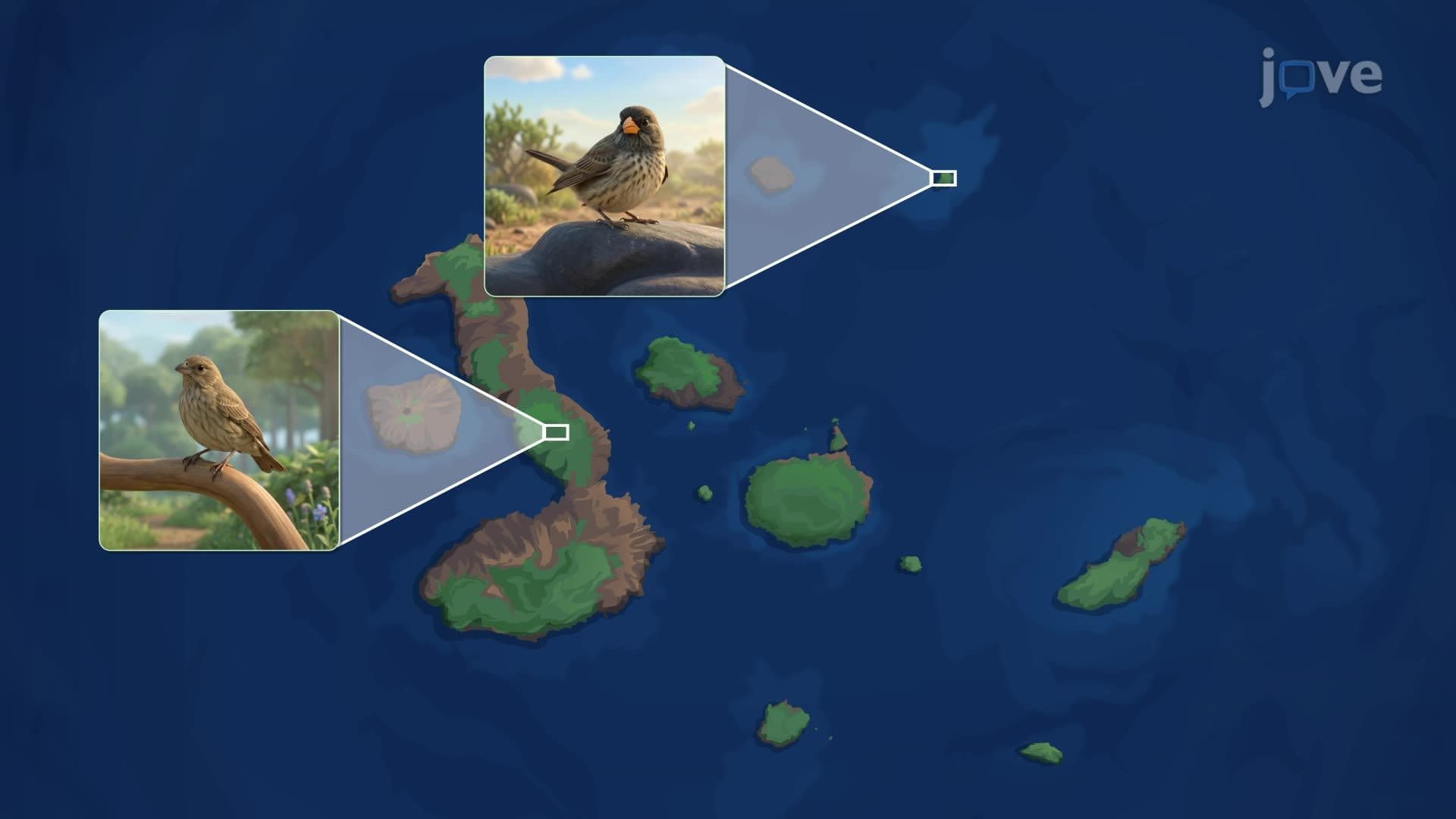
Did you know that Darwin's finches in the Galápagos Islands inspired our understanding of formation of species, yet similar processes happen right here in the American Southwest? The formation of species occurs when populations become reproductively isolated and evolve into distinct species that can no longer interbreed. Consider how the Colorado River created the Grand Canyon, physically separating squirrel populations that eventually became different species on opposite canyon rims. Watch the full video on JoVE Coach to master this concept with expert-led visuals and step-by-step explanations.
The formation of species, or speciation, represents one of biology's most fundamental processes-the mechanism by which biodiversity emerges on Earth. This process occurs when populations of organisms become reproductively isolated and accumulate genetic differences over time until they can no longer successfully interbreed and produce fertile offspring.
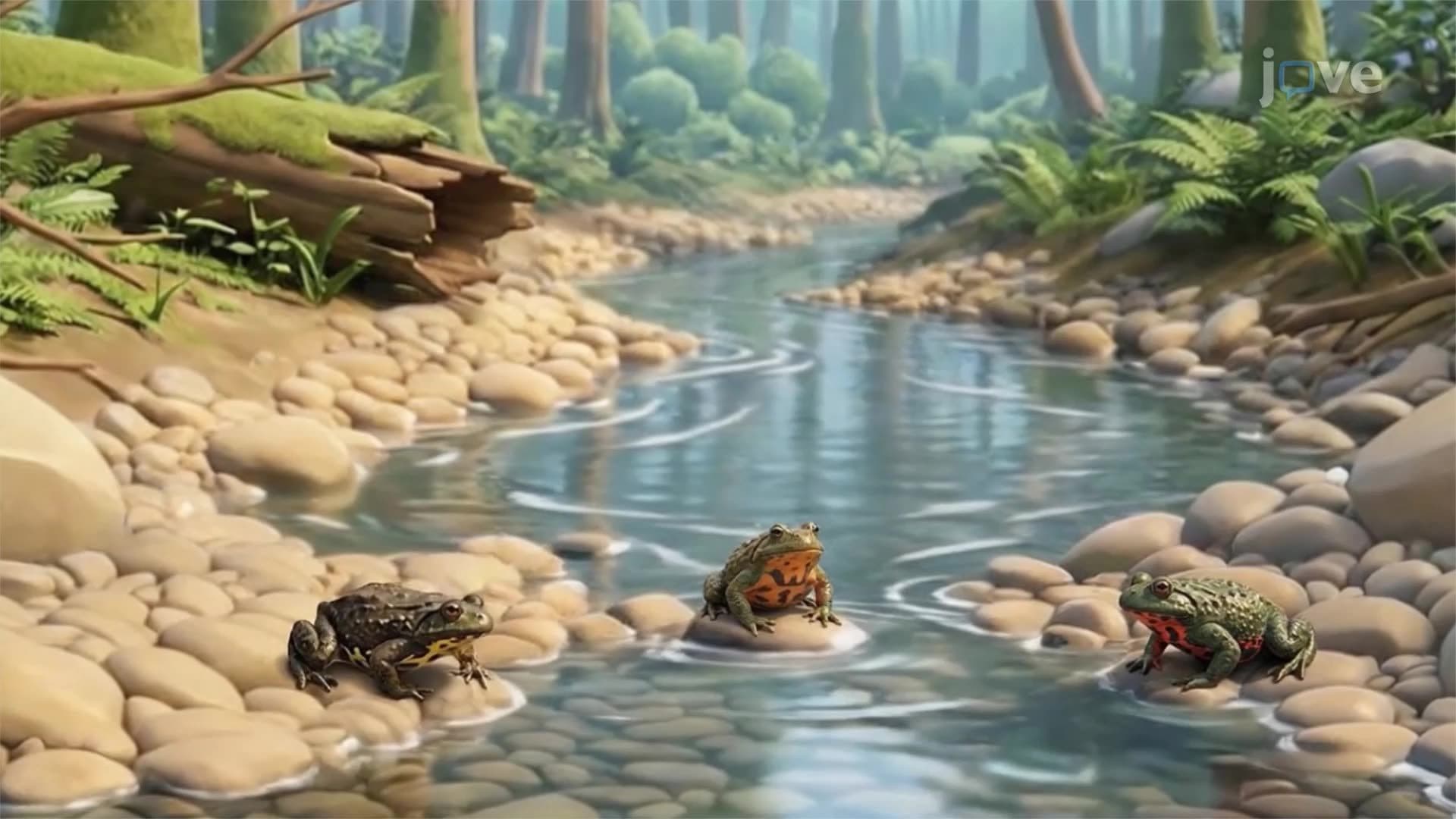
Allopatric speciation accounts for the majority of new species formation and occurs when physical barriers prevent gene flow between populations. The Appalachian Mountains provide excellent examples of this process. Eastern and western populations of salamanders became separated during mountain formation millions of years ago. Over time, these isolated populations adapted to different environmental conditions-eastern populations to humid deciduous forests, western populations to drier conditions. Today, species like the Red-backed Salamander show distinct genetic and morphological differences across mountain ranges.
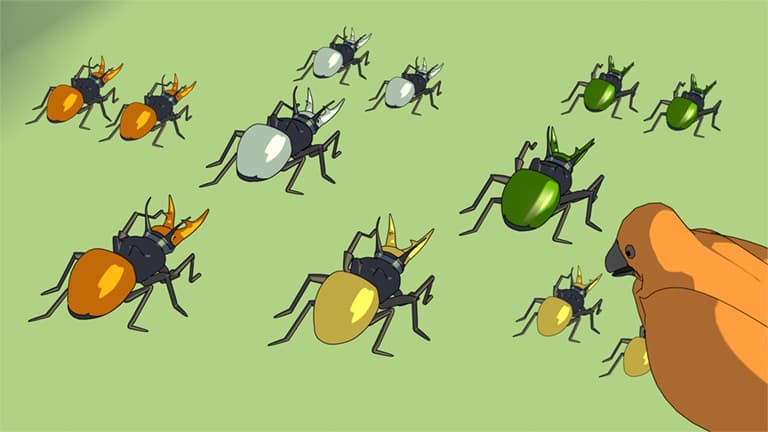
The process begins when geographic barriers-rivers, mountains, glaciers, or even human-made structures like highways-divide a single population. Each isolated group faces unique selective pressures: different predators, food sources, climate conditions, or diseases. Natural selection acts independently on each population, favoring traits that enhance survival in their specific environment. The longer populations remain isolated, the greater the genetic divergence becomes.
Sympatric speciation occurs within the same geographic area and often involves rapid genetic changes. Polyploidy, particularly common in plants, exemplifies this mechanism. When corn plants undergo chromosomal duplication errors during meiosis, they may produce offspring with multiple chromosome sets. These polyploid plants can only successfully reproduce with other polyploids, immediately creating reproductive isolation from their diploid ancestors.
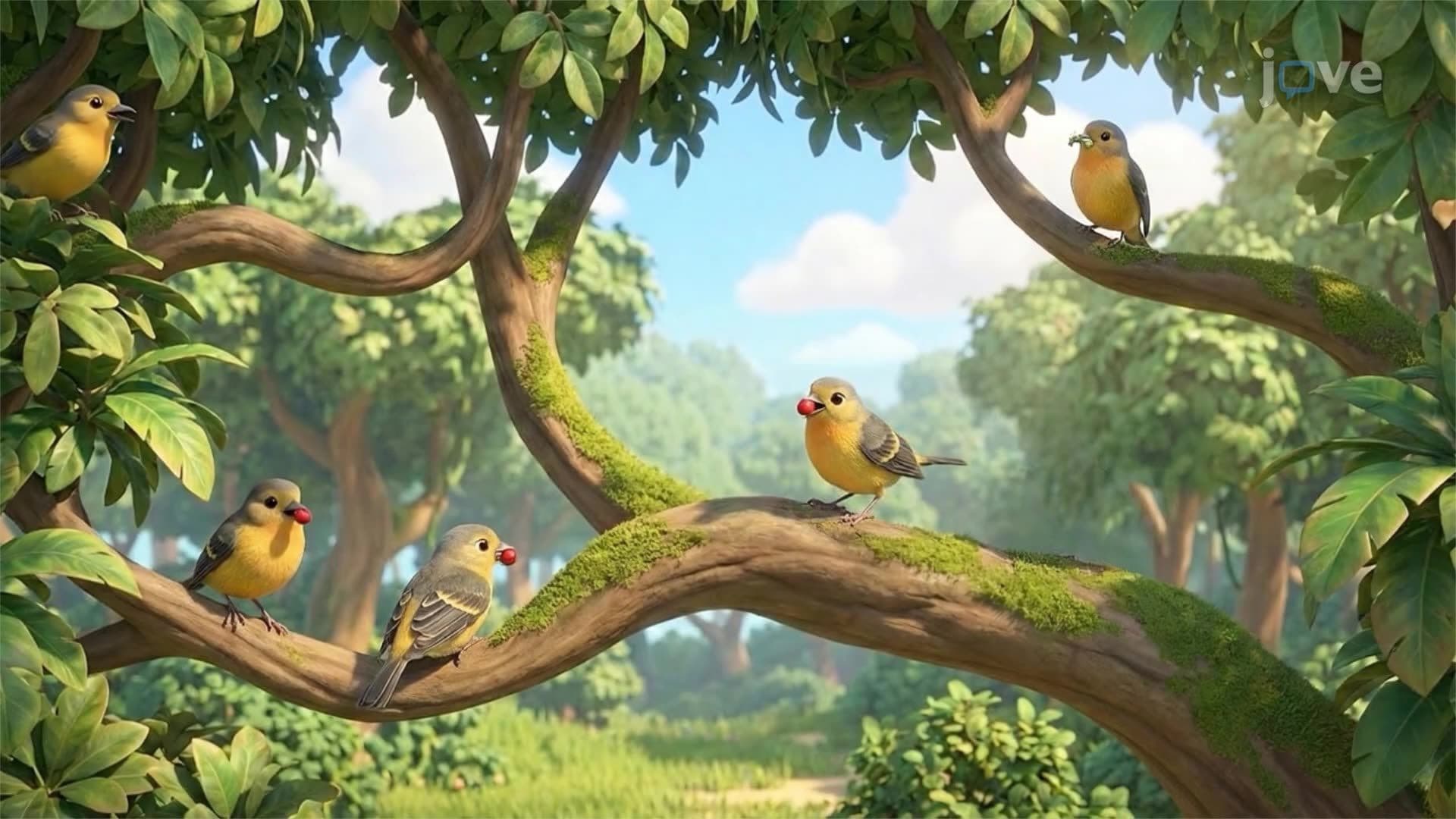
Behavioral isolation also drives sympatric speciation. Apple Maggot Flies originally laid eggs only in hawthorn trees. When European settlers introduced apple trees to North America, some flies began using apples as host plants. These populations now show genetic differences and prefer mating with flies that use the same host plant, creating reproductive barriers within the same geographic region.
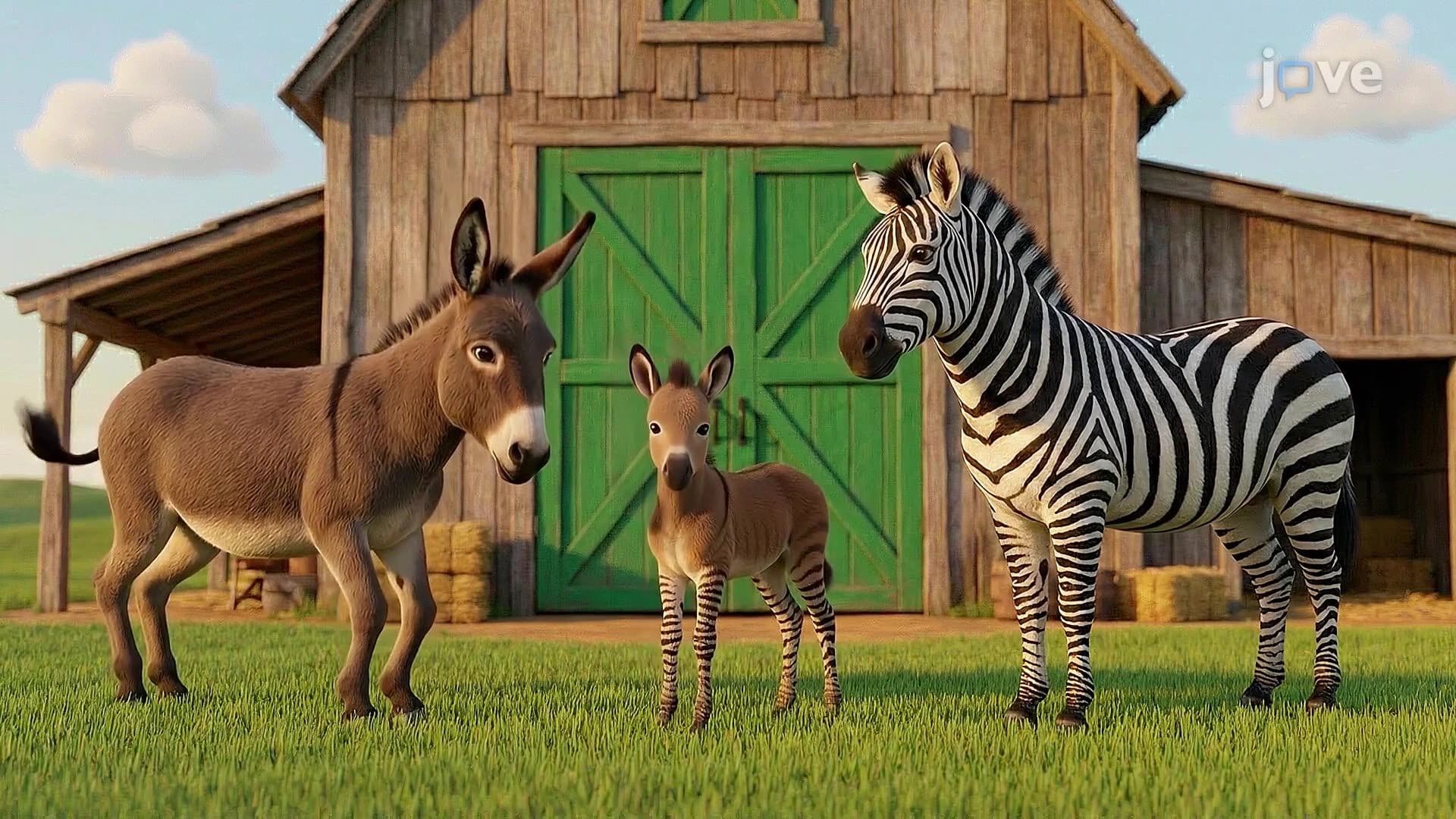
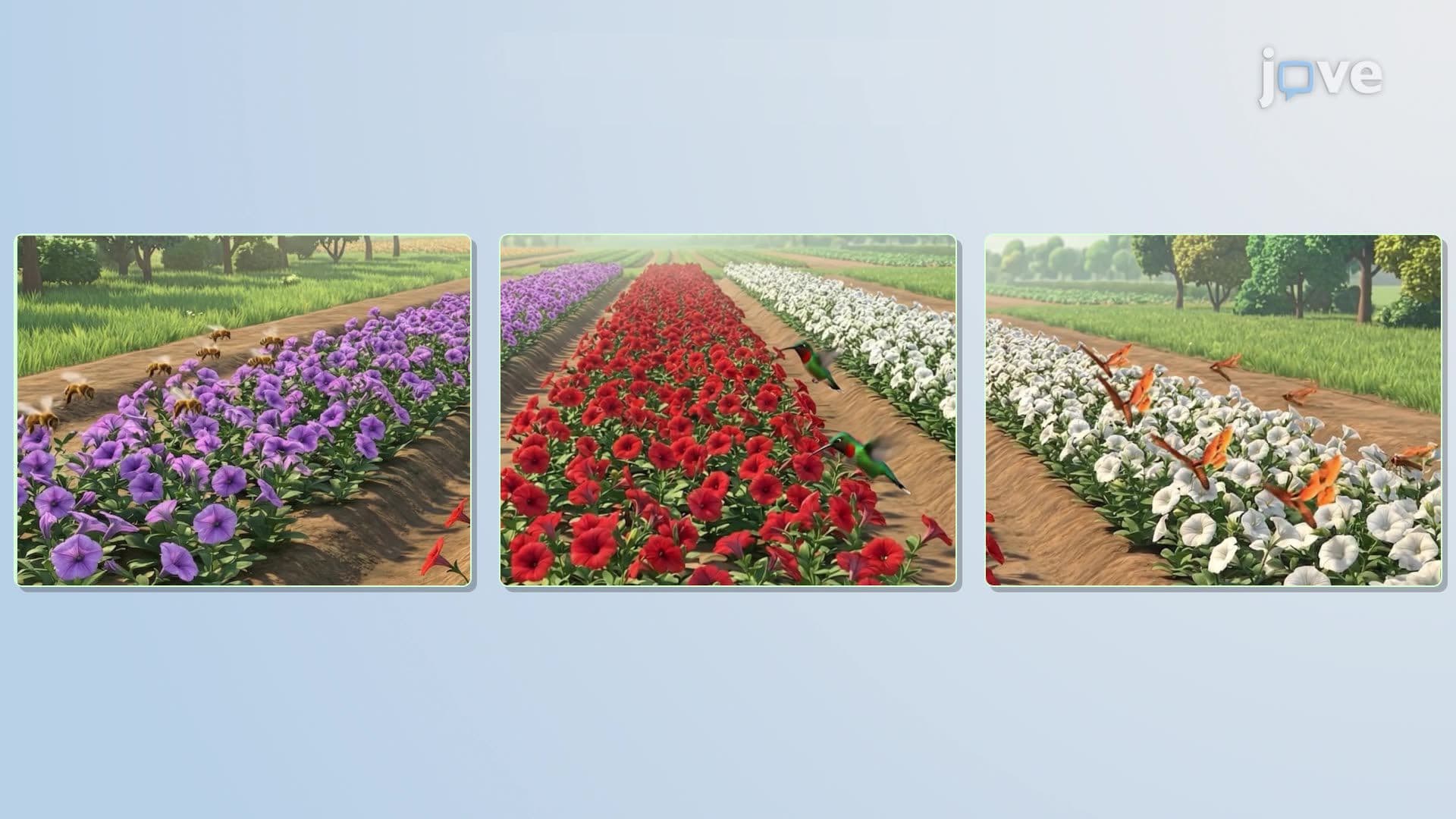
On standardized tests like the AP Biology exam and college assessments, students must distinguish between pre-zygotic and post-zygotic reproductive barriers. Pre-zygotic barriers prevent fertilization through mechanisms like habitat isolation, temporal isolation (different breeding seasons), or gametic incompatibility. Post-zygotic barriers allow fertilization but result in inviable or sterile offspring, like mules produced from horse-donkey crosses.
Understanding speciation patterns helps students tackle evolutionary biology questions on the MCAT, where test-takers analyze phylogenetic trees and predict speciation outcomes based on environmental changes or population genetics principles.
Related Micro-courses