Loading subject page…

- Biology
- Speciation and Diversity
- Speciation Rates
Micro-course: Speciation and Diversity
155,000 views
Learn key concepts and earn your certificate.


Speciation Rates


00:00
01:07
Video Summary: What Is Speciation Rates
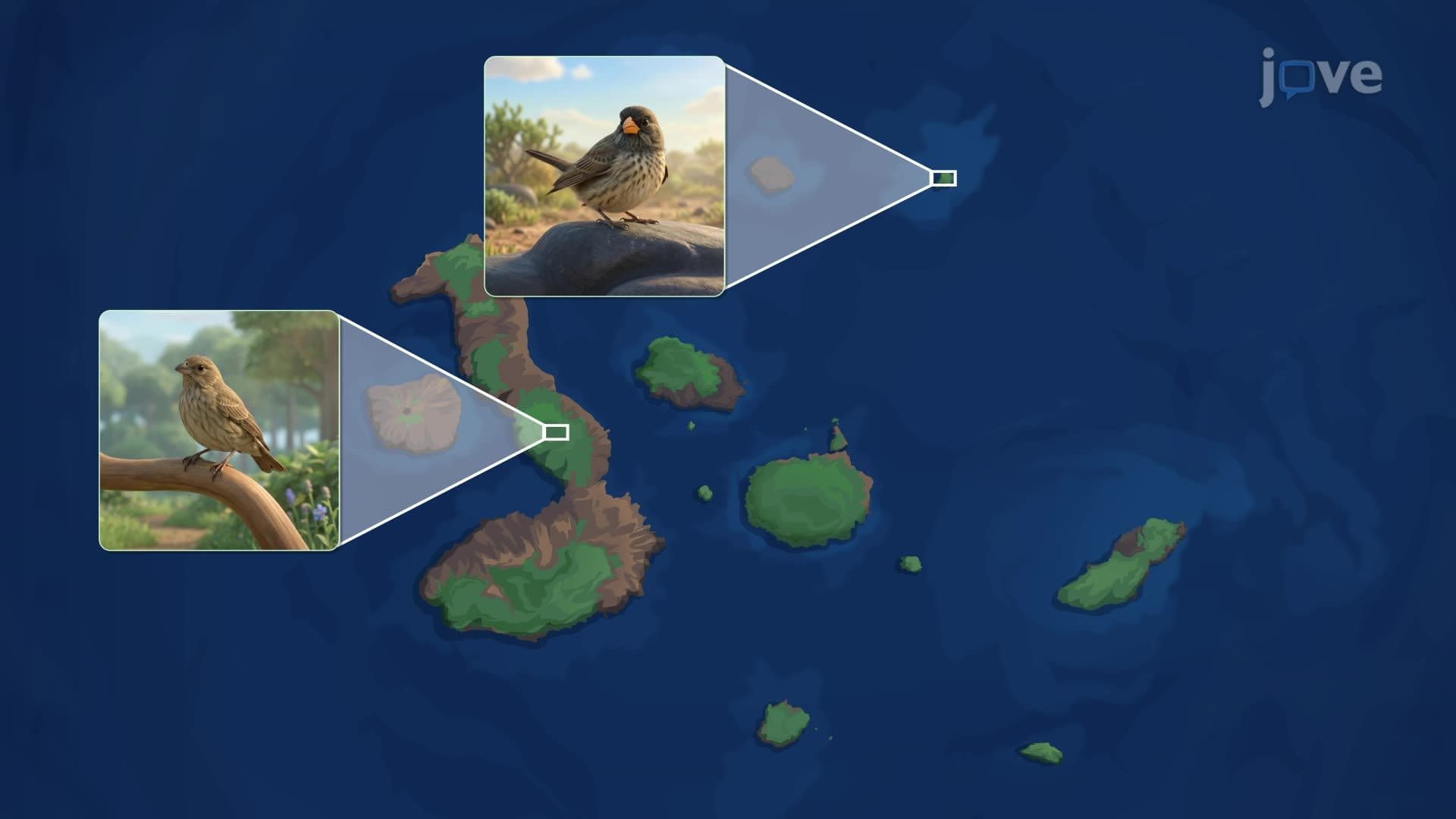
Ever wonder why Darwin's finches in the Galápagos evolved beaks so differently, while some cichlid fish species in Lake Michigan remain virtually unchanged for millions of years? Speciation rates explain the fascinating tempo of evolution-how quickly or slowly new species emerge from existing populations. The process involves complex interactions between reproductive barriers, environmental pressures, and genetic fitness that determine whether populations diverge into distinct species rapidly or maintain stability over geological time. Watch the full video on JoVE Coach to master this concept with expert-led visuals and step-by-step explanations.
- Understand what is speciation rates and how they measure the tempo of evolutionary change in biological populations over time
- Identify the key factors that influence speciation rates, including reproductive barriers, gene flow, and environmental conditions
- Analyze the difference between reinforcement and stability processes in determining whether populations continue to diverge or merge back together
- Compare gradual versus rapid speciation patterns and their underlying mechanisms in natural populations
- Evaluate how reproductive fitness of hybrid offspring affects the continuation or cessation of speciation processes
- Apply knowledge of speciation rates to predict evolutionary outcomes in isolated populations under different environmental pressures
- Recognize real-world examples of varying speciation rates in different ecosystems and taxonomic groups
- Explore the relationship between geographic isolation, gene flow, and the timeline of species formation
Understanding What is Speciation Rates in Evolutionary Biology
Speciation rates represent the speed at which new species arise from existing populations through evolutionary processes. This fundamental concept in evolutionary biology helps scientists understand why some groups of organisms diversify rapidly while others remain relatively unchanged for millions of years. The rate of speciation depends on multiple interconnected factors that either accelerate or slow down the formation of reproductive barriers between populations.
Mechanisms Controlling Speciation Rates
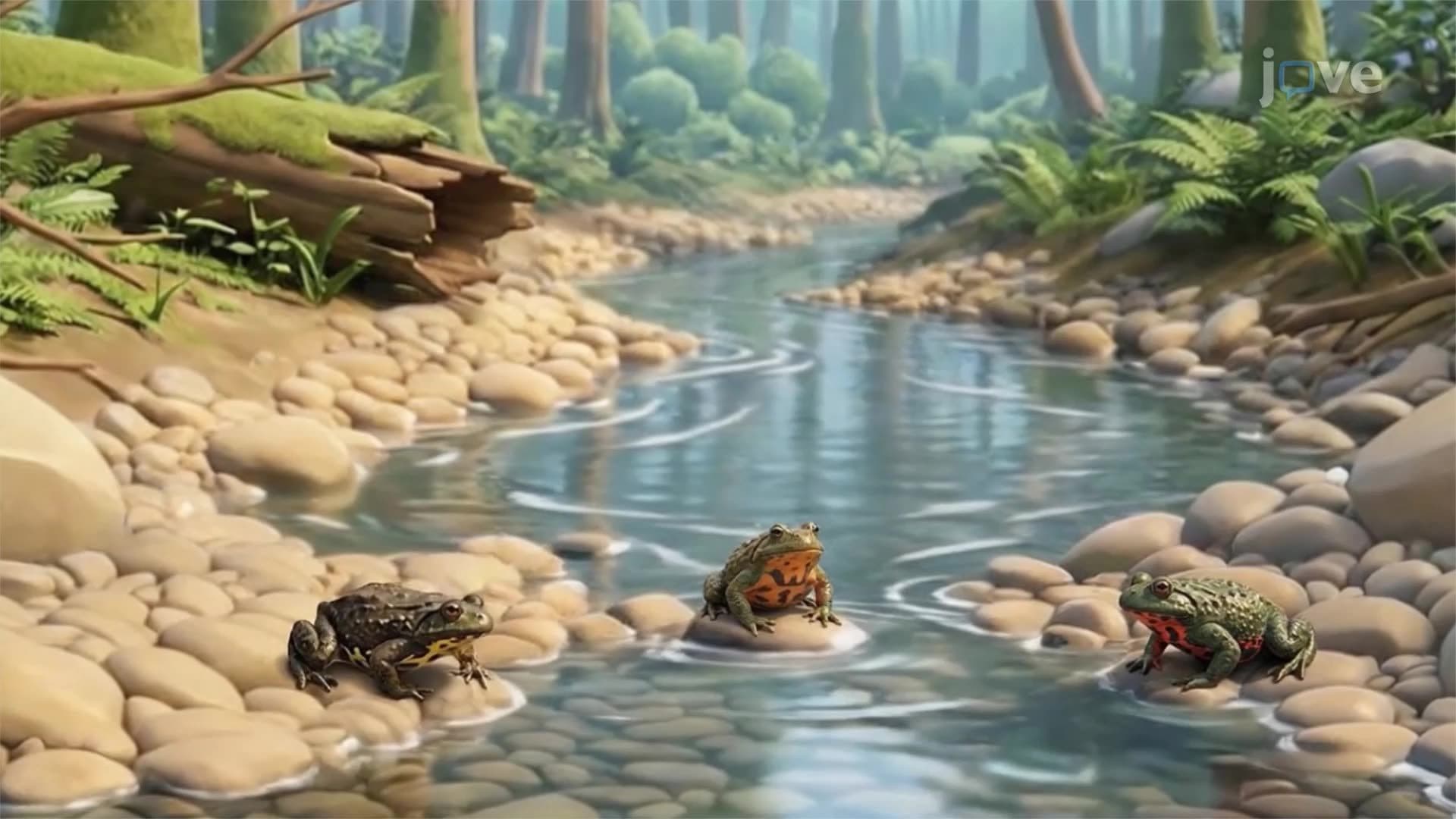
The primary drivers of speciation rates include reproductive isolation, gene flow patterns, and selective pressures. When populations become geographically separated-such as fish populations in different lakes or bird populations on separate islands-they may begin to diverge genetically. However, the rate of this divergence varies dramatically. For instance, cichlid fish in African lakes have undergone explosive speciation, generating hundreds of species in just thousands of years, while horseshoe crabs have remained virtually unchanged for 450 million years.
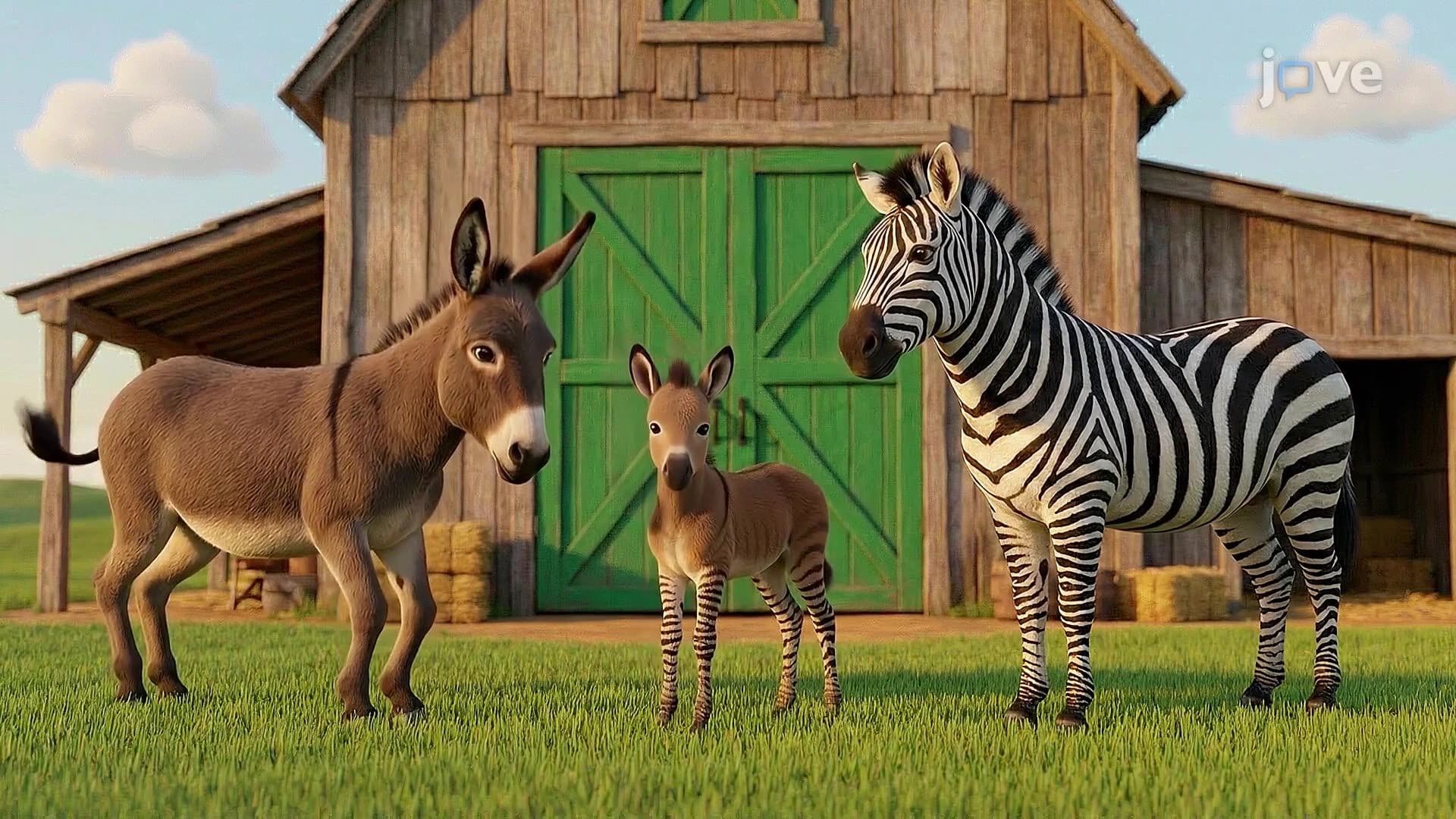
Reinforcement plays a crucial role in accelerating speciation rates. When hybrid offspring between diverging populations show reduced fitness compared to their parents, natural selection favors traits that prevent interbreeding. This process strengthens reproductive barriers and speeds up species formation. Conversely, if hybrids are more fit than their parents, gene flow may resume, slowing or halting the speciation process through what scientists call stability.
Environmental Factors and Speciation Tempo
Environmental conditions significantly influence speciation rates through their effects on population size, selection pressures, and geographic isolation. Rapidly changing environments-such as those created by climate change, volcanic activity, or human activities-can accelerate speciation by creating new selective pressures. The formation of the Isthmus of Panama approximately 3 million years ago provides an excellent example: it separated marine populations and led to rapid speciation as Atlantic and Pacific populations diverged.
Applications in Modern Biology and Exam Contexts
Understanding speciation rates proves essential for AP Biology students, pre-med MCAT preparation, and college evolutionary biology courses. Exam questions often focus on identifying factors that increase or decrease speciation rates, analyzing phylogenetic trees to determine speciation patterns, and predicting evolutionary outcomes based on environmental changes. Students should master the relationship between geographic isolation, reproductive barriers, and speciation tempo, as these concepts frequently appear in multiple-choice and free-response questions on standardized tests.
Frequently Asked Questions
Speciation rates measure how quickly new species form from existing populations over evolutionary time. Unlike mutation rates that track genetic changes, or extinction rates that measure species loss, speciation rates specifically quantify the tempo of new species formation. These rates help scientists understand evolutionary patterns and predict biodiversity changes in different environments.
Speciation rates commonly appear in AP Biology Unit 7 (Natural Selection) and college evolution courses through phylogenetic tree analysis, data interpretation questions, and essay prompts about adaptive radiation. Students must identify factors affecting speciation tempo, compare rates across different taxa, and explain mechanisms like reinforcement and stability. MCAT biological sciences sections also test these concepts in evolution and ecology contexts.
Geographic isolation, environmental changes, and population size primarily control speciation rates. Rapid environmental change, small isolated populations, and strong selective pressures typically increase speciation rates, while large populations with high gene flow and stable environments slow species formation. Sexual selection and polyploidy in plants can also dramatically accelerate speciation processes.
Hawaiian honeycreeper birds demonstrate dramatic variation in speciation rates within US ecosystems. After ancestral finches colonized the Hawaiian islands, they underwent explosive adaptive radiation, evolving into over 140 species in just 5-6 million years-an extremely rapid speciation rate. However, habitat destruction has now caused many species to go extinct, effectively reversing this rapid diversification.
No advanced mathematics or chemistry is required to grasp speciation rate concepts. Basic understanding of population genetics, natural selection, and geographic isolation provides sufficient foundation. Students with solid high school biology knowledge can successfully master this topic through careful study of evolutionary mechanisms and practice with real-world examples and data interpretation.
Create comparison charts showing fast versus slow speciation examples, practice analyzing phylogenetic trees to identify speciation events, and memorize key factors that influence speciation tempo. Focus on understanding cause-and-effect relationships rather than memorizing definitions. Use active recall by explaining speciation rate scenarios out loud and connecting concepts to current conservation issues.
Speciation rates link directly to adaptive radiation, phylogenetics, biogeography, and conservation biology. After mastering this concept, explore punctuated equilibrium versus gradualism, molecular clocks for dating speciation events, and the role of hybridization in evolution. These advanced topics frequently appear in upper-level biology courses and graduate school entrance exams.
Intrinsic biological factors like generation time, reproductive strategy, and genetic architecture affect speciation rates. Organisms with short generation times, high reproductive rates, and simple genetic systems often speciate faster than those with long lifespans and complex genetics. Environmental factors like habitat diversity and isolation patterns also create opportunities for rapid versus slow speciation in different lineages.
Related Micro-courses