Loading…
Loading video…
6,337 views
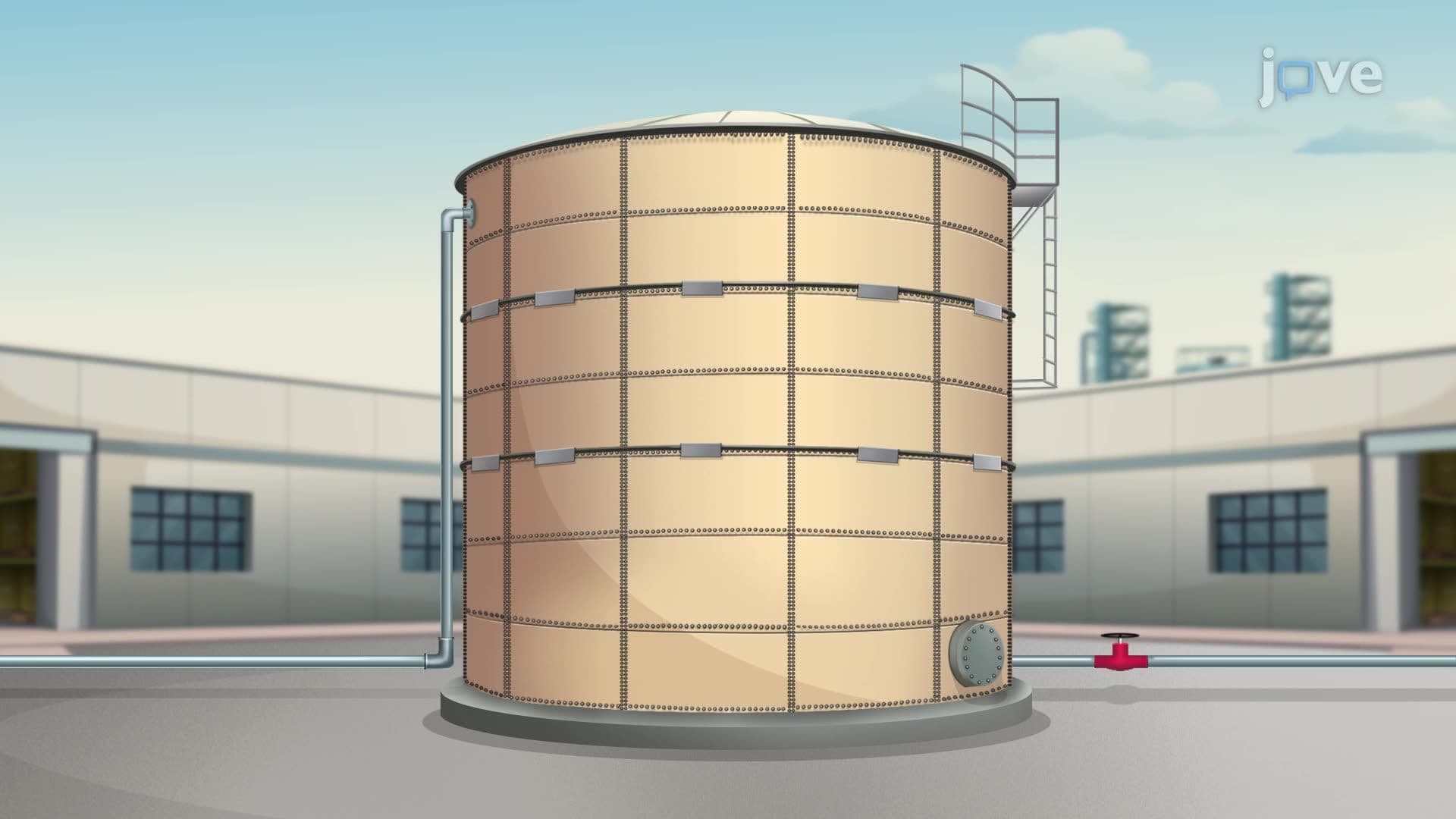
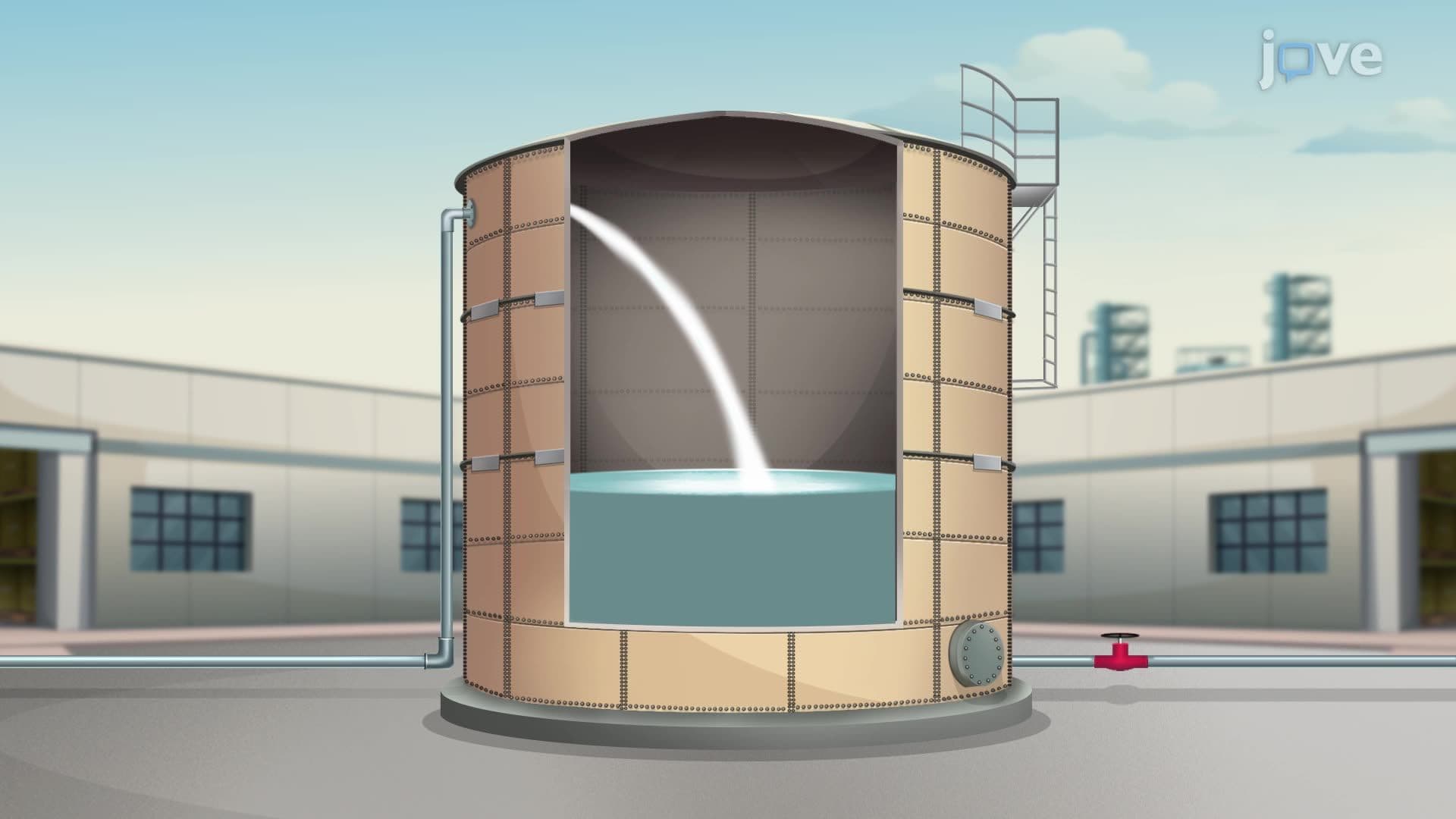
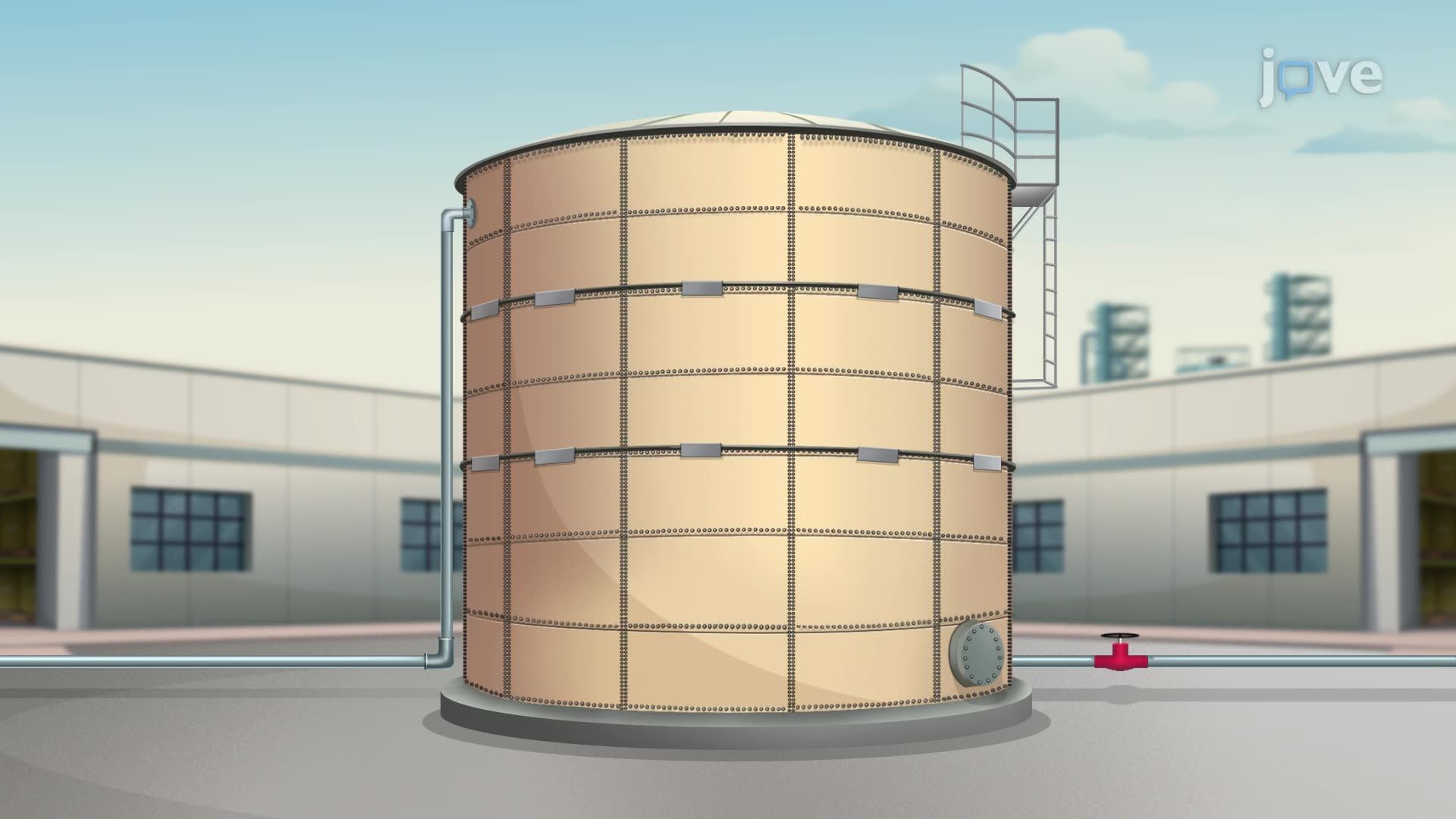
Ever wonder how engineers at a US water treatment facility calculate exactly how much water fills a storage tank — even when the flow rate keeps changing? That's where indefinite integrals come in. This concept, a cornerstone of indefinite integrals basics, transforms a changing rate into a total quantity function — revealing volume, distance, or growth at any point in time. Watch the full video on JoVE Coach to master this concept with expert-led visuals and step-by-step explanations.
An indefinite integral is the mathematical tool that answers this question: *if I know how fast something is changing, can I find the total amount accumulated over time?* In calculus, this is the process of antidifferentiation — working backward from a rate of change to find the original quantity function. Unlike definite integrals, which return a specific numerical value over a fixed interval, indefinite integrals return a family of functions, each differing by a constant. That constant — written as *C* — is the constant of integration, and it accounts for any initial condition baked into the problem.
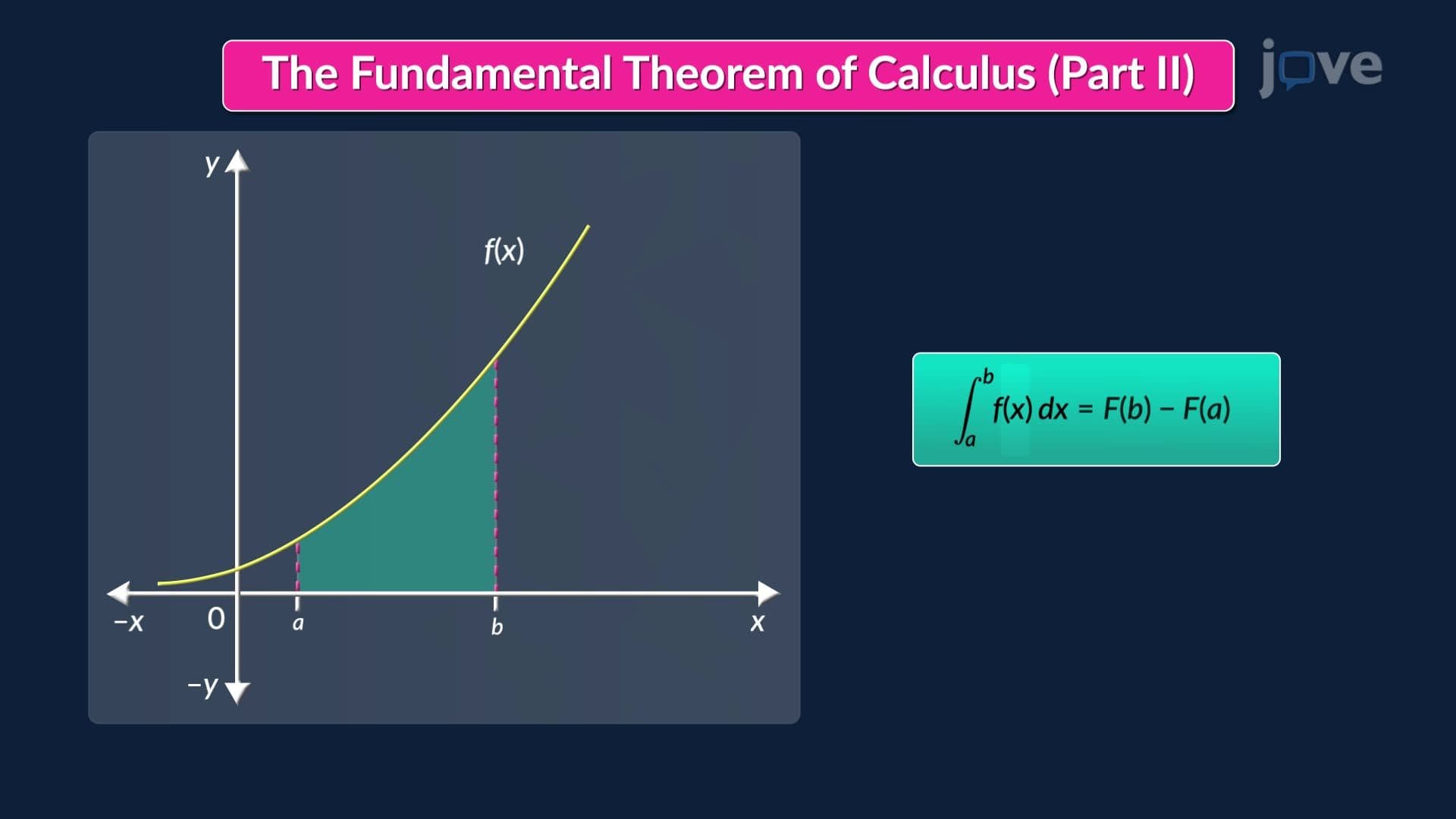
At the heart of indefinite integrals is the concept of an antiderivative. If F(x) is a function whose derivative is f(x), then F(x) is called the antiderivative of f(x), and the indefinite integral of f(x) is written as ∫f(x) dx = F(x) + C. For example, the antiderivative of 2x is x² + C, because differentiating x² gives 2x. This reverse relationship is formalized by the Fundamental Theorem of Calculus, which bridges differentiation and integration — one of the most powerful ideas in all of mathematics and a guaranteed topic in AP Calculus AB and BC.
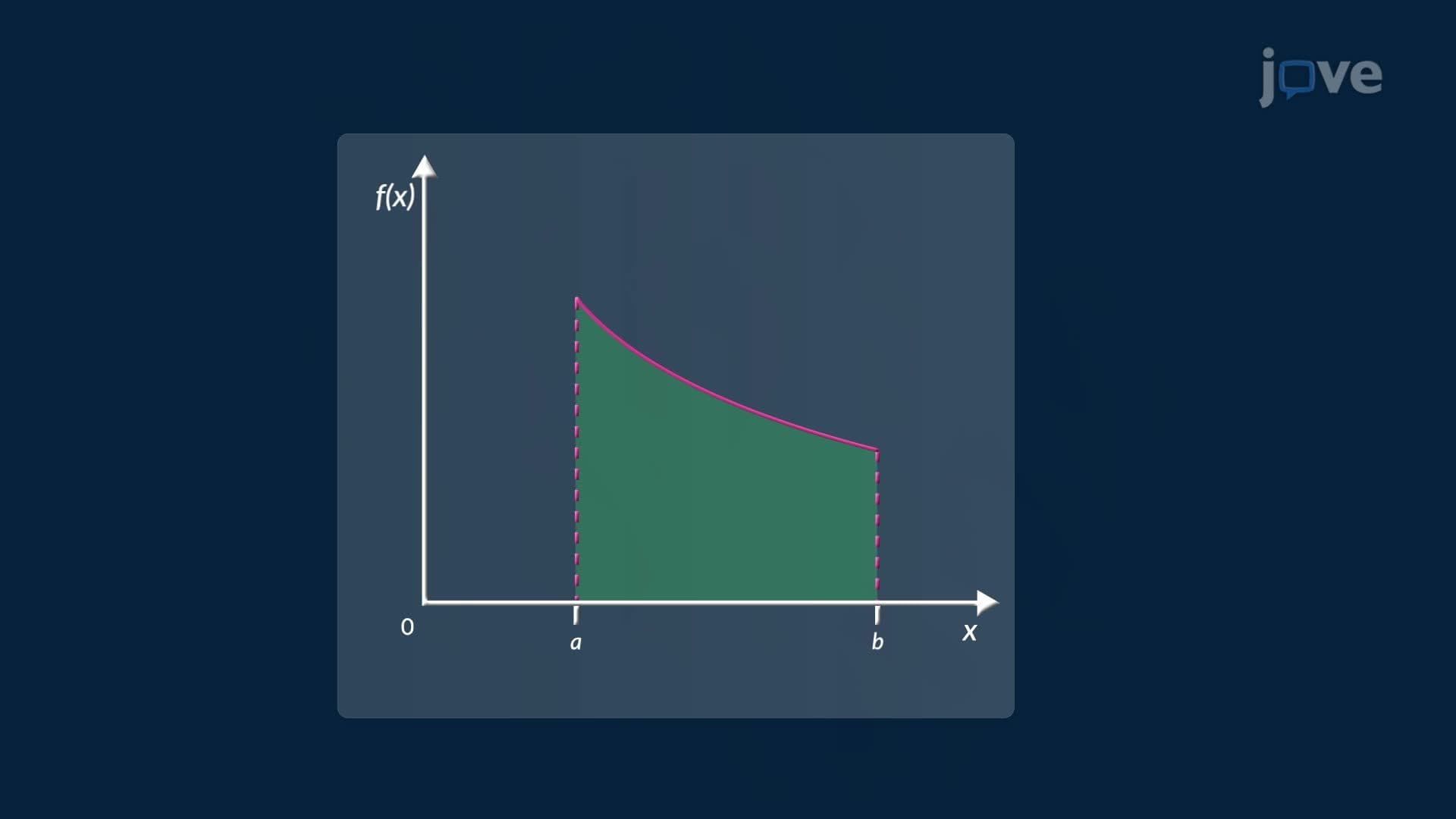
Students often confuse these two types. A definite integral has upper and lower limits of integration and produces a single number — typically representing an area under a curve or net change over an interval. An indefinite integral has no bounds; it produces a general function. Think of it this way: if a definite integral tells you how much water filled a tank *between hour 1 and hour 3*, an indefinite integral gives you the formula to find the volume *at any time*. On AP Calculus exams and college midterms, questions often test whether students correctly attach the constant *C* to indefinite results — a common and costly oversight.
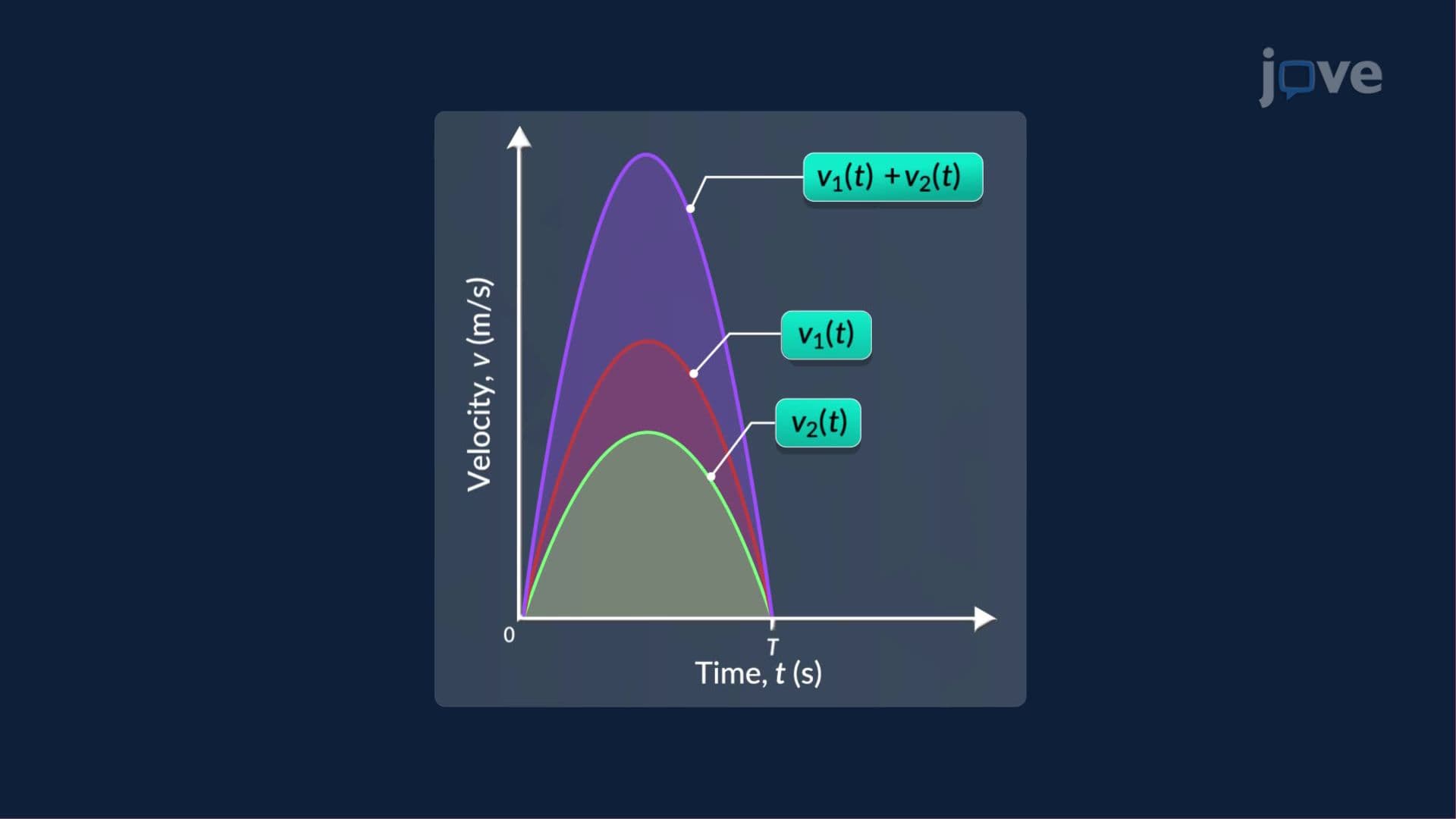
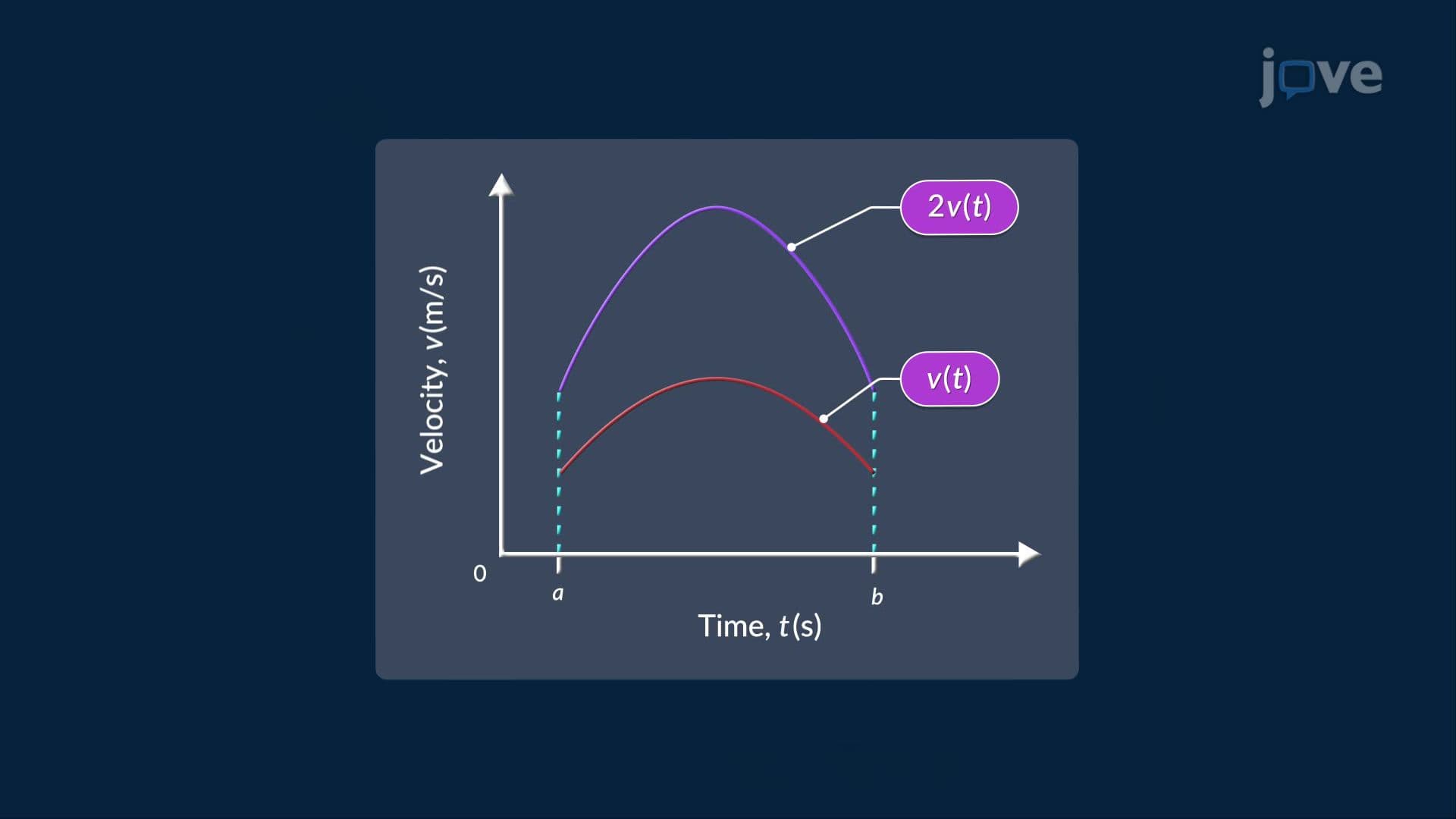
Indefinite integrals appear everywhere in science and engineering. In physics, integrating acceleration gives velocity; integrating velocity gives position. In environmental science, US agencies like the EPA model pollutant accumulation by integrating time-varying emission rates. In economics, integrating a marginal cost function recovers the total cost function. Knowing how to calculate integrals starts with mastering basic rules: the Power Rule (∫x^n dx = x^(n+1)/(n+1) + C), the Constant Multiple Rule, and the Sum Rule. These properties of integrals allow complex expressions to be broken into manageable pieces. For students preparing for AP Calculus, STEM college courses, or even the math section of standardized tests, fluency with these integration rules is non-negotiable. Practice by starting with polynomial functions — like the linear inflow rate example — and build toward trigonometric and exponential integrals as confidence grows.
Frequently Asked Questions
An indefinite integral finds a general antiderivative function — it has no bounds and always includes a constant of integration, C. A definite integral evaluates that function between two specific limits to produce a single numeric result. In short, indefinite integrals give you a formula; definite integrals give you a number. Both concepts are deeply connected through the Fundamental Theorem of Calculus. ---
Yes — indefinite integrals are a core topic on both AP Calculus AB and AP Calculus BC. You can expect multiple-choice and free-response questions that ask you to find antiderivatives, apply integration rules, and use initial conditions to solve for the constant C. Mastering the Power Rule and basic antiderivative formulas is essential for scoring well on these sections. ---
In college-level Calculus I and II courses, indefinite integrals form the foundation of entire units on integration techniques. Homework problems typically involve polynomial, trigonometric, and exponential functions, and midterms frequently test whether students apply the correct rules and remember to include the constant of integration. Building strong fluency early prevents common errors that cost points later. ---
Riemann sums are typically introduced to build intuition for definite integrals — they show how area under a curve is approximated using rectangles. Indefinite integrals are conceptually more tied to antiderivatives and differentiation. If you're comfortable with basic derivatives and the Power Rule, you already have the foundation needed to start working with indefinite integrals. ---
Civil engineers at firms like AECOM or Bechtel use indefinite integrals to model fluid flow in pipelines and storage systems — exactly like the water tank scenario. NASA engineers integrate acceleration data to track spacecraft velocity and position. In finance, economists integrate marginal revenue functions to recover total revenue models used in business planning. ---
Not at all — indefinite integrals are introduced in AP Calculus AB, which is a standard high school course for motivated students in grades 11 and 12. The core idea of reversing a derivative is straightforward once you're comfortable with differentiation rules. Starting with simple polynomial functions, like linear or quadratic expressions, makes the learning curve very manageable. ---
A practical strategy is to treat C as part of the definition — not an afterthought. Every time you write an indefinite integral answer, immediately ask: "Do I have my + C?" On AP exams and college tests, omitting C on an indefinite integral is marked incorrect even if the rest of the work is right. Practice writing the full answer, including C, from day one to make it automatic. ---
Once you're confident with indefinite integrals, the logical next step is integration techniques — including u-substitution, integration by parts, and trigonometric integrals. You should also explore how indefinite integrals connect to definite integrals through the Fundamental Theorem of Calculus, which opens the door to calculating areas, volumes of solids of revolution, and applications in physics and engineering.
Area Between Curves: Integrating With Respect to x explores a complementary area of Calculus, while Indefinite Integrals focuses on the specific concept covered in this video. Understanding both helps you build a stronger foundation in Calculus.
A basic understanding of Application of Integration: Problem Solving is helpful before diving into Indefinite Integrals. If you are starting from scratch, the Integrals series builds knowledge progressively, so beginning from the first video requires no prior background in Calculus.
The ideas in Indefinite Integrals show up in everyday Calculus contexts, often alongside concepts like Arc Length of a Curve. This video connects the theory to practical situations you may encounter in coursework or exams.
After Indefinite Integrals, the natural next step is Net Change Theorem in the Integrals series. Following the playlist in order helps concepts build on each other without gaps.
The Indefinite Integrals video runs for 1 minute, so you can cover the core concept in a single focused study session without needing a long block of time.
Related Micro-courses

Related Subjects