Loading subject page…

- Cell Biology
- Cell Death
- Apoptosis
Micro-course: Cell Death
61,302 views
Learn key concepts and earn your certificate.

Apoptosis

00:00
01:30
Video Summary: What Is Apoptosis
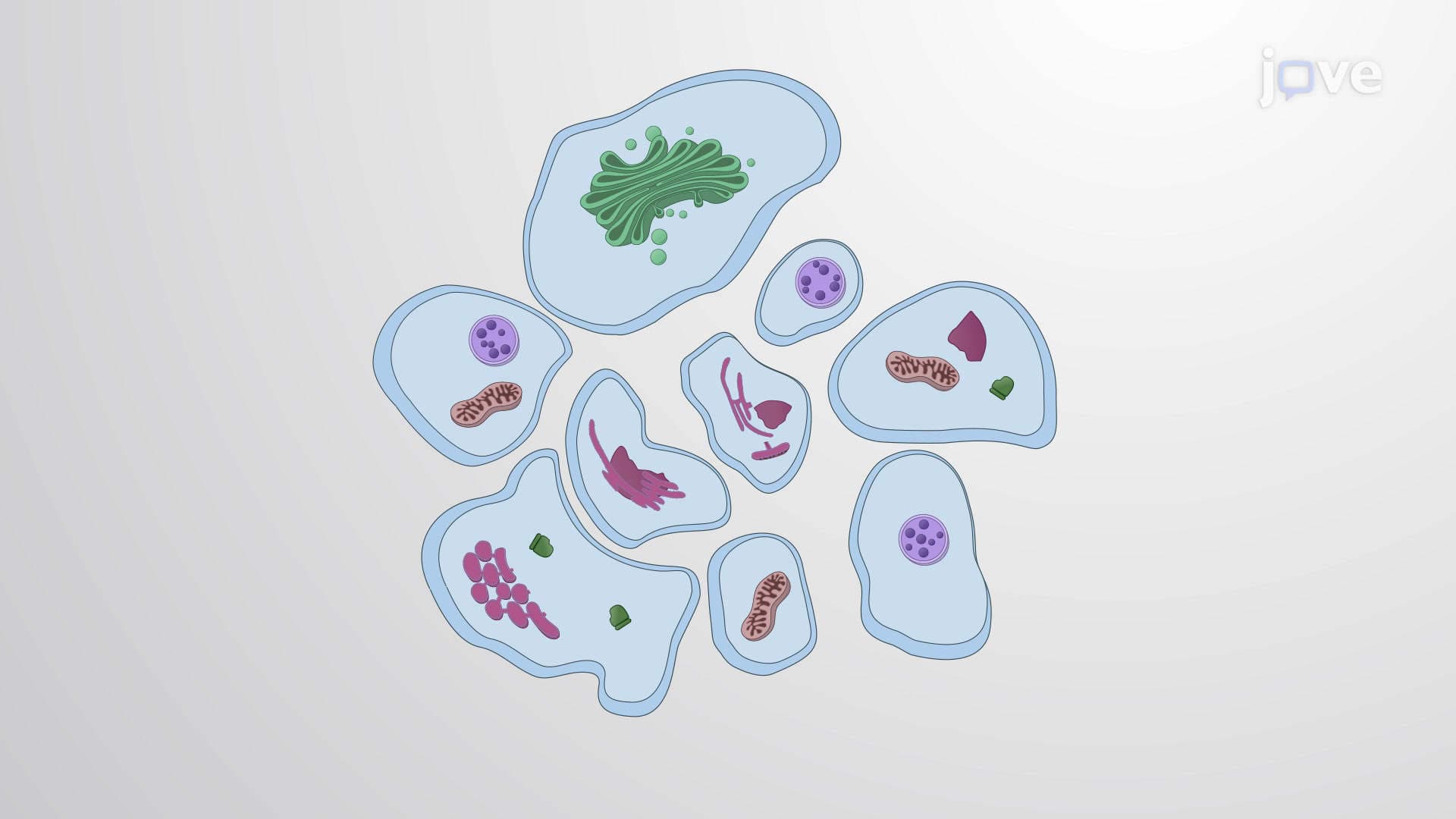
Did you know that approximately 50-70 billion cells in your body die every single day through apoptosis? This programmed cell death is essential for removing damaged cells that could become cancerous, like when UV radiation damages skin cells during a day at the beach. Understanding apoptosis helps explain how our bodies maintain healthy tissue and prevent diseases like cancer. The process involves two main pathways-intrinsic and extrinsic-both leading to controlled cell elimination through specialized enzymes called caspases. Watch the full video on JoVE Coach to master this concept with expert-led visuals and step-by-step explanations.
- Understand what apoptosis is and why programmed cell death is essential for human health and development
- Identify the key differences between intrinsic (mitochondrial-mediated) and extrinsic apoptotic pathways
- Analyze the role of caspases as the primary executioner enzymes in the apoptotic process
- Compare apoptosis to other forms of cell death and explain why it doesn't cause inflammation
- Recognize the morphological changes that occur during apoptosis, including cell shrinkage and nuclear fragmentation
- Apply knowledge of apoptotic triggers like DNA damage, hypoxia, and oxidative stress to real-world scenarios
- Evaluate how death receptors and cytokines initiate the extrinsic pathway of cell death
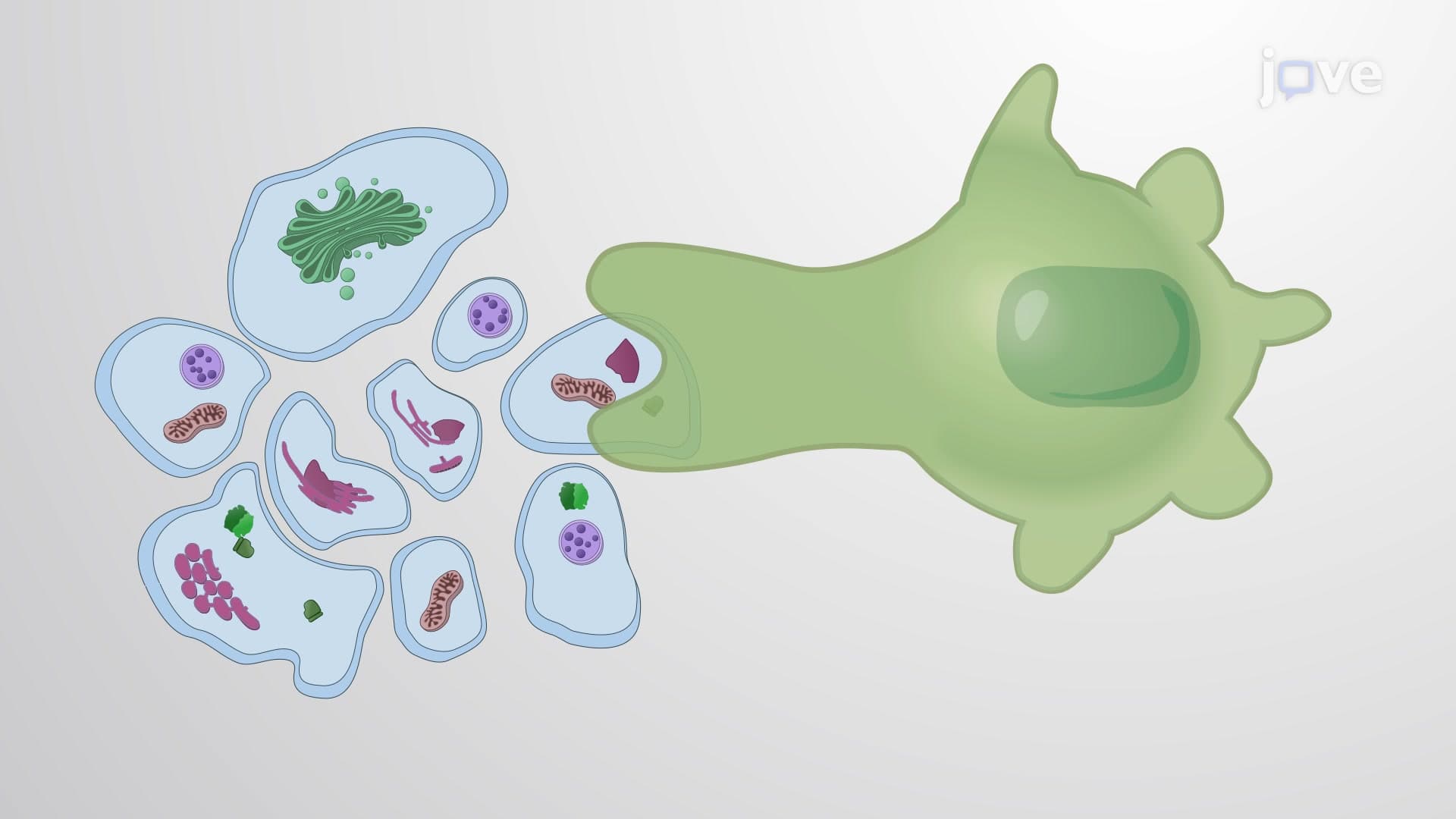
- Explore the formation of apoptotic bodies and their removal by phagocytic cells
Understanding Apoptosis: The Body's Cellular Quality Control
Apoptosis represents one of biology's most elegant solutions to cellular maintenance. Unlike accidental cell death (necrosis), which causes inflammation and tissue damage, apoptosis is a highly regulated process that eliminates cells quietly and efficiently. This mechanism is crucial during embryonic development-for example, the formation of fingers requires apoptosis to remove tissue between developing digits.
The Intrinsic Pathway: Internal Danger Detection
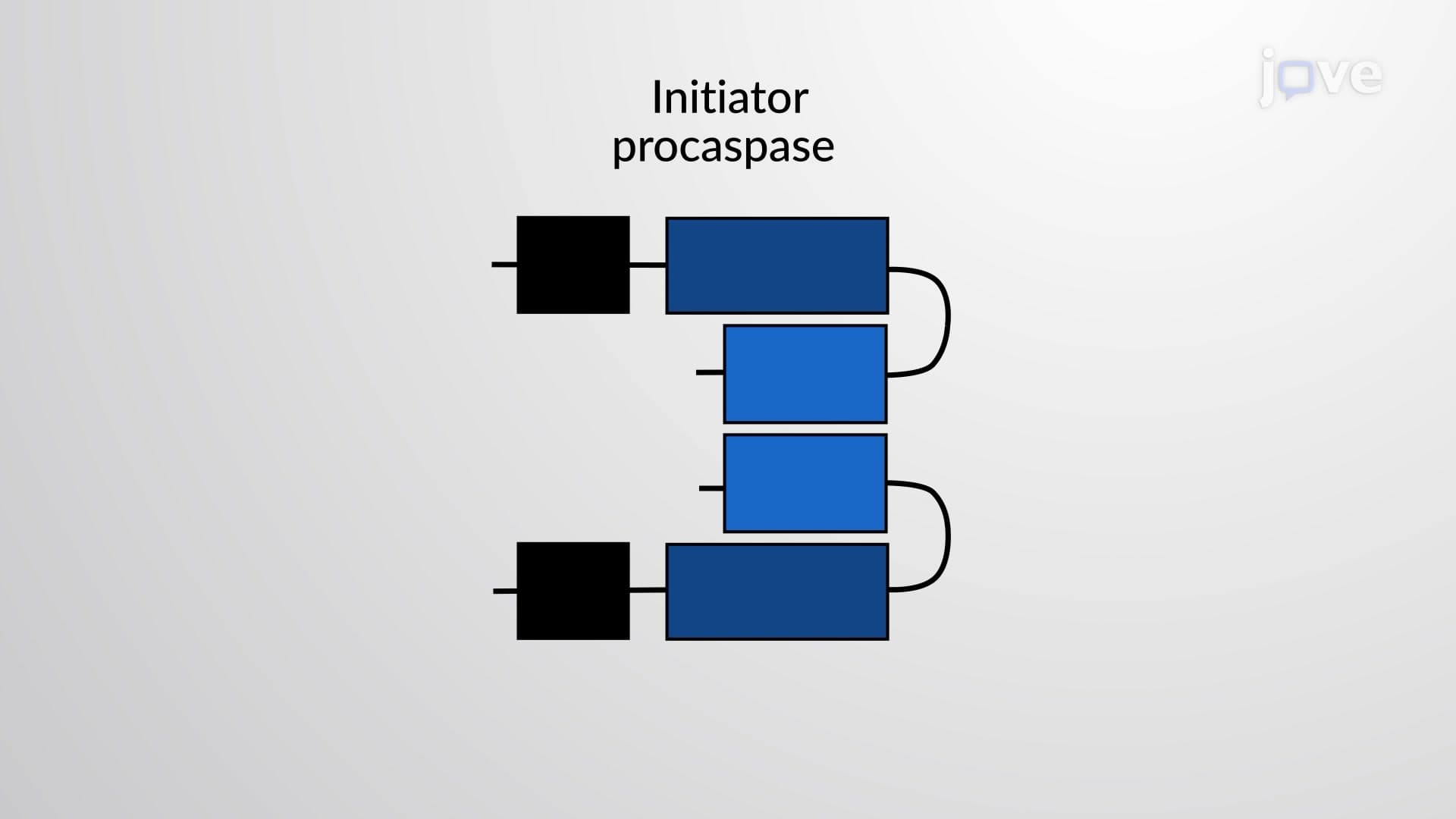
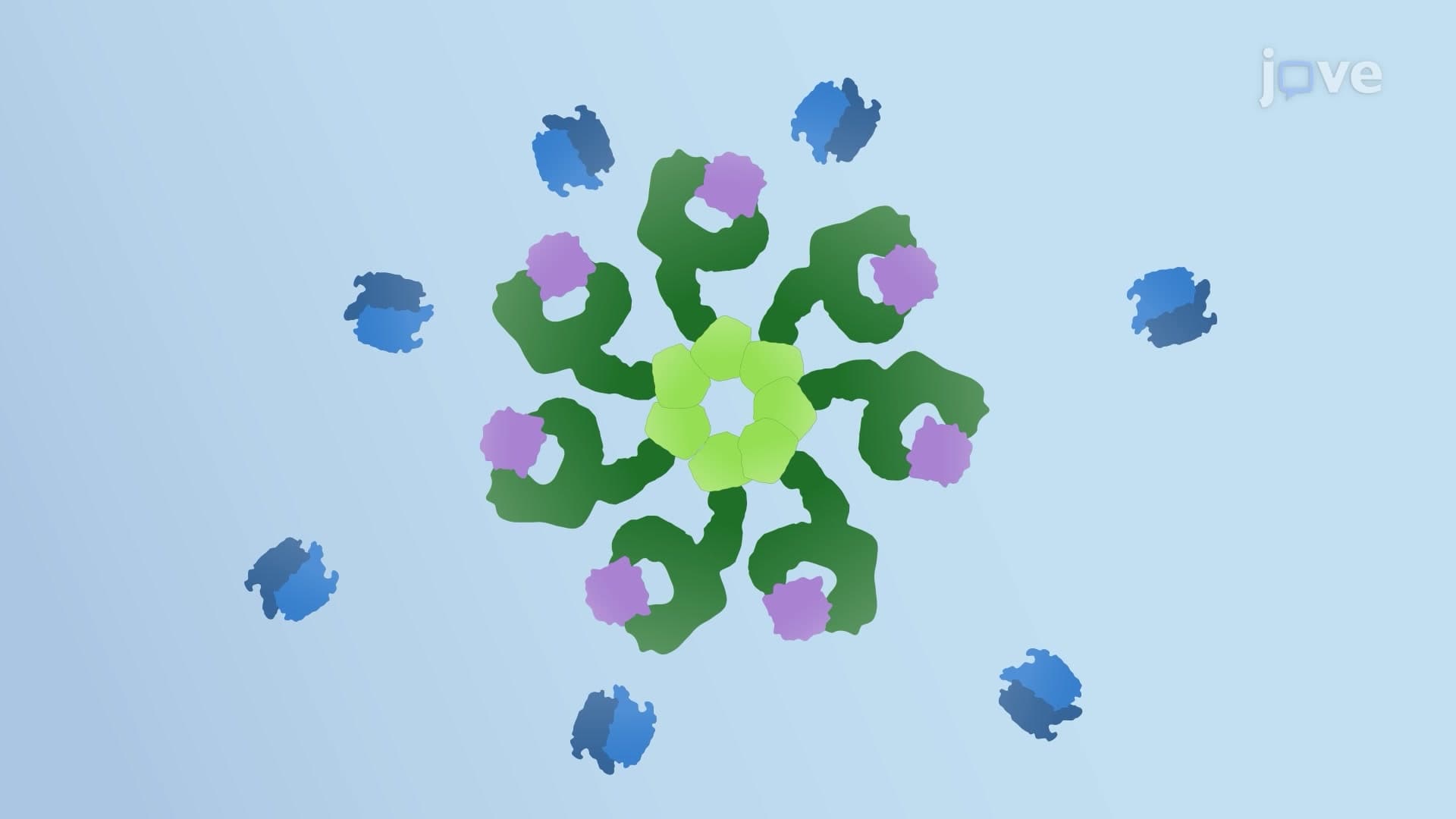
The mitochondrial-mediated pathway activates when cells detect internal threats. DNA damage from chemotherapy drugs, oxygen deprivation during heart attacks, or oxidative stress from environmental toxins all trigger this pathway. Mitochondria release cytochrome c into the cytoplasm, forming a protein complex called the apoptosome. This structure activates initiator caspases, which then trigger a cascade of executioner caspases. Students studying for the MCAT should note that p53, often called the "guardian of the genome," plays a critical role in detecting DNA damage and initiating this pathway.
The Extrinsic Pathway: External Death Signals
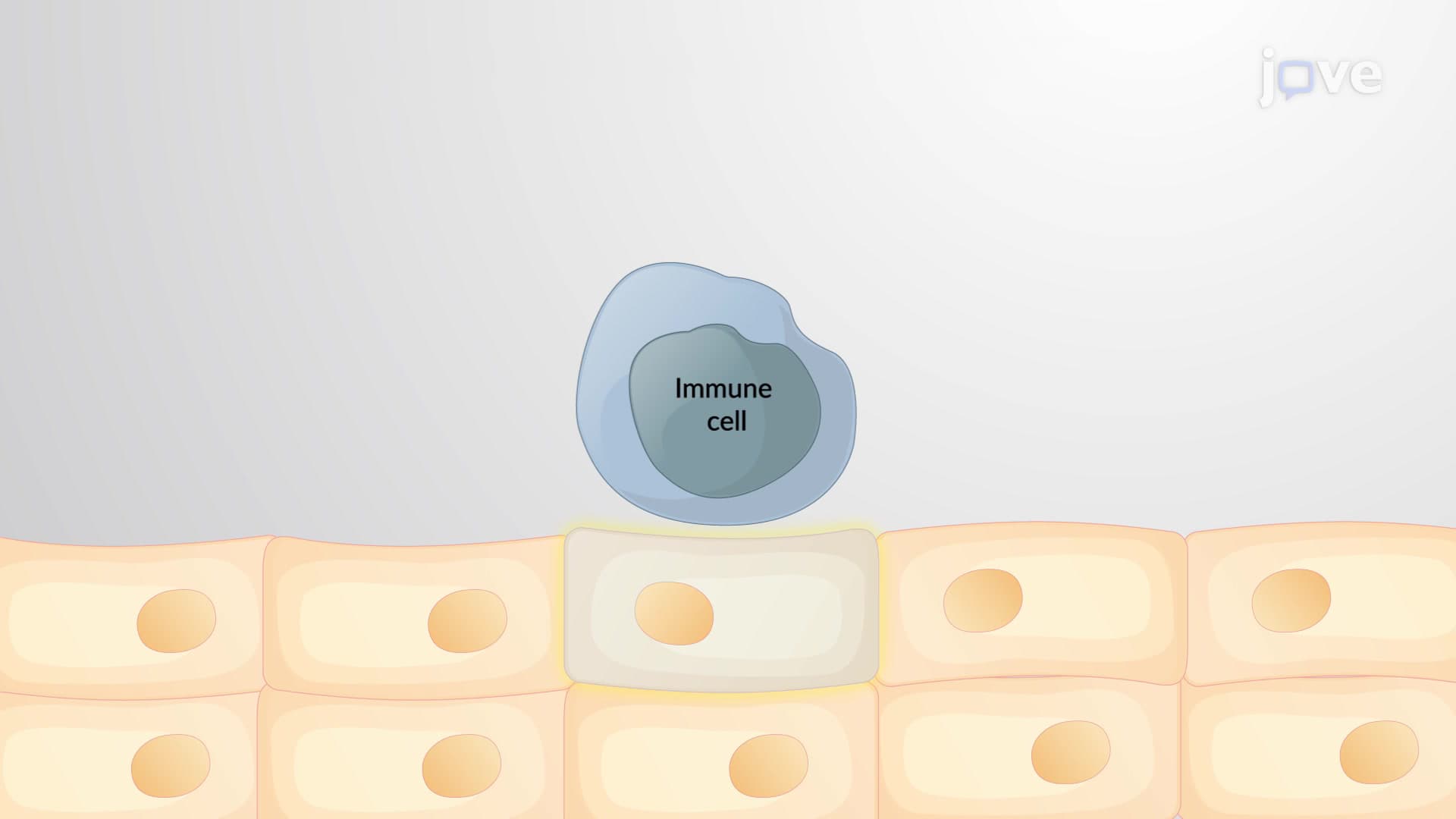
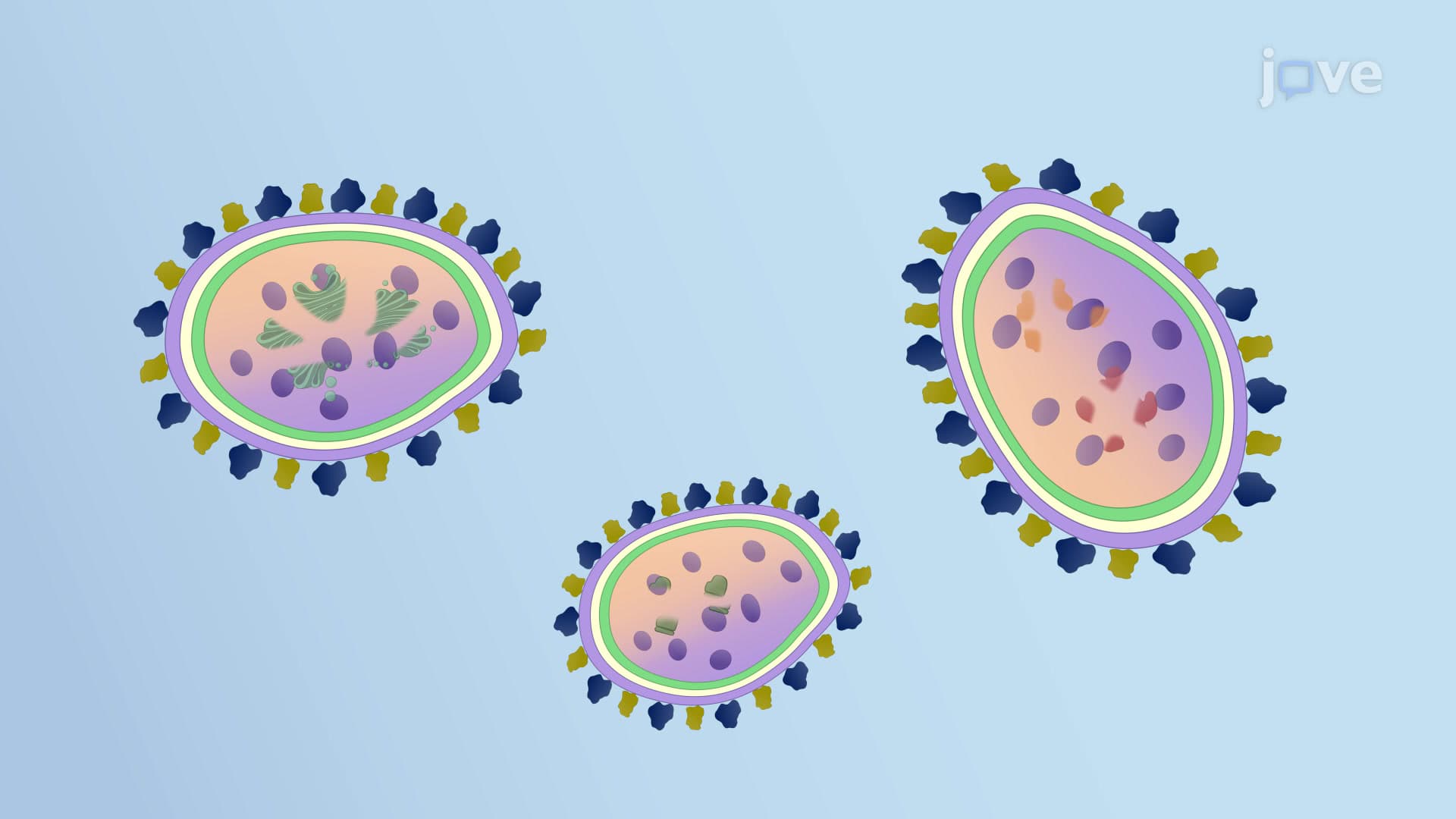
External signals can also trigger apoptosis through death receptors on the cell surface. Immune system cells like T-lymphocytes use this mechanism to eliminate virus-infected cells or cancer cells. When cytokines such as TNF-alpha bind to death receptors, they directly activate initiator caspases without involving mitochondria. This pathway is particularly important in autoimmune diseases and cancer immunotherapy treatments used in major US cancer centers like MD Anderson and Memorial Sloan Kettering.
Caspases: The Molecular Executioners
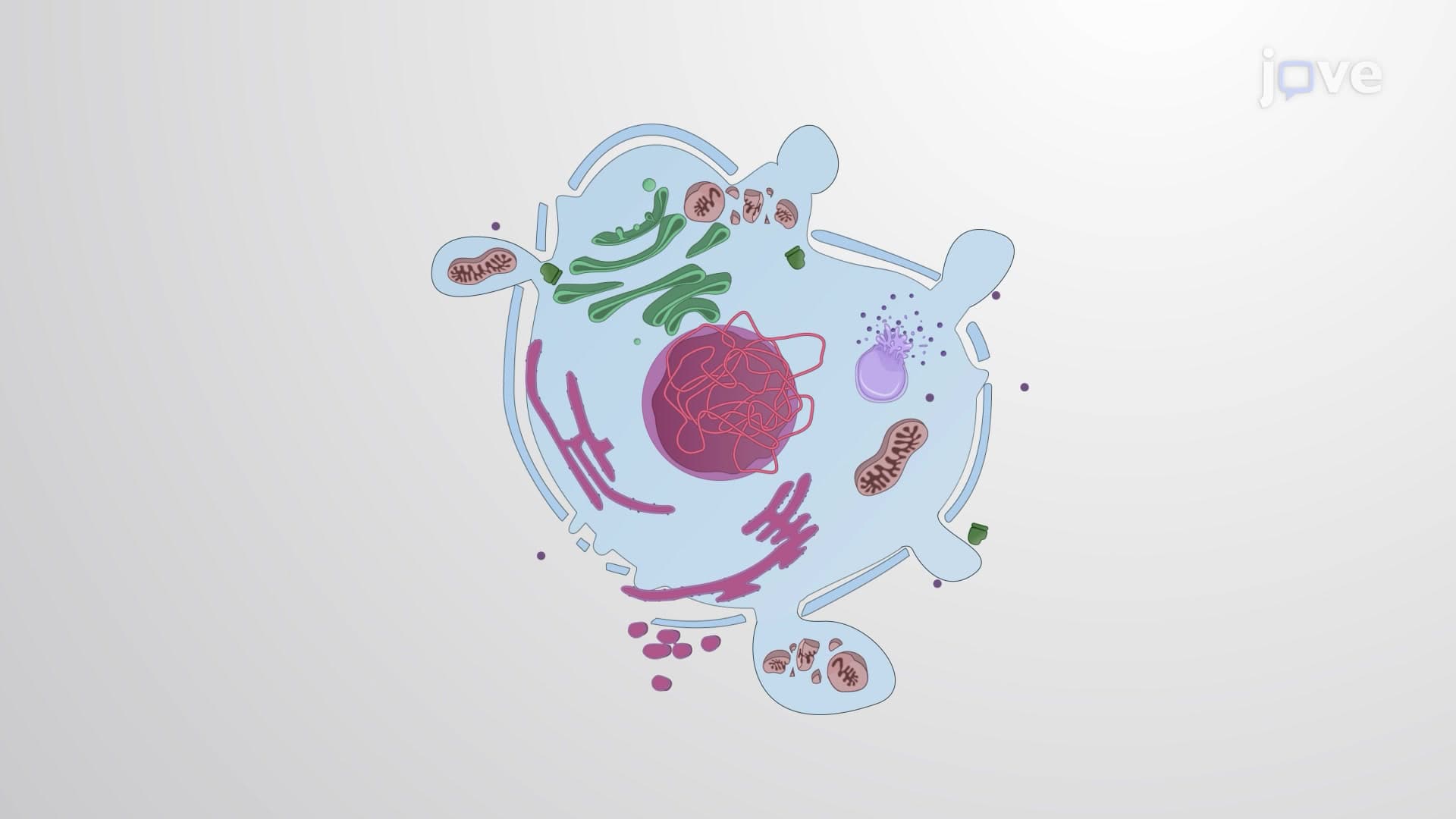
Caspases function as the central executioners of apoptosis. These cysteine proteases exist as inactive precursors until activated by specific signals. Once activated, they cleave hundreds of cellular proteins, leading to the characteristic features of apoptosis: cell shrinkage, chromatin condensation, and plasma membrane blebbing. For AP Biology students, understanding caspase activation represents a key example of enzyme regulation and signal transduction.
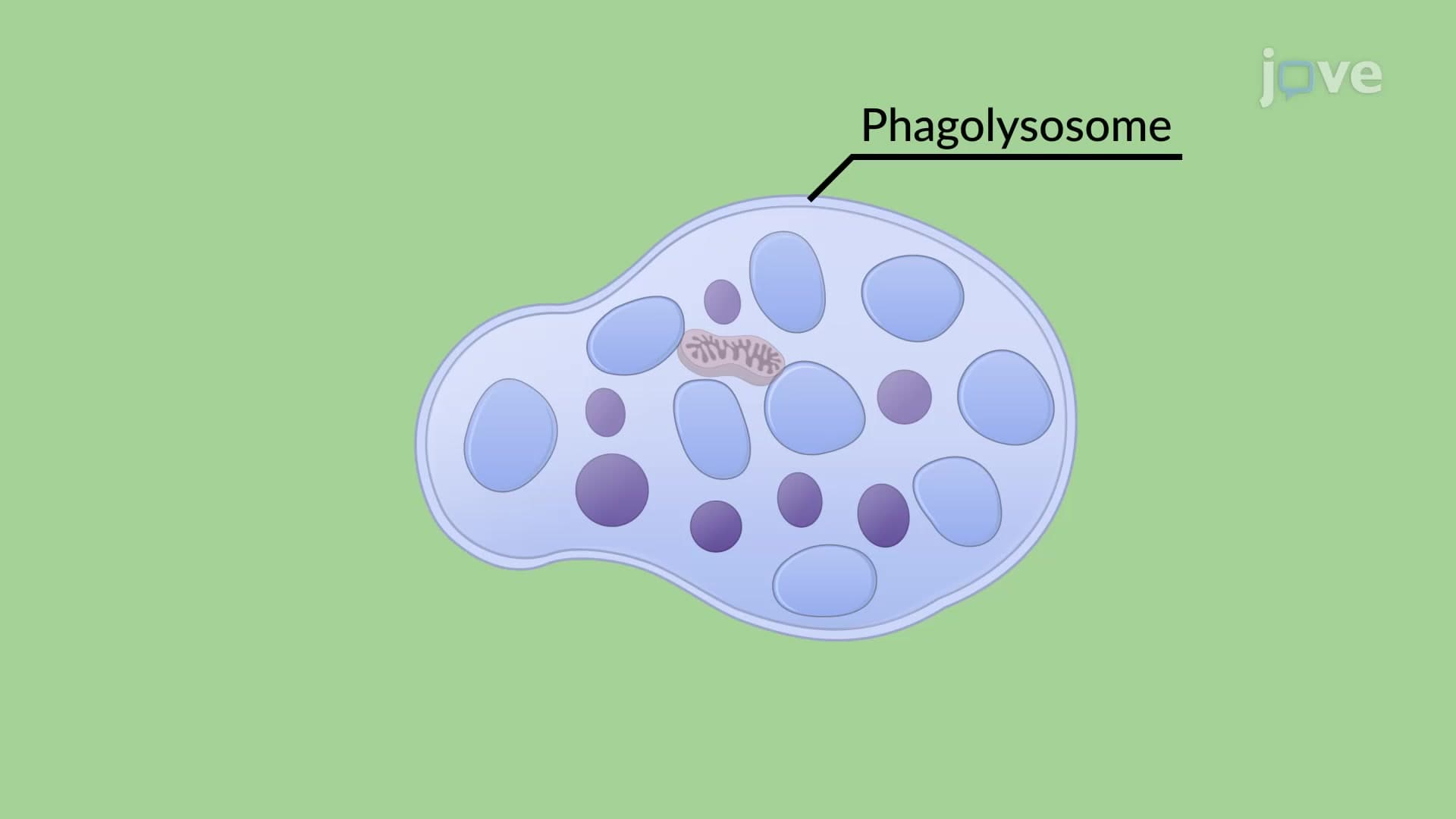
The final stage involves packaging cellular contents into membrane-bound apoptotic bodies, which are quickly engulfed by macrophages. This "silent" removal prevents the release of inflammatory contents and maintains tissue homeostasis-a concept frequently tested on college biochemistry exams.
Frequently Asked Questions
Apoptosis is programmed cell death that occurs in a controlled, organized manner without causing inflammation or damage to surrounding tissues. Unlike necrosis (accidental cell death), apoptosis involves specific molecular pathways that systematically dismantle the cell while packaging its contents for safe removal by immune cells.
MCAT questions often focus on the molecular mechanisms of intrinsic vs. extrinsic pathways, caspase cascades, and the role of p53 in DNA damage responses. AP Biology typically emphasizes apoptosis in development, homeostasis, and cancer prevention. Practice identifying pathway triggers and understanding why apoptosis prevents inflammation.
Many AP Biology courses use onion root tip microscopy to observe apoptotic cells during development, or examine tadpole tail regression during metamorphosis. Some advanced classes study cancer cell lines to compare normal vs. disrupted apoptotic pathways, demonstrating how apoptosis prevents tumor formation.
Cell biology, molecular biology, and biochemistry courses provide comprehensive coverage of apoptotic mechanisms. Medical school courses like pathology extensively examine how disrupted apoptosis contributes to diseases like cancer, autoimmune disorders, and neurodegenerative conditions.
Many chemotherapy drugs work by triggering apoptosis in rapidly dividing cancer cells through DNA damage. Newer immunotherapies activate the extrinsic pathway by helping T-cells recognize and eliminate cancer cells. Understanding these mechanisms helps explain why some cancer treatments cause side effects in healthy, rapidly dividing tissues.
Basic understanding of proteins, enzymes, and cellular structures is sufficient for introductory study. While advanced courses explore detailed molecular mechanisms, high school students can grasp core concepts by focusing on the overall process: signal detection, caspase activation, and controlled cell dismantling.
Create flowcharts distinguishing intrinsic vs. extrinsic triggers, use mnemonics for caspase functions, and practice drawing the pathways from memory. Focus on understanding why each step occurs rather than just memorizing sequences-this approach helps with both multiple-choice and essay questions.
Explore cell cycle regulation, cancer biology, and immune system function to see apoptosis in broader biological contexts. Understanding autophagy (cellular recycling) and senescence (cellular aging) provides additional perspective on how cells respond to stress and maintain tissue health.
Related Micro-courses

21 Concepts