Loading subject page…


61,302 views
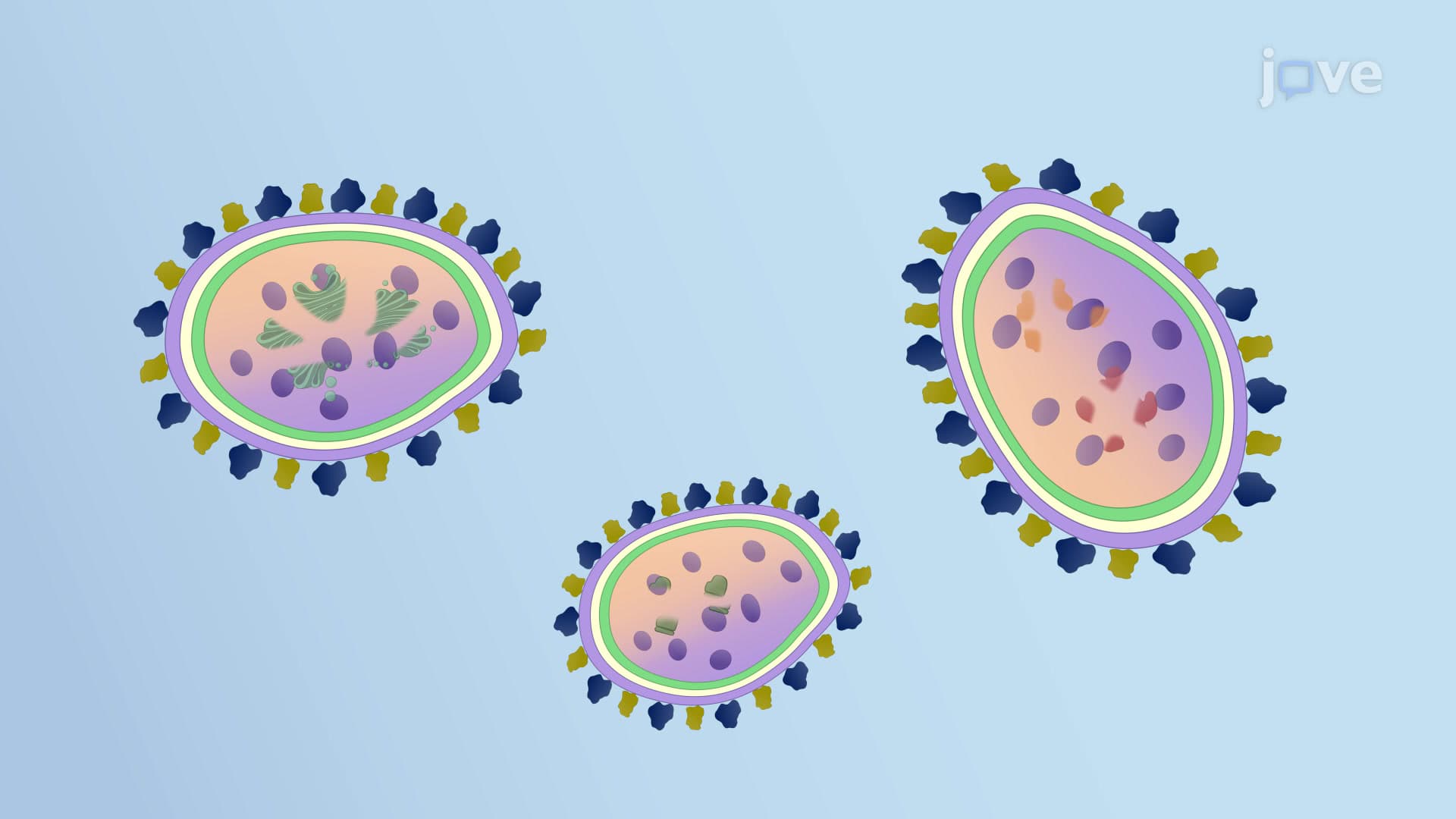

Video Summary: What Is Autophagic Cell Death
Did you know that your cells can literally "eat themselves" to death? Autophagic cell death occurs when cellular recycling machinery goes into overdrive, ultimately destroying the cell from within. This process plays crucial roles in diseases like Alzheimer's and cancer, where researchers at institutions like Johns Hopkins University study how cells sacrifice themselves for the greater good of tissue health. Understanding what is autophagic cell death reveals how our bodies balance survival and sacrifice at the cellular level. Watch the full video on JoVE Coach to master this concept with expert-led visuals and step-by-step explanations.
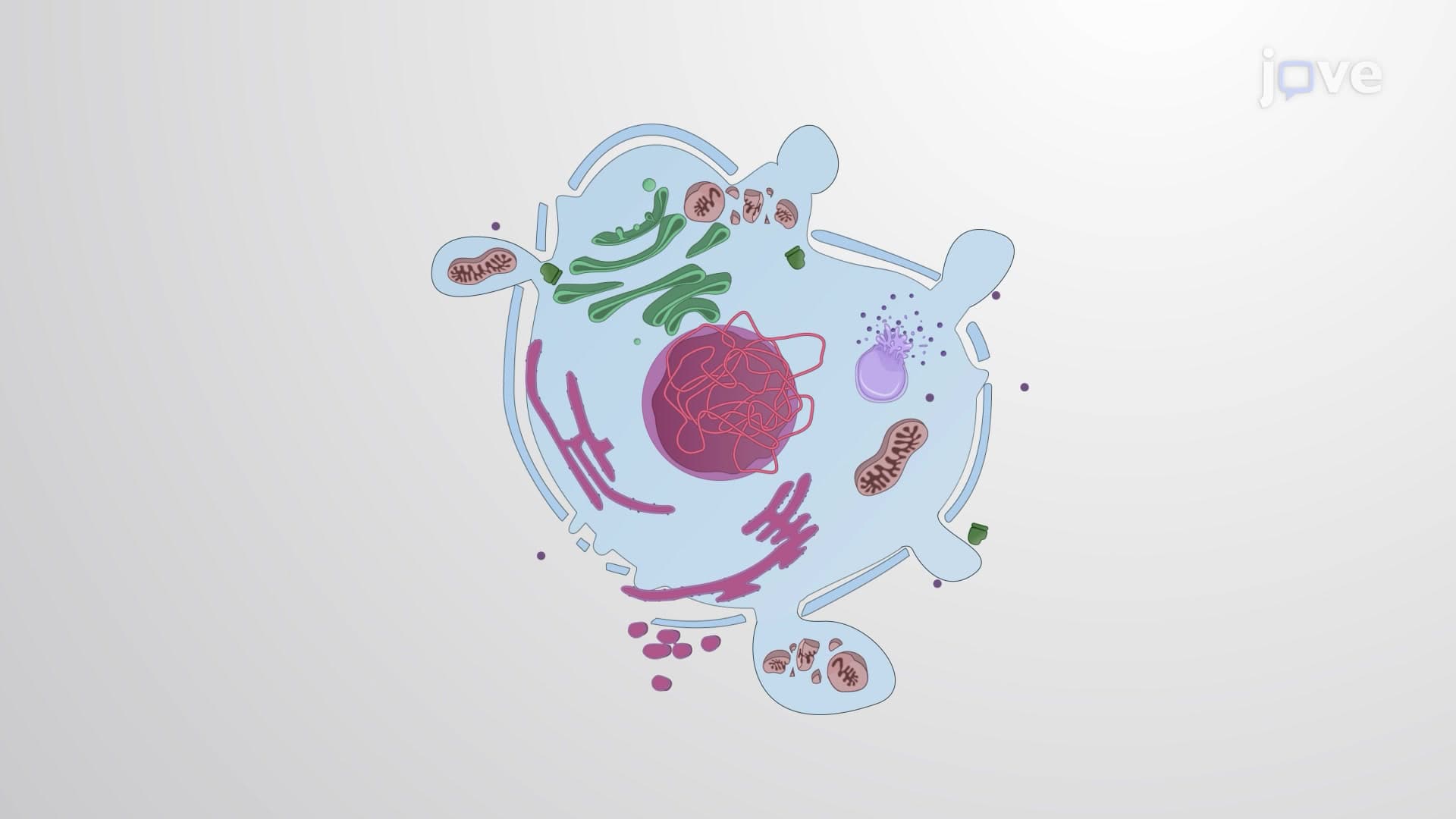
Autophagic cell death represents a fascinating paradox in cellular biology-the same process that normally saves cells can ultimately destroy them. Unlike the clean, organized demise of apoptosis, autophagic cell death involves the cell consuming itself through its own recycling machinery. This process becomes particularly relevant in AP Biology coursework and pre-medical studies, where students must grasp how cellular survival mechanisms can backfire.
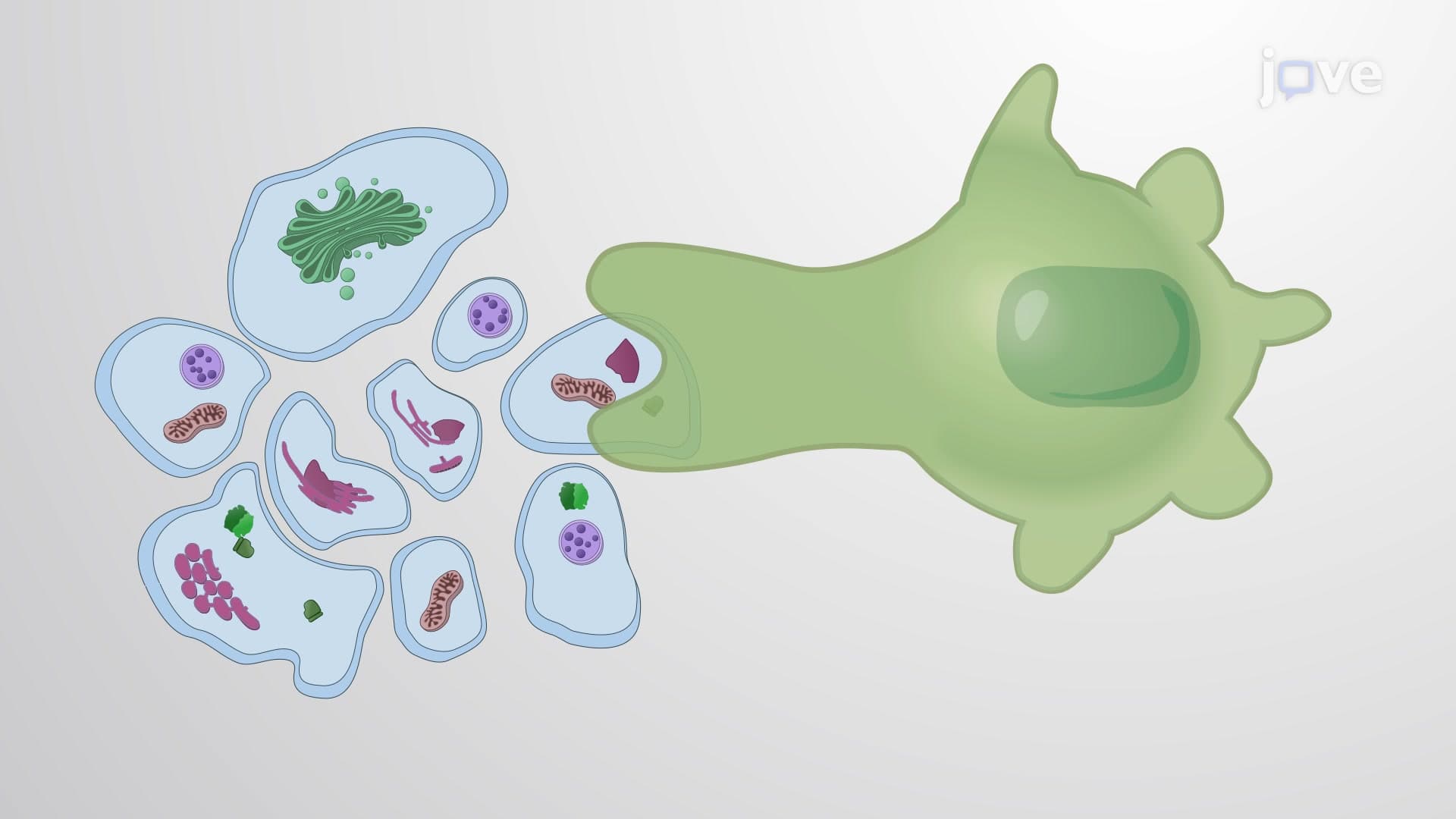
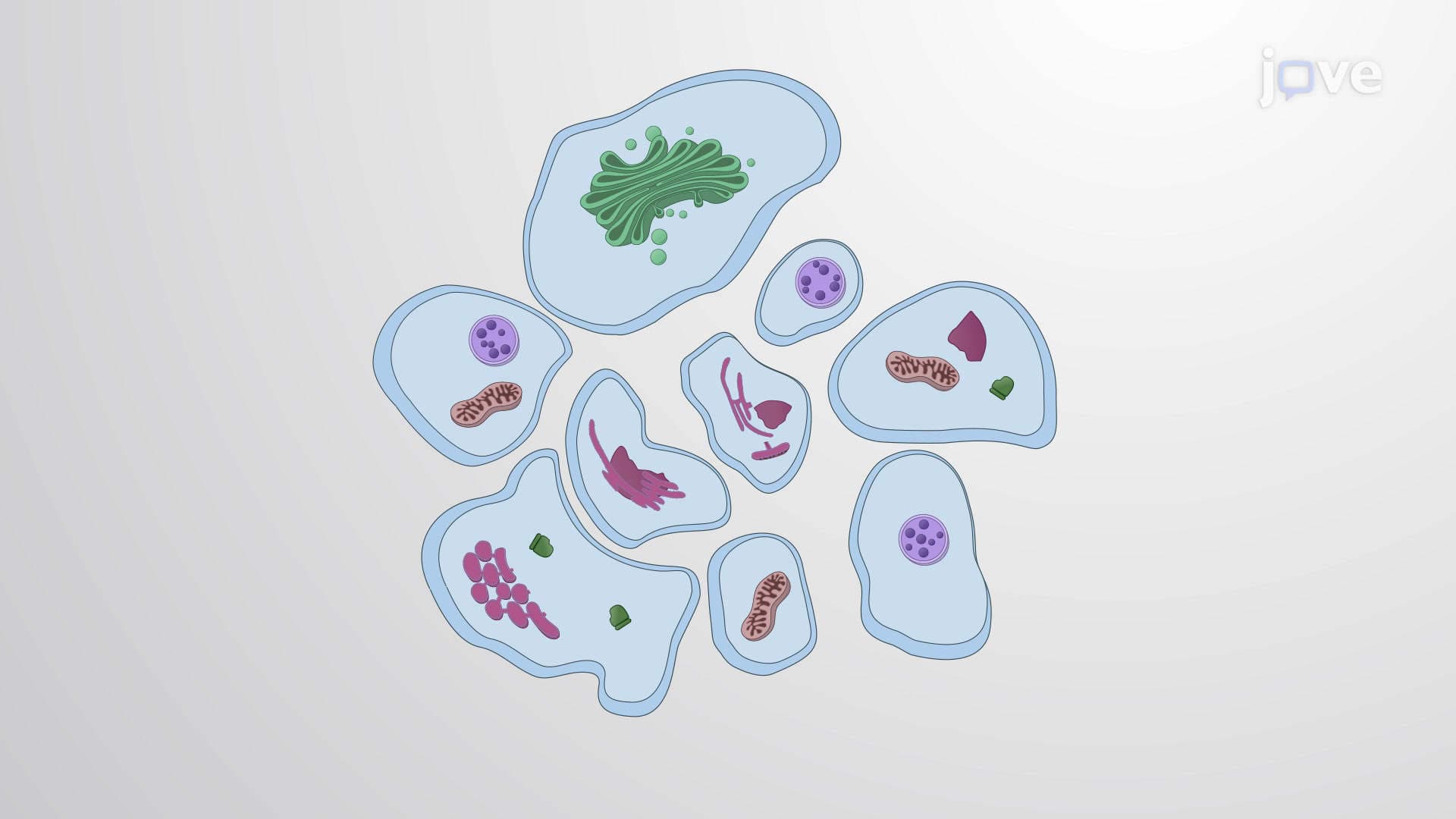
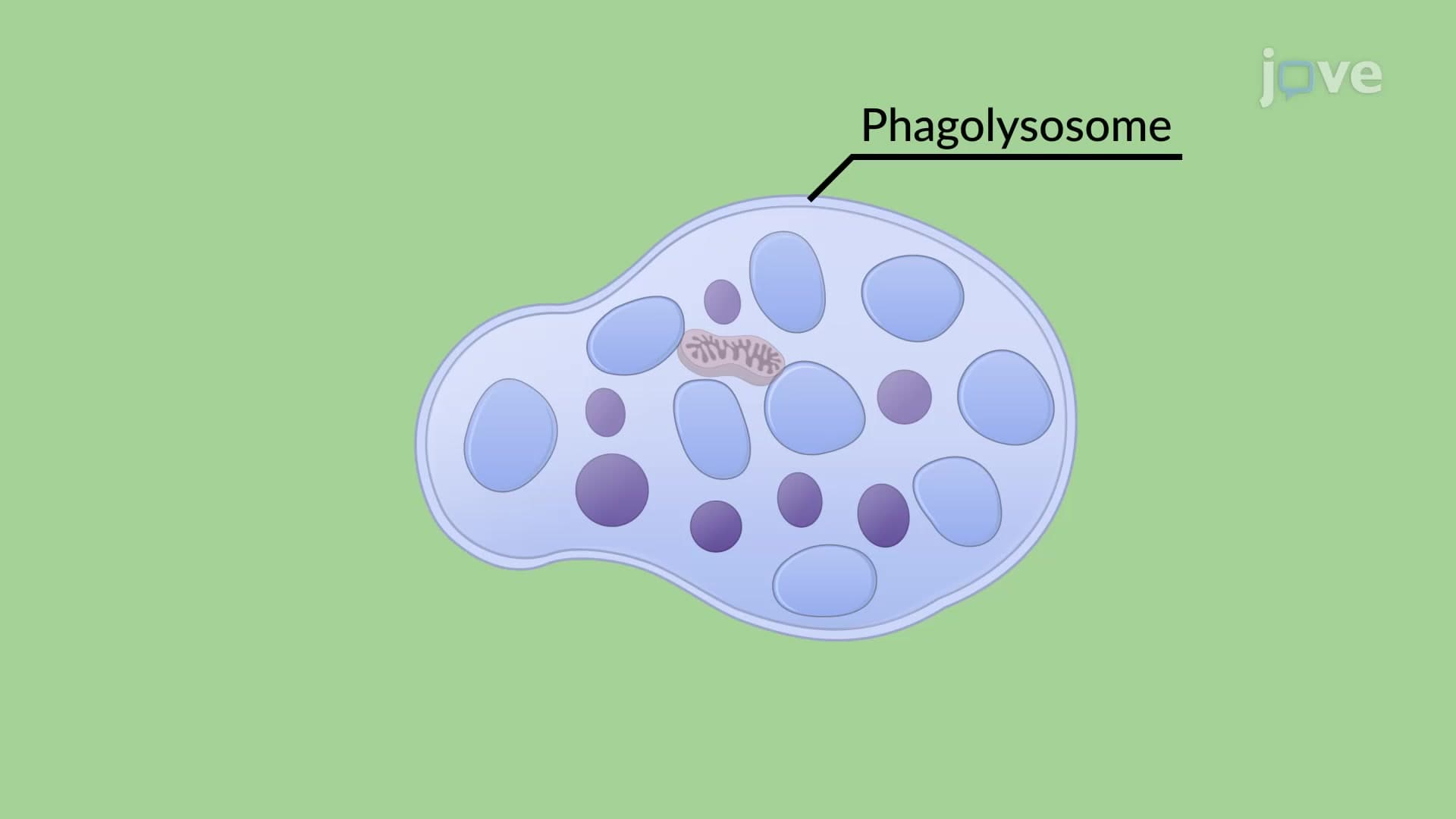
The autophagic cell death definition encompasses two distinct mechanisms. Autophagy-dependent cell death occurs when the autophagic machinery itself becomes the executioner. Cells form excessive numbers of autophagosomes-double-membrane vesicles that normally digest cellular waste-but instead of maintaining homeostasis, they begin indiscriminately consuming vital organelles and proteins. This resembles a recycling plant that starts shredding everything in sight, including the machinery needed to operate.
In contrast, autophagy-mediated cell death uses autophagy as a trigger for other death pathways. For example, autophagy might degrade proteins that normally prevent apoptosis, essentially removing the cell's safety brakes and allowing programmed cell death to proceed. This concept frequently appears on MCAT examinations, where students must distinguish between direct and indirect cellular death mechanisms.
A critical component of understanding autophagic cell death involves mitophagy-the selective destruction of mitochondria. When autophagy targets too many mitochondria, cells face an energy crisis similar to a power grid failure. Without sufficient ATP production, essential cellular processes shut down, leading to inevitable death. Researchers at Stanford University have demonstrated how this process contributes to neurodegenerative diseases, where energy-demanding neurons become particularly vulnerable.
What is autophagic cell death in detail extends beyond academic study into real medical applications. In cancer research at institutions like Memorial Sloan Kettering, scientists investigate how tumors exploit autophagic pathways. Some cancer cells use autophagy to survive harsh conditions, while others become vulnerable when autophagy is either inhibited or hyperactivated. This dual role makes autophagic cell death both a potential therapeutic target and a treatment resistance mechanism, concepts that feature prominently in advanced biology courses and medical school curricula.
Related Micro-courses