Loading subject page…


61,302 views

Video Summary: What Is Overview of Cell Death
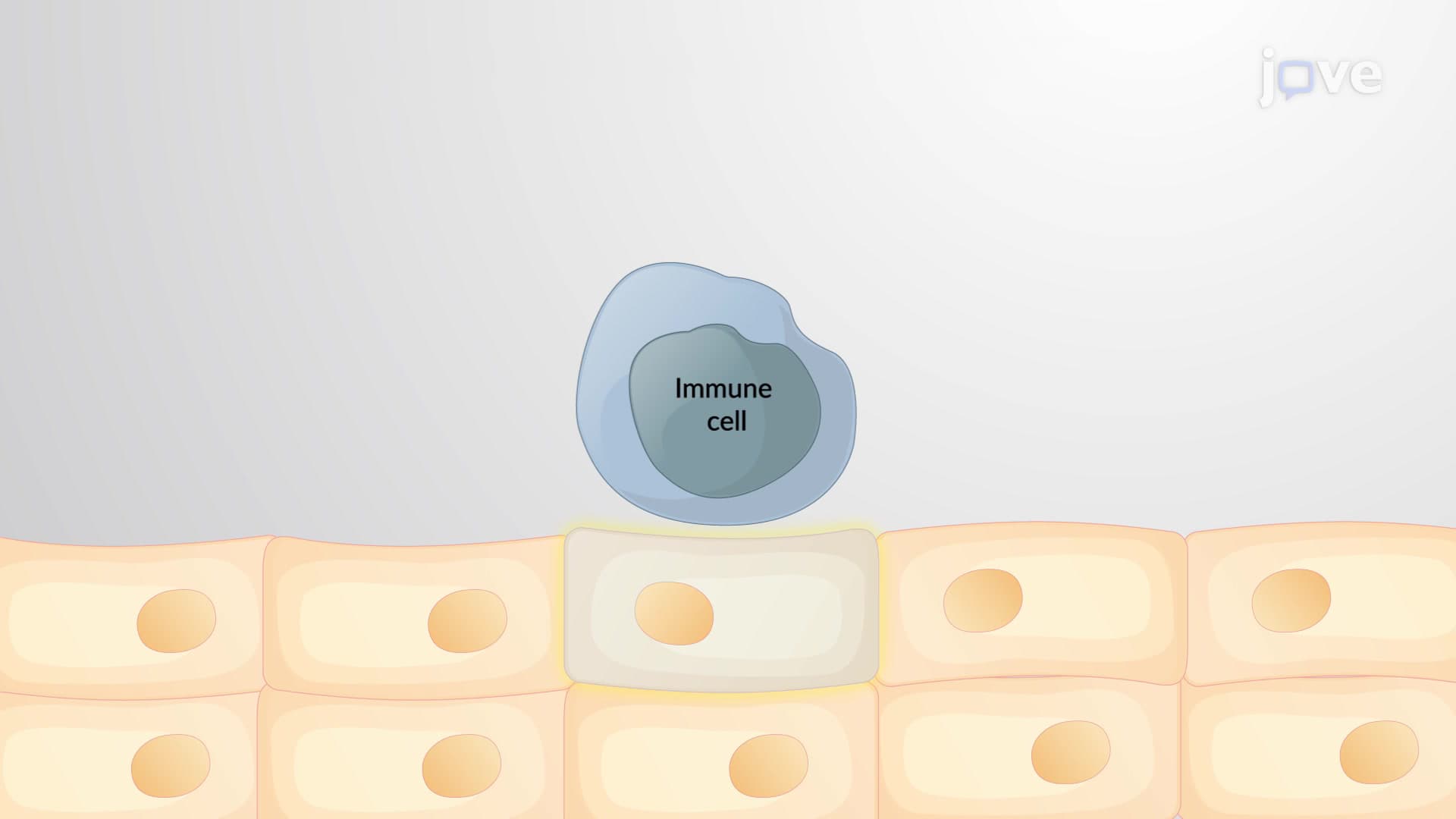
Every day, billions of cells in your body die-from your skin shedding dead cells to your immune system eliminating damaged tissue. An overview of cell death reveals this isn't cellular failure but essential biological programming. Consider how cancer treatments like chemotherapy work by triggering specific cell death pathways in tumor cells at major US cancer centers like MD Anderson. What is overview of cell death encompasses both controlled processes like apoptosis and uncontrolled events like necrosis. Watch the full video on JoVE Coach to master this concept with expert-led visuals and step-by-step explanations.
Cell death represents one of biology's most fundamental processes, occurring continuously throughout life to maintain tissue health and organismal survival. An overview of cell death encompasses multiple pathways that cells use to eliminate themselves or respond to damage. This process isn't random destruction-it's a highly coordinated biological phenomenon essential for normal development, immune function, and tissue homeostasis.
In the United States healthcare system, understanding cell death mechanisms proves crucial for medical professionals treating conditions from Alzheimer's disease at the Mayo Clinic to cancer therapies at Memorial Sloan Kettering. Students preparing for the MCAT or AP Biology exams frequently encounter questions testing their overview of cell death definition knowledge.
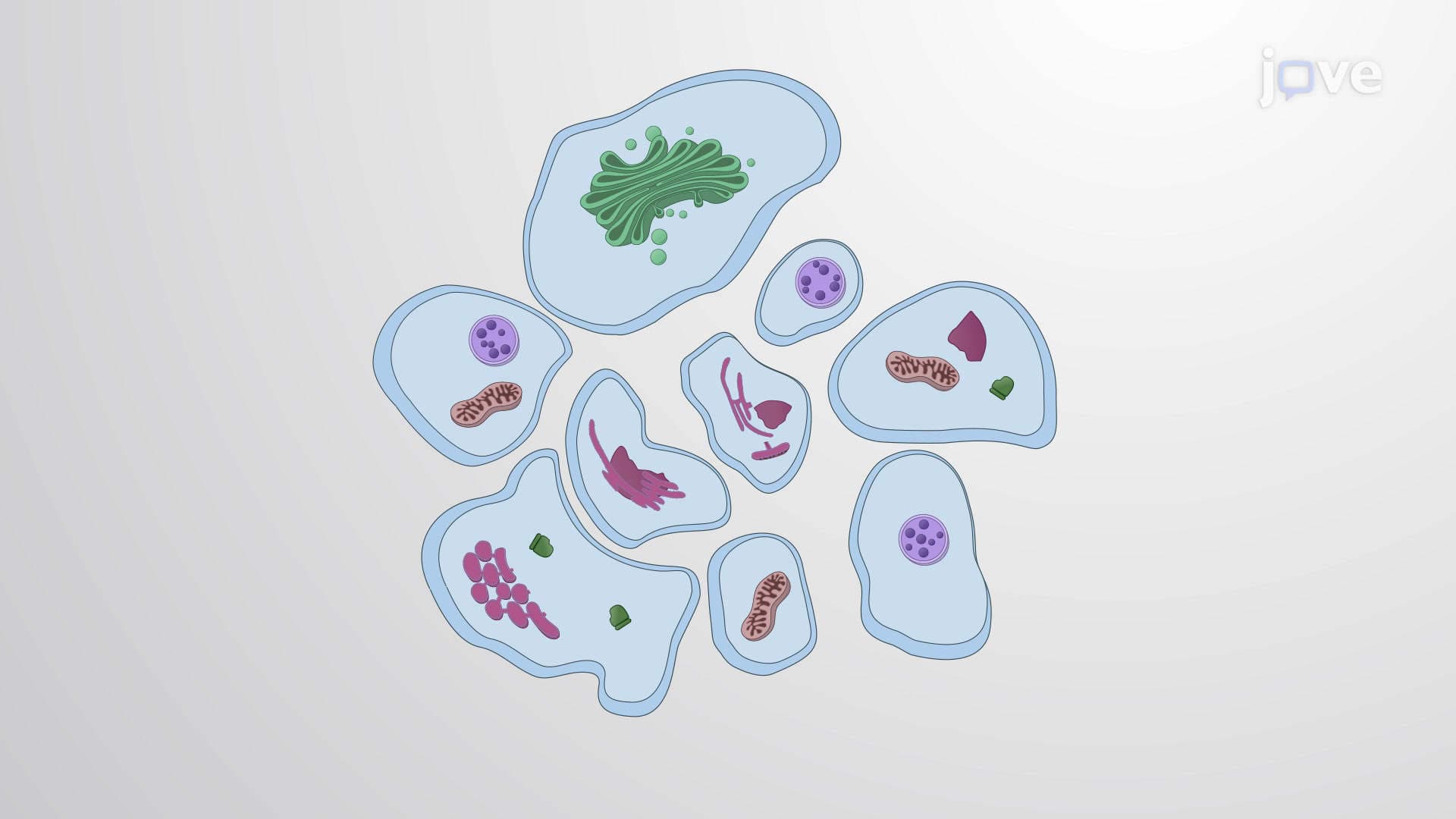
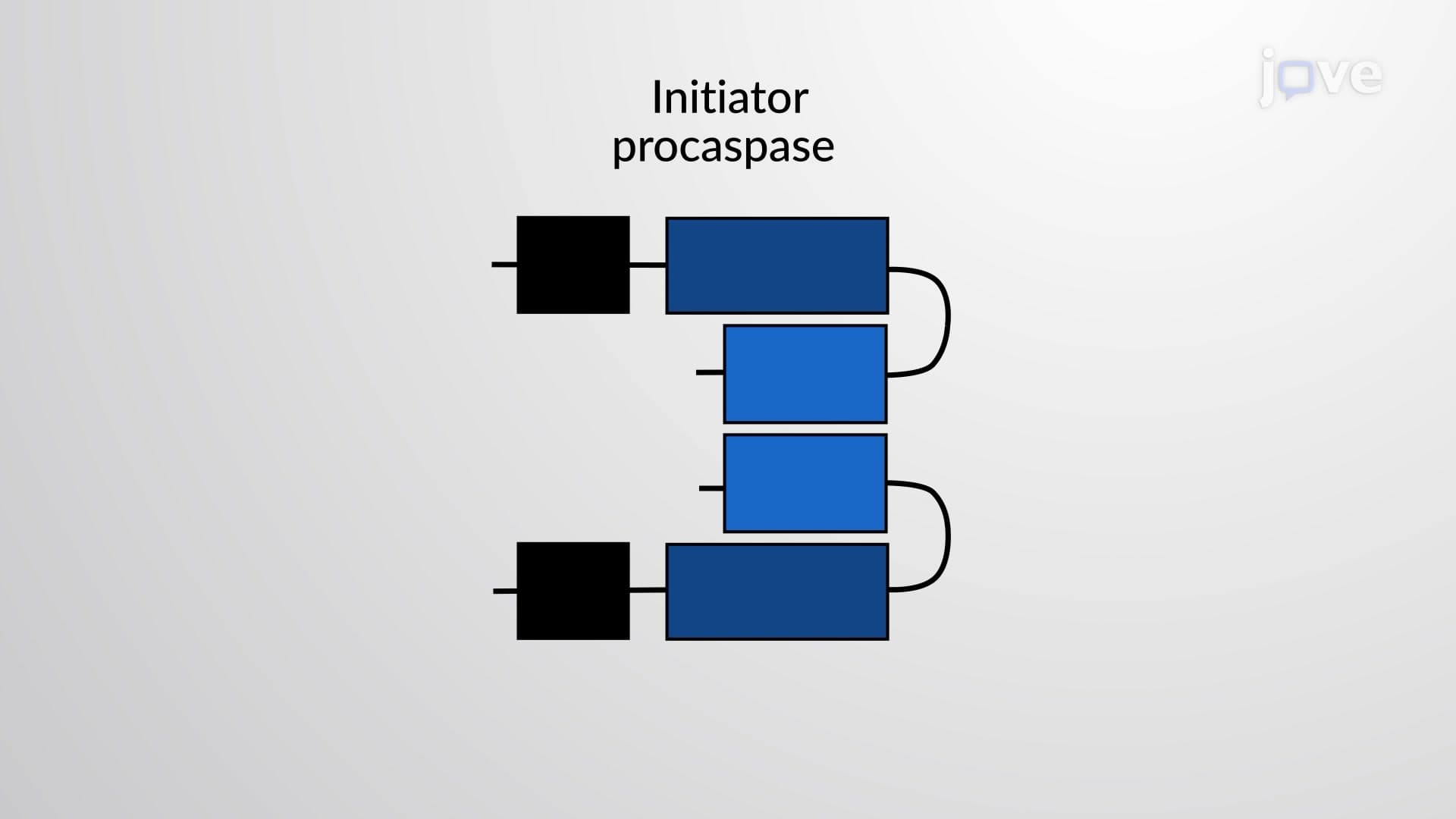
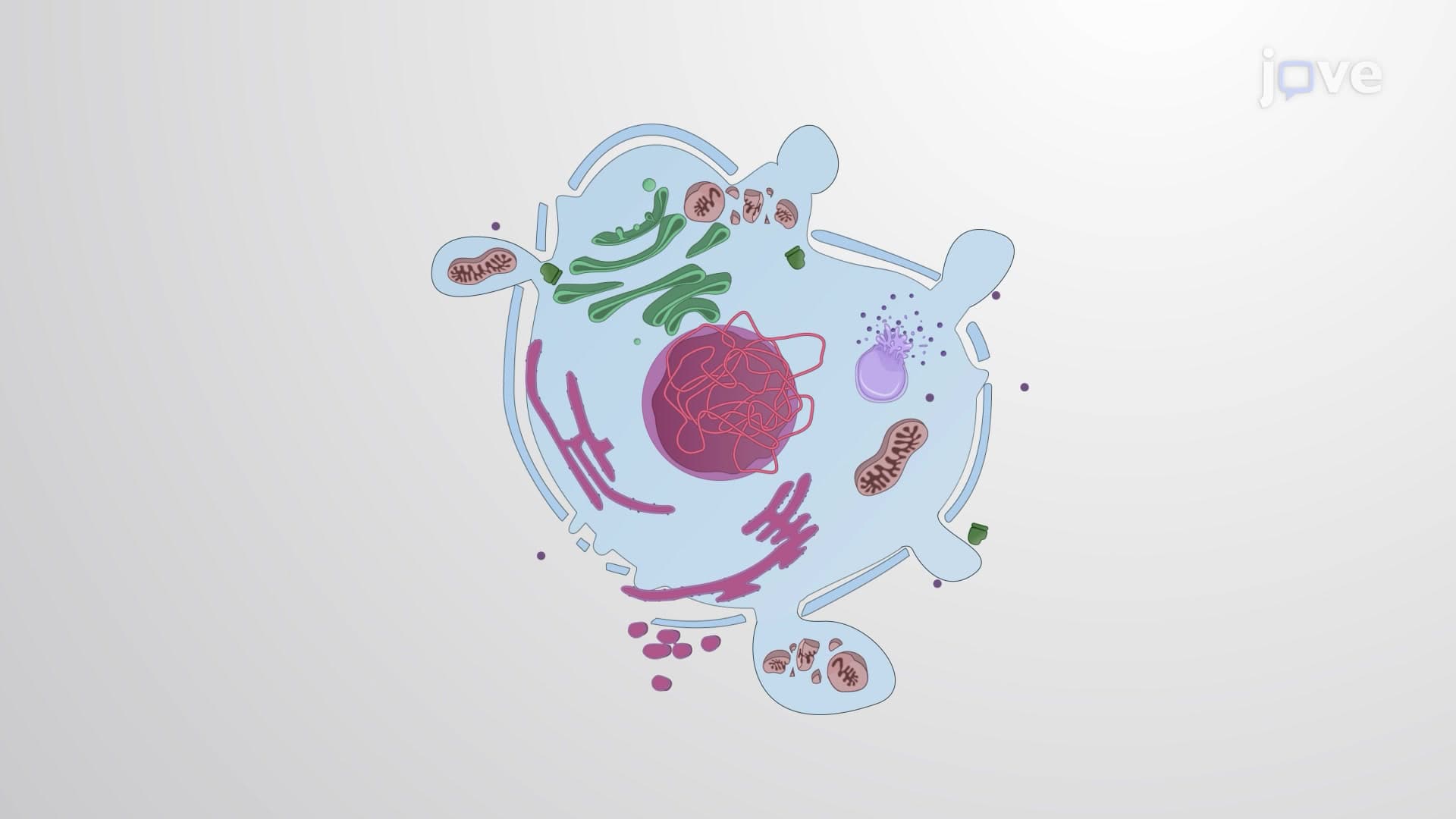
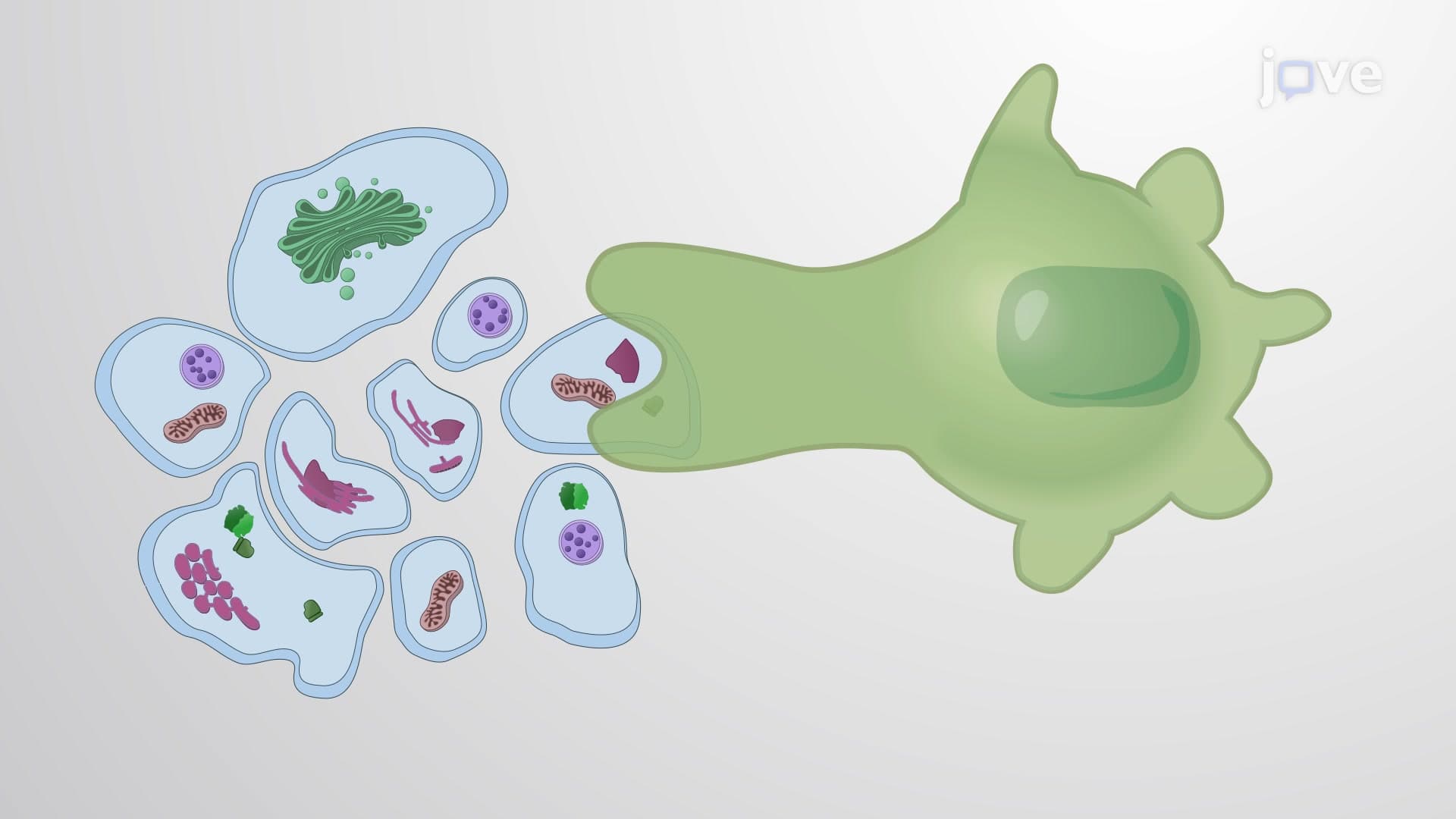
Apoptosis, often called "cellular suicide," represents the most studied form of programmed cell death. This process involves caspase enzymes that systematically dismantle cellular components, causing characteristic morphological changes including cell shrinkage, DNA fragmentation, and formation of membrane-bound apoptotic bodies. Neighboring cells or macrophages quickly engulf these bodies, preventing inflammatory responses.
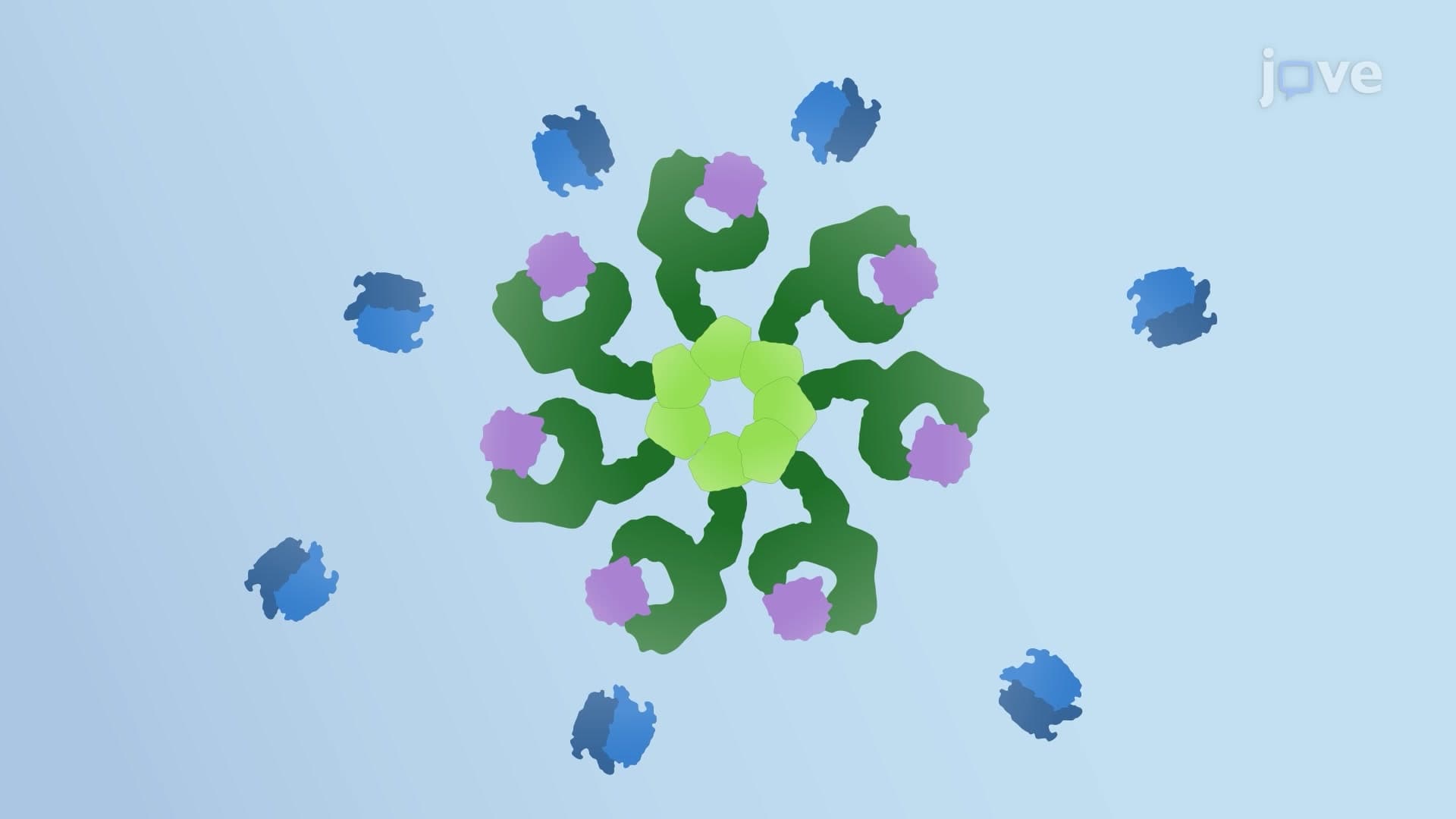
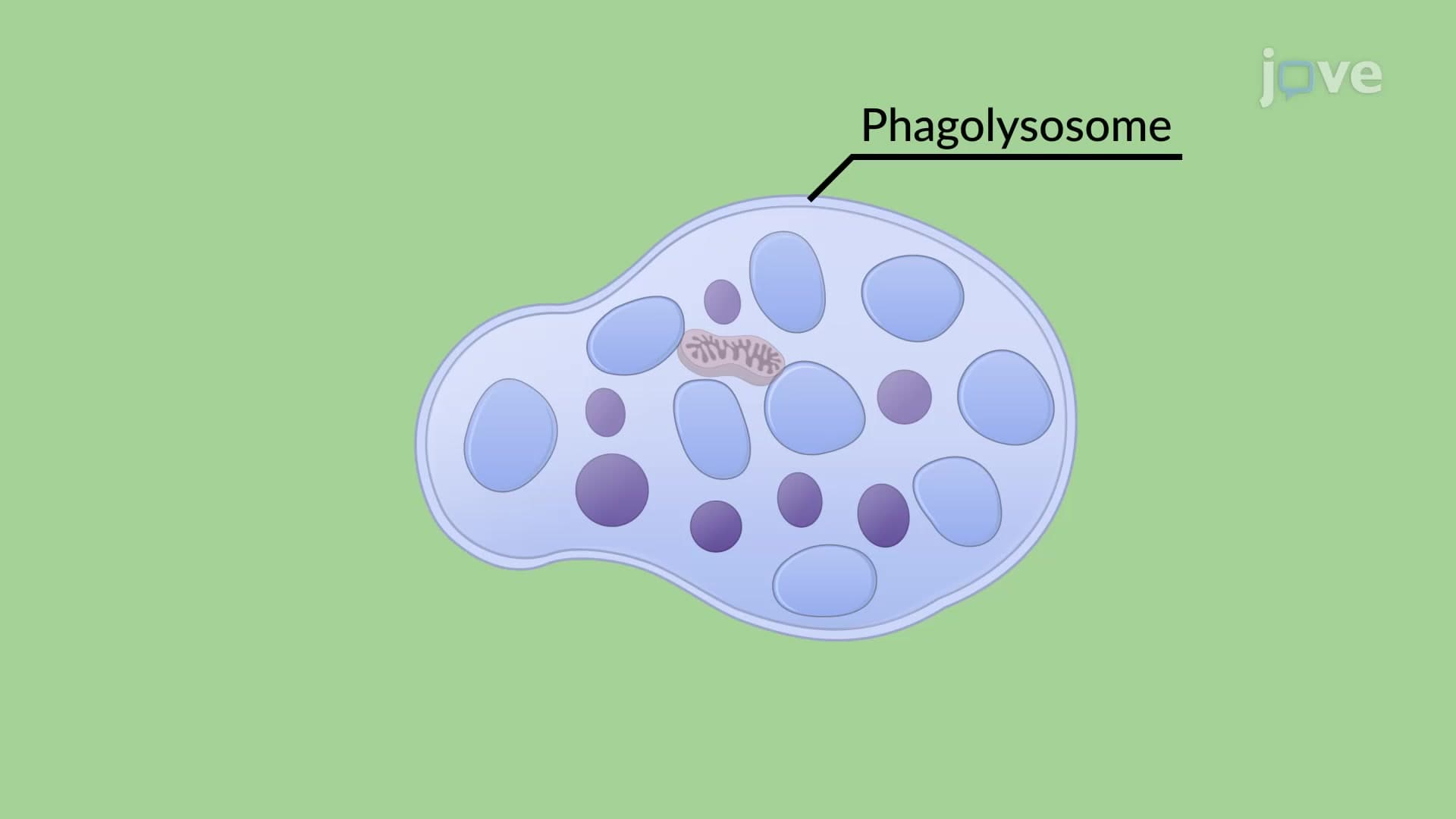
Autophagy serves as the cell's recycling system, particularly important during periods of cellular stress or nutrient deprivation. This process involves double-membrane structures called autophagosomes that capture damaged organelles, misfolded proteins, and other cellular debris. When autophagosomes fuse with lysosomes, forming autolysosomes, digestive enzymes break down the captured materials for reuse.
Both processes play critical roles in human development and disease prevention. For instance, researchers at Johns Hopkins University have shown how defective autophagy contributes to neurodegenerative diseases, while Stanford Medical School studies demonstrate apoptosis dysregulation in various cancers.
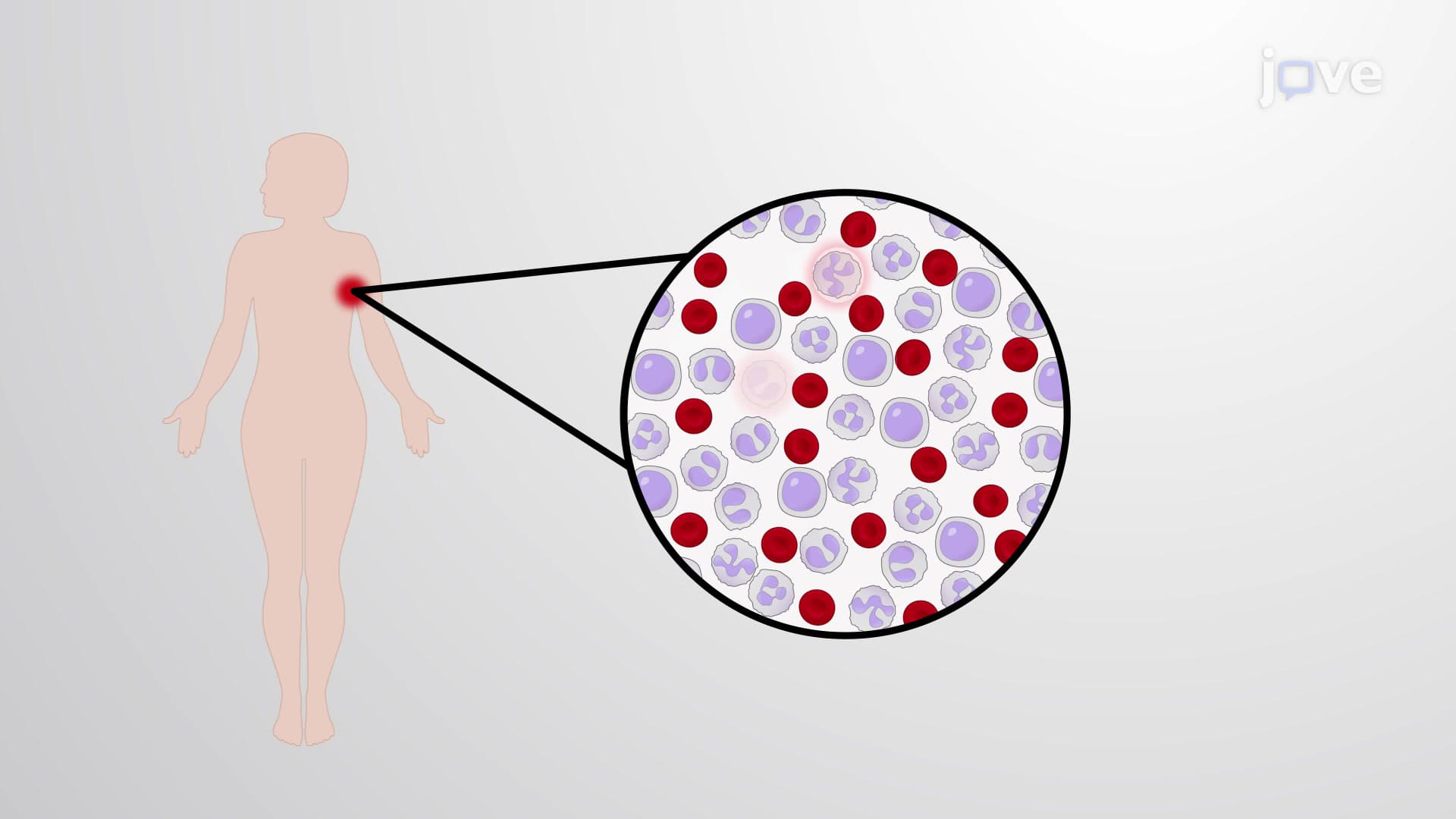
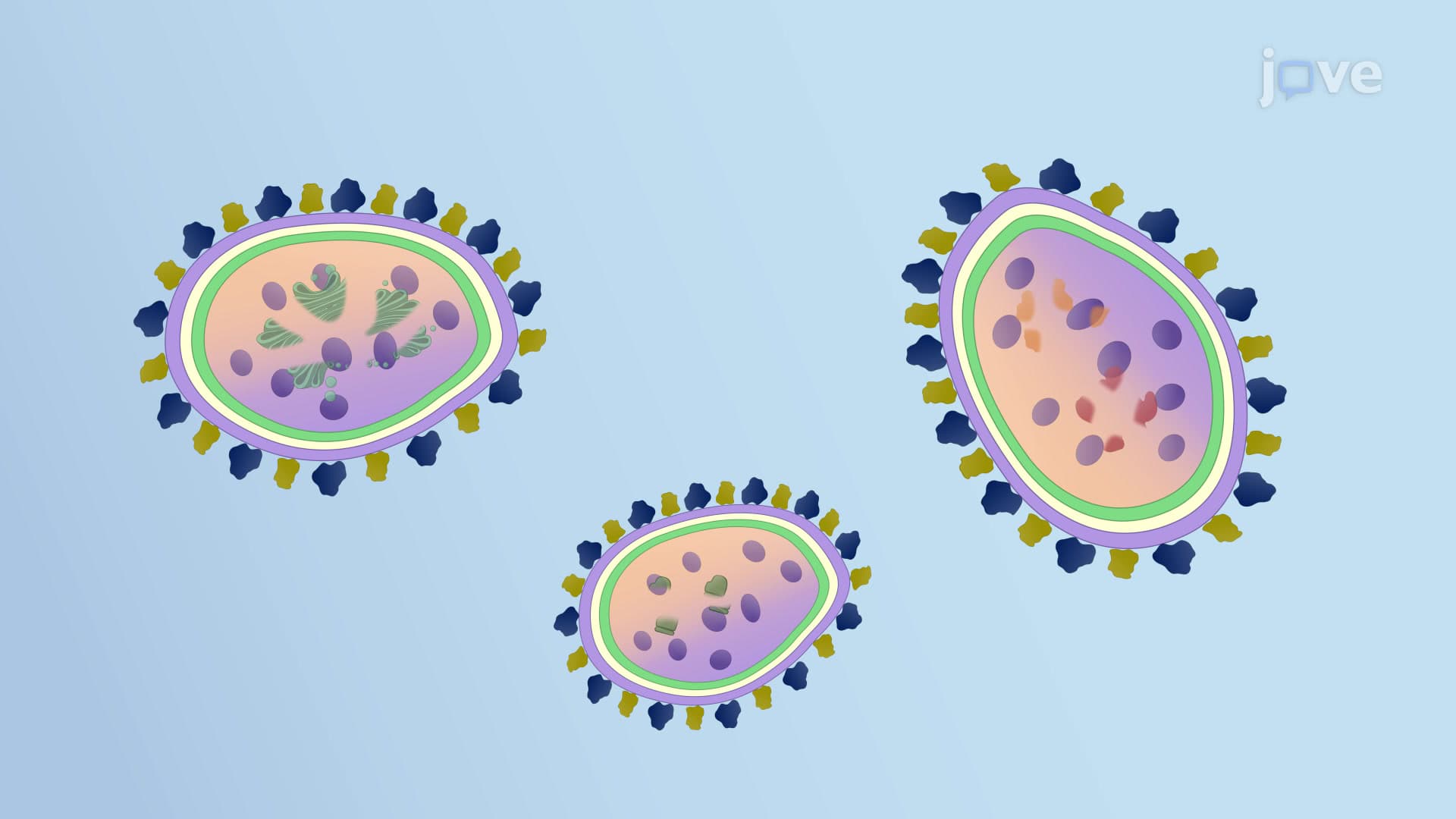
Unlike controlled programmed death, necrosis occurs when cells suffer overwhelming damage from external factors such as trauma, infection, toxins, or radiation exposure. Necrotic cells undergo uncontrolled swelling, membrane rupture, and organelle disintegration, releasing cellular contents that trigger inflammatory responses.
This distinction proves particularly relevant for students studying pathology or preparing for medical school entrance exams like the MCAT, where understanding overview of cell death concepts frequently appears in biological sciences sections.
Medical schools across the United States, from Harvard to UCLA, emphasize cell death pathways in their curricula because these mechanisms underlie numerous diseases and therapeutic interventions. Cancer treatments often work by inducing apoptosis in tumor cells, while stroke damage results from necrotic cell death due to oxygen deprivation.
Related Micro-courses