Loading subject page…

- Cell Biology
- Cell Death
- The Extrinsic Apoptotic Pathway
Micro-course: Cell Death
61,302 views
Learn key concepts and earn your certificate.

The Extrinsic Apoptotic Pathway

00:00
01:17
Video Summary: What Is the Extrinsic Apoptotic Pathway
Did you know your immune system can literally command dangerous cells to self-destruct? The extrinsic apoptotic pathway serves as the body's cellular execution system, where immune cells send death signals to diseased or infected cells. Similar to how the FDA recalls dangerous medications, this pathway eliminates threats before they spread throughout the body. Watch the full video on JoVE Coach to master this concept with expert-led visuals and step-by-step explanations.
- Understand what is the extrinsic apoptotic pathway and how it differs from intrinsic cell death mechanisms
- Identify the key molecular players including death receptors, ligands, and caspase enzymes involved in this process
- Analyze the step-by-step signaling cascade from death receptor activation to final cell destruction
- Compare the roles of TNF receptor 1 and Fas receptor in mediating extracellular death signals
- Evaluate how the death-inducing signaling complex (DISC) coordinates the activation of caspase enzymes
- Apply knowledge of caspase-8 and caspase-3 functions to predict cellular outcomes in disease states
- Recognize real-world applications in cancer therapy, autoimmune diseases, and tissue homeostasis
- Explore connections between apoptotic dysfunction and human diseases like cancer and neurodegeneration
Understanding the Extrinsic Apoptotic Pathway Framework
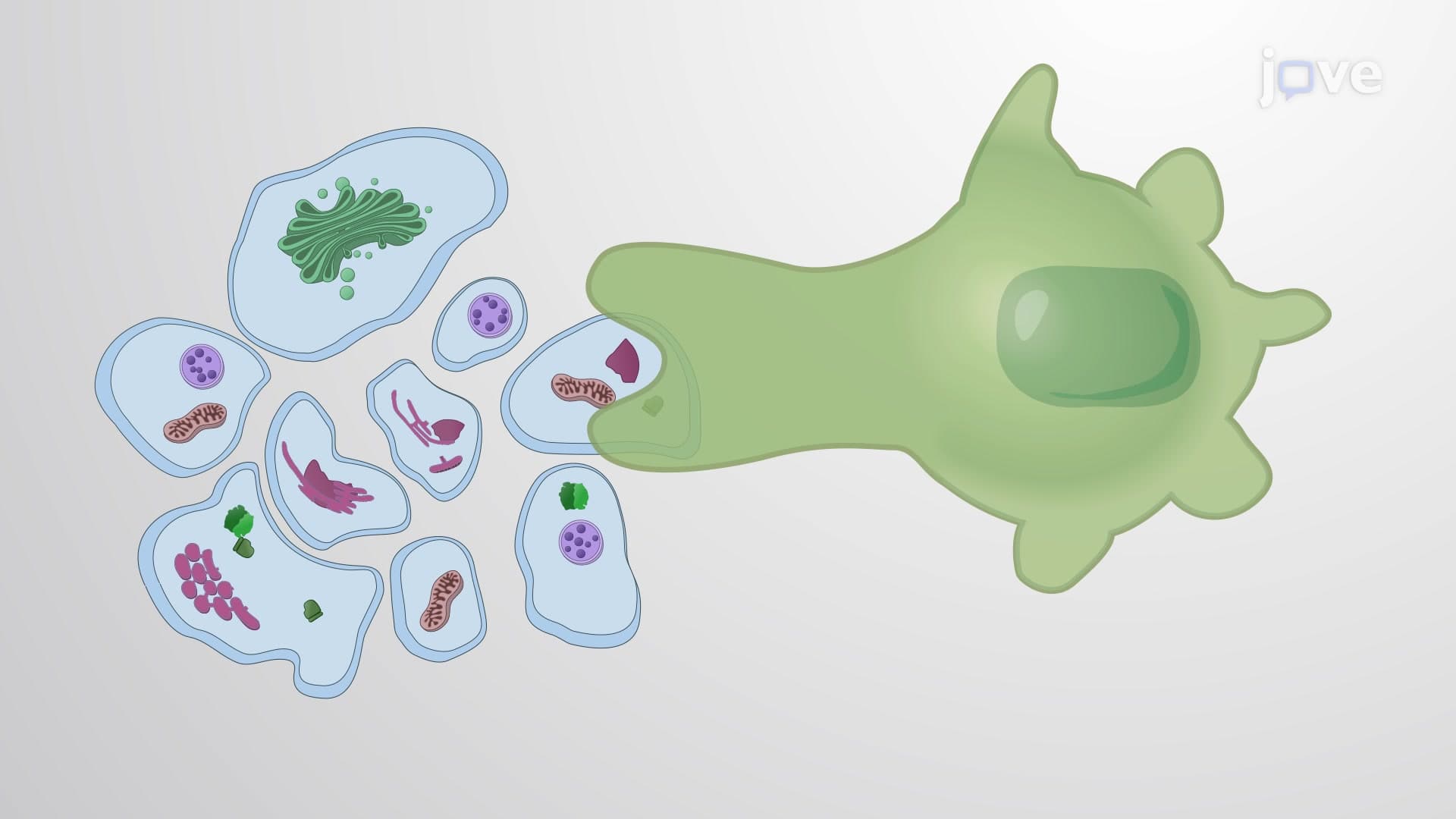
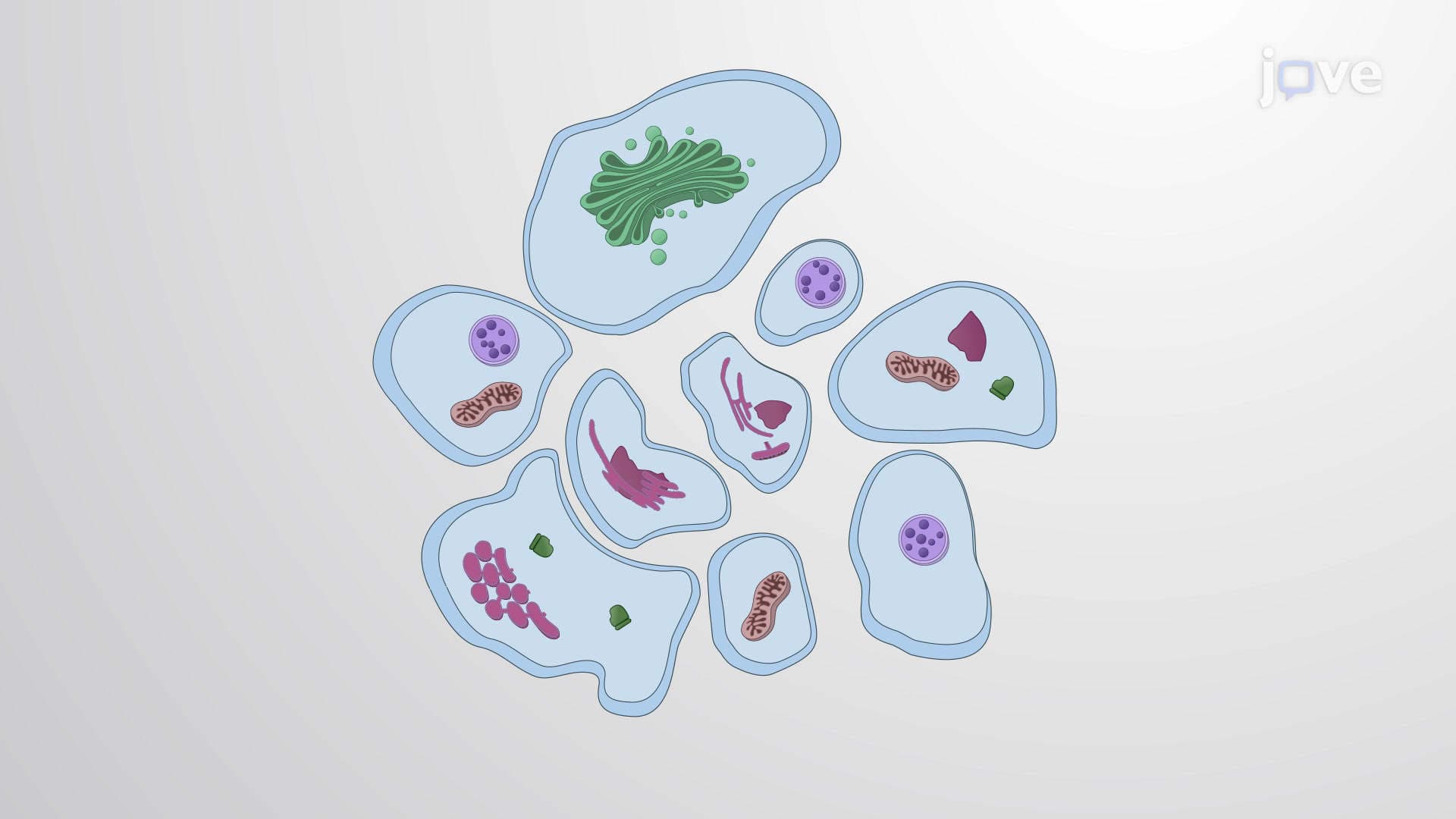
The extrinsic apoptotic pathway represents one of biology's most sophisticated quality control mechanisms. Unlike the intrinsic pathway that responds to internal cellular stress, this external death signal system allows the immune system to eliminate dangerous cells before they compromise tissue integrity. Think of it as a targeted demolition system where immune cells act as inspectors identifying condemned buildings (diseased cells) and issuing demolition orders.
This pathway becomes crucial during viral infections, when cytotoxic T lymphocytes must eliminate infected cells, or during autoimmune regulation, where the body removes self-reactive immune cells. Students preparing for the MCAT or AP Biology will encounter this concept when studying immune system function and cellular regulation mechanisms.
Death Receptor Recognition and Activation
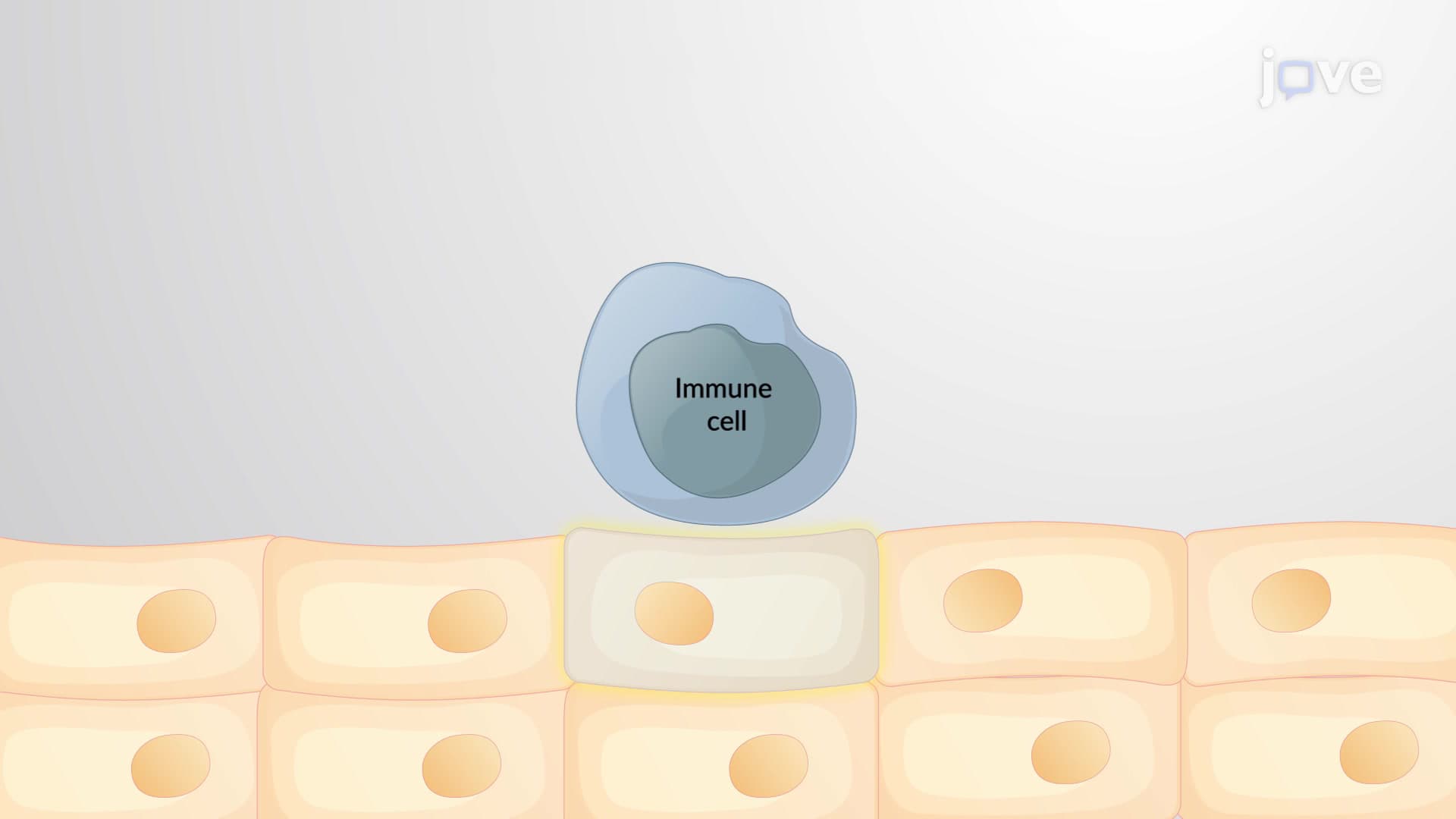
The pathway begins when immune cells display specific death ligands on their surface membranes. The most clinically relevant example involves the Fas ligand (FasL) binding to Fas receptors on target cells. This interaction resembles a lock-and-key mechanism, where only cells expressing the correct receptor can receive the death signal.
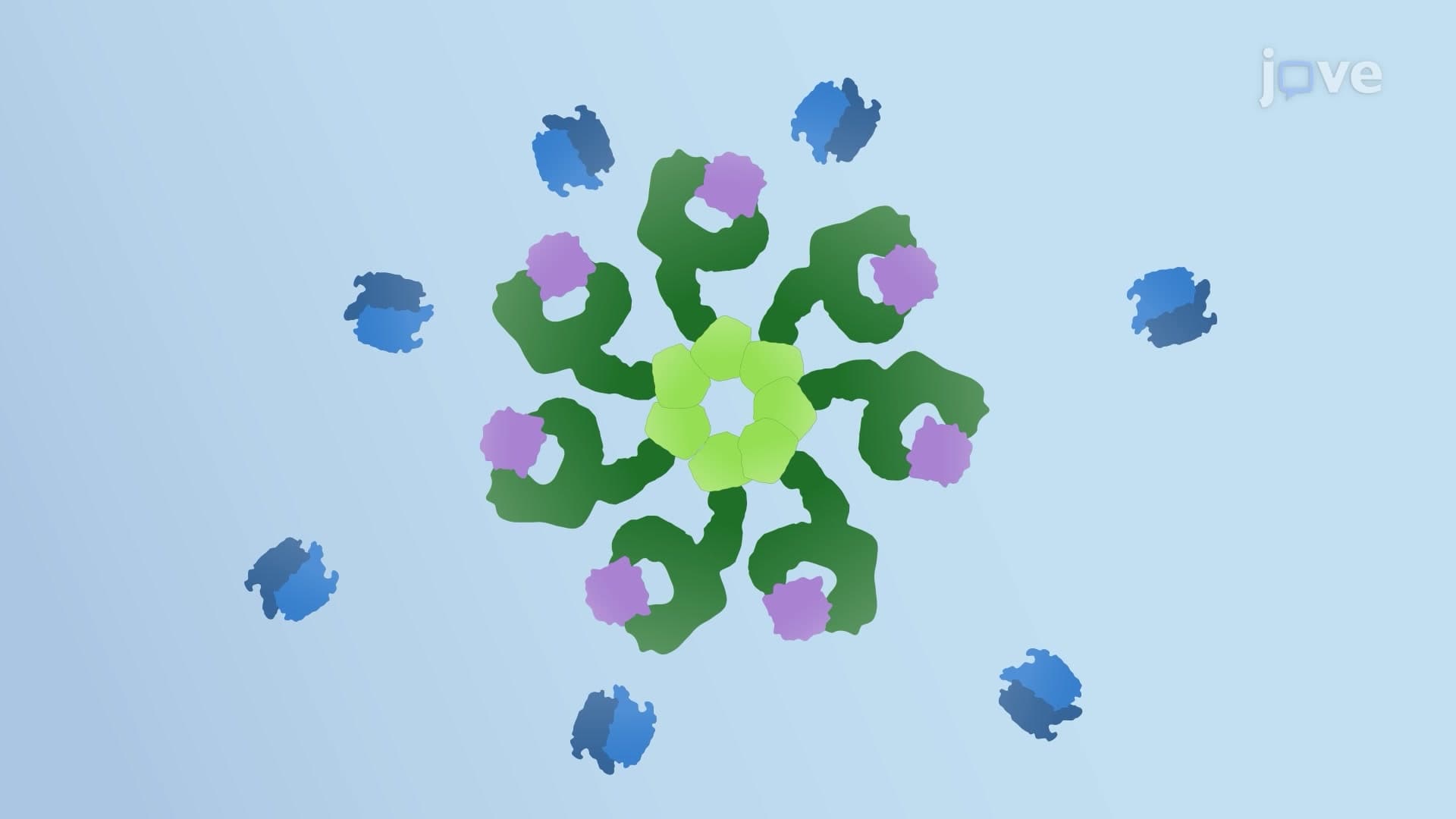
These death receptors belong to the tumor necrosis factor (TNF) superfamily, a group of proteins critical for immune communication. When three ligand molecules bind simultaneously (forming a homotrimer), they cause the receptor to change shape and activate its intracellular death domain. This conformational change initiates the downstream signaling cascade that ultimately leads to cell destruction.
The Death-Inducing Signaling Complex Formation
Once activated, the death domain recruits adaptor proteins, specifically the Fas-associated death domain (FADD). This recruitment creates a molecular platform called the death-inducing signaling complex (DISC), which serves as the pathway's central processing unit.
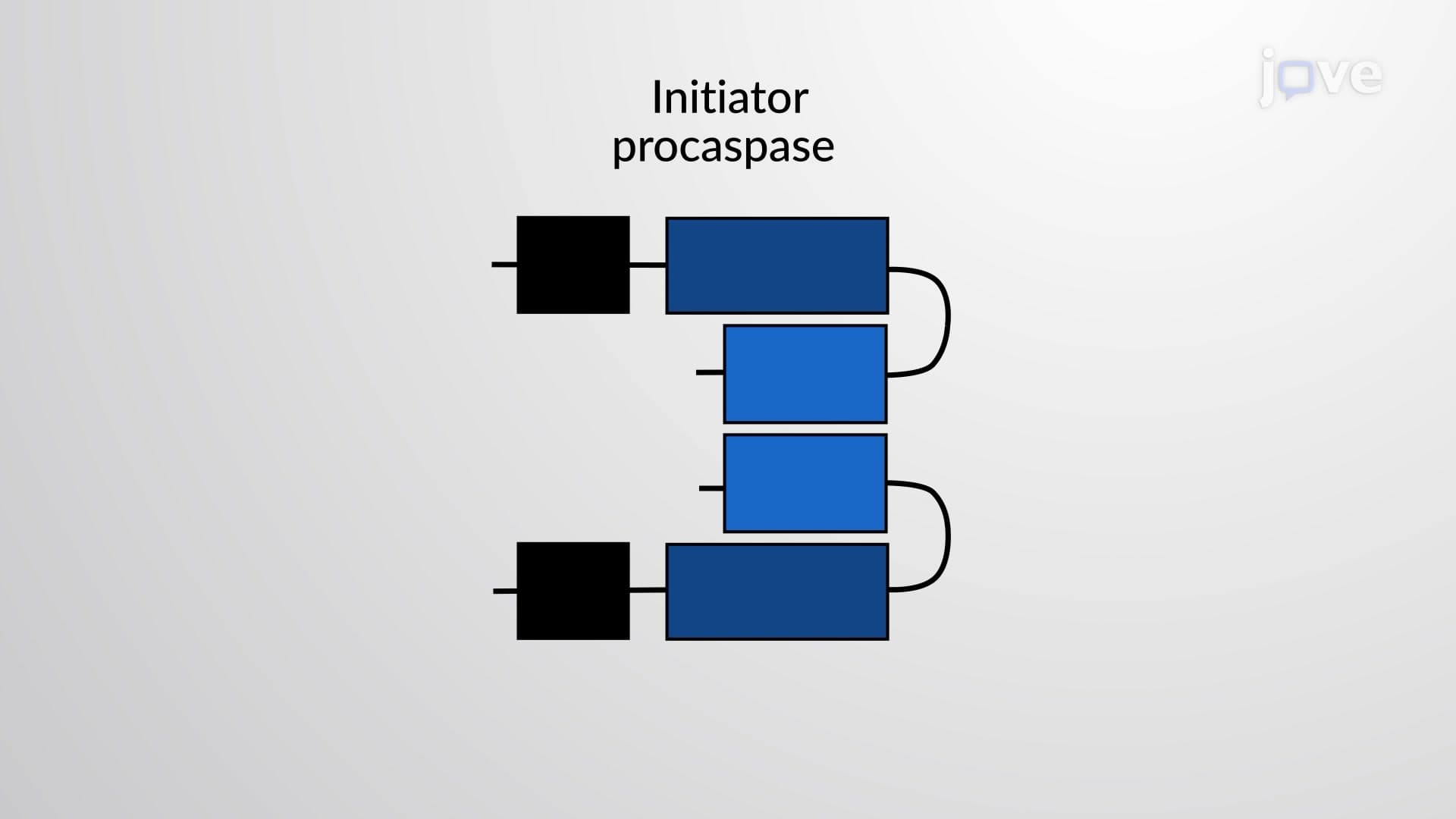
Within DISC, multiple inactive procaspase-8 molecules cluster together and undergo a process called proximity-induced activation. These enzymes essentially activate each other through close contact, creating active caspase-8 molecules that are released into the cell's cytoplasm. This mechanism ensures that cell death only occurs when a strong, sustained death signal is present.
Caspase Cascade and Cellular Execution
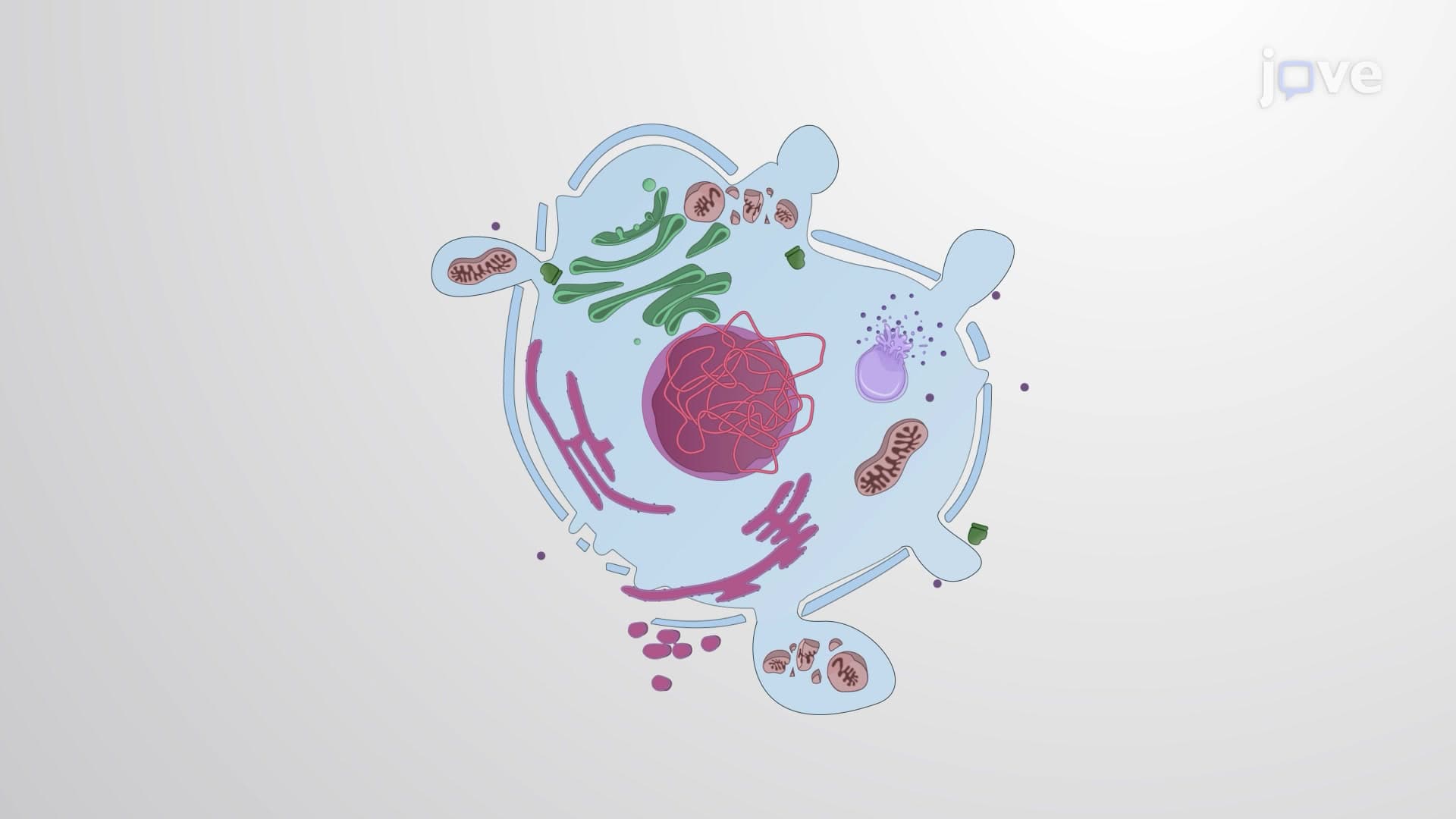
Active caspase-8 functions as the pathway's executioner, directly activating downstream caspase-3 enzymes. Caspase-3 then systematically dismantles the cell by cleaving hundreds of cellular proteins, including structural components and DNA repair enzymes. This coordinated destruction prevents the release of inflammatory contents that could damage neighboring healthy cells.
For college students studying biochemistry, understanding this caspase cascade helps explain how cancer cells evade death signals and why certain chemotherapy drugs target apoptotic pathways. The precision of this system also explains why apoptotic dysfunction contributes to diseases ranging from Alzheimer's (too much cell death) to cancer (too little cell death).
Frequently Asked Questions
The extrinsic apoptotic pathway is a cellular death mechanism triggered by external signals from immune cells. It works through death receptors like Fas that detect danger signals, activate caspase enzymes, and systematically destroy the target cell. This pathway serves as the immune system's method for eliminating infected, damaged, or dangerous cells before they can harm surrounding tissues.
MCAT questions often focus on comparing extrinsic versus intrinsic pathways and analyzing experimental data about caspase function. AP Biology typically tests the pathway's role in immune system regulation and homeostasis. Students should know the key players (Fas, DISC, caspases) and be able to trace the signaling sequence from receptor activation to cell death.
This pathway appears prominently in Cell Biology, Immunology, and Biochemistry courses at most US universities. Medical students encounter it extensively in Pathology and Pharmacology when studying cancer and autoimmune diseases. Students should expect detailed questions about molecular mechanisms and clinical applications in upper-level coursework.
Cancer cells often develop resistance to extrinsic death signals, allowing tumors to grow unchecked despite immune system attacks. Conversely, autoimmune diseases like multiple sclerosis involve excessive activation of this pathway, leading to inappropriate destruction of healthy cells. Understanding this mechanism helps explain both disease progression and treatment strategies.
Basic protein structure concepts and enzyme function knowledge are sufficient for most high school and introductory college courses. The pathway primarily involves protein-protein interactions and enzyme activation rather than complex chemical reactions. Students comfortable with lock-and-key enzyme models can successfully master this concept.
Create a step-by-step flowchart starting with immune cell recognition and ending with cell destruction. Use memory devices like "DISC Does Damage" to remember that the Death-Inducing Signaling Complex activates destructive caspases. Practice drawing the pathway from memory and connecting it to real disease examples for deeper retention.
Explore the intrinsic apoptotic pathway to understand how cells respond to internal damage signals. Study p53 tumor suppressor function and its role in cancer prevention. Advanced students should investigate how apoptotic dysfunction contributes to neurodegenerative diseases and aging processes.
Cancer cells frequently develop mutations that block extrinsic death signals, making them resistant to immune system elimination. This knowledge explains why immunotherapies work by restoring the immune system's ability to trigger cancer cell death. Understanding normal apoptotic function provides the foundation for comprehending how cancer cells evade these protective mechanisms.
Related Micro-courses

21 Concepts