Loading subject page…


40,213 views

Video Summary: Chemotaxis and Direction of Cell Migration Explained
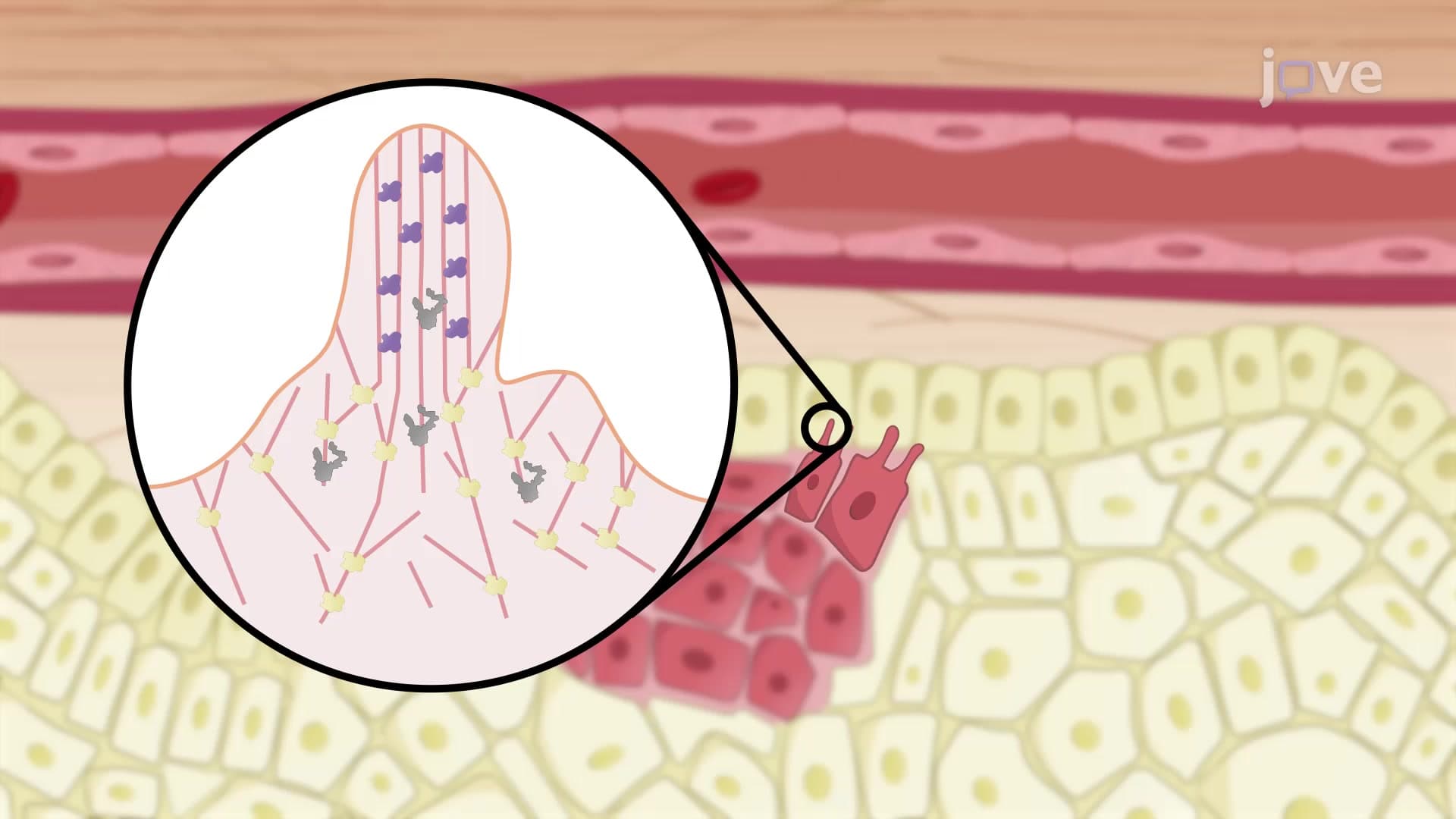
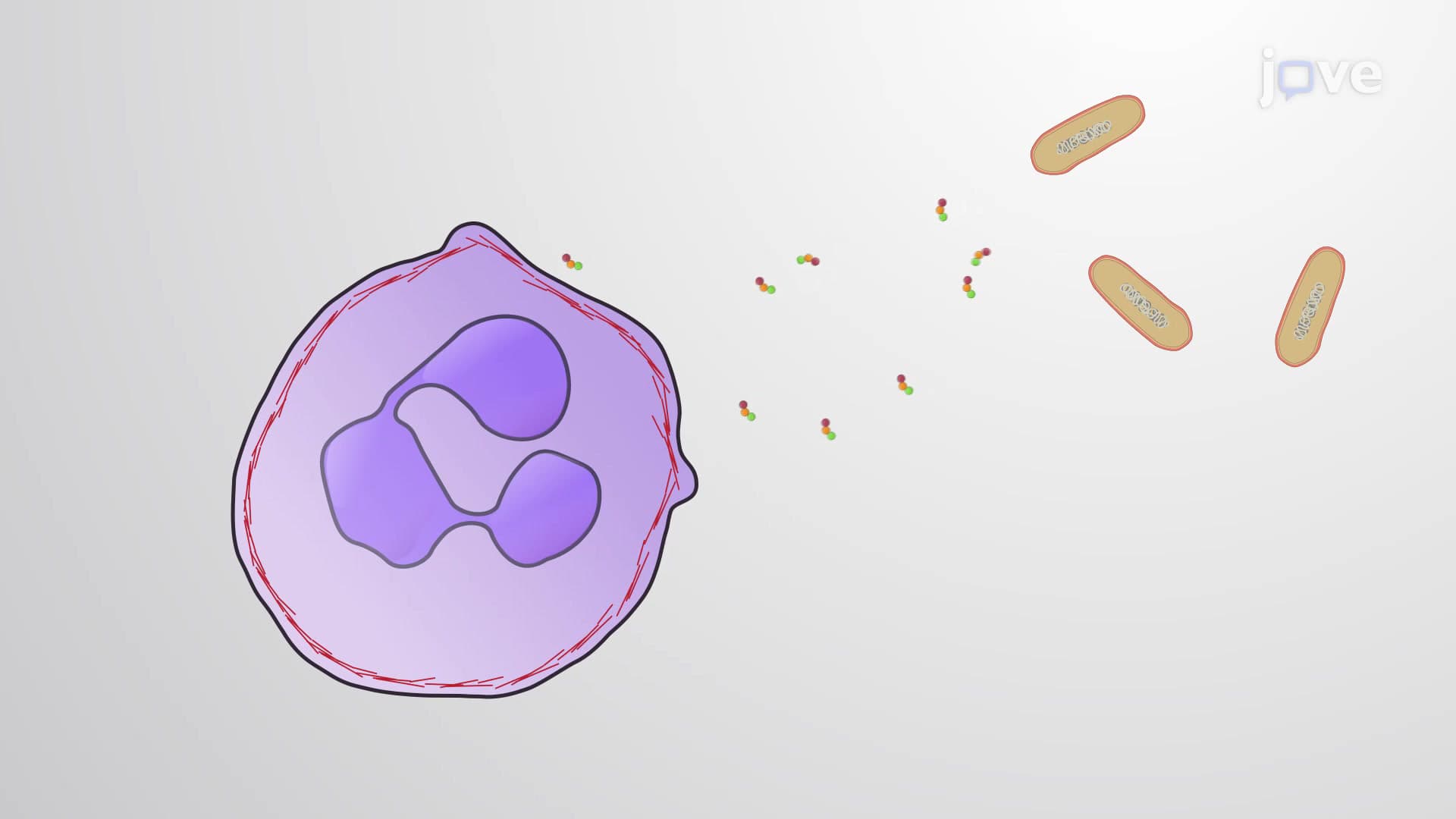
Ever wonder how white blood cells know exactly where to go when you get a cut? Chemotaxis and direction of cell migration is the remarkable process that guides immune cells like neutrophils directly to infection sites in your body. When bacteria like E. coli invade a wound, they release chemical signals that act like a GPS system, directing your body's defense cells along concentration gradients to eliminate the threat. Watch the full video on JoVE Coach to master this concept with expert-led visuals and step-by-step explanations.
Chemotaxis represents one of biology's most elegant navigation systems, allowing cells to move purposefully through complex tissue environments. This process involves cells detecting chemical gradients and translating those signals into directed movement-a capability essential for immune responses, development, and tissue repair. Unlike random cell movement, chemotactic migration is highly regulated and directional, enabling precise cellular responses to environmental cues.
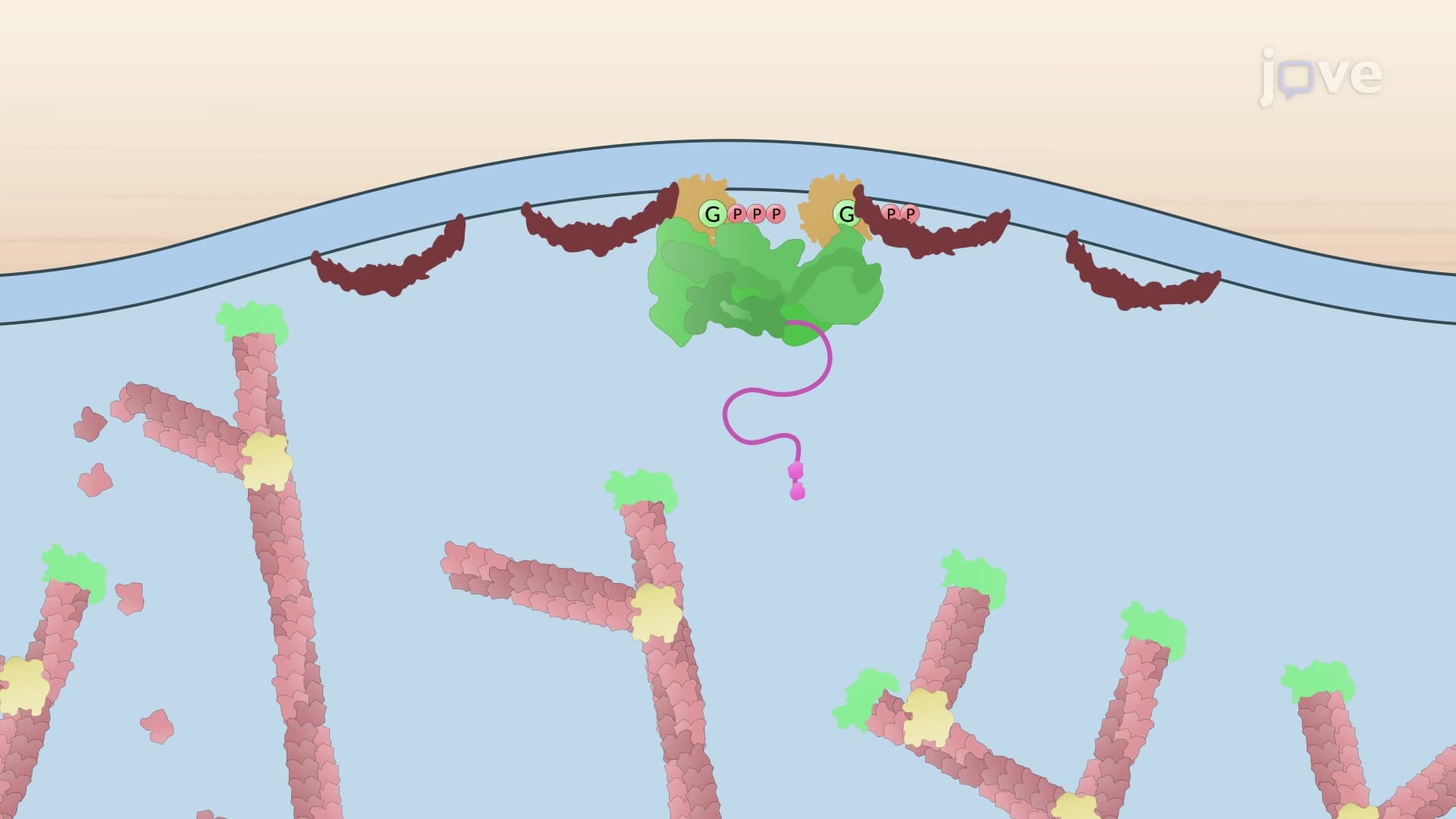
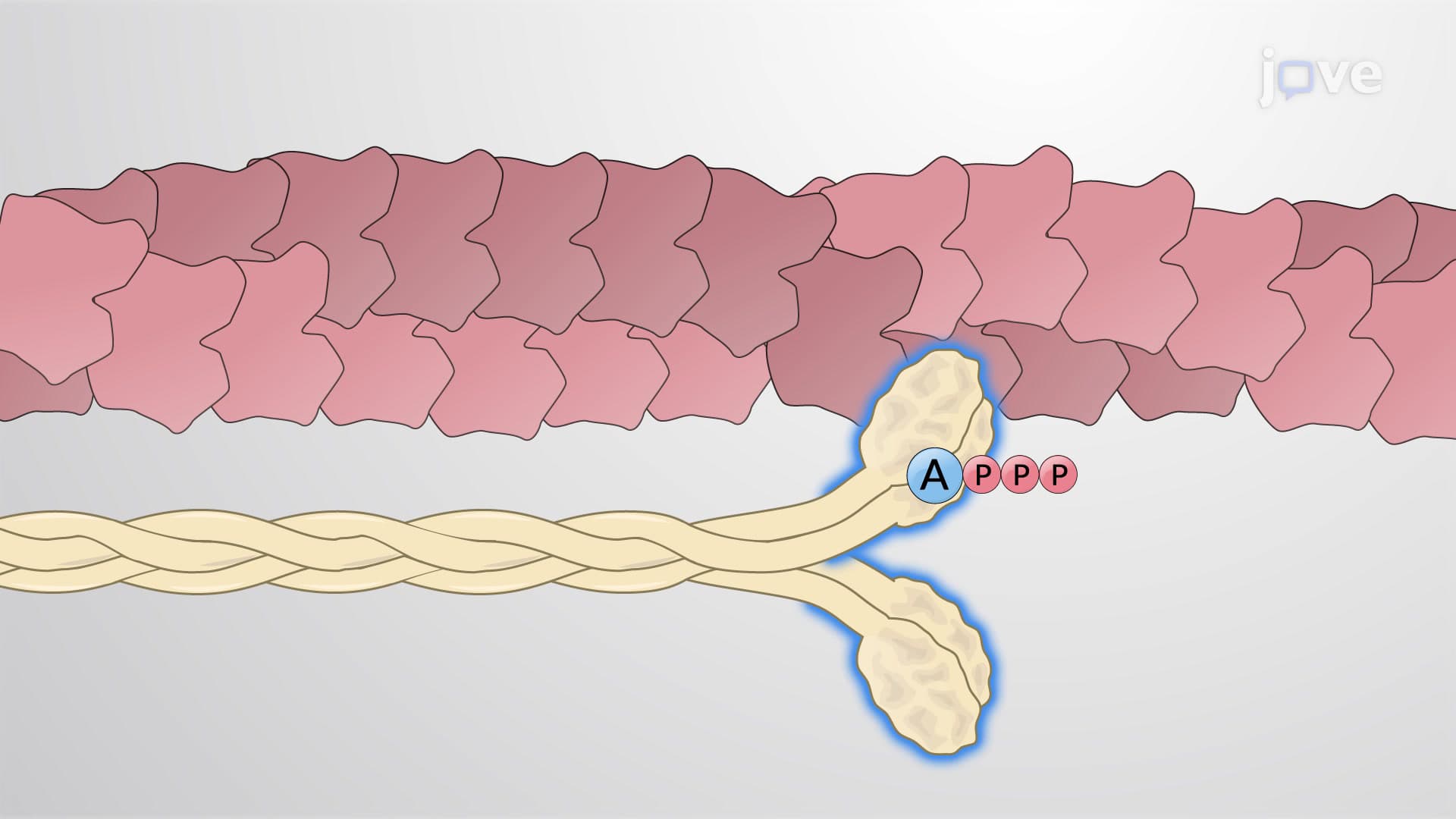
The molecular machinery driving chemotaxis involves sophisticated receptor-ligand interactions. When chemoattractant molecules bind to cell surface receptors, they trigger intracellular signaling cascades that dramatically reorganize the cell's internal architecture. This process is particularly well-studied in neutrophils responding to bacterial infections, where tripeptide signals from pathogens like E. coli activate specific G-protein coupled receptors.
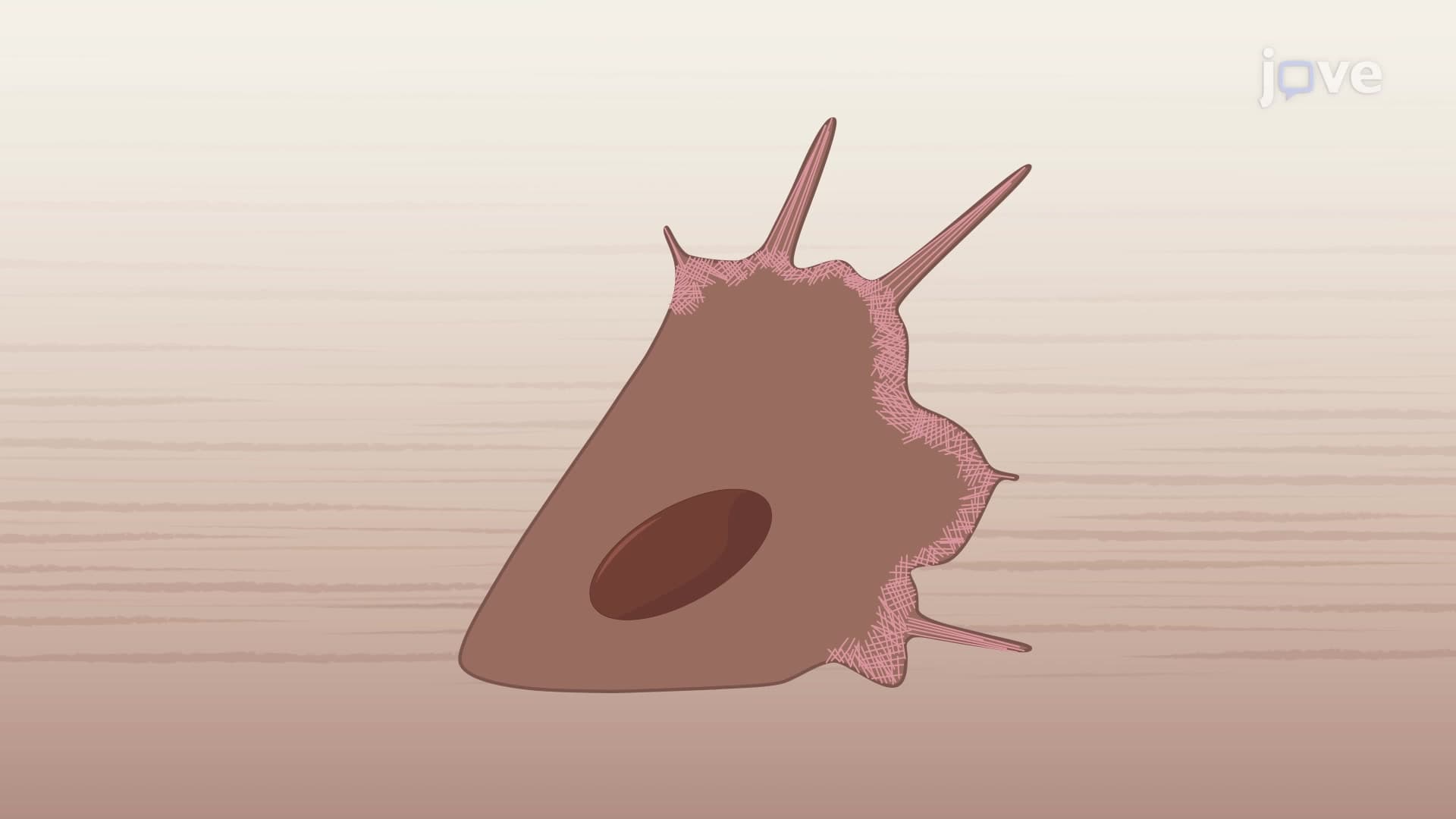
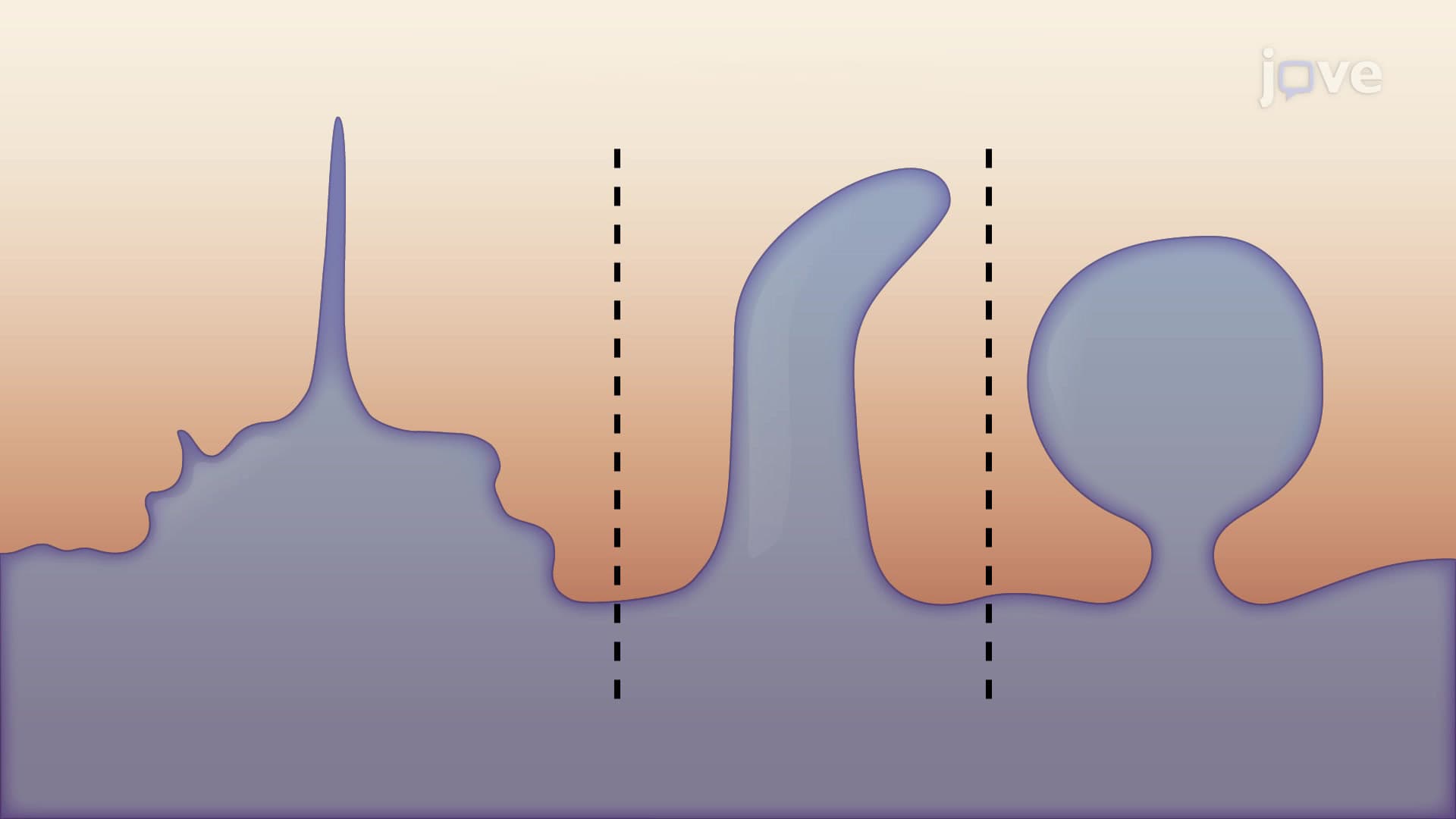
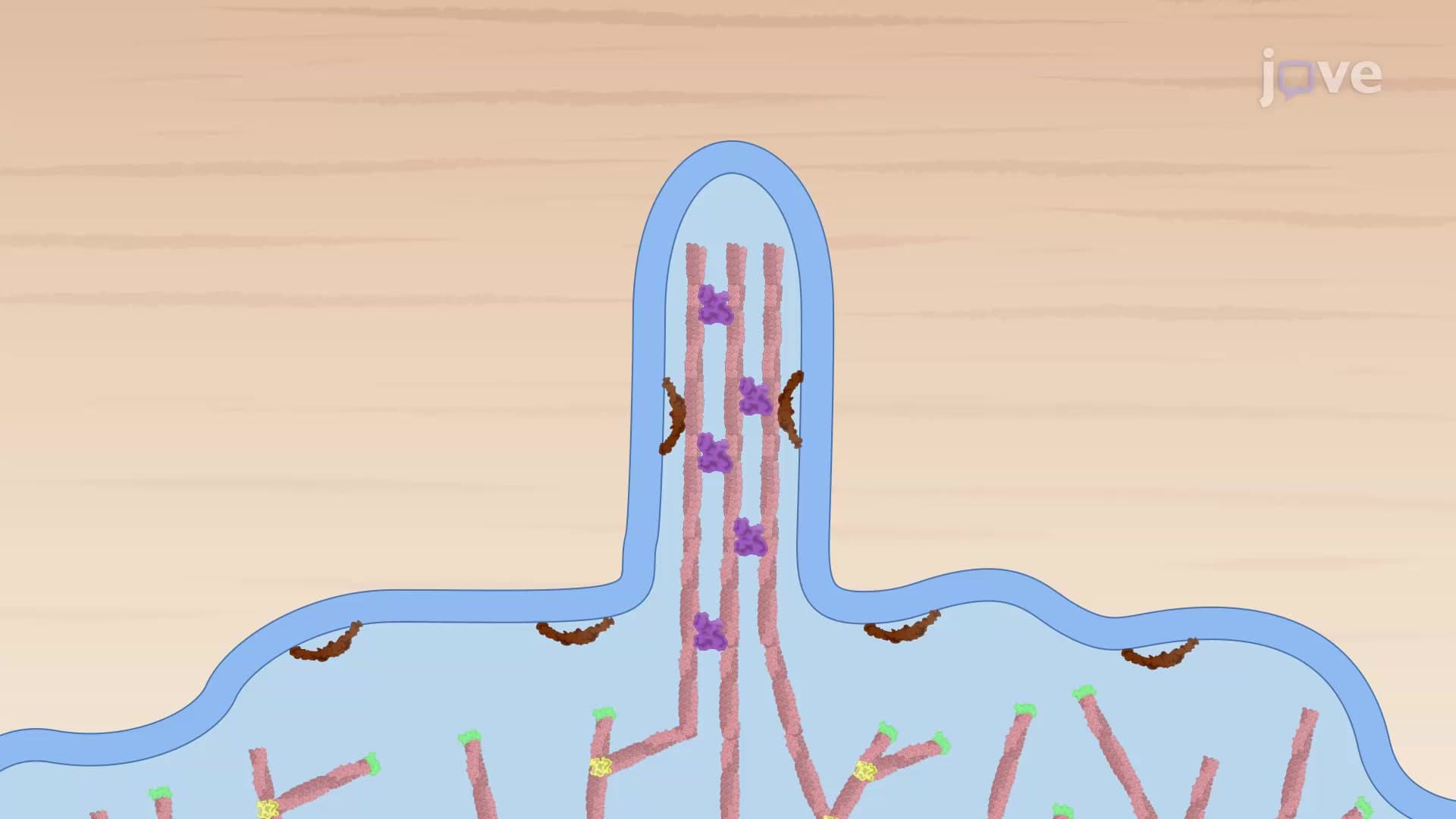
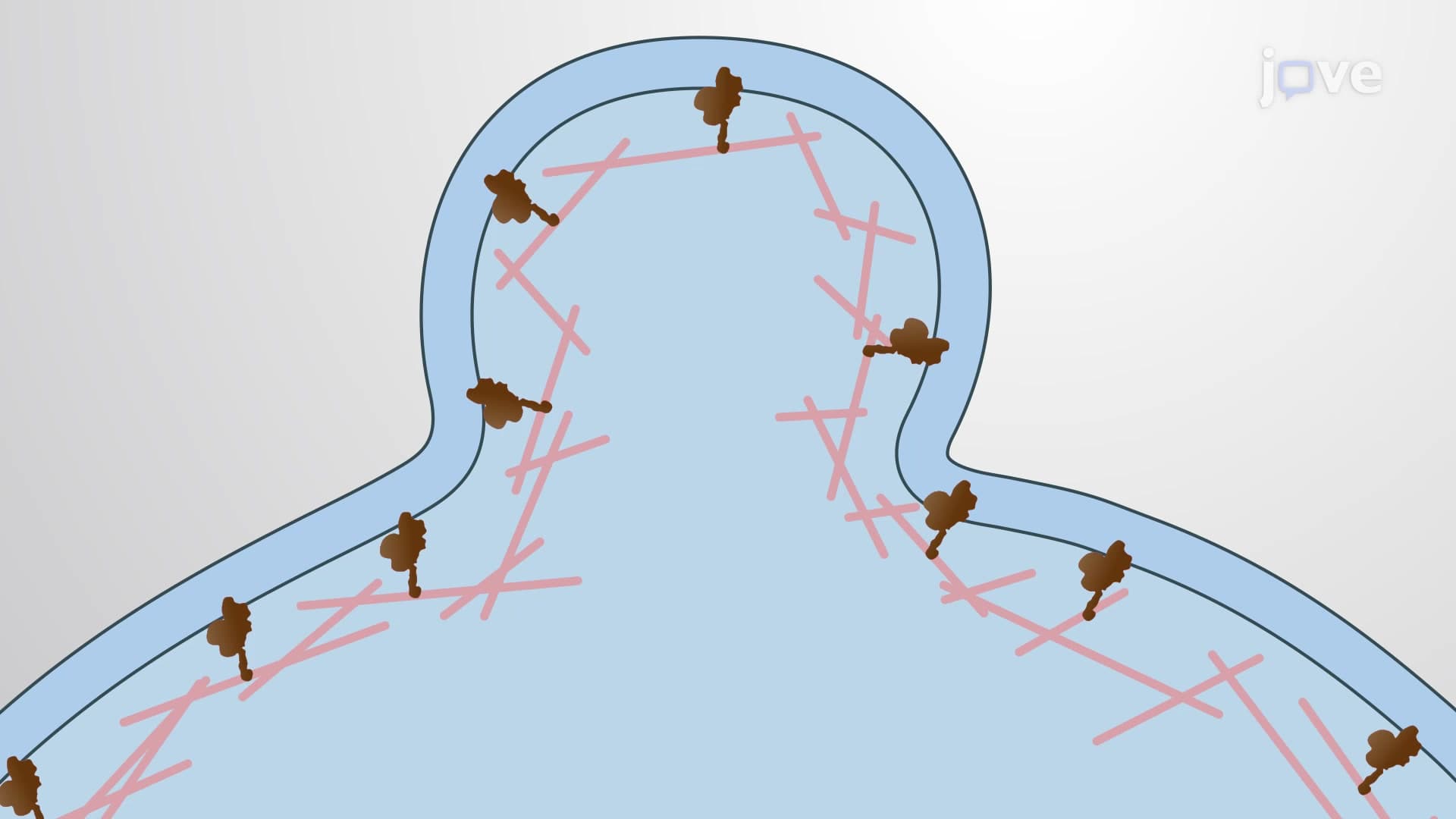
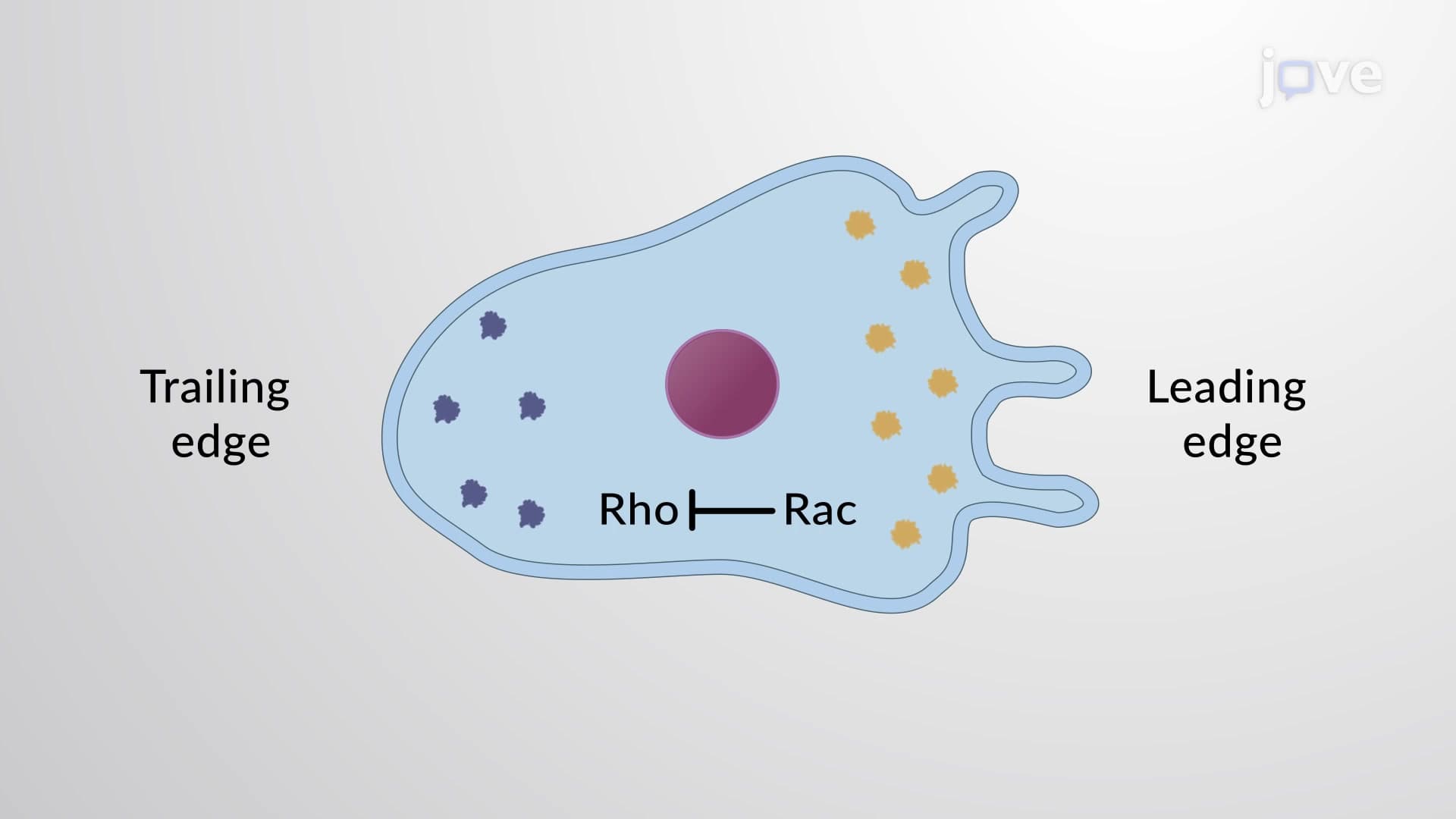
Cell polarization represents the critical first step in chemotactic movement. Upon receptor activation, cells establish distinct functional domains: a leading edge enriched in actin polymerization machinery and a trailing edge dominated by contractile forces. The Rac GTPase pathway drives protrusion formation at the cell front, promoting actin assembly and membrane extension toward the chemoattractant source. Simultaneously, the Rho pathway controls rear-end retraction, ensuring coordinated forward movement.
This spatial organization creates a positive feedback loop that amplifies the initial chemical signal. Students preparing for AP Biology or college cell biology courses should understand that this amplification mechanism allows cells to respond to surprisingly shallow concentration gradients-often detecting differences of just 2% across their diameter.
Chemotaxis dysfunction underlies numerous medical conditions studied in US medical schools. Chronic granulomatous disease, for example, impairs neutrophil migration, leaving patients vulnerable to persistent bacterial infections. Conversely, excessive chemotactic responses contribute to inflammatory diseases like rheumatoid arthritis and inflammatory bowel disease.
Cancer research has revealed that tumor cells can hijack normal chemotactic pathways to promote metastasis. Understanding these mechanisms has led to targeted therapies that disrupt cancer cell migration-knowledge increasingly tested on the MCAT and in undergraduate biochemistry courses.
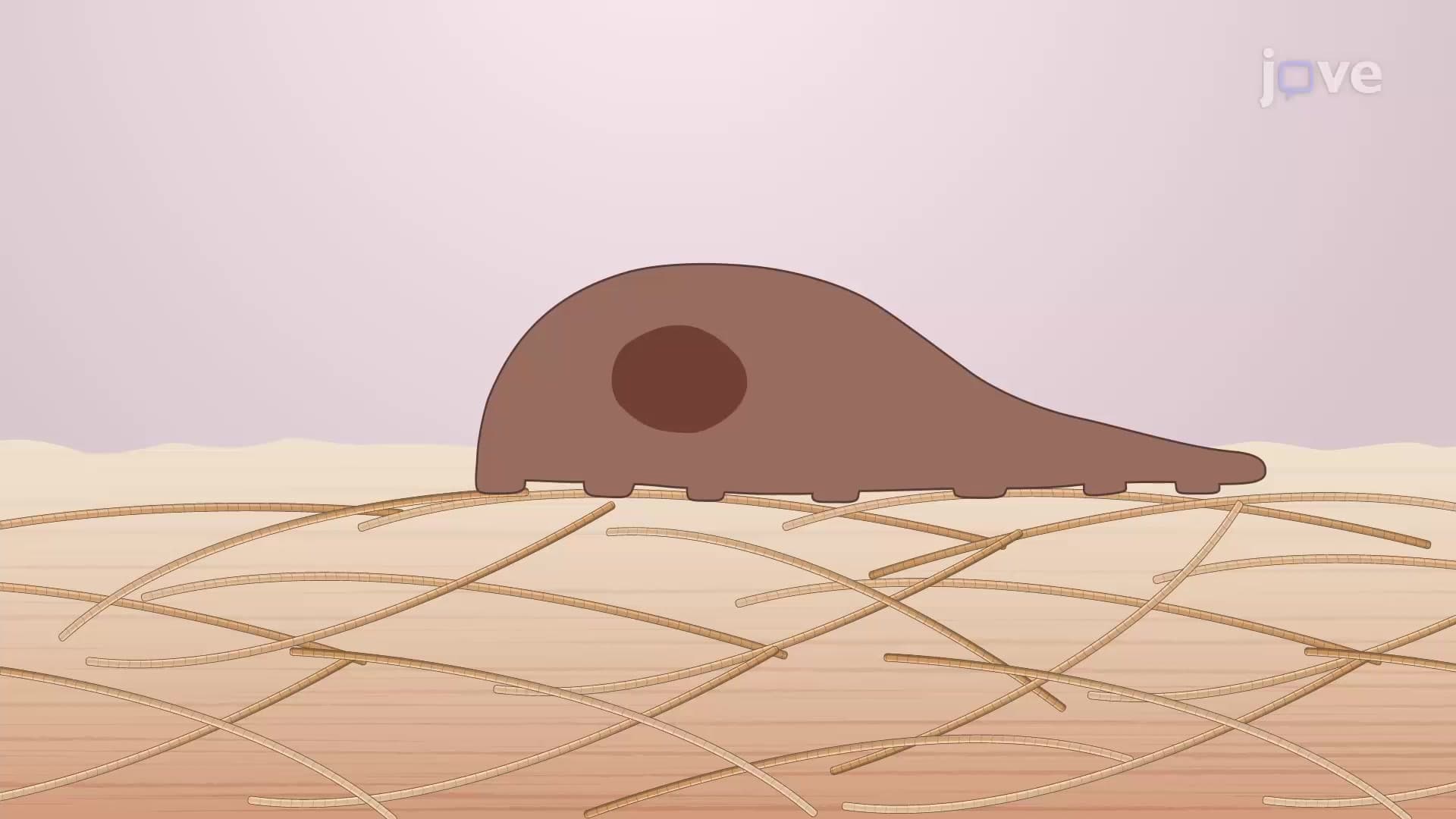
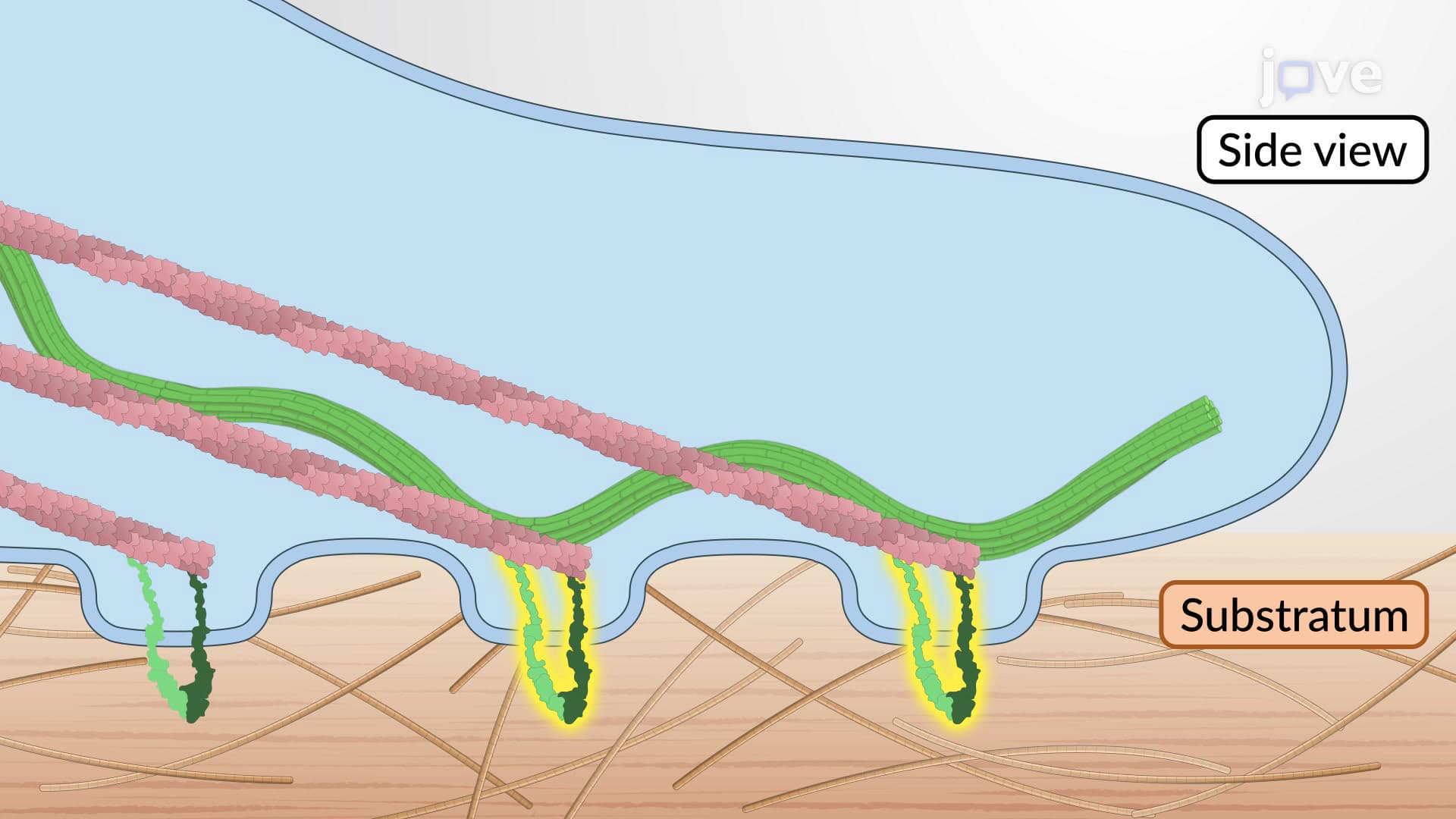
Beyond soluble factors, cells also respond to immobilized guidance cues like extracellular matrix proteins. Laminin gradients, for instance, direct neural development by providing adhesive tracks for migrating cells. This principle has revolutionized tissue engineering approaches, where researchers create biomaterial scaffolds with embedded chemical gradients to guide tissue regeneration-a concept frequently explored in biomedical engineering programs at institutions like MIT and Johns Hopkins.
Related Micro-courses