Loading subject page…


40,213 views

Video Summary: What are Types of Membrane Protrusions
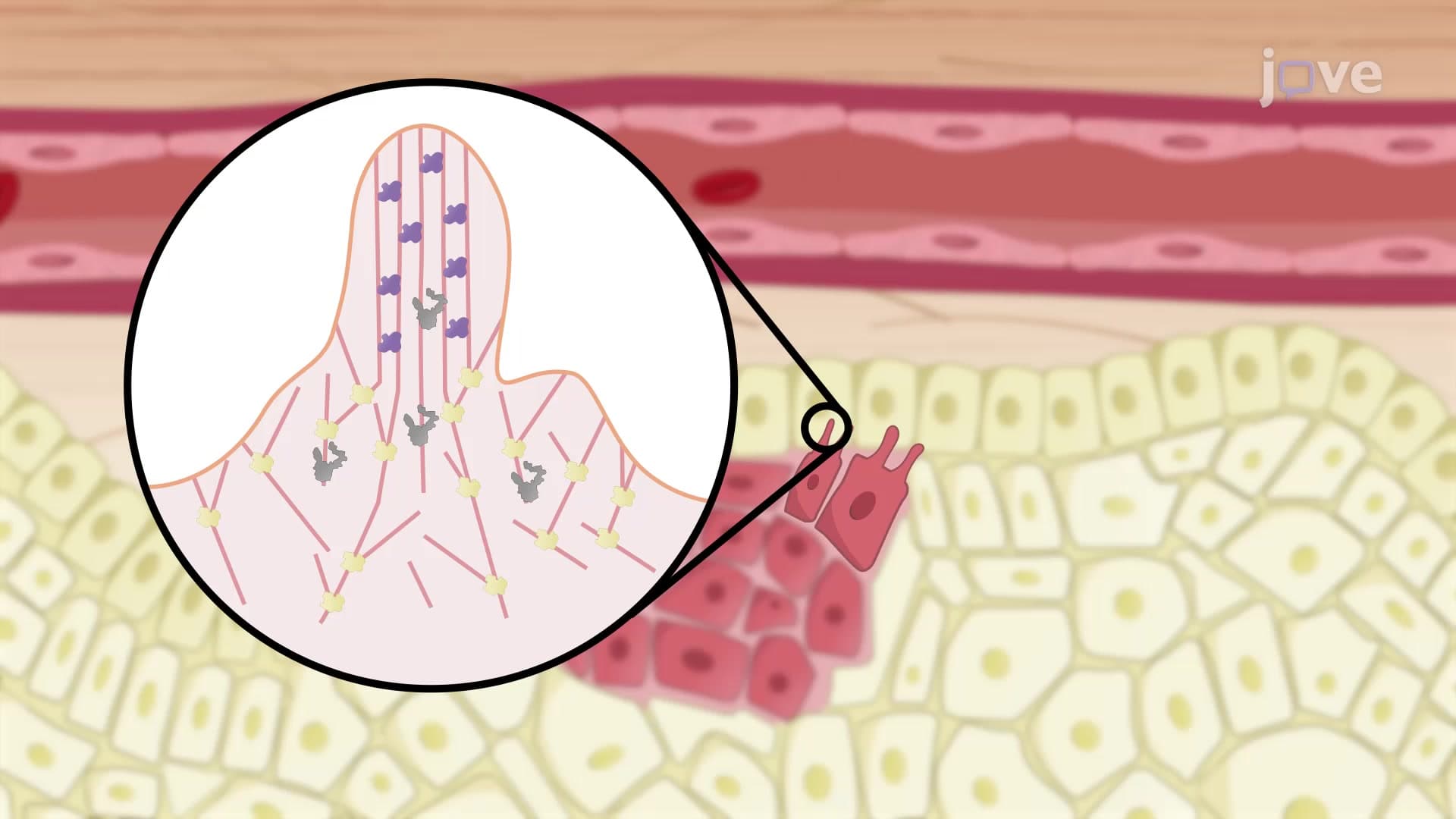
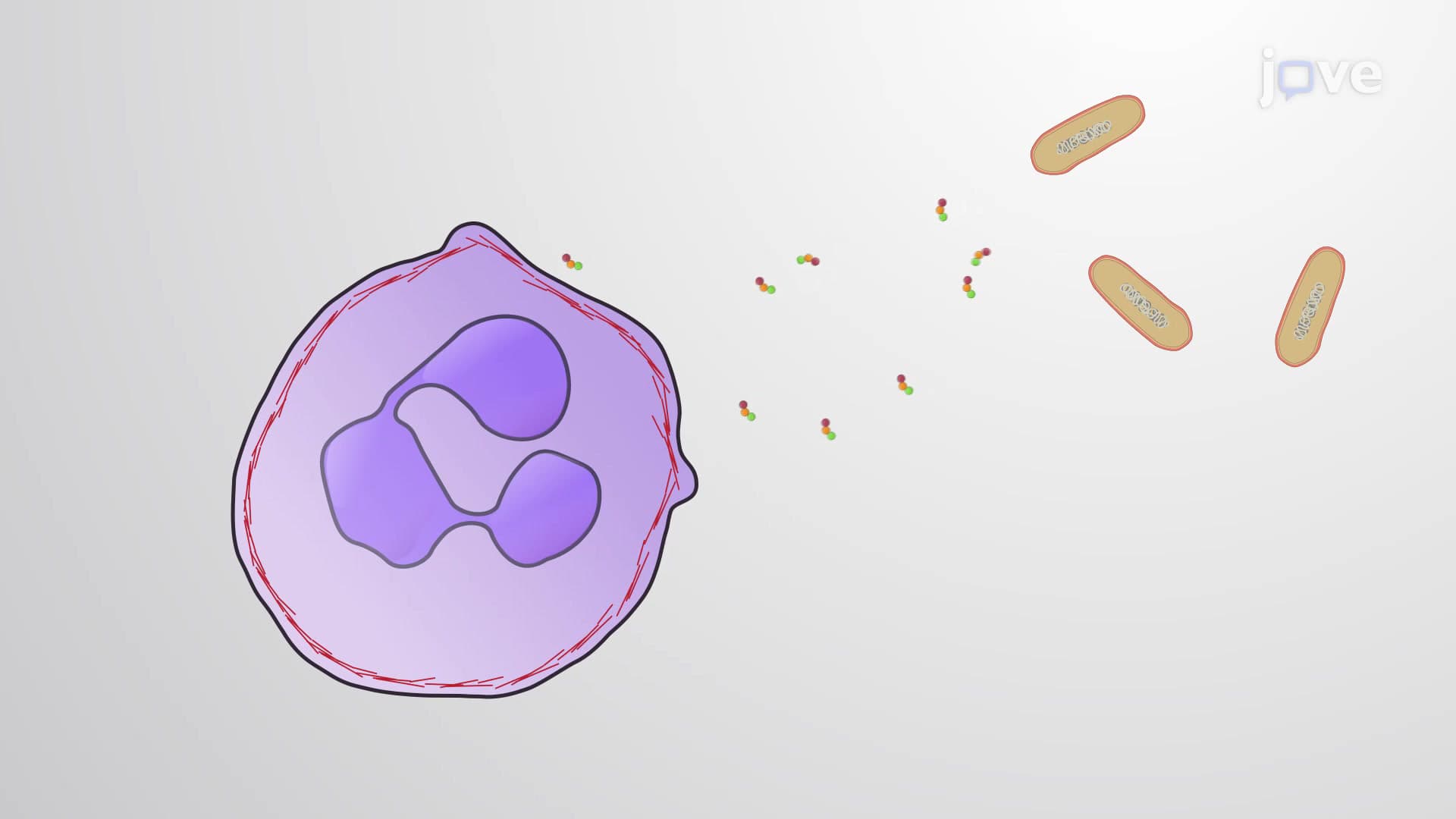
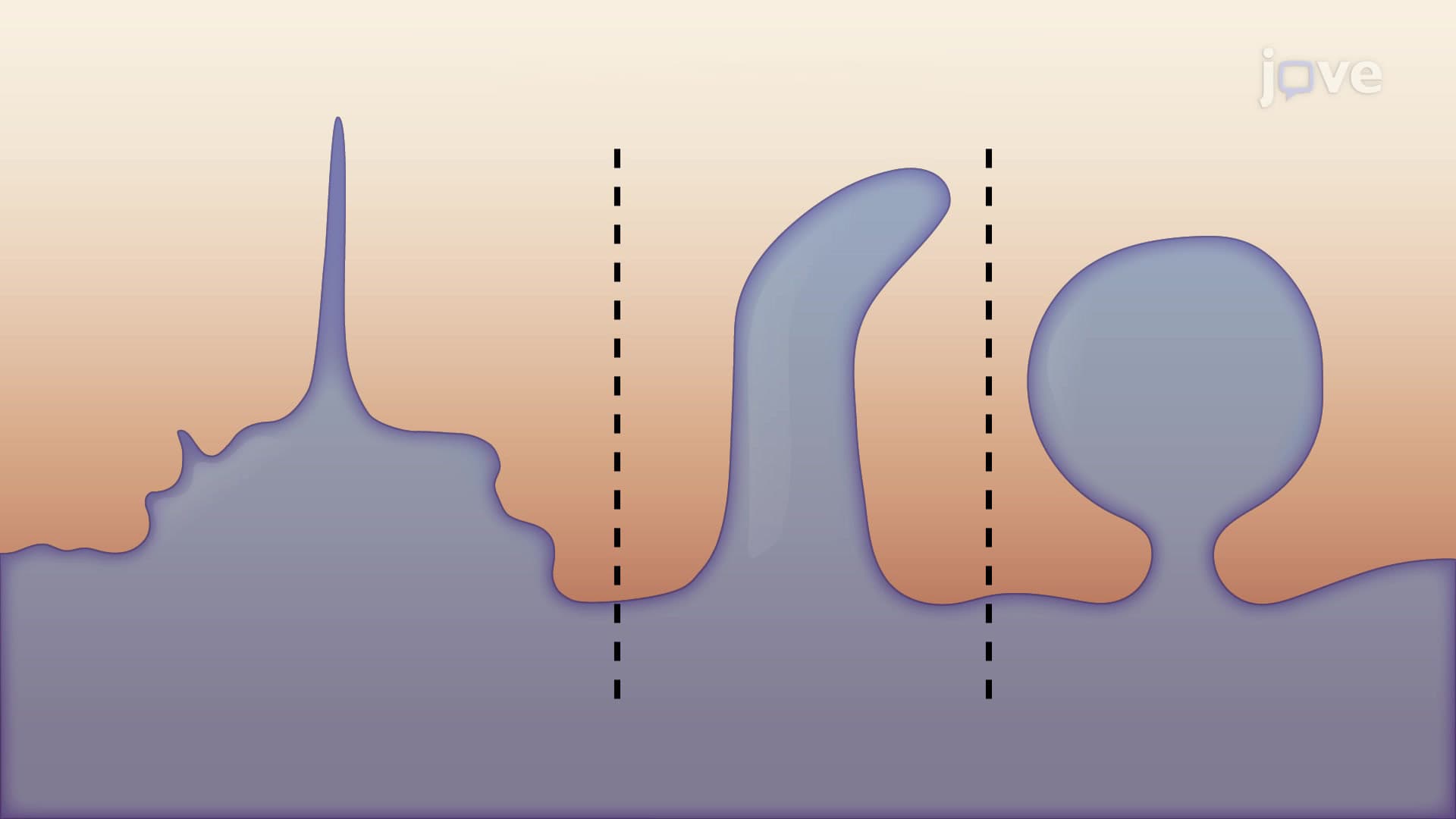
Did you know that cancer cells at MD Anderson Cancer Center use specialized "invasion fingers" to break through tissue barriers and spread throughout the body? The types of membrane protrusions-including lamellipodia, filopodia, invadopodia, and blebs-are dynamic cellular structures that enable everything from white blood cell movement during infection response to tumor metastasis. Watch the full video on JoVE Coach to master this concept with expert-led visuals and step-by-step explanations.
Types of membrane protrusions represent one of the most fascinating aspects of cellular dynamics, serving as the cellular equivalent of hands and feet that allow cells to move, explore, and interact with their environment. These specialized structures are critical for processes ranging from embryonic development to immune responses, making them essential knowledge for students pursuing careers in medicine, biomedical research, or biotechnology.
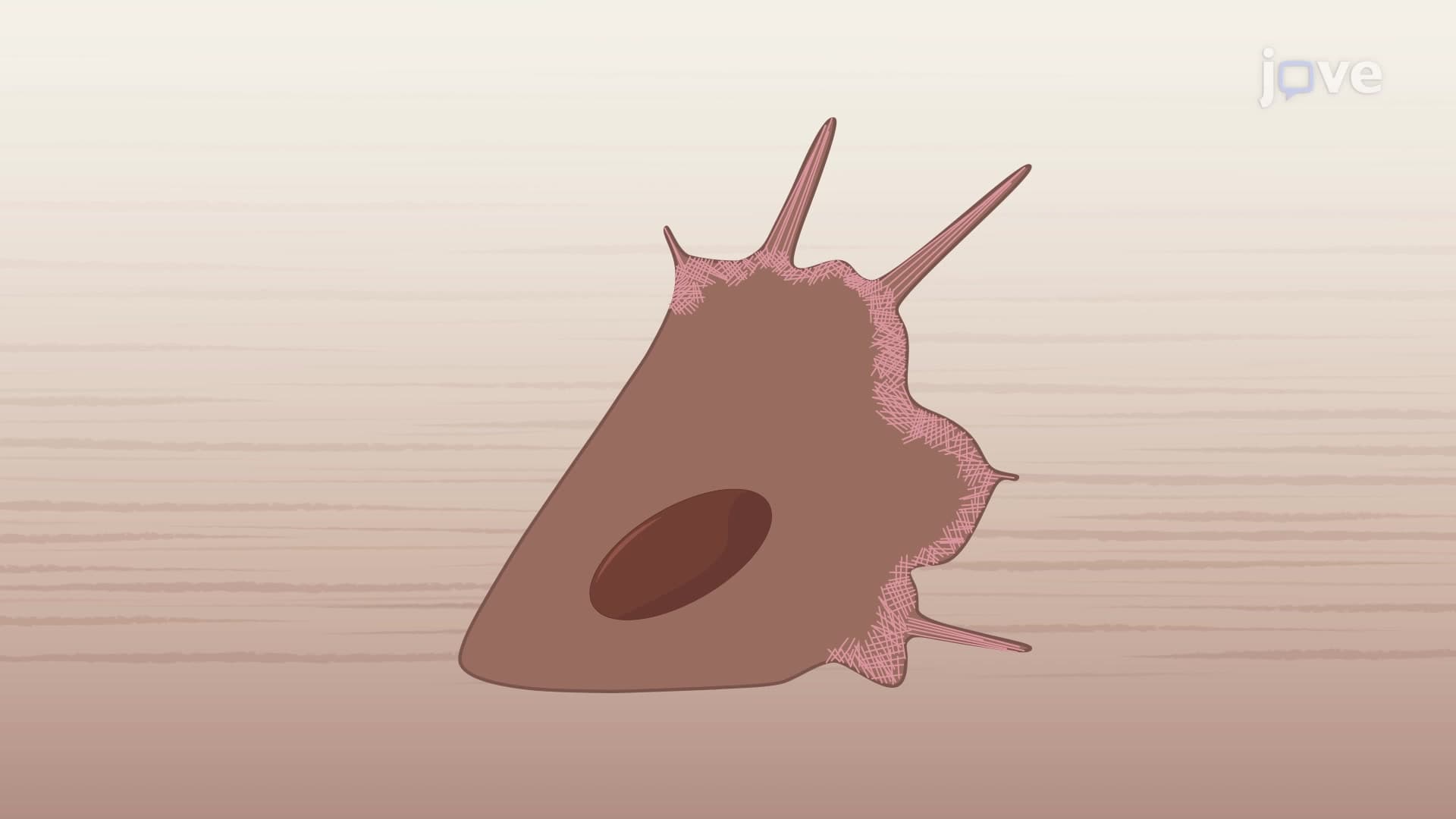
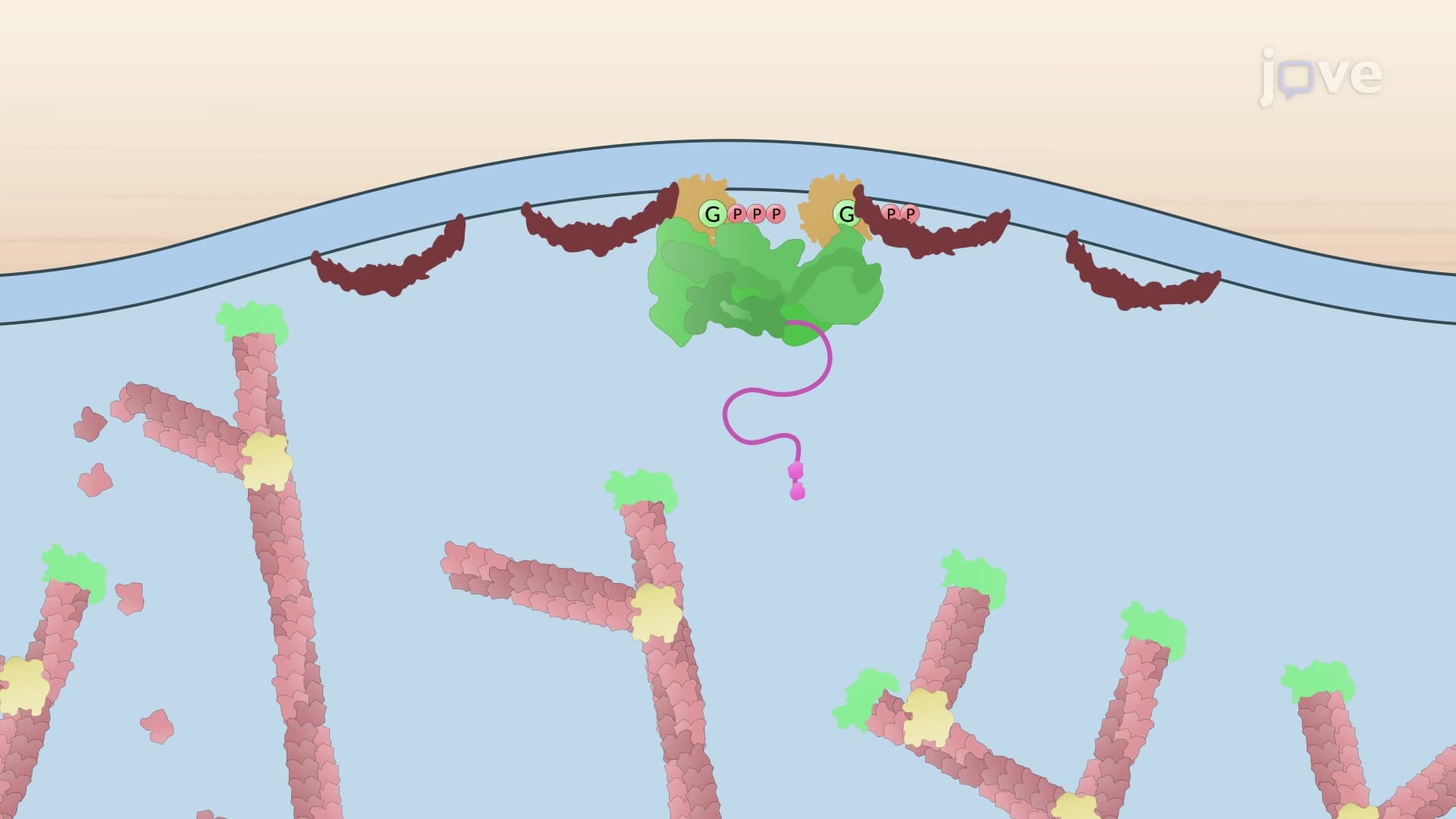
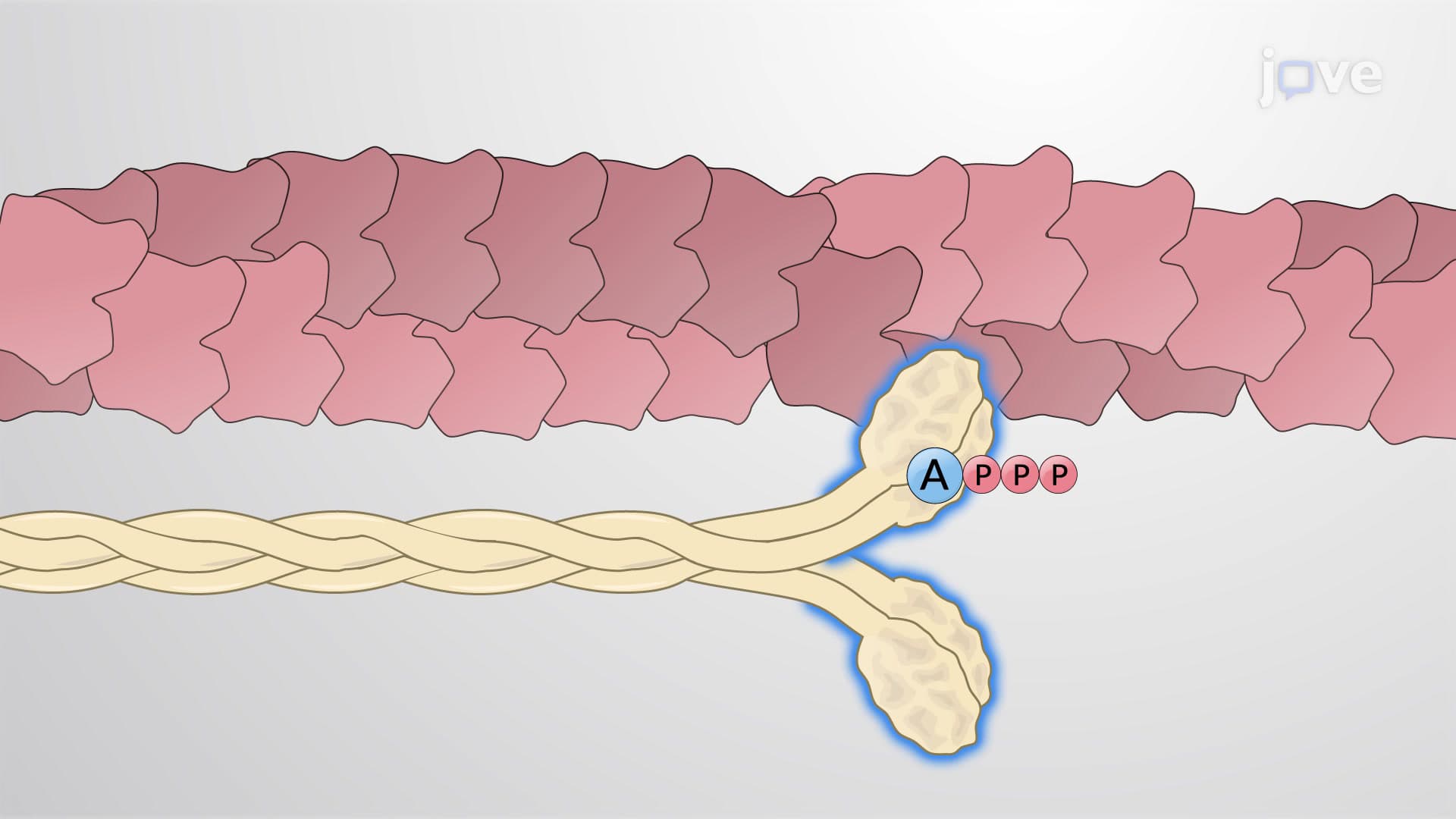
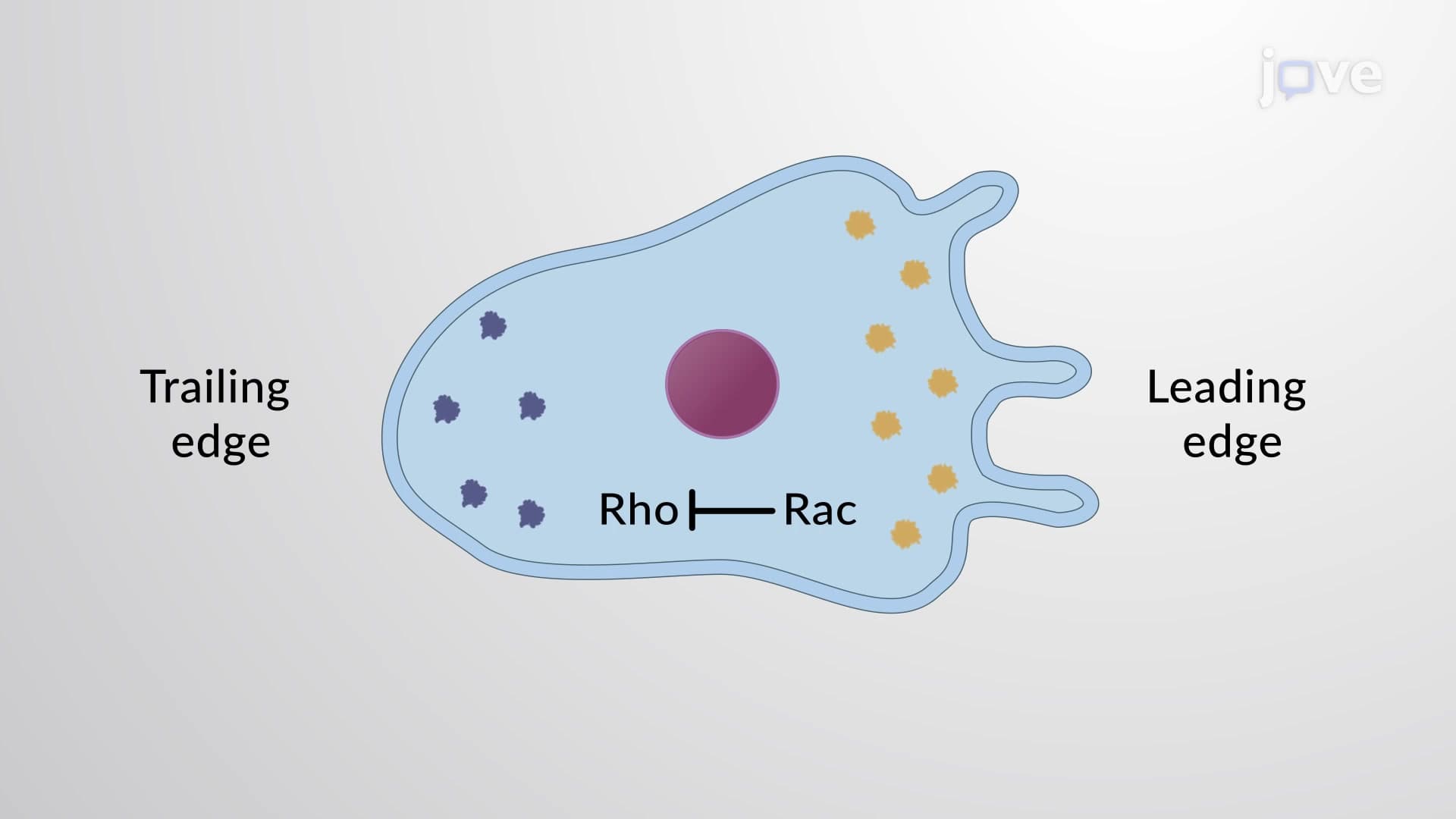
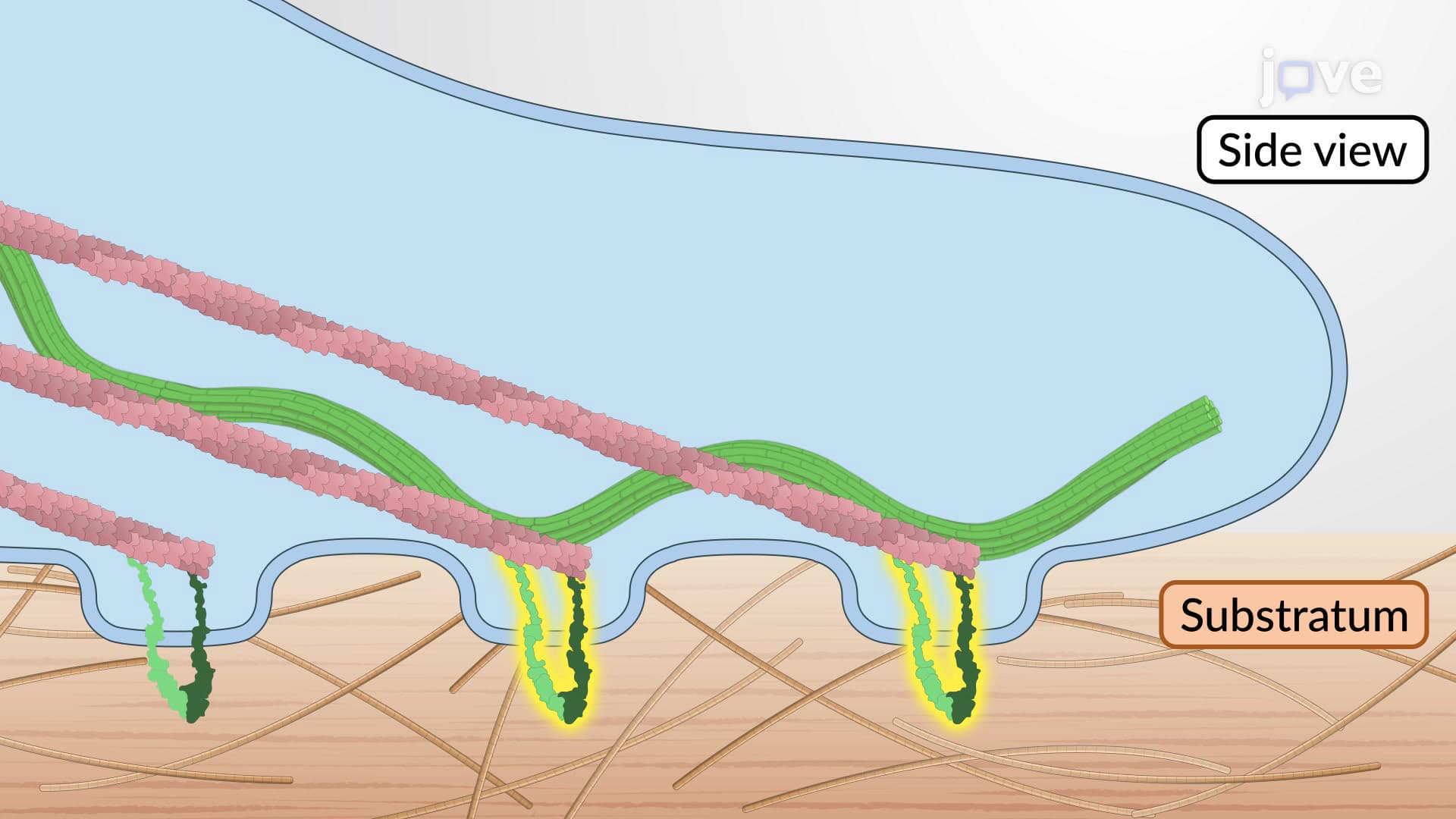
Lamellipodia function as broad, flat membrane extensions that form at the leading edge of migrating cells. Think of them as cellular "bulldozer blades" that push forward during movement. These structures are particularly prominent in neurons extending axons during development and in immune cells like macrophages pursuing pathogens. At institutions like Johns Hopkins University, researchers study how lamellipodia coordinate with the actin cytoskeleton to enable precise cell navigation during wound healing. For AP Biology students, understanding lamellipodia helps explain how white blood cells reach infection sites and how neural connections form during brain development.
Unlike the broad lamellipodia, filopodia are thin, needle-like projections that extend from cells to probe their surroundings. These structures act like cellular "antennae," sensing chemical gradients and physical obstacles. Growth cones of developing neurons use filopodia to navigate toward their targets, a process studied extensively at Stanford University's neuroscience programs. Students preparing for the MCAT should understand how filopodia enable chemotaxis-the directed movement of cells toward chemical signals-which is fundamental to embryonic development and immune cell function.
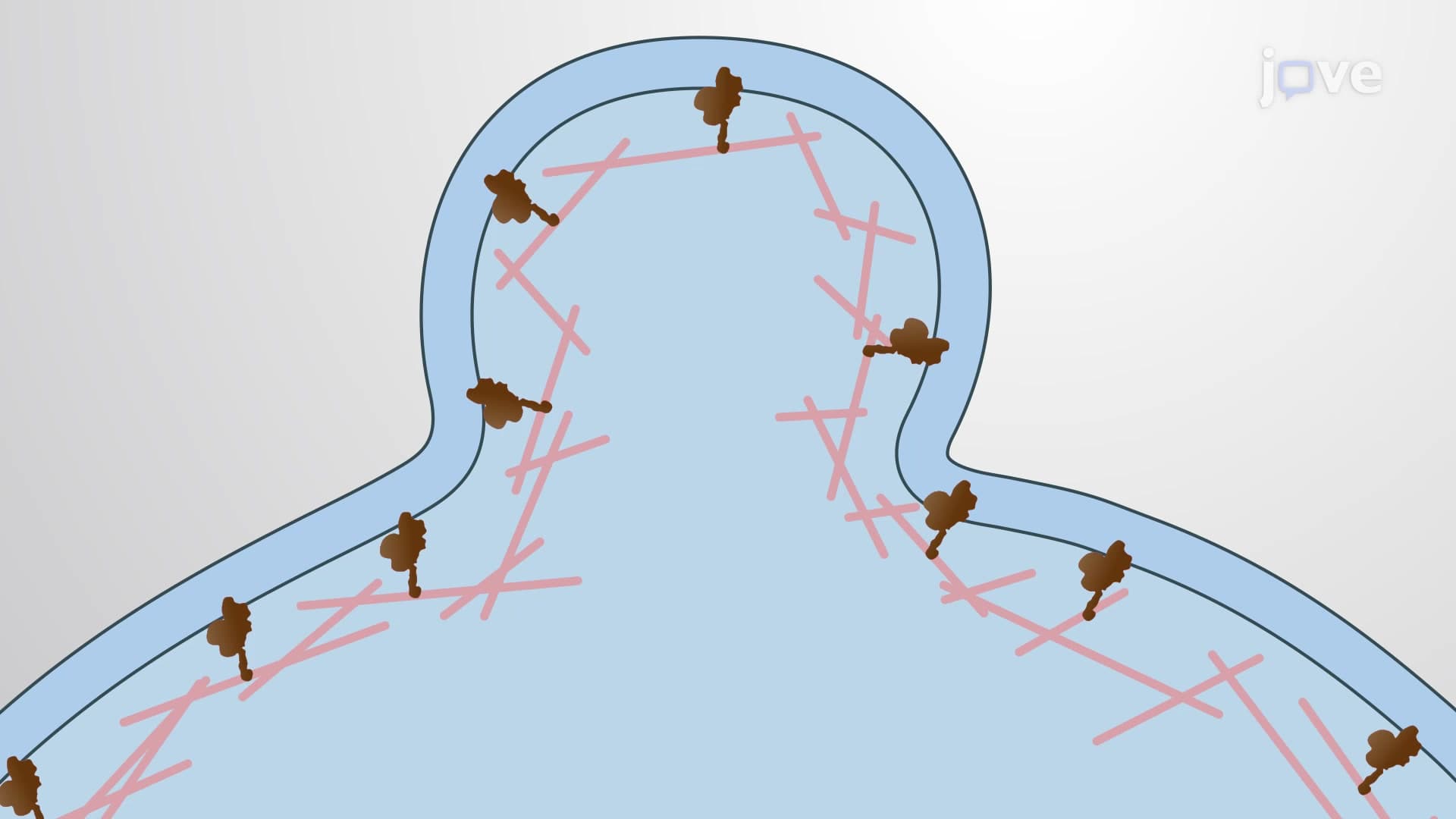
Invadopodia represent the "dark side" of membrane protrusions, enriched with matrix metalloproteinases that allow cancer cells to degrade tissue barriers and metastasize. Research at Memorial Sloan Kettering Cancer Center focuses on understanding these invasive structures to develop new cancer therapies. Meanwhile, blebs are spherical protrusions formed by hydrostatic pressure, important not only in cell migration but also in apoptosis (programmed cell death). College students studying cell biology should recognize that blebs form when the cell membrane detaches from the underlying cytoskeleton, creating balloon-like projections that can propel cell movement in confined spaces.
Related Micro-courses