Loading subject page…

- Cell Biology
- Cell Polarization and Migration
- Cell Motility through Blebbing
Micro-course: Cell Polarization and Migration
40,212 views
Learn key concepts and earn your certificate.


Cell Motility through Blebbing

00:00
01:16
Video Summary: What Is Cell Motility Through Blebbing
Ever wondered how cancer cells squeeze through tight spaces to spread throughout the body? Cell motility through blebbing is a fascinating mechanism where cells literally "bubble" their way forward by forming rounded protrusions that push and pull them through tissues. This process is crucial in cancer metastasis research at institutions like Johns Hopkins and MD Anderson Cancer Center. Watch the full video on JoVE Coach to master this concept with expert-led visuals and step-by-step explanations.
- Understand what is cell motility through blebbing and its fundamental role in cellular movement
- Identify the key cellular components involved in bleb formation, including the actomyosin cortex and ezrin linker proteins
- Analyze the sequential molecular events that drive bleb expansion and retraction cycles
- Recognize the opposing roles of Rnd3 and RhoA proteins in regulating cortical actin assembly
- Evaluate how hydrostatic pressure contributes to membrane protrusion during blebbing
- Apply knowledge of myosin-II contractile forces to explain bleb retraction mechanisms
- Explore the relationship between cytoskeletal dynamics and cell migration patterns
- Compare blebbing motility to other forms of cell movement like lamellipodia-driven migration
Understanding Cell Motility Through Blebbing Fundamentals
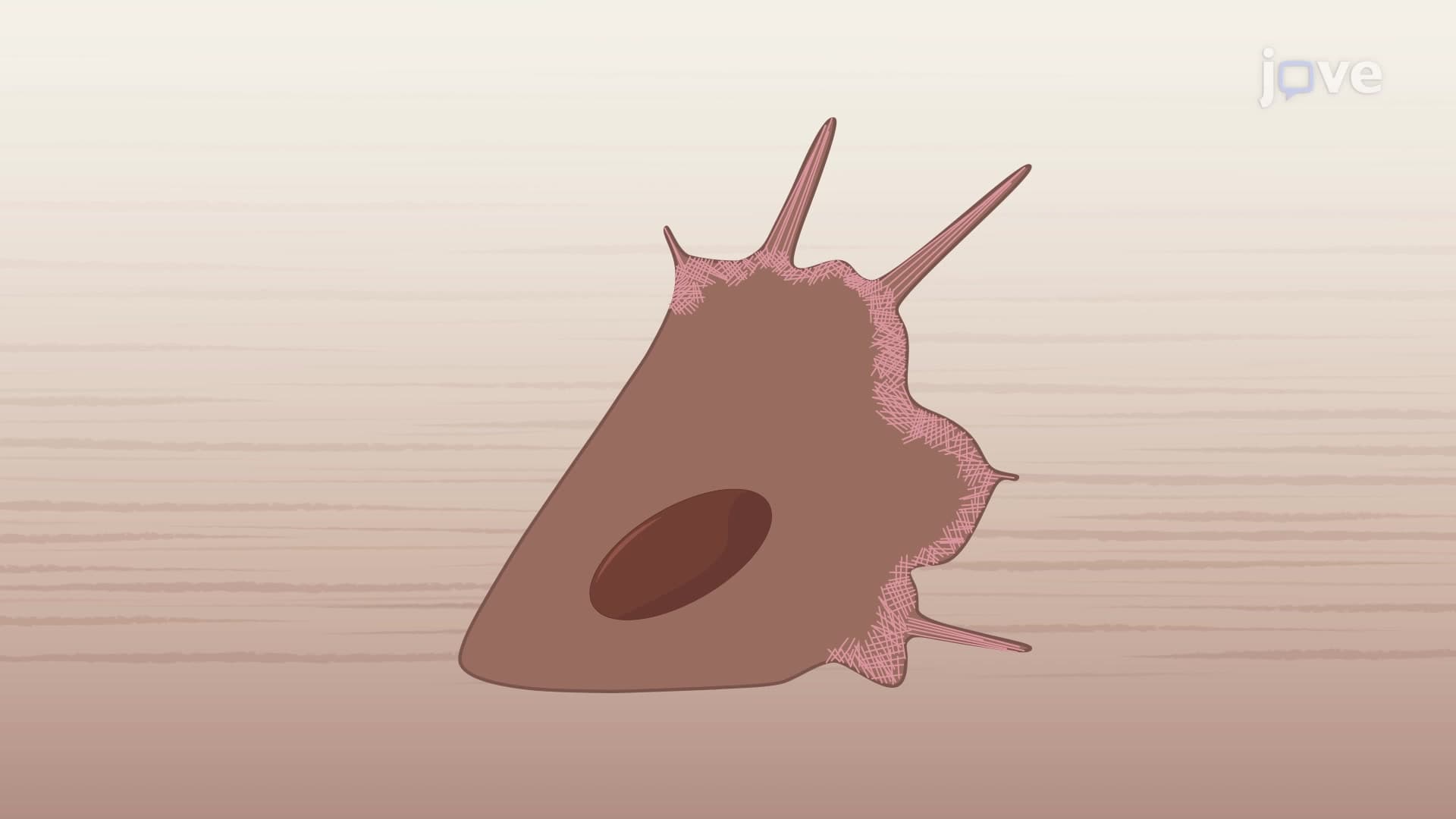
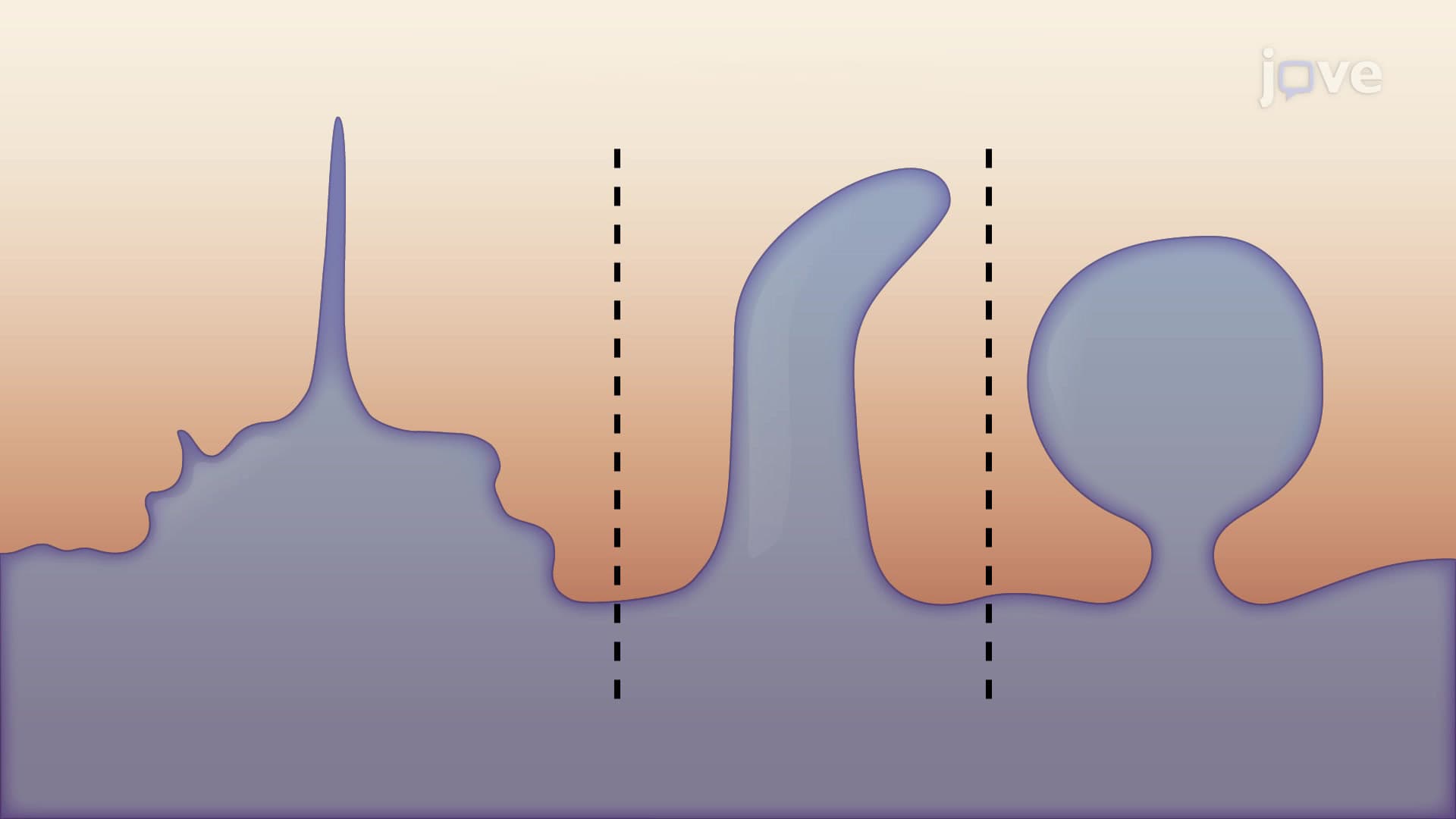
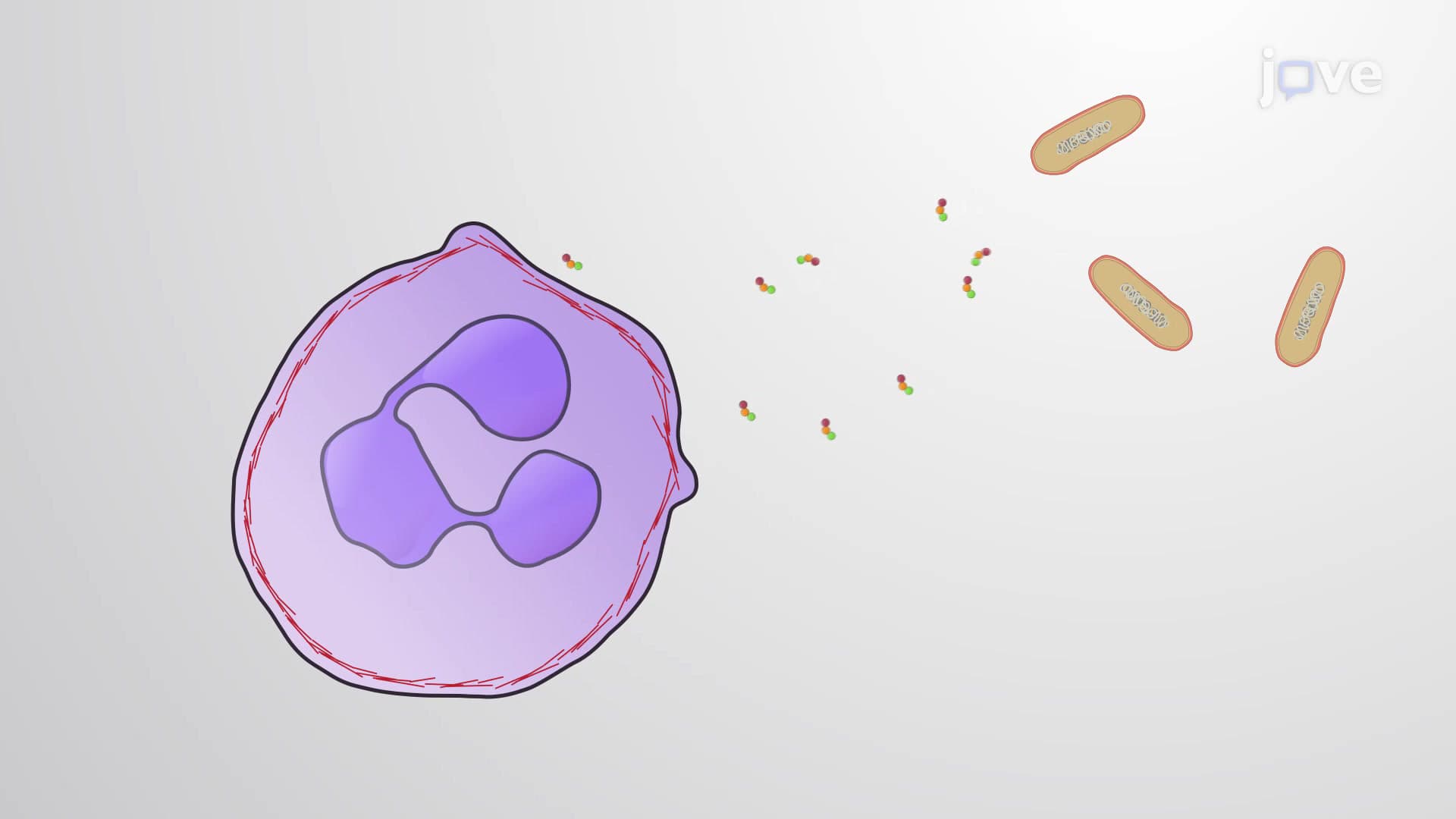
Cell motility through blebbing represents a unique form of cellular locomotion distinct from the more commonly studied actin-polymerization-driven migration. Unlike the steady, directional movement seen in crawling cells, blebbing involves rapid, balloon-like protrusions that cyclically expand and contract. This mechanism becomes particularly important when cells navigate through confined spaces or dense extracellular matrices, such as during tissue development or cancer progression.
The Molecular Architecture Behind Bleb Formation
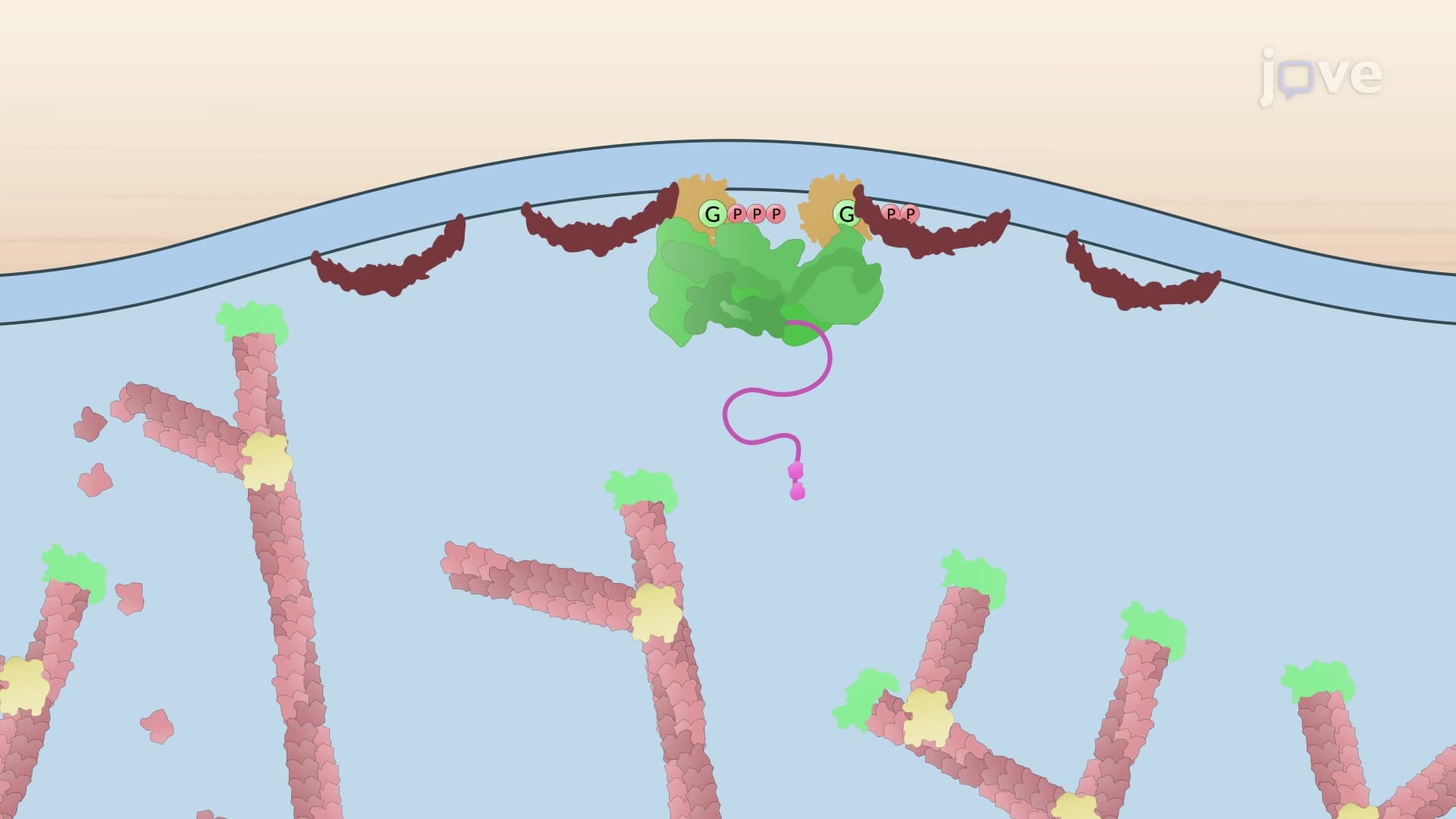
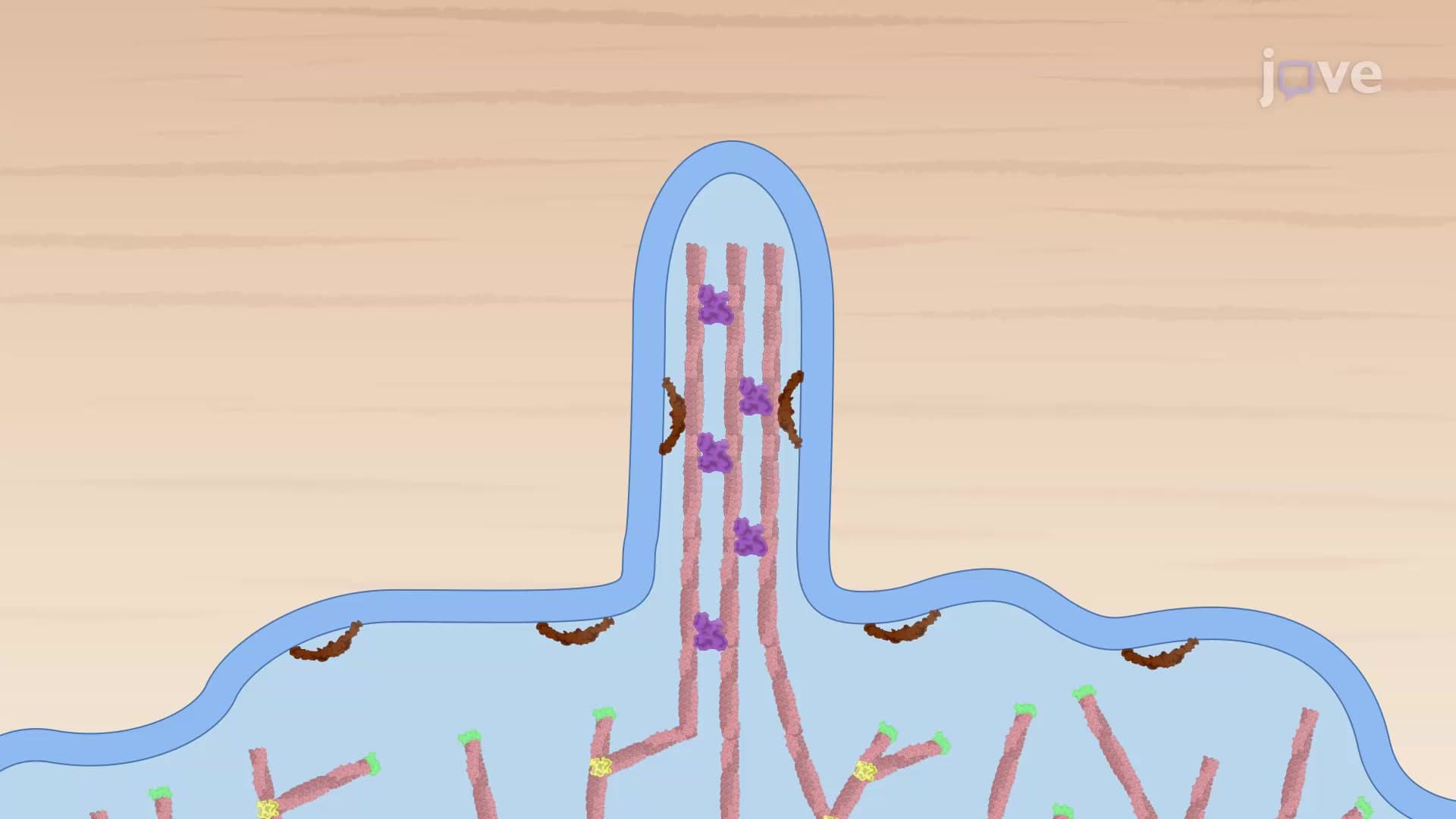
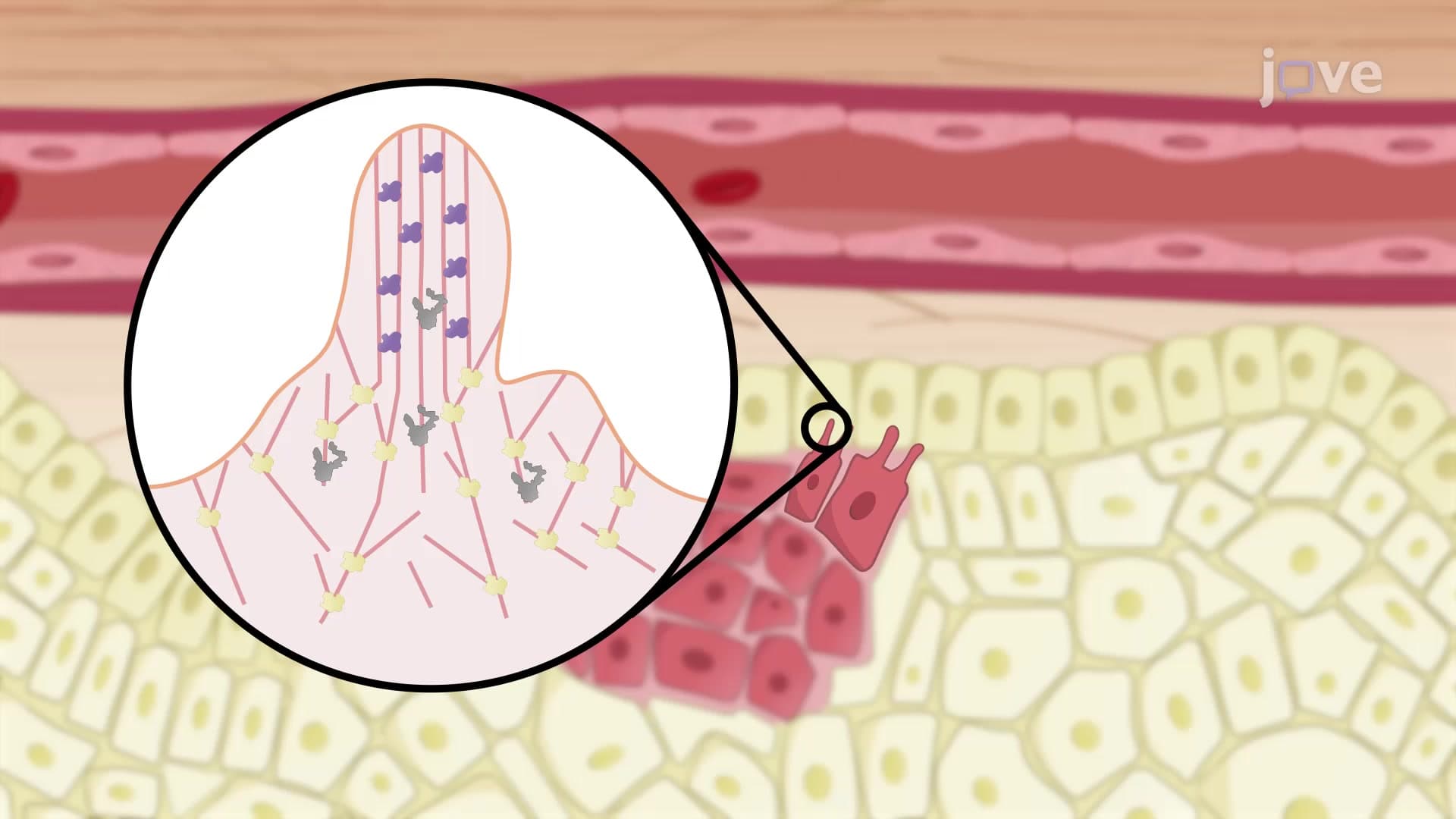
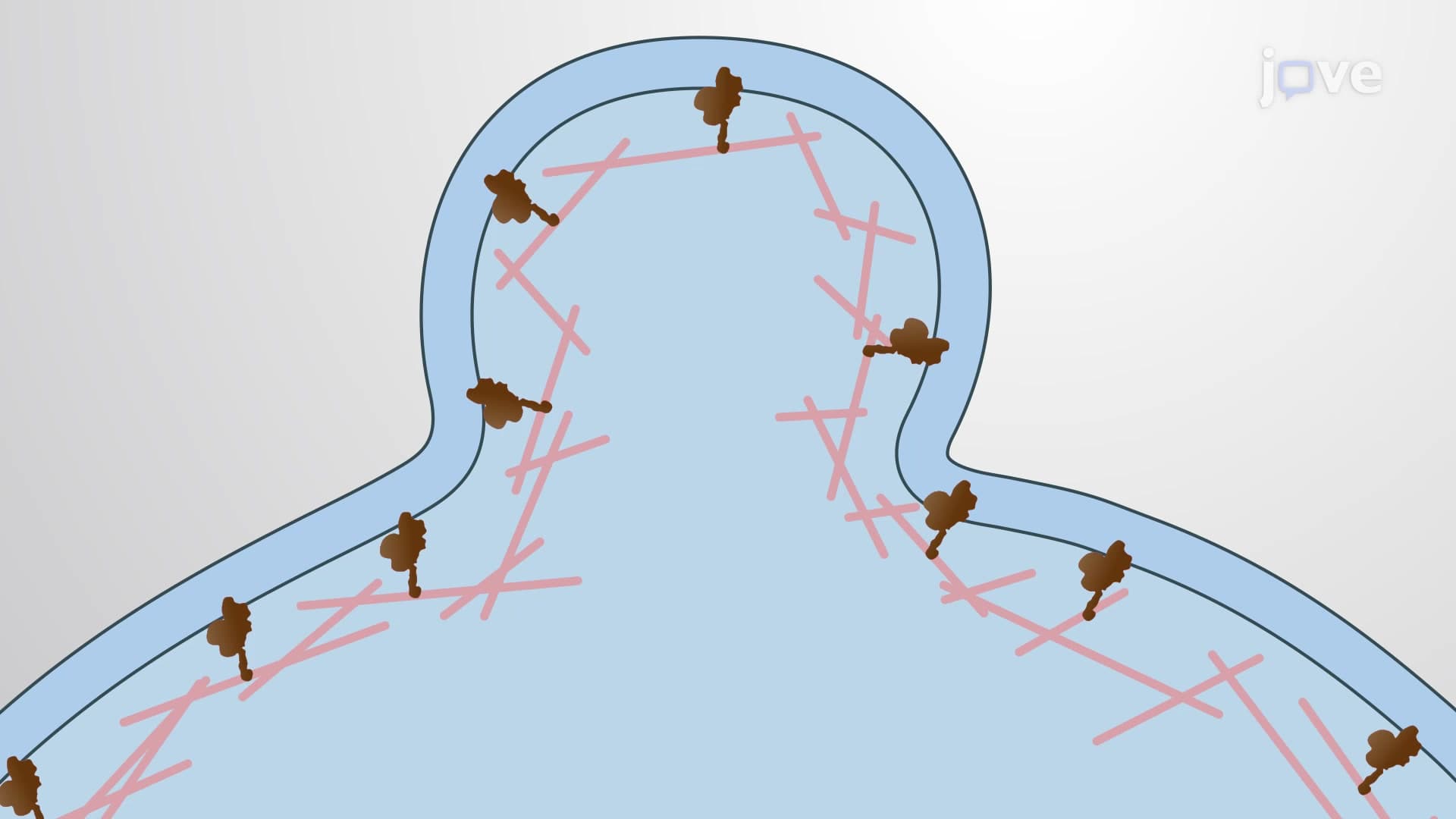
The process begins with the cell's cortical cytoskeleton-a thin layer of cross-linked actin filaments and myosin motors positioned just beneath the plasma membrane. This actomyosin cortex maintains cell shape through contractile tension, much like a balloon's rubber maintains its form. Ezrin and related ERM (ezrin-radixin-moesin) proteins serve as crucial molecular bridges, physically linking the cortex to the overlying membrane. When specific cellular signals trigger cortical destabilization, these connections break down locally, creating weak points where the membrane can separate from its underlying support structure.
The Bleb Cycle: Expansion and Retraction Dynamics
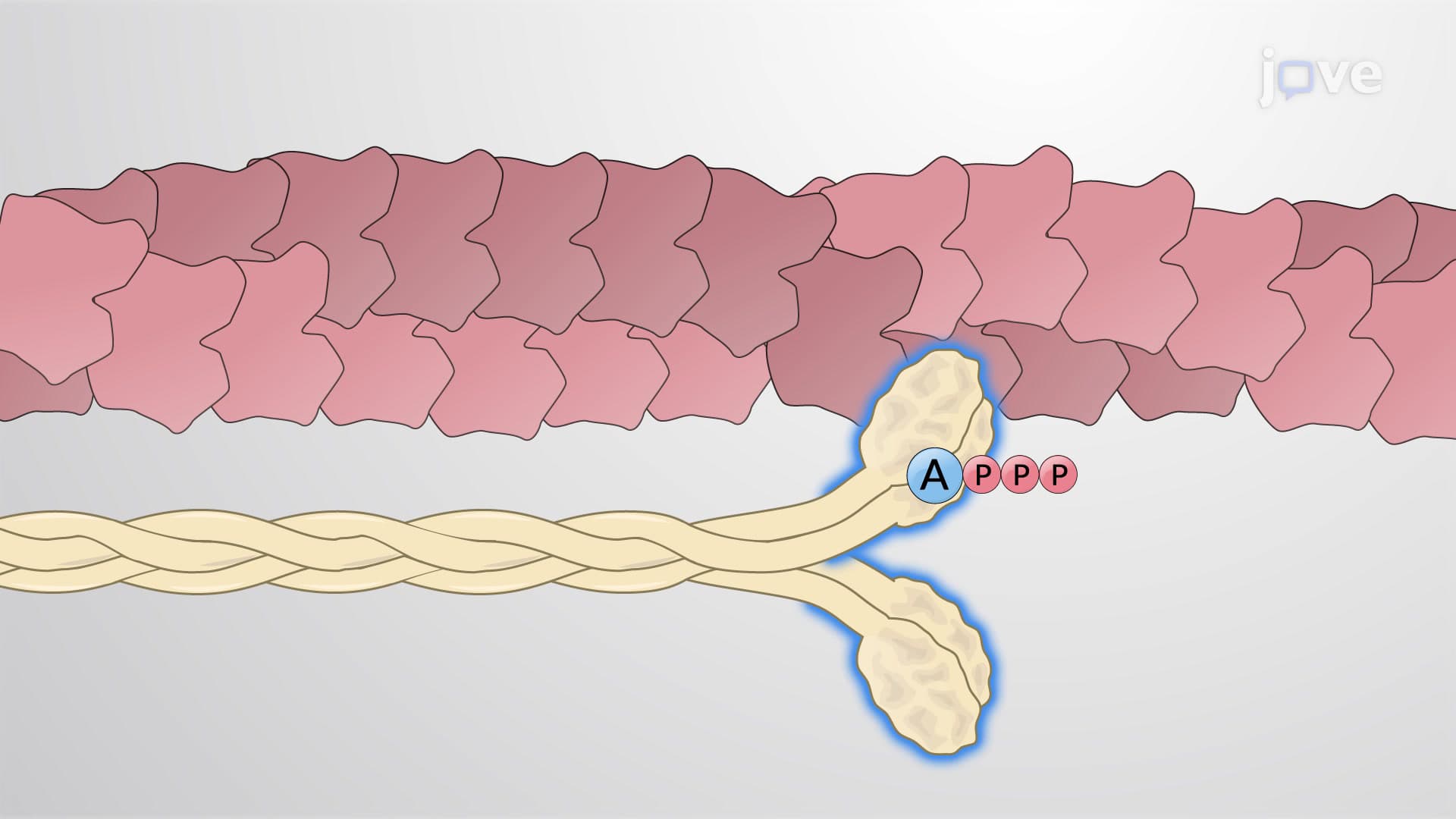
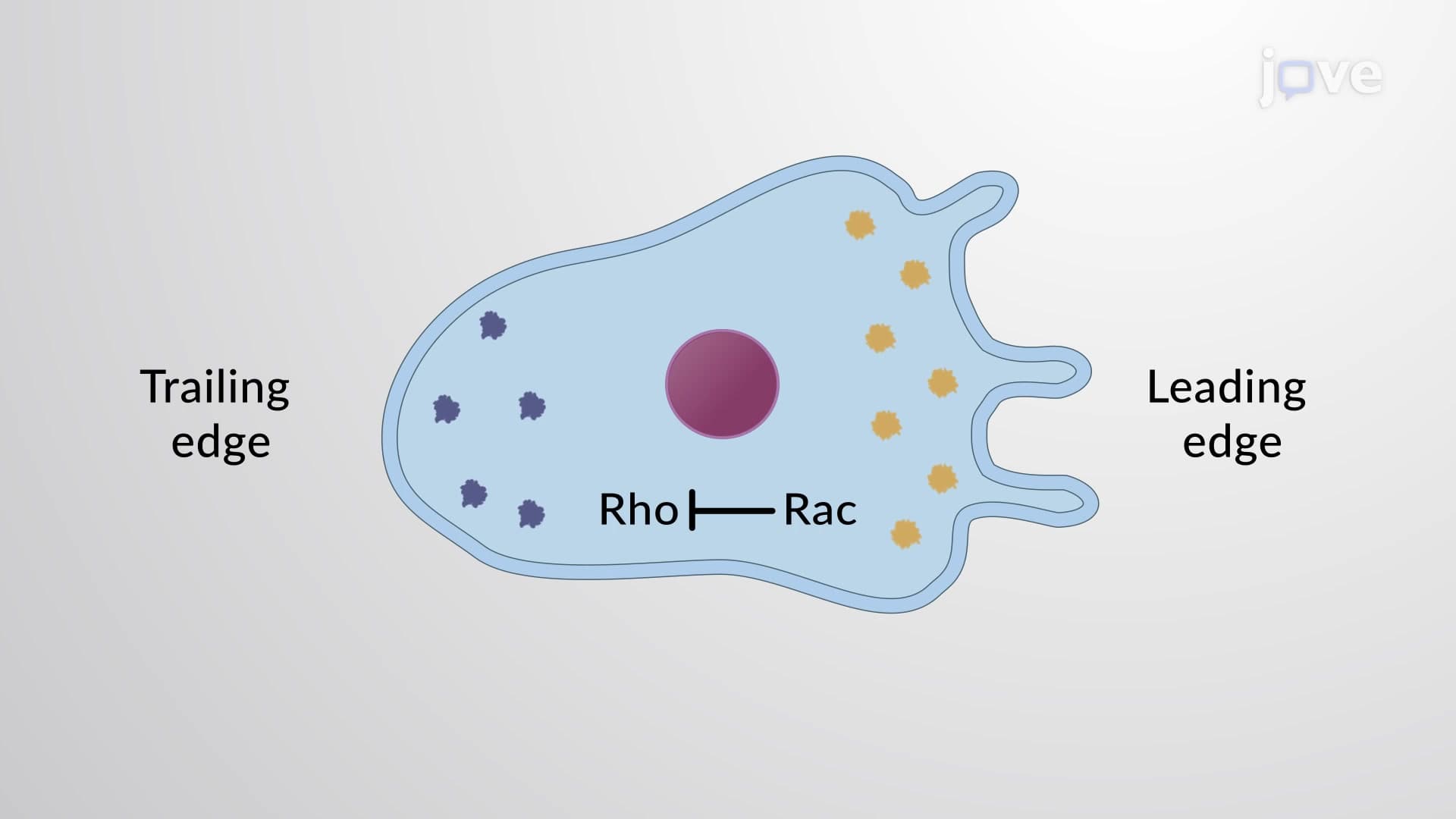
Once membrane-cortex attachment fails, the cell's internal hydrostatic pressure-generated by osmotic forces and cytoplasmic flow-drives rapid membrane expansion outward. This creates the characteristic rounded protrusion filled with cytoplasm. The regulatory protein Rnd3 plays a critical role during expansion by inhibiting RhoA, a master regulator of actin assembly. As the bleb grows larger, Rnd3 becomes diluted, allowing RhoA activation and subsequent reassembly of the actomyosin cortex within the bleb. Finally, myosin-II motors contract the newly formed cortical network, generating the force needed to retract the bleb and propel the cell forward.
Clinical and Research Applications
Understanding blebbing motility has significant implications for medical research, particularly in cancer biology. Metastatic cells often employ blebbing to navigate through tissue barriers and blood vessel walls. Researchers at major US cancer centers study these mechanisms to develop targeted therapies. For students preparing for the MCAT or AP Biology exams, this topic frequently appears in questions about cell structure, molecular motors, and signal transduction pathways.
Frequently Asked Questions
Cell motility through blebbing is how cells move by creating balloon-like protrusions called blebs that expand and contract cyclically. The cell uses internal pressure to push out its membrane, then contracts specialized proteins to pull itself forward, similar to how an inchworm moves.
For AP Biology, cell motility through blebbing is defined as a form of cellular locomotion involving cyclic formation and retraction of membrane protrusions driven by actomyosin cortex dynamics and hydrostatic pressure. This process requires coordinated regulation of cytoskeletal proteins including RhoA, Rnd3, and ezrin.
MCAT questions often test blebbing in the context of cell biology passages involving cancer metastasis or cytoskeletal function. Expect questions about protein interactions (ezrin, RhoA), force generation mechanisms, and how this differs from other motility types like pseudopodia formation.
This topic typically appears in upper-level cell biology, molecular biology, and biochemistry courses at universities like Stanford, MIT, and UC Berkeley. It's also covered in medical school cell biology curricula and graduate-level developmental biology programs.
Blebbing plays a crucial role in cancer metastasis, where tumor cells use this mechanism to invade surrounding tissues and enter blood vessels. Researchers at institutions like Memorial Sloan Kettering study blebbing to develop drugs that could prevent cancer spread.
No advanced chemistry is required-just basic understanding of proteins, cellular structures, and how molecules interact. If you've completed high school biology or introductory college biology, you have sufficient background to grasp these concepts.
Focus on the sequential steps: cortex destabilization, pressure-driven expansion, Rnd3/RhoA regulation, cortex reassembly, and myosin contraction. Create diagrams showing each phase and practice explaining how each protein contributes to the overall process.
Explore other forms of cell motility like lamellipodia and filopodia formation, then study broader topics like cell adhesion, extracellular matrix interactions, and signal transduction pathways that control cellular movement.
Related Micro-courses
7 Concepts
20 Concepts

17 Concepts