Loading subject page…


40,213 views

Video Summary: What Is Role of Myosin
Every time you blink, your heart beats, or a white blood cell chases down an infection, the role of myosin becomes the unsung hero of cellular movement. This powerful motor protein acts like a molecular engine, using ATP energy to generate the contractile forces that enable cells to crawl, stretch, and navigate through your body-much like how muscle cells in a sprinter's leg contract during a 100-meter dash. Watch the full video on JoVE Coach to master this concept with expert-led visuals and step-by-step explanations.
The role of myosin extends far beyond simple muscle contraction, serving as a fundamental driver of cellular movement and organization. Myosin-II, the most studied member of the myosin superfamily, functions as a molecular motor that converts chemical energy from ATP hydrolysis into mechanical work. This process enables cells to generate the forces necessary for migration, division, and tissue remodeling-critical processes you'll encounter in AP Biology, college cell biology courses, and medical school curricula.
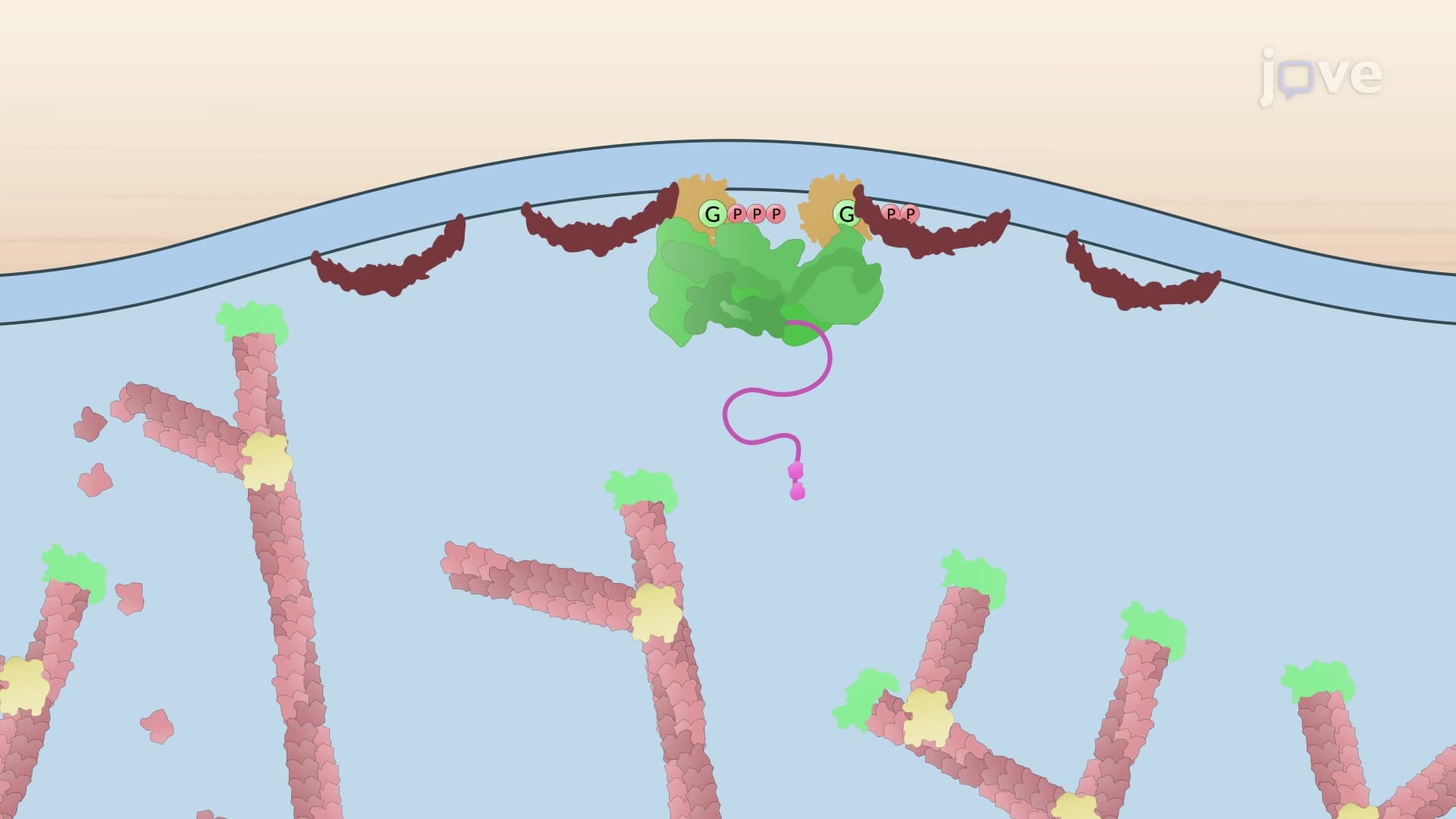
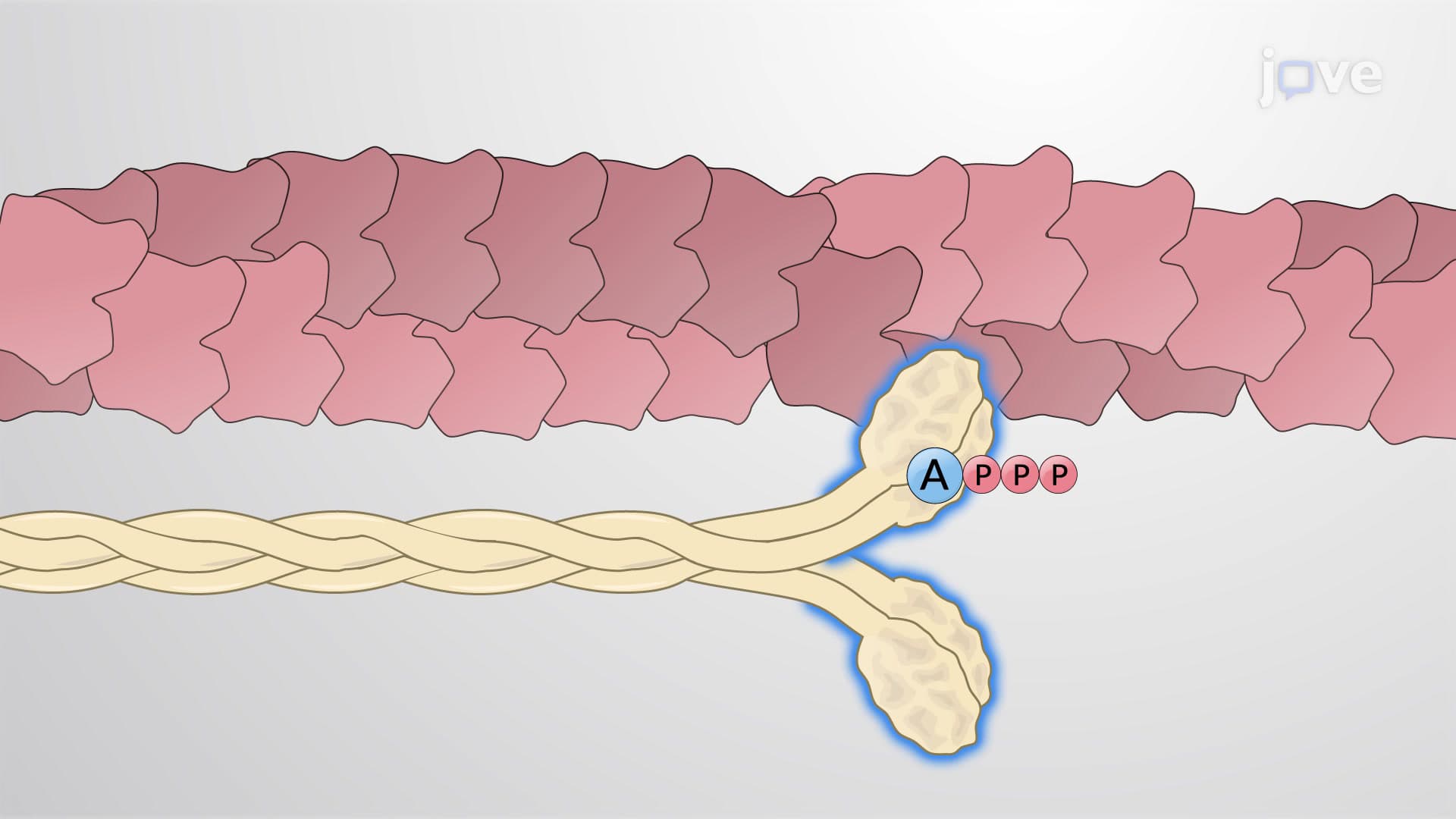
At the molecular level, myosin-II consists of two heavy chains forming a coiled-coil rod domain topped by globular head regions. These heads contain both actin-binding sites and ATPase activity, allowing them to repeatedly bind, pull, and release actin filaments in a coordinated cycle. During cell migration, this mechanism creates the push-pull dynamics essential for forward movement. Students preparing for the MCAT will find this molecular detail crucial for understanding muscle physiology and cellular motility questions.
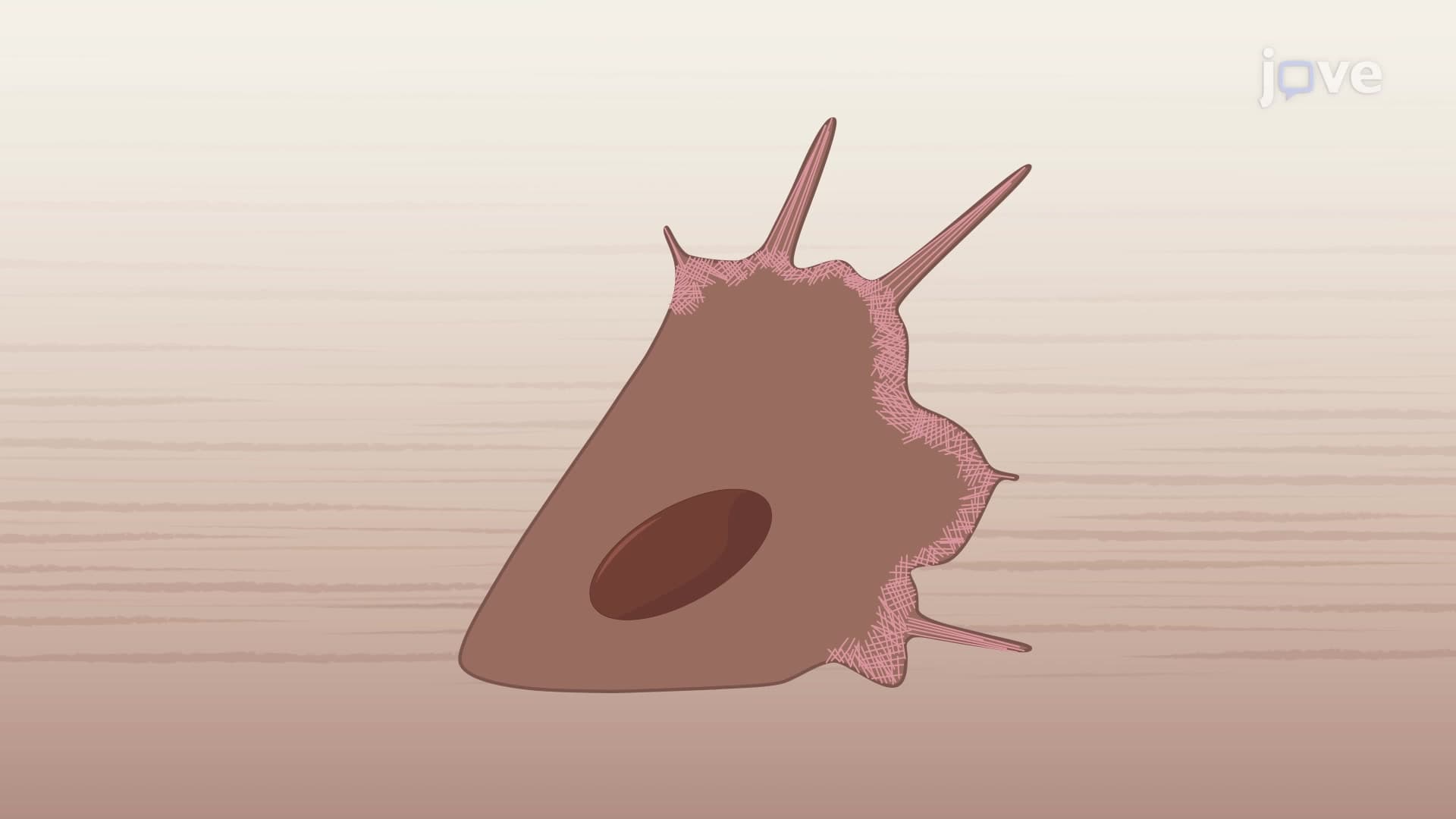
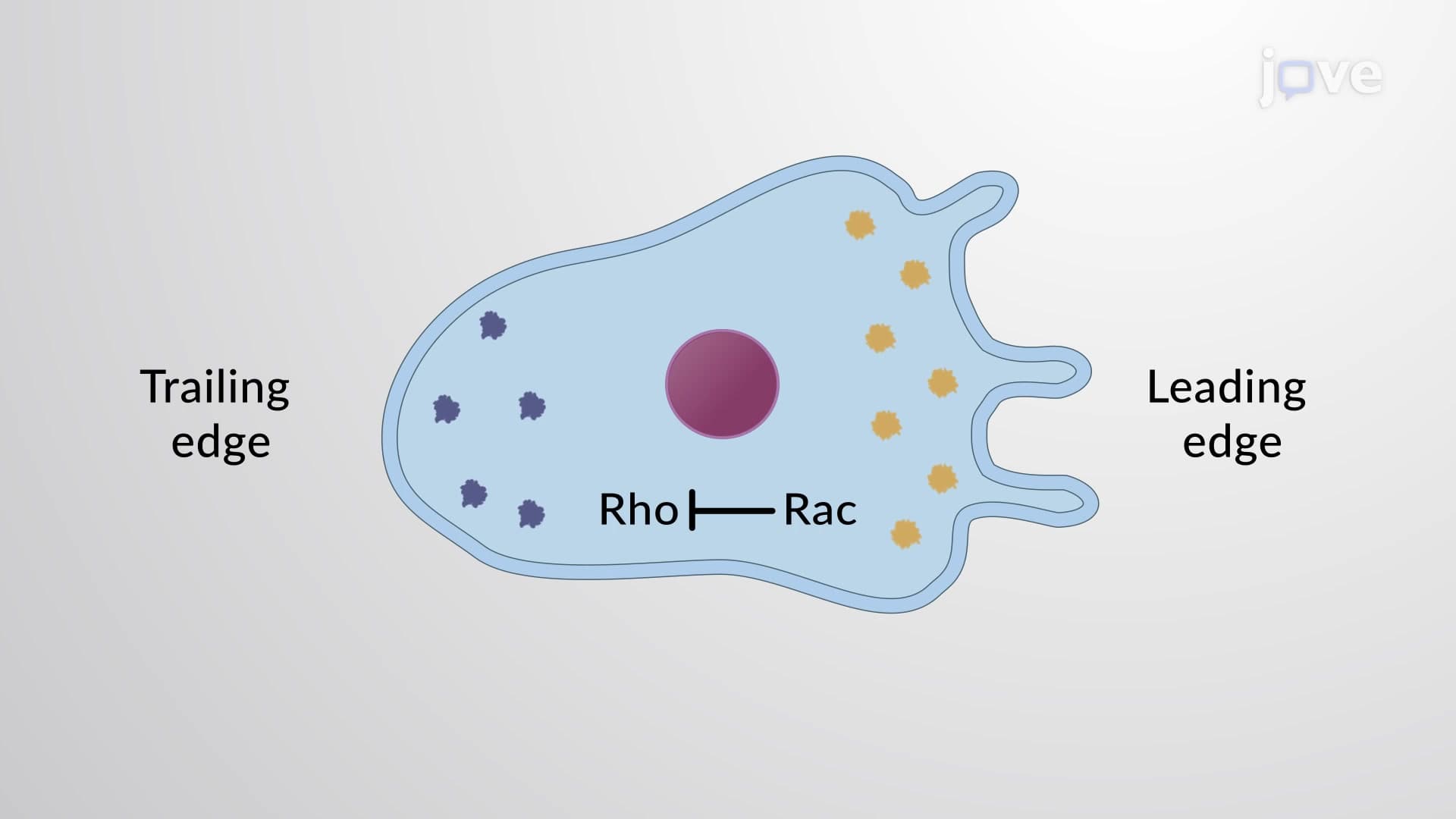
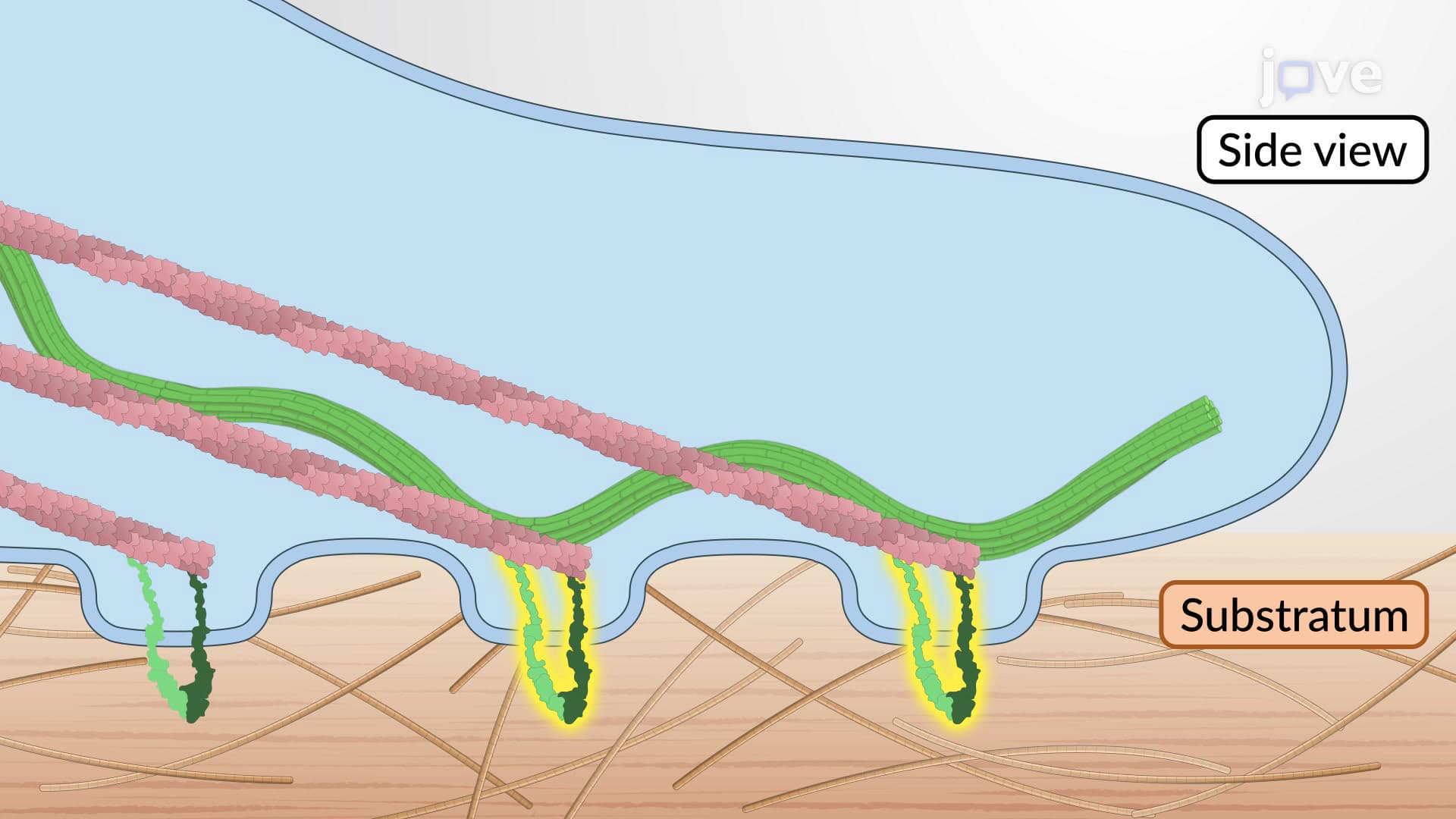
At the cell's leading edge, myosin generates contractile forces that strengthen cell-matrix connections, transforming weak initial contacts into mature focal adhesions. Think of this like a rock climber testing handholds-the more force applied, the stronger and more reliable the grip becomes. These focal adhesions serve as anchor points that enable cells to generate traction forces against their substrate, propelling the cell forward. This concept frequently appears in college biochemistry exams and advanced placement tests covering cell structure and function.
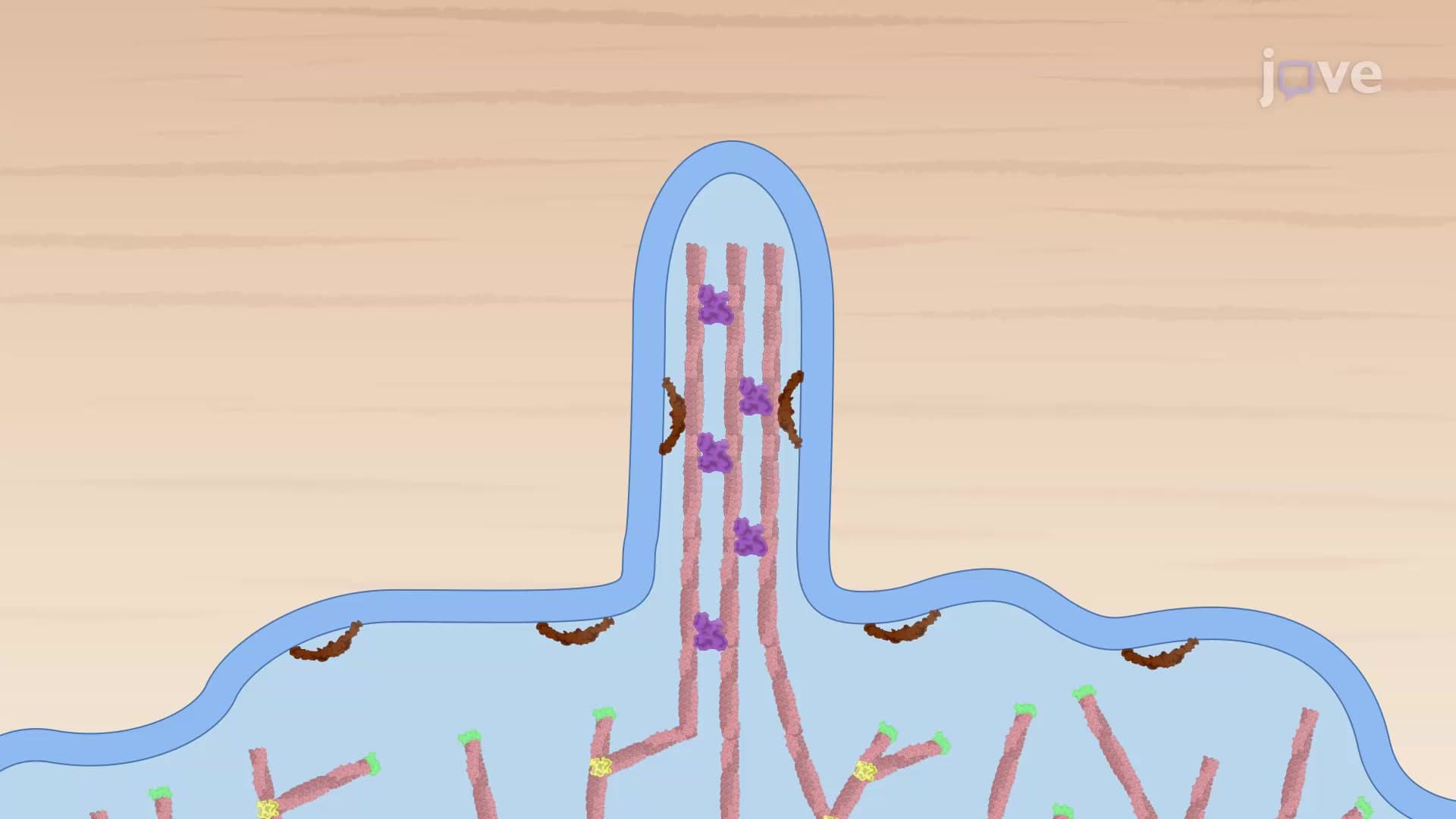
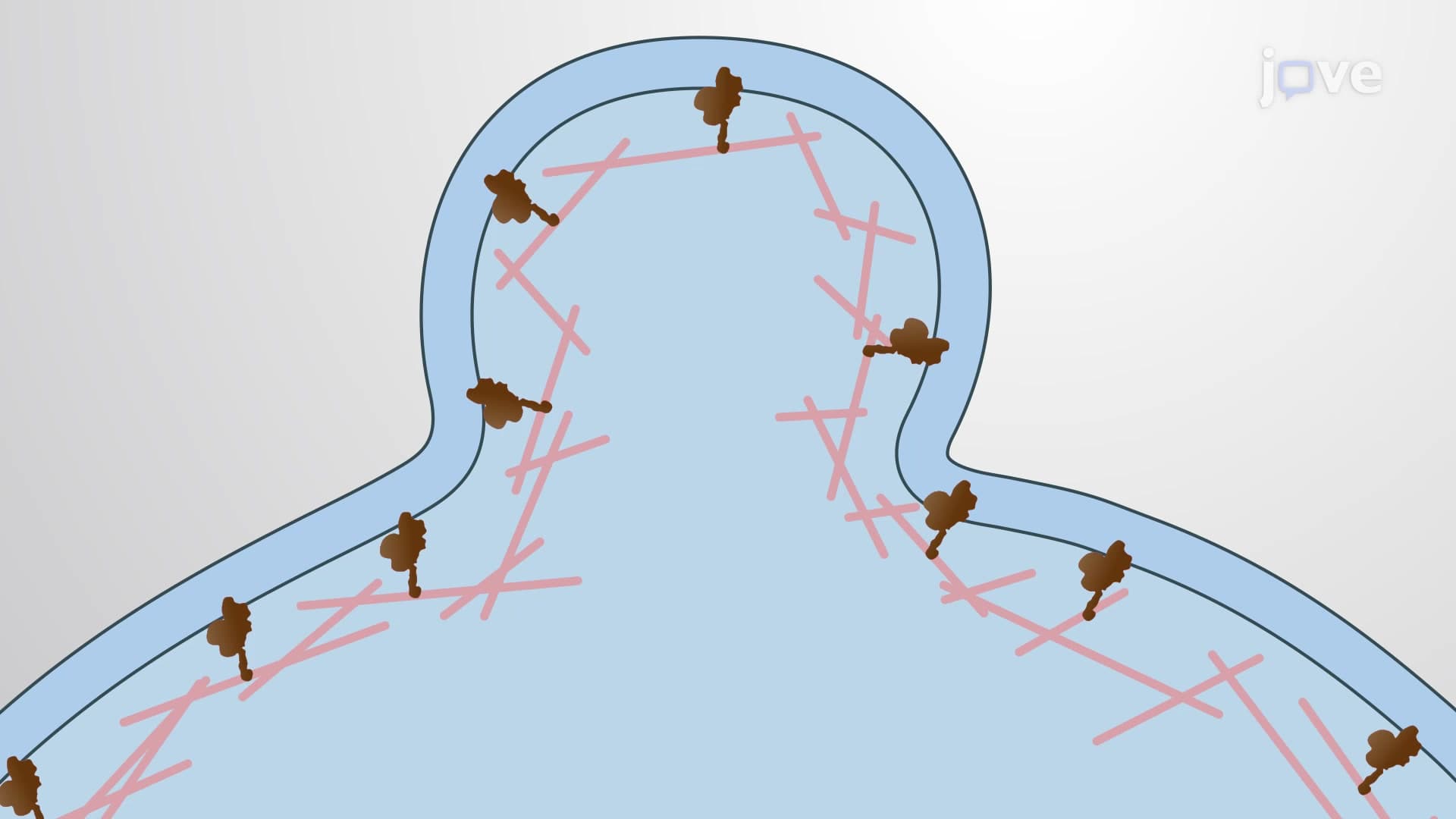
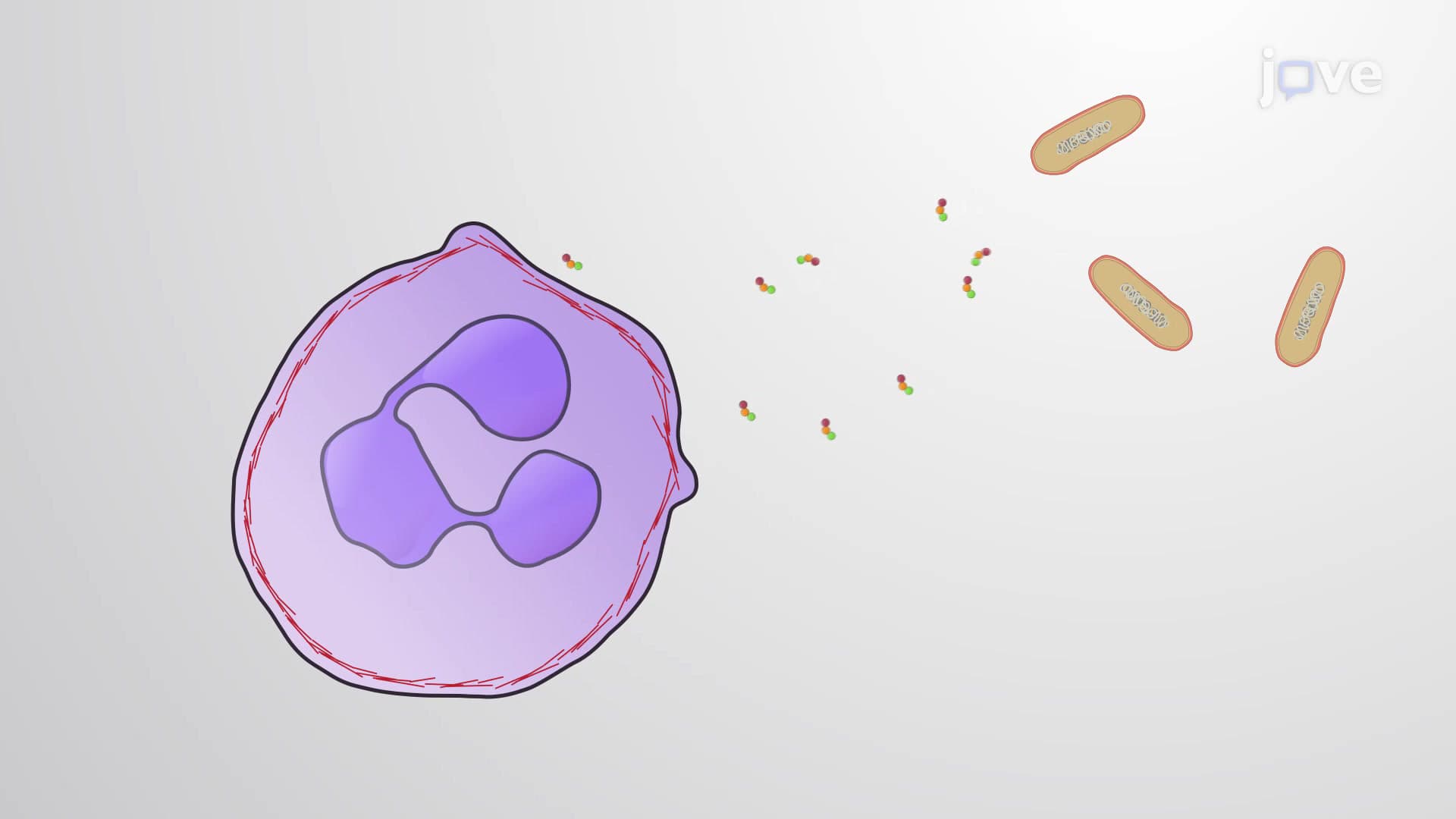
The role of myosin at the cell's trailing edge involves a different but equally important mechanism. Here, bipolar myosin filaments bridge branched actin networks, pulling them into parallel arrangements that facilitate rear retraction. This coordinated front-to-back activity ensures that migrating cells-such as immune cells pursuing pathogens in your bloodstream or cancer cells unfortunately spreading through tissue-move in a directed manner rather than randomly extending in all directions.
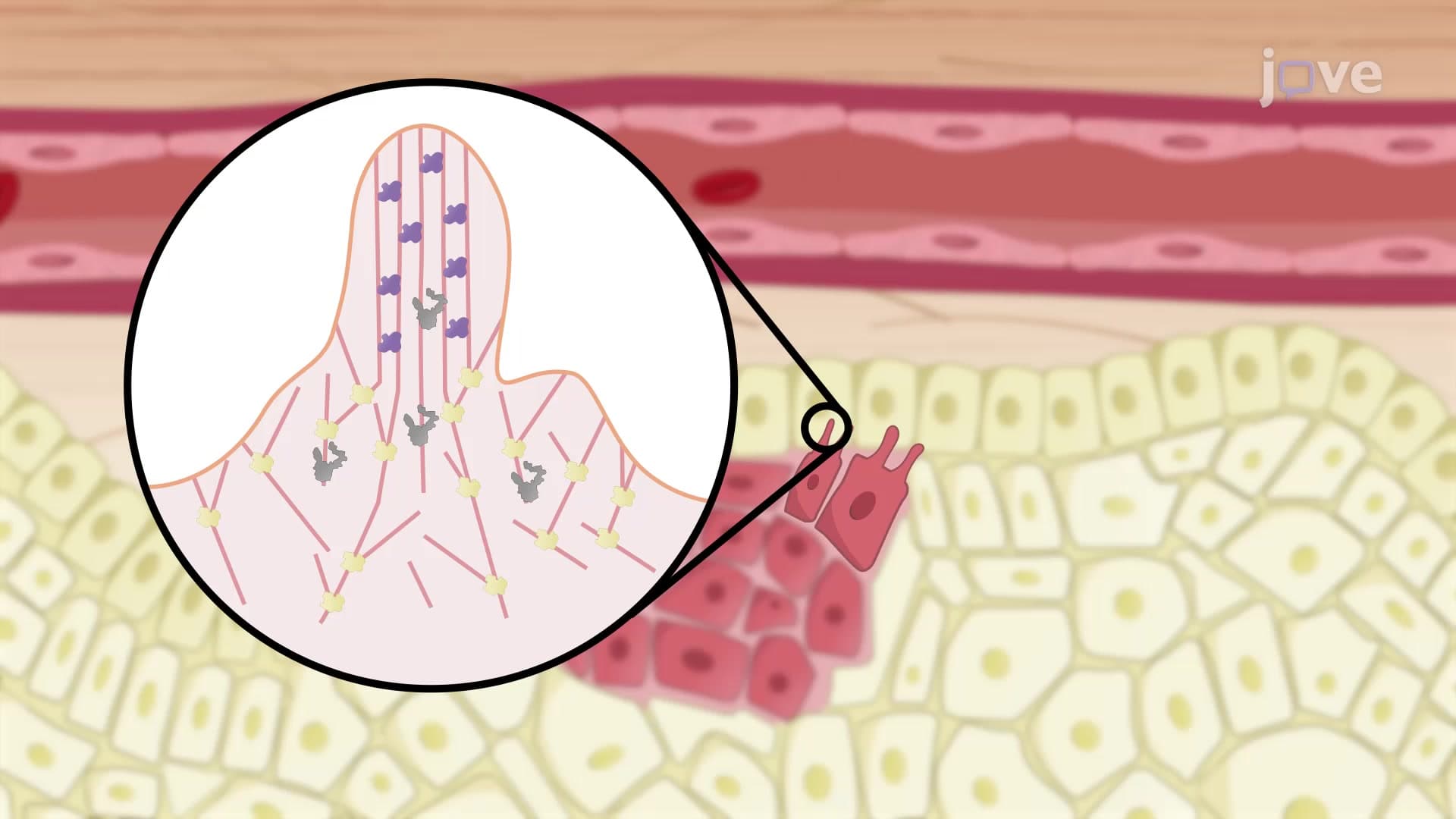
Understanding myosin function proves essential for comprehending diseases like cardiomyopathy, where myosin mutations affect heart muscle contraction, or cancer metastasis, where altered cell migration patterns contribute to tumor spread. For students pursuing healthcare careers, this knowledge forms the foundation for understanding how targeted therapies might disrupt abnormal cell migration in diseases affecting millions of Americans annually.
Related Micro-courses