Loading subject page…

- Cell Biology
- Structure and Organization of DNA
- DNA as a Genetic Template
Micro-course: Structure and Organization of DNA
58,700 views
Learn key concepts and earn your certificate.

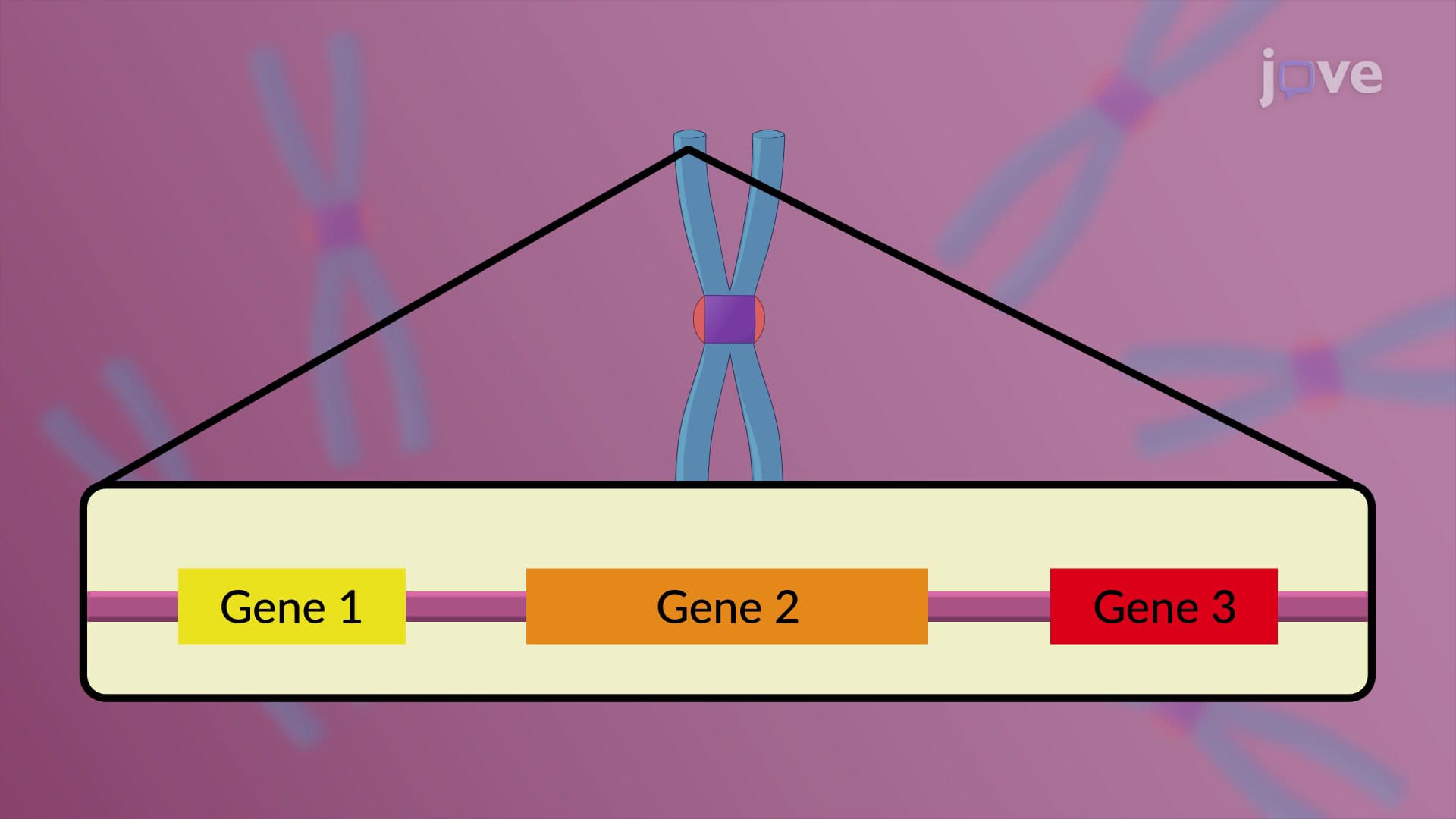
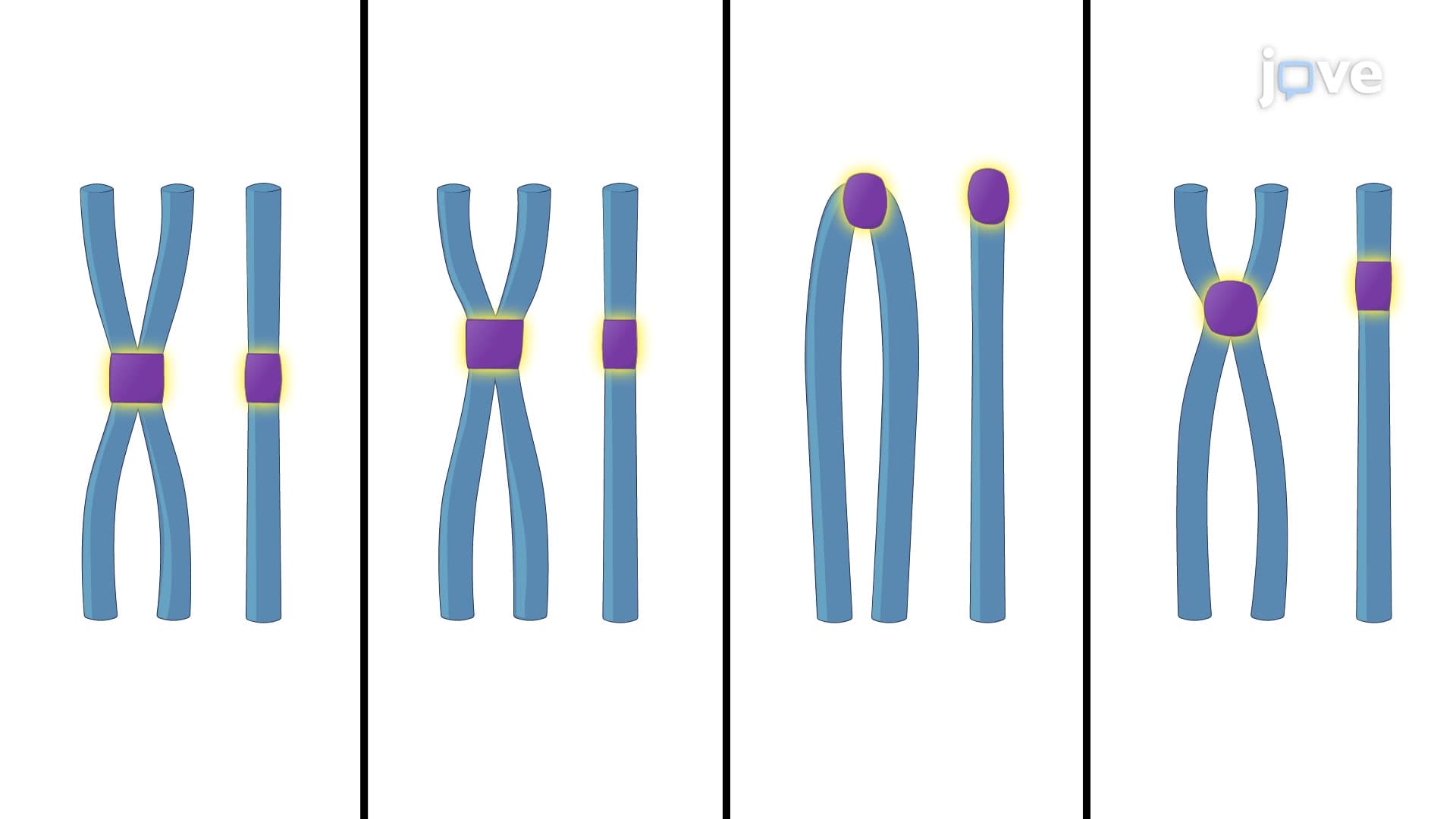


DNA as a Genetic Template

00:00
02:05
Video Summary: DNA as a Genetic Template Explained
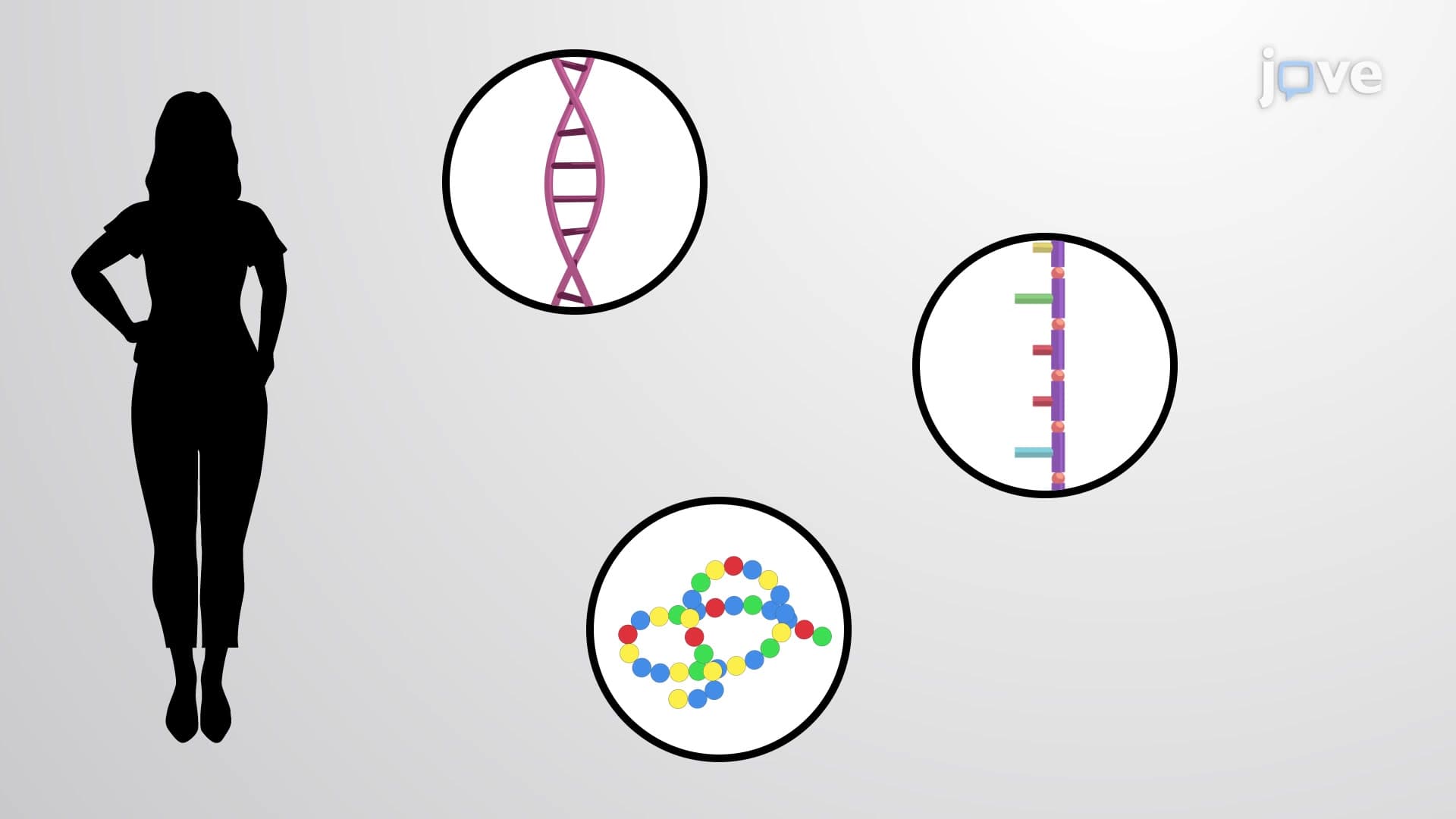
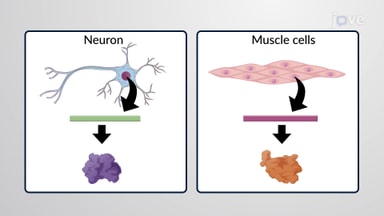
Did you know that every cell in your body contains the same DNA blueprint that guided your development from a single fertilized egg? DNA as genetic template serves as life's instruction manual, directing everything from eye color to enzyme production. The FBI's Combined DNA Index System (CODIS) relies on this templating principle to solve crimes by matching genetic patterns. Understanding DNA As A Genetic Template Explained reveals how genetic information flows from DNA to RNA to proteins, forming the foundation of heredity and cellular function. Watch the full video on JoVE Coach to master this concept with expert-led visuals and step-by-step explanations.
- Understand how DNA As A Genetic Template Explained demonstrates the molecular basis for storing and transmitting genetic information across generations
- Identify the key components of DNA structure, including nucleotide sequences, complementary base pairing, and the double helix configuration
- Analyze the templating mechanism during DNA replication, where DNA polymerase uses existing strands to synthesize complementary DNA
- Compare DNA replication and transcription processes, distinguishing how templates guide synthesis of DNA versus RNA molecules
- Evaluate the role of complementary base pairing (A-T and C-G) in ensuring genetic fidelity and accurate information transfer
- Apply knowledge of DNA templating to real-world scenarios in genetic engineering, forensic analysis, and medical diagnostics
- Recognize how the central dogma of molecular biology connects DNA templates to protein synthesis and gene expression
- Explore the evolutionary significance of DNA templating in maintaining species continuity while allowing for genetic diversity
Understanding DNA As A Genetic Template Explained
DNA as genetic template represents one of biology's most elegant solutions to information storage and transfer. Unlike a computer's binary code, DNA uses a four-letter alphabet (A, T, G, C) arranged in specific sequences that encode instructions for every biological process. This templating system ensures that genetic information passes accurately from parent to offspring while providing the flexibility for controlled changes during gene expression.
The Molecular Foundation of Genetic Templating
The double helix structure discovered by Watson and Crick provides the physical basis for DNA's templating function. Each strand serves as a template for its complement through specific base pairing rules: adenine (A) pairs with thymine (T), and cytosine (C) pairs with guanine (G). This complementarity is crucial-it's like having a key that fits only one lock, ensuring accuracy during replication and transcription.
For students preparing for AP Biology or college genetics courses, understanding this base-pairing mechanism is essential. The College Board frequently tests this concept through multiple-choice questions about replication errors and their consequences. Medical school entrance exams like the MCAT also emphasize how mutations in template sequences can lead to genetic disorders.
DNA Replication: Template-Directed Synthesis
During DNA replication, enzymes called DNA polymerases read the template strand in the 3' to 5' direction, synthesizing the new complementary strand in the 5' to 3' direction. This process occurs at multiple origins of replication simultaneously, allowing human cells to duplicate their entire 3-billion-base-pair genome in just a few hours.
Consider the practical implications: companies like 23andMe and AncestryDNA rely on understanding DNA templates to analyze genetic variations and trace ancestry. Their technology depends on the same templating principles that operate in every cell division cycle.
From Template to Function: Transcription and Gene Expression
DNA templates also guide RNA synthesis during transcription. RNA polymerase reads DNA sequences to produce messenger RNA (mRNA), which then serves as a template for protein synthesis. This demonstrates the hierarchical nature of genetic templating-DNA templates RNA, which templates proteins.
This concept appears regularly in standardized tests and college coursework. Students should understand how environmental factors can influence which DNA regions serve as transcription templates, affecting gene expression patterns without changing the underlying DNA sequence.
Frequently Asked Questions
DNA as a genetic template means DNA serves as a master blueprint that cells use to copy genetic information and make proteins. Just like architects use blueprints to guide construction, cells use DNA's sequence as a template to ensure accurate replication and gene expression. This templating system maintains genetic continuity across generations while enabling controlled protein production.
AP Biology frequently tests DNA templating through questions about replication mechanisms, transcription processes, and mutations. Students encounter problems involving complementary base pairing, enzyme functions like DNA polymerase, and the relationship between template strand orientation and synthesis direction. Practice FRQs often require explaining how template errors lead to genetic variations.
The MCAT Biology section includes passages about DNA replication fidelity, transcriptional regulation, and genetic engineering applications. Questions test understanding of template strand selection during transcription, the role of primers in replication initiation, and how mutations in template regions affect downstream protein function. Expect integration with biochemistry concepts about enzyme kinetics and molecular interactions.
Forensic labs like those supporting the FBI's CODIS system analyze specific DNA regions called Short Tandem Repeats (STRs) that serve as unique genetic templates for identification. Investigators amplify these template sequences using PCR technology, then compare patterns between crime scene evidence and suspect samples. The templating accuracy ensures reliable matches for criminal prosecutions and exonerations.
Understanding DNA as genetic template requires only basic chemistry concepts like complementary bonding and molecular structure. Most high school students successfully grasp these principles after learning about hydrogen bonding and nucleotide components. The focus should be on biological processes rather than detailed chemical mechanisms, making this concept accessible to students with introductory chemistry backgrounds.
Create visual diagrams showing replication fork progression and transcription initiation to reinforce templating mechanisms. Practice problems involving base-pairing rules and enzyme functions, then connect these concepts to real applications like genetic testing and gene therapy. Focus on understanding the directional aspects of template reading and synthesis, as this frequently appears on exam questions.
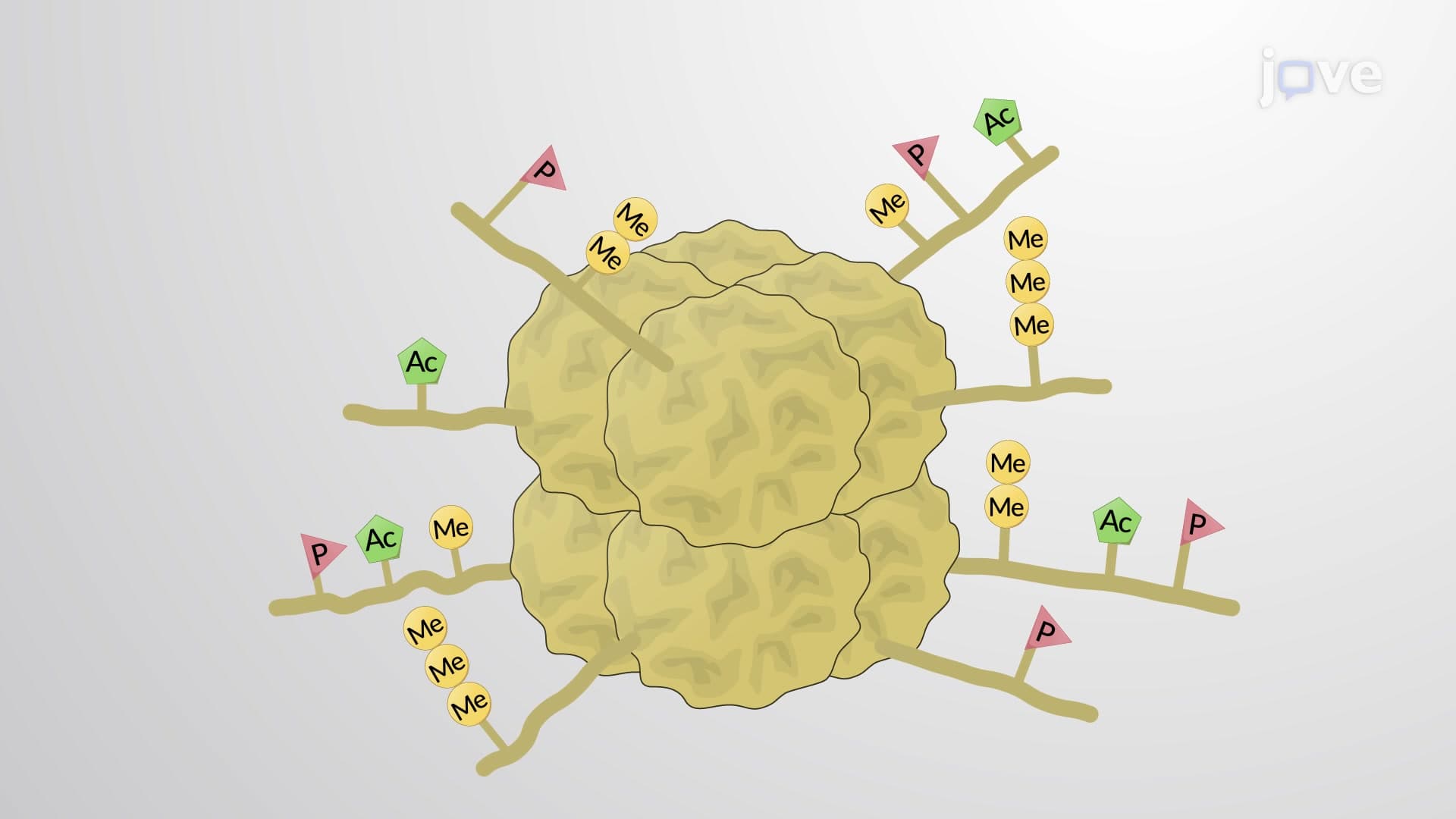
After understanding basic DNA templating, explore epigenetic modifications that influence template accessibility, CRISPR gene editing that modifies template sequences, and comparative genomics showing evolutionary template conservation. These advanced topics build directly on templating principles and appear in upper-level molecular biology courses and graduate school preparation materials.
Related Micro-courses

17 Concepts
18 Concepts

11 Concepts