Loading subject page…


58,700 views
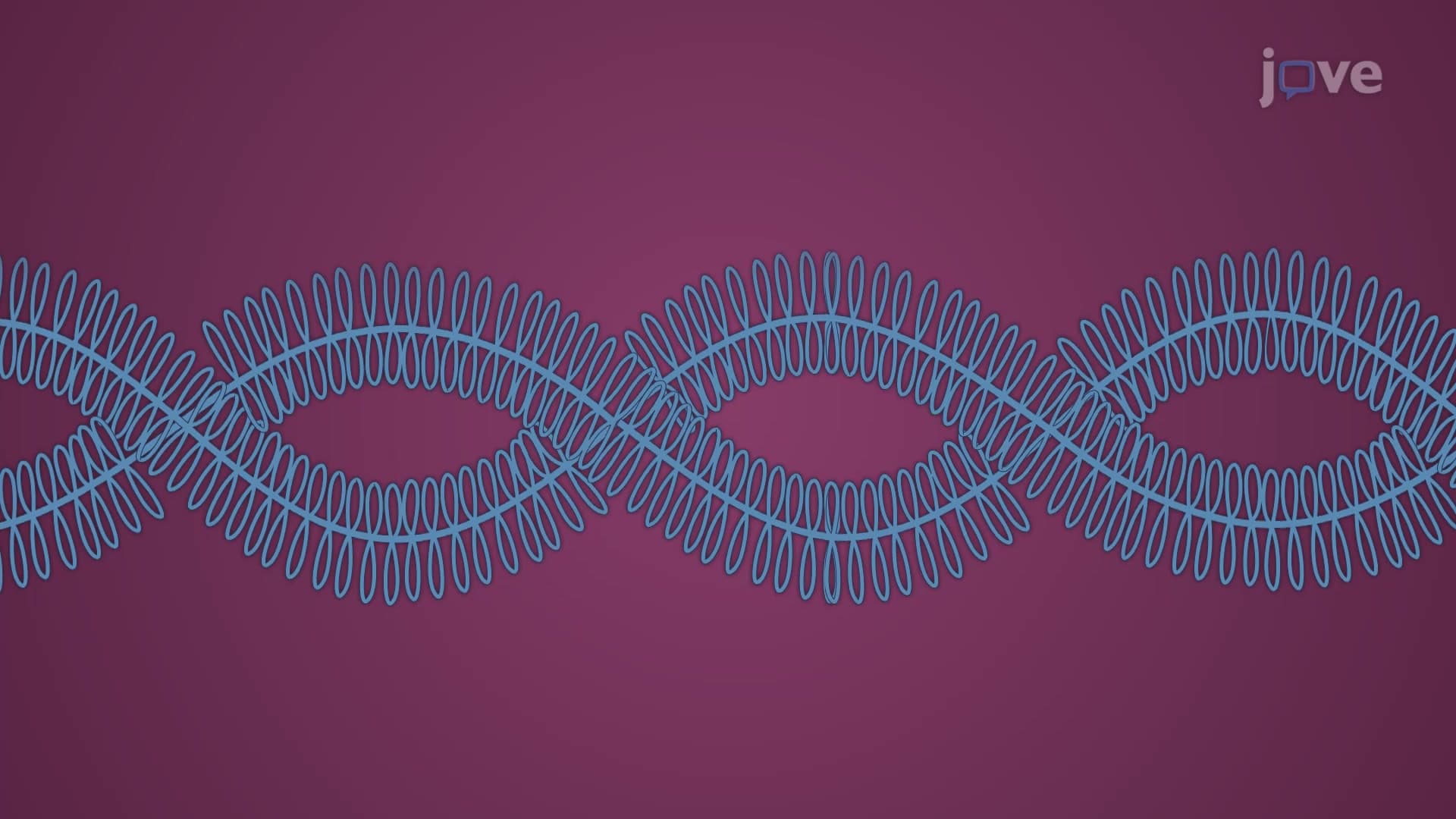

Video Summary: What are Lampbrush Chromosomes
Did you know that some chromosomes can extend to nearly 1,000 times their normal length and resemble old-fashioned cleaning brushes? Lampbrush chromosomes are these remarkable, highly extended chromosomes found in developing egg cells that showcase active gene transcription through their distinctive loop structures. Researchers at Harvard Medical School use these chromosomes to study how genes are regulated during egg development in frogs and other vertebrates. Understanding what are lampbrush chromosomes reveals crucial insights into cellular reproduction and gene expression. Watch the full video on JoVE Coach to master this concept with expert-led visuals and step-by-step explanations.
Lampbrush chromosomes represent one of nature's most fascinating examples of chromosome organization during reproductive cell development. These highly specialized chromosomes appear exclusively during the prolonged prophase I of meiosis in oocytes (developing egg cells) of many vertebrates, including amphibians, birds, and some mammals. The lampbrush chromosomes biology explained reveals a unique cellular strategy for supporting the enormous transcriptional demands of egg cell maturation.
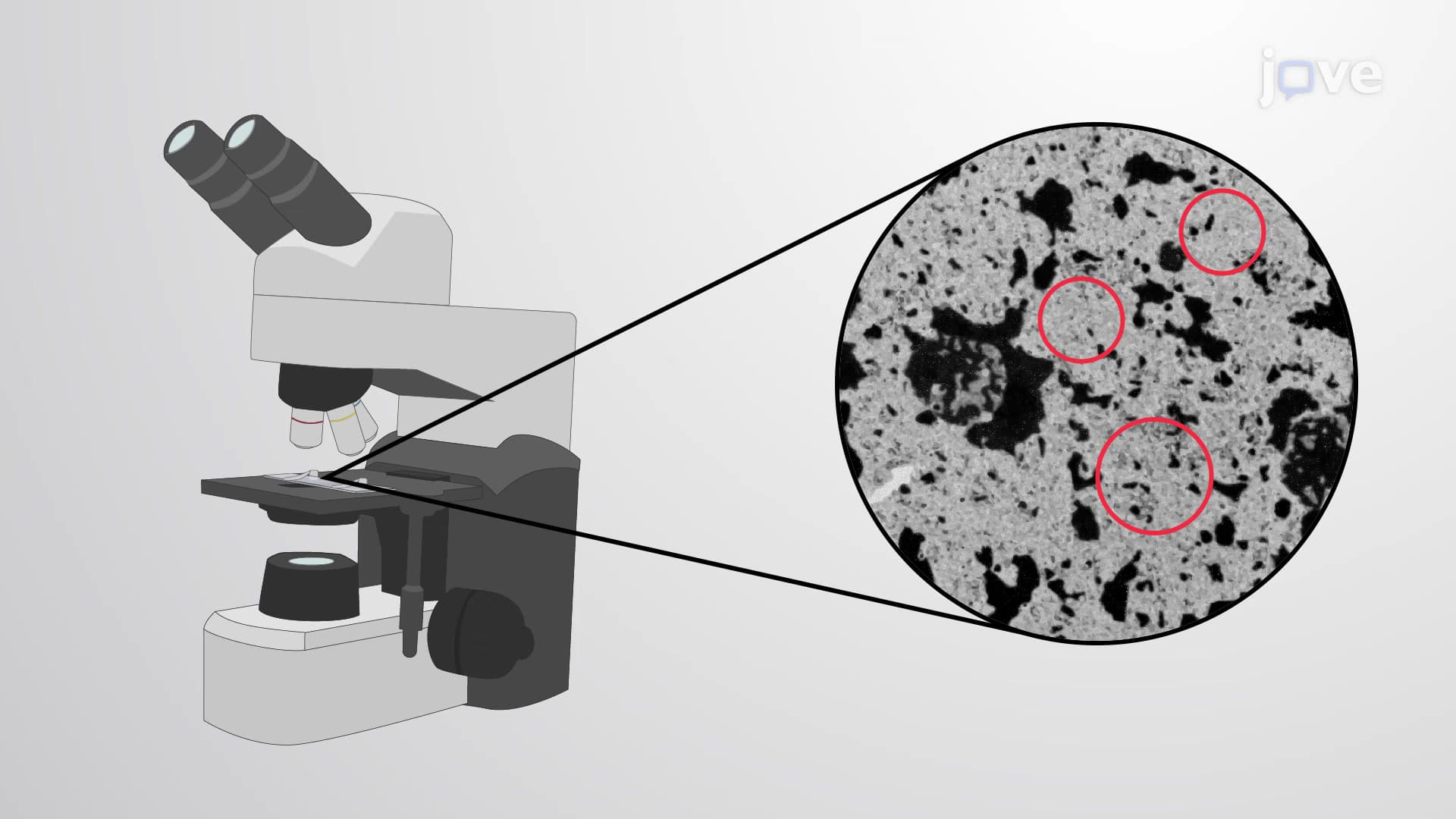
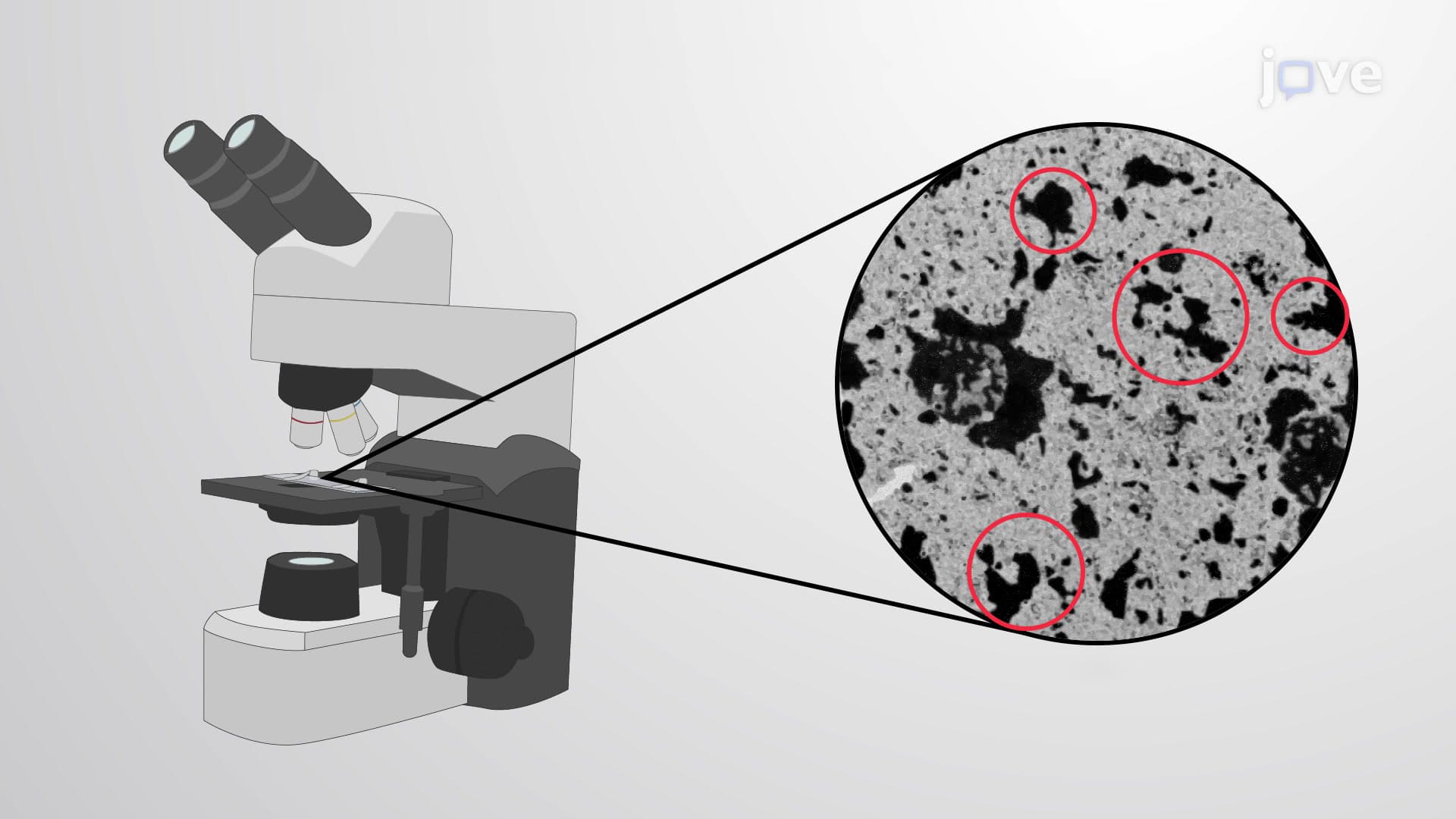
The lampbrush chromosomes definition centers on their characteristic appearance: extremely extended chromosomes with numerous lateral loops projecting from a central chromomeric axis. These loops can extend up to 200 micrometers in length, making the entire chromosome complex visible under standard light microscopy. Each loop represents a segment of DNA that has been pulled out from the condensed chromomere, creating active sites of gene transcription. This lampbrush chromosomes overview demonstrates how cellular architecture adapts to functional demands.
Research conducted at institutions like the University of California, San Francisco, has shown that these loops contain genes actively producing RNA, particularly ribosomal RNA and messenger RNAs essential for early embryonic development. The chromomeres themselves represent condensed, transcriptionally inactive chromosome regions that maintain the overall chromosome structure while allowing specific segments to extend into transcriptionally active loops.
The lampbrush chromosomes study guide reveals their critical role in oocyte development. During the extended prophase I period (which can last months or even years in some species), oocytes must accumulate vast quantities of ribosomes, proteins, and mRNAs to support rapid embryonic development following fertilization. The extended loop structure of lampbrush chromosomes maximizes the DNA surface area available for transcription, allowing simultaneous RNA synthesis from hundreds of genes.
Students preparing for AP Biology or college-level cell biology courses should understand that lampbrush chromosomes exemplify the principle that cellular structure reflects function. The loops contain multiple RNA polymerase complexes transcribing genes in tandem, creating a highly efficient transcriptional factory. This organization contrasts sharply with the condensed chromosomes seen during mitosis, where transcription is largely shut down.
Modern reproductive medicine and fertility research frequently utilize lampbrush chromosomes as model systems. Scientists at institutions like Johns Hopkins University study these chromosomes to understand meiotic errors that can lead to infertility or birth defects. The large size and extended structure of lampbrush chromosomes make them ideal for visualizing chromosome behavior, gene expression patterns, and the effects of environmental factors on reproductive cells.
For students taking the MCAT or pursuing graduate studies in reproductive biology, understanding lampbrush chromosomes provides insights into fundamental questions about gene regulation, chromosome dynamics, and the cellular basis of fertility. These lampbrush chromosomes notes should emphasize their role as both a natural phenomenon and a powerful research tool in modern biology.
Related Micro-courses