Loading subject page…


58,700 views


Video Summary: What are Polytene Chromosomes
Did you know that fruit flies possess giant chromosomes nearly 200 times larger than typical chromosomes, making them visible under ordinary light microscopes? Polytene chromosomes are these remarkable structures found in Drosophila melanogaster salivary glands, formed when DNA replicates repeatedly without cell division. Researchers at Harvard University and other US institutions use these chromosomes as living maps to study gene activity and chromosomal organization. Understanding what are polytene chromosomes reveals how DNA packaging affects gene expression in real-time. Watch the full video on JoVE Coach to master this concept with expert-led visuals and step-by-step explanations.
Polytene chromosomes represent one of biology's most fascinating examples of how cells can modify their genetic material for specialized functions. These giant chromosomes, primarily found in the salivary glands of Drosophila melanogaster, form through a process called endoreplication-where DNA undergoes multiple rounds of replication without the cell dividing. This creates chromosomes containing hundreds or even thousands of sister chromatids aligned parallel to each other, making them up to 200 times thicker than normal chromosomes.
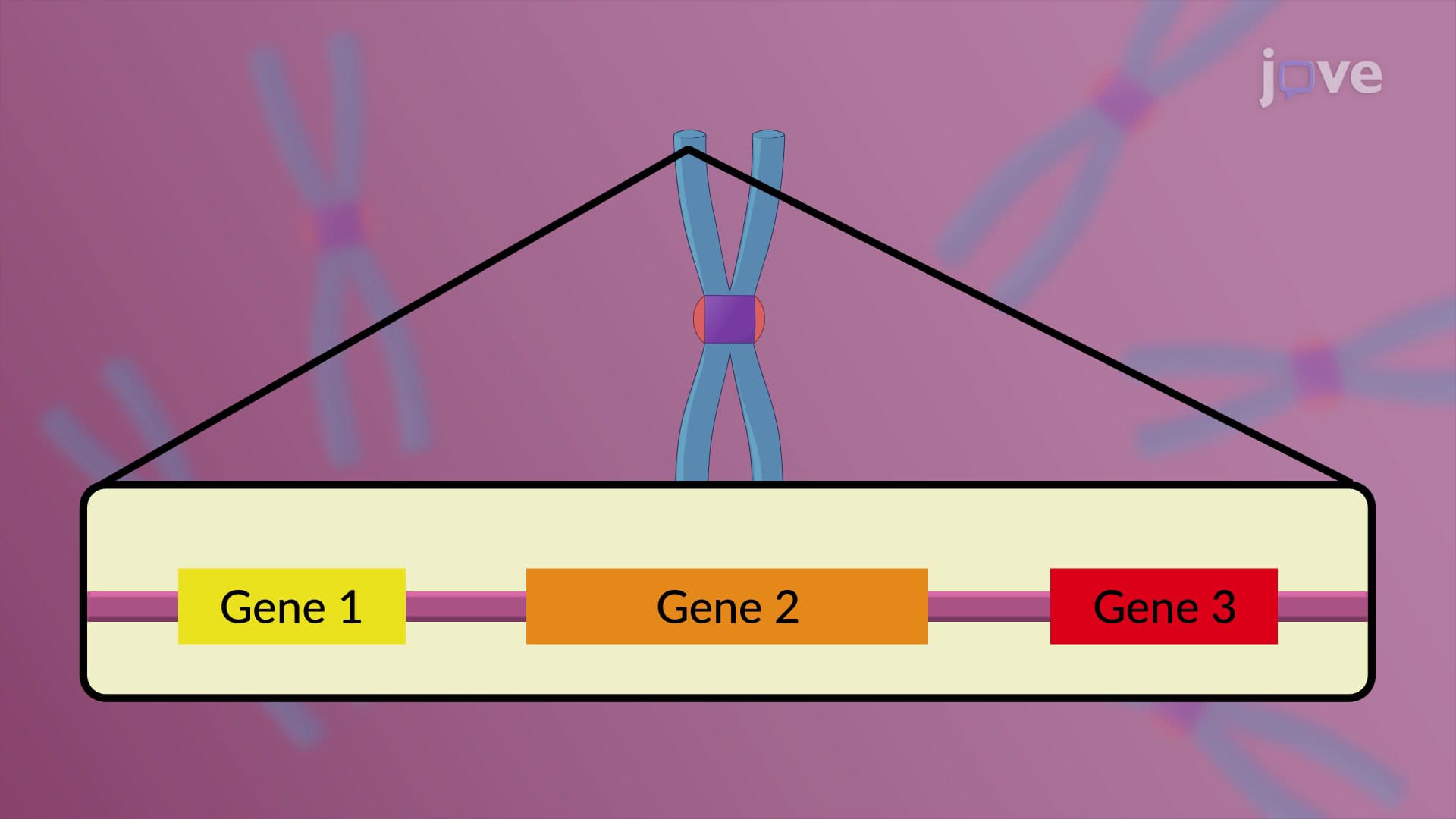
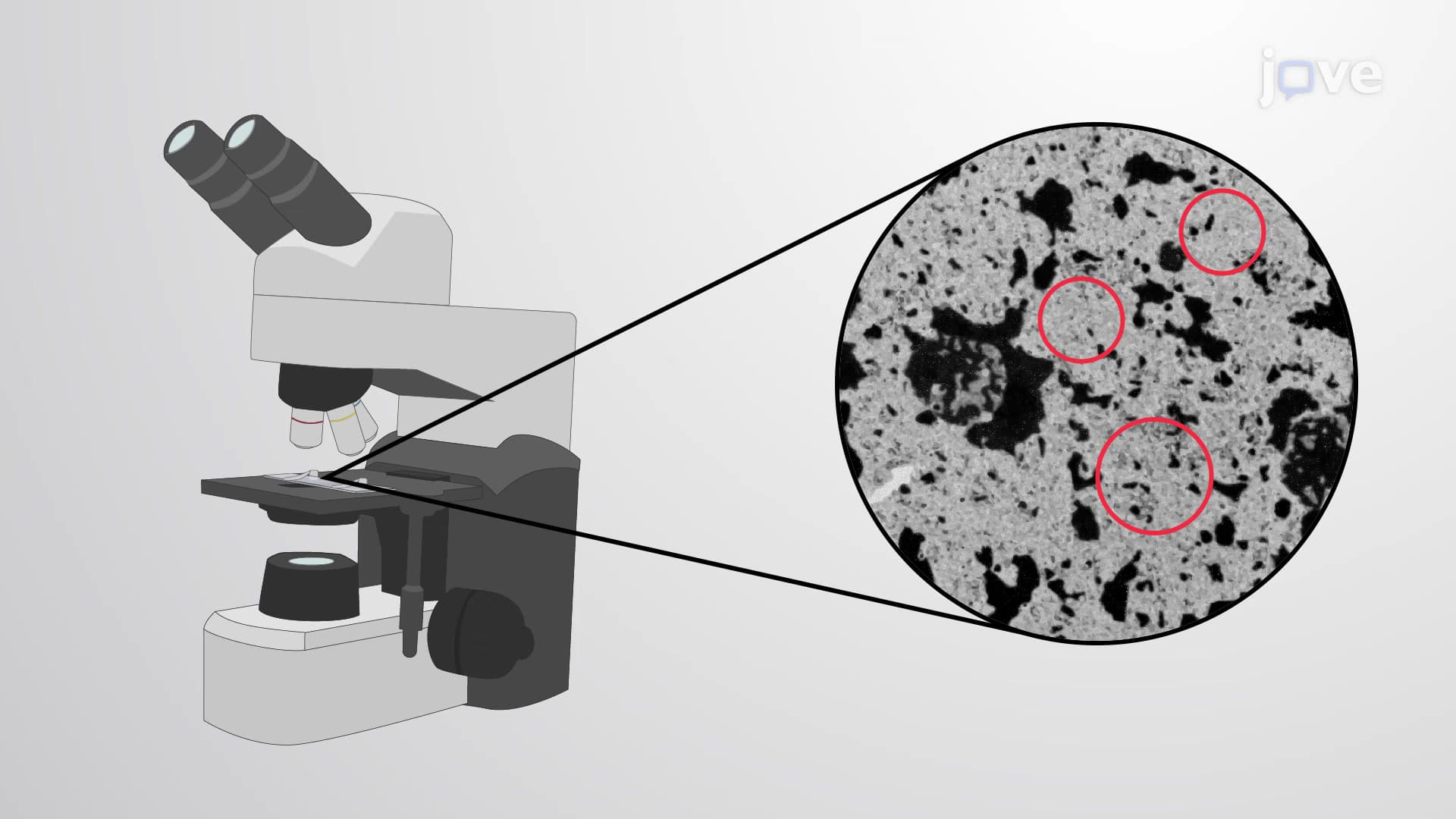
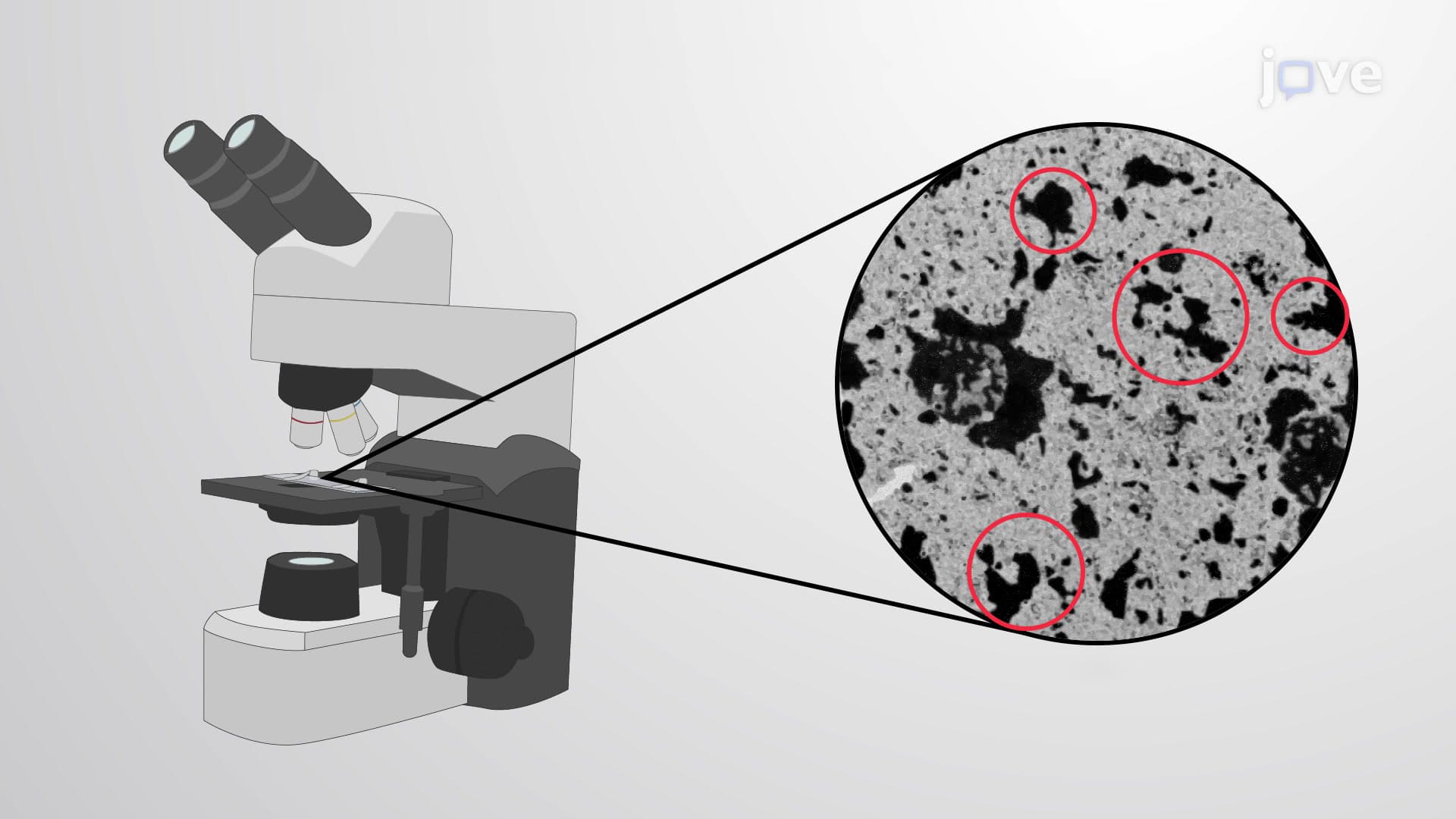
The most striking feature of polytene chromosomes is their distinctive banding pattern, visible under standard light microscopy. These bands represent alternating regions of heterochromatin (densely packed, transcriptionally inactive DNA) and euchromatin (loosely packed, potentially active DNA). Each band corresponds to specific genetic loci, creating what researchers call a "cytological map." Students preparing for the AP Biology exam or college genetics courses should understand that this banding pattern remains consistent across individuals of the same species, making it invaluable for genetic mapping and identifying chromosomal abnormalities.
When genes become actively transcribed, specific regions of polytene chromosomes form visible swellings called puffs. These puffs represent sites where the chromatin structure loosens to allow RNA polymerase access to DNA templates. The size and location of puffs change in response to developmental signals and environmental conditions, providing real-time visualization of gene activity. This phenomenon helps students understand the dynamic nature of gene expression-a concept frequently tested on the MCAT and college cell biology exams.
Polytene chromosomes revolutionized genetics research by providing the first direct visualization of chromosome structure and gene activity. Today, laboratories at institutions like Stanford University and the University of California system continue using Drosophila polytene chromosomes to study chromatin remodeling, epigenetic regulation, and the effects of environmental stressors on gene expression. For undergraduate students, understanding these applications connects classical cytogenetics with modern molecular biology techniques like ChIP-seq and RNA-seq analysis.
Related Micro-courses