Loading subject page…


58,700 views

Video Summary: What Is Chromatin Packaging
Did you know that if you stretched all the DNA in just one human cell, it would reach about 6 feet long, yet somehow fits into a nucleus smaller than a pinhead? Chromatin packaging explained reveals this incredible biological feat through a sophisticated multi-level organization system. Think of how researchers at Stanford University study cancer cells by examining how disrupted chromatin packaging leads to uncontrolled gene expression. What is Chromatin Packaging demonstrates nature's ultimate space-saving solution while maintaining cellular function. Watch the full video on JoVE Coach to master this concept with expert-led visuals and step-by-step explanations.
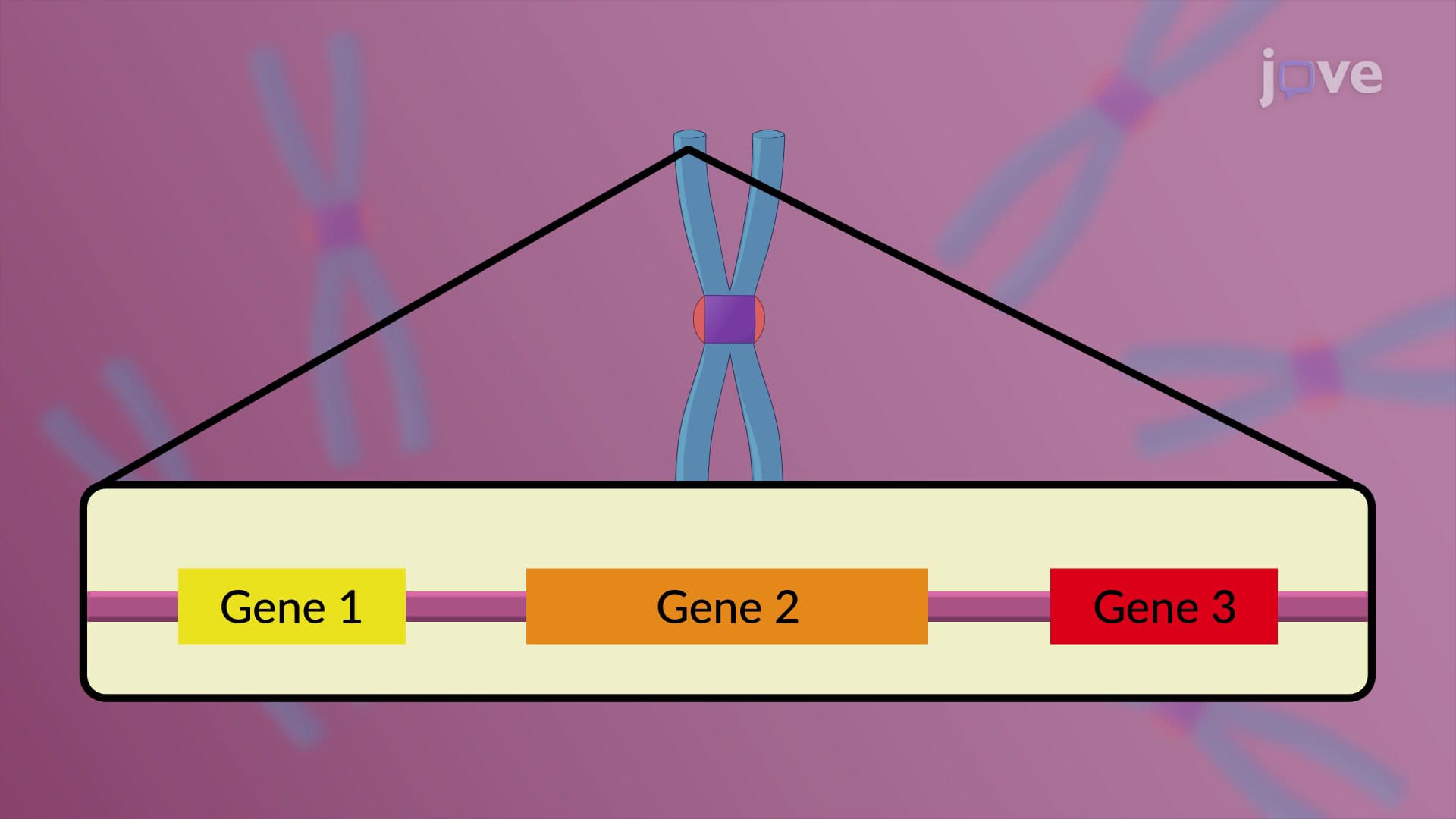
Chromatin DNA packaging biology represents one of the most elegant solutions in cellular architecture. This sophisticated system transforms nearly 2 meters of DNA per cell into a compact, functional unit that fits within the 10-micrometer nucleus. The packaging occurs through multiple hierarchical levels, each serving specific biological functions while maintaining the delicate balance between DNA protection and accessibility.
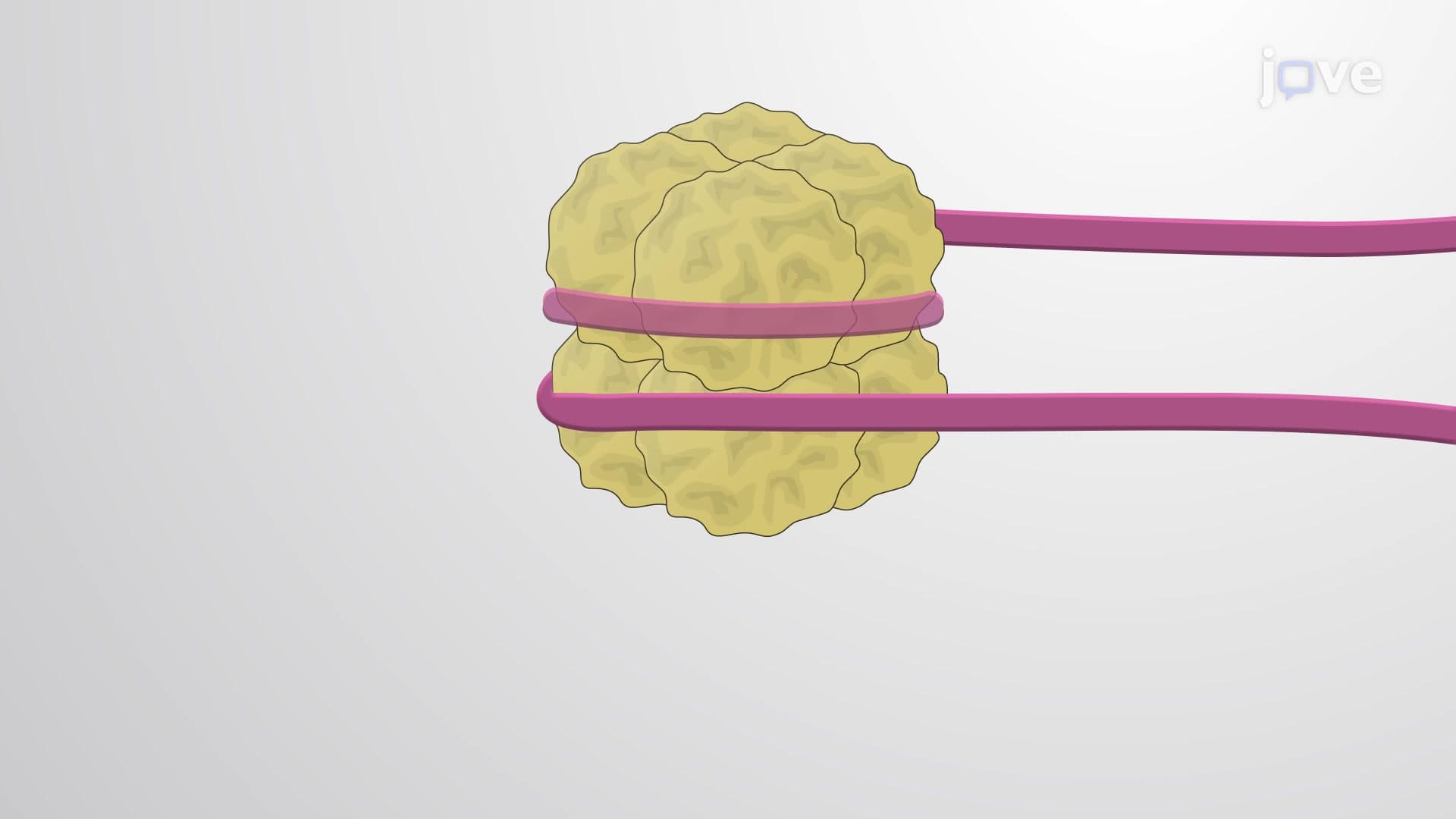
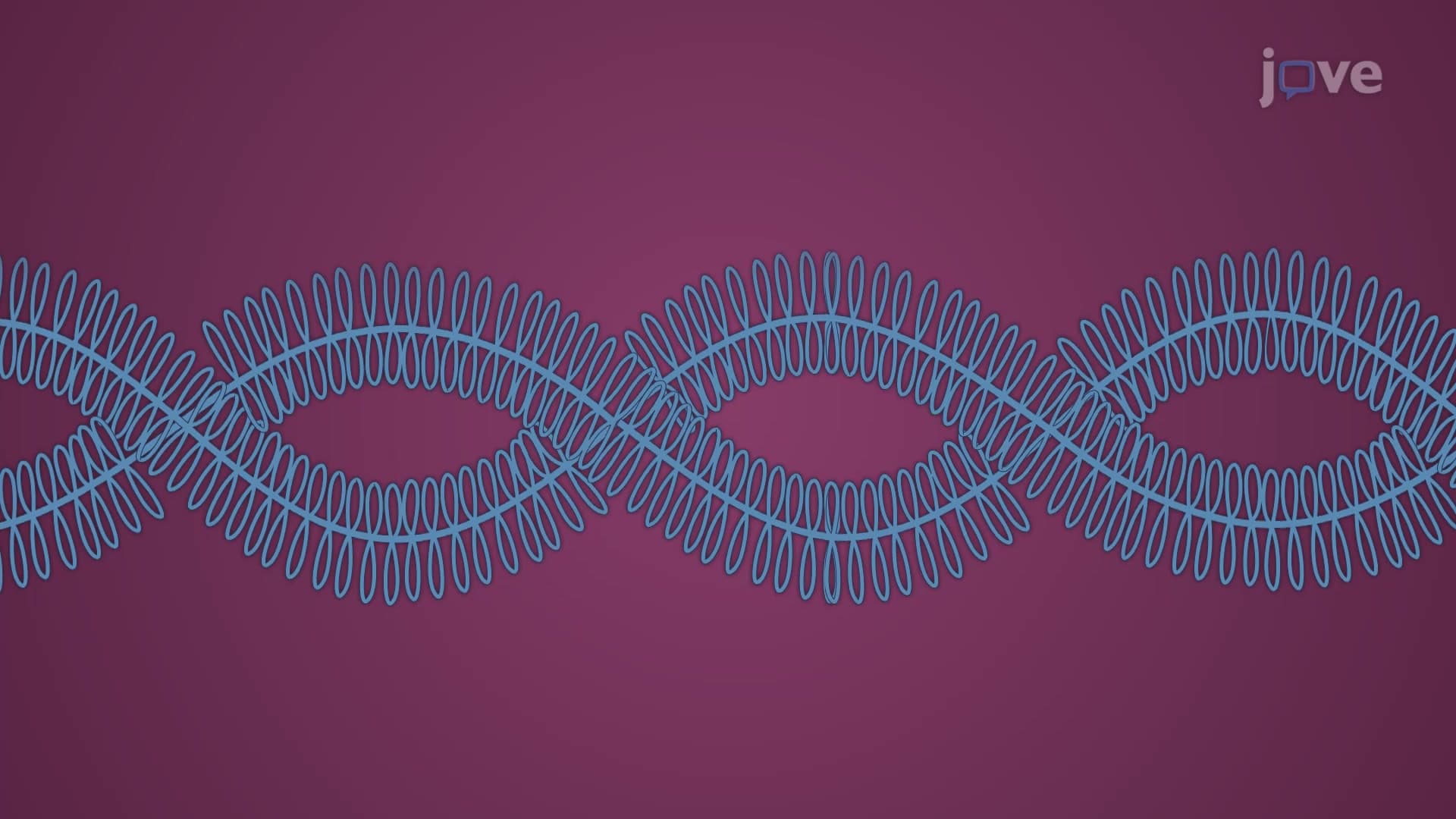
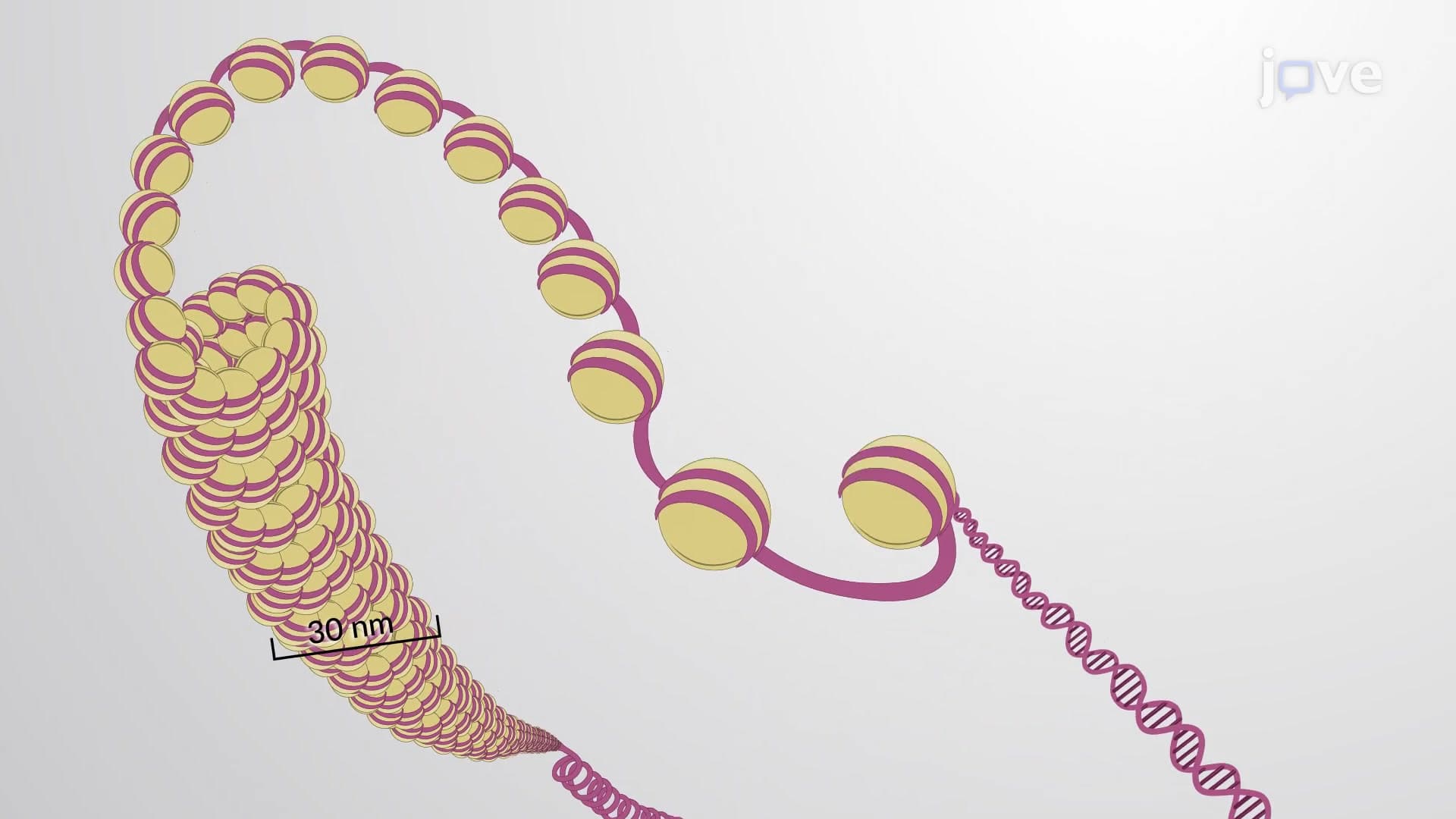
The foundation of chromatin condensation level begins with nucleosomes-DNA wrapped around histone protein octamers like thread around a spool. These "beads on a string" structures then coil into 30-nanometer fibers, though recent research suggests this classic model may be more dynamic than previously thought. Higher-order folding creates chromatin loops anchored by protein complexes, ultimately forming the condensed chromosomes visible during cell division.
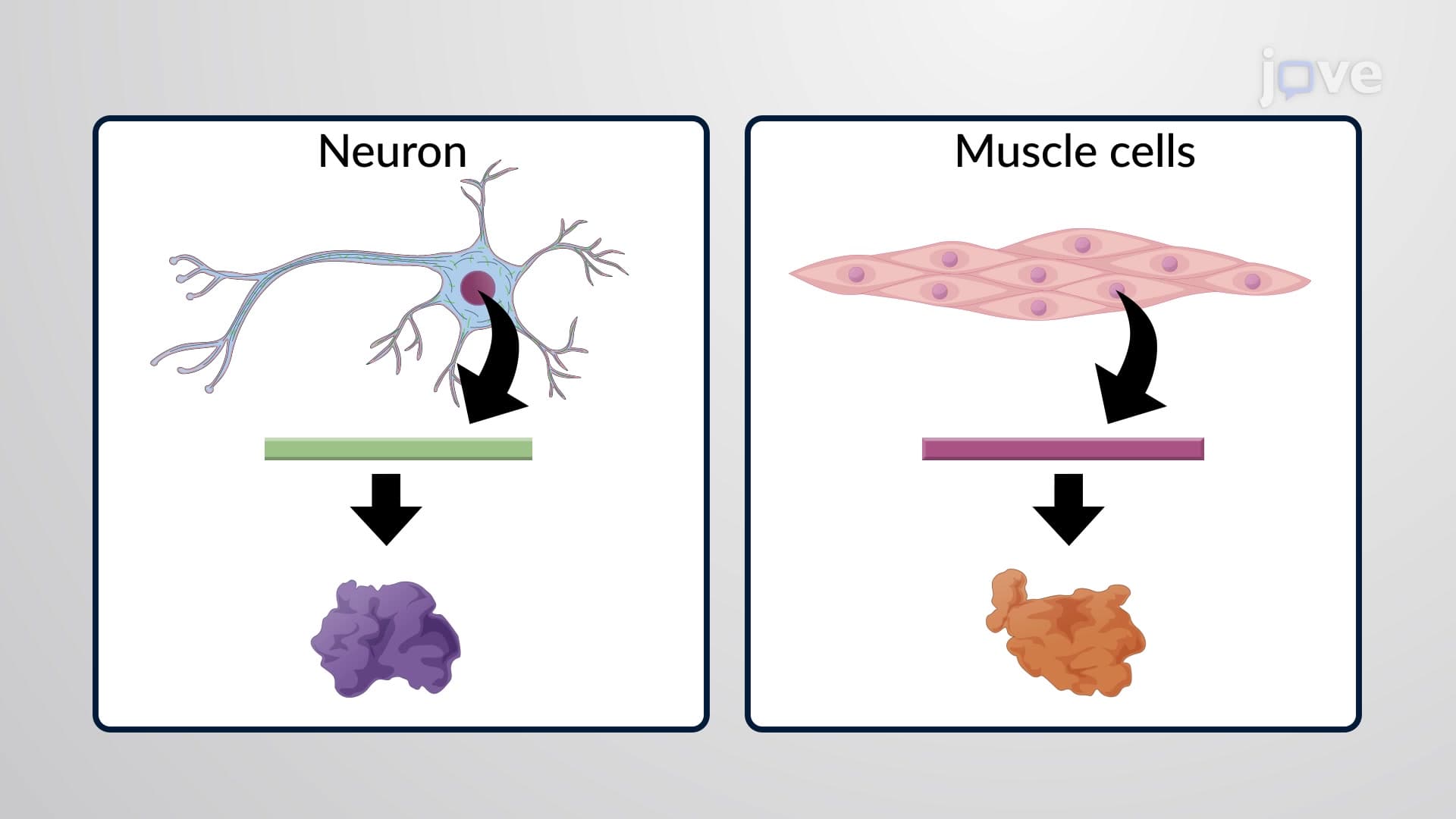
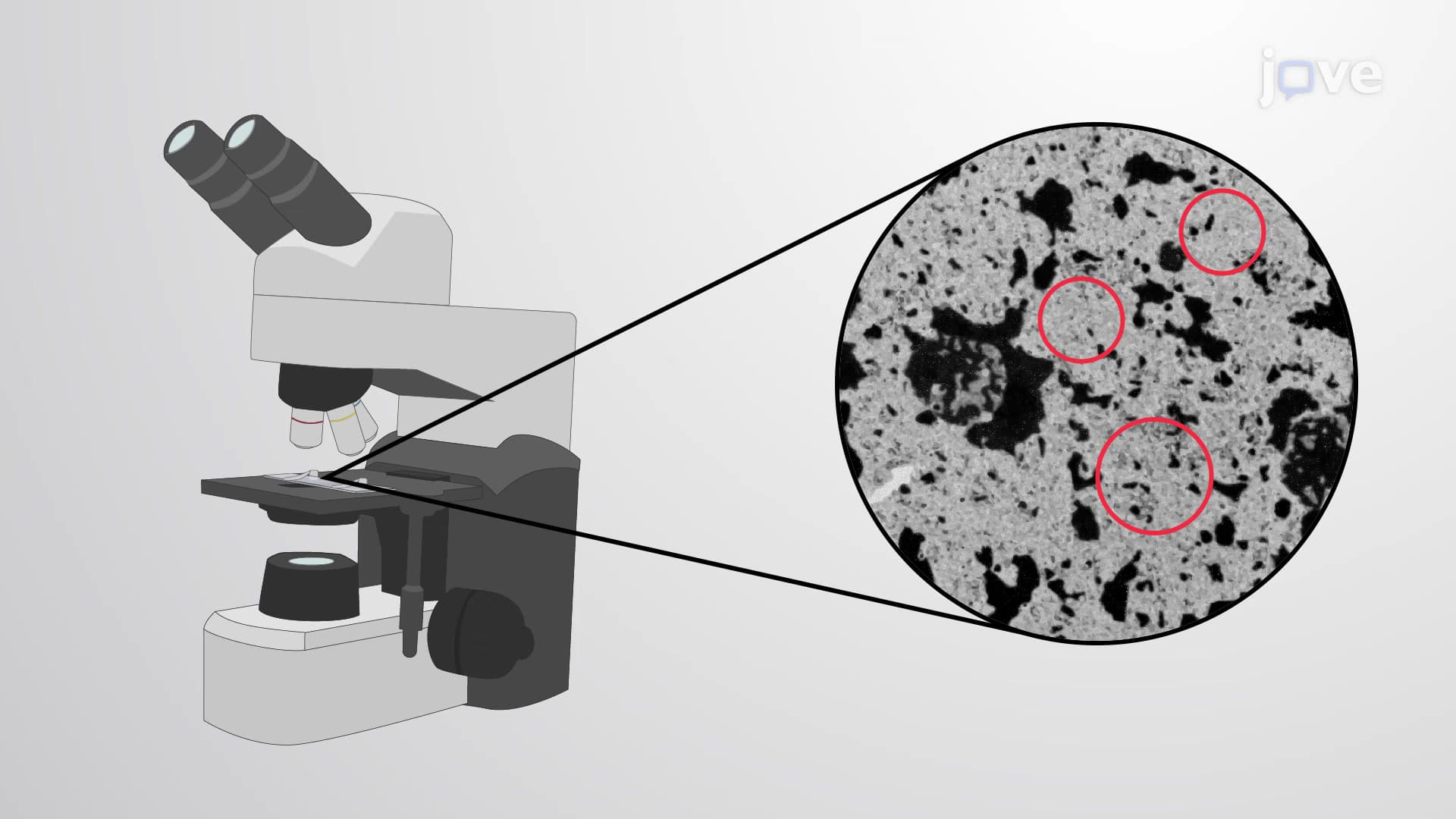
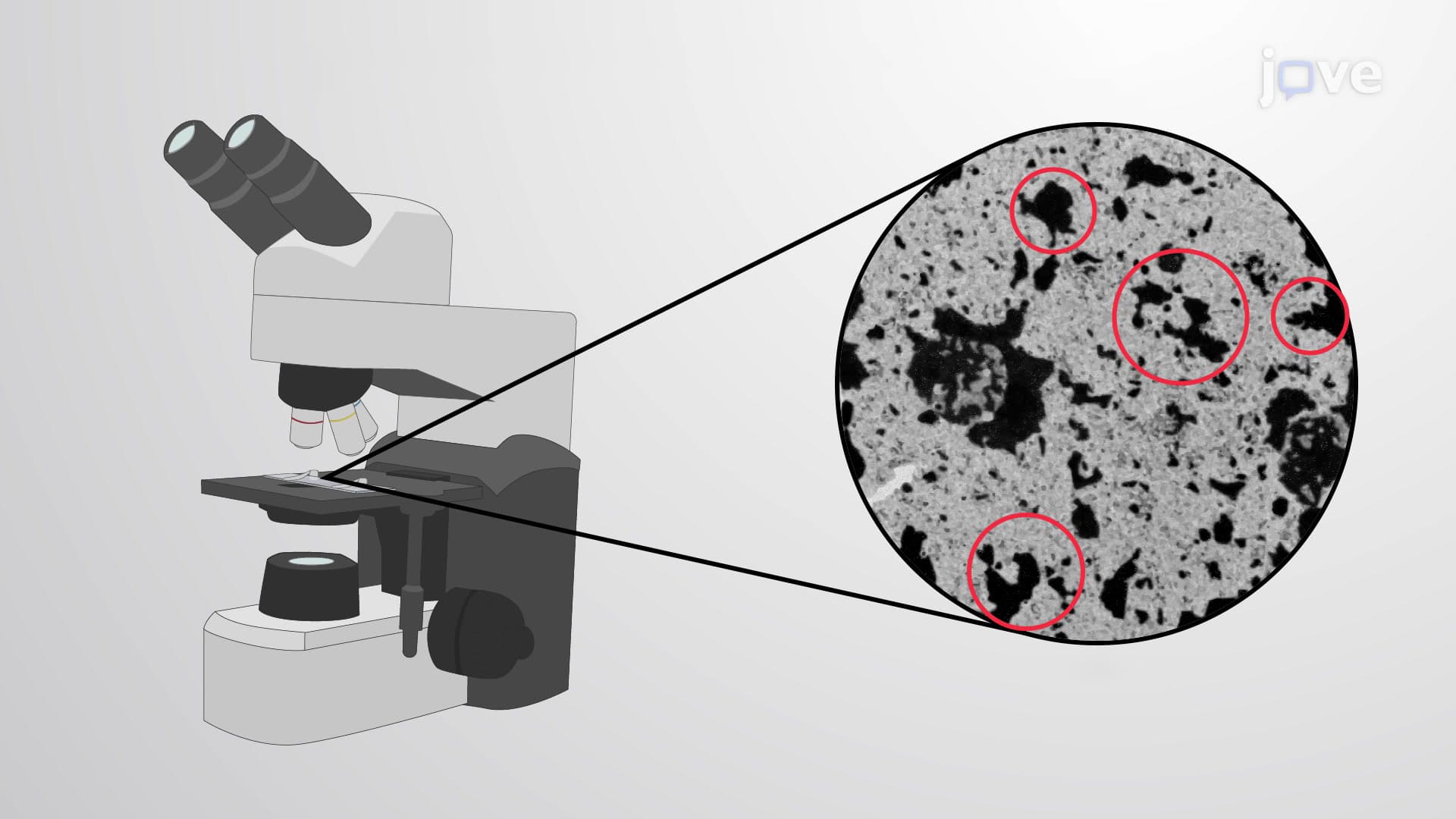
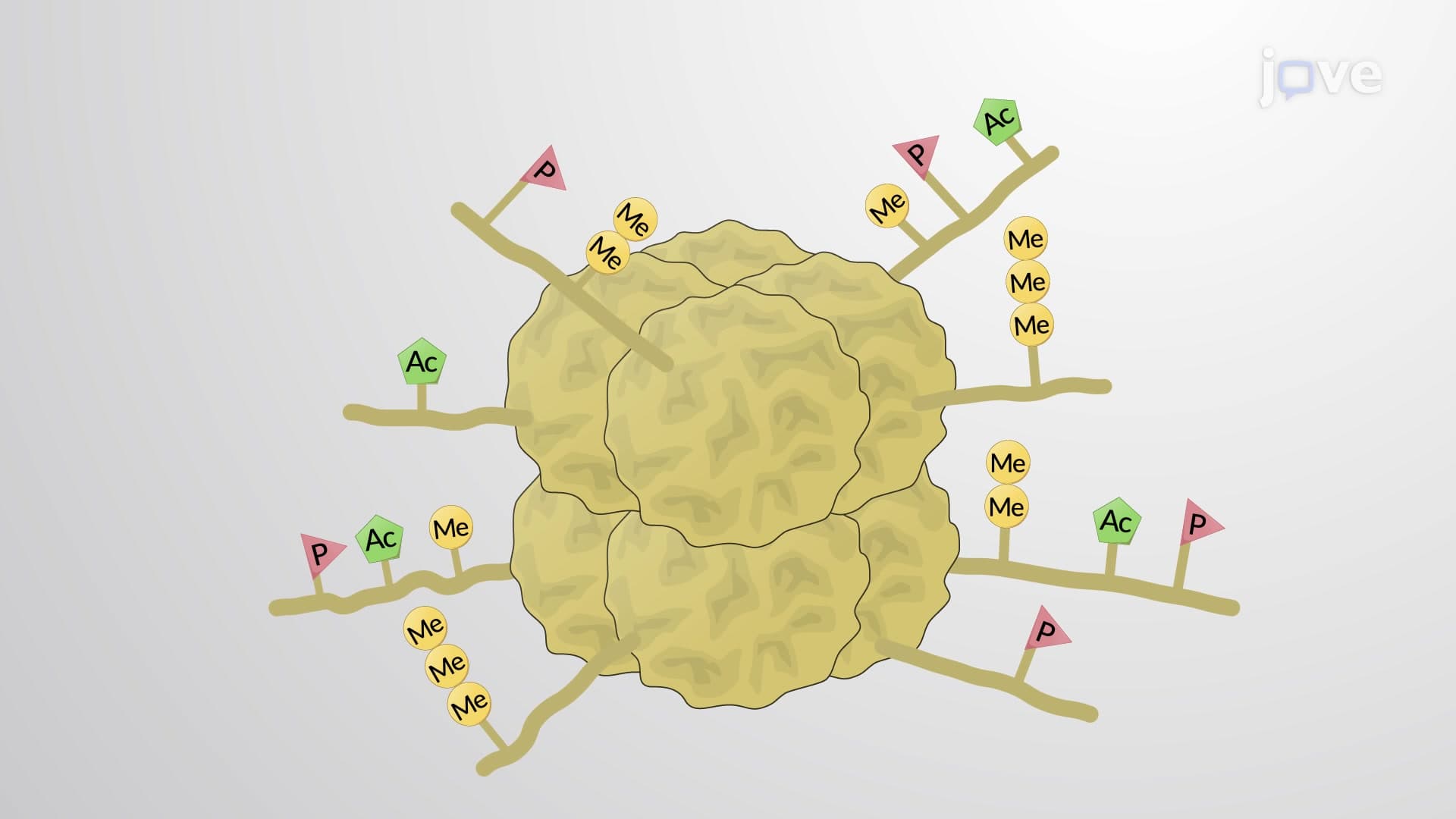
Heterochromatin euchromatin dynamics showcase chromatin's regulatory power. Euchromatin's loose packaging permits active transcription, while heterochromatin's dense structure silences genes. This system enables cellular differentiation-muscle cells and brain cells contain identical DNA but express different genes through distinct chromatin packaging patterns. The histone chromatin packaging modifications, including methylation and acetylation, act as molecular switches controlling these states.
Understanding chromosome chromatin structure proves vital in modern medicine. Researchers at Johns Hopkins and Memorial Sloan Kettering study how chromatin packaging abnormalities drive cancer progression. Drugs like HDAC inhibitors target chromatin structure to reactivate tumor suppressor genes. In the classroom, this concept appears frequently on AP Biology exams, MCAT questions, and college genetics courses, making it essential for pre-med students.
The topologically associating domains (TADs) discovered recently reveal how chromosomes fold into discrete functional units, influencing gene expression patterns and evolutionary processes. This knowledge bridges basic biology with cutting-edge genomic medicine, demonstrating chromatin packaging's fundamental importance in health and disease.
Related Micro-courses