Loading subject page…

Micro-course: Structure and Organization of DNA
58,700 views
Learn key concepts and earn your certificate.

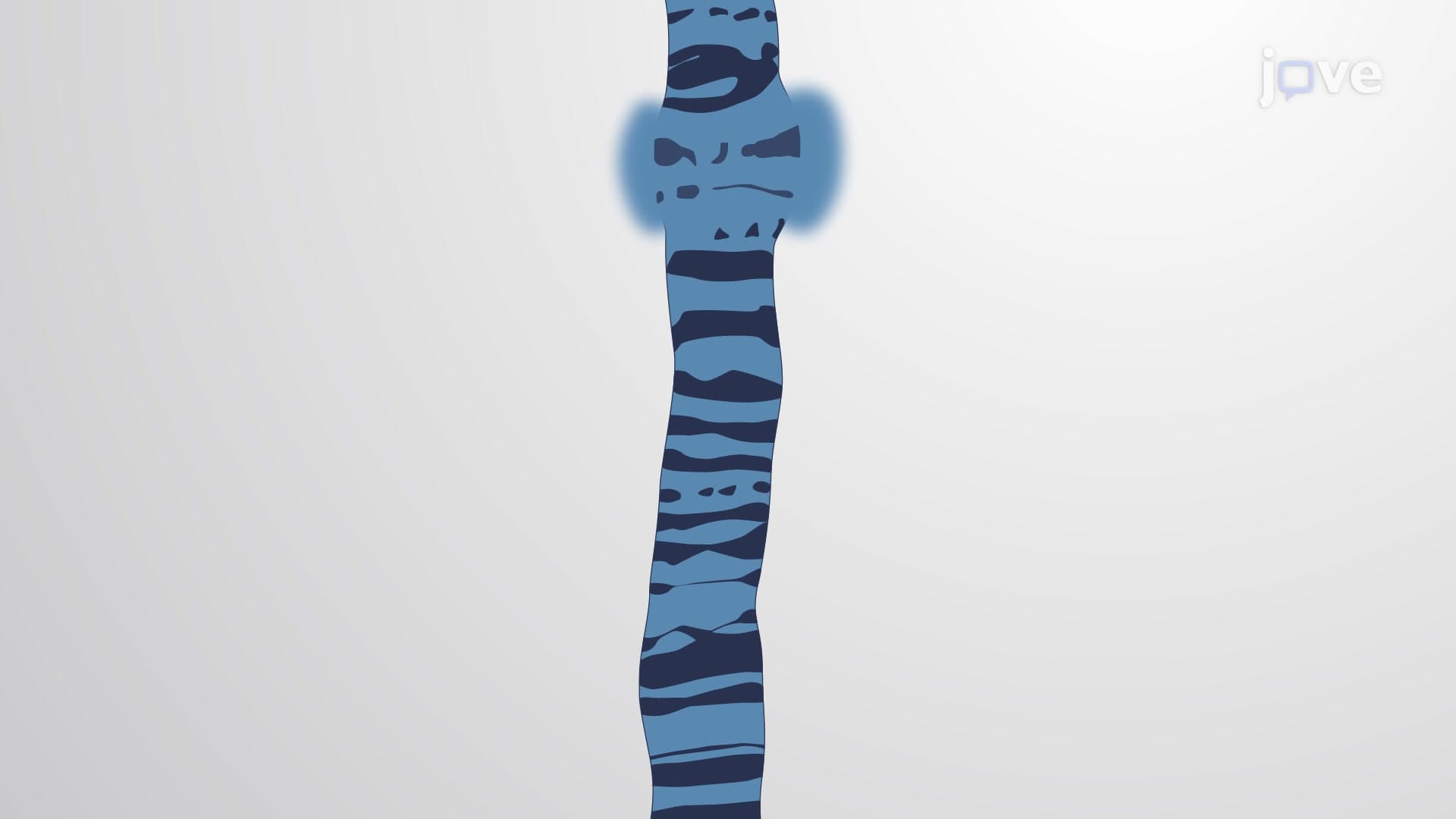
Euchromatin

00:00
01:01
Video Summary: What Is Euchromatin
Ever wonder why your skin cells look completely different from your brain cells, even though they contain identical DNA? The answer lies in euchromatin, the loosely packed, transcriptionally active form of chromatin that allows genes to be expressed when and where needed. Consider how researchers at Stanford University use euchromatin mapping to understand why certain cancer cells become resistant to chemotherapy treatments. What is euchromatin's role in controlling which genes get turned on or off in your cells? Watch the full video on JoVE Coach to master this concept with expert-led visuals and step-by-step explanations.
- Understand what is euchromatin and how its open, loosely packed structure enables active gene transcription in cells
- Identify the key molecular features that distinguish euchromatin from heterochromatin, including histone modifications and DNA accessibility
- Analyze how histone acetylation and specific methylation marks like H3K4me3 create the transcriptionally active euchromatin state
- Compare euchromatin and heterochromatin structures, explaining why only euchromatin allows transcription factor binding
- Evaluate the role of chromatin remodeling complexes in converting between euchromatin and heterochromatin states
- Apply knowledge of euchromatin dynamics to explain cellular differentiation and tissue-specific gene expression patterns
- Recognize how euchromatin dysfunction contributes to cancer development and genetic disorders
- Explore the connection between euchromatin regulation and epigenetic inheritance patterns across generations
Understanding Euchromatin Structure and Function
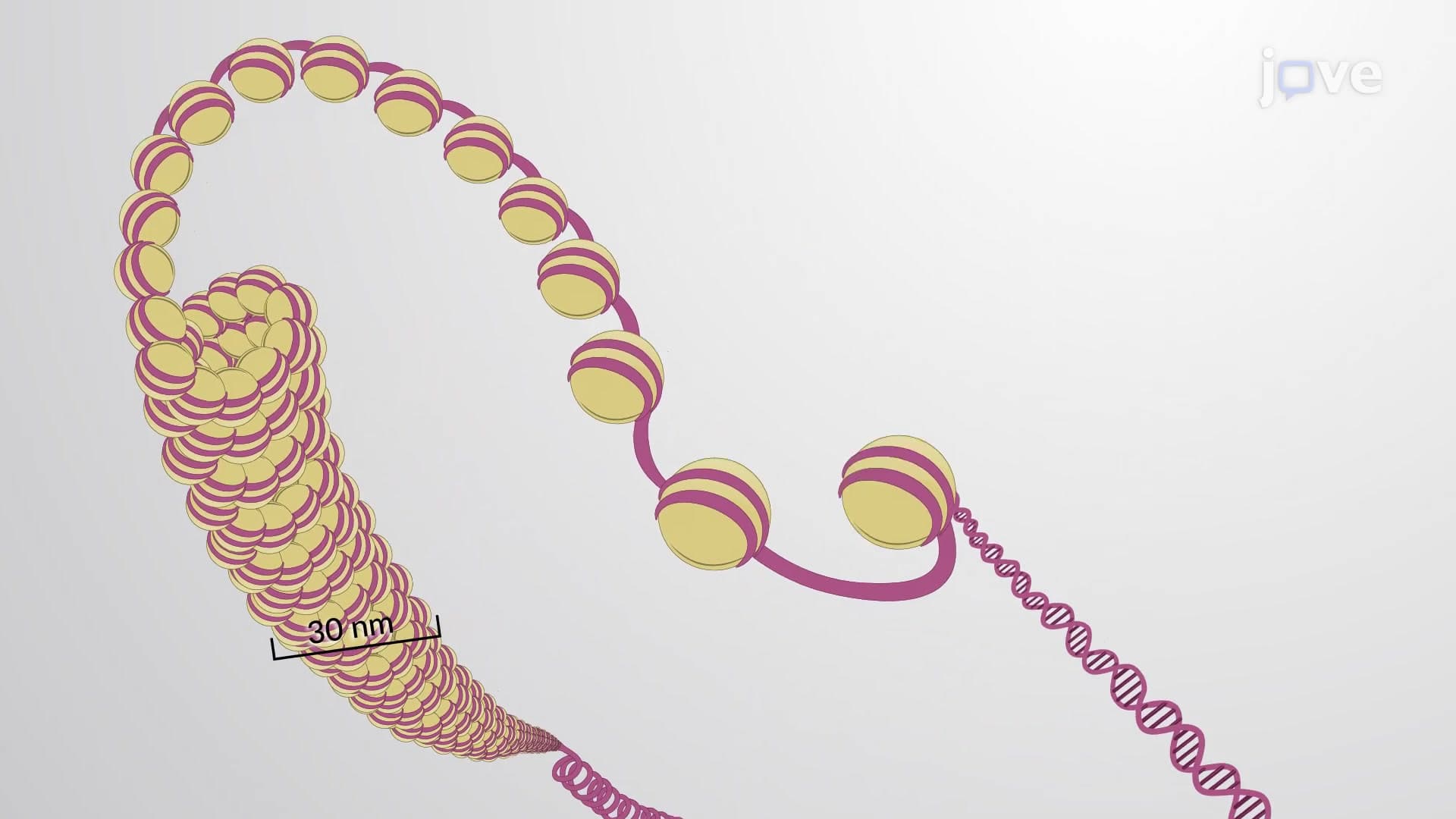
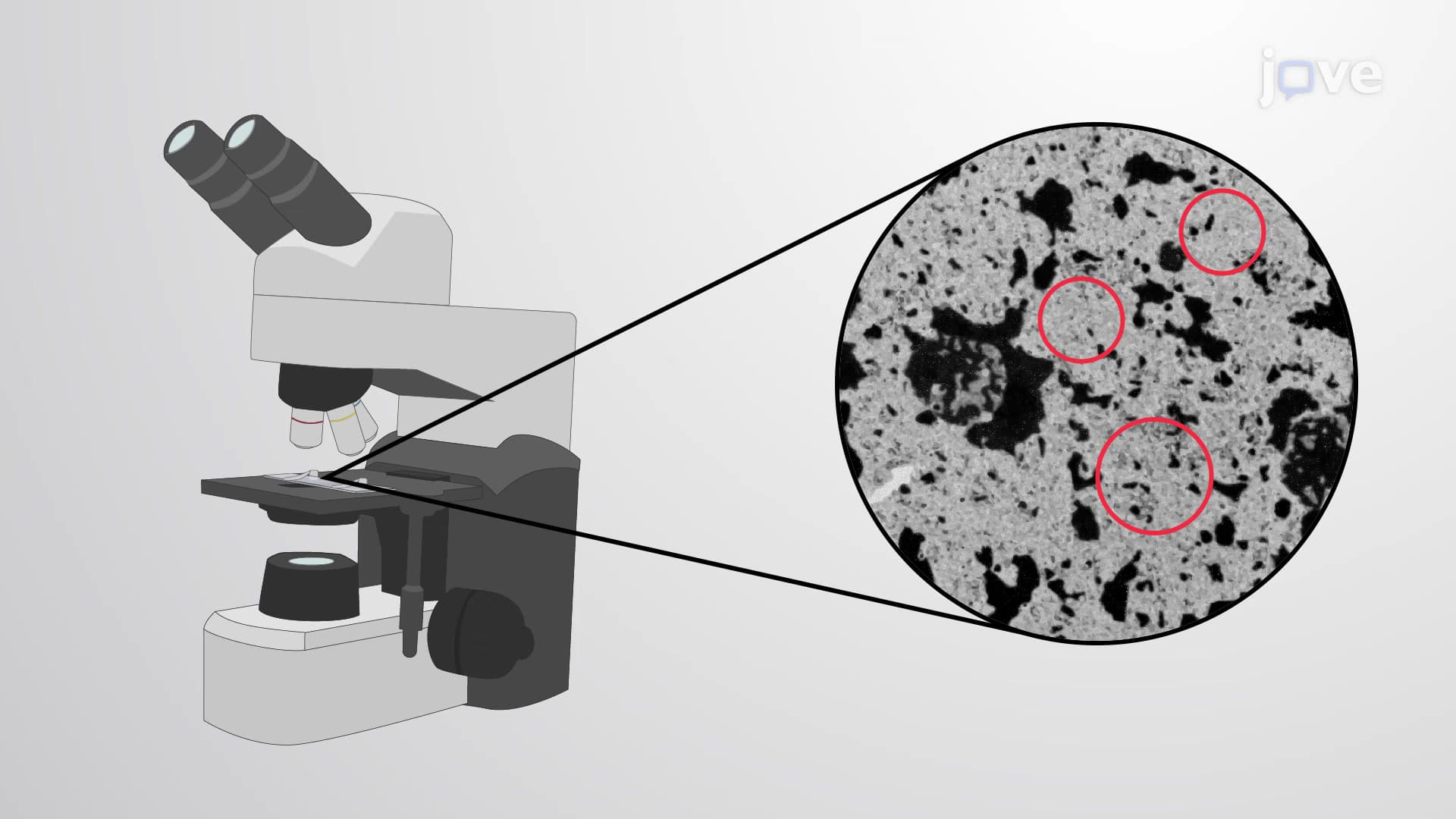
Euchromatin represents the transcriptionally active portion of our genome, characterized by its open, accessible chromatin structure. Unlike its counterpart heterochromatin, euchromatin maintains a loosely packed conformation that allows transcription machinery to access DNA sequences. This accessibility proves crucial for cellular function-without euchromatin, cells couldn't produce the proteins needed for survival, growth, and specialized functions.
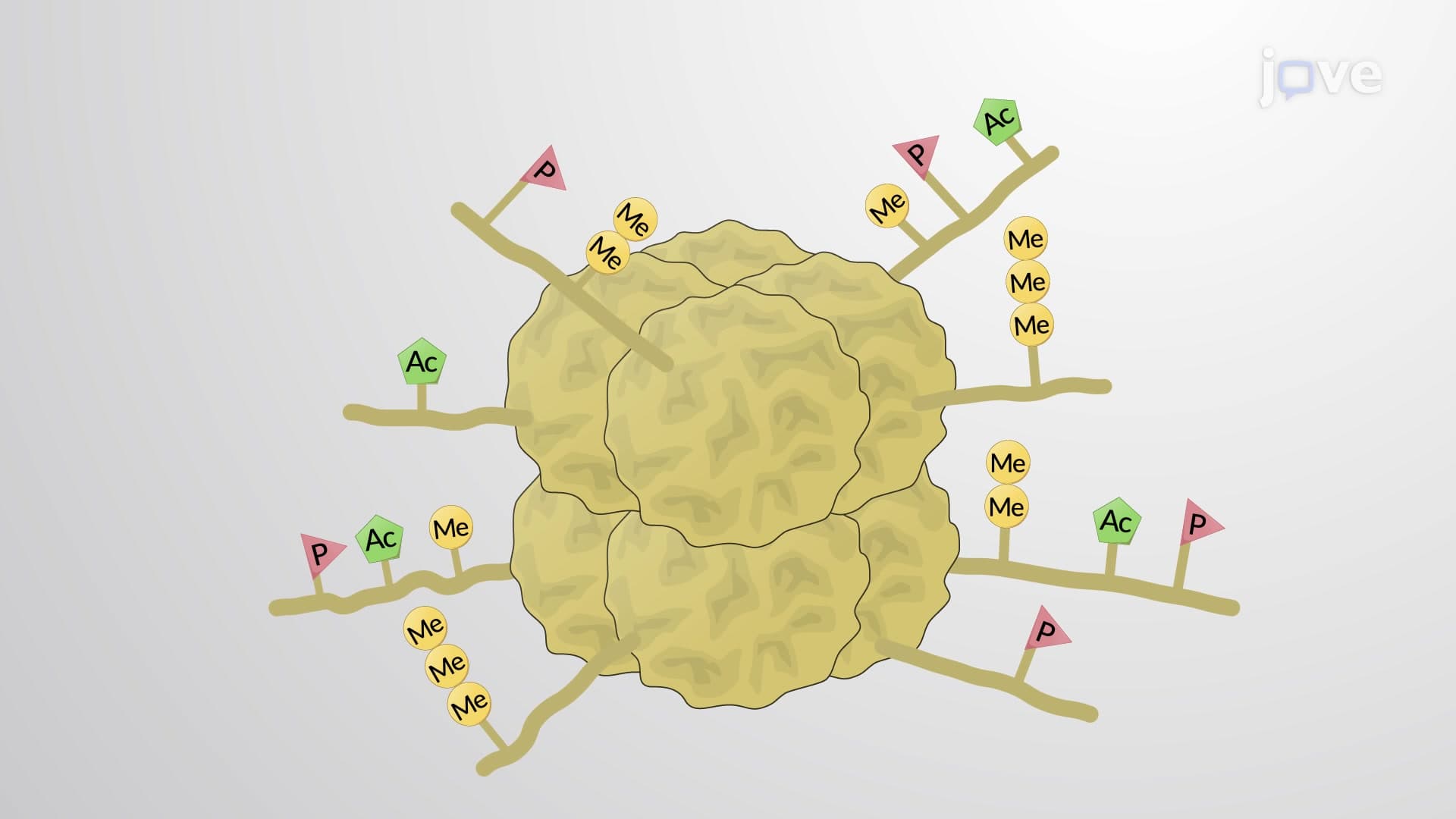
The structural organization of euchromatin involves specific histone modifications that promote gene expression. Histone acetyltransferases add acetyl groups to histone tails, neutralizing positive charges and reducing the attraction between histones and negatively charged DNA. Additionally, methylation marks such as H3K4me3 (trimethylation of lysine 4 on histone H3) serve as molecular beacons that recruit transcriptional machinery to active gene regions.
Molecular Mechanisms of Euchromatin Formation
Chromatin remodeling complexes like SWI/SNF play essential roles in establishing euchromatin domains. These ATP-dependent complexes physically move or remove histones, creating nucleosome-free regions where RNA polymerase II can initiate transcription. The process involves multiple steps: first, pioneer transcription factors recognize specific DNA sequences even in condensed chromatin; then, these factors recruit chromatin remodelers and histone-modifying enzymes to establish the open euchromatin state.
Research at institutions like Harvard Medical School and MIT has revealed how euchromatin formation responds to cellular signals. When cells receive growth factors or developmental cues, signaling cascades activate transcription factors that target specific genomic regions for euchromatin conversion. This process allows cells to rapidly adjust gene expression programs in response to changing conditions.
Clinical Significance and Disease Connections
Euchromatin dysfunction underlies numerous human diseases, making it a critical topic for pre-med students preparing for the MCAT. Cancer cells often exhibit aberrant euchromatin patterns-tumor suppressor genes may become heterochromatinized and silenced, while oncogenes may acquire inappropriate euchromatin marks leading to overexpression. For example, in acute myeloid leukemia, mutations in chromatin remodeling complexes disrupt normal euchromatin establishment, preventing proper cellular differentiation.
Developmental disorders also frequently involve euchromatin defects. Kabuki syndrome results from mutations in histone methyltransferases that establish euchromatin marks, leading to intellectual disability and distinctive facial features. Understanding these connections proves essential for AP Biology students and college genetics courses, where euchromatin regulation appears in contexts ranging from X-chromosome inactivation to genomic imprinting.
Frequently Asked Questions
Euchromatin is the loosely packed, transcriptionally active form of chromatin that allows gene expression, while heterochromatin is tightly condensed and generally silent. Euchromatin contains acetylated histones and active methylation marks, making DNA accessible to transcription factors. This structural difference determines whether genes can be expressed in specific cell types and developmental stages.
MCAT questions often focus on euchromatin's role in gene regulation, asking about histone modifications, chromatin remodeling, and disease mechanisms. AP Biology emphasizes euchromatin in gene expression units, particularly how cells control transcription through chromatin structure. Practice identifying euchromatin markers like H3K4me3 and explaining how chromatin remodeling affects cellular differentiation.
College exams typically test euchromatin formation mechanisms, histone modification patterns, and clinical applications. Focus on understanding how pioneer transcription factors establish euchromatin domains, the role of chromatin remodeling complexes, and connections between euchromatin dysfunction and human diseases. Many professors emphasize epigenetic inheritance of euchromatin states.
Euchromatin research directly impacts cancer treatment at major US medical centers like MD Anderson and Memorial Sloan Kettering. Researchers develop drugs targeting chromatin remodeling complexes to reactivate silenced tumor suppressor genes. Additionally, euchromatin mapping helps predict drug responses and identify patients likely to benefit from specific therapies.
Basic understanding of protein structure and chemical modifications suffices for most euchromatin concepts. Focus on how acetylation neutralizes histone charges and how methylation creates binding sites for regulatory proteins. High school chemistry provides adequate background-you don't need graduate-level biochemistry to grasp these fundamental principles.
Create comparison charts contrasting euchromatin and heterochromatin features, including histone modifications, transcriptional activity, and structural characteristics. Practice drawing chromatin remodeling mechanisms and explaining how specific modifications affect gene expression. Use active recall techniques by explaining euchromatin concepts without referring to notes.
Progress to advanced epigenetics topics including DNA methylation, genomic imprinting, and X-chromosome inactivation. Explore chromatin immunoprecipitation techniques used to map euchromatin domains genome-wide. Understanding euchromatin provides foundation for studying transcriptional regulation, cellular reprogramming, and regenerative medicine applications.
Euchromatin establishment drives cellular differentiation by making tissue-specific genes accessible for transcription. As stem cells differentiate, pioneer transcription factors establish new euchromatin domains while other regions become heterochromatinized. This process creates the distinct gene expression patterns that define different cell types, from neurons to muscle cells.
Related Micro-courses

17 Concepts
18 Concepts

11 Concepts