Loading subject page…


58,700 views

Video Summary: What Is Heterochromatin
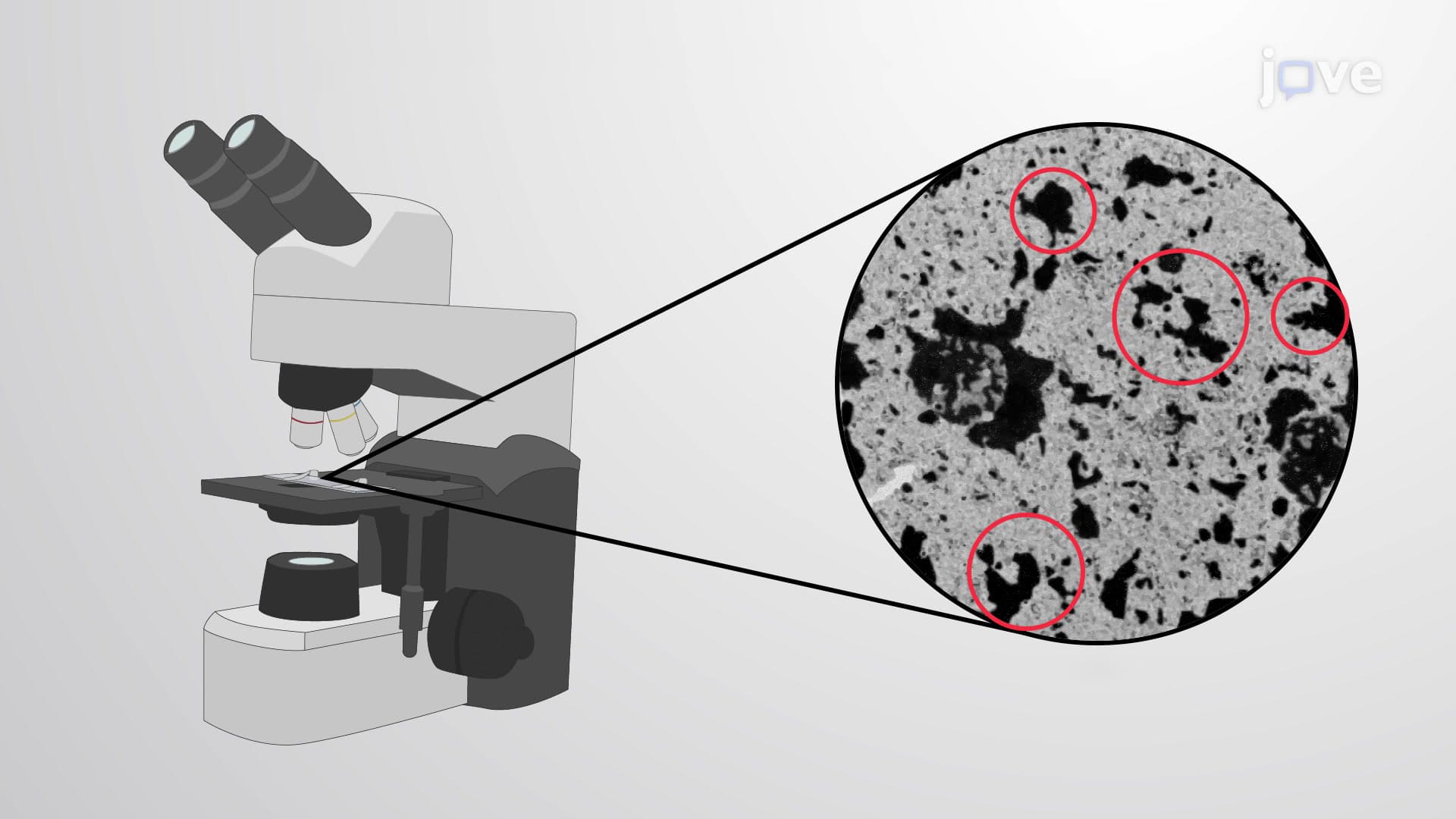
Did you know that roughly 45% of your genome is permanently "silenced" in tightly packed DNA structures? Heterochromatin represents these densely compacted regions of chromosomes that keep genes switched off, playing a crucial role in cellular identity and genome stability. A prime example is X-chromosome inactivation in female mammals, where one entire X chromosome becomes heterochromatic to balance gene dosage. Watch the full video on JoVE Coach to master this concept with expert-led visuals and step-by-step explanations.
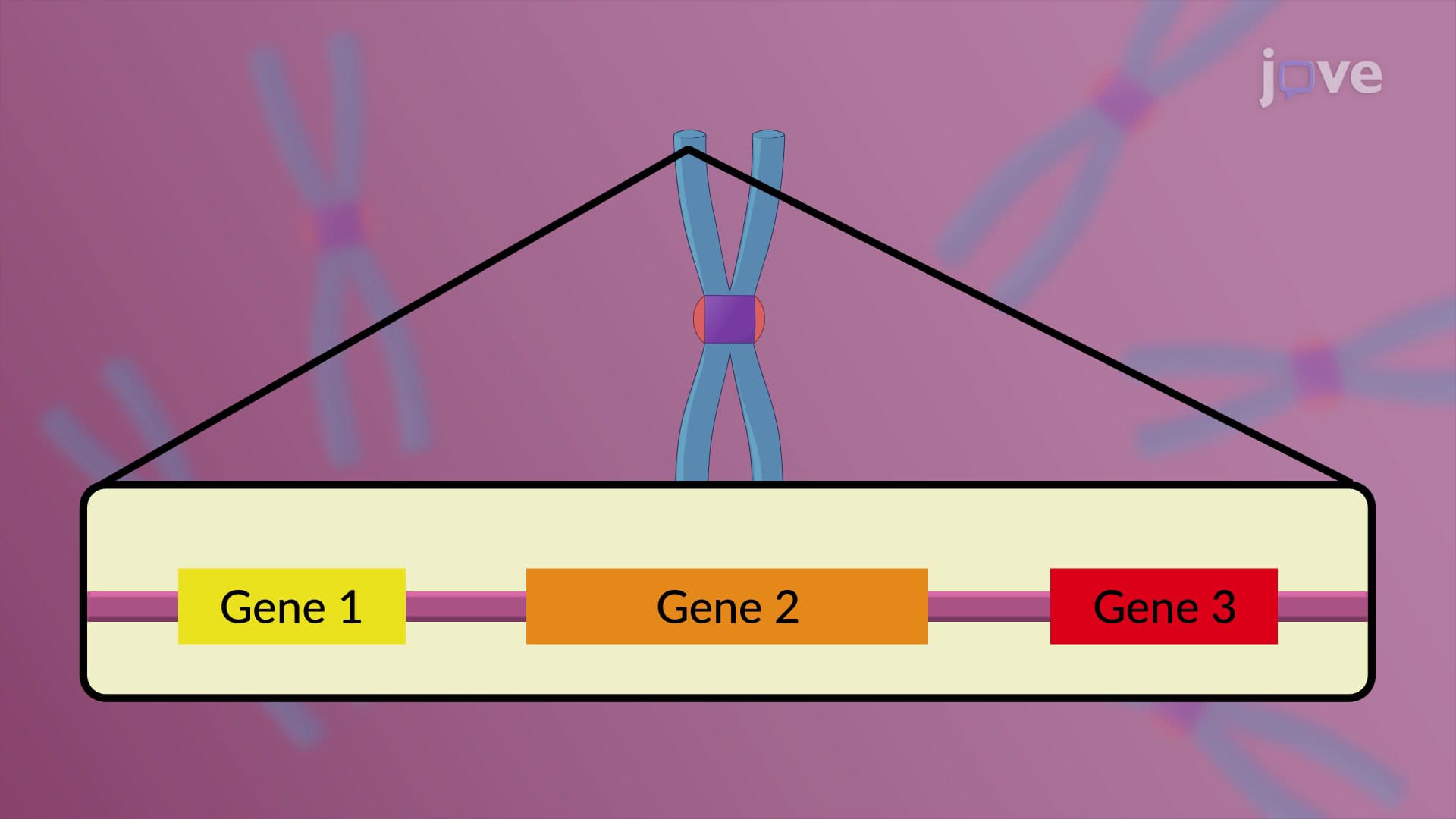
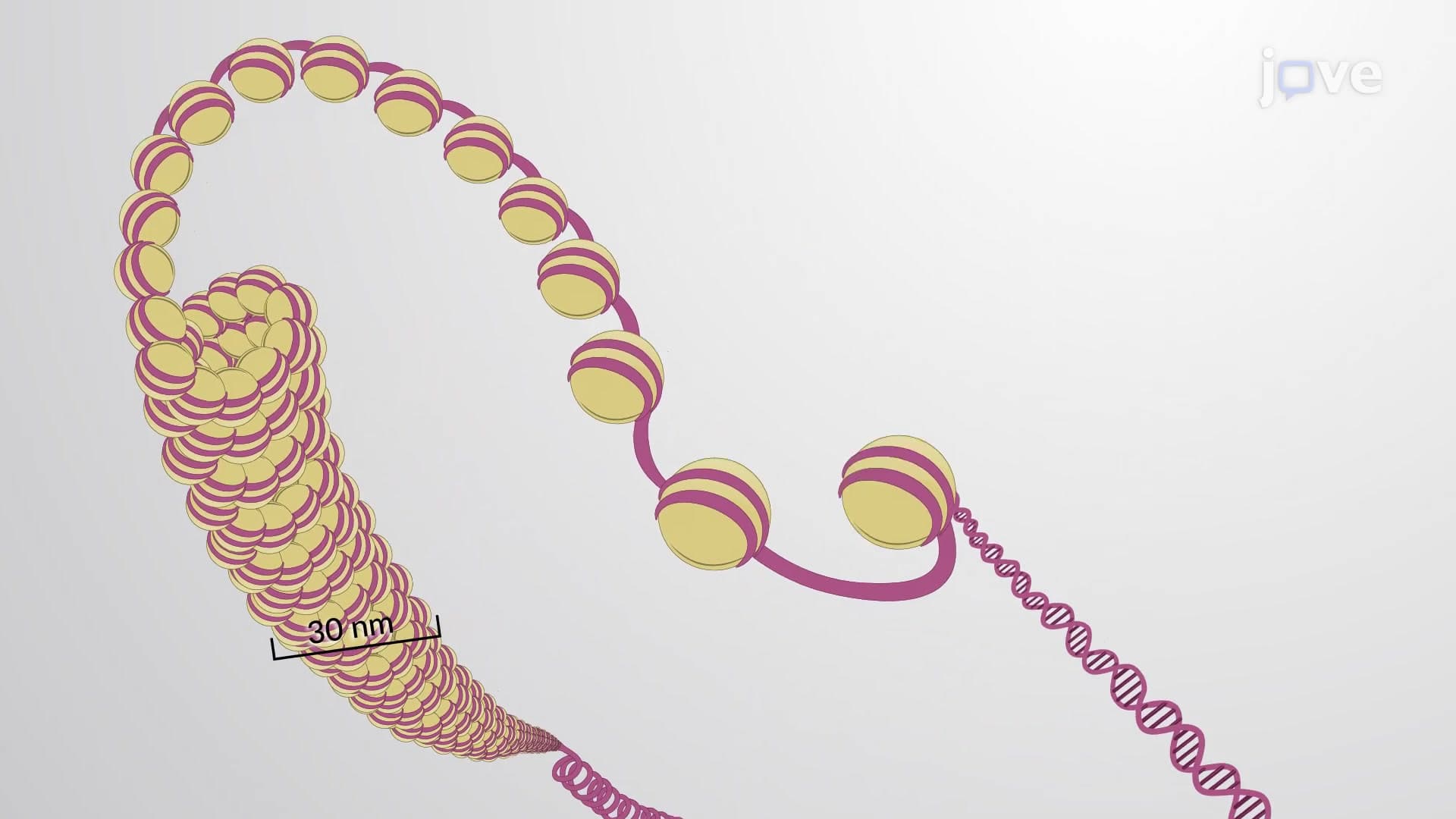
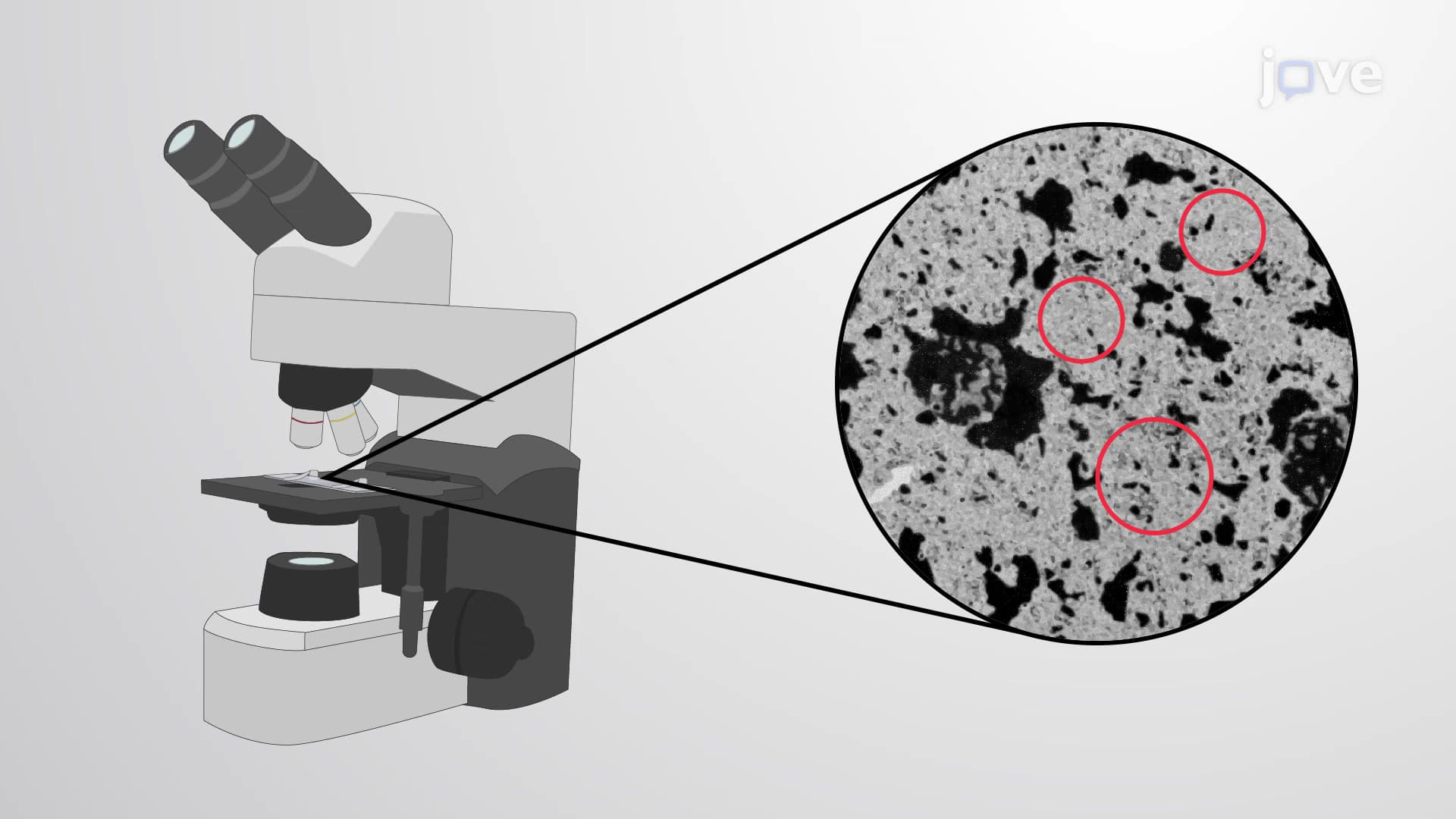
Heterochromatin represents one of nature's most elegant gene regulation mechanisms, consisting of tightly condensed chromatin that remains largely transcriptionally silent. Unlike its counterpart euchromatin, which maintains an open, accessible structure for active gene expression, heterochromatin creates dense packaging that effectively locks away specific genomic regions. This fundamental concept appears extensively in AP Biology curricula and forms the foundation for understanding epigenetic regulation in college-level genetics courses.
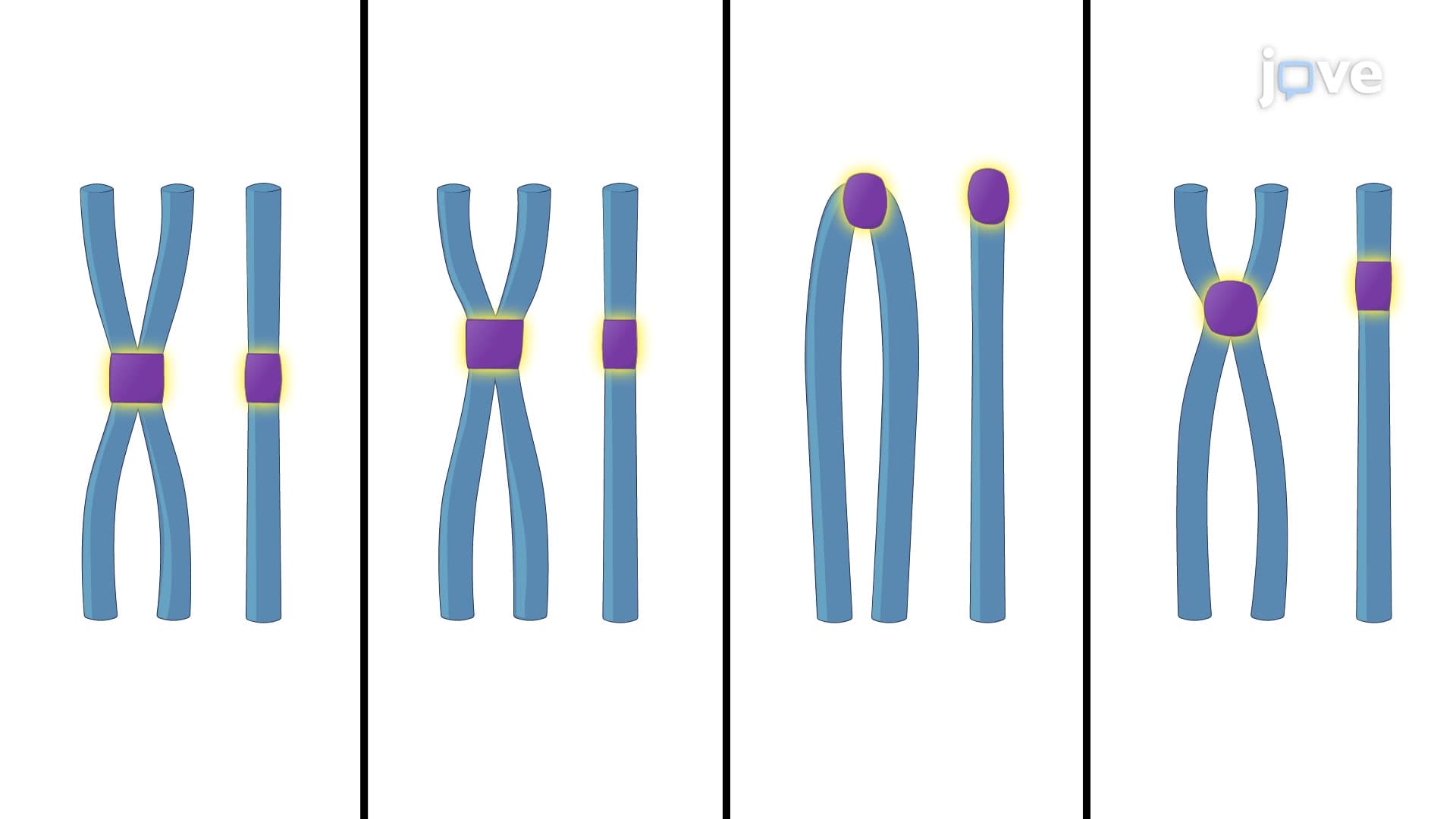
The classification of heterochromatin into two major categories reflects its diverse functional roles. Constitutive heterochromatin remains permanently condensed and includes essential structural regions like centromeres and telomeres. These regions contain highly repetitive DNA sequences that, if expressed, could destabilize the genome through inappropriate recombination events. Students preparing for the MCAT will encounter this concept when studying chromosome structure and cell division mechanisms.
Facultative heterochromatin, conversely, demonstrates remarkable plasticity by switching between active and inactive states based on developmental signals or environmental conditions. The classic example studied in US universities involves X-chromosome inactivation in female mammals, where one X chromosome becomes facultatively heterochromatic during early development, ensuring proper gene dosage compensation.
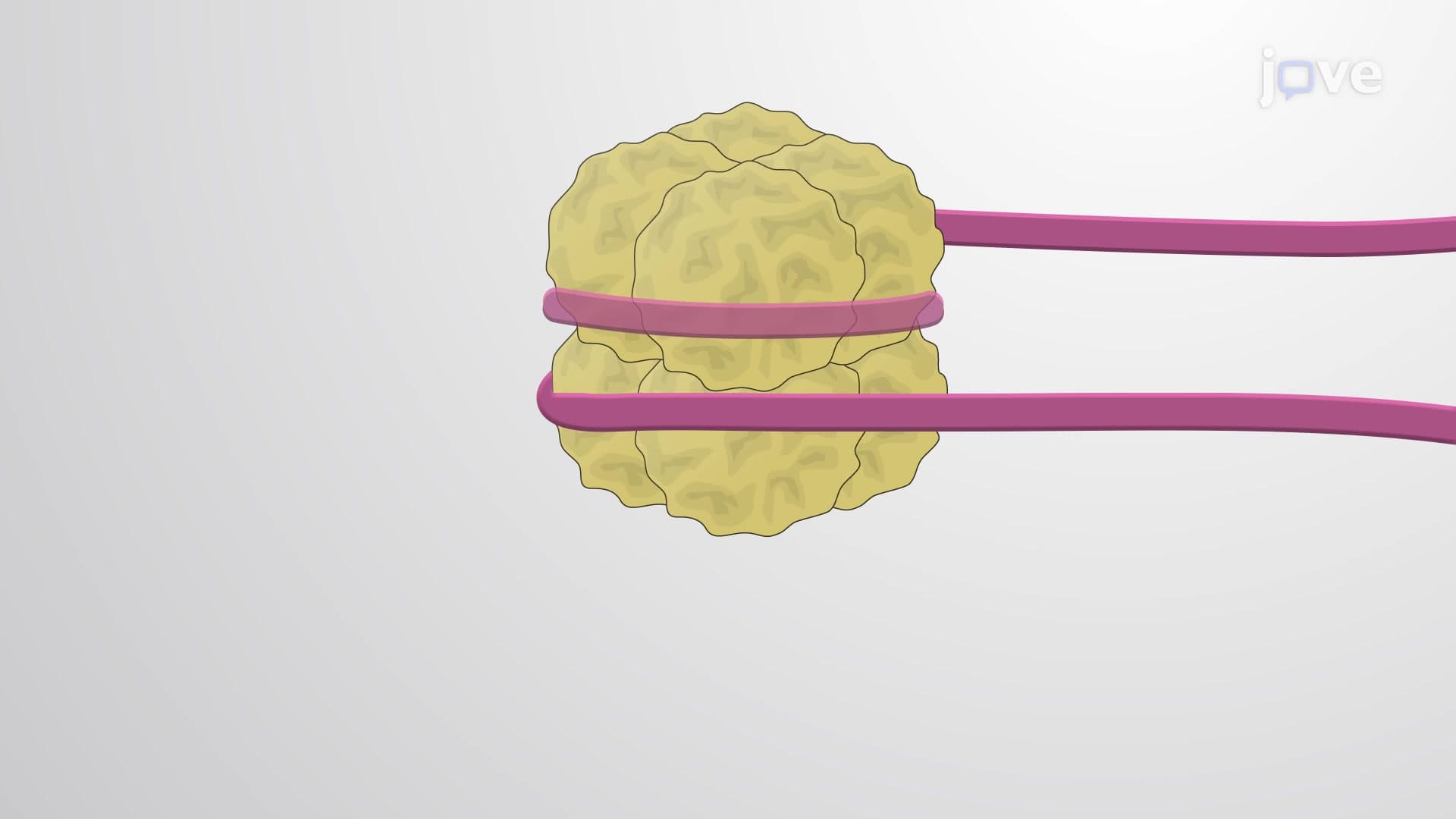
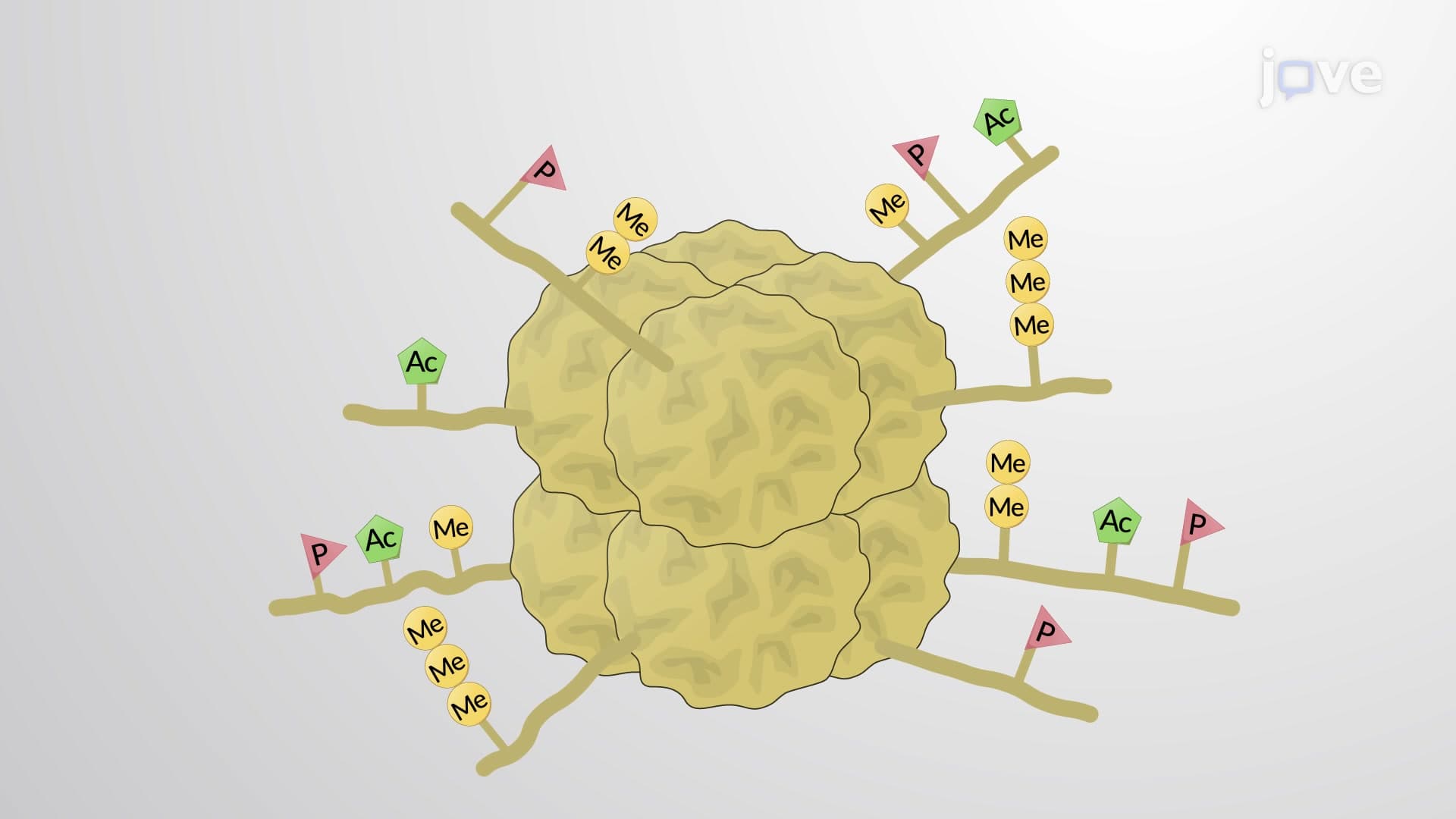
The formation and maintenance of heterochromatin involves specific molecular machinery that college biochemistry students must master. Key histone modifications, particularly trimethylation of lysine 9 on histone H3 (H3K9me3), serve as crucial markers for heterochromatin recognition. The HP1 (Heterochromatin Protein 1) family binds to these modified histones, promoting further compaction and recruiting additional silencing factors.
This molecular understanding proves essential for students tackling advanced placement exams, where questions often focus on the relationship between chromatin structure and gene regulation. The cascade of events-from histone modification to protein recruitment to chromatin compaction-illustrates how cells achieve precise control over gene expression patterns.
Modern molecular biology research increasingly recognizes heterochromatin's role in human health and disease. Cancer researchers at institutions like Johns Hopkins and Memorial Sloan Kettering have identified heterochromatin disruption as a hallmark of tumor development, where normally silenced oncogenes become inappropriately activated. Similarly, premature aging syndromes often involve defects in heterochromatin maintenance, leading to genome instability and cellular dysfunction.
Related Micro-courses