Loading subject page…

- Cell Biology
- Structure and Organization of DNA
- Histone Modification
Micro-course: Structure and Organization of DNA
58,700 views
Learn key concepts and earn your certificate.
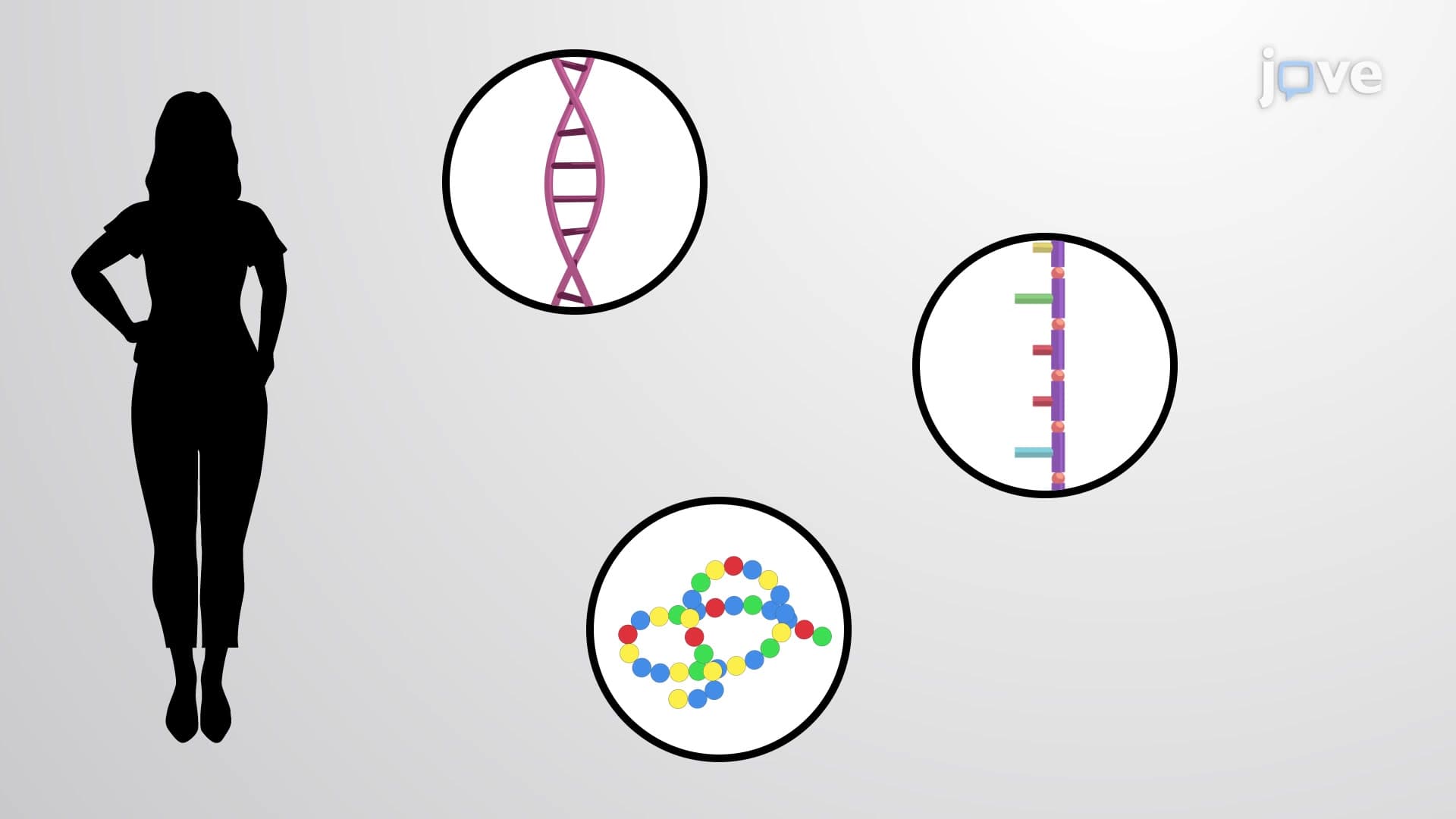

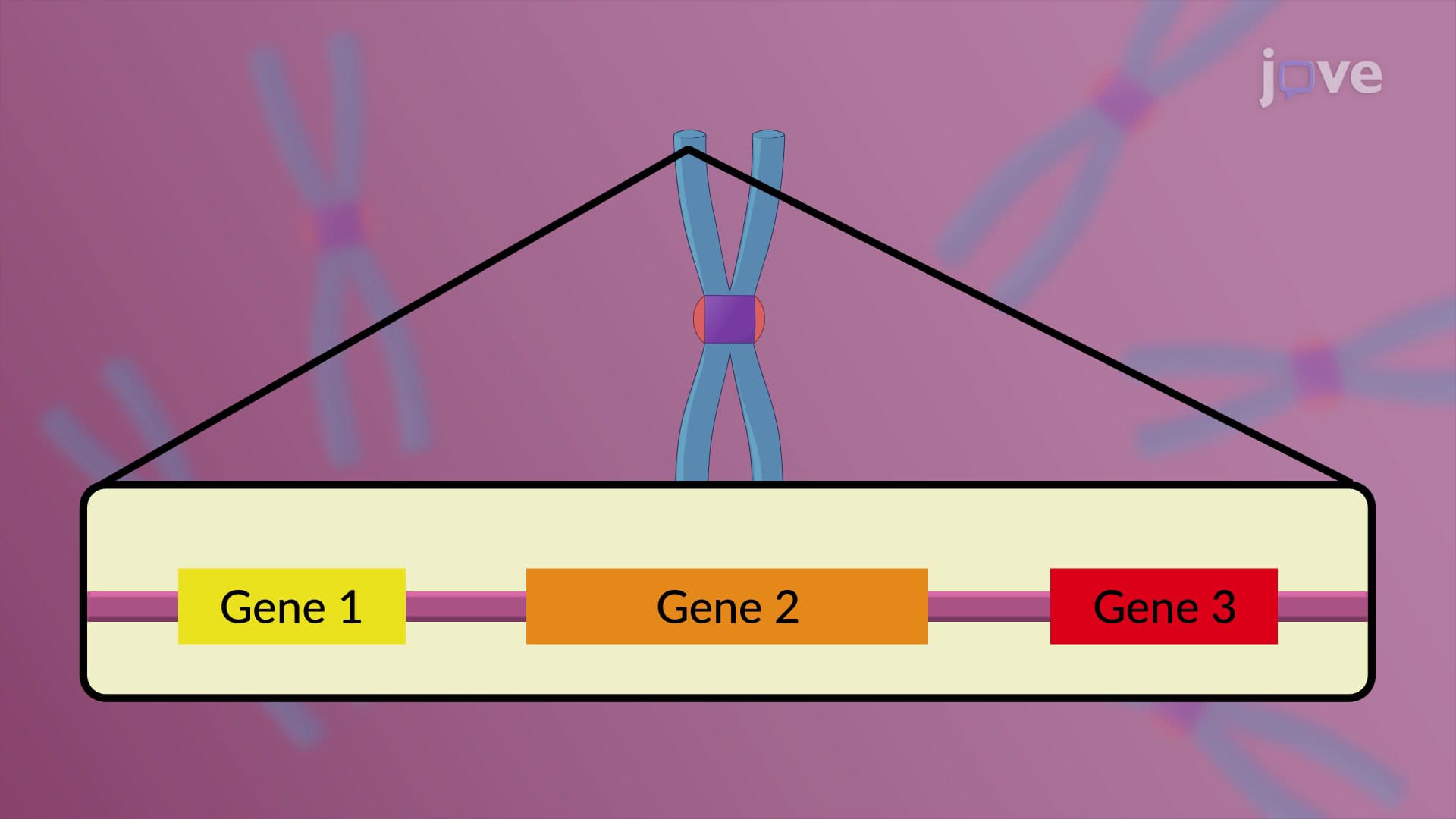
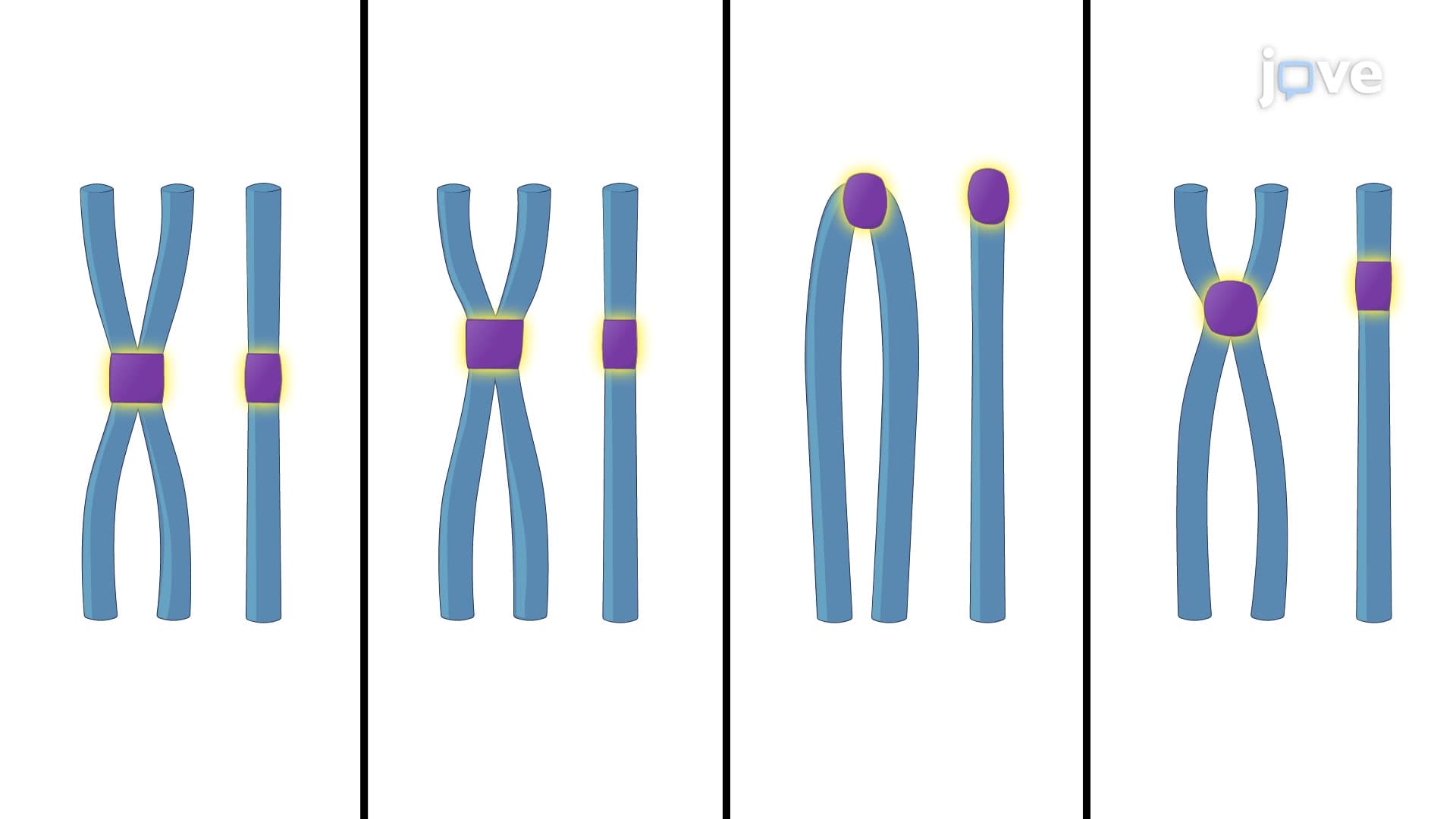
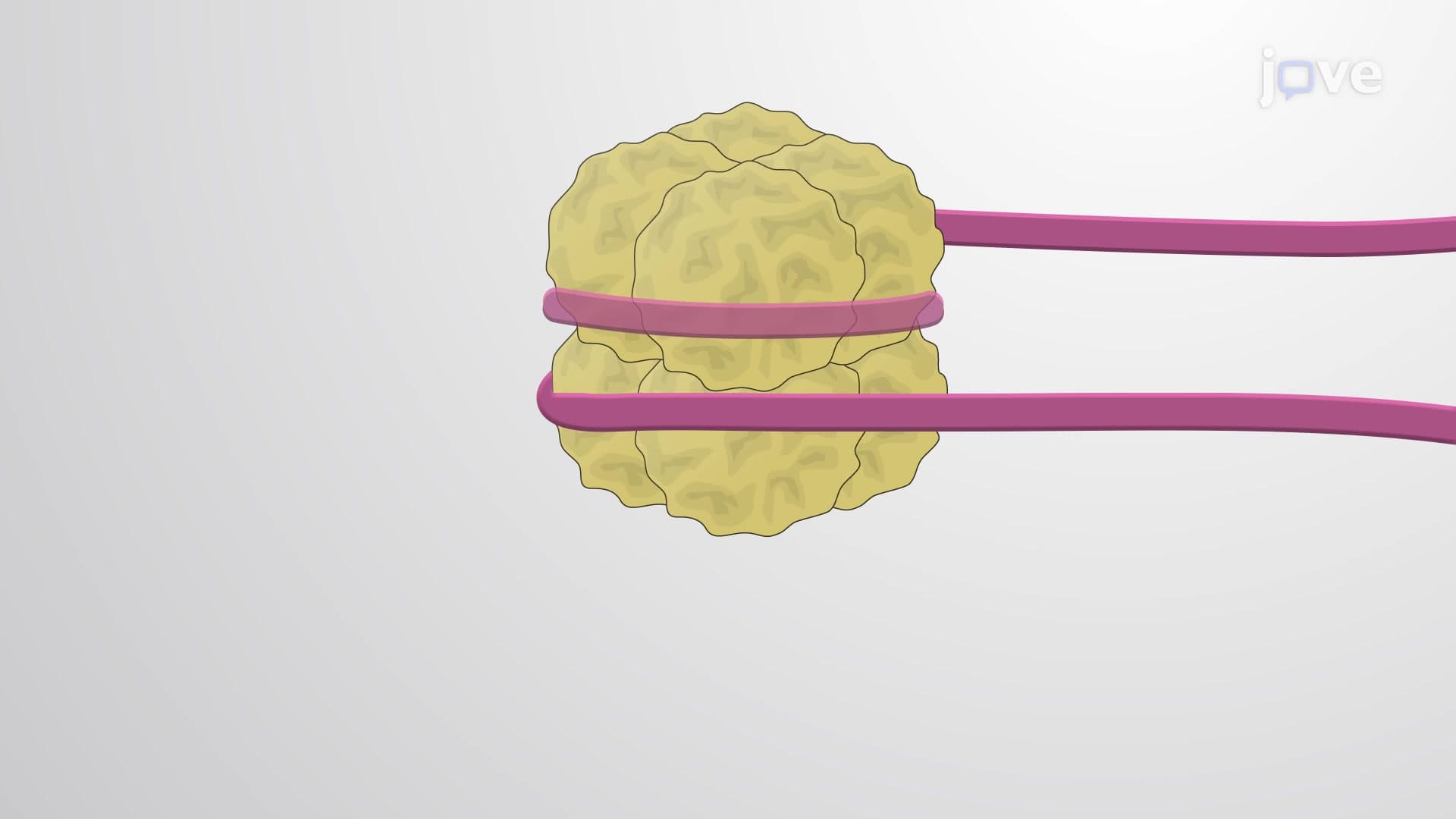


Histone Modification

00:00
02:32
Video Summary: What Is Histone Modification
Did you know that your DNA is packaged so tightly that it would stretch 6 feet if unraveled, yet fits inside a microscopic cell nucleus? Histone modification is the process by which chemical tags are added to histone proteins, fundamentally altering how genes are expressed without changing the DNA sequence itself. These modifications, including acetylation and methylation, act like molecular switches that turn genes on or off-crucial for understanding diseases like Huntington's disease, which affects thousands of Americans annually. Watch the full video on JoVE Coach to master this concept with expert-led visuals and step-by-step explanations.
- Understand what is histone modification and how these chemical changes regulate gene expression without altering DNA sequences
- Identify the major types of histone modifications, including acetylation, methylation, phosphorylation, and ubiquitination
- Analyze how histone-modifying enzymes (writers, erasers, and readers) work together to control chromatin accessibility
- Compare the effects of different modifications, such as how acetylation generally activates transcription while methylation can activate or repress genes
- Evaluate the histone code hypothesis and its role in creating a regulatory language for genome function
- Apply knowledge of histone modifications to understand epigenetic inheritance and disease mechanisms
- Recognize the clinical significance of histone modifications in cancer research and therapeutic development
- Explore advanced techniques like chromatin immunoprecipitation (ChIP) used to study these modifications in laboratory settings
Understanding Histone Modification Fundamentals
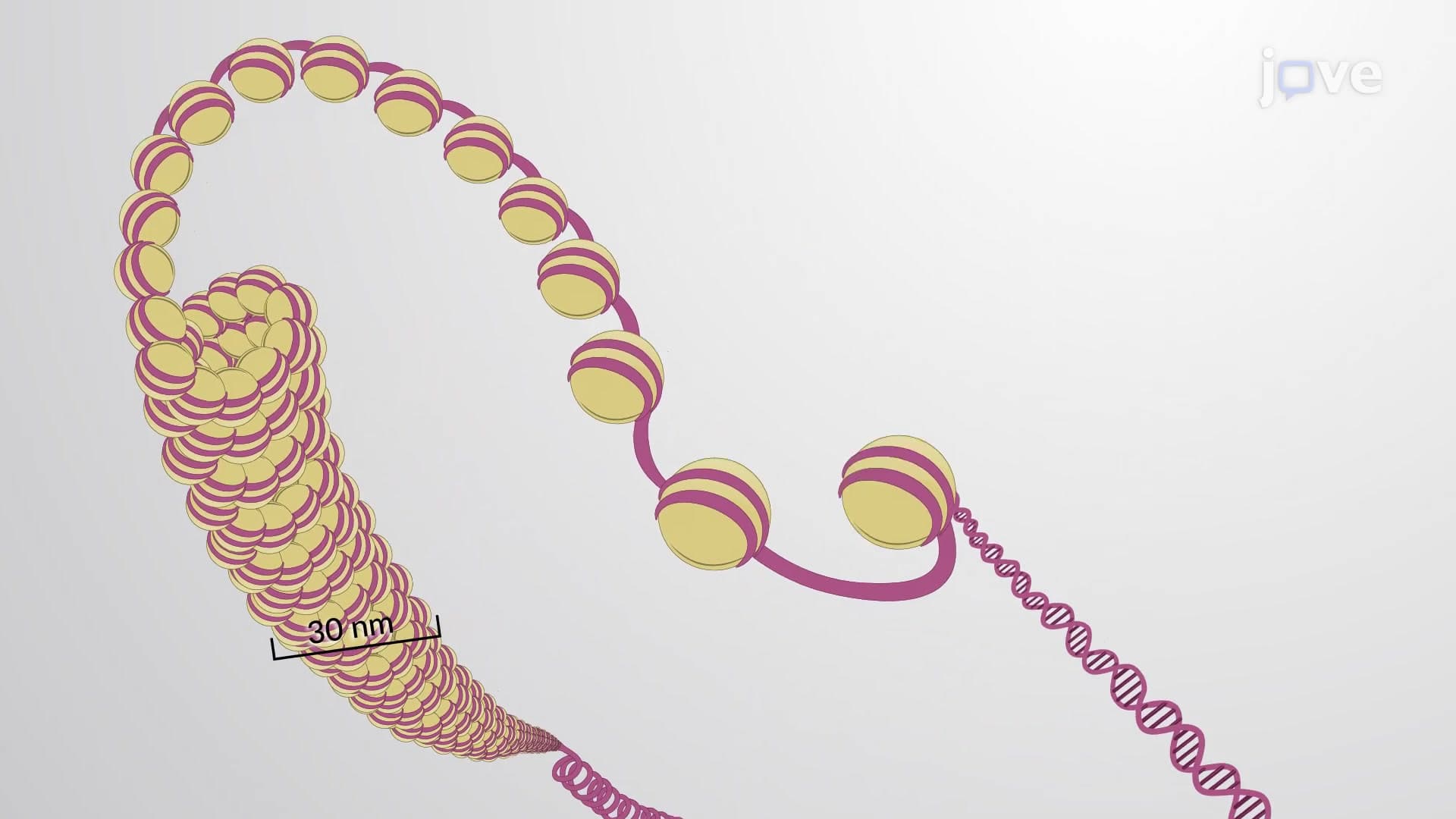
Histone modification represents one of biology's most elegant regulatory systems, where chemical tags attached to histone proteins dramatically influence gene expression patterns. Think of histones as spools around which DNA wraps-these modifications act like adjustable settings that determine how tightly or loosely the DNA is wound, ultimately controlling which genes can be accessed and transcribed.
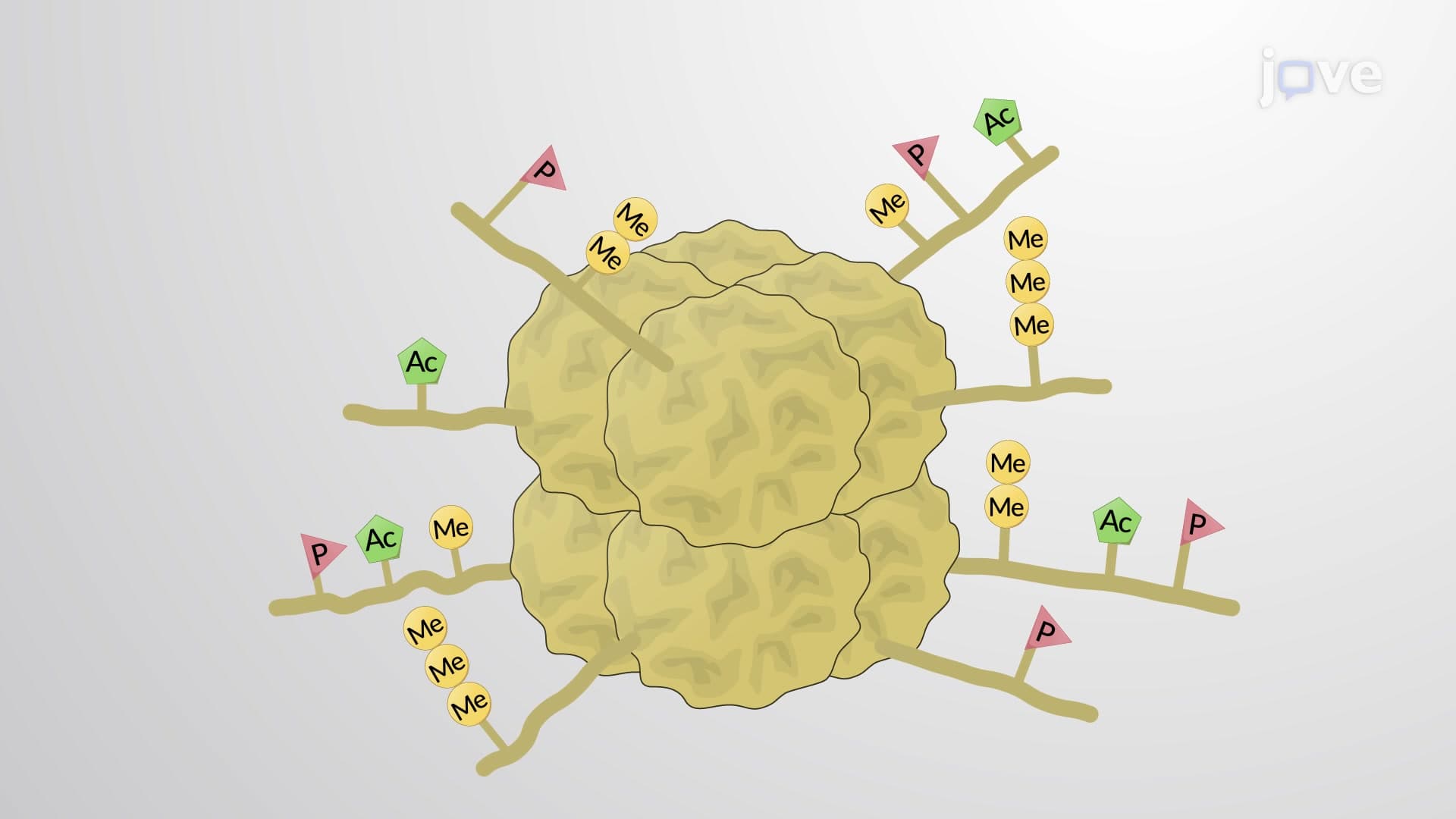
The process involves specific enzymes that add, remove, or interpret these chemical modifications. "Writer" enzymes like histone acetyltransferases (HATs) add modifications, "eraser" enzymes like histone deacetylases (HDACs) remove them, and "reader" proteins recognize and bind to specific modification patterns. This dynamic system ensures cells can rapidly respond to environmental changes while maintaining stable gene expression programs.
Major Types and Their Biological Impact
Acetylation typically occurs on lysine residues and generally promotes gene activation by neutralizing the positive charge of histones, reducing their affinity for negatively charged DNA. This modification is particularly important in memory formation-studies at Johns Hopkins University have shown that histone acetylation in brain cells is crucial for long-term memory consolidation.
Methylation presents a more complex picture, as its effects depend entirely on which amino acid residue is modified. For instance, trimethylation of histone H3 at lysine 4 (H3K4me3) marks active gene promoters, while H3K9me3 typically indicates heterochromatin and gene silencing. This specificity makes methylation patterns excellent biomarkers for various diseases.
Clinical Relevance and Research Applications
The medical implications of histone modifications are profound. Cancer researchers at Memorial Sloan Kettering Cancer Center have identified aberrant histone modification patterns in numerous malignancies, leading to FDA-approved drugs like vorinostat (SAHA) that target histone-modifying enzymes. These epigenetic therapies offer hope for treating cancers resistant to traditional approaches.
For students preparing for advanced coursework, understanding histone modifications is essential for AP Biology, college-level molecular biology courses, and pre-medical studies. The MCAT frequently tests these concepts, particularly in passages relating chromatin structure to gene regulation and disease mechanisms.
The Histone Code and Future Directions
The histone code hypothesis suggests that combinations of modifications create a sophisticated regulatory language. Current research focuses on understanding cross-talk between different modifications and how chromatin remodeling complexes interpret these signals. This knowledge is revolutionizing our understanding of development, aging, and disease, making histone modification study increasingly relevant for future healthcare professionals.
Frequently Asked Questions
Histone modification is the process of adding chemical tags to histone proteins that act like molecular switches to turn genes on or off. These modifications don't change the DNA sequence but dramatically affect which genes are expressed. Think of it as adjusting the accessibility of genetic information, similar to bookmarks that make certain pages easier to find and read in a textbook.
AP Biology frequently tests histone modifications in the context of gene regulation and epigenetics questions. Expect to analyze experimental data showing how modifications affect transcription rates, compare different modification types, or explain how environmental factors influence epigenetic patterns. The College Board emphasizes understanding mechanisms rather than memorizing specific modification sites.
The MCAT tests histone modifications primarily in Biological and Biochemical Foundations sections, often through passage-based questions. Students should understand how modifications affect chromatin structure, the enzyme categories (writers/erasers/readers), and connections to cancer biology. Practice interpreting ChIP-seq data and relating modifications to gene expression patterns commonly seen in research passages.
College laboratories commonly use chromatin immunoprecipitation (ChIP) followed by sequencing to map modification patterns across genomes. Students learn to design antibodies specific for modified histones, perform cross-linking experiments, and analyze sequencing data. Many universities like Harvard and MIT offer undergraduate research opportunities in epigenetics labs where students gain hands-on experience with these cutting-edge techniques.
Cancer cells often display abnormal histone modification patterns that silence tumor suppressor genes or activate oncogenes inappropriately. The National Cancer Institute reports that epigenetic therapies targeting histone-modifying enzymes have shown remarkable success in treating certain blood cancers. Understanding these modifications helps explain how cancer develops and provides new therapeutic targets beyond traditional chemotherapy approaches.
Basic high school chemistry knowledge is sufficient to grasp histone modification concepts for most biology courses. You should understand covalent bonds, functional groups like methyl and acetyl groups, and basic protein structure. Advanced organic chemistry helps but isn't required for AP Biology or introductory college courses. Focus on the biological consequences rather than detailed chemical mechanisms initially.
Create visual diagrams showing how different modifications affect chromatin structure and gene expression outcomes. Practice drawing the writer-eraser-reader enzyme system and memorize key modification effects (acetylation activates, certain methylations activate or repress). Use active recall by explaining concepts aloud and connecting modifications to real diseases. Focus on understanding patterns rather than memorizing every specific modification site.
Advanced students should investigate chromatin remodeling complexes, three-dimensional chromatin organization, and emerging modifications like lactylation and crotonylation. Explore how modifications change during development and aging, study epigenetic inheritance mechanisms, and examine current clinical trials using epigenetic therapies. Consider coursework in biochemistry, genetics, or biomedical engineering to deepen your understanding.
Related Micro-courses

17 Concepts
18 Concepts

11 Concepts