Loading subject page…


58,701 views

Video Summary: What Is Structure of a Gene
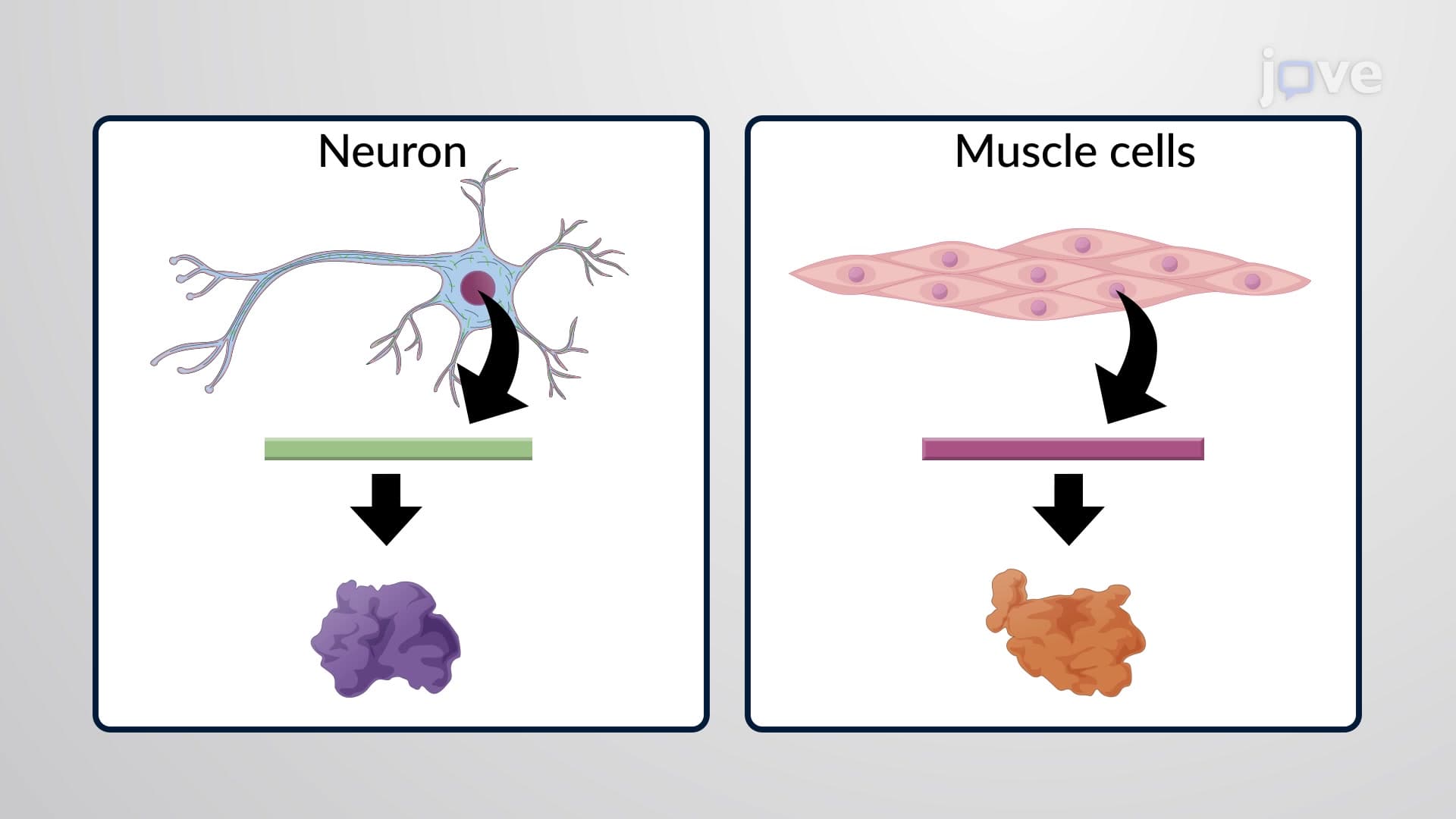
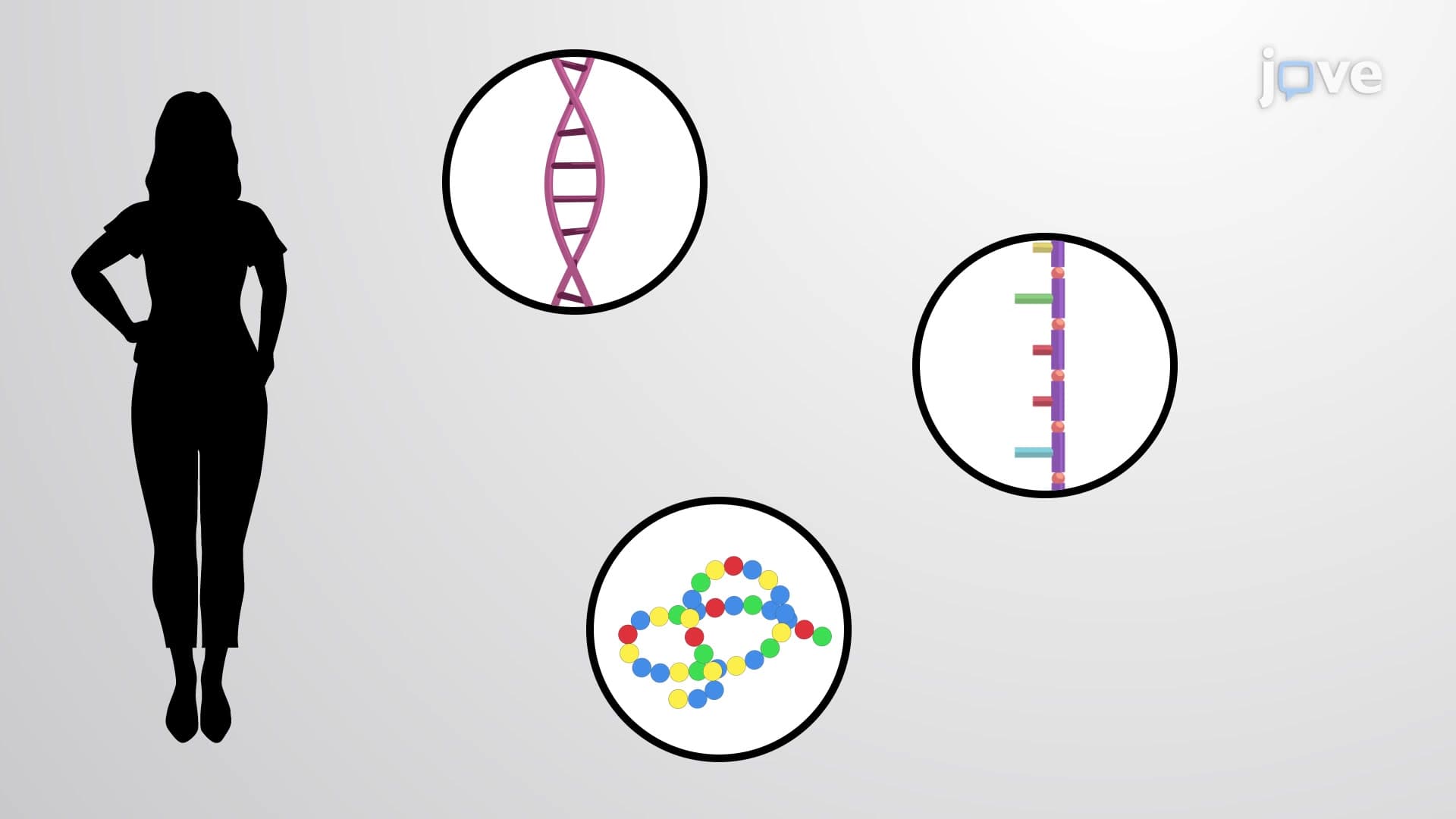
Did you know that humans have roughly 20,000 genes, yet only about 2% of our DNA actually codes for proteins? The structure gene components work together like a sophisticated factory system, with regulatory sequences acting as managers directing when and how much protein to produce. Consider how the BRCA1 gene's structural elements help prevent breast cancer-its promoter, exons, introns, and enhancer sequences must all function properly. Understanding what is structure of a gene reveals how genetic information flows from DNA to functional proteins in every cell. Watch the full video on JoVE Coach to master this concept with expert-led visuals and step-by-step explanations.
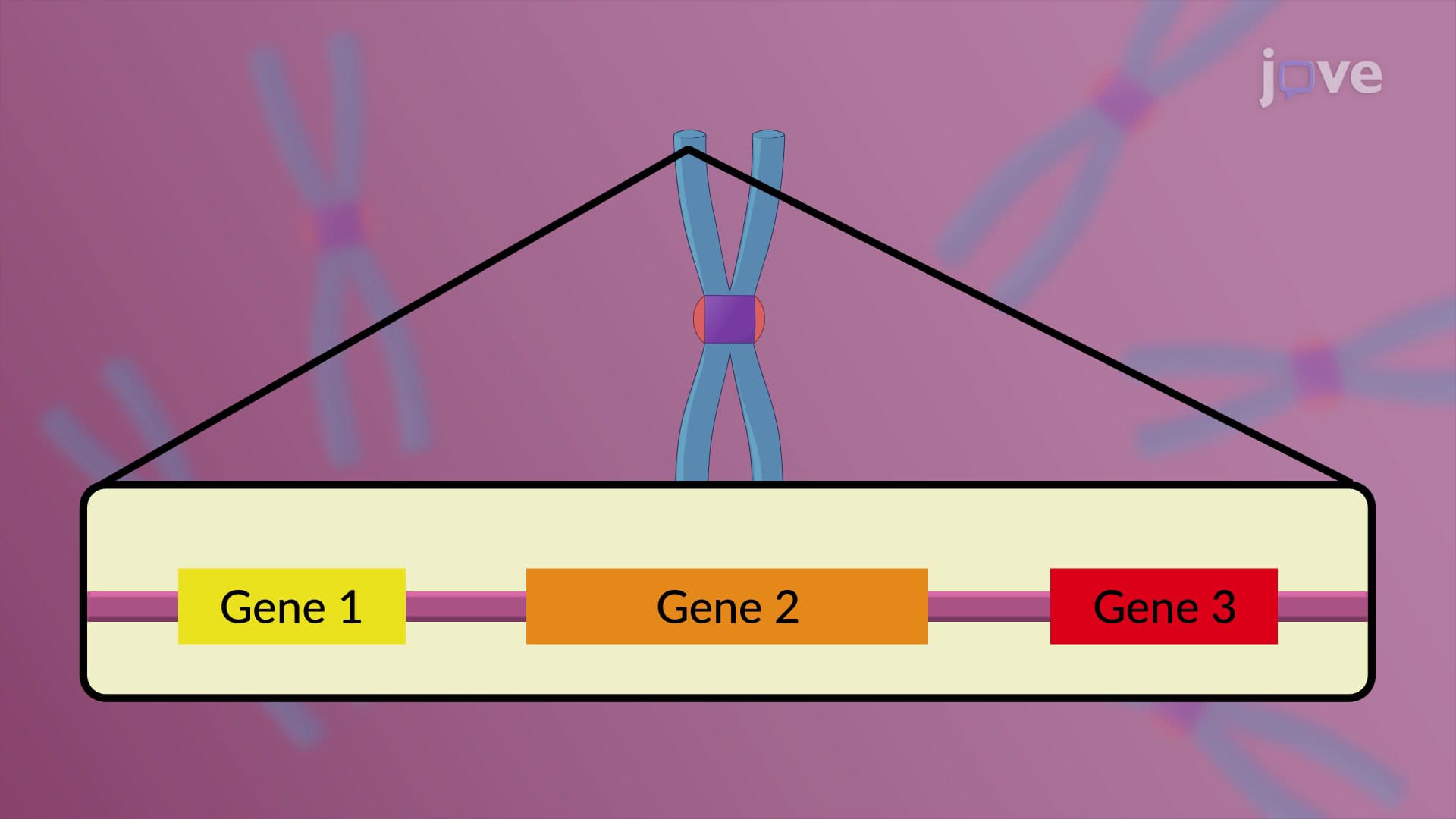
A gene's structure represents one of biology's most elegant organizational systems. Unlike the simple definition of "a unit of heredity," the modern understanding reveals genes as complex molecular machines with multiple coordinated components. In eukaryotic organisms, including humans, this intricate structure gene organization enables precise control over when, where, and how much protein gets produced.
The most fundamental distinction in eukaryotic gene architecture separates coding sequences (exons) from non-coding sequences (introns). Exons contain the actual protein-coding information, while introns serve as spacers that are removed during RNA processing. This might seem wasteful, but introns provide evolutionary flexibility and regulatory opportunities.
Consider the dystrophin gene, responsible for Duchenne muscular dystrophy when mutated. This gene spans 2.4 million base pairs with 79 exons separated by massive introns. During transcription, the entire gene produces pre-mRNA, but RNA splicing removes all introns to create a much shorter mature mRNA. Students preparing for AP Biology or college genetics courses should understand that this splicing process allows one gene to potentially produce multiple protein variants through alternative splicing.
Beyond the coding regions, genes include sophisticated regulatory elements that function like molecular switches. The promoter region, located upstream (5' direction) of the gene, serves as the primary control center where RNA polymerase II binds to initiate transcription. In humans, most promoters contain a TATA box sequence that helps position the polymerase correctly.
Enhancer sequences can be located thousands of base pairs away from the gene itself, sometimes even on different chromosomes. These sequences bind activator proteins that loop the DNA to interact with the promoter, dramatically increasing transcription rates. For MCAT preparation, students should understand that enhancers work regardless of their orientation or distance from the gene.
Understanding structure of a gene proves essential for genetic counseling and personalized medicine. The FDA-approved genetic test for hereditary breast and ovarian cancer analyzes the complete structure of BRCA1 and BRCA2 genes, including their regulatory regions. Mutations in promoter sequences can be as significant as changes in coding regions, demonstrating why comprehensive genetic analysis examines entire gene structures rather than just exons.
Related Micro-courses