Loading subject page…


76,543 views


Video Summary: G Protein Gated Ion Channels Explained
Ever wondered why your heart rate slows during meditation? G protein gated ion channels orchestrate this remarkable physiological response by directly controlling ion flow across cell membranes. When acetylcholine binds to heart muscle cells-like during the relaxation response studied at Johns Hopkins Medical School-these specialized channels open potassium pathways while blocking calcium entry, effectively hyperpolarizing the membrane and reducing heart rate. Watch the full video on JoVE Coach to master this concept with expert-led visuals and step-by-step explanations.
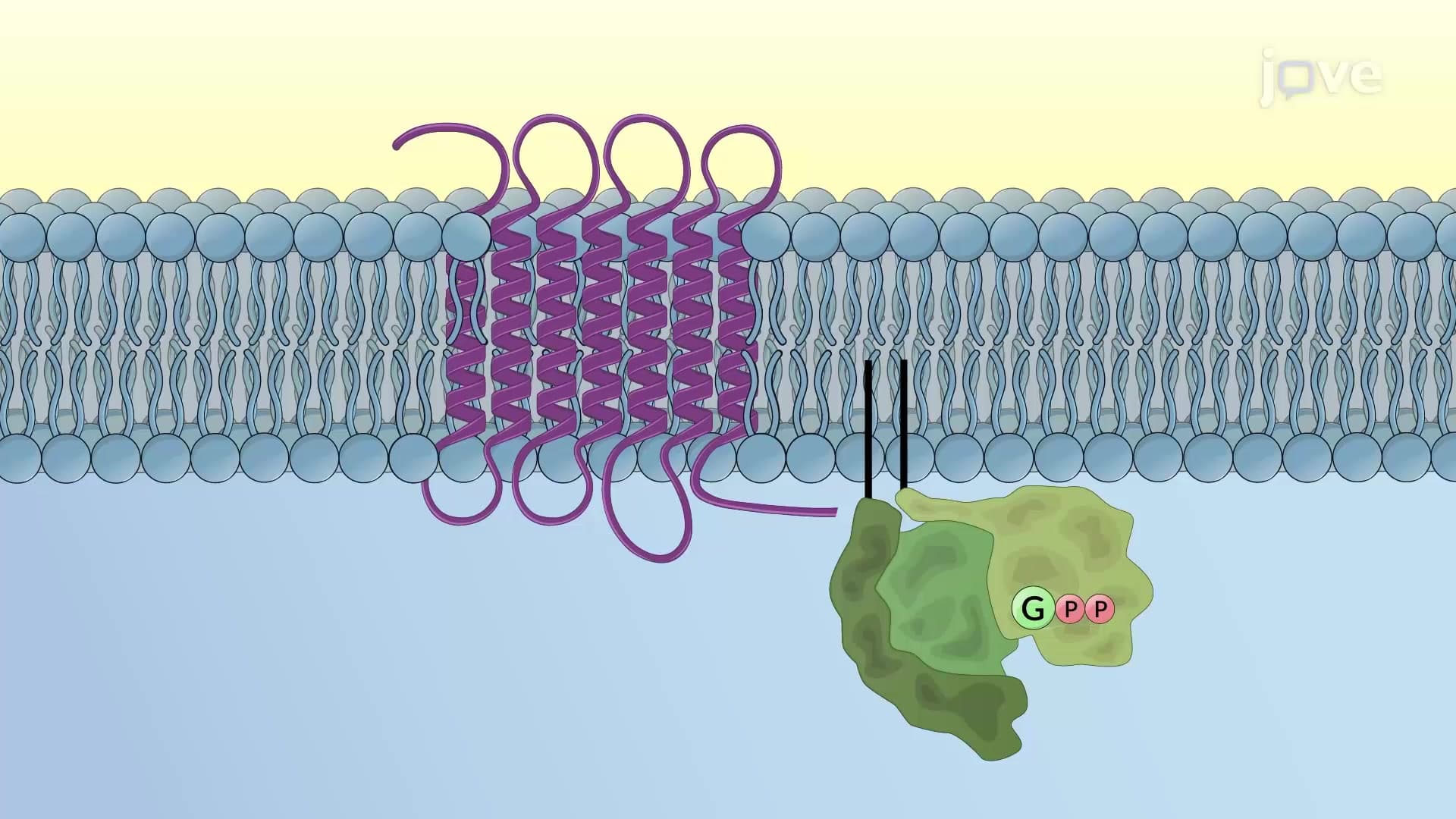
G protein gated ion channels represent a direct signaling pathway where G protein-coupled receptors (GPCRs) immediately control ion channel activity without requiring secondary messengers. Unlike traditional GPCR pathways that activate downstream effectors, this mechanism provides rapid, precise control over membrane potential-essential for processes like cardiac rhythm regulation studied extensively at institutions like Harvard Medical School and Stanford University.
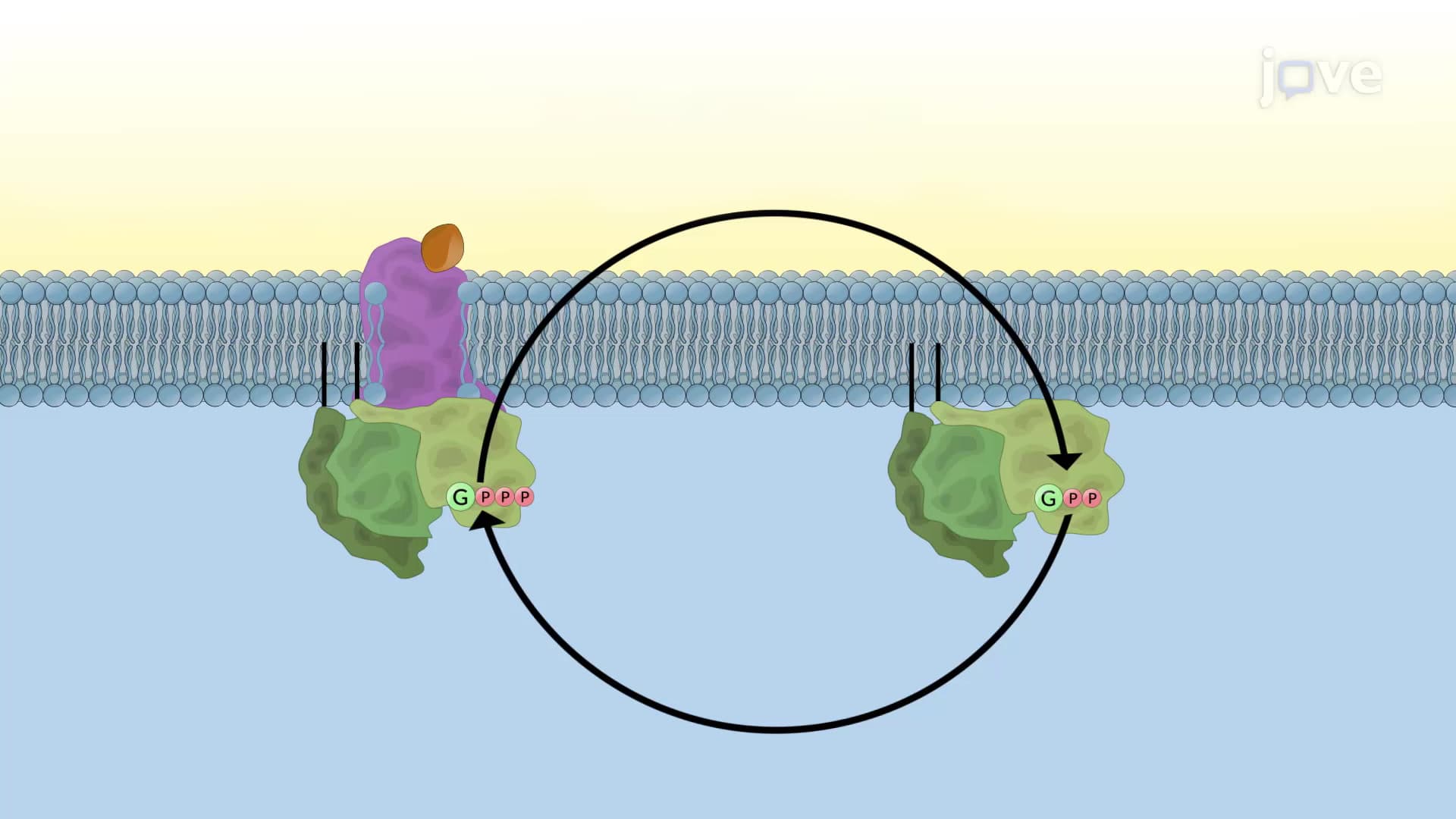
When acetylcholine binds to muscarinic receptors in cardiac muscle, it triggers a cascade that exemplifies g protein gated ion channels tutorial principles. The activated receptor recruits inhibitory Gi protein, which then dissociates into individual subunits. The Gβγ subunit directly binds to G protein-gated inwardly rectifying potassium (GIRK) channels, opening them and allowing potassium efflux. This process, fundamental to how g protein gated ion channels works, creates the hyperpolarized state that slows heart rate during parasympathetic stimulation.
The elegance of this system lies in its dual approach. While Gβγ opens potassium channels, the Gα subunit simultaneously inhibits adenylyl cyclase, reducing cAMP production. Lower cAMP levels close voltage-gated calcium channels, preventing calcium influx. This coordinated response-blocking excitatory calcium while promoting inhibitory potassium flow-ensures robust heart rate reduction. Students preparing for the MCAT or AP Biology often encounter this as a prime example of integrated physiological control.
Understanding g protein gated ion channels concept proves crucial for medical applications. Medications like beta-blockers and calcium channel blockers used in US hospitals leverage similar principles to manage hypertension and arrhythmias. The Cleveland Clinic and Mayo Clinic extensively research these pathways for developing targeted therapies. For students planning healthcare careers, mastering this mechanism provides foundation knowledge for pharmacology courses and clinical decision-making.
Related Micro-courses