Loading video…


 10 Concepts
 76.5K views

Video Summary: What Is Calmodulin Dependent Signaling
Ever wonder how your heart knows to beat faster during exercise or how your muscles contract on command? Calmodulin dependent signaling is the cellular communication system that makes these life-sustaining processes possible. This sophisticated mechanism involves calcium ions binding to calmodulin proteins, triggering everything from cardiac muscle contractions in patients at Johns Hopkins Hospital to nerve signal transmission. Understanding what is calmodulin dependent signaling reveals how cells coordinate complex responses through calcium-mediated pathways. Watch the full video on JoVE Coach to master this concept with expert-led visuals and step-by-step explanations.
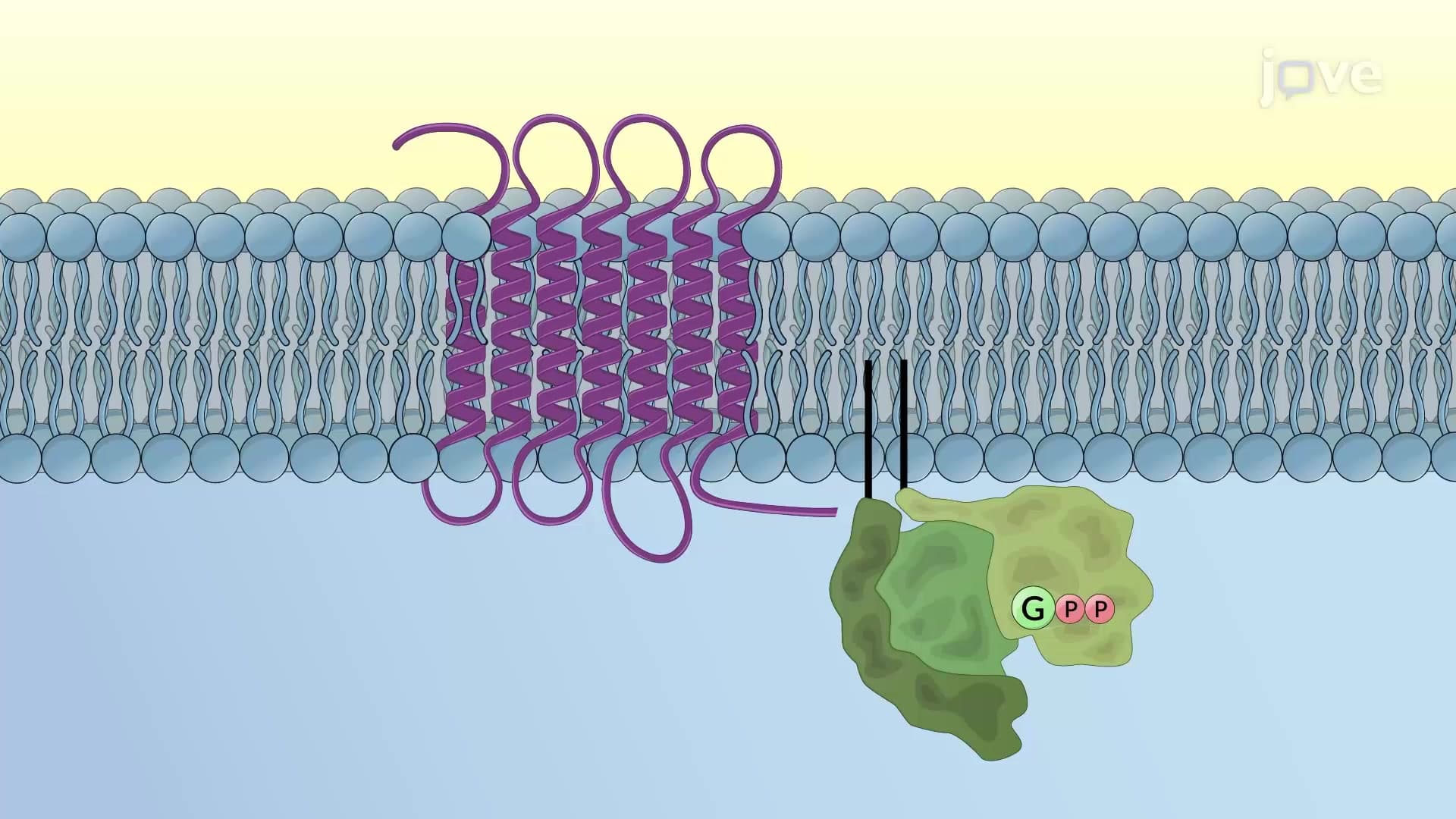
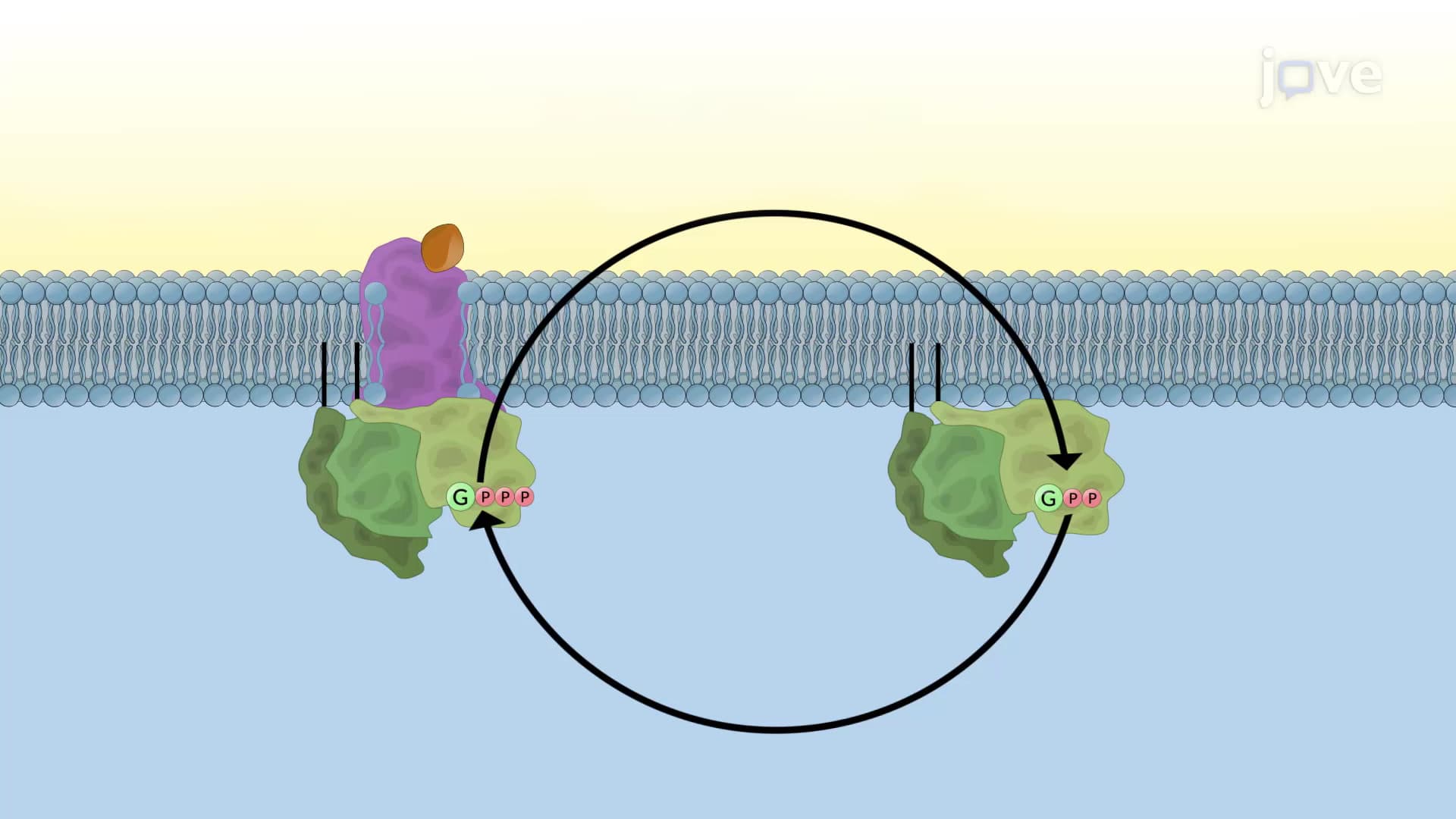
What is calmodulin dependent signaling represents one of biology's most elegant regulatory systems. This process begins when G-protein coupled receptors (GPCRs) activate phospholipase C-beta, which cleaves PIP2 to produce IP3. IP3 then triggers calcium release from intracellular stores, dramatically increasing cytosolic calcium concentrations from resting levels of ~100 nM to active levels of 1-10 μM.
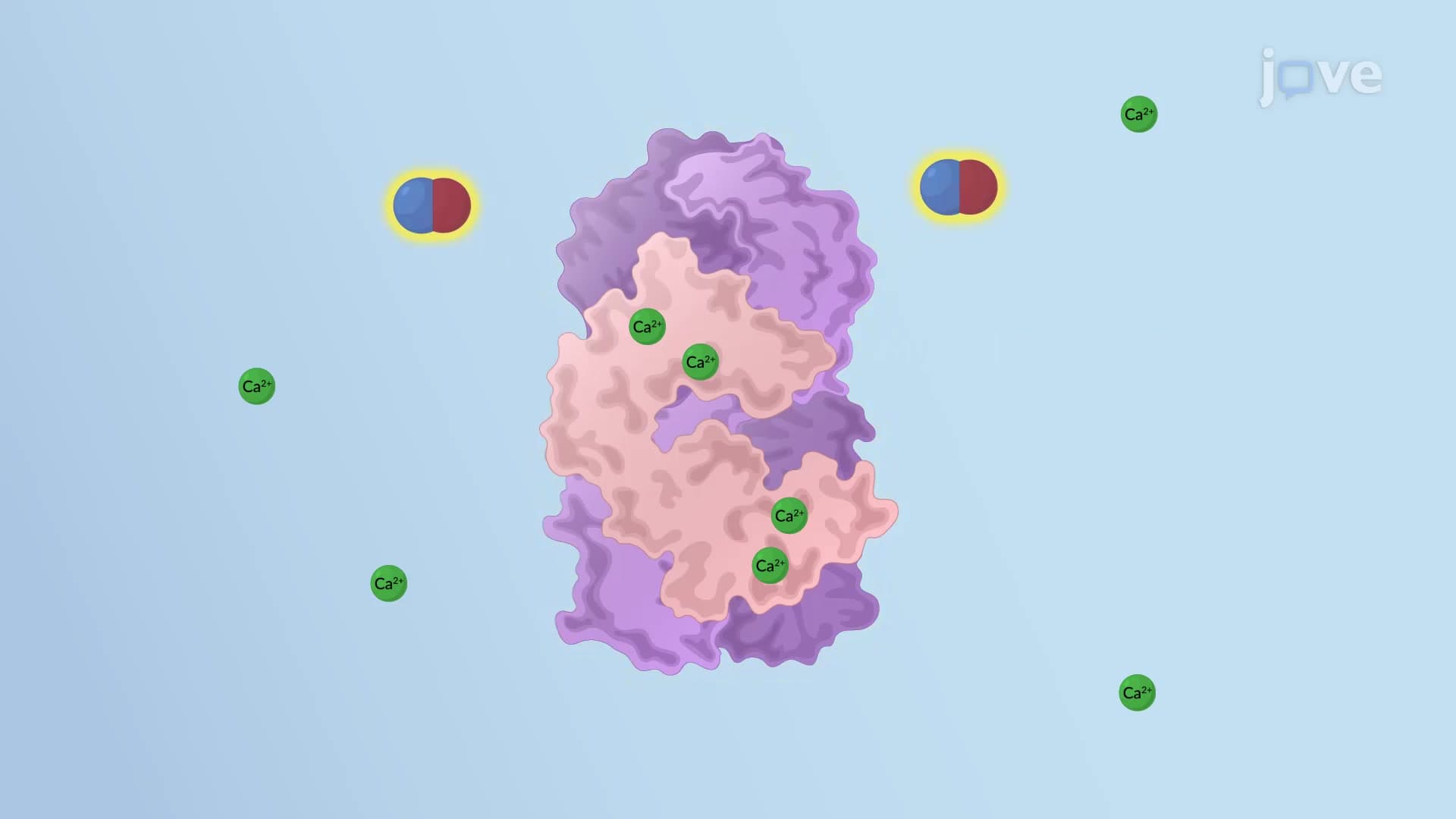
Calmodulin, a small 148-amino acid protein found in all eukaryotic cells, serves as the primary calcium sensor. Its structure contains four EF-hand motifs that bind calcium cooperatively-the first calcium ion binding facilitates the binding of three additional ions, causing a dramatic conformational change that exposes hydrophobic binding sites for target proteins.
The calmodulin dependent signaling definition encompasses the cooperative nature of calcium binding. This cooperativity ensures that calmodulin remains largely inactive at low calcium concentrations but becomes fully activated when calcium levels rise significantly. This creates a molecular switch that prevents accidental activation from minor calcium fluctuations.
Once activated, the calcium-calmodulin complex exhibits dramatically increased affinity for target proteins-often by factors of 1000-fold or more. This high-affinity binding allows calmodulin to interact with over 300 different target proteins, including kinases, phosphatases, ion channels, and structural proteins.
Understanding calmodulin dependent signaling is crucial for comprehending numerous physiological processes. In cardiac muscle cells at the Mayo Clinic's research facilities, calmodulin activates myosin light chain kinase, enabling the cross-bridge cycling essential for heart muscle contraction. Simultaneously, it activates calcium pumps that restore calcium homeostasis, preventing calcium toxicity.
In neurons, calmodulin-dependent protein kinase II (CaMKII) plays critical roles in synaptic plasticity and memory formation. Studies at Stanford University have shown that CaMKII activation is essential for long-term potentiation, the cellular basis of learning and memory.
What is calmodulin dependent signaling in detail includes its regulatory effects on other second messenger systems. Calmodulin activates phosphodiesterase enzymes that degrade cAMP, creating cross-talk between calcium and cAMP signaling pathways. This integration allows cells to coordinate multiple signaling inputs and generate appropriate responses.
For students preparing for the MCAT or AP Biology exams, understanding these pathway interactions is essential. Questions frequently test knowledge of how calmodulin signaling affects protein kinase A activity through cAMP degradation, demonstrating the interconnected nature of cellular signaling networks.
Related Micro-courses