Loading subject page…


76,541 views


Video Summary: What Is Gpcr Desensitization
Ever wonder why your morning coffee stops giving you that energy boost after drinking it daily for months? GPCR desensitization explains this cellular adaptation phenomenon. When cells are exposed to prolonged stimulation, G-protein coupled receptors undergo a protective shutdown mechanism to prevent overstimulation and potential damage. This process is crucial in understanding how medications like beta-blockers for heart conditions maintain effectiveness over time. Watch the full video on JoVE Coach to master this concept with expert-led visuals and step-by-step explanations.
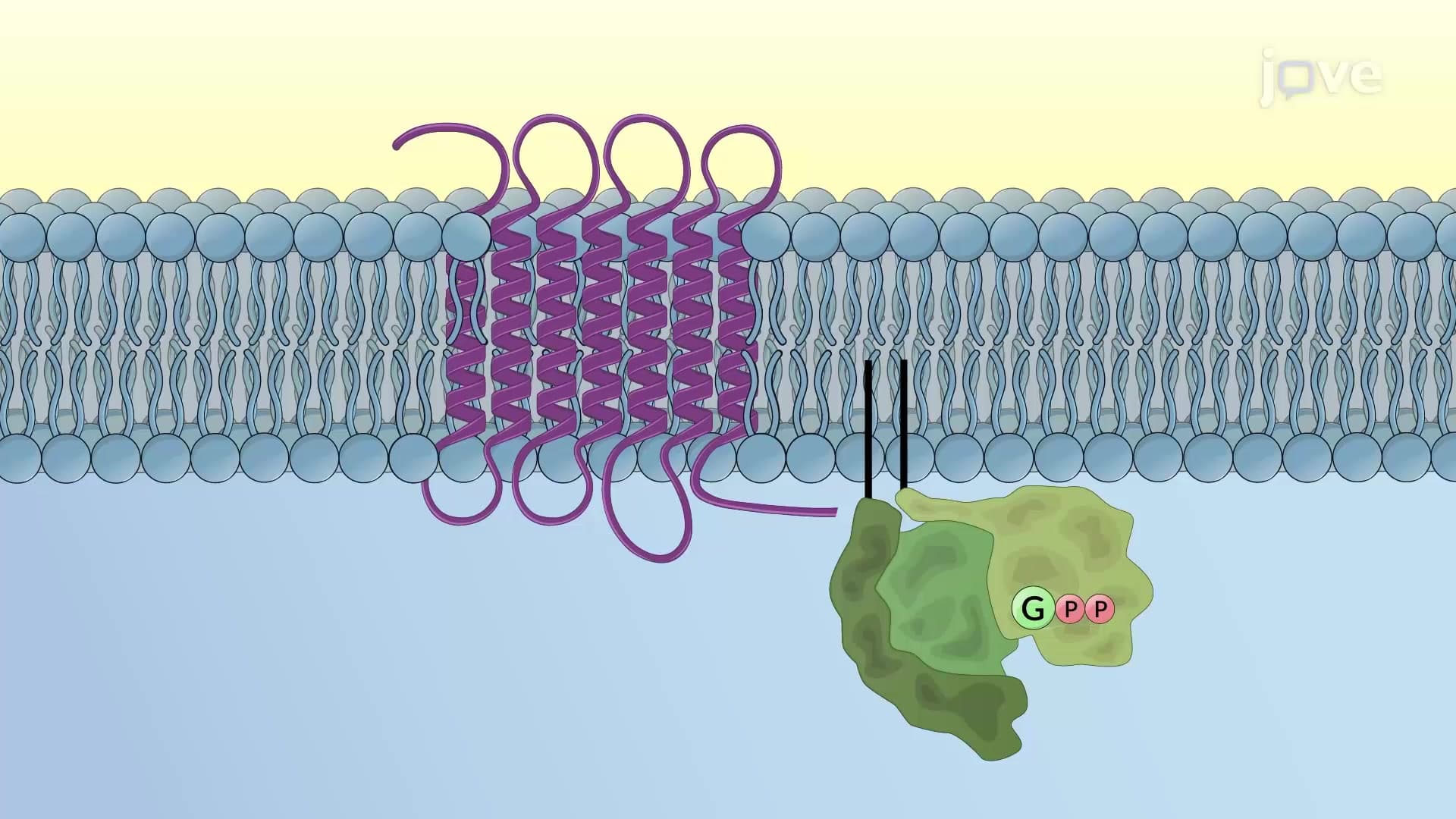
GPCR desensitization represents a sophisticated cellular quality control system that prevents receptor overstimulation through a carefully orchestrated molecular shutdown. This process becomes essential when cells encounter sustained high concentrations of signaling molecules, such as hormones, neurotransmitters, or medications. The desensitization machinery acts as a cellular circuit breaker, temporarily reducing receptor sensitivity to maintain cellular health and prevent potentially dangerous overactivation.
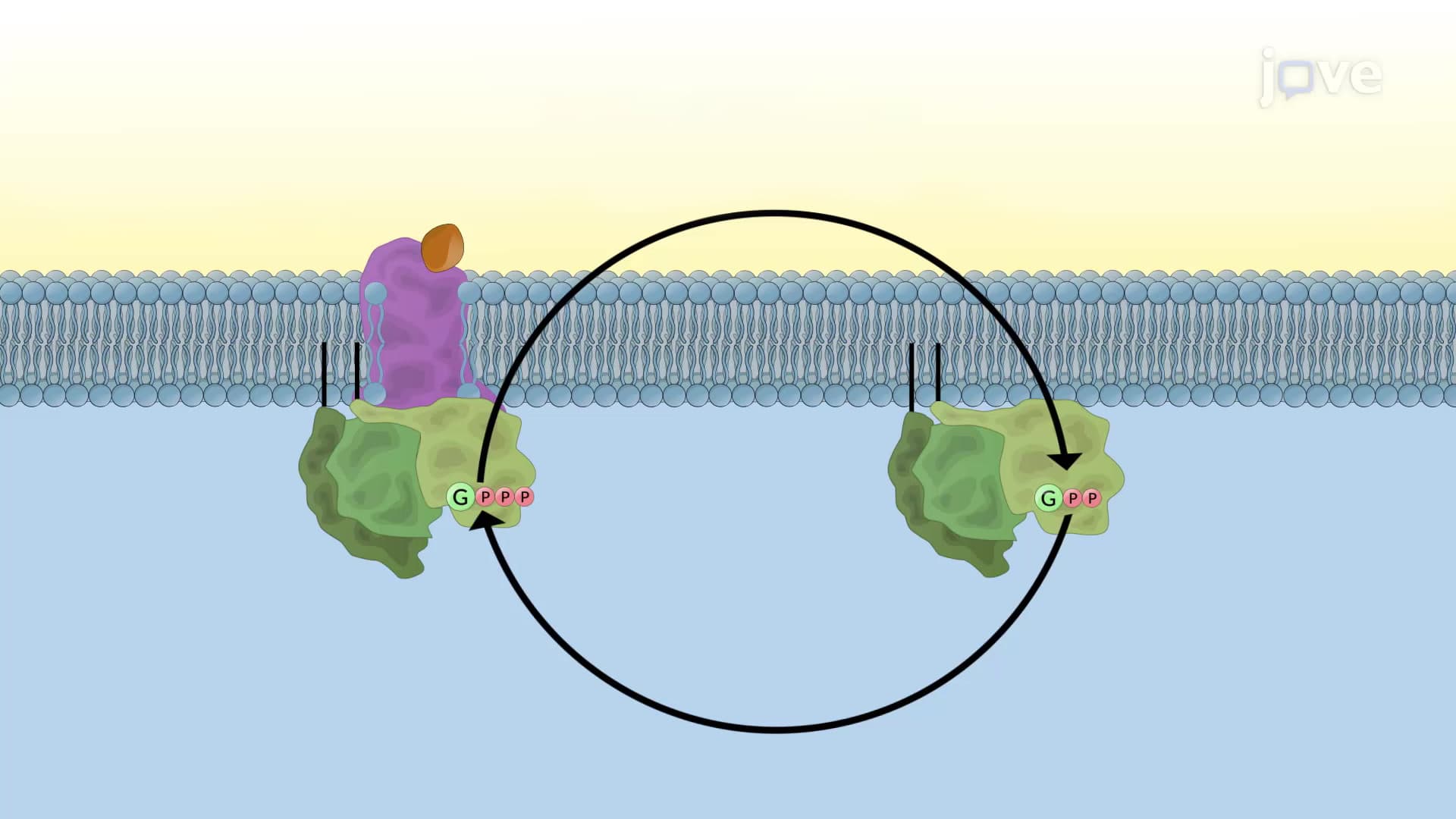
The desensitization cascade begins when G-protein coupled receptor kinase (GRK) recognizes active, ligand-bound GPCRs. This recognition system ensures that only stimulated receptors undergo modification, preserving unstimulated receptors for future signaling needs. GRK phosphorylates specific serine and threonine residues on the receptor's intracellular domains, creating binding sites for beta-arrestin proteins. This phosphorylation acts like a molecular "off switch," fundamentally altering the receptor's ability to interact with G-proteins and propagate downstream signaling cascades.
Beta-arrestin serves dual functions in GPCR regulation, acting both as a signaling terminator and trafficking coordinator. Upon binding phosphorylated GPCRs, beta-arrestin physically blocks G-protein access, effectively silencing the receptor's signaling capacity. Simultaneously, beta-arrestin recruits clathrin and other endocytic machinery to package the receptor complex into membrane vesicles. This process, called receptor-mediated endocytosis, removes desensitized receptors from the cell surface and transports them to internal compartments called endosomes.
Within endosomes, receptors face a critical decision point determining their ultimate fate. Specialized cellular machinery can either recycle receptors back to the plasma membrane after removing phosphate groups and beta-arrestin, or target them for lysosomal degradation. This decision significantly impacts cellular responsiveness to future stimuli and helps explain clinical phenomena like drug tolerance. For example, chronic opioid use triggers extensive GPCR desensitization and downregulation, requiring increasingly higher doses to achieve therapeutic effects. Understanding these mechanisms proves crucial for MCAT preparation and advanced college biology courses, particularly when analyzing pharmacological interventions and their long-term cellular consequences.
Related Micro-courses