Loading video…


 10 Concepts
 76.5K views

Video Summary: What Is Ip3 Dag Signaling Pathway
Ever wonder how your cells instantly respond when adrenaline floods your system during a test? The IP3 DAG signaling pathway orchestrates this cellular communication by converting a single molecular signal into a cascade of intracellular responses. When patients receive epinephrine injections during cardiac arrest in US emergency rooms, this pathway enables rapid cellular activation throughout the body. Watch the full video on JoVE Coach to master this concept with expert-led visuals and step-by-step explanations.
The IP3 DAG signaling pathway represents one of biology's most elegant communication systems, transforming external stimuli into coordinated cellular responses. This pathway exemplifies how cells amplify weak signals into robust physiological changes, making it essential knowledge for students preparing for AP Biology, college biochemistry courses, and pre-med requirements.
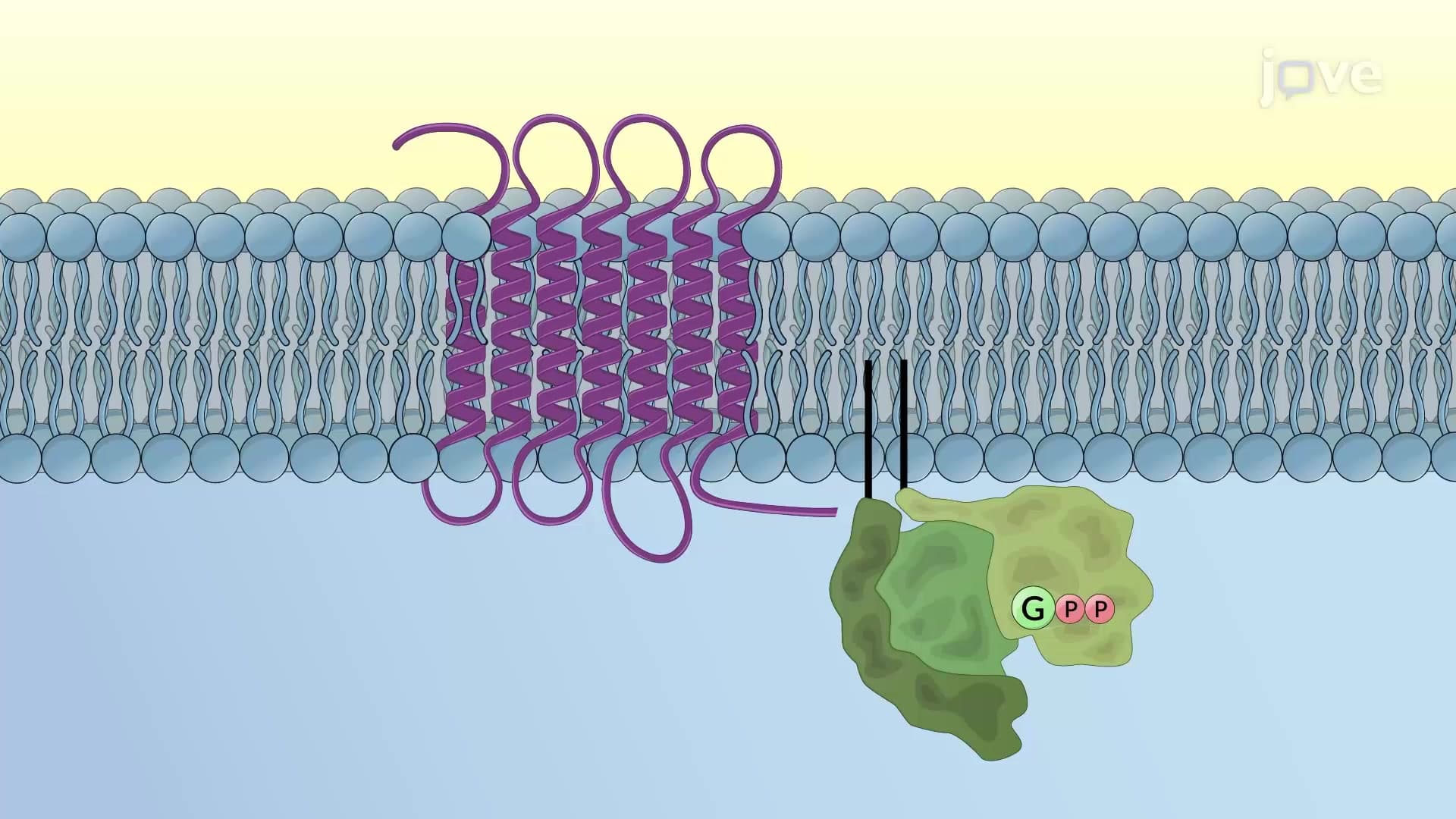
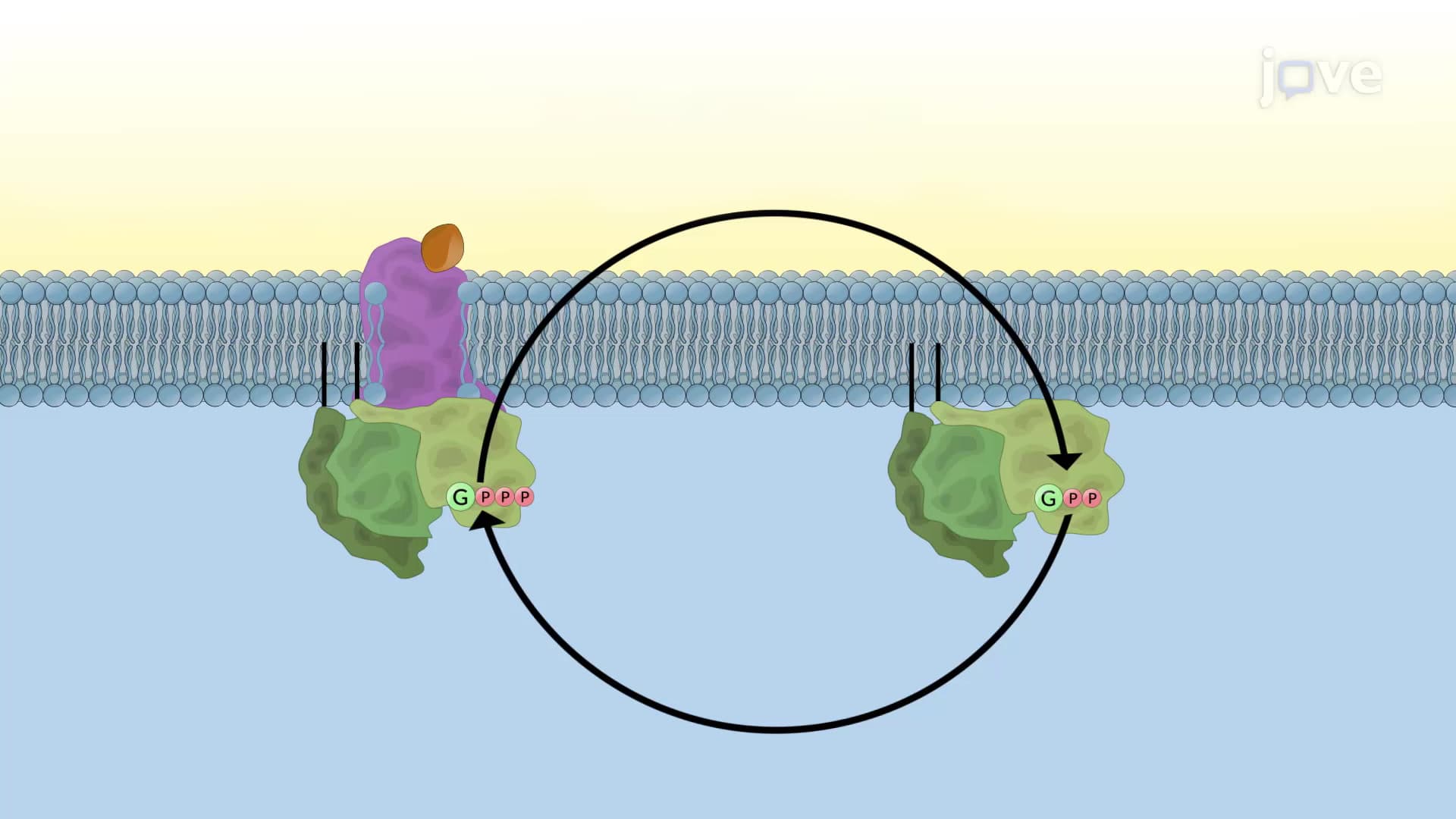
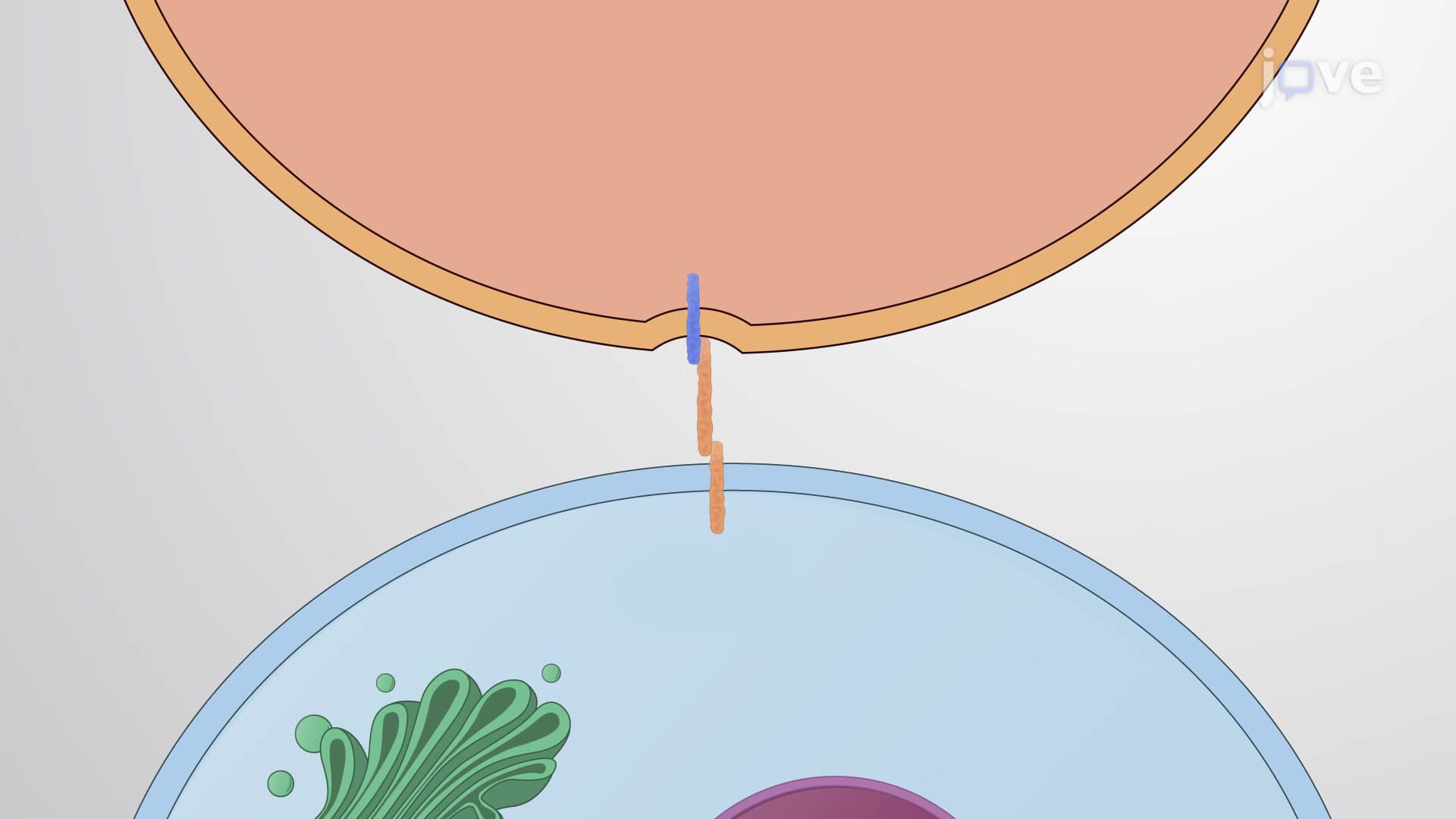
The signaling cascade begins when ligands-such as hormones, neurotransmitters, or growth factors-bind to G-protein coupled receptors (GPCRs). In US clinical settings, this occurs when patients receive medications like norepinephrine for blood pressure management. The activated receptor stimulates Gq proteins, causing the alpha subunit to detach and activate phospholipase C-beta (PLCβ), a crucial membrane-bound enzyme.
PLCβ cleaves phosphatidylinositol 4,5-bisphosphate (PIP2) into two distinct second messengers with complementary functions. Inositol 1,4,5-trisphosphate (IP3) acts as a mobile messenger, diffusing through the cytoplasm to reach endoplasmic reticulum calcium channels. Meanwhile, 1,2-diacylglycerol (DAG) remains membrane-bound, serving as a docking platform for protein kinase C activation.
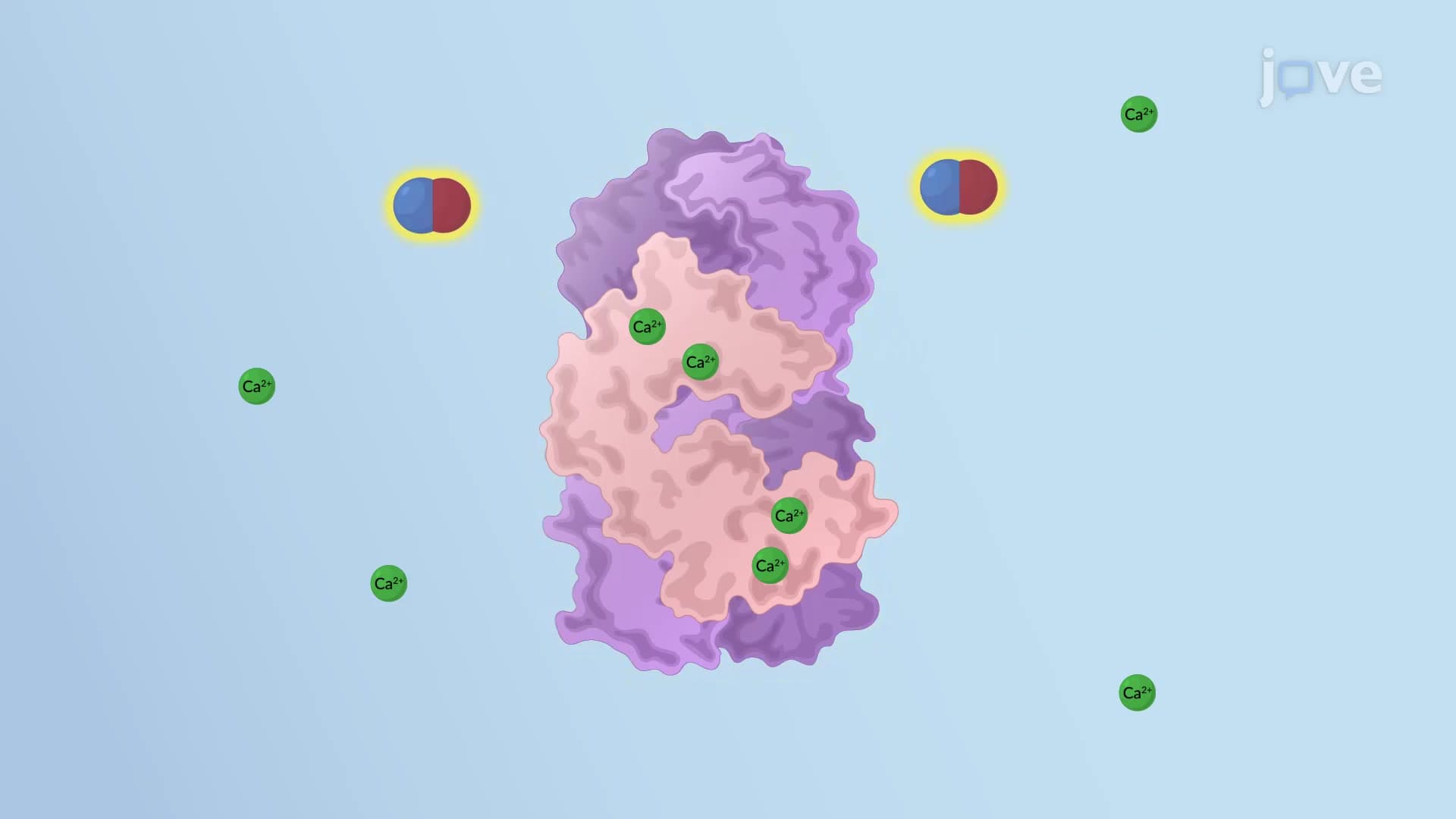
IP3 binding to calcium channels on the endoplasmic reticulum triggers massive calcium release into the cytosol. This calcium surge enables protein kinase C (PKC) translocation to the plasma membrane, where DAG fully activates it. The activated PKC then phosphorylates numerous target proteins, creating diverse cellular responses from muscle contraction to neurotransmitter release.
This pathway's clinical significance appears in conditions like heart failure, where understanding calcium handling helps explain therapeutic interventions. For MCAT preparation, students should focus on the pathway's amplification properties-how one ligand-receptor interaction generates hundreds of activated PKC molecules, demonstrating biological signal amplification principles that appear frequently on standardized exams.
Related Micro-courses