Loading video…


 10 Concepts
 76.5K views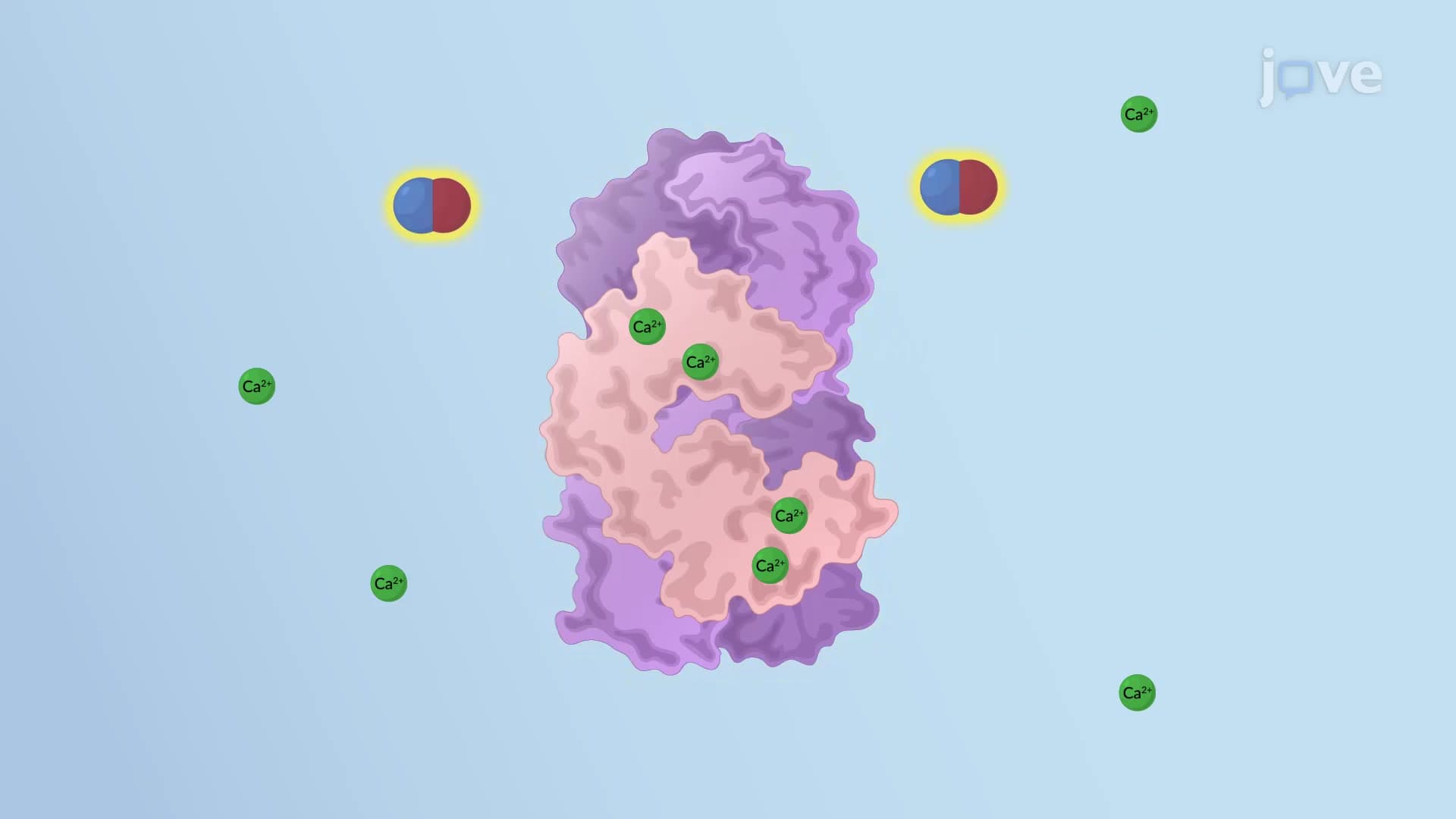

Video Summary: What Is Nitric Oxide Signaling Pathway
Ever wonder how Viagra works or why exercise improves blood flow? The nitric oxide signaling pathway is the cellular mechanism behind these effects, controlling everything from blood vessel dilation to muscle relaxation. This critical pathway helps regulate blood pressure in millions of Americans with cardiovascular conditions. What is nitric oxide signaling pathway functionality reveals how a simple gas molecule acts as a powerful cellular messenger, coordinating complex physiological responses throughout the body. Watch the full video on JoVE Coach to master this concept with expert-led visuals and step-by-step explanations.
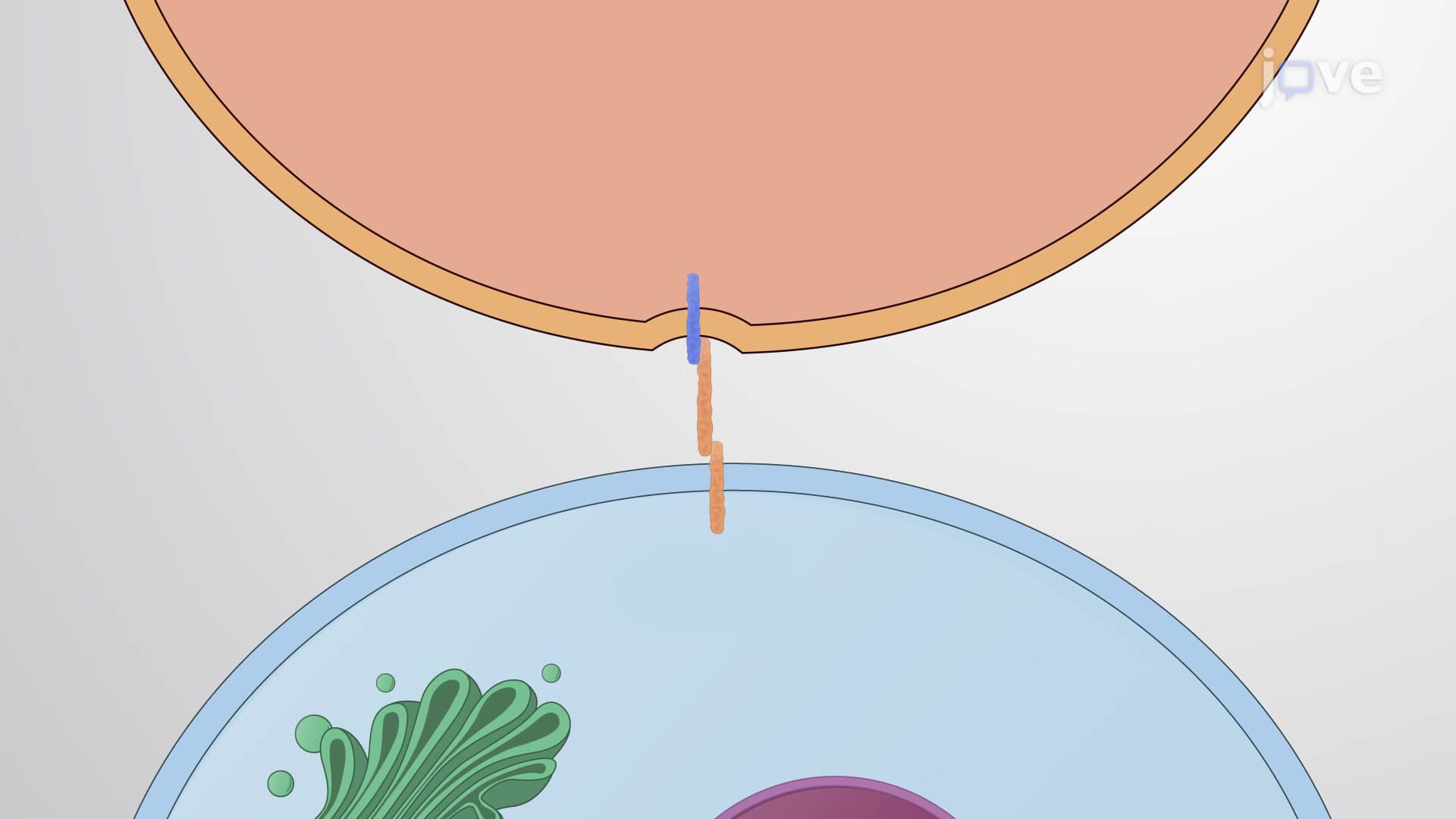
The nitric oxide signaling pathway represents one of biology's most elegant examples of gaseous molecular communication. Unlike traditional signaling molecules that require specific receptors, nitric oxide (NO) can freely diffuse across cell membranes, making it uniquely suited for rapid intercellular communication. This pathway is particularly crucial in the cardiovascular system, where it regulates blood flow and pressure-a concept frequently tested on the MCAT and in advanced placement biology courses.
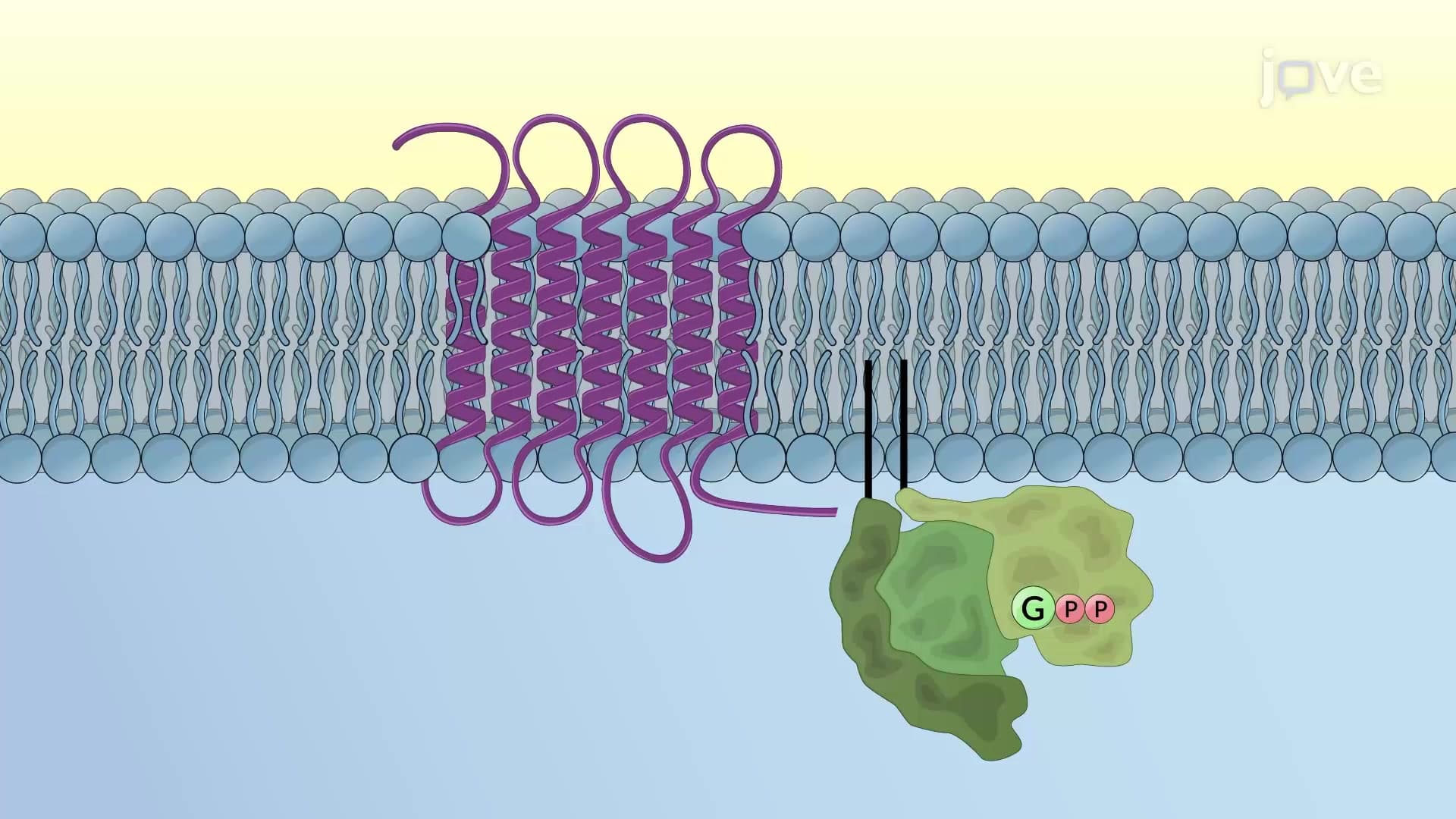
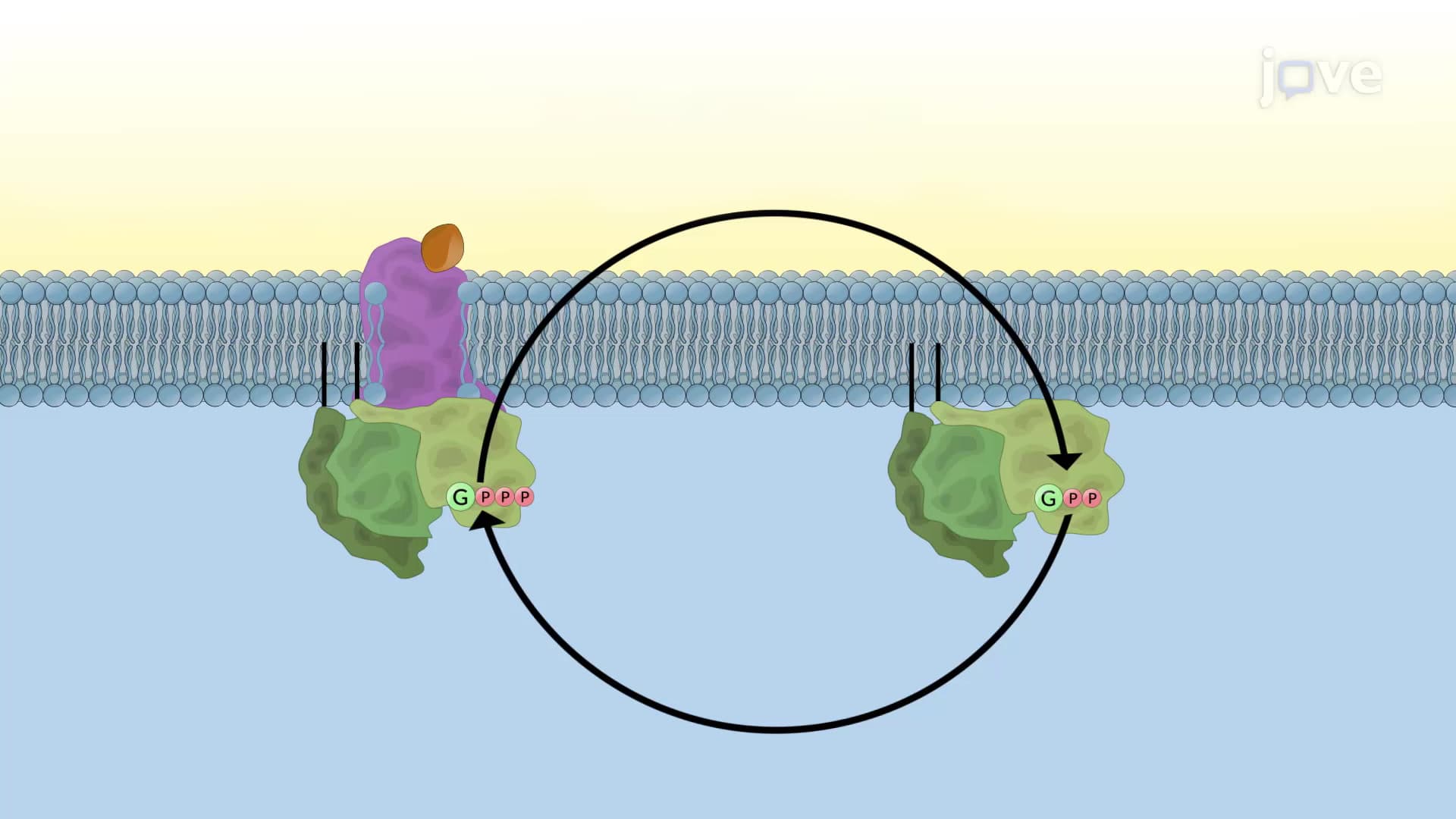
The pathway begins when acetylcholine binds to G-protein coupled receptors on endothelial cells, triggering phospholipase C activation. This enzyme produces inositol trisphosphate (IP3), which releases calcium from intracellular stores. The elevated calcium combines with calmodulin to form an active complex that stimulates nitric oxide synthase (NOS). This enzyme converts L-arginine to nitric oxide and L-citrulline, generating the gaseous messenger that will coordinate the cellular response.
Students preparing for college biochemistry exams should note that there are three distinct NOS isoforms: neuronal (nNOS), inducible (iNOS), and endothelial (eNOS). Each serves different physiological functions, with eNOS being most relevant to cardiovascular regulation.
Once produced, NO diffuses into neighboring smooth muscle cells where it binds to and activates guanylyl cyclase. This enzyme converts guanosine triphosphate (GTP) to cyclic guanosine monophosphate (cGMP), a critical second messenger. Elevated cGMP levels activate protein kinase G (PKG), which initiates a cascade leading to smooth muscle relaxation.
PKG accomplishes this through two primary mechanisms: it activates phosphatases that dephosphorylate myosin light chains, preventing actin-myosin interaction, and it inhibits calcium channels, reducing intracellular calcium availability. This dual approach ensures effective muscle relaxation and subsequent vasodilation.
The nitric oxide signaling pathway has profound clinical implications in the United States healthcare system. Nitroglycerin, commonly prescribed for angina, works by releasing NO to dilate coronary arteries. Similarly, phosphodiesterase inhibitors like sildenafil (Viagra) enhance this pathway by preventing cGMP degradation, maintaining prolonged vasodilation. Understanding these mechanisms is essential for pre-med students and appears frequently on USMLE examinations, particularly in cardiovascular and pharmacology sections.
Related Micro-courses