Loading subject page…

- Cell Biology
- Control of Gene Expression
- Co-activators and Co-repressors
Micro-course: Control of Gene Expression
52,415 views
Learn key concepts and earn your certificate.

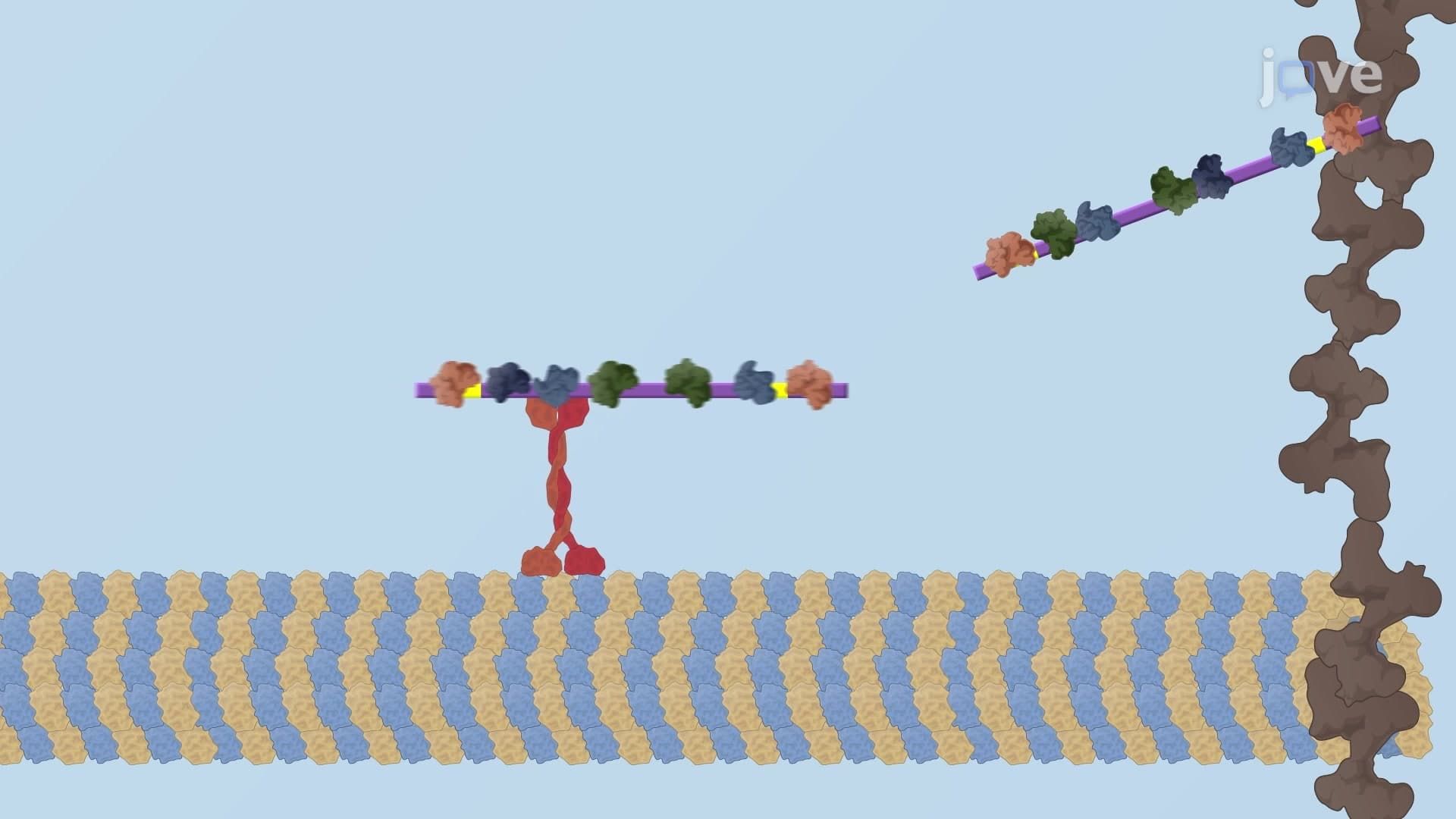
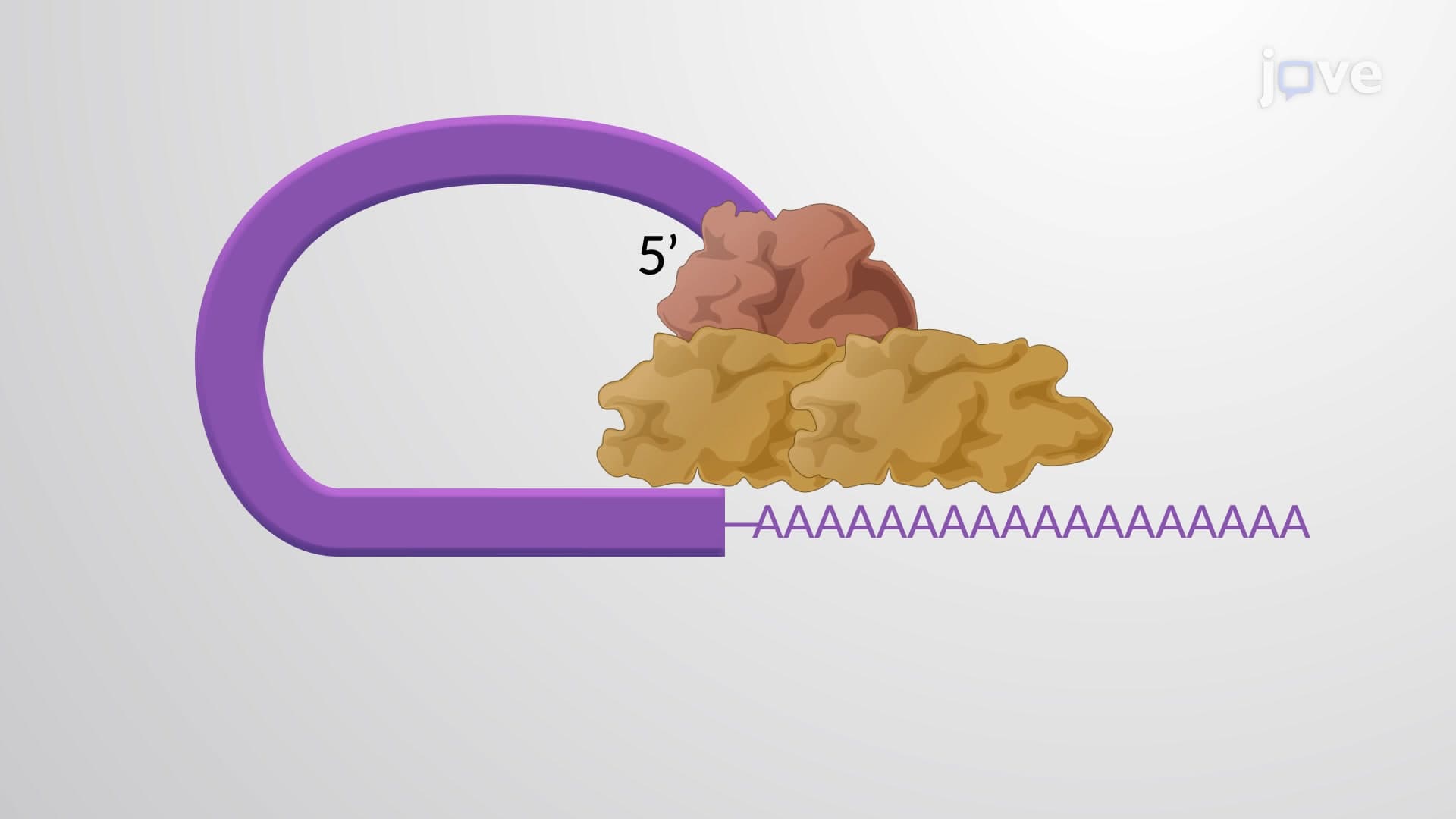

Co-activators and Co-repressors

00:00
02:04
Video Summary: Co Activators and Co Repressors Explained
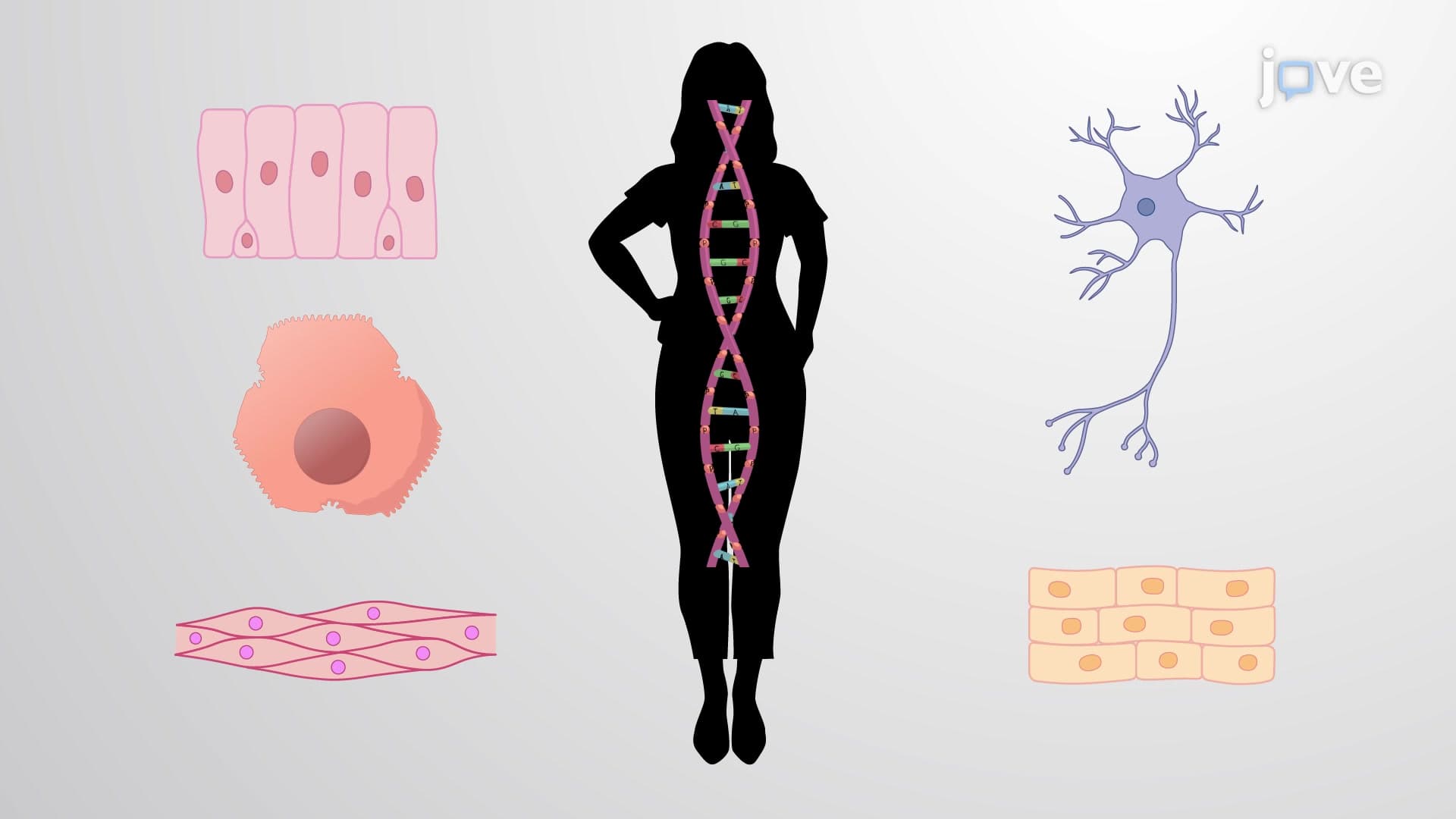
Ever wonder how a single human genome creates over 200 different cell types? Co activators co repressors are the molecular switches that make this cellular diversity possible by fine-tuning which genes get turned on or off. These regulatory proteins don't bind DNA directly but act as crucial intermediaries, with co-activators like SRC-1 enhancing hormone-responsive genes in breast tissue development. Co Activators And Co Repressors Explained reveals how these molecular modulators control everything from cancer progression to normal development. Watch the full video on JoVE Coach to master this concept with expert-led visuals and step-by-step explanations.
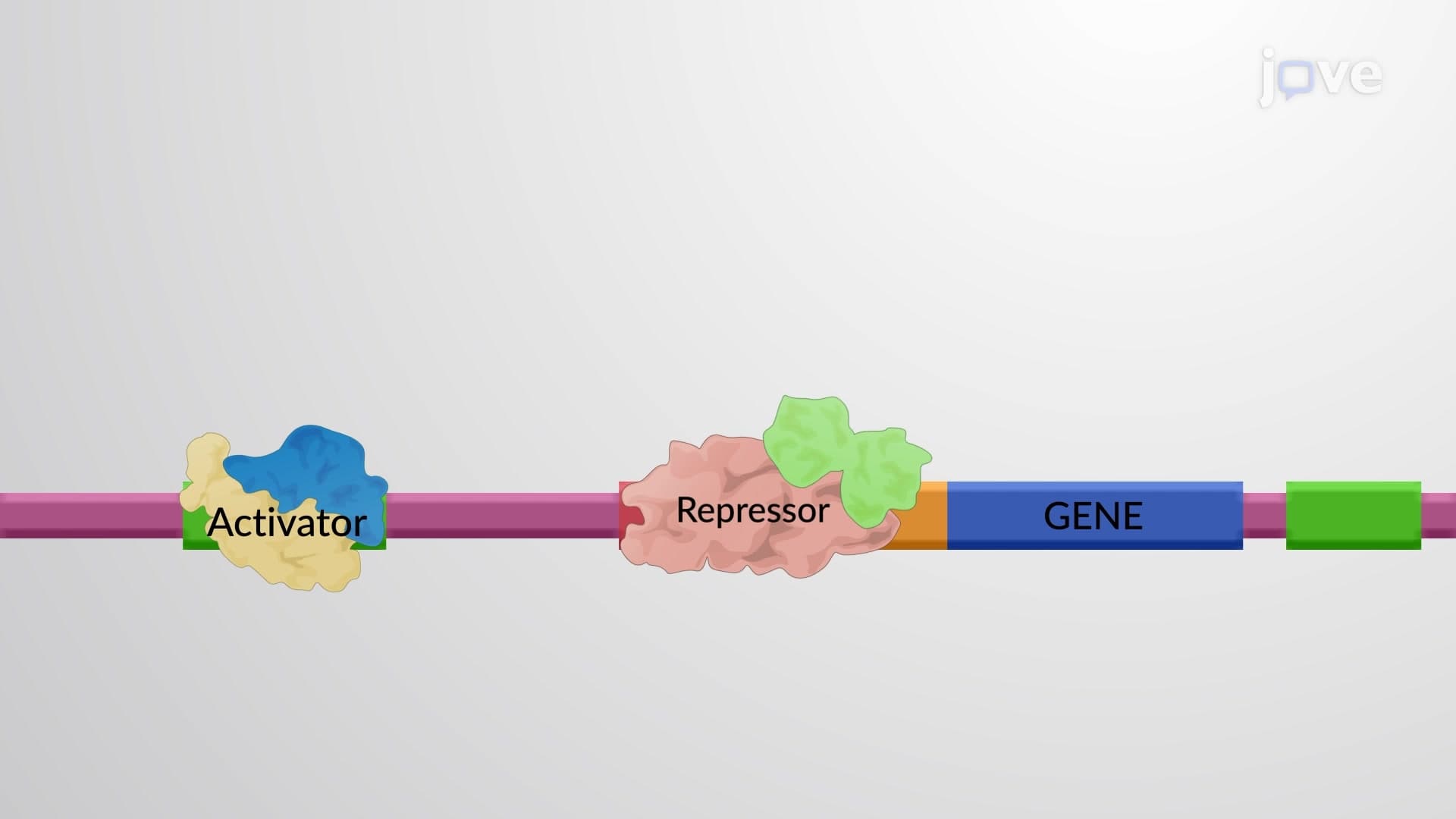
- Understand how Co Activators And Co Repressors function as essential regulatory proteins that modulate gene expression without directly binding to DNA sequences
- Identify the key molecular mechanisms by which co-activators enhance transcription through histone acetyltransferases (HATs) and chromatin remodeling complexes
- Analyze how co-repressors suppress gene expression by recruiting histone deacetylases (HDACs) and promoting chromatin condensation
- Compare the structural and functional differences between co-activator proteins like SRC-1 and co-repressor proteins like NCoR in hormone signaling pathways
- Evaluate the therapeutic potential of targeting co-activators and co-repressors in treating cancer, metabolic disorders, and endocrine diseases
- Apply knowledge of protein-protein interactions to predict how transcription factor complexes regulate cell-specific gene expression patterns
- Recognize the clinical significance of co-activator and co-repressor dysfunction in human diseases studied at major US research institutions
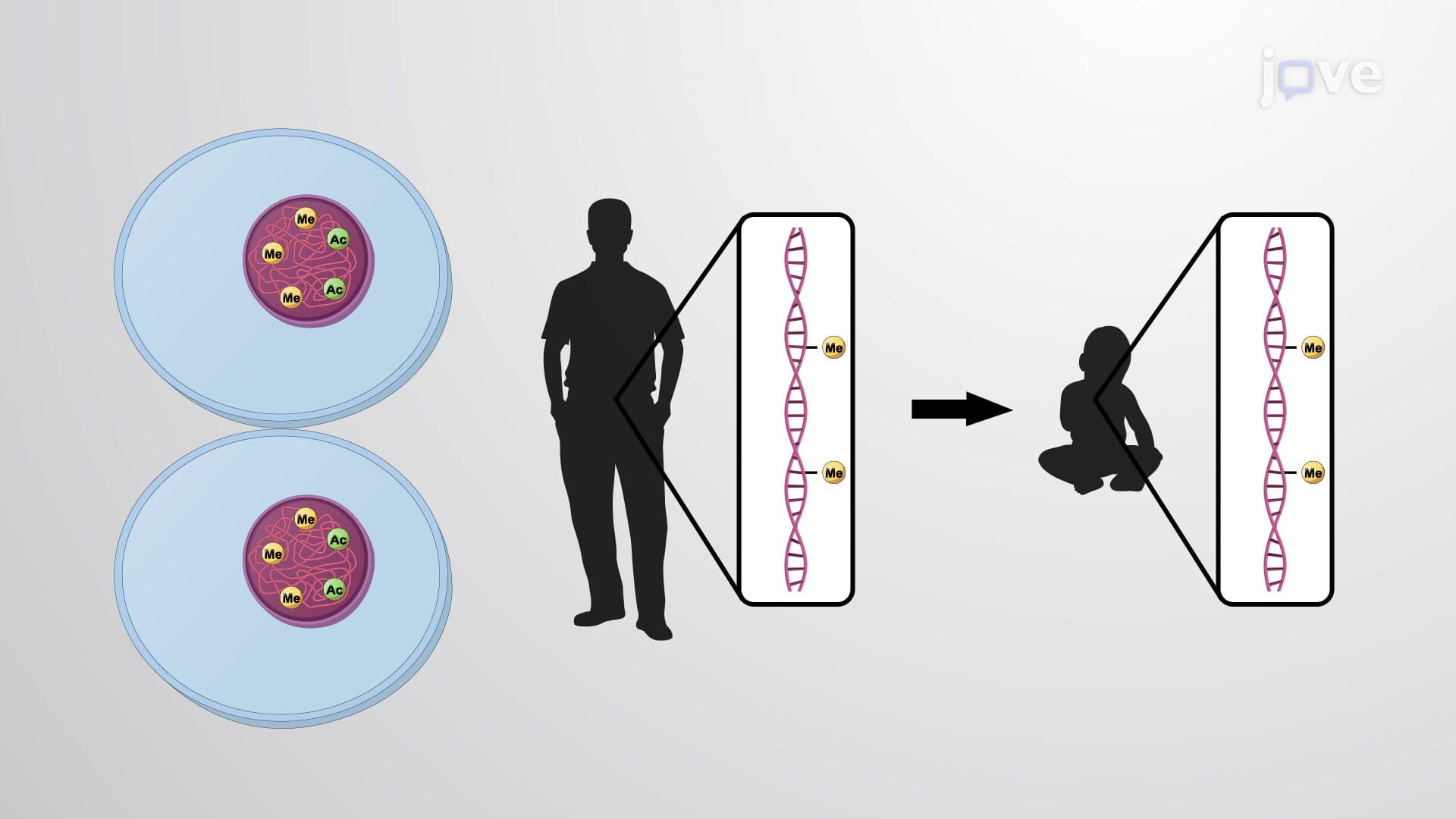
- Explore how epigenetic modifications mediated by these proteins influence cellular identity and developmental programs
Understanding Co Activators And Co Repressors: The Master Regulators
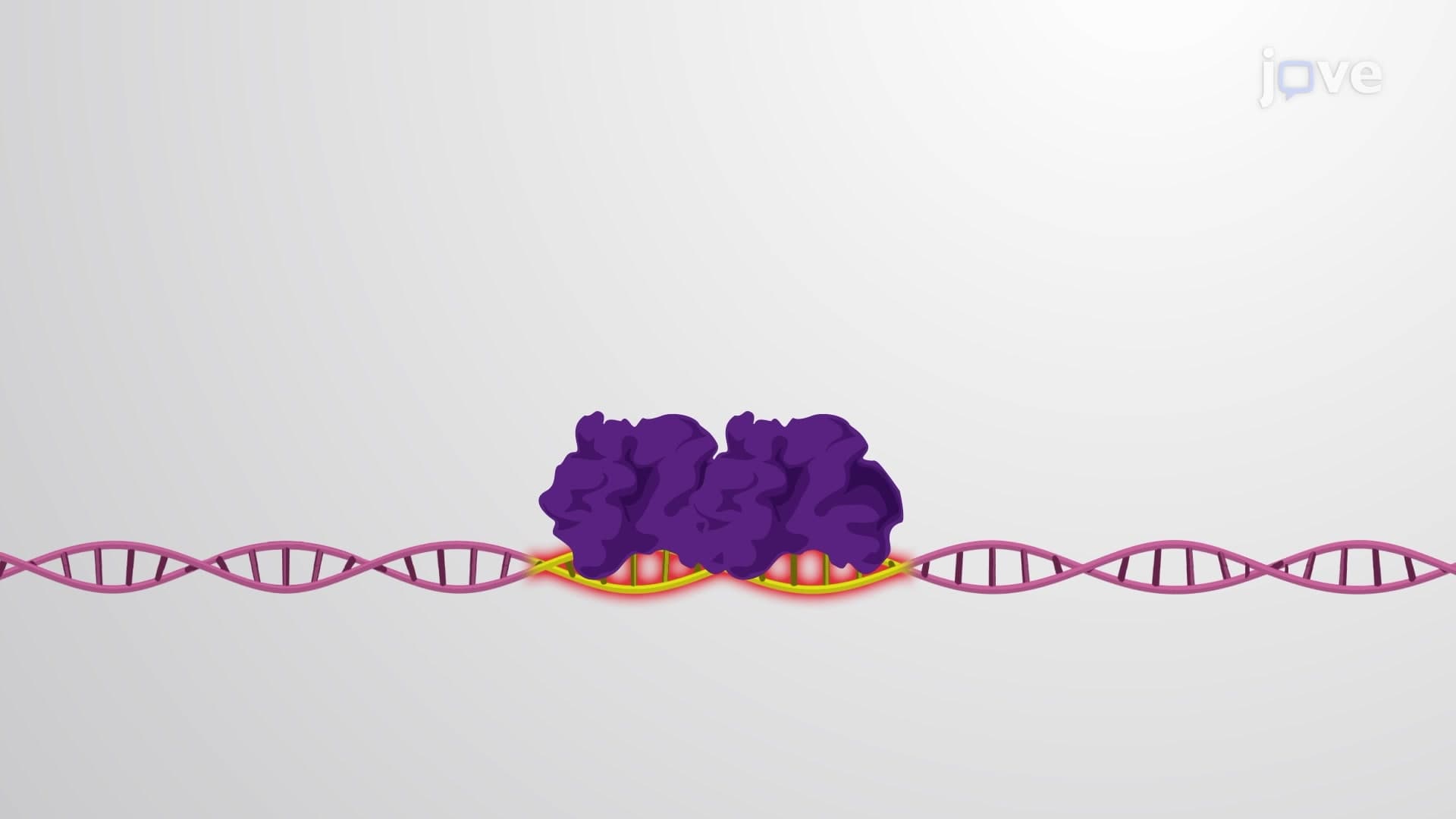
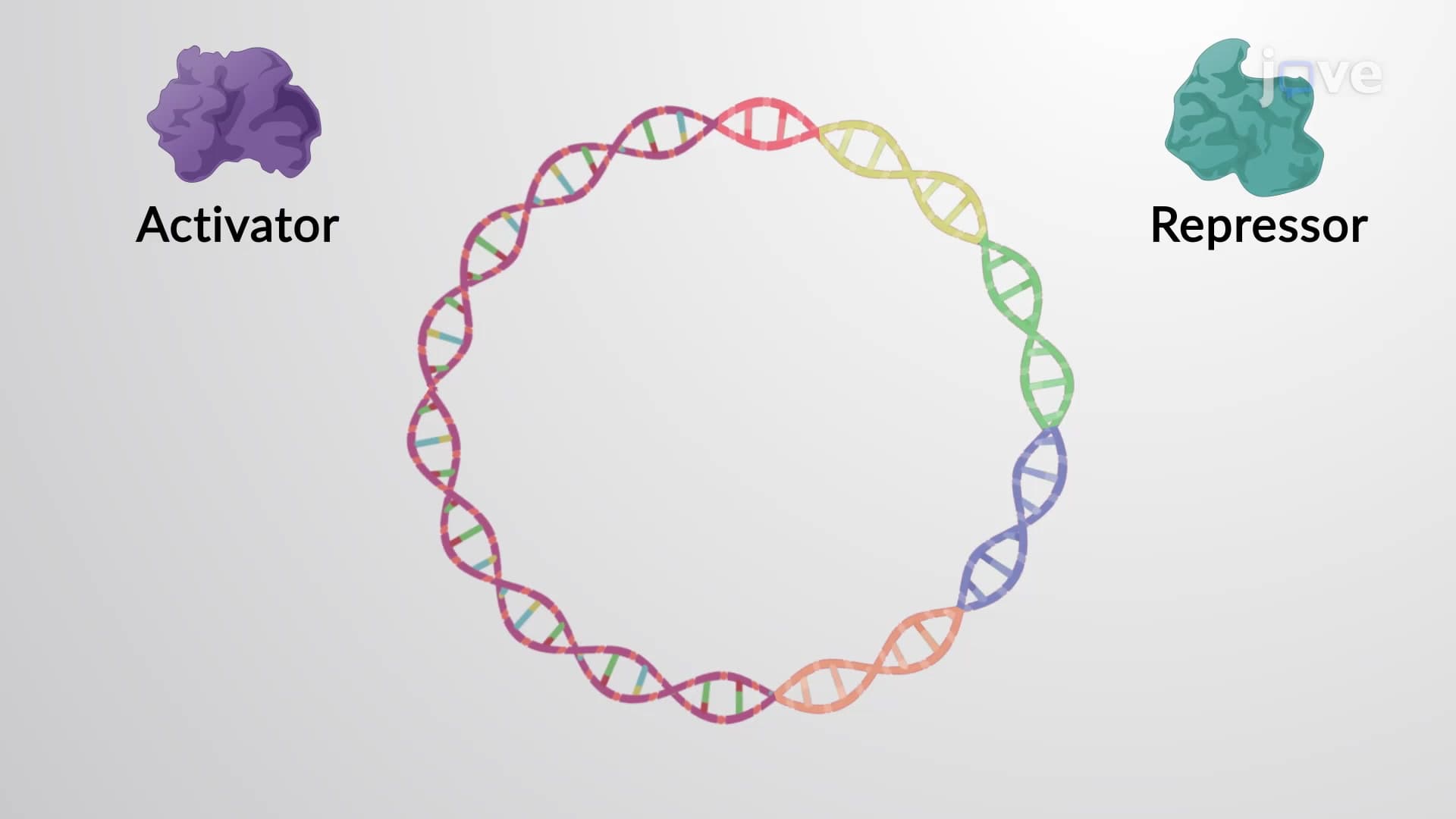
Co activators co repressors represent a sophisticated layer of gene regulation that goes far beyond simple DNA-binding transcription factors. These proteins serve as molecular intermediaries, translating signals from transcription factors into precise changes in chromatin structure and transcriptional activity. Think of them as the conductors of a genetic orchestra, coordinating when and how strongly different genes are expressed in response to cellular needs.
Molecular Mechanisms of Co-Activator Function
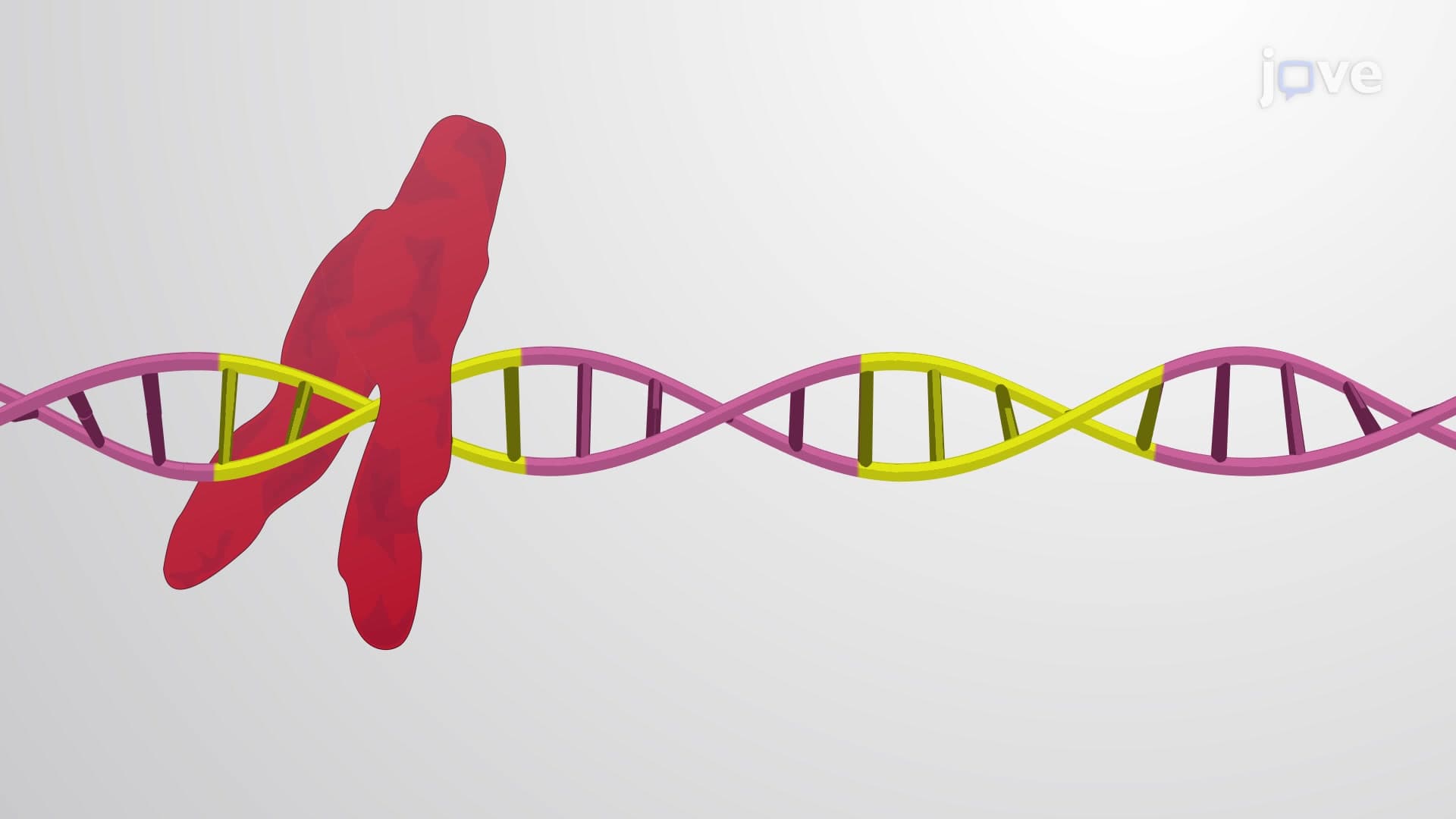
Co-activators enhance gene expression through several key mechanisms that students frequently encounter on AP Biology and college biochemistry exams. These proteins recruit histone acetyltransferases (HATs), which add acetyl groups to histone tails, loosening chromatin structure and making DNA more accessible to transcription machinery. The Mediator complex, discovered at Harvard Medical School, exemplifies how co-activators bridge transcription factors with RNA polymerase II. Students studying for the MCAT should understand how co-activators like CBP/p300 integrate multiple signaling pathways, allowing cells to respond appropriately to growth factors, hormones, and environmental stimuli.
Co-Repressor Mechanisms and Chromatin Silencing
Co-repressors work through opposing mechanisms, recruiting histone deacetylases (HDACs) and other chromatin-modifying enzymes that compact DNA into transcriptionally silent heterochromatin. The NCoR and SMRT co-repressor complexes, extensively studied at institutions like Johns Hopkins and Stanford, demonstrate how cells maintain genes in "off" states until specific developmental or environmental cues trigger their activation. This concept frequently appears in college genetics courses when discussing how cells maintain their identity-why liver cells don't suddenly start producing brain-specific proteins.
Clinical Applications and Disease Relevance
Understanding co activators and co repressors explained has profound implications for human health. Mutations in co-activator genes like those encoding CBP are associated with Rubinstein-Taybi syndrome, while aberrant co-repressor function contributes to acute leukemia. Pharmaceutical companies are developing drugs targeting these proteins, such as HDAC inhibitors now used in cancer treatment at major US cancer centers. For pre-med students, recognizing how co-activator and co-repressor dysfunction drives disease provides crucial insight into modern therapeutic approaches and precision medicine strategies.
Frequently Asked Questions
Co-activators and co-repressors are regulatory proteins that control gene expression by modifying how tightly DNA is packaged in cells. Co-activators loosen DNA packaging to turn genes "on," while co-repressors tighten packaging to turn genes "off." They work like volume controls for genes, allowing cells to fine-tune which proteins they make in response to different signals and developmental needs.
These concepts frequently appear in AP Biology Unit 6 (Gene Expression and Regulation) questions about transcriptional control and cell differentiation. Expect free-response questions asking you to explain how co-activators enhance transcription through chromatin remodeling or how co-repressors maintain cell-type-specific gene expression patterns. Understanding their role in epigenetic regulation is crucial for scoring well on modern AP Biology exams.
While the MCAT doesn't require memorizing every co-activator name, knowing key examples like CBP/p300 (co-activators) and NCoR/SMRT (co-repressors) demonstrates deeper understanding. Focus on their mechanisms-how co-activators recruit HATs and co-repressors recruit HDACs-rather than memorizing protein names. This mechanistic knowledge helps answer passage-based questions about gene regulation and disease.
Many FDA-approved cancer drugs target co-repressor pathways, particularly HDAC inhibitors like vorinostat used at cancer centers nationwide. These drugs work by blocking co-repressor function, reactivating tumor suppressor genes that cancer cells had silenced. Understanding this connection helps explain why epigenetic therapies represent a major focus of cancer research at institutions like MD Anderson and Memorial Sloan Kettering.
Not at all! While the molecular details seem complex, the core concept is straightforward-cells use helper proteins to control gene activity. Start with the basic on/off switch analogy, then gradually add mechanistic details about chromatin modification. Many successful AP Biology students master this topic by focusing on the functional outcomes rather than getting overwhelmed by protein names and complex pathways.
Create concept maps linking transcription factors → co-activators/co-repressors → chromatin modifications → gene expression changes. Practice with real examples like hormone signaling pathways where you can trace the entire process from signal to cellular response. Use active recall by explaining how co-activator dysfunction might cause disease, which reinforces both the mechanism and clinical relevance.
Build on this foundation by exploring specific signaling pathways like nuclear hormone receptor signaling, where co-activators and co-repressors play crucial roles. Investigate chromatin remodeling complexes and histone modifications in greater detail. Advanced students should examine how these mechanisms contribute to stem cell biology and cancer epigenetics, topics increasingly important in modern biomedical research.
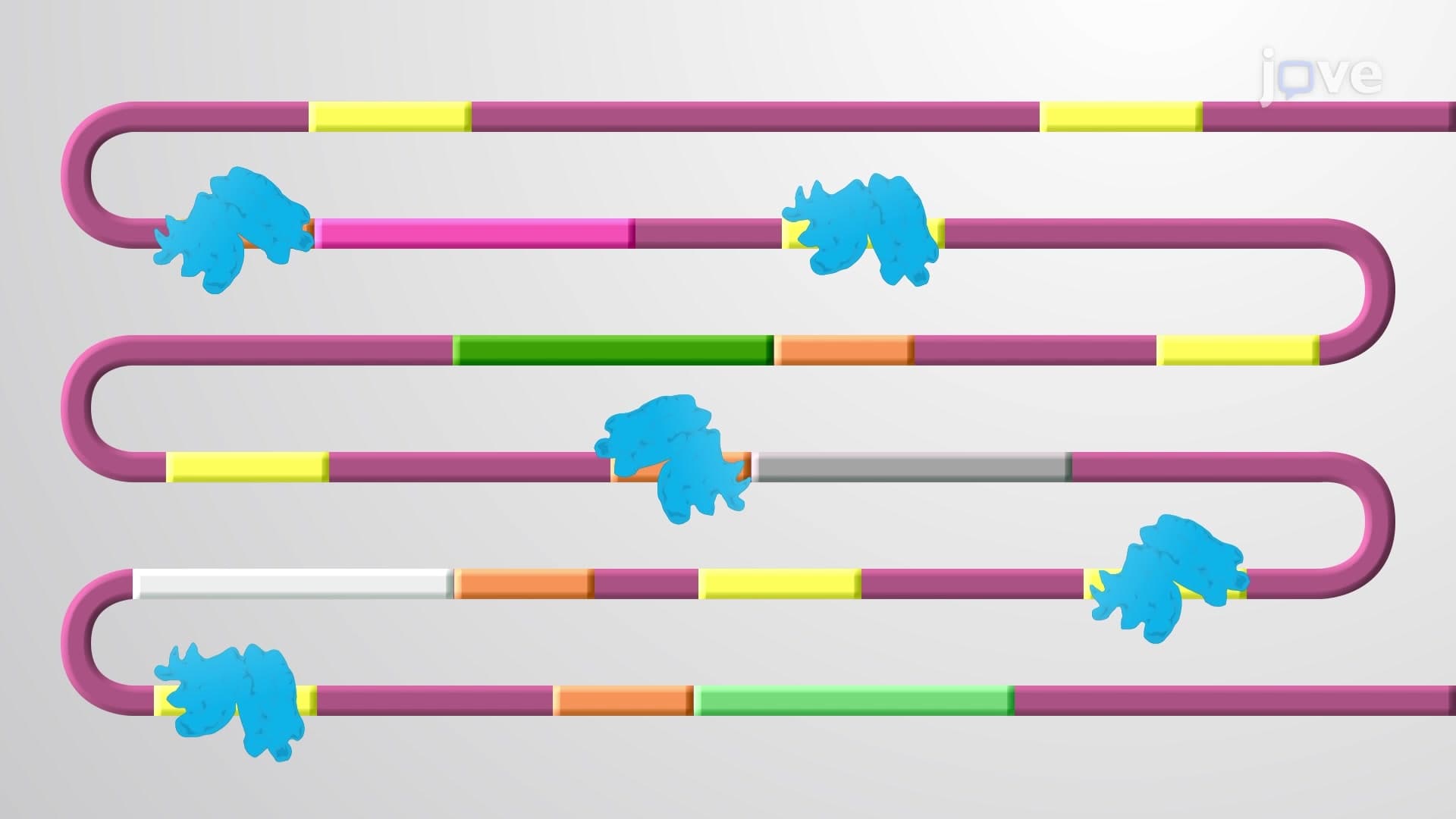
Transcription factors bind directly to specific DNA sequences, while co-activators and co-repressors work indirectly by modifying chromatin structure and facilitating transcription factor function. Think of transcription factors as GPS systems that find the right genetic address, while co-activators and co-repressors are the construction crews that make the DNA accessible or inaccessible at that location.
Related Micro-courses

16 Concepts
14 Concepts