Loading subject page…


52,416 views

Video Summary: Cooperative Binding of Transcription Regulators Explained
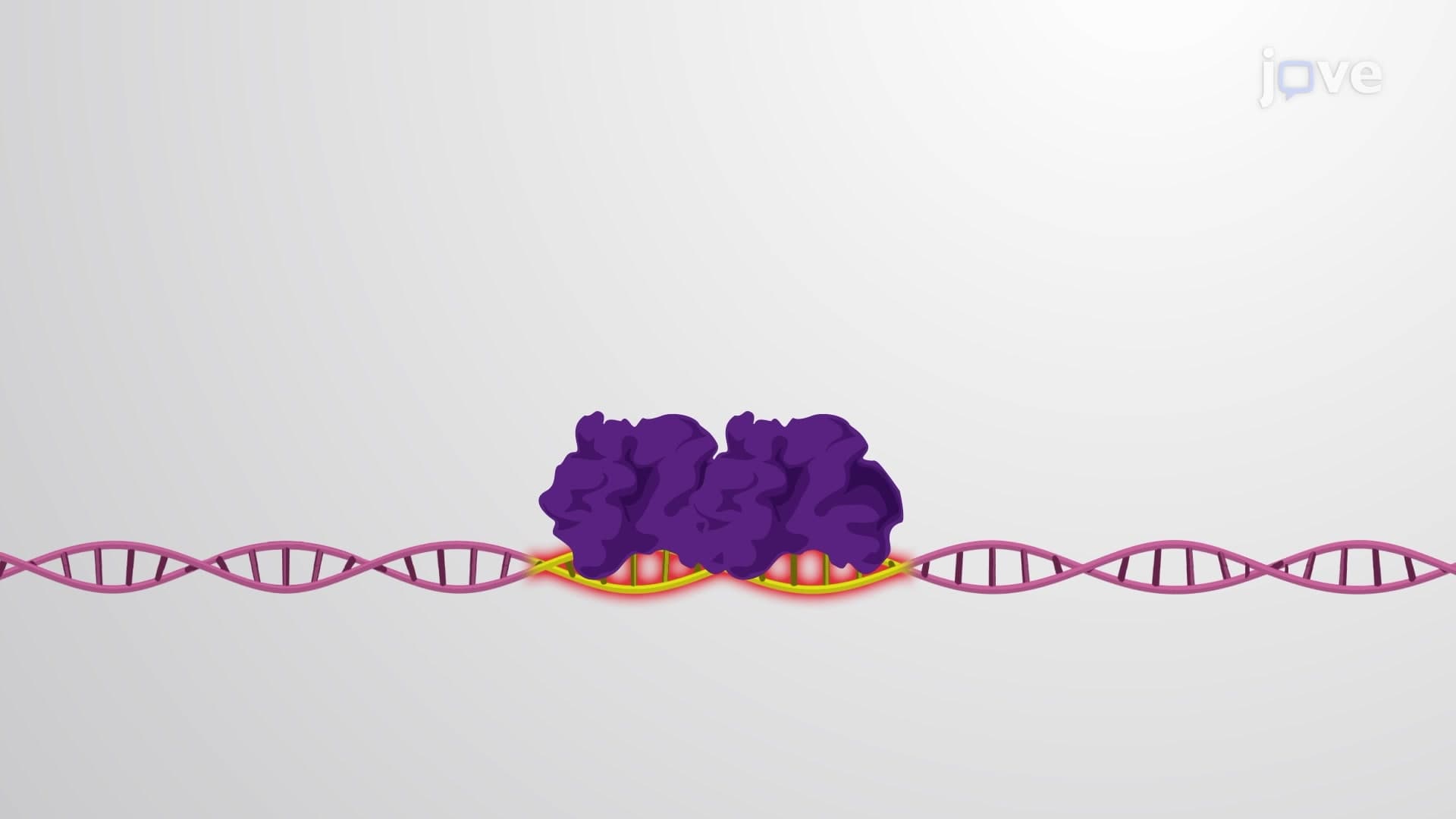
How do cells instantly switch genes "on" or "off" like a light switch rather than dimly adjusting them? Cooperative binding transcription regulators work together to create these sharp, all-or-nothing responses that control everything from muscle development to insulin production in response to blood sugar changes. This mechanism explains why the lac operon in E. coli bacteria can rapidly respond to lactose availability, making it a cornerstone example in molecular biology courses. Cooperative Binding of Transcription Regulators Explained reveals how multiple proteins amplify each other's effects on DNA. Watch the full video on JoVE Coach to master this concept with expert-led visuals and step-by-step explanations.
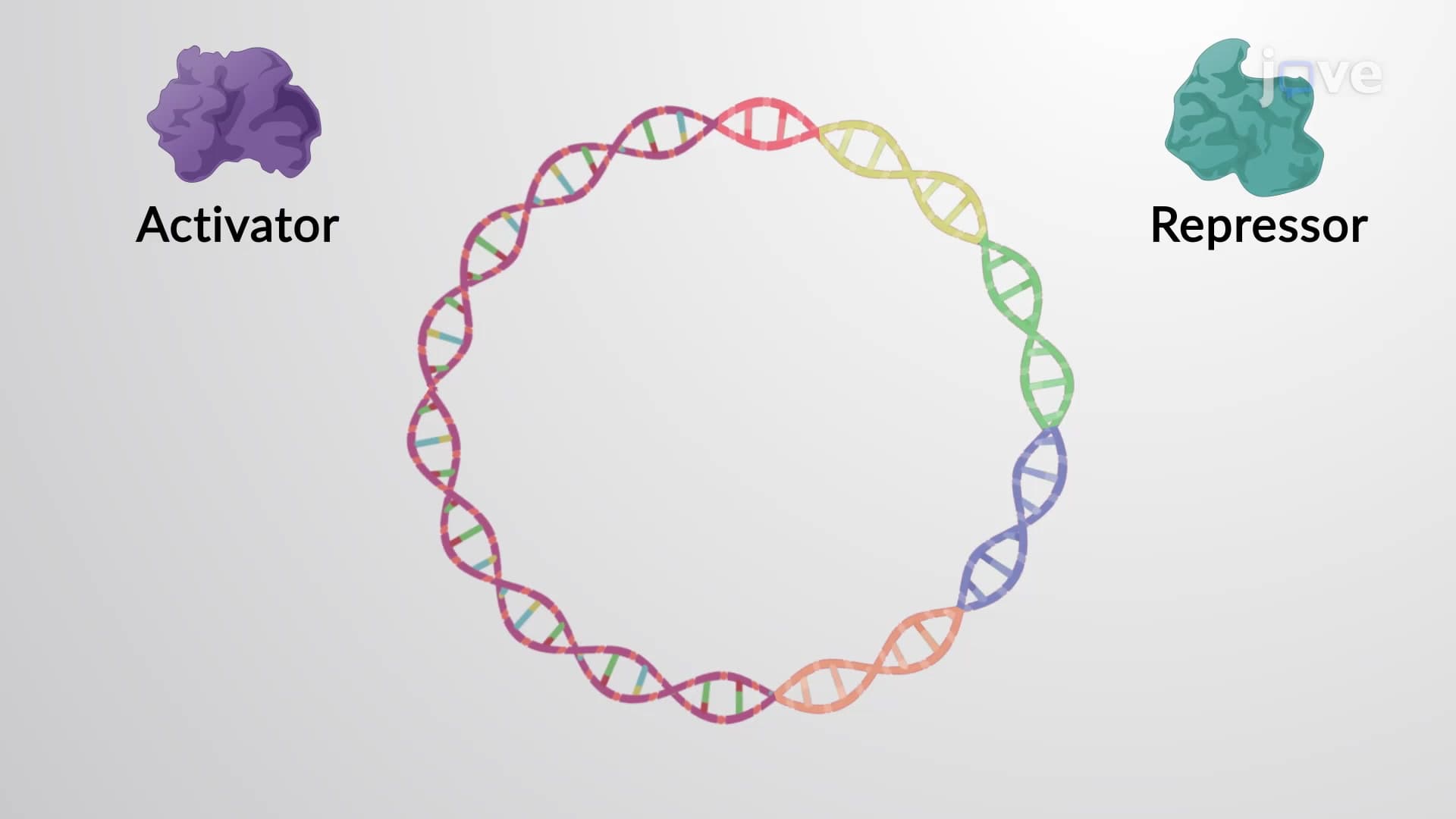
Cooperative binding transcription regulators represent one of biology's most elegant control mechanisms, allowing cells to achieve precise, switch-like gene regulation. Unlike simple on/off switches, this system creates ultrasensitive responses where small changes in regulatory protein concentrations produce dramatic shifts in gene expression levels.
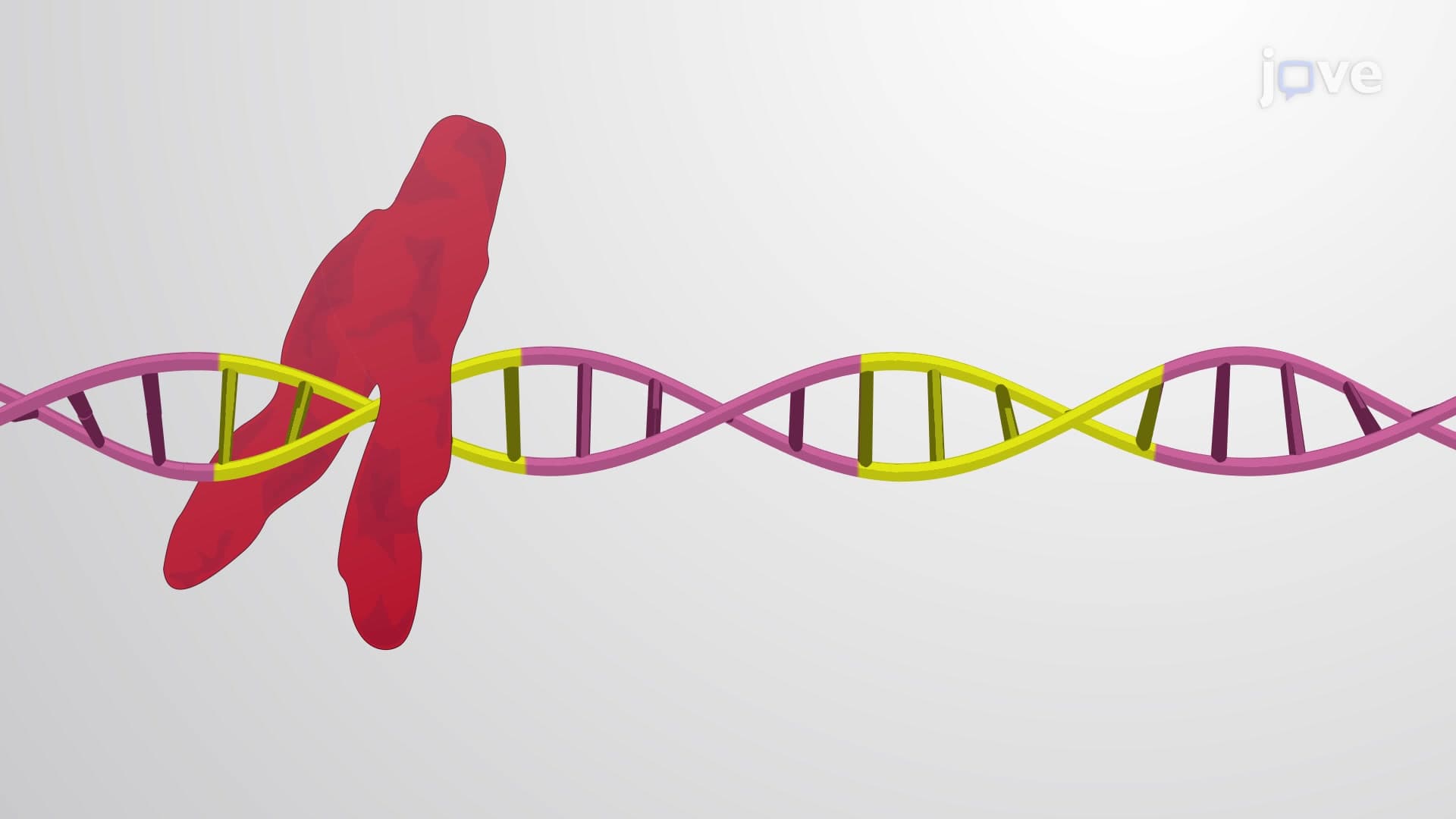
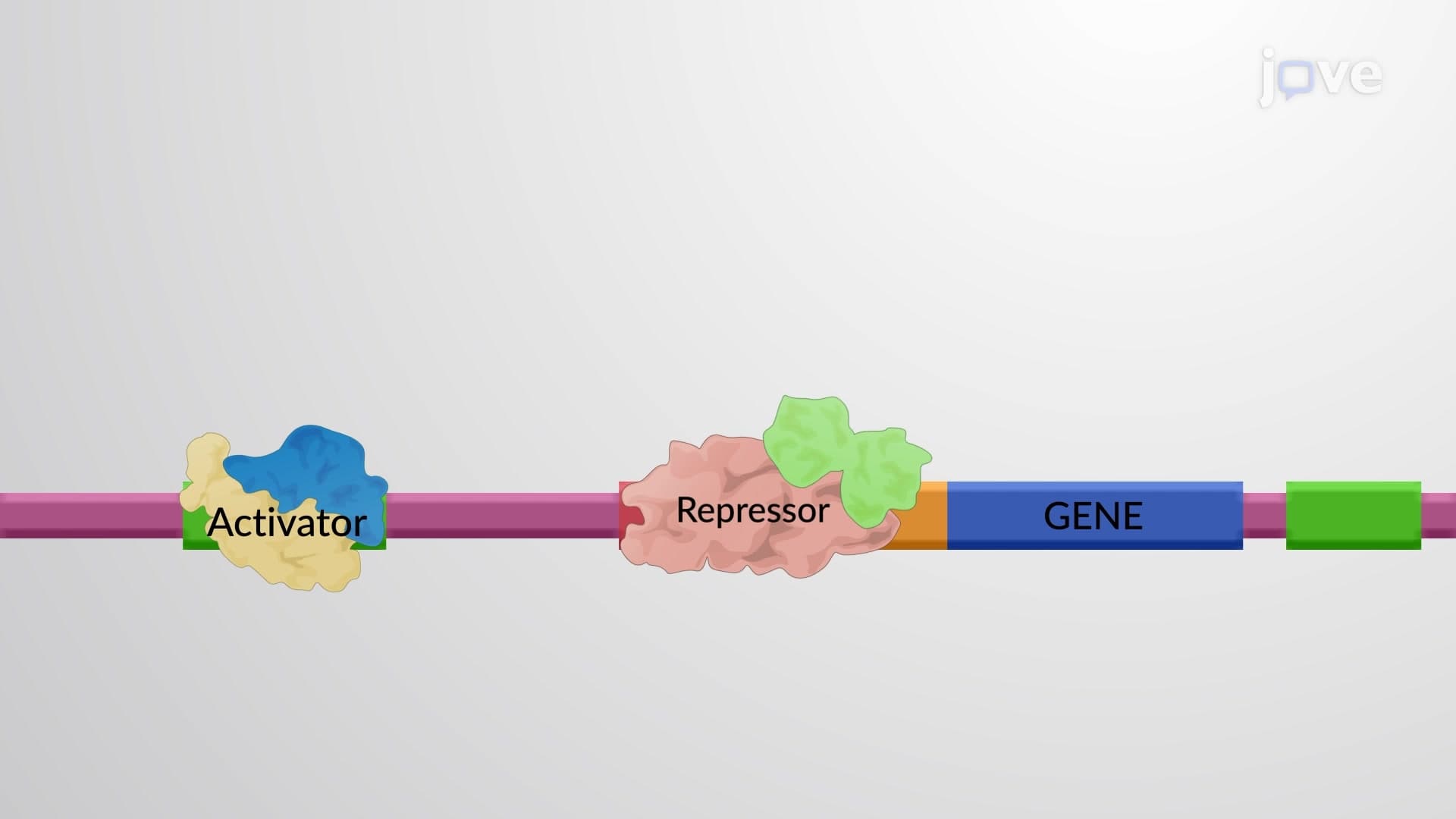
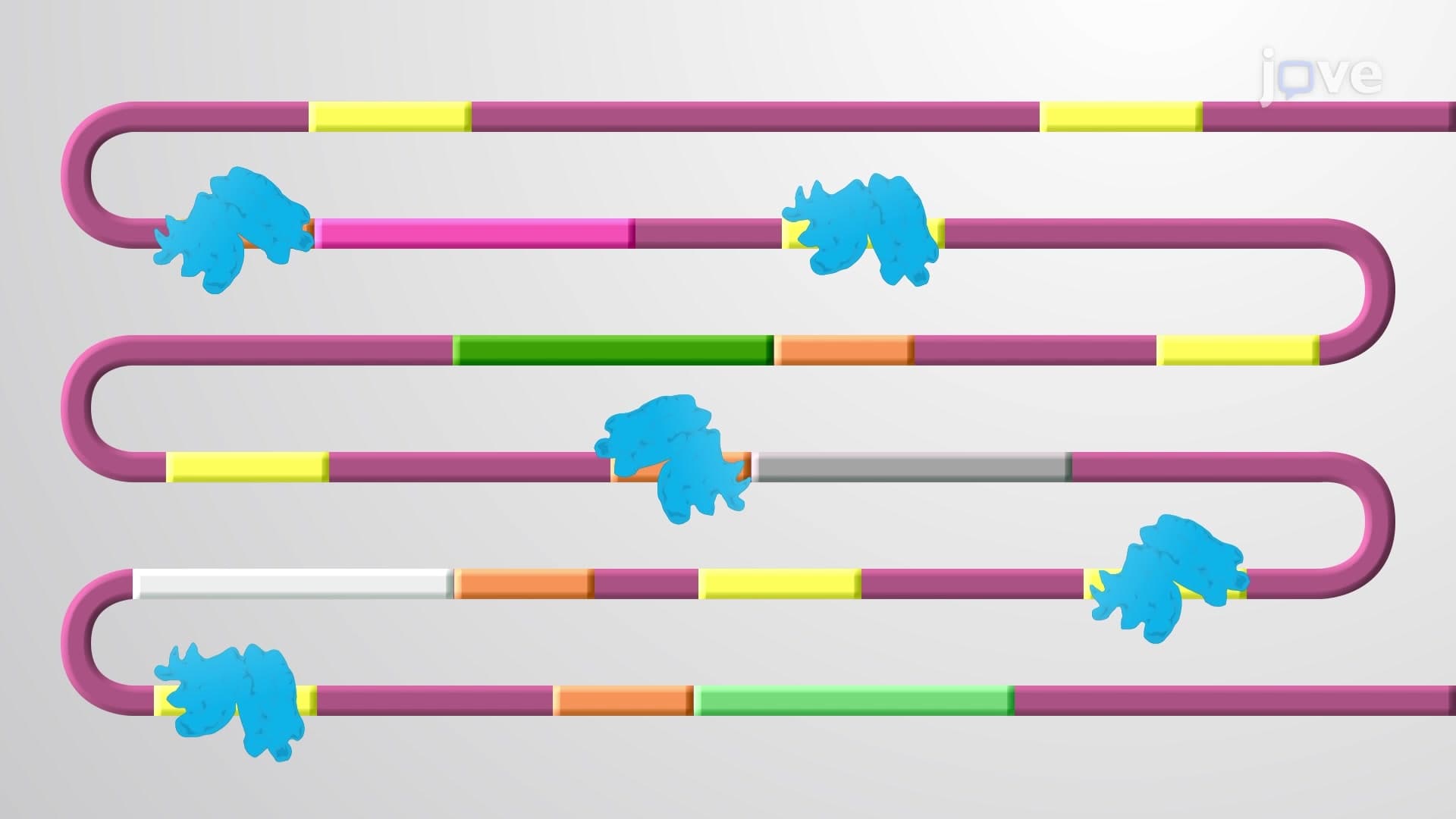
The molecular basis involves transcription factors that don't just bind DNA independently-they actively help each other attach more strongly. When the first transcription factor binds its DNA target site, it undergoes conformational changes that create new protein-protein interaction surfaces. These surfaces then recruit additional transcription factors, dramatically increasing their effective binding affinity through allosteric effects.
The lac operon in *E. coli* bacteria serves as the textbook example students encounter in AP Biology and college molecular biology courses. When lactose is present, the CAP-cAMP complex and lac repressor work cooperatively to fine-tune gene expression. This system demonstrates how cooperative binding enables bacteria to rapidly switch between glucose and lactose metabolism-a survival advantage that's been studied extensively at institutions like Harvard Medical School and Stanford University.
In human biology, cooperative binding explains how steroid hormone receptors like the estrogen receptor work. Multiple receptor molecules bind cooperatively to DNA sequences called estrogen response elements, amplifying the cellular response to hormone signals. This principle is crucial for understanding endocrine disruption and hormone replacement therapies studied in medical schools across the United States.
The Hill equation mathematically describes cooperative binding: Y = [L]^n / (K + [L]^n), where Y represents fractional occupancy, [L] is ligand concentration, K is the dissociation constant, and n indicates cooperativity strength. Values of n > 1 indicate positive cooperativity, creating the steep, switch-like responses essential for cellular decision-making.
This mathematics appears frequently on MCAT exams and college biochemistry tests, where students must interpret binding curves and predict how mutations affecting protein-protein interactions would alter gene regulation patterns. Understanding these relationships helps explain why certain cancer mutations are so devastating-they often disrupt cooperative binding networks that normally prevent uncontrolled cell division.
Modern drug development increasingly targets cooperative binding networks. Companies like Genentech design molecules that either enhance or disrupt specific protein-protein interactions, creating more selective treatments with fewer side effects than traditional approaches.
Related Micro-courses