Loading subject page…


52,416 views

Video Summary: Prokaryotic Transcriptional Activators and Repressors Explained
Ever wonder how bacteria like E. coli can instantly switch from consuming glucose to lactose when their food source changes? Prokaryotic transcriptional activators repressors are the molecular switches that make this rapid adaptation possible. These regulatory proteins act like cellular traffic controllers, turning genes on and off in response to environmental conditions. For example, when you eat yogurt containing Lactobacillus bacteria, these microorganisms use prokaryotic transcriptional activators and repressors explained in this content to metabolize dairy sugars efficiently. Watch the full video on JoVE Coach to master this concept with expert-led visuals and step-by-step explanations.
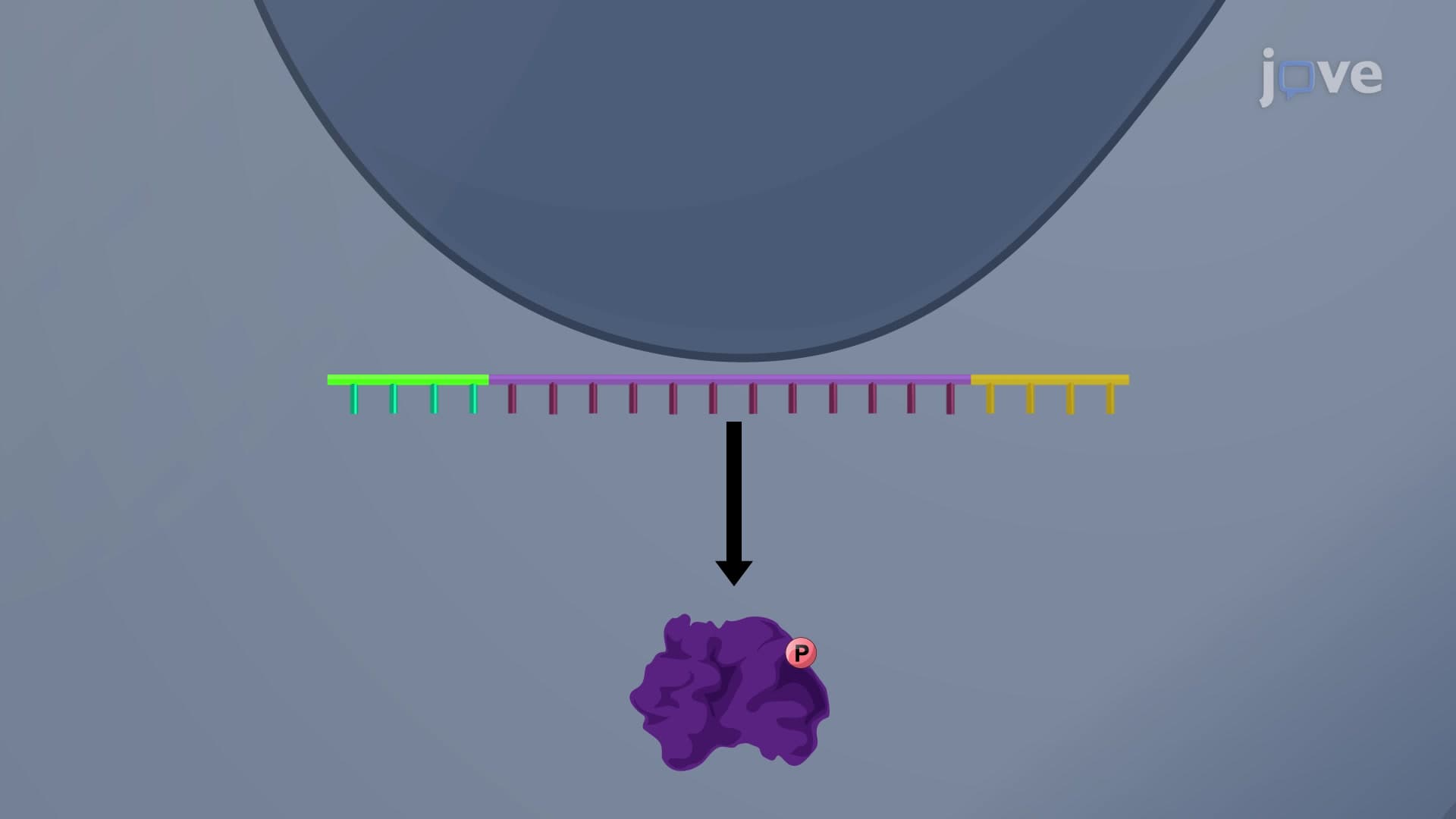
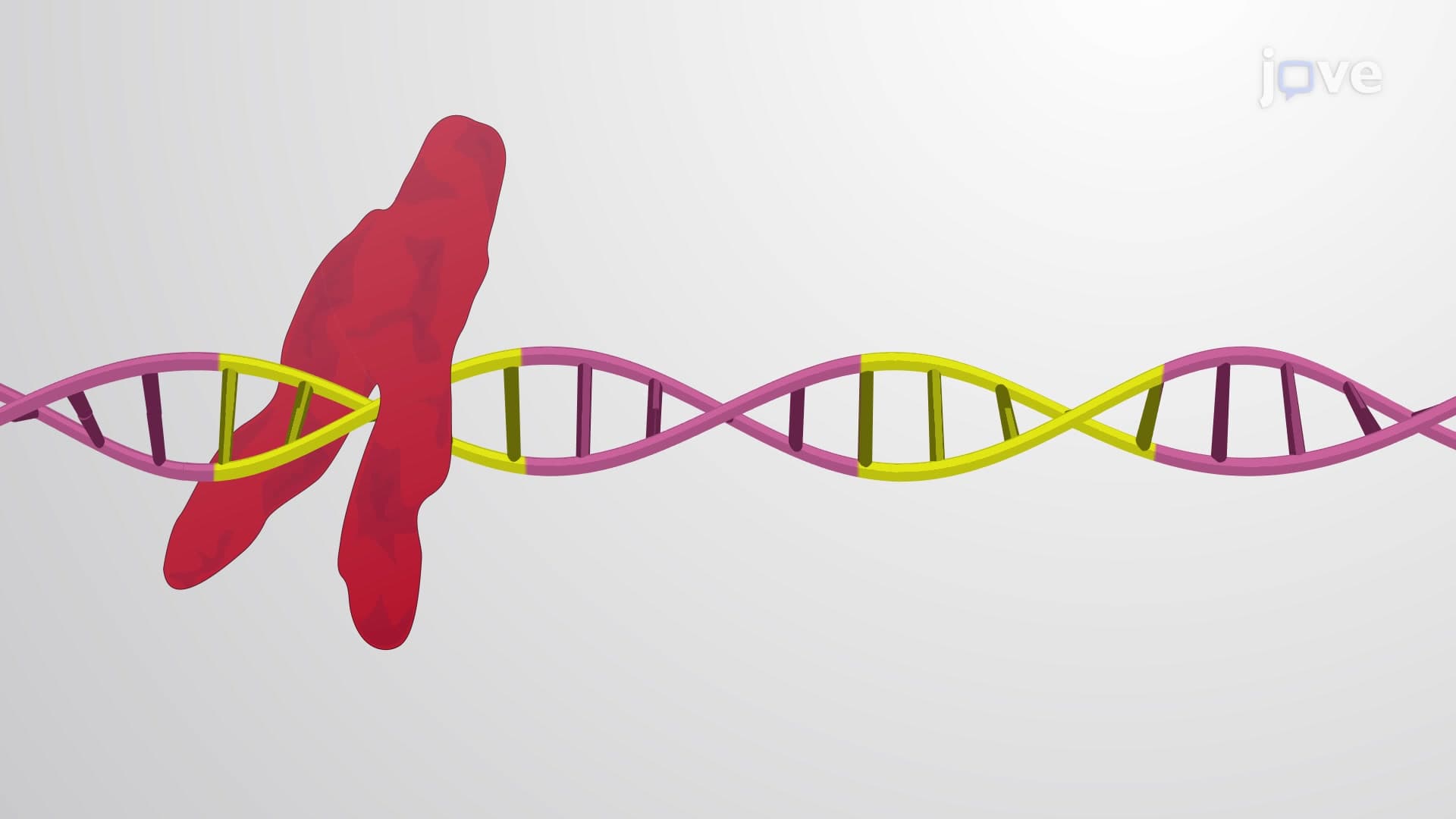
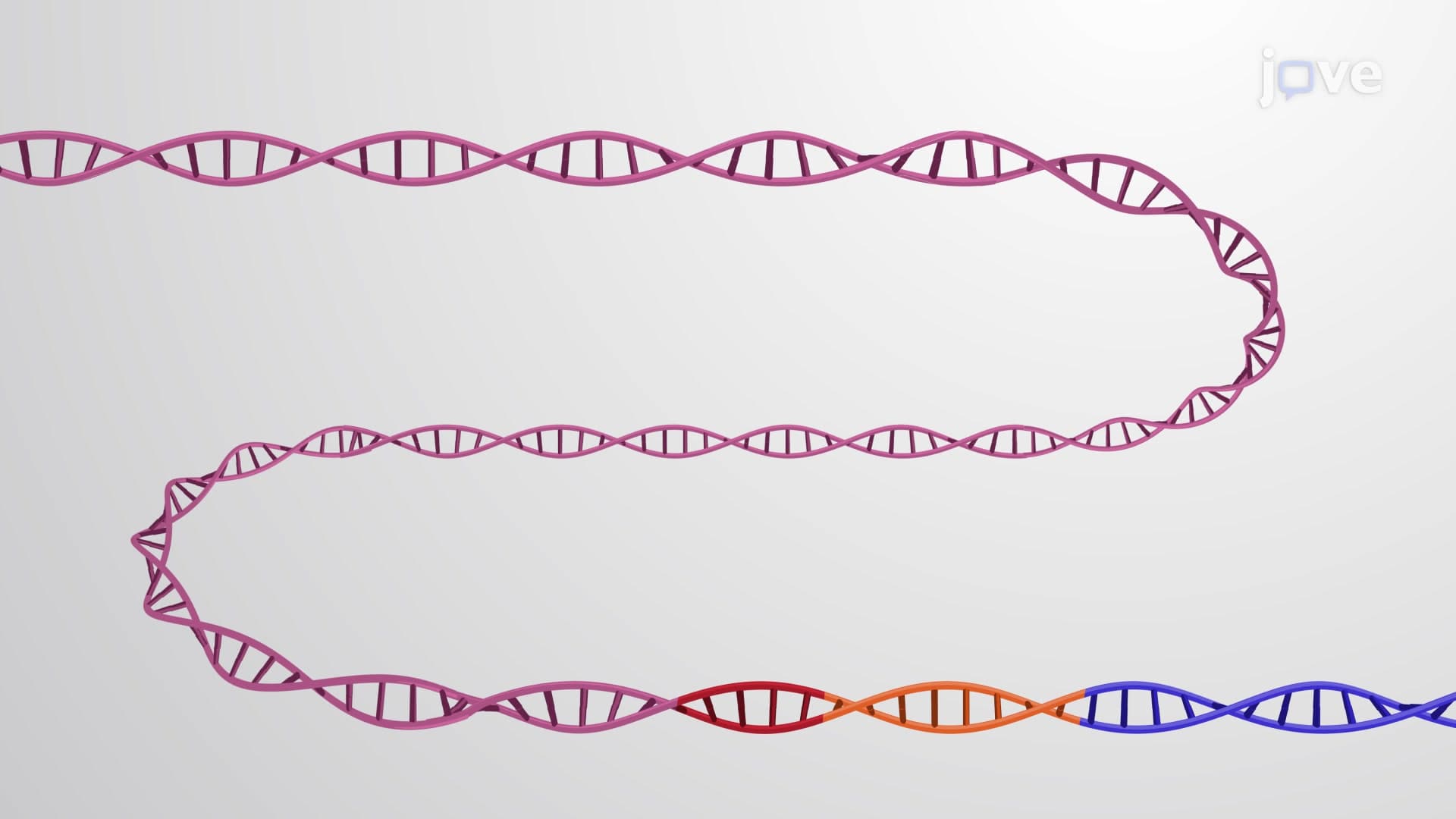
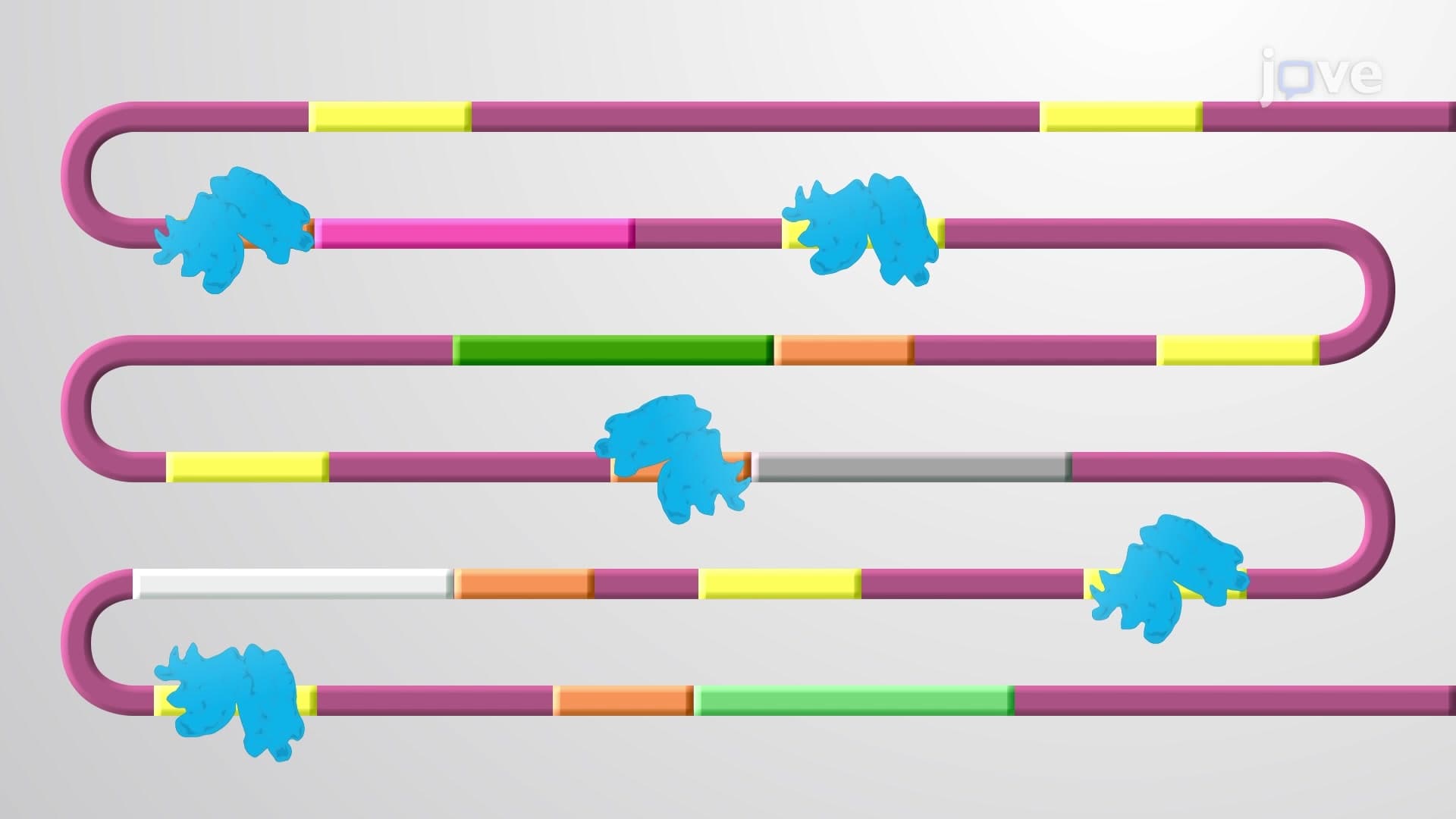
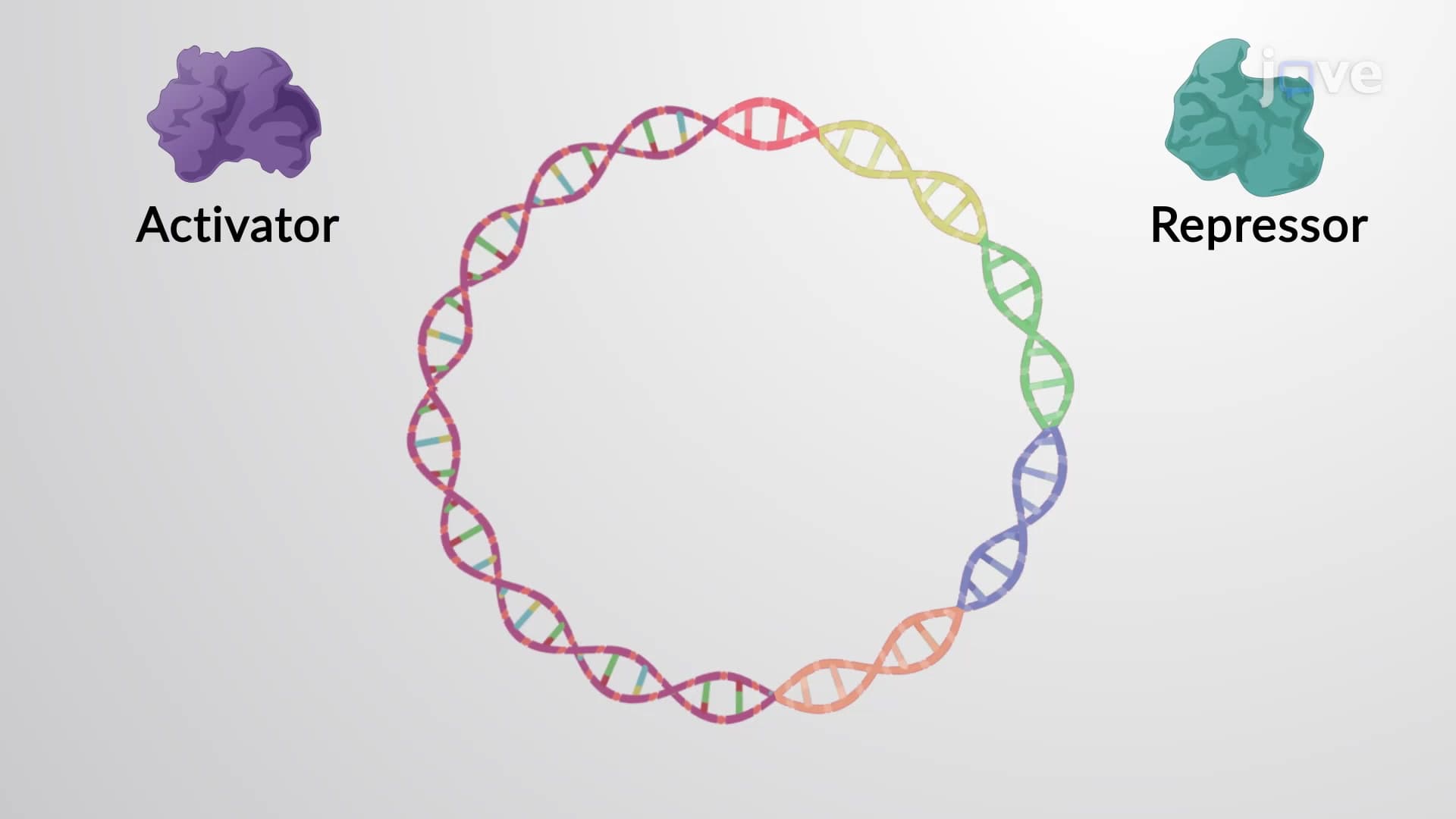
Prokaryotic transcriptional activators repressors represent one of biology's most elegant regulatory systems. Unlike eukaryotic cells with their complex nuclear organization, bacterial cells must respond rapidly to environmental changes using streamlined control mechanisms. These regulatory proteins bind directly to DNA sequences near genes, either promoting or preventing RNA polymerase from initiating transcription.
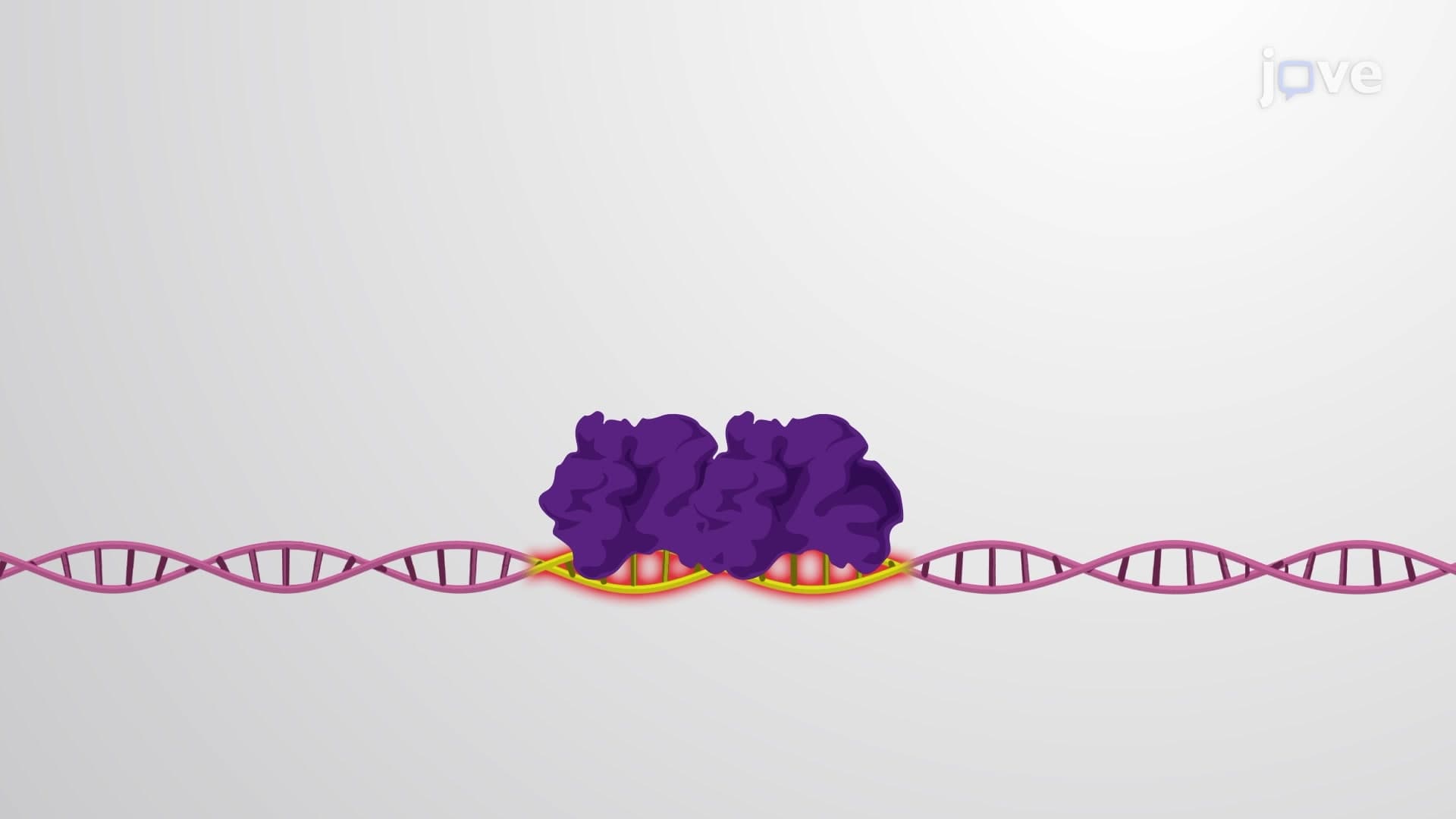
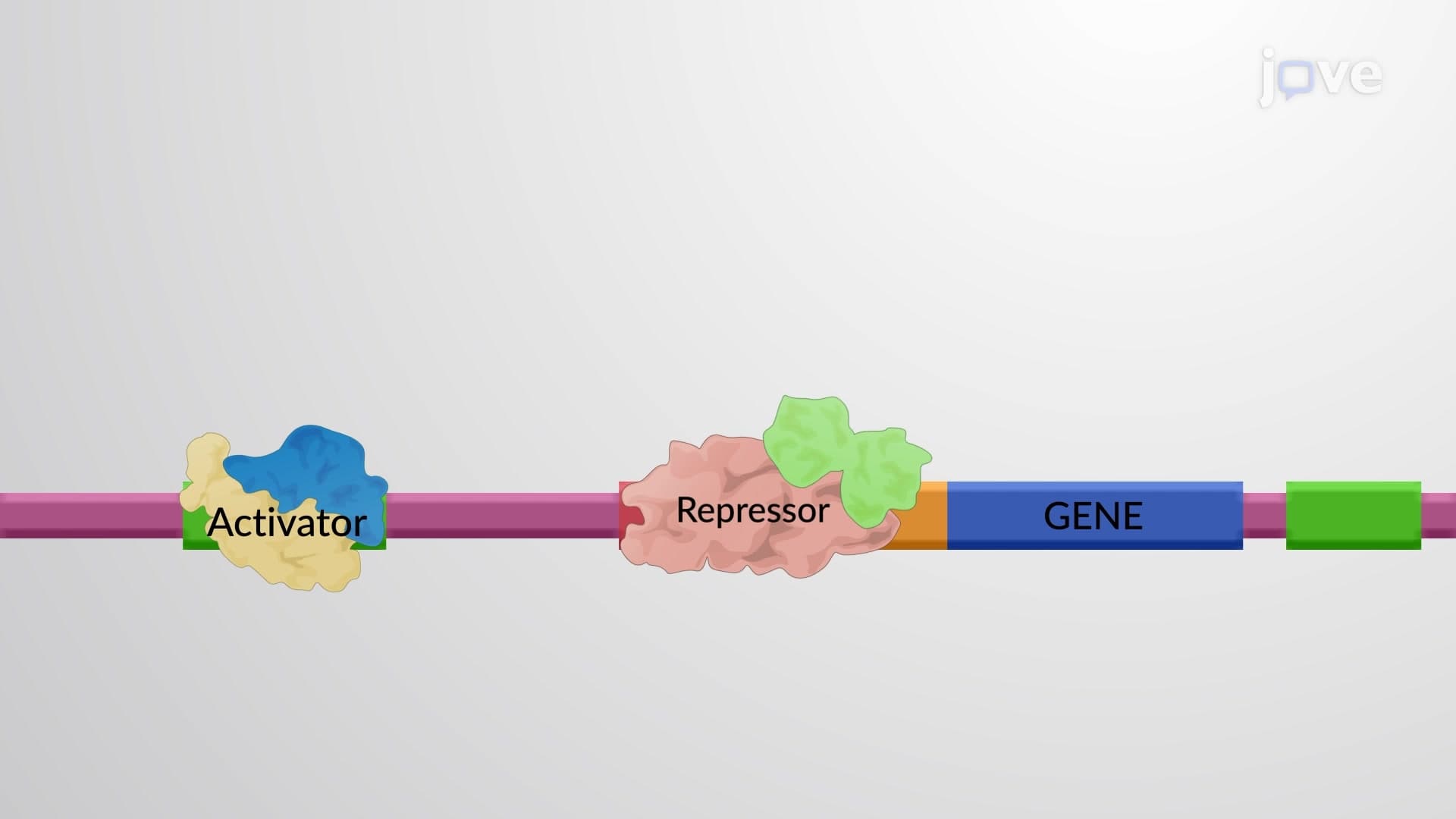
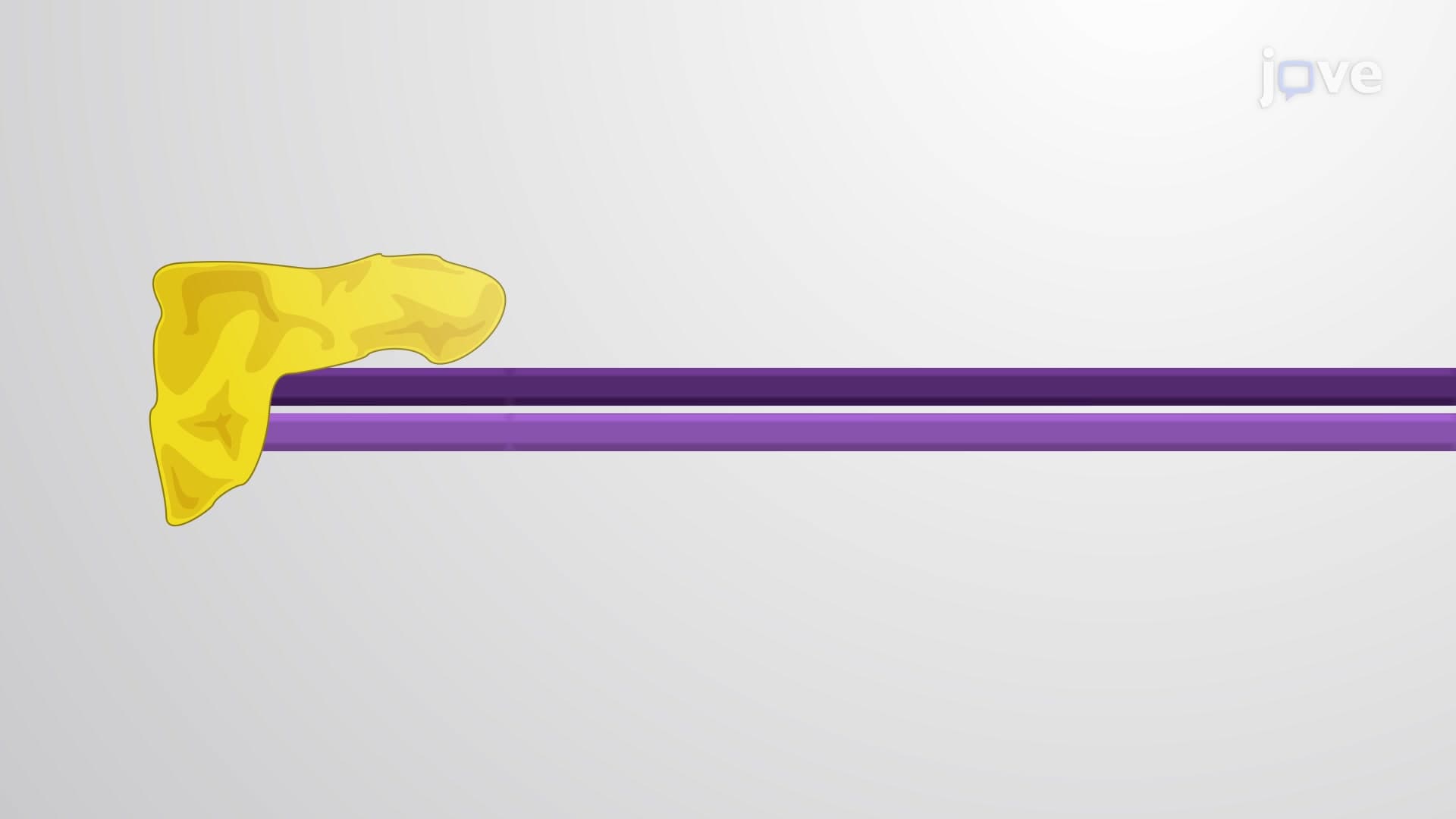
Repressor proteins function as molecular "off switches" by binding to operator sequences and physically blocking RNA polymerase access. The lac repressor (LacI) in E. coli serves as the textbook example studied in AP Biology and introductory college courses. When lactose is absent, LacI binds tightly to the lac operator, preventing transcription of genes needed for lactose metabolism. This prevents wasteful production of unnecessary enzymes-a crucial survival strategy for bacteria competing for limited resources.
The beauty of this system lies in its responsiveness. When lactose becomes available, it's converted to allolactose, which binds to the lac repressor and causes a conformational change. This allosteric modification reduces the repressor's DNA-binding affinity, allowing it to release from the operator and permitting gene transcription.
While repressors turn genes off, activator proteins turn them on by facilitating RNA polymerase recruitment and binding. The catabolite activator protein (CAP), also called CRP (cAMP receptor protein), exemplifies positive regulation. When glucose levels are low, cellular cAMP concentrations rise, allowing CAP-cAMP complexes to form and bind DNA upstream of various operons.
This mechanism appears frequently on the MCAT Biology section, where students must understand how CAP-cAMP enhances transcription of alternative sugar metabolism genes. The system ensures bacteria preferentially use glucose when available but can quickly switch to alternative carbon sources when glucose becomes limiting.
Understanding prokaryotic transcriptional control has revolutionized medicine and biotechnology. Pharmaceutical companies like Genentech exploit these systems to produce human insulin in E. coli by placing the insulin gene under control of inducible promoters. Similarly, researchers developing new antibiotics often target bacterial transcription factors, as disrupting gene regulation can be as lethal as inhibiting essential metabolic pathways.
Related Micro-courses