Loading subject page…


52,416 views

Video Summary: Regulation of Expression Occurs at Explained
Ever wondered how your cells know to produce insulin after eating but stress proteins during a fever? The regulation expression occurs at multiple critical checkpoints throughout the gene-to-protein pathway, not just during DNA transcription. From chromatin modifications in the nucleus to protein degradation in the cytoplasm, cells employ sophisticated control mechanisms at each step. For instance, alternative splicing allows the DSCAM gene to produce over 38,000 different protein variants in human neurons. Watch the full video on JoVE Coach to master this concept with expert-led visuals and step-by-step explanations.
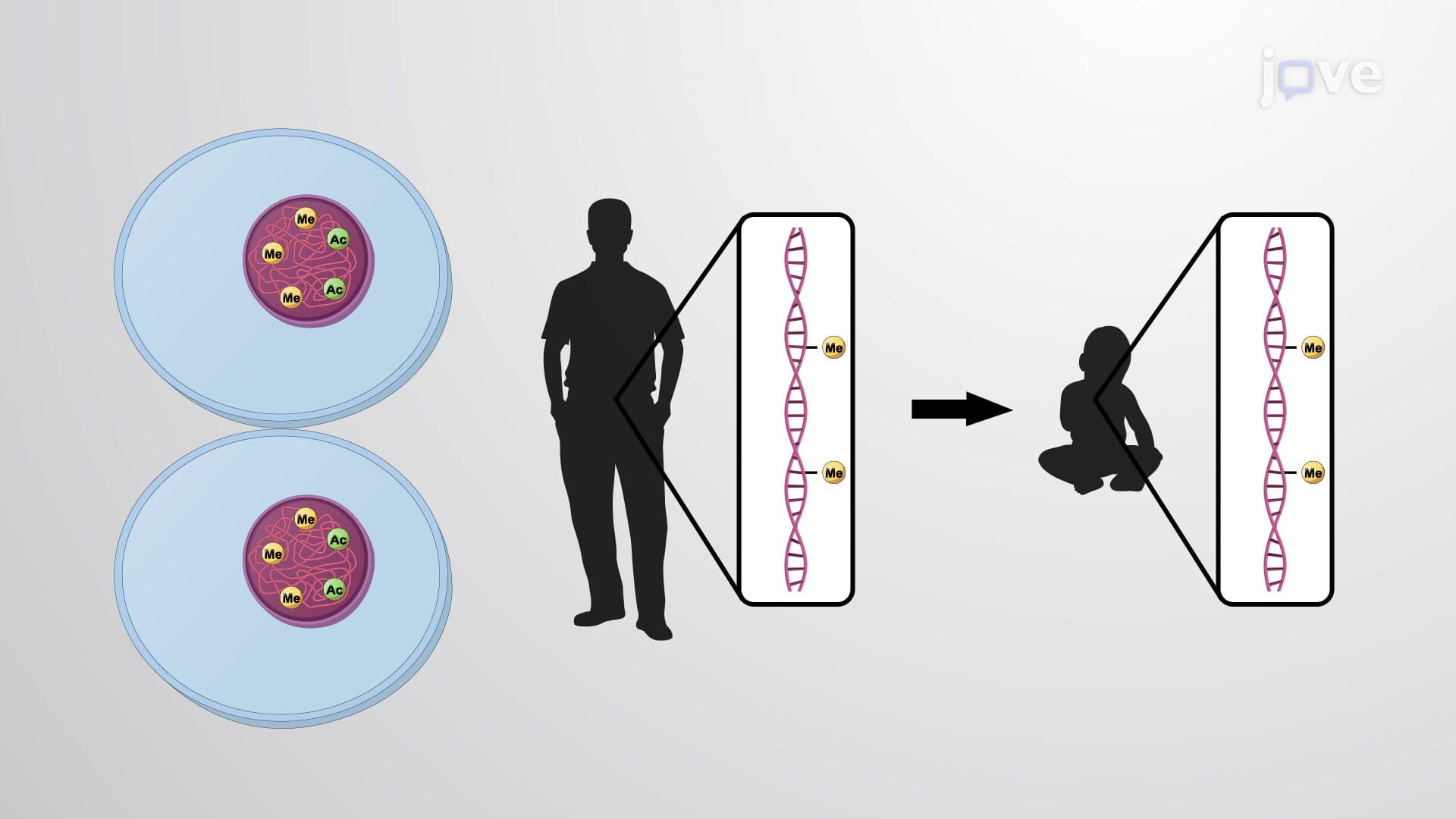
Gene expression regulation represents one of biology's most sophisticated control systems, operating through coordinated checkpoints that span from DNA accessibility to protein function. Unlike the simplified "one gene, one protein" concept, modern cell biology reveals that regulation expression occurs at least five distinct levels, each offering unique advantages for cellular control and adaptation.
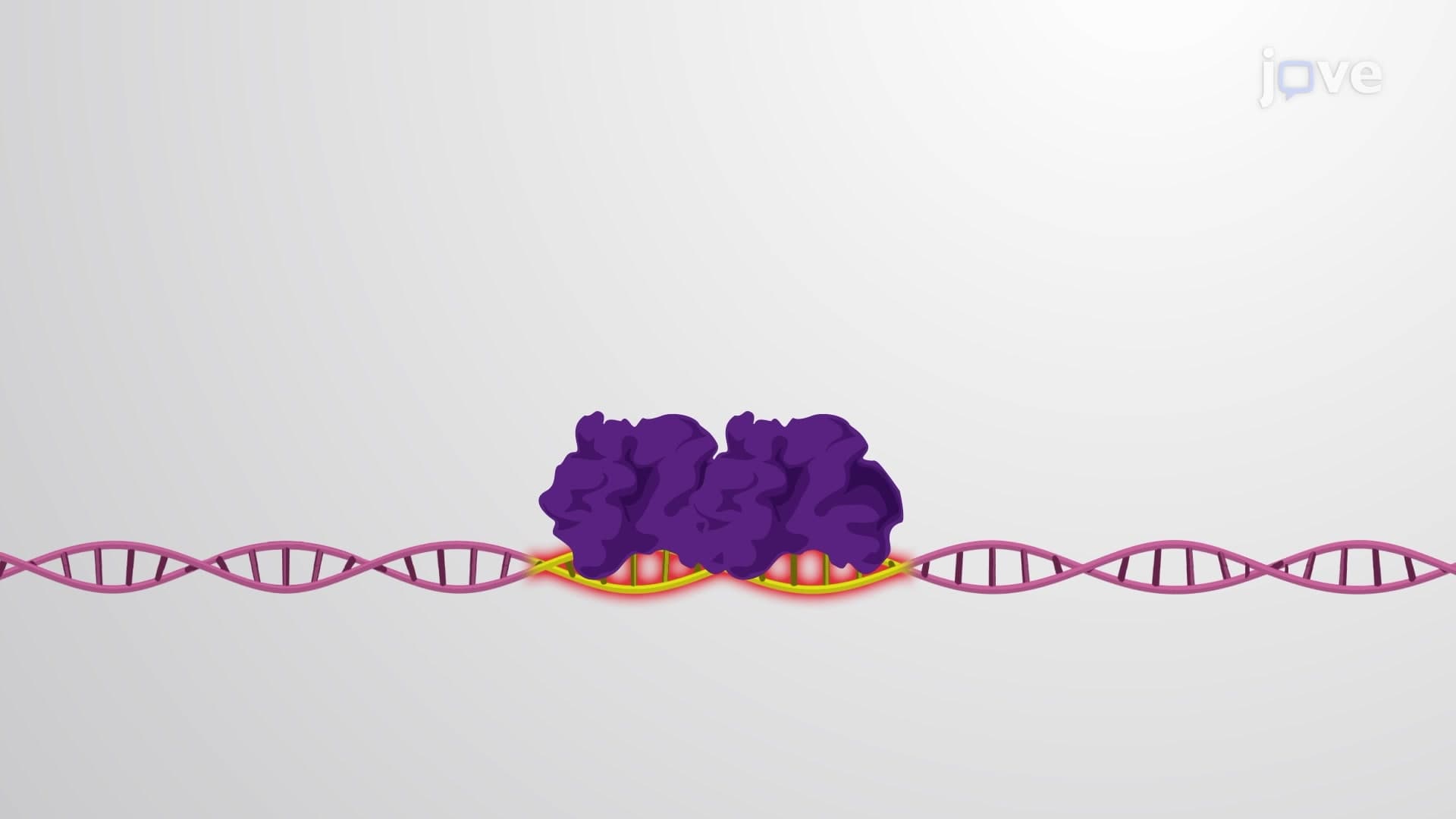
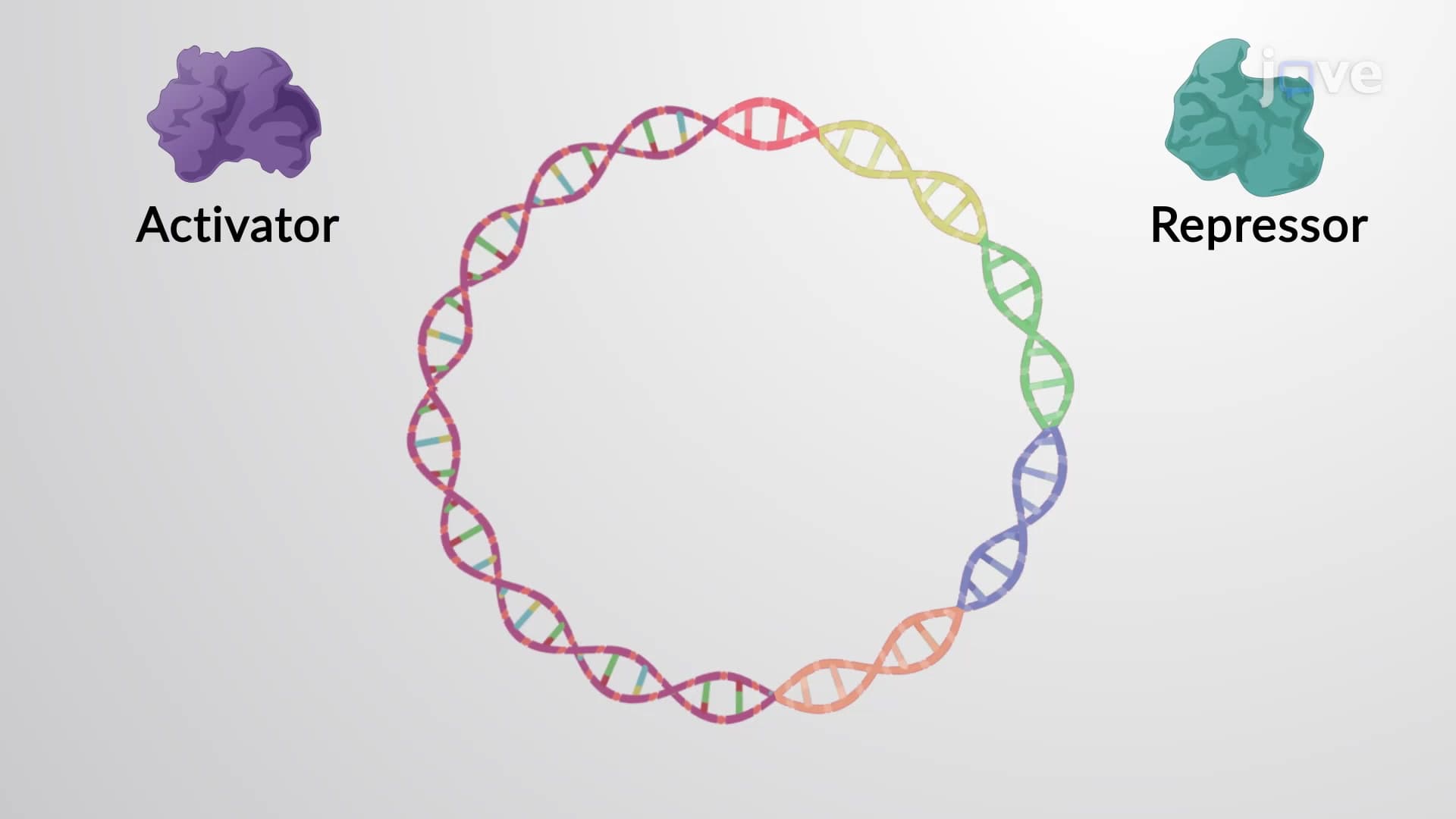
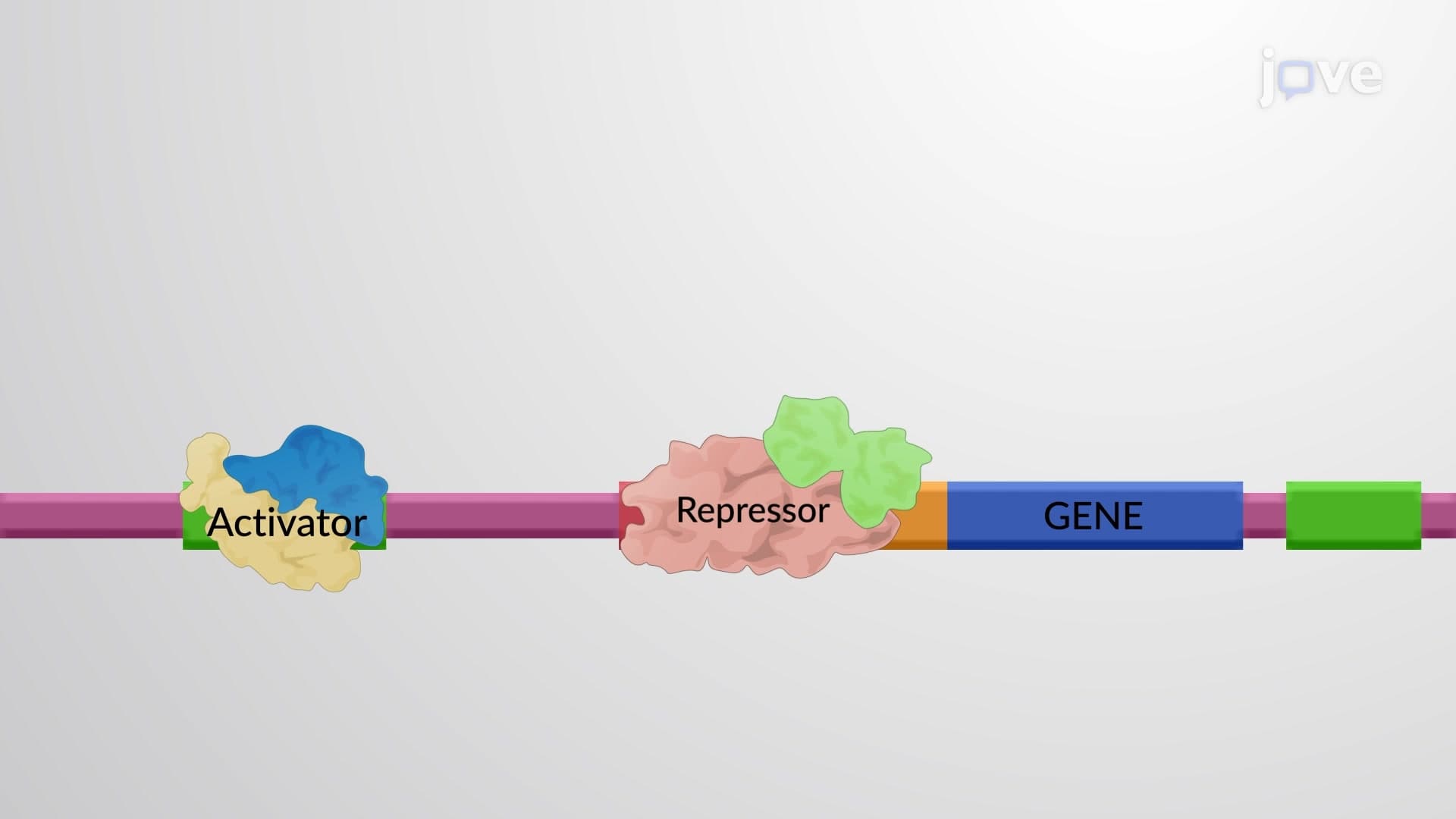
Transcriptional regulation serves as the first and often most economical control point. Transcription factors like p53 (the "guardian of the genome") bind to specific DNA sequences, either promoting or blocking RNA polymerase access. Chromatin remodeling complexes can tighten or loosen DNA packaging, making genes accessible or silenced. For AP Biology students, understanding how the lac operon in bacteria demonstrates negative and positive transcriptional control provides excellent preparation for college-level molecular biology courses.
After transcription, cells employ RNA processing mechanisms that dramatically expand protein diversity. Alternative splicing allows a single gene to produce multiple protein variants-the tropomyosin gene generates over 40 different proteins in various muscle types. MicroRNAs (miRNAs) provide another layer of control, with each miRNA potentially regulating hundreds of target mRNAs. Students preparing for the MCAT should focus on how splicing defects contribute to genetic diseases like spinal muscular atrophy.
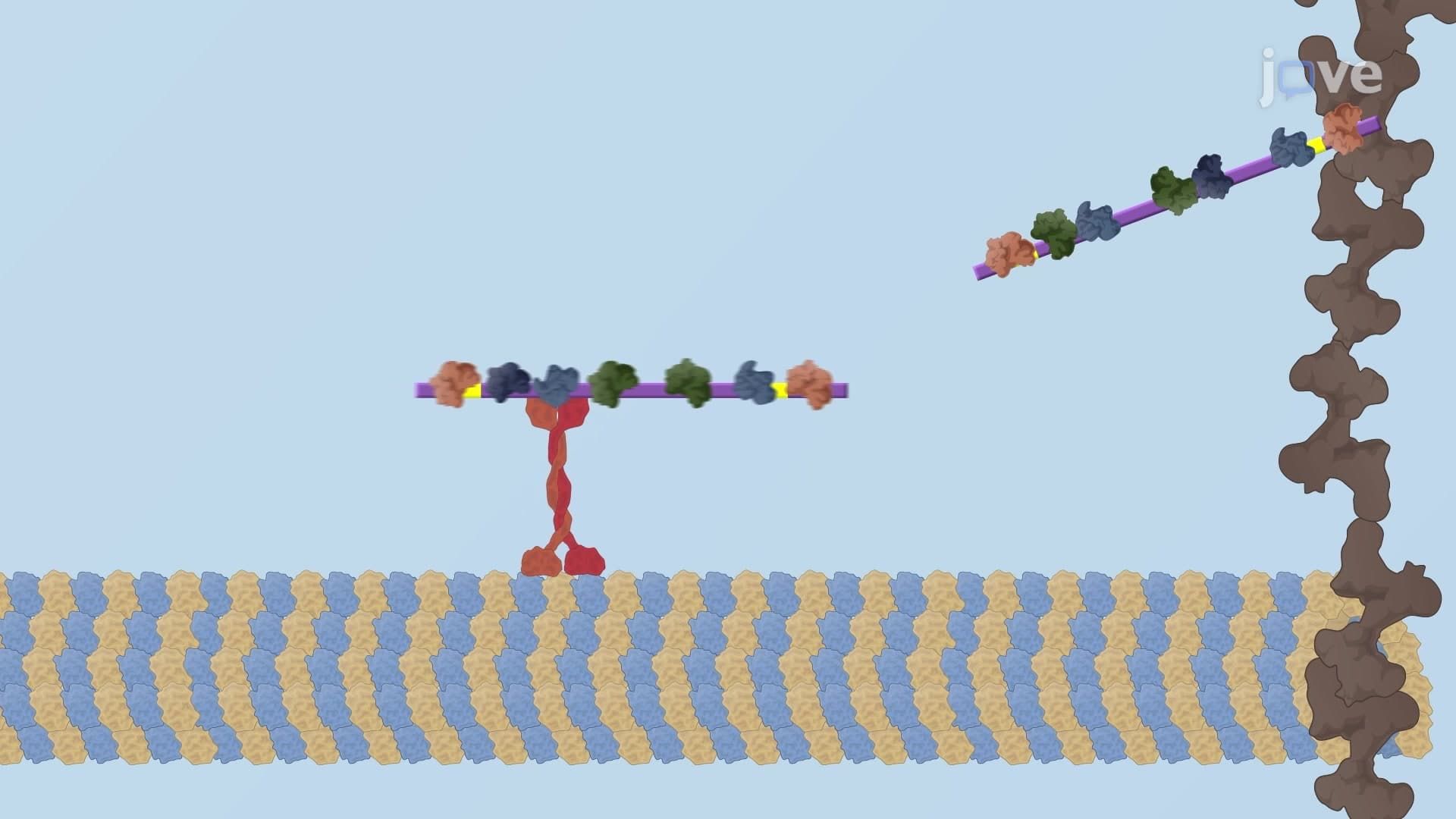
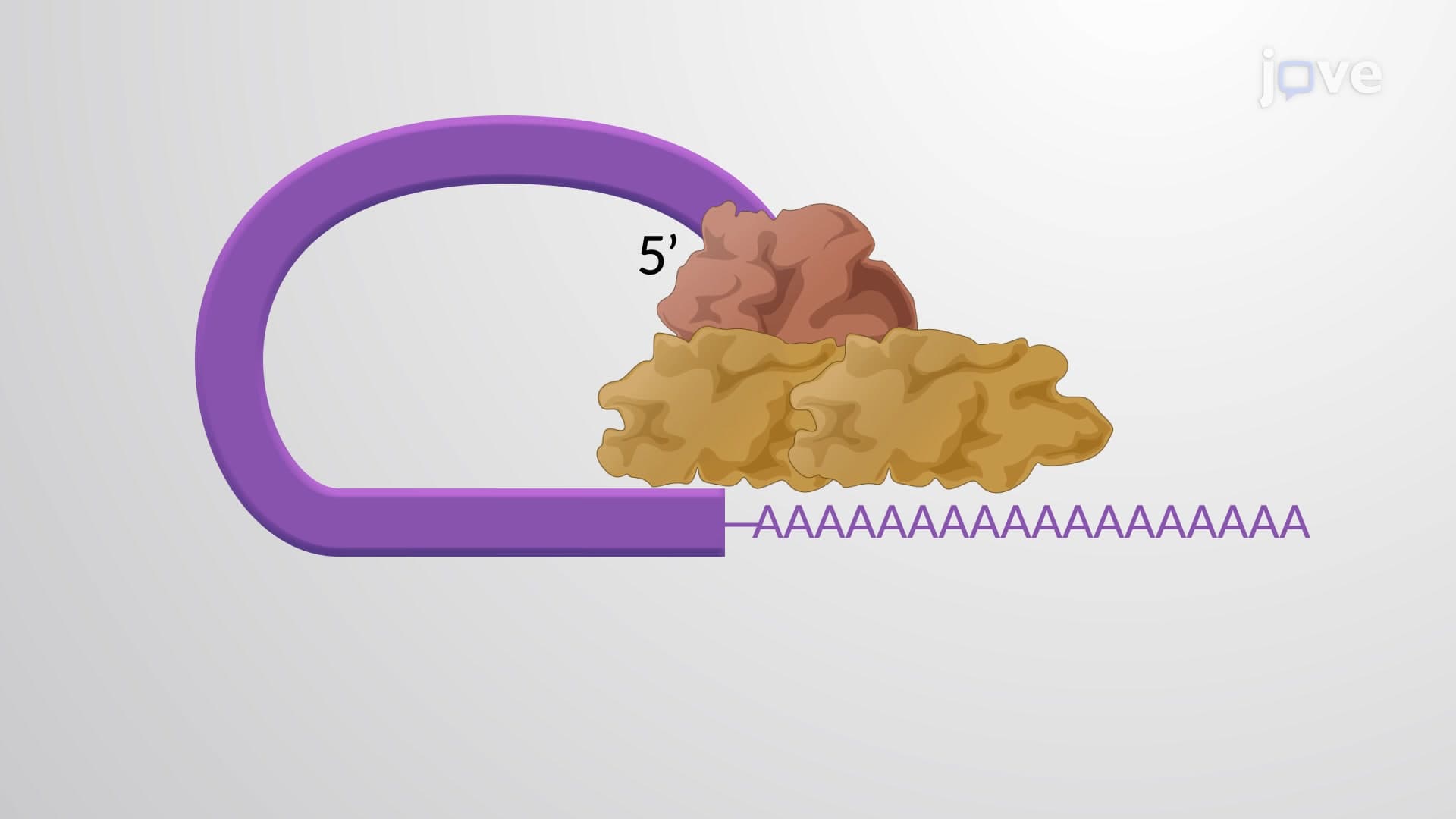
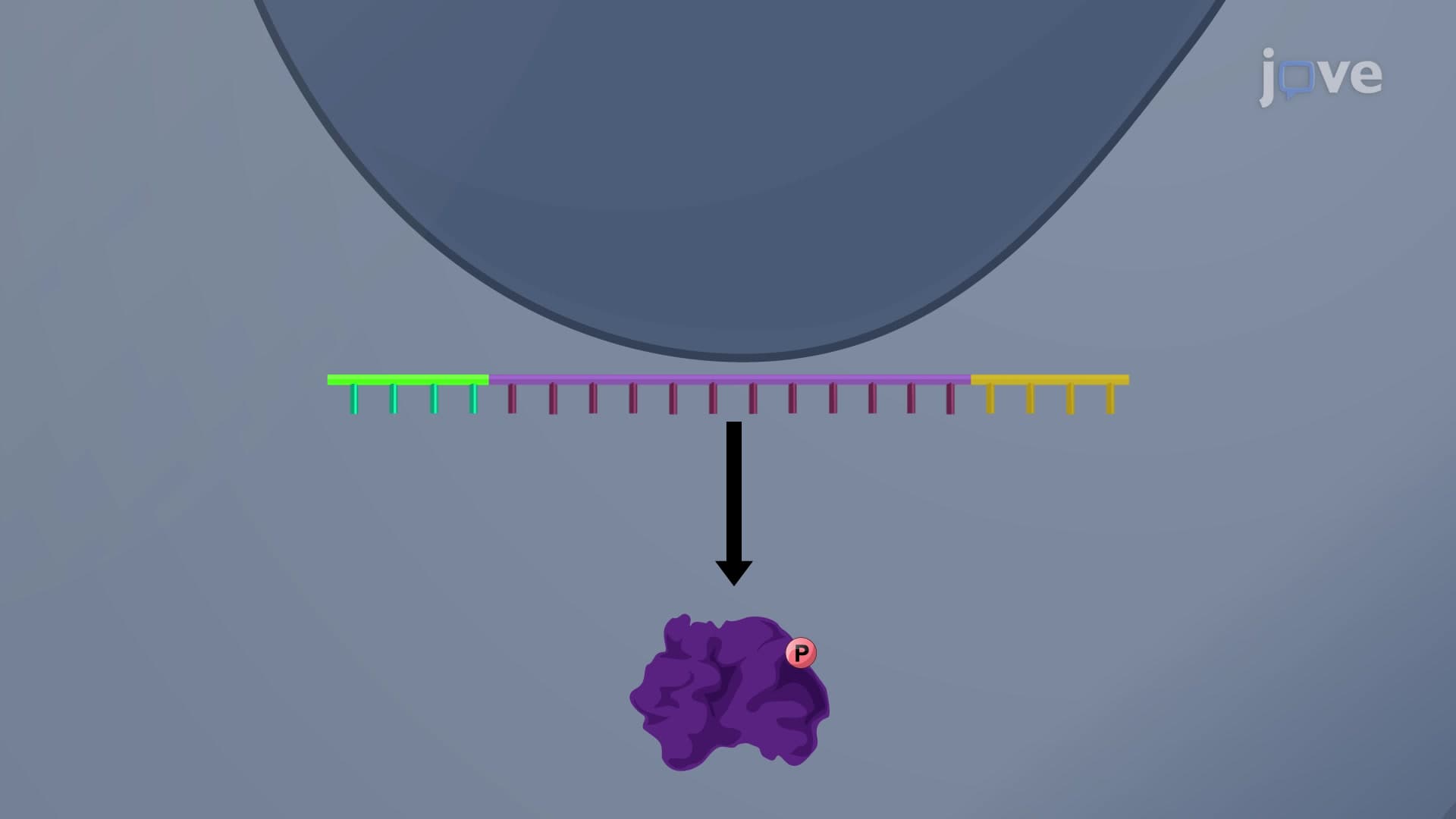
Translation initiation factors determine which mRNAs get translated under different cellular conditions. During cellular stress, most protein synthesis shuts down while stress-response proteins like heat shock proteins (HSPs) continue production through specialized regulatory mechanisms. Post-translational modifications-phosphorylation, ubiquitination, and glycosylation-can rapidly activate, deactivate, or target proteins for degradation without requiring new gene transcription.
Understanding multi-level regulation proves essential for modern medicine and biotechnology. Cancer cells often dysregulate expression at multiple steps simultaneously-oncogenes may be transcriptionally overexpressed while tumor suppressor proteins face increased degradation. Pharmaceutical companies design drugs targeting different regulatory levels, from transcription inhibitors like actinomycin D to proteasome inhibitors used in cancer therapy.
Related Micro-courses