Loading subject page…

- Cell Biology
- Control of Gene Expression
- Cis-regulatory Sequences
Micro-course: Control of Gene Expression
52,415 views
Learn key concepts and earn your certificate.

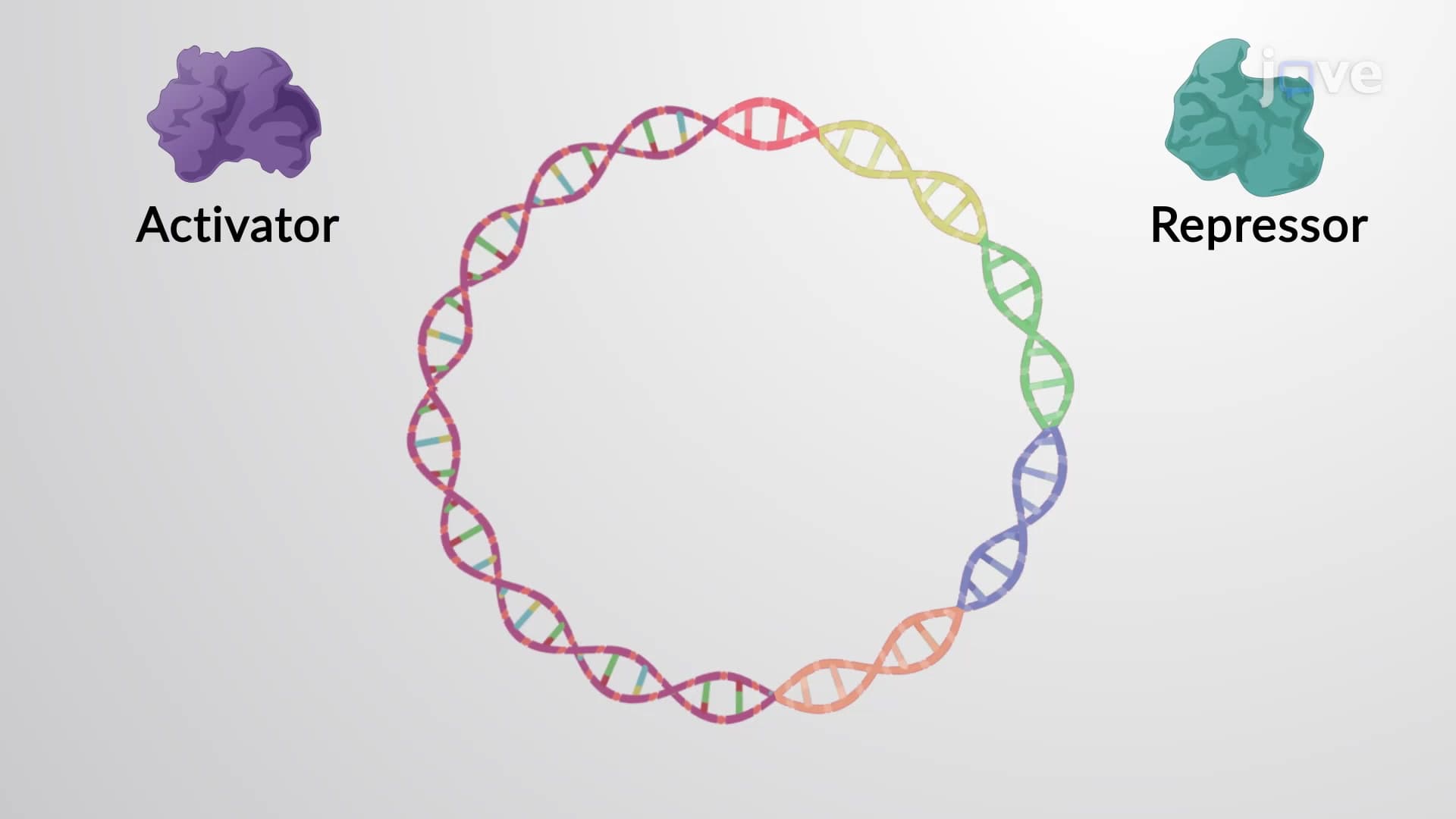
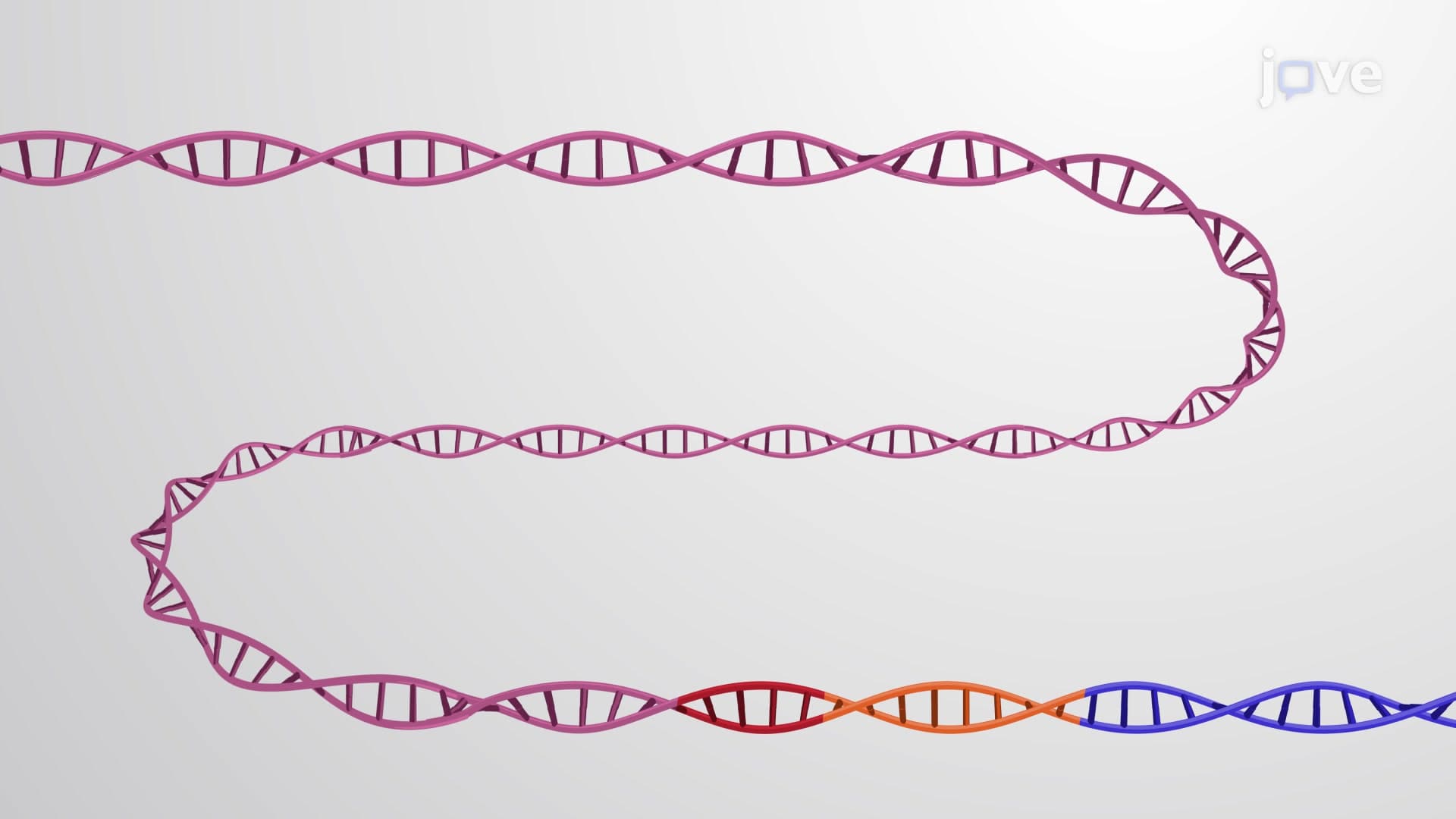
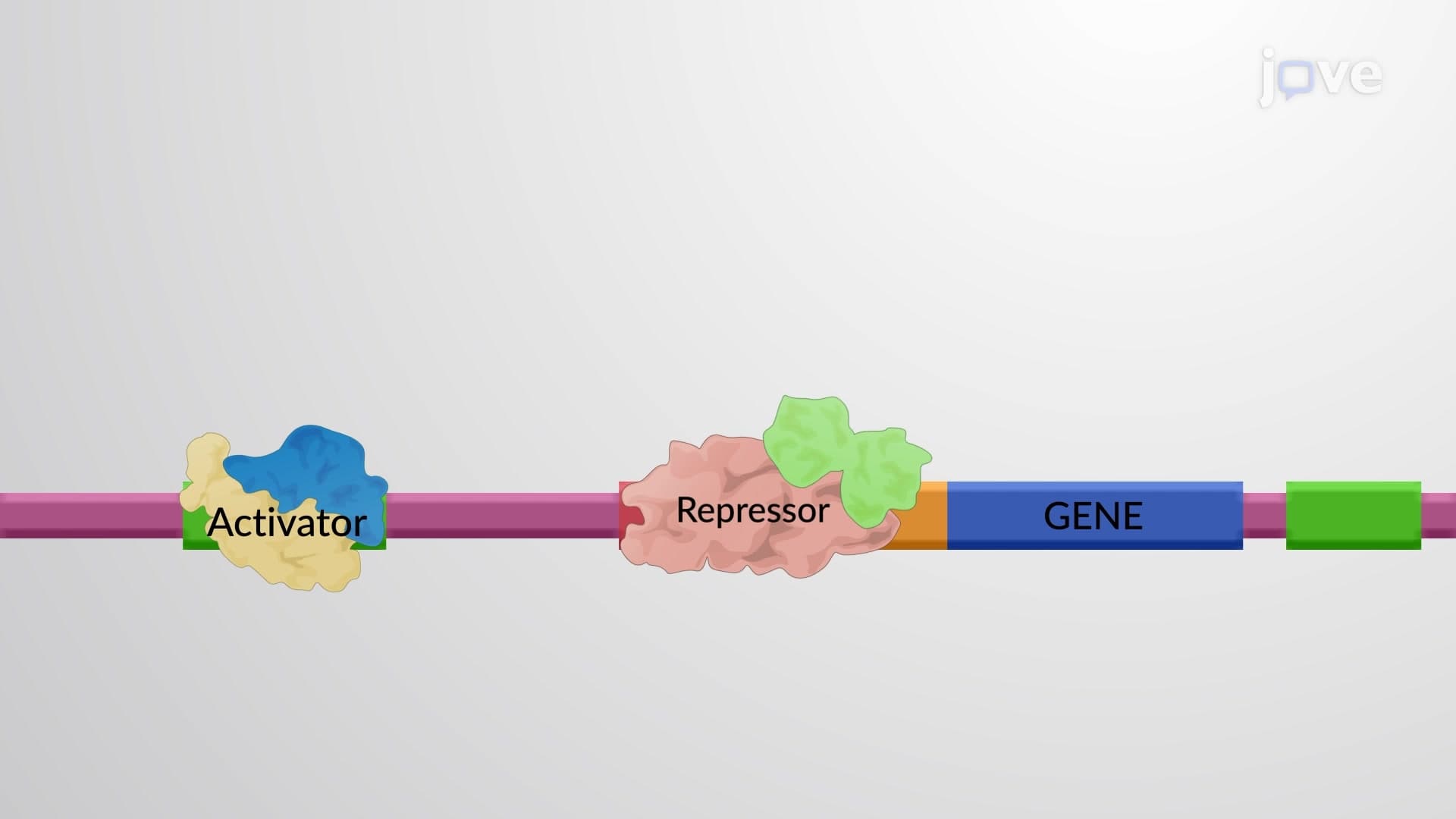
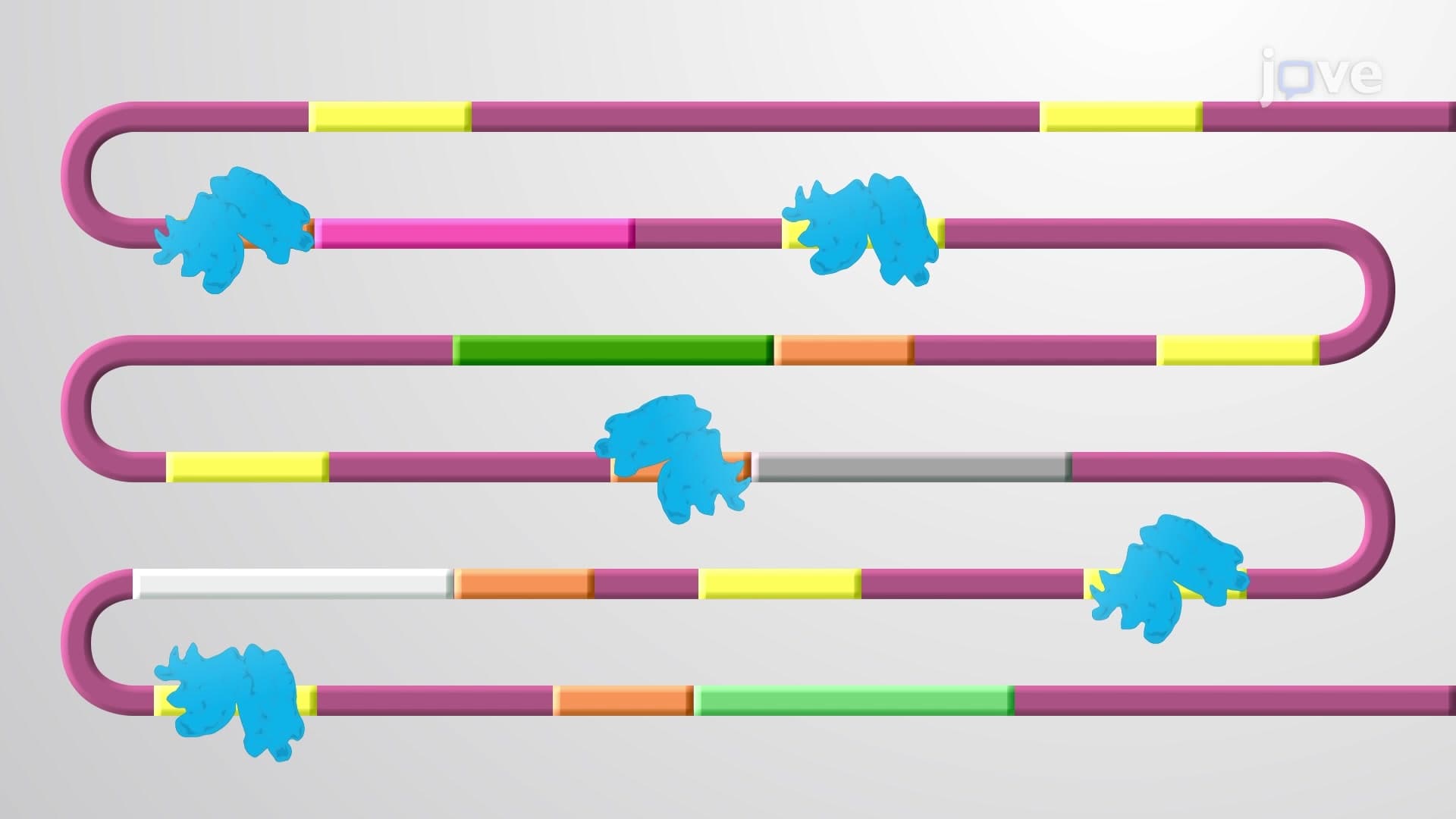

Cis-regulatory Sequences

00:00
02:02
Video Summary: What are Cis Regulatory Sequences
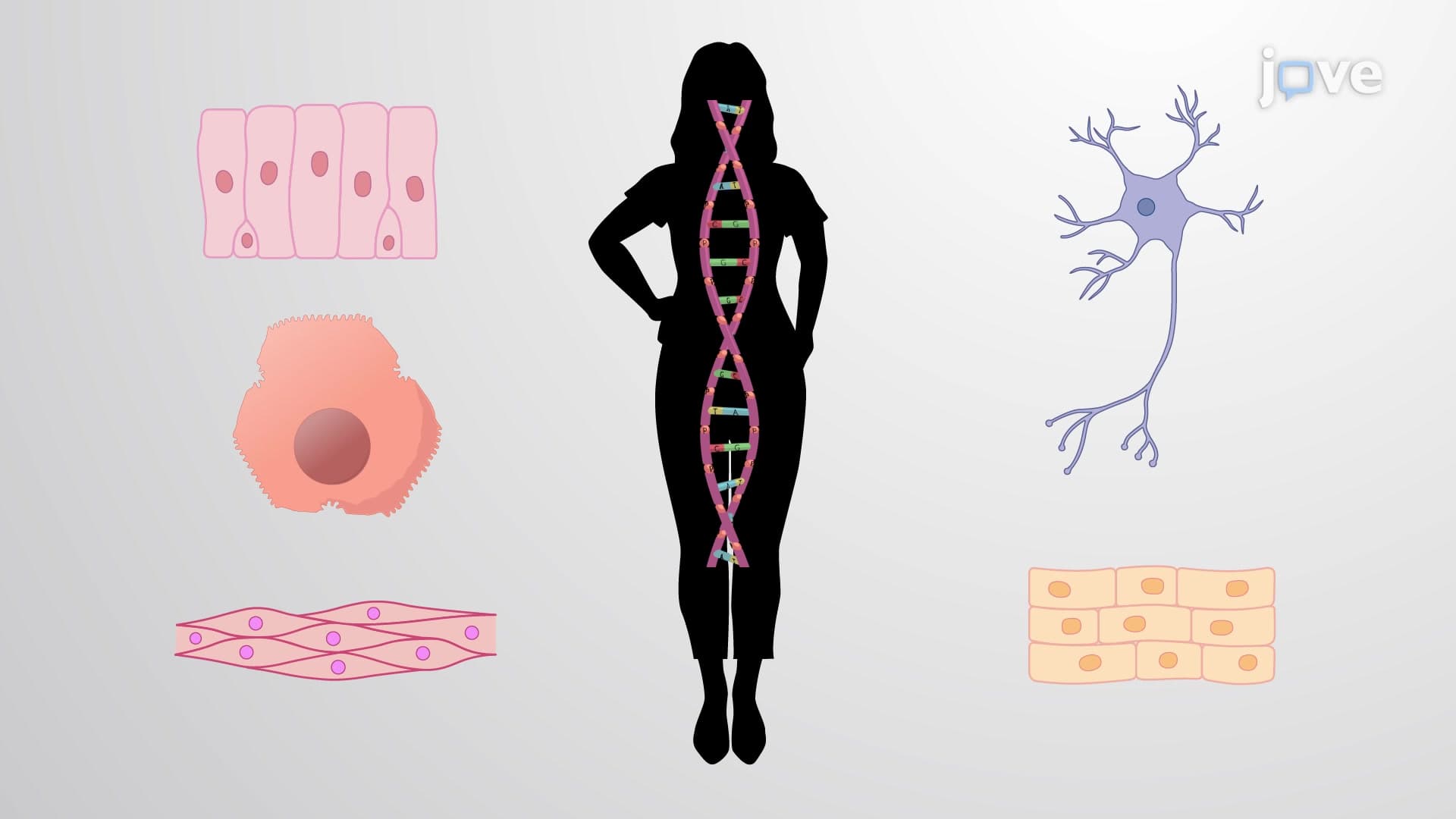
Ever wonder how your cells know when to make insulin versus adrenaline? Cis regulatory sequences are the molecular "switches" that control which genes turn on or off in different cell types and conditions. These DNA sequences, including promoters and enhancers, act like a sophisticated control panel-similar to how the FDA regulates which drugs can be produced when and where. Understanding what are cis regulatory sequences is essential for grasping how genetic diseases like sickle cell anemia can result from mutations in regulatory regions, not just the genes themselves. Watch the full video on JoVE Coach to master this concept with expert-led visuals and step-by-step explanations.
- Understand what are cis regulatory sequences and their fundamental role in controlling gene expression patterns across different cell types and developmental stages
- Identify the four main types of cis regulatory elements: promoters, enhancers, silencers, and insulators, and explain their distinct mechanisms of action
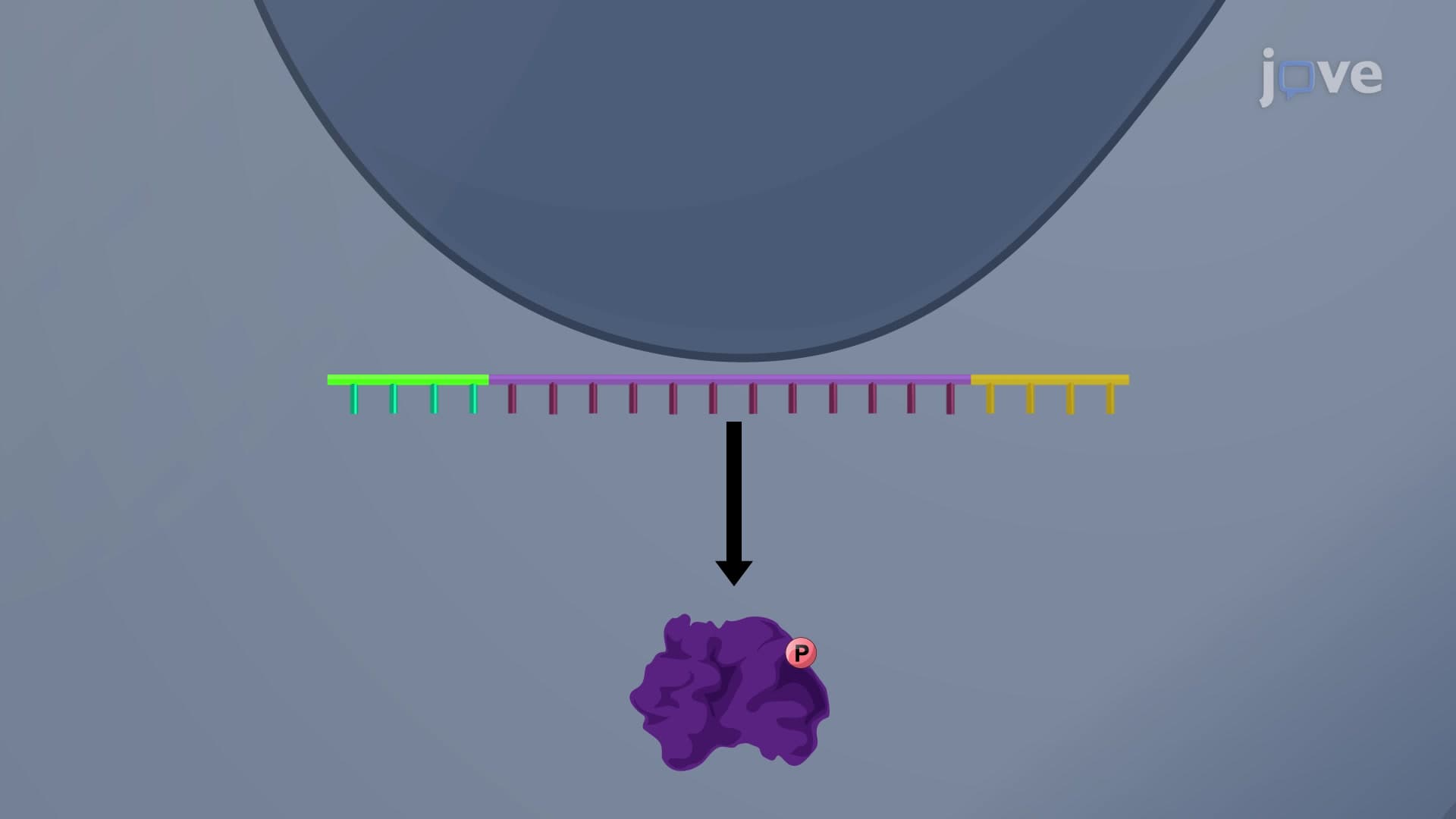
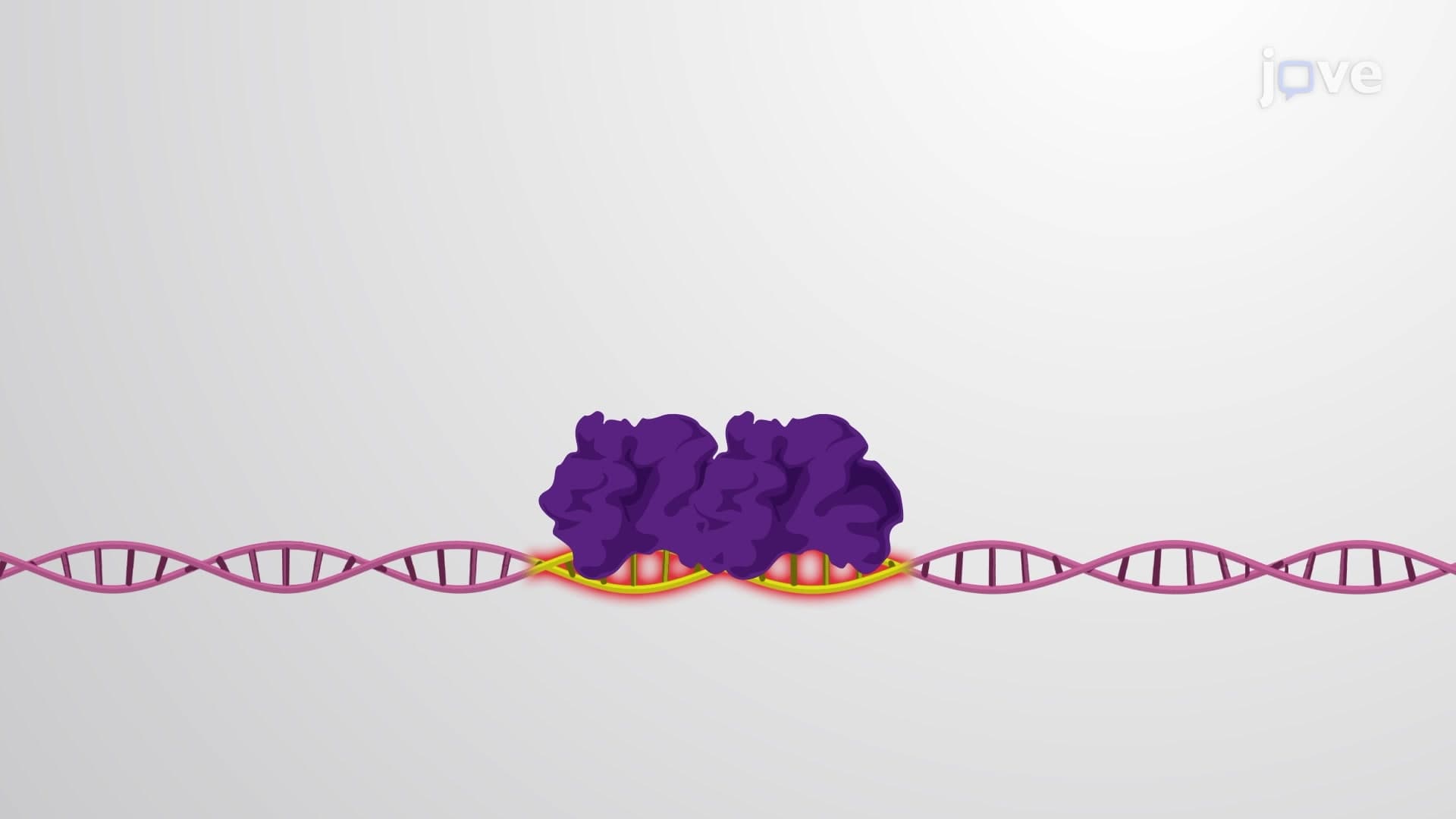
- Analyze how transcription factors bind to specific DNA sequences within cis regulatory regions to either activate or repress gene transcription
- Compare the functions of proximal promoter elements versus distal enhancer sequences in coordinating complex gene expression programs
- Evaluate real-world examples of genetic diseases caused by mutations in regulatory sequences rather than protein-coding regions
- Apply knowledge of cis regulatory sequences to understand gene therapy approaches and synthetic biology applications
- Recognize the combinatorial nature of regulatory elements and how they create cell-type-specific expression patterns
- Explore the historical significance of cis regulatory sequence discovery in advancing molecular genetics beyond simple gene identification
Understanding Cis Regulatory Sequences: The Molecular Control Centers
Cis regulatory sequences represent one of molecular biology's most elegant control systems. These DNA sequences, located on the same chromosome as the genes they regulate, function as molecular "dimmer switches" that fine-tune gene expression. Unlike the simple on/off model many students initially learn, cis regulatory sequences create a sophisticated network of controls that determines not just whether a gene is expressed, but when, where, and how much.
The Four Essential Types of Cis Regulatory Elements
The cis regulatory landscape consists of four main players, each with distinct roles. Promoters serve as the primary landing pad for RNA polymerase II, containing the TATA box and other core elements that position the transcription machinery correctly. These sequences typically lie within 200 base pairs of the transcription start site and are essential for basal gene expression.
Enhancers act as long-distance regulators, sometimes located hundreds of thousands of base pairs away from their target genes. Through DNA looping, enhancers can dramatically boost transcription levels-imagine them as cellular amplifiers. The classic example is the β-globin locus control region, which enhances hemoglobin production in red blood cell precursors.
Silencers function as the opposite of enhancers, binding repressor proteins that decrease or shut down gene expression. Insulators serve as molecular boundaries, preventing enhancers from inappropriately activating nearby genes-like installing soundproofing between apartments.
Real-World Applications and Clinical Significance
Understanding cis regulatory sequences has revolutionized medicine and biotechnology. Many genetic diseases previously thought to result from protein defects actually stem from regulatory mutations. Thalassemia, common in Mediterranean populations, often results from mutations in β-globin regulatory sequences rather than the globin gene itself.
In gene therapy, researchers engineer synthetic cis regulatory sequences to control therapeutic gene expression. Companies like Bluebird Bio have developed treatments using modified regulatory elements to ensure therapeutic genes activate only in appropriate cell types.
Exam Success and Academic Applications
For AP Biology students, cis regulatory sequences frequently appear in free-response questions about gene regulation mechanisms. MCAT test-takers encounter these concepts in biological sciences sections, particularly when analyzing experimental data about transcription control. College genetics courses often require students to predict expression patterns based on regulatory element combinations-a skill directly applicable to research and clinical genetics careers.
Understanding these sequences also provides the foundation for advanced topics like epigenetics and developmental biology, making this knowledge essential for pre-med and biology majors planning graduate studies.
Frequently Asked Questions
Cis regulatory sequences are DNA segments that control when and how much a nearby gene gets transcribed into RNA. Think of them as volume controls and on/off switches for genes. They include promoters (where transcription starts), enhancers (that boost expression), silencers (that reduce expression), and insulators (that prevent unwanted interactions). These elements work together to create precise patterns of gene expression in different cell types.
MCAT questions often present experimental scenarios where you analyze how mutations in regulatory regions affect gene expression patterns. AP Biology frequently tests your ability to predict expression outcomes when enhancers or promoters are modified. You'll see diagrams showing DNA looping between enhancers and promoters, requiring you to explain how distant sequences influence transcription. Practice interpreting gel electrophoresis results showing different expression levels under various regulatory conditions.
Medical genetics increasingly focuses on regulatory mutations that cause disease without affecting protein structure. Many cancer treatments now target transcription factors that bind cis regulatory sequences. Understanding these concepts is crucial for interpreting genetic test results and explaining inheritance patterns that don't follow simple Mendelian rules. Modern personalized medicine relies heavily on analyzing regulatory sequence variations between patients.
Beta-thalassemia provides an excellent example studied at Johns Hopkins and other US medical centers. Patients often have normal β-globin genes but mutations in the regulatory sequences that control hemoglobin production. The locus control region, located far from the actual globin genes, contains enhancers essential for high-level expression in red blood cells. Mutations here reduce hemoglobin synthesis, causing severe anemia despite having intact protein-coding sequences.
Not at all-this concept builds naturally on basic transcription knowledge from introductory biology. Start with the simple promoter concept, then add enhancers as "helper sequences." Many successful AP Biology students master these ideas by focusing on the functional roles rather than memorizing complex molecular details. The key is understanding the cause-and-effect relationships: specific sequences bind specific proteins, which then increase or decrease transcription rates.
Create concept maps linking each regulatory element type to its function and location relative to genes. Practice drawing DNA diagrams showing how enhancers loop to contact promoters-this spatial understanding helps with both multiple-choice and essay questions. Use active recall by covering regulatory element names and trying to predict their functions. Focus on distinguishing between cis (same chromosome) and trans (different chromosome) regulatory factors, as this distinction frequently appears on standardized tests.
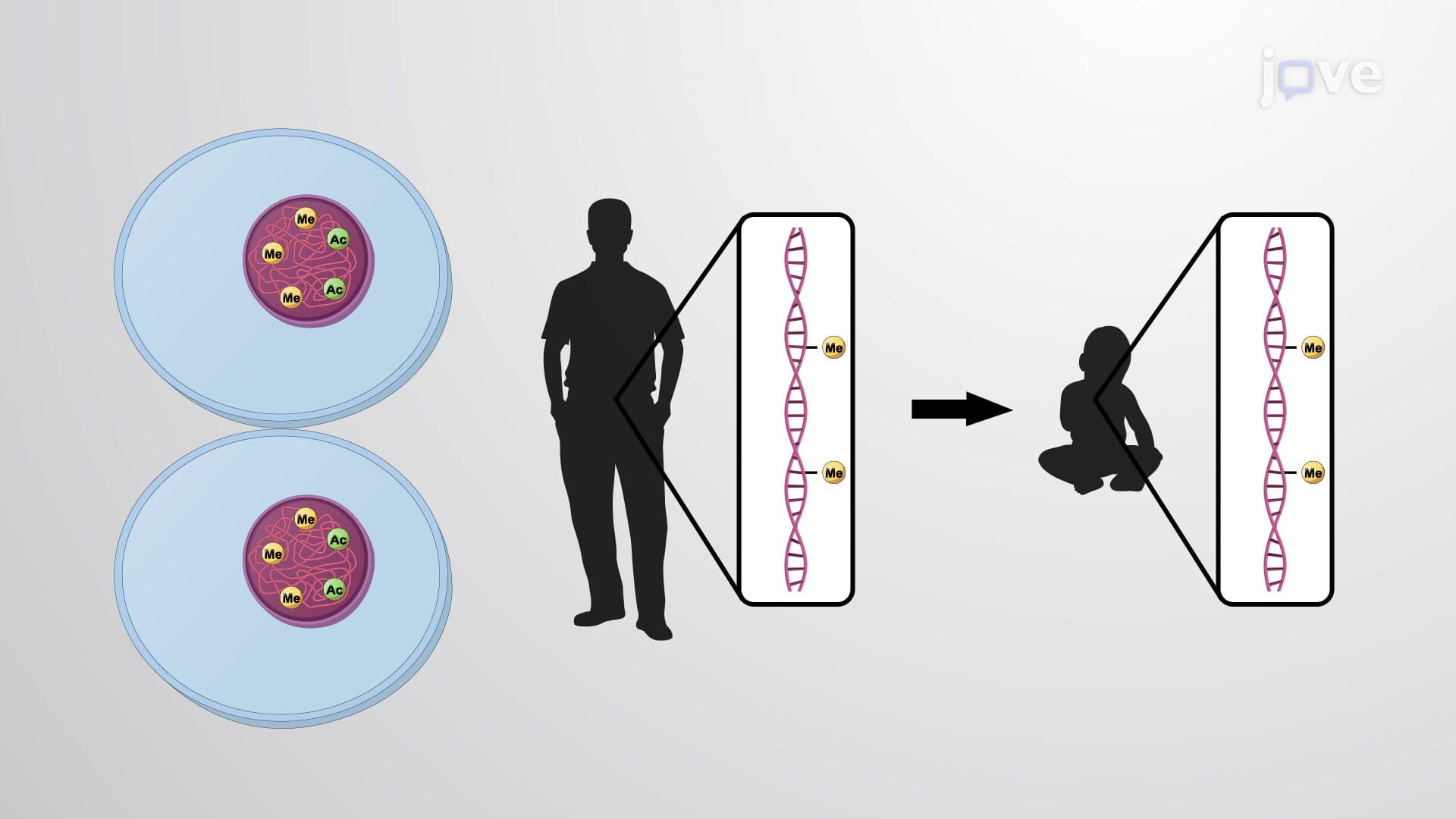
Advance to epigenetic modifications like DNA methylation and histone acetylation, which add another layer of gene regulation. Study developmental biology to see how regulatory sequences create different cell types from identical DNA. Explore cancer biology to understand how mutations in regulatory regions contribute to oncogene activation. These topics build directly on cis regulatory sequence principles while preparing you for advanced genetics and molecular biology courses.
Related Micro-courses

16 Concepts

14 Concepts