Loading subject page…

- Cell Biology
- Control of Gene Expression
- Master Transcription Regulators
Micro-course: Control of Gene Expression
52,415 views
Learn key concepts and earn your certificate.

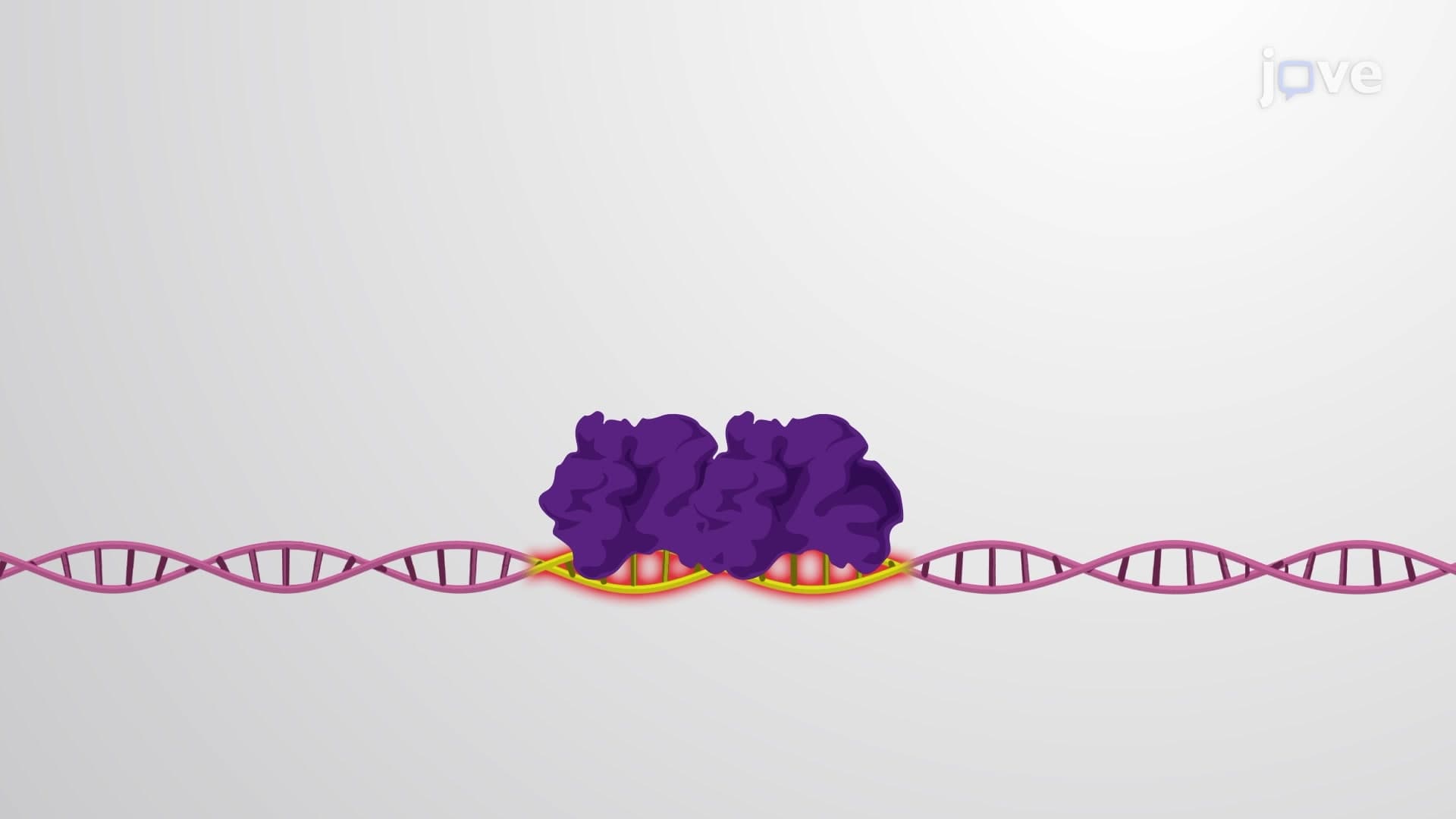
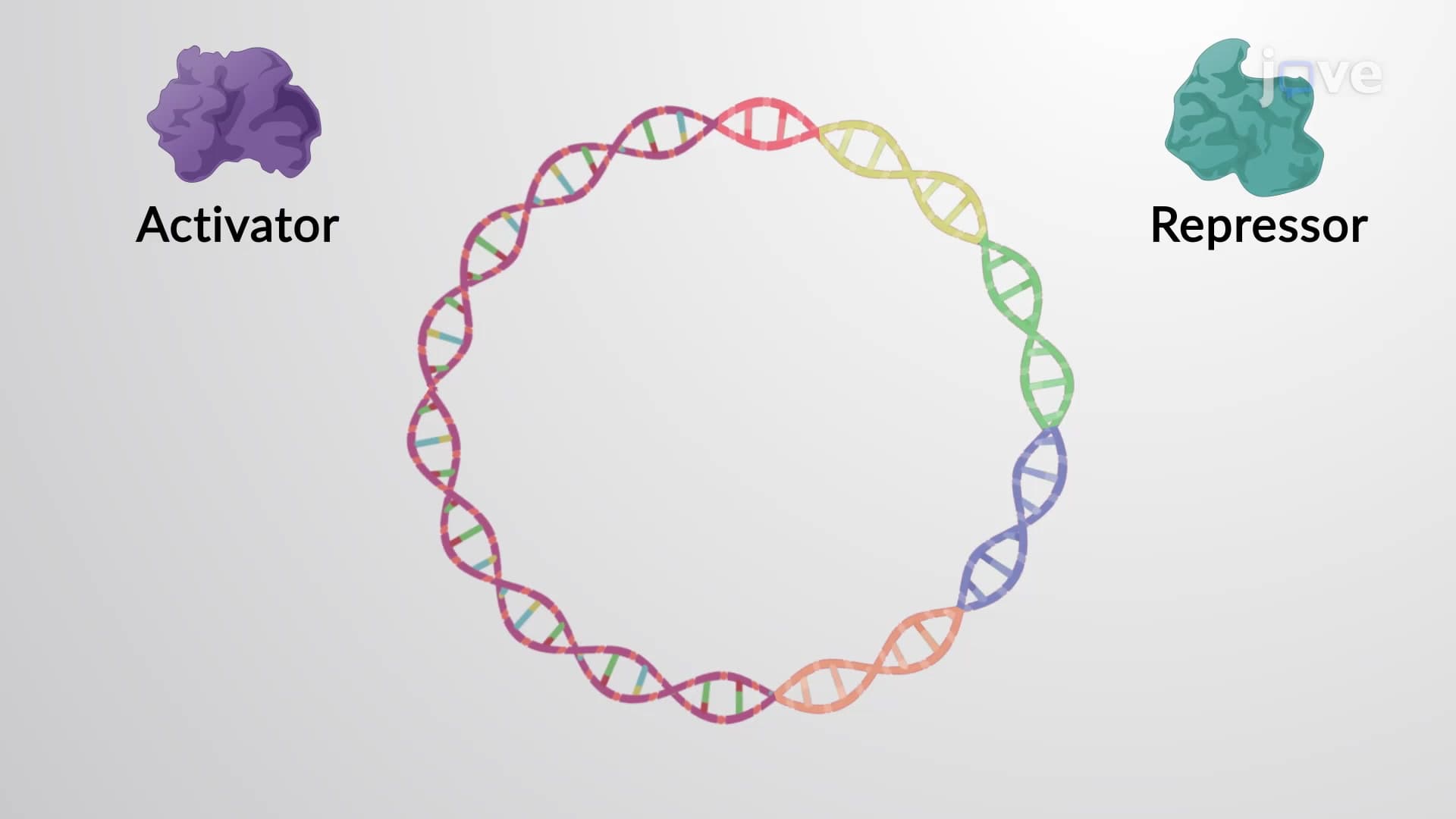
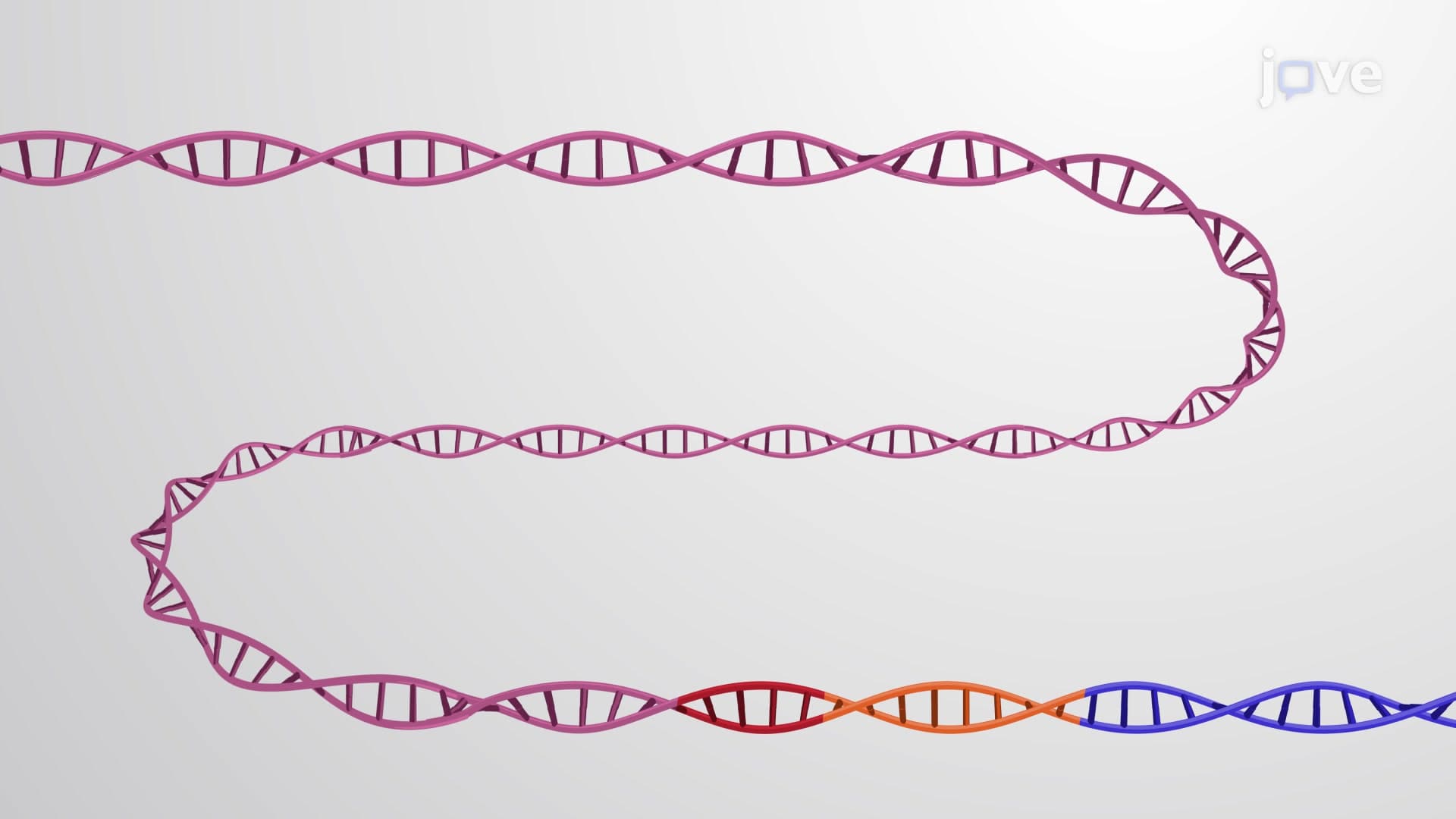
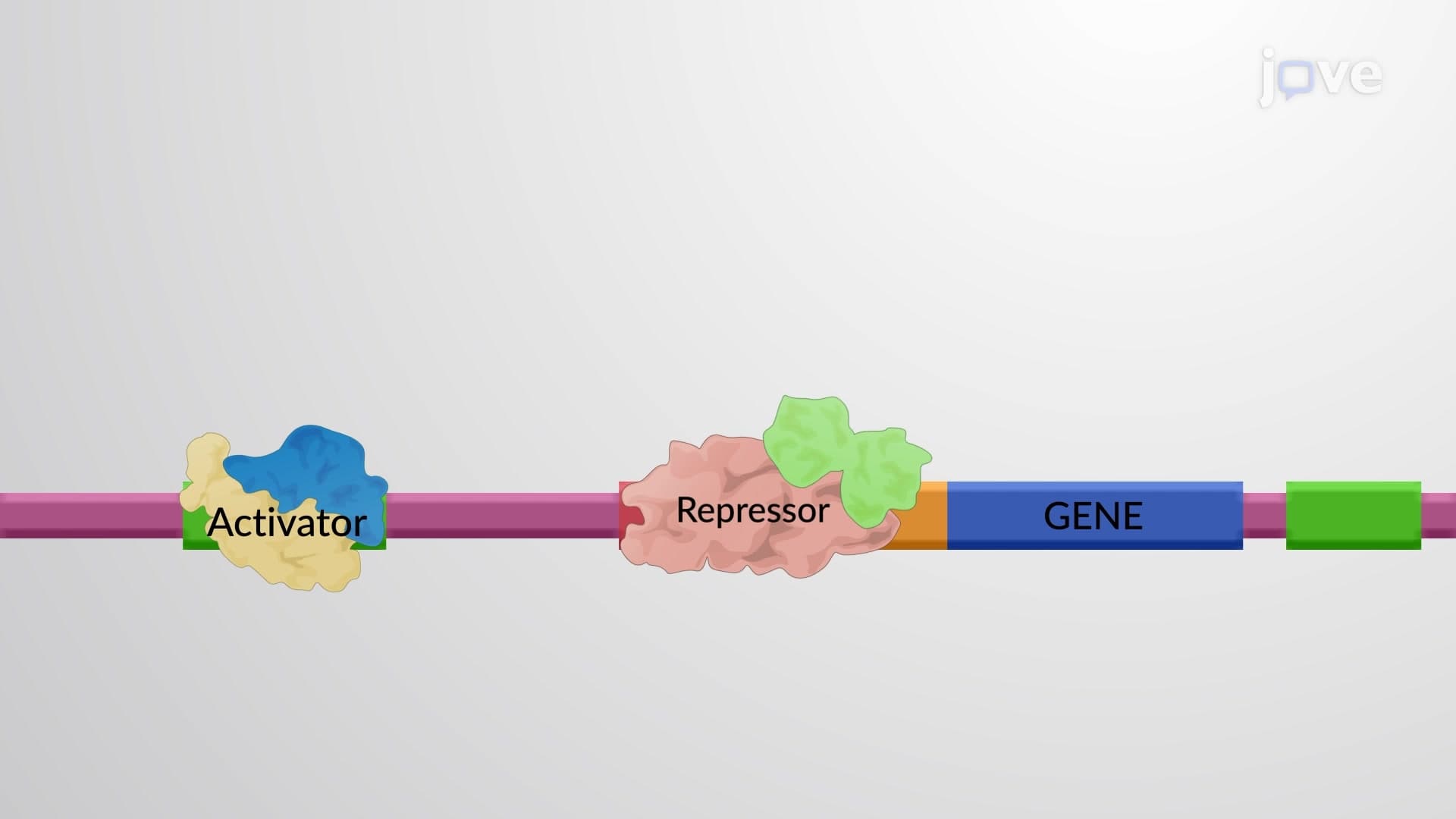
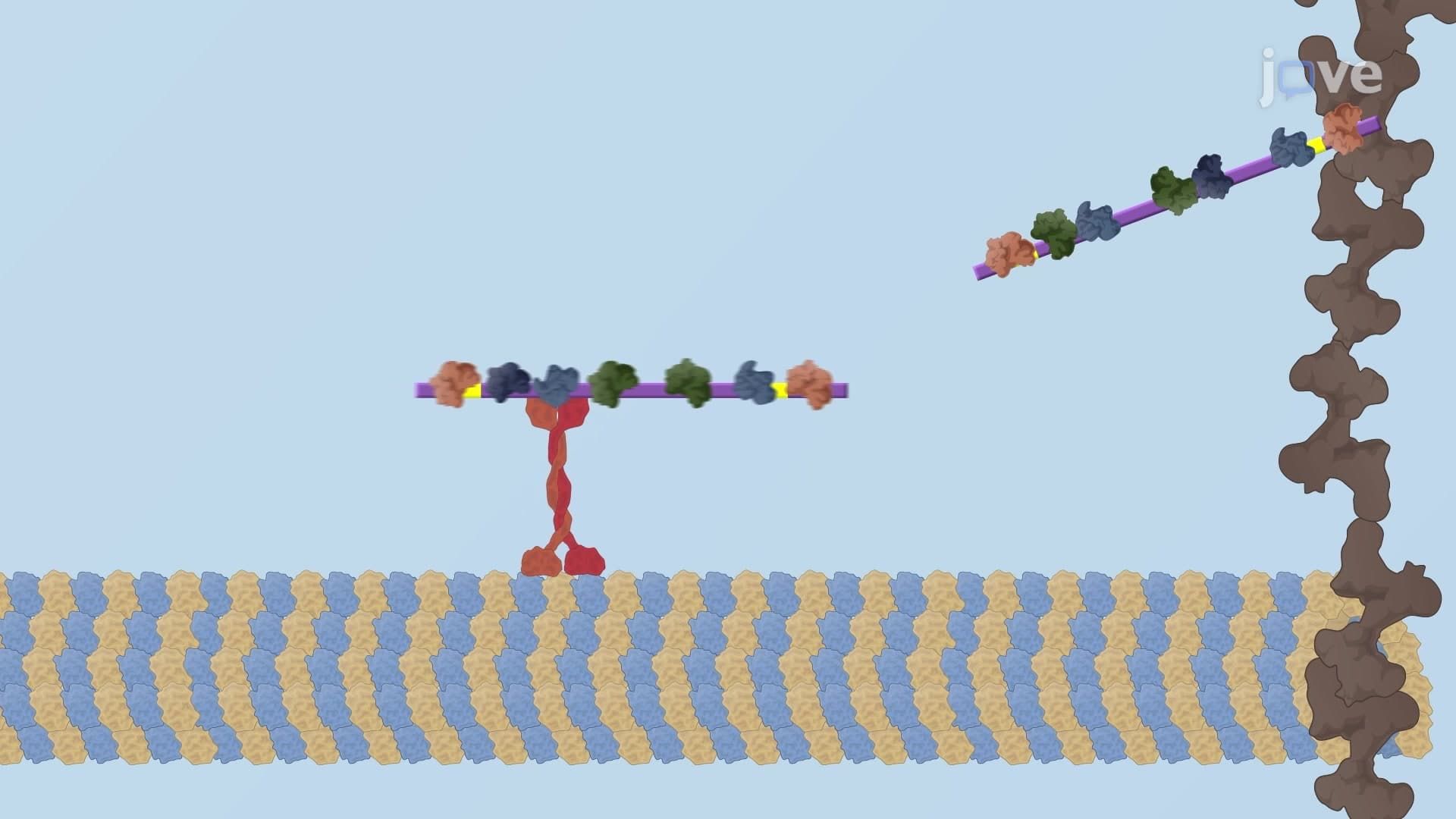
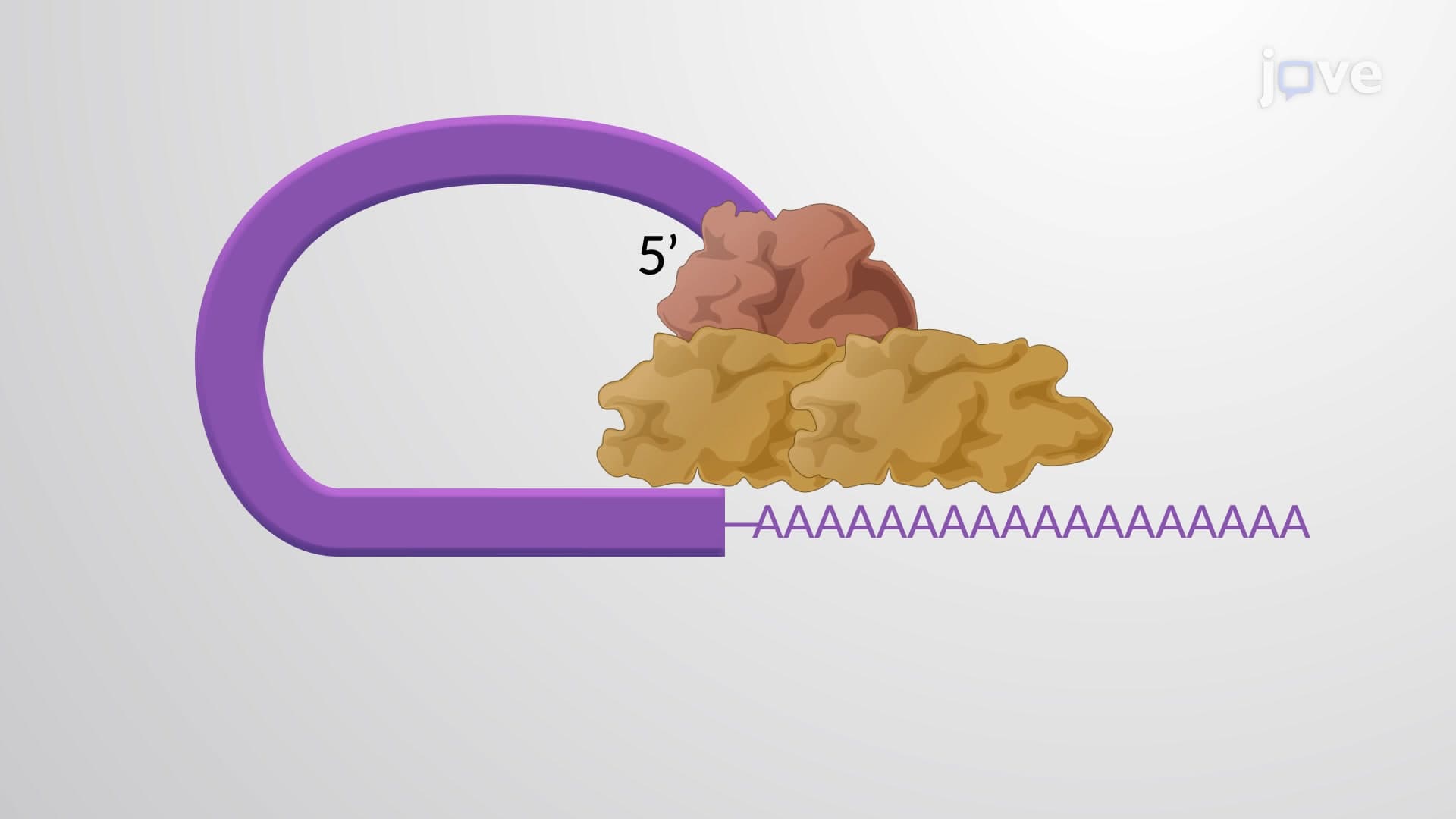

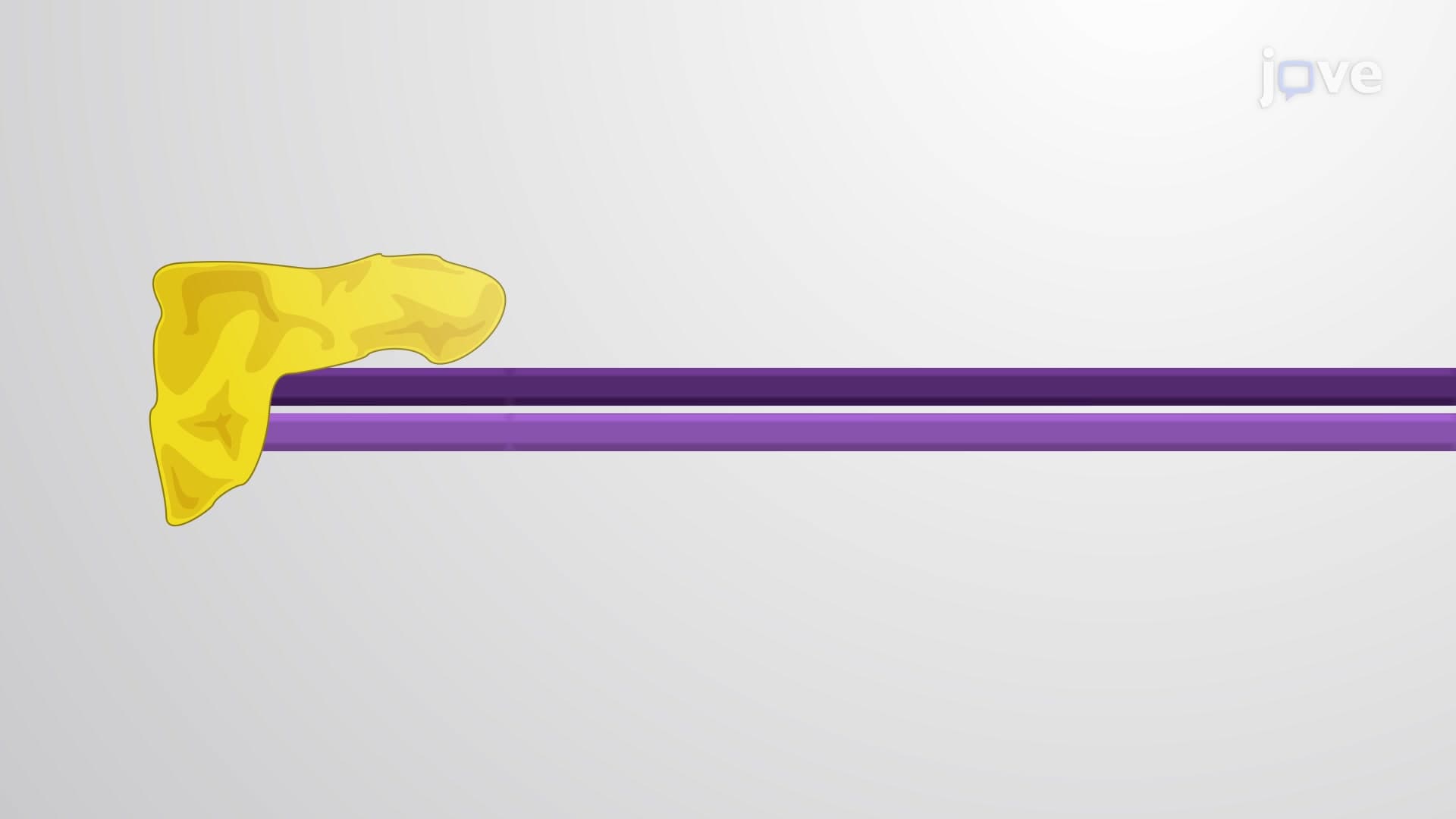
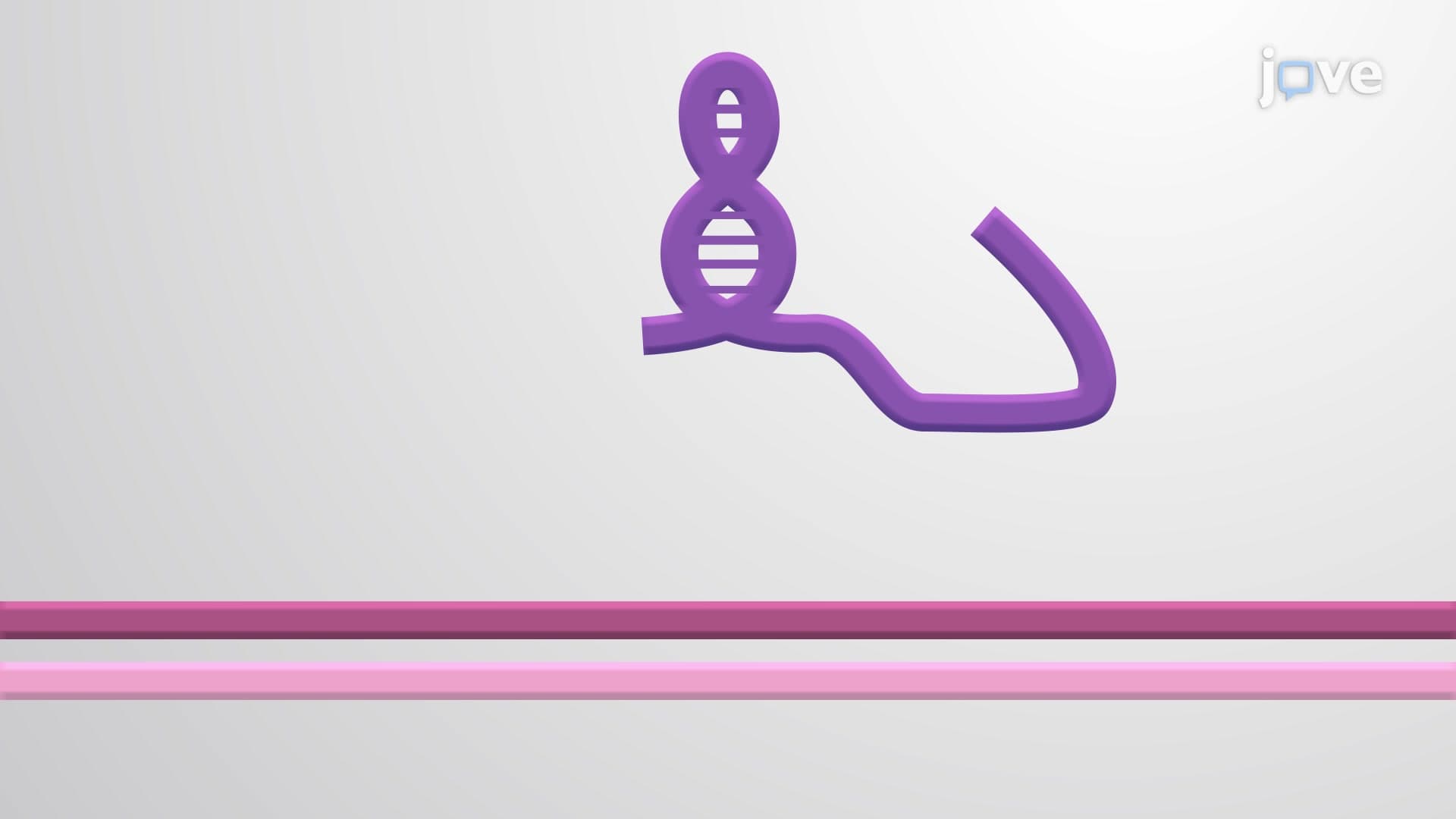
Master Transcription Regulators

00:00
02:23
Video Summary: What are Master Transcription Regulators
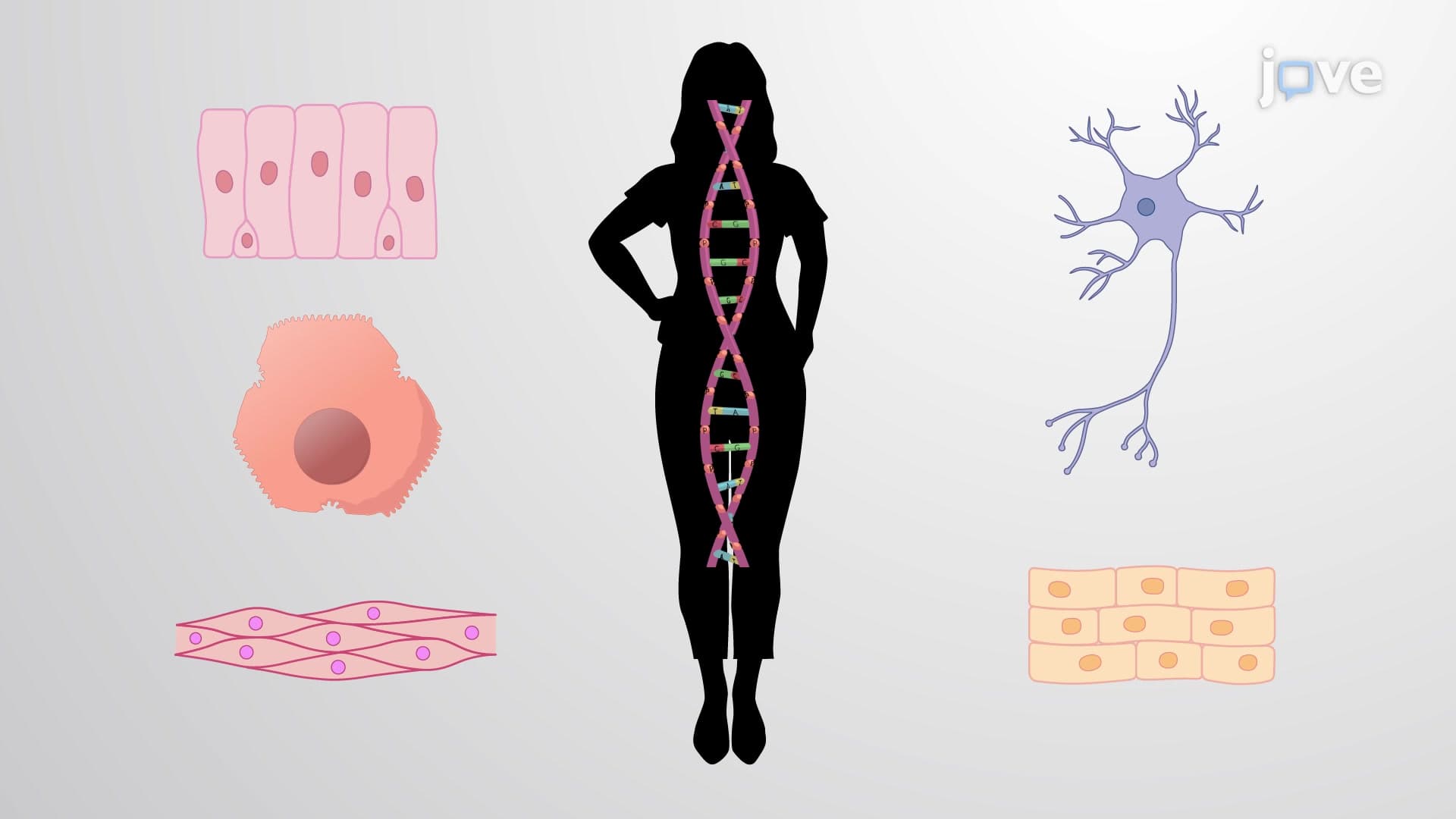
Did you know that a handful of proteins control whether a cell becomes a beating heart muscle or a thinking neuron? Master transcription regulators are the molecular switches that determine cell fate by controlling thousands of genes simultaneously. These powerful proteins, like MyoD which transforms any cell into muscle, act as the conductors of cellular orchestras. Understanding how master transcription regulators work has revolutionized stem cell research at institutions like Stanford and Harvard, leading to breakthrough treatments for diseases like Parkinson's. Watch the full video on JoVE Coach to master this concept with expert-led visuals and step-by-step explanations.
- Understand what are master transcription regulators and how they control cell identity by orchestrating complex gene expression networks
- Identify key examples including MyoD for muscle development, Oct4/Sox2 for stem cell maintenance, and p53 for cell cycle control
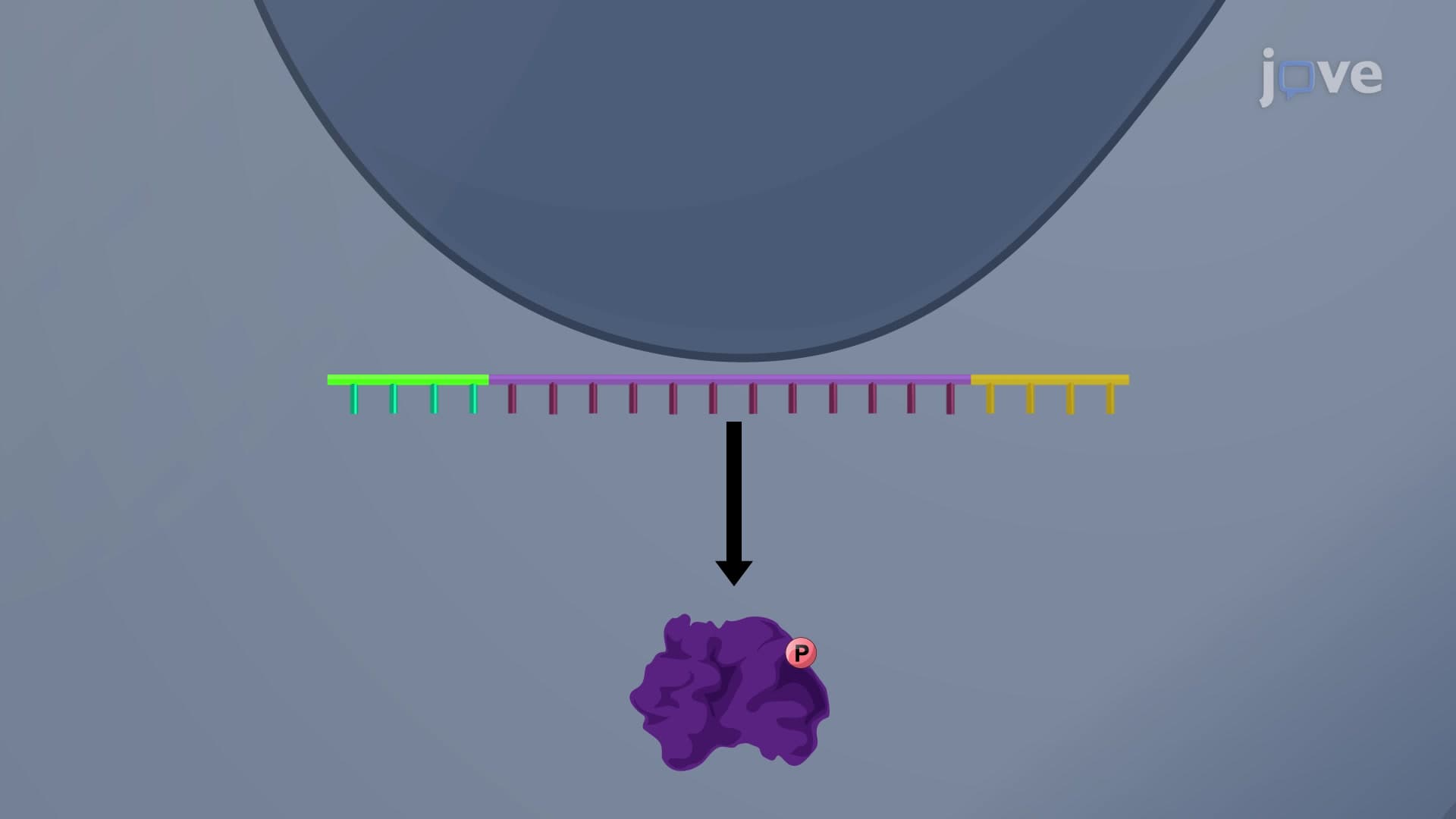
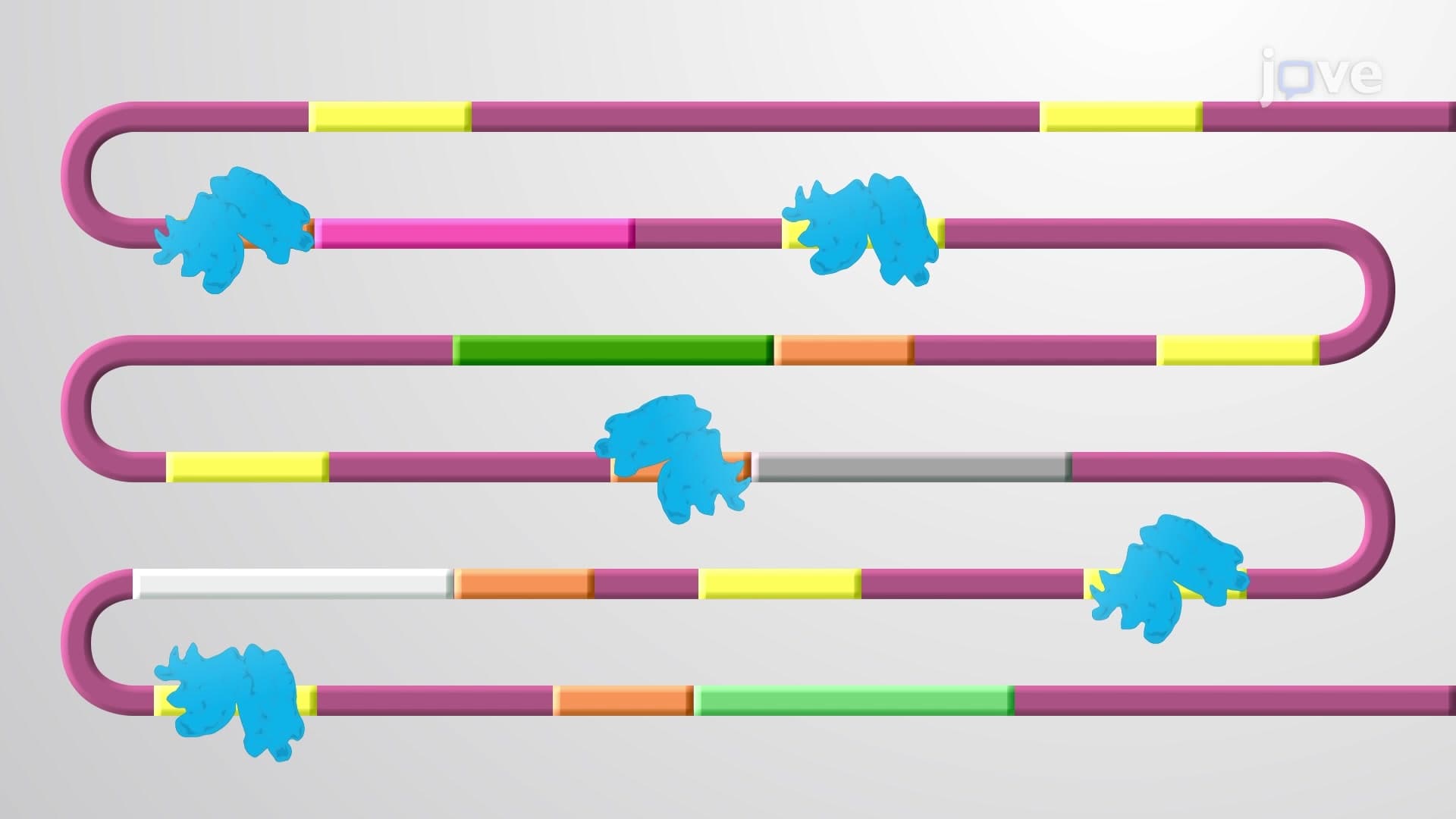
- Analyze how these regulatory proteins bind to specific DNA sequences and recruit cofactors to activate or silence target genes
- Compare the roles of different master regulators in various developmental pathways and cellular processes
- Evaluate the significance of transcription factor hierarchies in maintaining cellular homeostasis and driving differentiation
- Apply knowledge of master regulators to understand induced pluripotent stem cell (iPSC) technology and cellular reprogramming
- Recognize the clinical importance of these regulators in cancer research, regenerative medicine, and therapeutic development
- Explore connections between master transcription regulators and epigenetic modifications in gene regulation
Understanding Master Transcription Regulators: The Cell's Master Switches
Master transcription regulators represent the elite tier of gene control mechanisms in cellular biology. Unlike ordinary transcription factors that might control a few dozen genes, these molecular powerhouses command entire gene expression programs involving hundreds to thousands of target genes. They function as the ultimate decision-makers in cellular fate determination, sitting at the apex of regulatory hierarchies that define what a cell becomes and how it behaves.
Molecular Mechanisms and DNA Binding Specificity
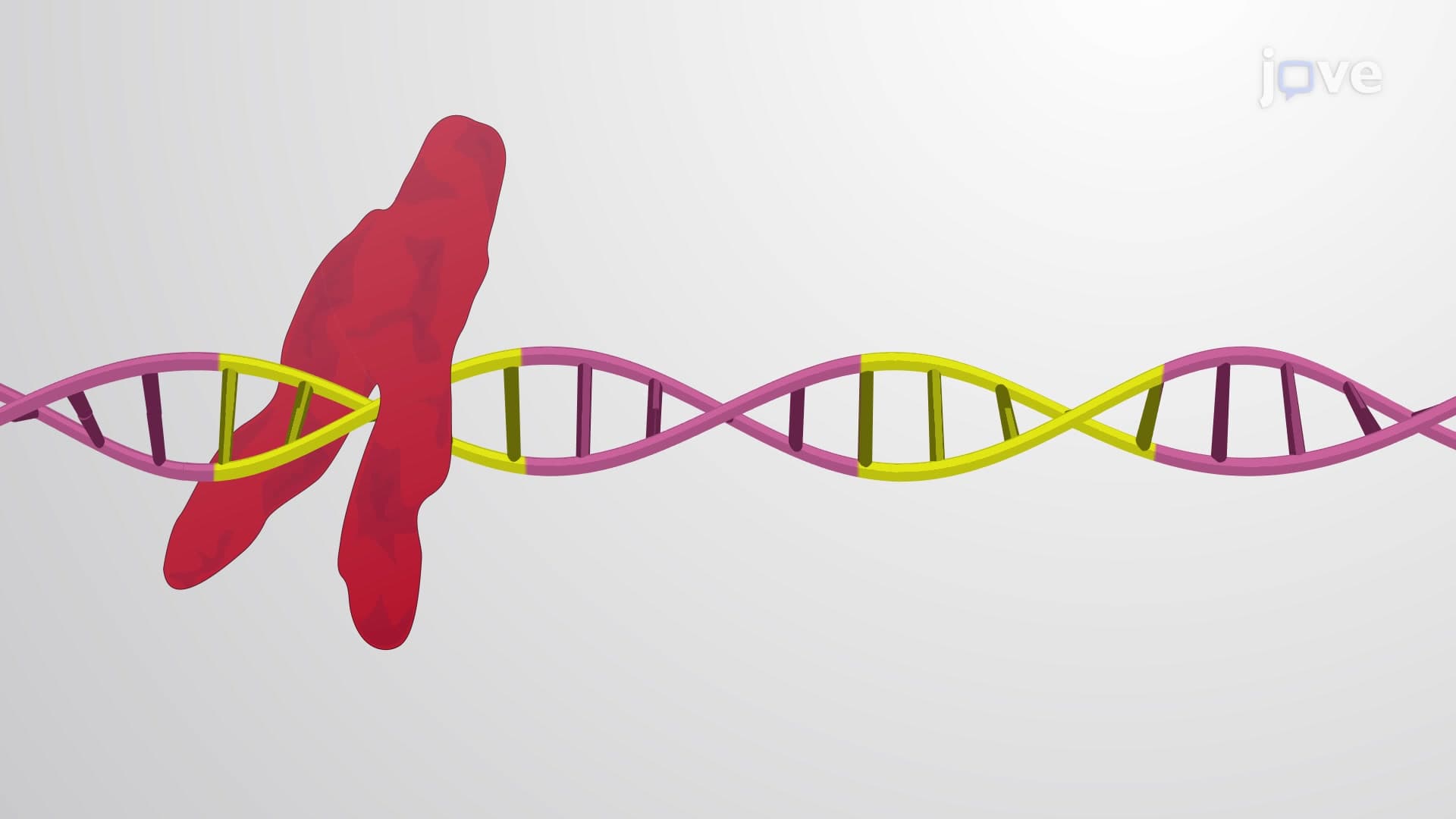
The power of master transcription regulators lies in their sophisticated molecular architecture. These proteins contain specific DNA-binding domains that recognize and attach to particular nucleotide sequences called enhancers or promoters. For example, MyoD recognizes E-box sequences (CANNTG) in muscle-specific genes, while Oct4 binds to octamer sequences in pluripotency genes. Once bound, these regulators recruit additional cofactors, chromatin remodeling complexes, and RNA polymerase machinery to either activate or suppress gene transcription.
The specificity of binding is crucial for proper cellular function. P53, often called the "guardian of the genome," binds to specific response elements when DNA damage occurs, triggering either DNA repair mechanisms or programmed cell death. This precision prevents aberrant gene expression that could lead to cancer or developmental abnormalities.
Clinical Applications in American Healthcare and Research
Master transcription regulators have transformed modern medicine and biotechnology. At the University of California San Francisco, researchers use iPSC technology-which relies on introducing Oct4, Sox2, Klf4, and c-Myc-to create patient-specific cell models for drug testing. The Mayo Clinic utilizes understanding of p53 dysfunction in developing targeted cancer therapies, since p53 mutations occur in over 50% of human cancers.
In regenerative medicine, companies like Fate Therapeutics and BlueRock Therapeutics leverage master regulator knowledge to produce therapeutic cell types. By manipulating these key factors, scientists can direct stem cells to become specific cell types needed for treating diseases like diabetes (pancreatic beta cells) or Parkinson's disease (dopaminergic neurons).
Exam Relevance and Study Applications
For students preparing for the MCAT, AP Biology, or college-level cell biology courses, master transcription regulators frequently appear in questions about development, cancer biology, and biotechnology applications. The College Board's AP Biology curriculum specifically emphasizes gene regulation mechanisms, making this concept essential for exam success. Understanding the hierarchical nature of gene control and the ability to predict cellular outcomes based on transcription factor expression patterns are key skills tested on standardized exams.
Frequently Asked Questions
Master transcription regulators are specialized proteins that control the expression of hundreds to thousands of genes simultaneously, determining cell fate and identity. Unlike regular transcription factors that might control 10-50 genes, master regulators orchestrate entire genetic programs. They sit at the top of regulatory hierarchies and can single-handedly reprogram cell identity, like how MyoD can convert any cell type into muscle.
Focus on MyoD for muscle differentiation, Oct4/Sox2/Nanog for pluripotency, and p53 for cell cycle control and cancer. These three systems represent the most commonly tested examples on standardized exams. Understanding how each binds to DNA, recruits cofactors, and controls downstream gene networks will prepare you for both multiple choice and free response questions about gene regulation and development.
The 2012 Nobel Prize in Medicine was awarded for discovering that four master transcription regulators (Oct4, Sox2, Klf4, c-Myc) can reprogram adult cells back into embryonic-like stem cells. This breakthrough by Shinya Yamanaka revolutionized regenerative medicine by providing a way to create patient-specific stem cells without using embryos. These iPSCs are now used in disease modeling and drug discovery at major US research institutions.
Many cancers result from mutations in master transcription regulators, particularly p53 which is mutated in over 50% of human cancers. When p53 loses function, cells can't properly respond to DNA damage, leading to uncontrolled growth. Conversely, oncogenes like c-Myc, when overexpressed, can drive excessive cell proliferation. Modern cancer treatments increasingly target these regulatory networks rather than just killing rapidly dividing cells.
No advanced chemistry background is required beyond basic high school level understanding of protein structure and DNA. The key concepts focus on protein-DNA interactions, which operate on simple lock-and-key principles. If you understand that proteins have specific shapes that fit particular DNA sequences, you have the foundation needed. Most exam questions test biological concepts rather than detailed chemical mechanisms.
Create association maps linking each regulator to its function and key examples. For instance: MyoD = Muscle Development, Oct4 = Octopus-like stem cells (pluripotent), p53 = Police officer (guards against cancer). Use flashcards with the regulator name on one side and its target genes, binding sequence, and biological function on the other. Practice explaining how each fits into developmental or disease contexts.
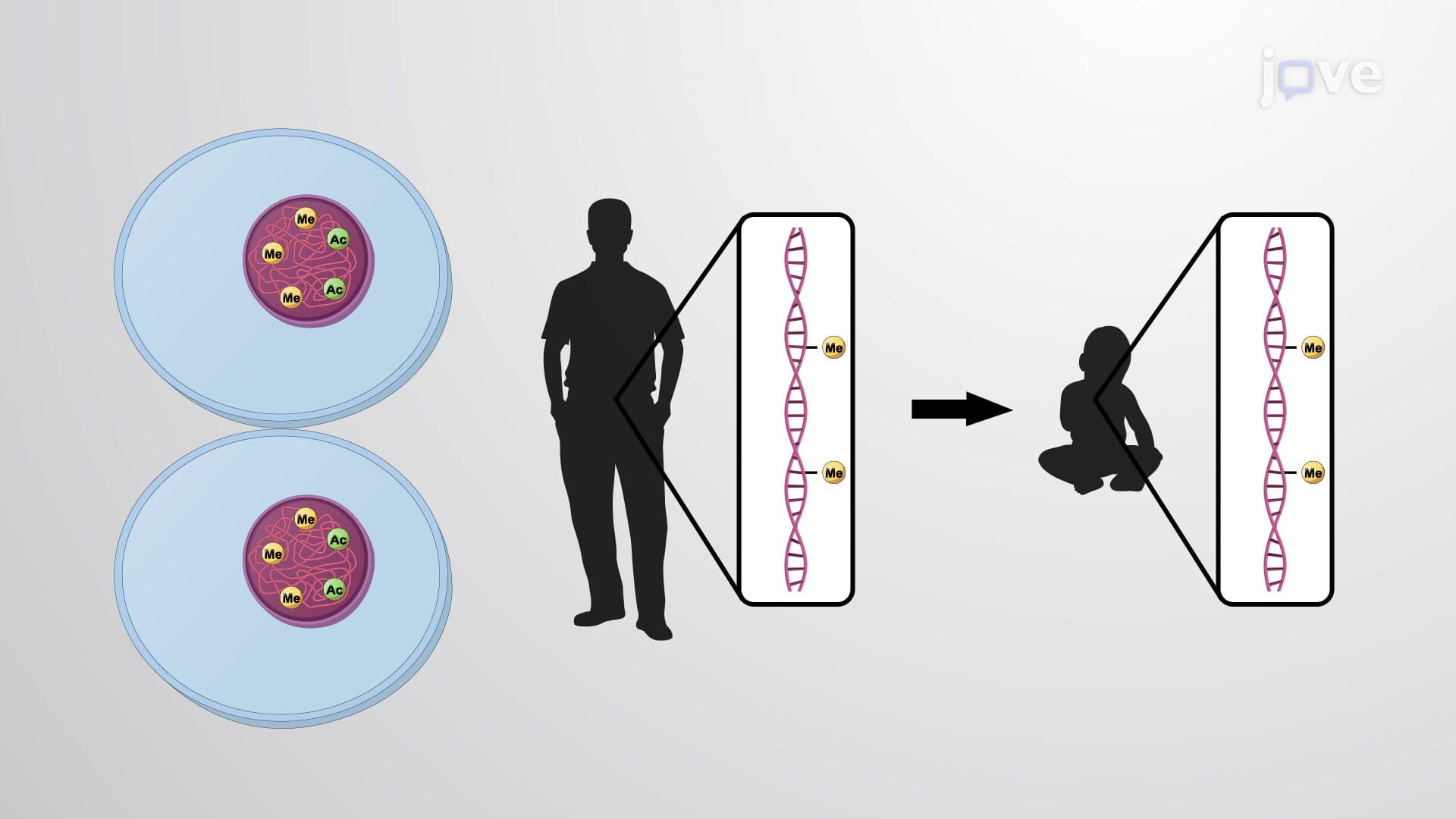
Master transcription regulators often recruit chromatin-modifying enzymes that add or remove chemical tags on histones, making genes more or less accessible for transcription. This creates stable, heritable changes in gene expression without altering DNA sequence. Understanding this connection helps explain how cell identities remain stable over time and how environmental factors can influence gene expression through these regulatory networks.
Explore gene regulatory networks and systems biology approaches to understand how multiple master regulators interact. Signal transduction pathways that control transcription factor activity provide another layer of complexity. For pre-med students, focus on how these concepts apply to stem cell therapy, cancer biology, and personalized medicine-areas that are rapidly expanding in clinical practice.
Related Micro-courses

16 Concepts

14 Concepts