Loading subject page…

- Cell Biology
- Control of Gene Expression
- Epigenetic Regulation
Micro-course: Control of Gene Expression
52,415 views
Learn key concepts and earn your certificate.




Epigenetic Regulation

00:00
01:37
Video Summary: What Is Epigenetic Regulation
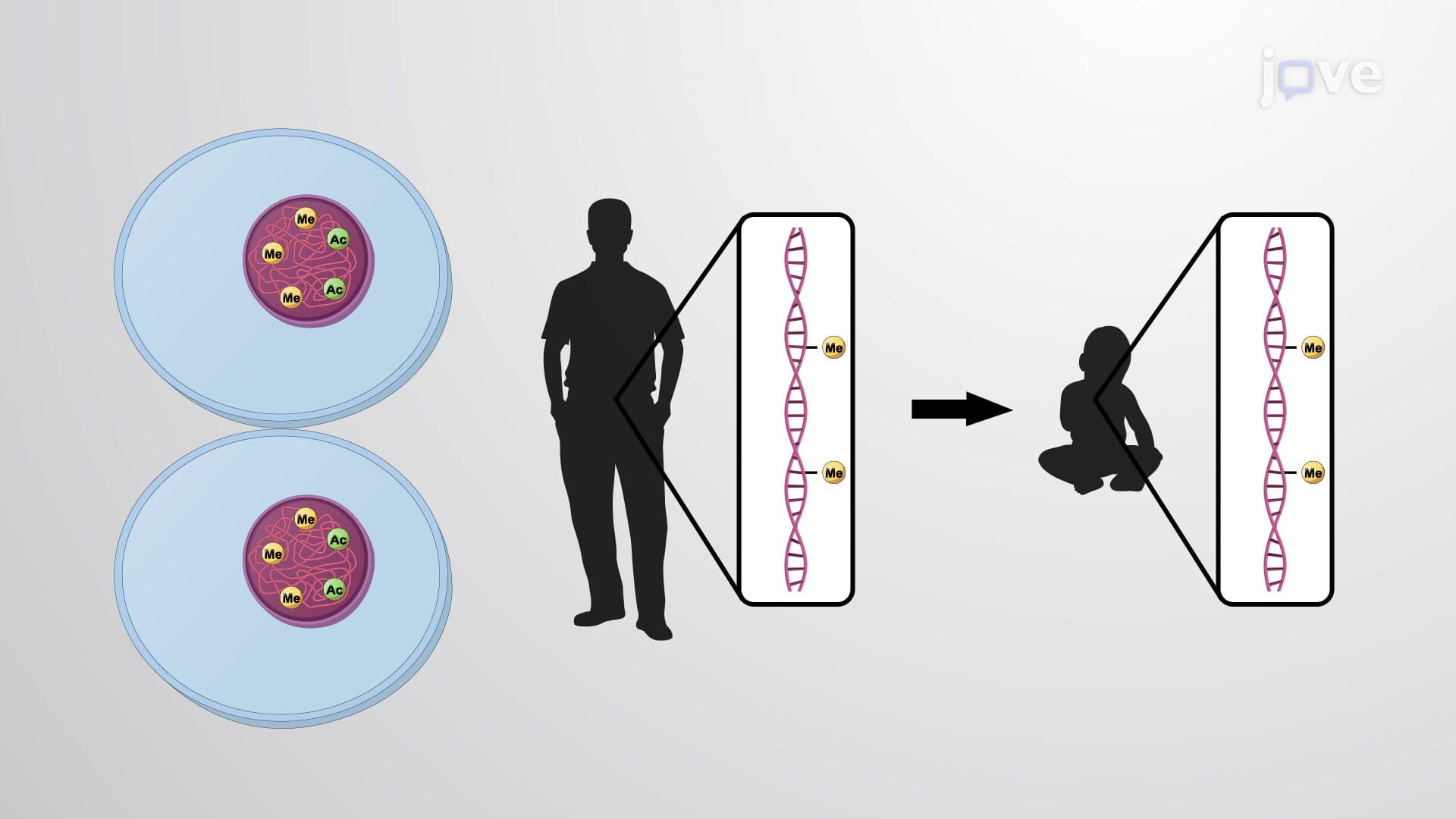
Did you know that identical twins can develop different diseases despite having the same DNA? Epigenetic regulation explains this phenomenon by controlling gene expression without changing the underlying genetic code. Through mechanisms like DNA methylation and histone modification, cells can turn genes on or off in response to environmental factors such as diet and stress. For example, studies of survivors from the Dutch Hunger Winter of 1944-45 showed epigenetic changes that affected their children's metabolism decades later. What is epigenetic regulation becomes clearer when we understand it as the cell's way of adapting gene activity to environmental conditions. Watch the full video on JoVE Coach to master this concept with expert-led visuals and step-by-step explanations.
- Understand what is epigenetic regulation and how it differs from genetic mutations by modifying gene expression without altering DNA sequence
- Identify the three main mechanisms of epigenetic control: DNA methylation, histone modifications, and RNA-based processes
- Analyze how DNA methylation adds methyl groups to cytosine bases, typically silencing gene expression by blocking transcription factor binding
- Compare histone acetylation and methylation effects on chromatin structure and their opposing roles in gene activation and repression
- Evaluate environmental factors like diet, toxins, and stress that can trigger epigenetic changes with lasting biological consequences
- Apply epigenetic principles to understand inheritance patterns that don't follow traditional Mendelian genetics
- Recognize non-coding RNAs as epigenetic regulators that recruit chromatin-modifying enzymes to specific genomic locations
- Explore clinical applications of epigenetic research in cancer therapy, developmental disorders, and personalized medicine approaches
Understanding What is Epigenetic Regulation
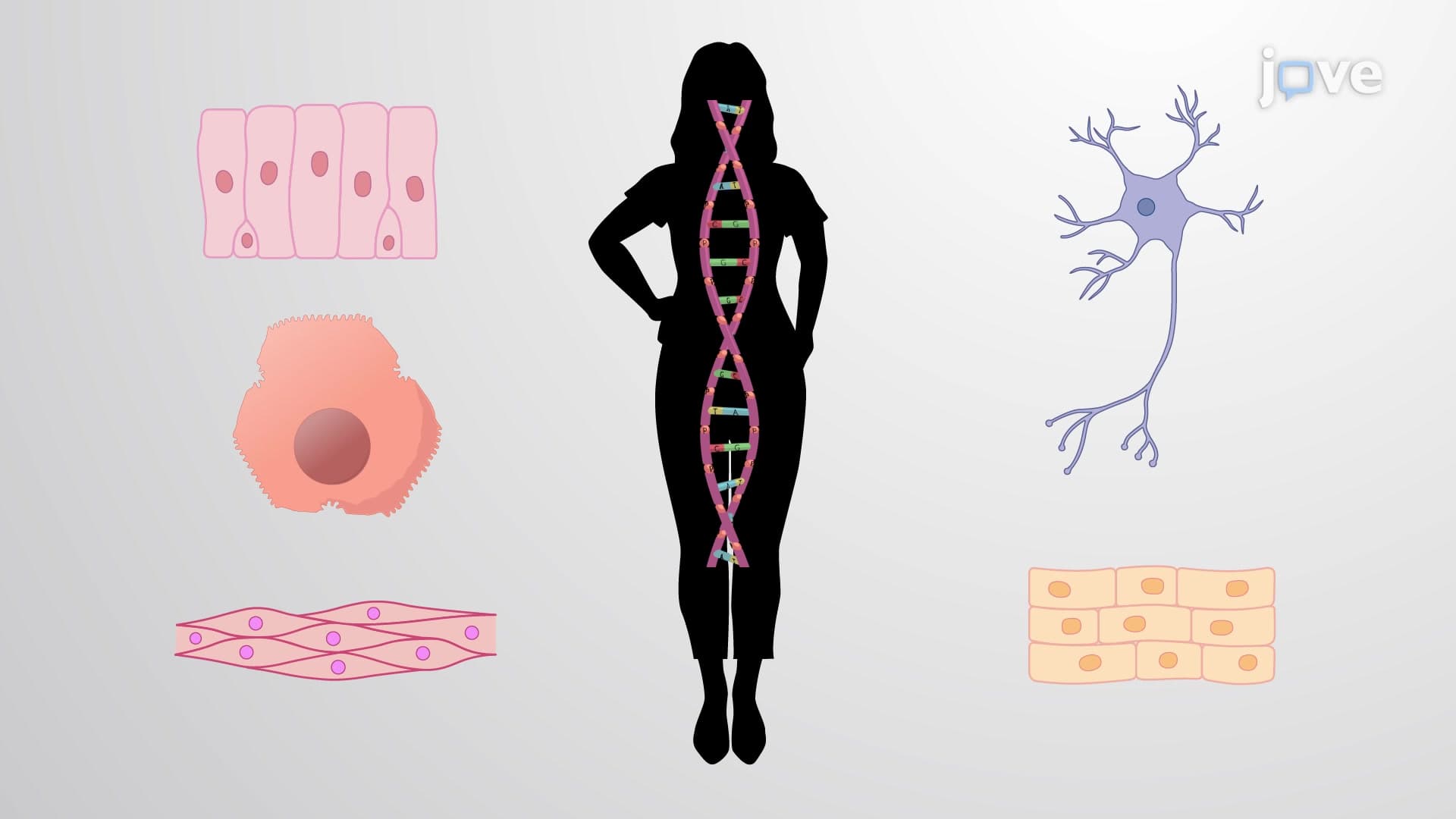
Epigenetic regulation represents one of biology's most fascinating discoveries-the ability of cells to control gene activity without permanently altering the DNA blueprint. Unlike genetic mutations that change the actual DNA sequence, epigenetic modifications act like molecular switches, turning genes on or off in response to cellular needs and environmental conditions. This regulatory system allows a single genome to create the remarkable diversity of cell types in the human body, from neurons to muscle cells to immune cells.
DNA Methylation: The Master Silencer
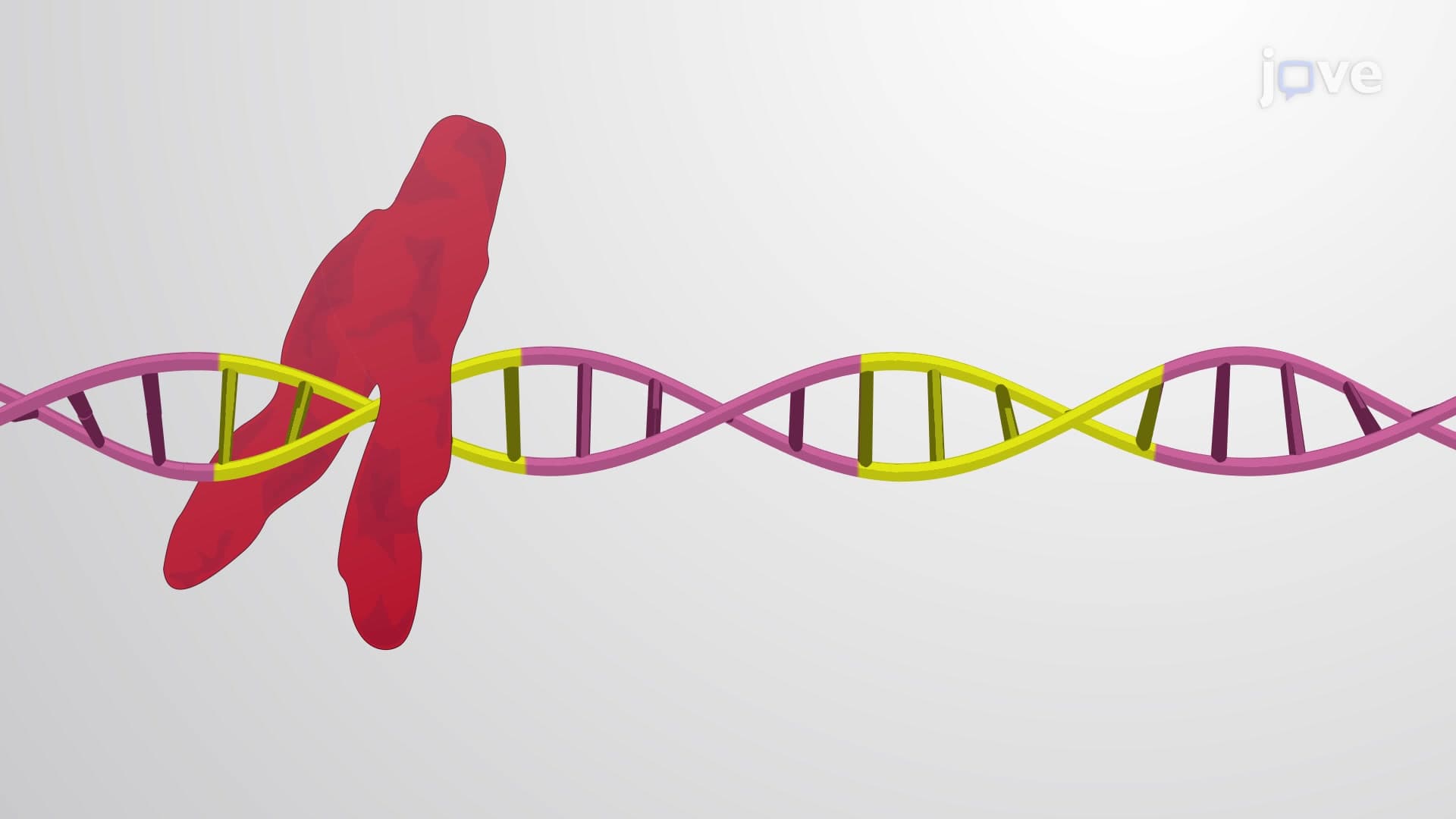
DNA methylation serves as the primary epigenetic silencing mechanism in mammalian cells. This process involves adding methyl groups (CH₃) to cytosine bases, particularly in CpG dinucleotides where cytosine precedes guanine. When DNA methyltransferases add these chemical tags, they create binding sites for methyl-binding proteins that recruit additional repressive factors. The result is chromatin compaction and transcriptional silencing. In the United States, researchers at Johns Hopkins University pioneered studies showing how abnormal DNA methylation patterns contribute to cancer development, leading to FDA-approved drugs like 5-azacytidine for treating certain blood cancers.
Histone Modifications: Chromatin's Chemical Language
Histone proteins act as molecular spools around which DNA winds to form nucleosomes. Chemical modifications to these histones-including acetylation, methylation, phosphorylation, and ubiquitination-create a complex regulatory code. Histone acetylation, catalyzed by histone acetyltransferases (HATs), typically opens chromatin structure and promotes gene expression. Conversely, histone deacetylases (HDACs) remove acetyl groups, leading to chromatin compaction and gene silencing. Histone methylation presents more complexity, as different lysine residues can be mono-, di-, or tri-methylated, each carrying distinct regulatory messages.
Clinical and Academic Applications
Understanding epigenetic regulation biology has transformed medical practice and research. The National Cancer Institute estimates that epigenetic alterations contribute to over 90% of human cancers, making this knowledge crucial for pre-med students preparing for the MCAT. AP Biology students encounter epigenetics when studying gene expression regulation and inheritance patterns. College genetics courses emphasize how environmental factors like maternal nutrition during pregnancy can create lasting epigenetic marks affecting offspring health-knowledge essential for understanding concepts tested in medical school admissions and professional healthcare examinations.
Frequently Asked Questions
Epigenetic regulation controls gene expression without altering the DNA sequence itself, unlike genetic mutations that permanently change the genetic code. These modifications can be reversed and are influenced by environmental factors like diet and stress. Think of it as changing how genes are read rather than rewriting the genes themselves.
The AP Biology exam includes epigenetics in Unit 6 (Gene Expression and Regulation), focusing on DNA methylation, histone modifications, and environmental influences on gene expression. Students must understand how these mechanisms affect development and inheritance patterns. Practice FRQs often connect epigenetics to cancer biology and developmental processes.
MCAT Biological and Biochemical Foundations sections test understanding of chromatin structure, DNA methylation patterns, and histone code modifications. Questions often integrate epigenetics with cancer biology, development, and inheritance. Focus on mechanism details and experimental interpretation skills for passage-based questions.
Major US medical centers use epigenetic therapies for treating blood cancers like myelodysplastic syndromes. DNA methyltransferase inhibitors and histone deacetylase inhibitors are FDA-approved treatments. Research at institutions like Memorial Sloan Kettering focuses on epigenetic biomarkers for personalized cancer therapy approaches.
Not at all-epigenetic regulation builds on basic DNA and protein concepts you already know. Start with understanding that cells can control gene activity without changing DNA sequence. The mechanisms become clearer when you connect them to familiar processes like development and environmental responses.
Create concept maps linking DNA methylation, histone modifications, and gene expression outcomes. Practice drawing chromatin structures showing open vs. closed conformations. Focus on cause-and-effect relationships: which modifications activate genes and which silence them. Use clinical examples to reinforce mechanisms.
Epigenetic knowledge provides essential background for developmental biology, cancer biology, and genetics courses. It explains how environmental factors influence health outcomes across generations. This foundation proves crucial for understanding emerging fields like precision medicine and therapeutic approaches targeting epigenetic mechanisms.
Explore specific applications like genomic imprinting, X-chromosome inactivation, and stem cell reprogramming. Study epigenetic contributions to complex diseases and aging processes. Advanced topics include CRISPR-based epigenome editing and single-cell epigenomics technologies revolutionizing biomedical research.
Environmental stressors like poor nutrition, toxin exposure, and psychological stress can activate enzymes that add or remove epigenetic marks. These changes help cells adapt to environmental conditions but can sometimes become maladaptive. Understanding this connection explains how lifestyle factors influence disease risk through epigenetic mechanisms.
Related Micro-courses

16 Concepts

14 Concepts